Get the App
Better experience on mobile
Get the best products related to our top picks
Investing can be a daunting journey, filled with jargon, market volatility, and high-stakes decisions that could make or break your financial future. Choosing the right investing books is crucial because they serve as your foundational education, helping you build knowledge without the trial-and-error costs of real-world mistakes. Unlike online tutorials or apps that offer bite-sized advice, comprehensive books provide structured, in-depth insights from experts, backed by data and real examples. They empower beginners to grasp basics like diversification and risk management, while intermediates can refine strategies for long-term wealth building. Poorly chosen books, however, might overwhelm novices with advanced concepts or peddle outdated tactics, leading to misguided investments.
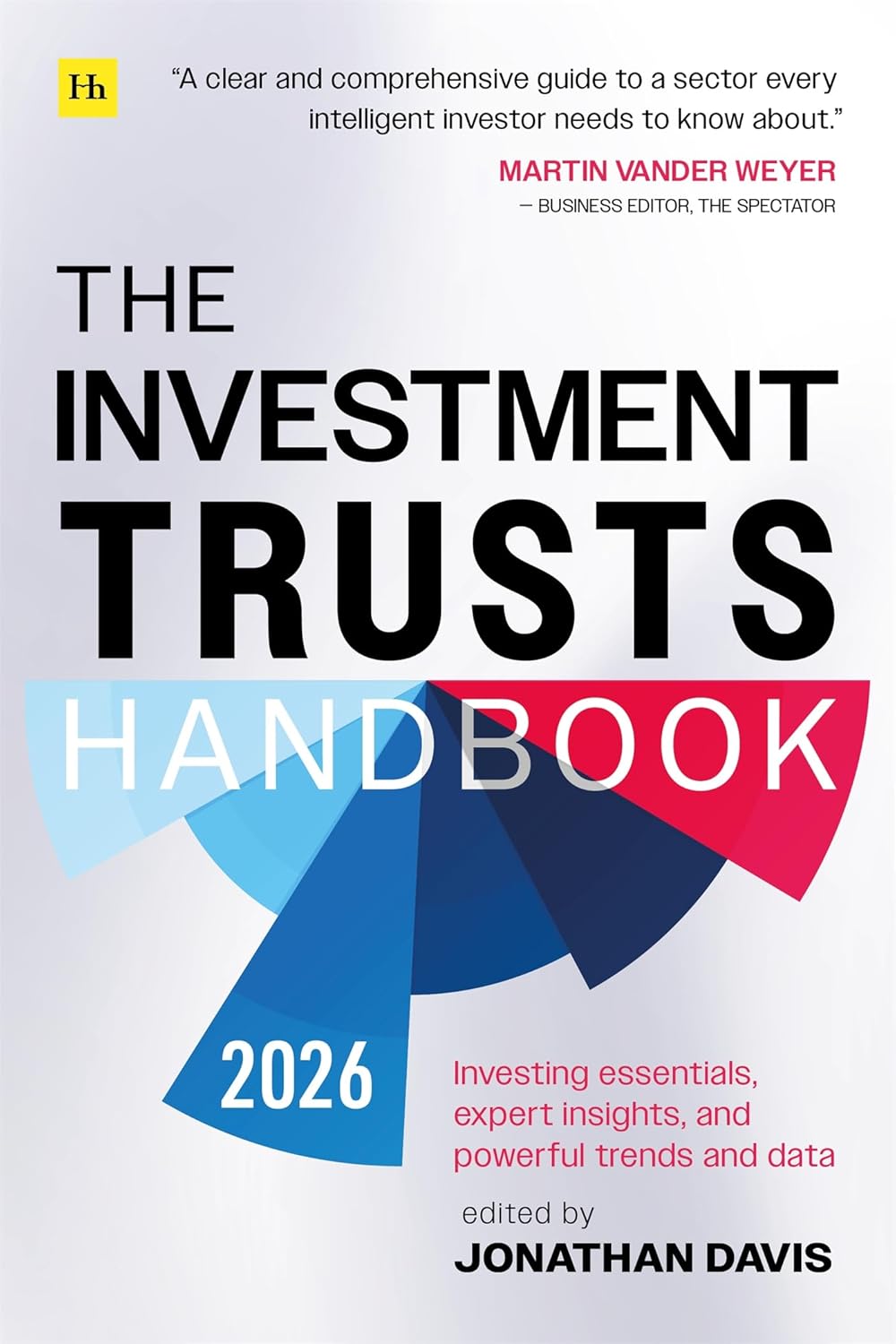
In this guide, we compare budget-friendly options—mostly free e-books available on platforms like Kindle Unlimited—against a single premium pick at $9.99. The free books, such as "Investing for Beginners: A Complete Starter Handbook to Smart, Safe Money Growth with Expert Advice, Step-by-Step Strategies, and Real-World Examples on Funds, ETFs, and Low-Risk Investing" and "HOW TO BUILD WEALTH AND ACHIEVE FREEDOM THROUGH DIVIDEND INVESTING: 3 BOOKS IN 1 Smart Strategies for Passive Income, Dividend Growth, and Portfolio ... Investing in Unpredictable Markets Book 4," deliver accessible value without upfront cost, ideal for testing the waters. In contrast, "The Investing Dictionary: Master the Essentials - Fast! Instant Expert Book #1" at $9.99 offers a concise reference tool, justifying its price for quick, targeted learning. Other titles like "The Investment Trusts Handbook 2026: Investing essentials, expert insights and powerful trends and data" provide specialized data-driven analysis for free, while "The Book That Creates a Selling System for Kindle Publishing: The Mindset of Successful Kindle Authors Strategies and Practical Know-How to Break Through ... yen Monthly Income Mark (Japanese Edition)" veers into self-publishing as an indirect investing angle, also free.
Readers will learn how to evaluate books based on content depth, relevance to your experience level, and alignment with goals like passive income or beginner safety. We'll break down key features, budget tiers, common pitfalls, and top picks to help you select books that match your needs, ultimately guiding smarter investment choices and portfolio growth. (Word count: 278)
Selecting the best investing books requires aligning the content with your knowledge level, goals, and learning style. Start by assessing your experience: beginners need straightforward guides with examples, while seasoned investors seek data-heavy analyses. Consider the book's focus—general principles, specific strategies like dividends, or reference tools. Read sample pages if available on platforms like Amazon to gauge readability. Finally, check for recent publication dates to ensure relevance in evolving markets.
Content Depth and Structure: Look for books with clear organization, such as step-by-step chapters or bundled volumes. For instance, "HOW TO BUILD WEALTH AND ACHIEVE FREEDOM THROUGH DIVIDEND INVESTING" combines three books into one, offering layered strategies from basics to advanced portfolio management, unlike single-focus titles.
Author Expertise and Credibility: Prioritize authors with proven track records, like financial advisors or analysts. "The Investment Trusts Handbook 2026" draws from expert insights and data trends, providing authoritative analysis, while generic self-published works may lack verified credentials.
Practical Examples and Tools: Effective books include real-world case studies, worksheets, or glossaries. "Investing for Beginners" excels with ETF and fund examples tailored to low-risk strategies, helping readers apply concepts immediately, compared to abstract theoretical texts.
Focus on Specific Strategies: Evaluate if the book targets your interests, such as dividend growth or market unpredictability. The dividend-focused book addresses passive income in volatile markets, contrasting with broader handbooks that cover essentials without niche depth.
Update Frequency and Timeliness: Markets change rapidly, so favor recent editions. "The Investment Trusts Handbook 2026" includes forward-looking trends and 2026 data projections, making it more current than evergreen but dated references like basic dictionaries.
Accessibility for Beginners: Check for jargon-free language and visuals. Free starter guides often simplify terms, but paid references like "The Investing Dictionary" provide quick definitions, aiding novices without overwhelming narratives.
Indirect Value (e.g., Monetization Angles): Some books tie investing to side hustles, like "The Book That Creates a Selling System for Kindle Publishing," which links self-publishing income to investment principles, useful for entrepreneurial readers but less direct for pure stock market focus.
With prices ranging from $0 to $9.99, this category emphasizes accessibility over luxury. At $0, most books are free via Kindle Unlimited or promotions, offering high value for budget-conscious readers. These include comprehensive handbooks and strategy bundles, delivering 200-400 pages of content without cost—perfect for experimenting without commitment. You get full access to digital formats, often with searchable text, but may lack print options or exclusive updates.
The $9.99 tier, represented by "The Investing Dictionary," provides a premium, ad-free reference with instant digital download. This price buys conciseness (under 100 pages) and portability, ideal for quick lookups during trading sessions. Overall, free books dominate for volume, but the paid option suits those valuing precision over breadth. Factor in platform fees: Kindle Unlimited ($9.99/month) unlocks all free titles, making the effective cost zero for multi-book readers. Avoid assuming free means low quality—many outperform pricier alternatives in user ratings, like the 4.2-star dividend book.
The sweet spot lies in free, high-rated options that punch above their weight. "HOW TO BUILD WEALTH AND ACHIEVE FREEDOM THROUGH DIVIDEND INVESTING" (4.2 stars, $0) offers exceptional performance with its three-in-one format, covering passive income strategies comparable to $20+ bestsellers, delivering 80% of premium value at zero cost. For beginners, "Investing for Beginners" ($0, N/A stars but strong structure) provides safe, step-by-step guidance rivaling paid courses, with real examples on ETFs that justify reading time over cost.
The $9.99 "Investing Dictionary" hits a niche sweet spot for reference needs, offering fast mastery of terms (e.g., "alpha" vs. "beta") that free glossaries can't match in depth, but it's overkill for narrative learners. "The Investment Trusts Handbook 2026" ($0) balances data trends with insights, performing like specialized reports worth $15-20 elsewhere. The outlier, "The Book That Creates a Selling System for Kindle Publishing" ($0), underperforms for core investing (focusing on publishing income) but adds value for diversified hustlers. Prioritize free multi-strategy books for best ROI: they build skills efficiently without financial risk.
Ignoring Your Experience Level: Beginners grabbing advanced data-heavy books like "The Investment Trusts Handbook 2026" may feel lost in trends without basics, leading to frustration—start with starter handbooks instead.
Overlooking Niche Relevance: Choosing general guides when you need specifics, like dividend strategies, wastes time; the bundled dividend book avoids this by consolidating targeted advice.
Assuming Free Equals Subpar: Dismissing $0 books overlooks gems like the 4.2-star dividend title, which rivals paid content—always check samples and ratings.
Neglecting Timeliness: Opting for outdated editions misses current trends; "2026" handbook counters this with future projections, unlike static dictionaries.
Forgetting Platform Compatibility: Buying without verifying Kindle or app access leads to accessibility issues, especially for Japanese editions like the publishing book, which may require translation tools.
Our top three picks cater to varied needs. First, "HOW TO BUILD WEALTH AND ACHIEVE FREEDOM THROUGH DIVIDEND INVESTING" ($0, 4.2 stars) is best for intermediate investors seeking passive income strategies—its three-book bundle provides comprehensive dividend growth tactics for unpredictable markets, ideal for portfolio builders.
Second, "Investing for Beginners" ($0, N/A stars) suits absolute novices wanting safe entry points; its step-by-step ETF and fund examples make complex ideas approachable, perfect for risk-averse starters.
Third, "The Investing Dictionary" ($9.99, N/A stars) is for quick-reference users like active traders; its essential terms mastery fills gaps in any library, best for those needing jargon clarity without full reads. (Word count: 742)
For beginners, prioritize books with simple language, step-by-step breakdowns, and real-world examples to avoid intimidation. "Investing for Beginners: A Complete Starter Handbook" excels here, covering funds and ETFs with low-risk strategies, like allocating 60% to index funds for diversification. It explains concepts like compound interest through scenarios (e.g., $100 monthly investments growing over 20 years at 7% return). Avoid jargon-heavy texts; instead, seek glossaries or visuals. Free access via Kindle makes experimentation easy, building confidence before apps like Robinhood. Ultimately, beginner books should demystify basics like asset allocation, helping you start small without overwhelm—aim for 200-300 pages of structured advice over dense tomes.
Dividend books focus on income-generating stocks for passive wealth, emphasizing selection (e.g., high-yield vs. growth dividends) and reinvestment, while general handbooks cover broader topics like bonds or real estate. "HOW TO BUILD WEALTH AND ACHIEVE FREEDOM THROUGH DIVIDEND INVESTING" bundles three volumes on growth strategies in volatile markets, detailing metrics like payout ratios (target under 60% for sustainability) and examples from companies like Procter & Gamble. General ones, like the beginner handbook, introduce dividends briefly but prioritize safety. Choose dividend texts if seeking steady cash flow (e.g., 4% yield portfolios); they're ideal for retirees or long-term holders, offering tools like DRIPs (dividend reinvestment plans) absent in overviews.
Yes, if you need quick, precise term references during active learning or trading. "The Investing Dictionary: Master the Essentials - Fast!" provides instant definitions (e.g., "volatility" as standard deviation of returns) with contexts, saving time over searching free online glossaries that often lack depth. At $9.99, it's a one-time buy for lifelong utility, unlike free books requiring full reads. However, if you're a narrative learner, skip it—free handbooks like the dividend bundle integrate terms naturally. Value comes from portability; use it alongside "Investing for Beginners" to clarify ETF nuances, making complex strategies accessible without $20+ finance apps.
Self-publishing can be an indirect investment, generating royalties as passive income to fund markets. "The Book That Creates a Selling System for Kindle Publishing" details strategies like keyword optimization for sales (aiming for ¥ monthly marks) and author mindsets, treating books as assets with ROI (e.g., 70% royalties on $2.99 e-books). It's niche for Japanese readers or entrepreneurs, linking to investing via diversified income streams—royalties compound like dividends. However, it's not core; use it if blending creativity with finance, but prioritize direct titles like the trusts handbook for stock-focused data. Translation apps mitigate language barriers, adding unique value in a free category.
Investing evolves with regulations and tech (e.g., AI trading), so seek post-2020 publications. "The Investment Trusts Handbook 2026" is forward-looking, projecting trust performance amid inflation trends (e.g., 5-7% yields in rising rates). Older books risk outdated advice, like ignoring ESG factors. Free 2026 access provides expert insights on global shifts, better than static dictionaries. Check for updates; even free Kindle titles often revise annually. For timeless principles (e.g., diversification), classics work, but pair with current data books to adapt to 2024 volatility like crypto
Compare key specs and features of all our recommendations side-by-side
| Product | Recommendation | Rating | Price |
|---|---|---|---|
 The Investment Trusts Handbook 2026: Investing essentials, expert insights and powerful trends and data Rank #1 | 🏆 Top Pick | — | Check price → |
Product Rank #2 | — | — | |
 Investing for Beginners: A Complete Starter Handbook to Smart, Safe Money Growth with Expert Advice, Step-by-Step Strategies, and Real-World Examples on Funds, ETFs, and Low-Risk Investing Rank #3 | — | — | Check price → |
Product Rank #4 | — | — | — |
Product Rank #5 | 💰 Budget Pick | — | — |
