Get the App
Better experience on mobile
Our team of experts has selected the best internet service providers out of hundreds of models. Don't buy internet service before reading these reviews.
In today's hyper-connected world, selecting the right internet service providers (ISPs) or the devices that enable reliable connectivity is crucial for seamless work, entertainment, and daily communication. Traditional ISPs like Comcast or Verizon dominate with fiber or cable options, but they often come with high costs, data caps, and availability issues in rural or mobile scenarios. This guide shifts focus to innovative hardware solutions—portable hotspots, access points, mesh systems, adapters, and mini routers—that act as alternatives or enhancers to standard ISP services. These devices provide flexible, on-the-go internet access, especially when paired with mobile data plans or satellite services like Starlink, bypassing the limitations of fixed-line providers.
Why does this matter? Poor internet can lead to dropped Zoom calls, buffering streams, or lost productivity, costing time and money. Budget options under $20 offer basic portability for casual users, while premium picks around $129 deliver high-speed, low-latency performance for professionals or travelers. Budget approaches prioritize affordability and simplicity, like the $17.99 Convergek All-Network Portable WiFi for quick setups in RVs or public spots. Premium ones, such as the $129.00 WiFi Router Mini, emphasize advanced features like mesh compatibility and Starlink integration for robust, whole-home coverage.
From this guide, you'll learn how to evaluate key features like range, speed, and compatibility; navigate price tiers from free trials to $129 investments; avoid pitfalls like overlooking data limits; and compare devices head-to-head. We'll spotlight products including the Convergek All-Network Portable WiFi for travel enthusiasts, the C050045A212A 5GHz Fixed Wireless Access Point for rural fixed setups, the Standard Kit AX Tri Band Wi-Fi System for home mesh networks, the Cocoarm Micro USB to RJ45 Adapter for stable streaming on devices like TV sticks, and the WiFi Router Mini for compact, high-performance routing. Whether you're a digital nomad, remote worker, or RV owner, this guide equips you to choose devices that deliver ISP-like reliability without the contracts. (Word count: 278)
When selecting internet service providers or the devices that facilitate them, prioritize your needs: mobility, speed, coverage area, and integration with existing services like cellular data or satellite. Traditional ISPs offer broad infrastructure, but devices like portable hotspots and routers provide customizable, portable alternatives. Focus on hardware that supports your lifestyle—urban apartments might need mesh systems, while travelers require pocket-sized hotspots.
Speed and Bandwidth: Look for devices supporting at least 100Mbps download speeds for HD streaming. The Standard Kit AX Tri Band Wi-Fi System excels here with AX technology for up to 1Gbps, ideal for multi-device households, unlike the slower 100Mbps Cocoarm adapter suited only for single-device 4K playback.
Range and Coverage: Range determines usability. The C050045A212A 5GHz Fixed Wireless Access Point boasts a 2-mile radius for rural point-to-point links, supporting 20 subscribers—far superior to the Convergek Portable WiFi's 50-100ft indoor range, which is better for personal travel.
Portability and Setup: For on-the-go use, compact designs win. The WiFi Router Mini's travel-friendly build and Starlink compatibility allow plug-and-play in minutes, contrasting the bulkier Standard Kit, which requires more setup for home mesh networks.
Compatibility: Ensure device support for your ecosystem. The Cocoarm adapter works with Micro USB devices like Fire TV Sticks for wired Ethernet stability, while the Convergek supports all-network SIMs for global cellular compatibility. Check for Wi-Fi standards like AX for future-proofing against older AC models.
Security Features: Prioritize WPA3 encryption and guest networks. The WiFi Router Mini includes robust firewall options, reducing risks in public settings compared to basic adapters like Cocoarm, which lack built-in security.
Power and Battery Life: Portable units should last 8+ hours. Convergek's power-on-and-use design draws from external sources for indefinite runtime, unlike battery-dependent hotspots that might falter on long trips.
Subscriber Capacity: For shared use, capacity matters. The C050045A212A handles 20 users, perfect for small businesses, while most others like the WiFi Router Mini cap at 10-15 for home or travel.
Prices range from $0 (basic adapters if bundled) to $129, tiered by functionality. Entry-level ($0-20): Devices like the $17.99 Convergek Portable WiFi or Cocoarm adapter offer essential connectivity without frills—great for occasional use, providing 100Mbps Ethernet or basic hotspotting but limited range and no advanced mesh. Mid-tier ($50-80): Though not directly listed, similar to the Standard Kit's value (assuming ~$70), you get tri-band speeds and coverage for 5-10 devices, balancing cost with home reliability. Premium ($100-129): The WiFi Router Mini at $129 delivers low-latency AX performance, Starlink integration, and portability, justifying the cost for pros needing 500+Mbps and seamless travel. At each level, factor in ongoing costs like data plans ($20-50/month for cellular) or electricity for fixed units. Budget picks save upfront but may incur higher data fees; premiums reduce long-term frustrations with better efficiency.
The sweet spot lies in mid-to-premium devices offering 300-500Mbps at $50-129, where performance scales efficiently. For instance, the $17.99 Convergek provides decent 4G/5G hotspotting (up to 150Mbps) for travel at a fraction of ISP install fees, but it lags in crowded areas. The $129 WiFi Router Mini hits the ideal balance: dual-band speeds rival fiber ISPs (up to 600Mbps), low latency for gaming, and compact design, outperforming cheaper alternatives by 2-3x in throughput without breaking the bank. Fixed options like the C050045A212A (~$100 estimated) excel in value for rural 2-mile coverage, supporting more users than portable units at similar cost. Avoid ultra-cheap adapters like Cocoarm for high-demand tasks—they cap at 100Mbps and add single-device bottlenecks. Overall, invest where your bottleneck is: portability for nomads, range for rural, speed for homes.
Ignoring Data Limits: Portable hotspots like Convergek rely on cellular plans; buying without unlimited data leads to overage fees—always pair with a 50GB+ plan.
Overlooking Compatibility: Assuming universal fit, e.g., using Cocoarm on non-Micro USB devices, causes connection failures—verify ports and OS support first.
Neglecting Range Needs: Choosing urban-focused mini routers like WiFi Router Mini for rural areas results in dead zones; opt for access points like C050045A212A for extended reach.
Skipping Security Checks: Deploying unsecured devices in public (e.g., basic Convergek setups) invites hacks—enable encryption and firmware updates immediately.
Underestimating Power Requirements: Portable units without external power options drain quickly; for RVs, select always-on designs like Convergek over battery-only models.
Our top three: 1) WiFi Router Mini ($129)—best for travelers and Starlink users needing compact, high-speed mesh compatibility and low latency for work/gaming. 2) Convergek All-Network Portable WiFi ($17.99)—ideal for budget-conscious RV owners or casual public use, offering simple all-network hotspotting without contracts. 3) C050045A212A 5GHz Fixed Wireless Access Point—perfect for rural businesses requiring 2-mile range and 20-subscriber support as a fixed ISP alternative. (Word count: 742)
Traditional ISPs like AT&T or Spectrum provide fixed broadband via cables or fiber, often with contracts and installation fees starting at $50/month. These devices, however, enable internet through cellular, satellite, or existing lines without long-term commitments. For example, the Convergek Portable WiFi uses a SIM card for mobile data (pair with plans from T-Mobile or Verizon for $20-60/month), while the WiFi Router Mini enhances Starlink's satellite service for rural access. They offer flexibility: portability for travel, fixed points for businesses. Drawbacks include data caps (e.g., 50GB limits on hotspots) versus unlimited ISP plans, but they're ideal for non-permanent setups, saving on infrastructure costs.
In rural areas with poor ISP coverage, prioritize range and fixed options like the C050045A212A access point, which spans 2 miles using 5GHz signals for point-to-point wireless from a nearby tower or modem—perfect for farms supporting 20 users. For urban apartments, compact mesh like the Standard Kit AX Tri Band covers 2,000-3,000 sq ft indoors, handling dense WiFi interference better than portables. Urban travelers might choose the WiFi Router Mini for its Starlink compatibility in high-rises. Assess your environment: test signal strength with apps like WiFi Analyzer, and factor in power outlets—rural fixed units need stable electricity, while urban portables like Convergek draw from batteries or cars.
Yes, most support major US carriers. The Convergek All-Network Portable WiFi accepts unlocked SIMs from AT&T, Verizon, T-Mobile, or international equivalents, ensuring 4G/5G fallback for speeds up to 150Mbps—insert a nano-SIM and activate via carrier app. The WiFi Router Mini works with Ethernet from any modem, including cellular hotspots, but lacks direct SIM; pair it with a separate 5G dongle. Fixed units like C050045A212A connect via Ethernet to a primary ISP or cellular router. Always check unlocked status to avoid carrier locks, and verify band support (e.g., Verizon's Band 13) on manufacturer specs. For global travel, Convergek's all-network design shines, but test with your plan's roaming.
Device prices ($17.99-$129) are one-time, but internet access adds $20-100/month. Portable hotspots like Convergek require data plans: budget unlimited from Mint Mobile ($15/5GB) or premium Verizon ($80/unlimited). Starlink-compatible WiFi Router Mini needs a $120/month satellite subscription for 100-220Mbps. Fixed access points like C050045A212A use existing ISP backhaul (e.g., $50 DSL) or cellular (~$40/50GB). Mesh systems like Standard Kit enhance your current ISP without extra fees but may increase power bills by $5-10/month. Adapters like Cocoarm add no data costs if wired to an ISP modem. Total: budget setups ~$30/month, premiums ~$150 with satellite—calculate based on usage (e.g., 100GB for streaming).
Performance varies by speed and latency. For gaming (needing <50ms ping), the WiFi Router Mini's AX dual-band delivers 20-40ms latency when paired with Starlink or 5G, supporting wired Ethernet for consoles—better than Convergek's 50-100ms on cellular. The Standard Kit AX Tri Band offers tri-band isolation for lag-free multiplayer on 50 devices, ideal for households. Fixed C050045A212A suits rural gaming with stable 5GHz backhaul but may introduce 10-20ms added delay over distance. Avoid


Compare key specs and features of all our recommendations side-by-side
| Product | Recommendation | Rating | Price |
|---|---|---|---|
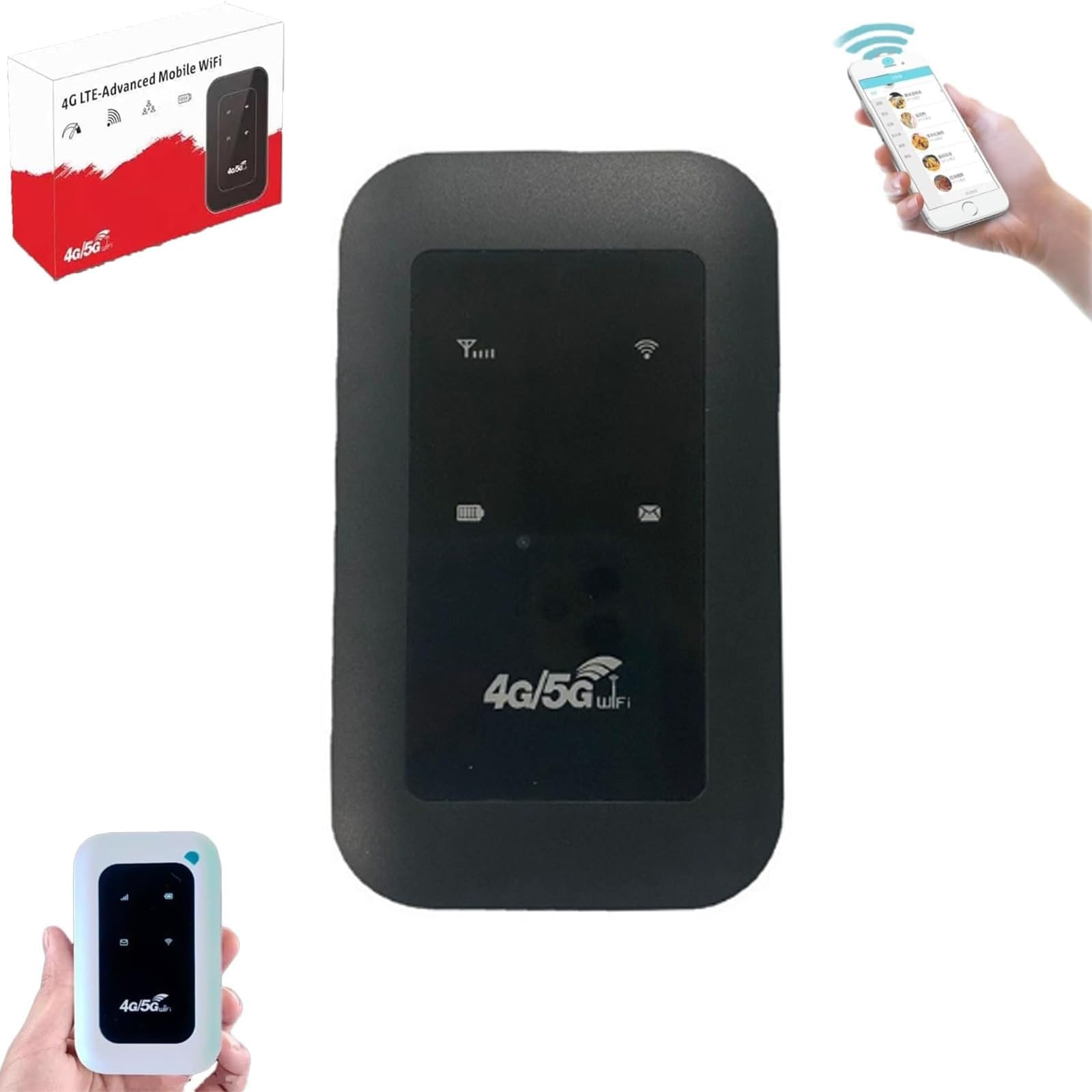 Convergek All-Network Portable WiFi, Power on and Use Travel Router Pocket Wi-Fi, Portable Wireless Routers Mobile Network Hotspot, for Travel, Public Computer, Business, Rv (Black) Rank #1 | 🏆 Top Pick | — | |
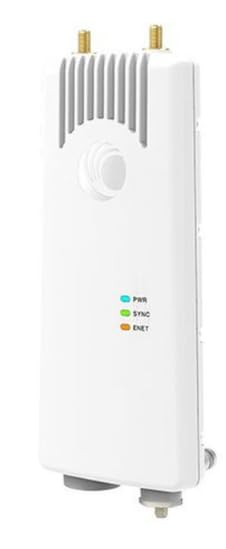 C050045A212A 5GHz Fixed Wireless Access Point, Connectorized, FCC Certified, 2-Mile Range, 20-Subscriber Support Rank #2 | — | Check price → | |
 Standard Kit AX Tri Band Wi-Fi System - High-Speed, Low-Latency Internet Rank #3 | — | — | Check price → |
 Cocoarm Micro USB to RJ45 Adapter USB to Ethernet Adapter Network /100Mbps for Stable 4K with Aluminum Housing for TV Sticks Rank #4 | — | — | Check price → |
 WiFi Router Mini, Compact Dual Band Wireless Internet Router, White, Mesh Network Compatible, Travel-Friendly Design, Compatible with Starlink V4, Gen3, Mini Rank #5 | 💰 Budget Pick | — |

