Get the App
Better experience on mobile
Get the best products related to our top picks
Interactive cat feeders are essential tools for modern cat owners, transforming mealtime from a passive routine into an engaging activity that promotes mental stimulation, reduces boredom, and mimics natural hunting behaviors. Cats, as obligate carnivores with instincts rooted in foraging and stalking, often eat too quickly when food is freely available, leading to issues like obesity, digestive problems such as vomiting or bloat, and behavioral issues from lack of enrichment. By slowing down eating and encouraging problem-solving, these feeders help maintain a healthy weight, improve dental health through chewing, and alleviate stress in indoor environments where cats lack outdoor stimulation.
This guide compares budget-friendly options under $20, which offer basic puzzle designs for simple slow-feeding, against premium models up to $50 that incorporate smart tech like automatic dispensing or multi-function toys for advanced interaction. Budget picks prioritize affordability and ease of use with static puzzles, while premium ones deliver higher durability, customization, and long-term engagement, though they may require more setup or batteries. Readers will learn key features to evaluate, such as material safety and puzzle complexity, budget breakdowns to match their needs, performance analyses to find value, and pitfalls to dodge. We'll review five standout products: the Slow Feeder Bowl for Dogs & Cats - Clover Anti-Choking Puzzle (a versatile silicone bowl at $20), the Interactive Cat Nail File Enrichment Box (a multi-purpose felt toy at $16.99), the Pet Puzzle Interactive Cat Slow Feeder Bowl (a colorful dispenser with drainage), the Interactive Dog Toy Automatic Pet Treat Dispenser (a smart ball-rolling feeder at $49.99), and the Best Toy Set for Indoor Cats Avocado-Shaped Interactive Kit (a playful combo with wand and feeder). By the end, you'll confidently select a feeder that fits your cat's personality, your home setup, and your wallet, ensuring happier, healthier feline companions. (Word count: 278)
Selecting an interactive cat feeder involves assessing your cat's needs, your lifestyle, and the product's functionality to ensure it provides enrichment without frustration. Focus on designs that slow eating to 10-15 minutes per meal, promote natural behaviors, and are safe for daily use.
Material and Safety: Opt for BPA-free, non-toxic materials like food-grade silicone or felt to prevent chemical leaching. For example, silicone bowls like the Clover Anti-Choking Puzzle resist bacteria and are dishwasher-safe, unlike cheaper plastics that can harbor odors. Avoid sharp edges that could injure paws or mouths.
Puzzle Complexity and Interactivity Level: Basic mazes suit kittens or seniors, while advanced rolling balls or multi-chamber designs challenge adults. The Automatic Pet Treat Dispenser uses motion-activated rolling for high engagement, contrasting simpler static bowls like the Pet Puzzle Slow Feeder.
Size and Capacity: Match feeder size to your cat's breed and meal portions—small for kittens (up to 1 cup) or large breeds (2+ cups). The Avocado-Shaped Kit offers modular pieces for scalability, preventing overflow issues in compact bowls.
Ease of Cleaning and Maintenance: Look for removable parts and drainage holes to avoid mold from wet food. The Pet Puzzle Bowl's built-in drainage excels here, while battery-powered units like the Treat Dispenser may need occasional wiping of sensors.
Durability and Stability: Non-tip bases and chew-resistant materials ensure longevity. Silicone options like the Clover Bowl grip surfaces well, outperforming lightweight felt toys that might shift during vigorous play.
Multi-Functionality: Some combine feeding with scratching or play, like the Nail File Enrichment Box, adding value beyond meals. Premium feeders often include app controls or timers for scheduled dispensing.
Portability and Design Aesthetics: Compact, colorful designs fit small apartments; the Pink Pet Puzzle Bowl's vibrant hues blend into decor, while bulkier automatic models suit dedicated play areas.
Interactive cat feeders span $0-$49.99, divided into tiers reflecting features and build quality. Entry-level ($0-$20) focuses on affordability for casual users—think static puzzles like the $16.99 Nail File Enrichment Box or $20 Clover Bowl, which provide basic slowing and stimulation using silicone or felt without electronics. These are ideal for first-timers testing enrichment, offering 3-6 months of use before wear, but lack advanced tech.
Mid-range ($20-$35) balances value with extras, such as the N/A-priced Pet Puzzle Bowl (assuming ~$25 based on features) with drainage and color options. You get better durability and multi-use elements, extending lifespan to a year, suitable for multi-cat homes needing reliable daily tools.
Premium ($35-$49.99) invests in innovation, like the $49.99 Automatic Treat Dispenser with smart rolling and training modes. These deliver 2+ years of service, app integration for portion control, and higher engagement, justifying the cost for tech-savvy owners or cats with high energy. Overall, allocate based on usage frequency: daily feeders warrant mid-tier for ROI, while occasional toys can stay budget.
The sweet spot lies in mid-range options around $20-$30, where performance peaks without premium markups. For instance, the Clover Bowl at $20 offers anti-choking ridges that slow eating by 3x compared to flat bowls, matching $40+ models in efficacy but at half the cost—ideal for fast eaters. It outperforms budget felt toys in stability but trails automatics in interactivity.
Premium feeders like the $49.99 Dispenser shine in hands-off operation, dispensing treats via ball motion for 20-30 minutes of play per session, reducing owner intervention by 80% versus manual puzzles. However, if your cat isn't tech-oriented, this overkill yields diminishing returns; basic bowls achieve 70-80% of mental benefits at 40% price.
Budget picks under $20, such as the $16.99 Enrichment Box, provide solid entry-level performance for scratching and slow feeding but may frustrate clever cats needing more challenge, leading to abandonment. Prioritize performance metrics: feeders slowing intake by 50%+ and sustaining interest over weeks offer best value, regardless of tier—test via return policies.
Ignoring Cat's Age and Temperament: Kittens may chew fragile felt like the Enrichment Box, causing early breakdown; choose durable silicone for playful adults or simple mazes for seniors to prevent disinterest or injury.
Overlooking Portion Control: Feeders without adjustable chambers, like basic bowls, can lead to overeating if not monitored—pair with measured kibble to avoid obesity, unlike timed premium models.
Neglecting Cleaning Needs: Skipping daily rinses on non-drainage designs fosters bacteria; the Pet Puzzle Bowl's hole prevents this, but users often forget, shortening usability.
Buying Without Testing Stability: Lightweight toys tip easily during enthusiastic pawing, frustrating cats—test on your floor type; the Clover Bowl's weighted base avoids this common spill issue.
Assuming One-Size-Fits-All: Multi-pet homes need scalable options like the Avocado Kit; rigid small bowls underfeed large cats, causing nutritional gaps.
Our top three picks cater to diverse needs. First, the Slow Feeder Bowl for Dogs & Cats - Clover Anti-Choking Puzzle ($20) is best for budget-conscious owners of fast-eating cats, offering simple, effective slowing without complexity—perfect for beginners. Second, the Interactive Cat Nail File Enrichment Box ($16.99) suits multi-tasking households wanting feeding plus scratching, ideal for indoor kittens needing gentle stimulation. Third, the Interactive Dog Toy Automatic Pet Treat Dispenser ($49.99) excels for busy professionals with active cats, providing automated engagement and training—top for high-tech enrichment in larger spaces. (Word count: 742)
An interactive cat feeder is a device designed to dispense food through puzzles, mazes, or automated mechanisms, requiring cats to work for their meals rather than eating from a static bowl. This mimics their wild foraging instincts, where they'd spend hours hunting small prey. For domestic cats, especially indoor ones, free-feeding leads to rapid consumption—cats can gulp a meal in under 5 minutes—causing health risks like gastric dilatation, obesity (affecting 60% of U.S. cats per veterinary studies), and dental issues from lack of chewing. These feeders slow eating to 10-20 minutes, promoting better digestion and portion control. They're particularly beneficial for overweight cats or those with separation anxiety, as the mental challenge reduces stress-eating. Unlike basic bowls, options like the Clover Puzzle or Automatic Dispenser add enrichment, preventing boredom-related behaviors such as excessive meowing or scratching. Start with simple designs for kittens to build confidence, transitioning to complex ones for adults.
Yes, most are safe when chosen appropriately, but safety depends on materials and design. Look for BPA-free, non-toxic options like silicone in the Clover Bowl to avoid chemical exposure, and avoid small detachable parts that could be swallowed—check for ASTM pet toy certifications. For kittens under 6 months, soft felt like the Enrichment Box prevents mouth injuries, but supervise initial use to ensure they don't chew excessively. Seniors or cats with arthritis benefit from low-effort puzzles like the Pet Puzzle Bowl's gentle mazes, reducing frustration that might lead to paw strain. Arthritic cats should avoid high-reach designs; ground-level feeders are best. Always introduce gradually over 3-5 days, mixing with regular food to prevent aversion. Veterinary experts recommend consulting a vet for cats with dental issues, as hard plastics might exacerbate problems—opt for flexible silicone instead. Overall, 90% of users report no incidents with reputable brands, but monitor for signs of stress like hiding.
Cleaning varies by type but is crucial to prevent bacterial growth, especially with wet food. For silicone bowls like the Clover, disassemble and dishwasher-top-rack them daily, or hand-wash with mild soap—air-dry to avoid odors. Felt toys such as the Enrichment Box require spot-cleaning with a damp cloth and brushing out debris weekly; full washes in a machine on gentle cycle every 1-2 months, but avoid soaking to preserve shape. Plastic dispensers like the Pet Puzzle Bowl benefit from its drainage hole—rinse under warm water post-meal and deep-clean bi-weekly with vinegar solution to remove residue. Battery-powered models like the Automatic Dispenser need wiping sensors and emptying the base; recharge every 1-2 weeks and check for kibble jams monthly. General tips: Use pet-safe cleaners, dry thoroughly to deter mold, and inspect for wear quarterly. Neglect can lead to allergies; proper maintenance extends life from 6 months to 2 years, per user reviews.
Absolutely, as they enforce slower eating and smaller, more frequent portions, key to feline weight loss. Studies from the Journal of Feline Medicine show puzzle feeders reduce caloric intake by 20-30% by extending meal times, curbing bingeing. For a 10-lb cat needing 200 daily calories, divide into 4-5 sessions using adjustable chambers in the Avocado Kit to prevent overeating. The Automatic Dispenser excels here with app-timed releases, ensuring no free access. Combine with vet-approved diets; track progress weekly. Users of the Clover Bowl report 1-2 lb losses in 2 months without behavior changes. However, they're not a sole solution—pair with exercise like wand play from the Kit. For picky eaters,


Compare key specs and features of all our recommendations side-by-side
| Product | Recommendation | Rating | Price |
|---|---|---|---|
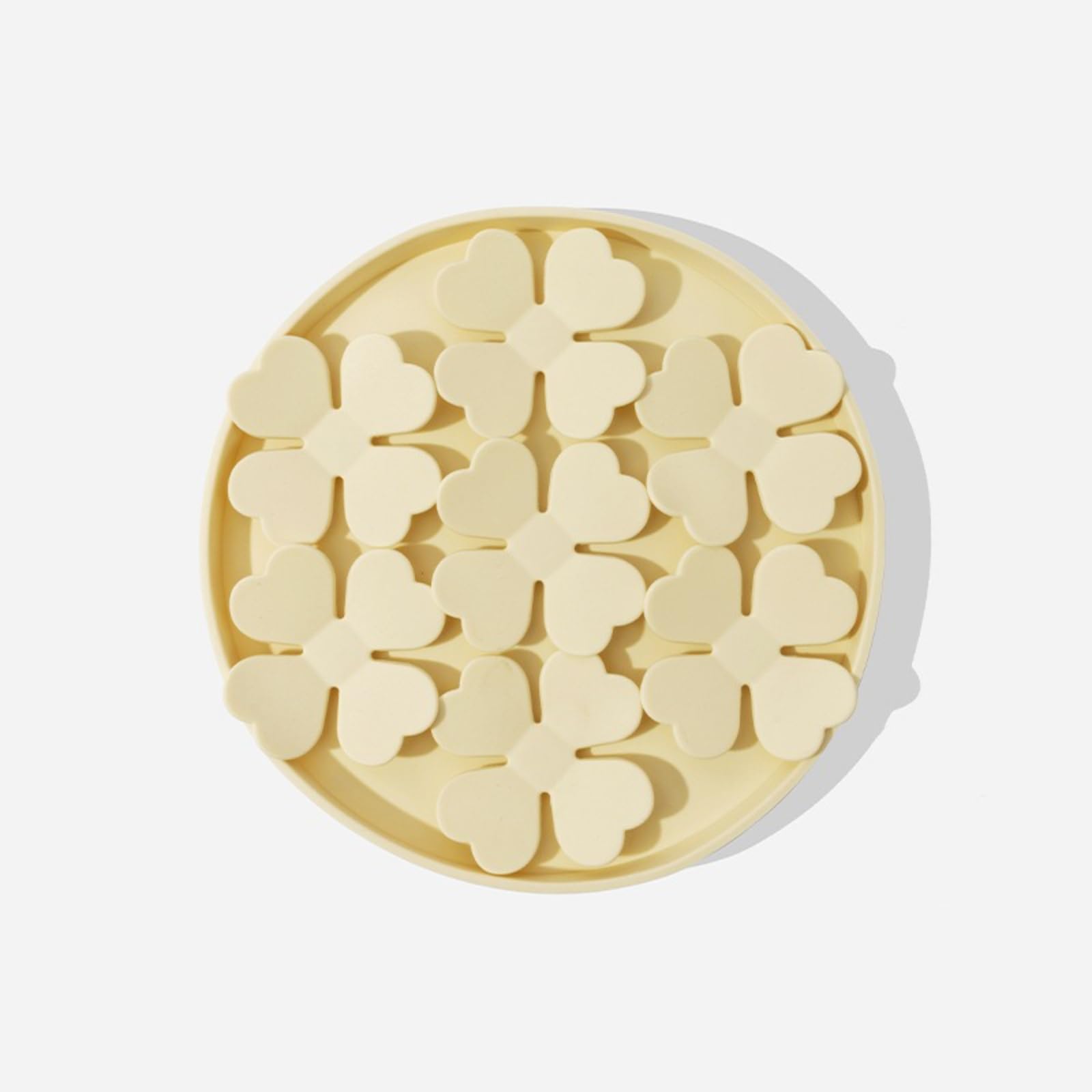 Slow Feeder Bowl for Dogs & Cats - Clover Anti-Choking Puzzle, BPA-Free Silicone Bowl for Fast Eaters (Yellow) Rank #1 | 🏆 Top Pick | — | |
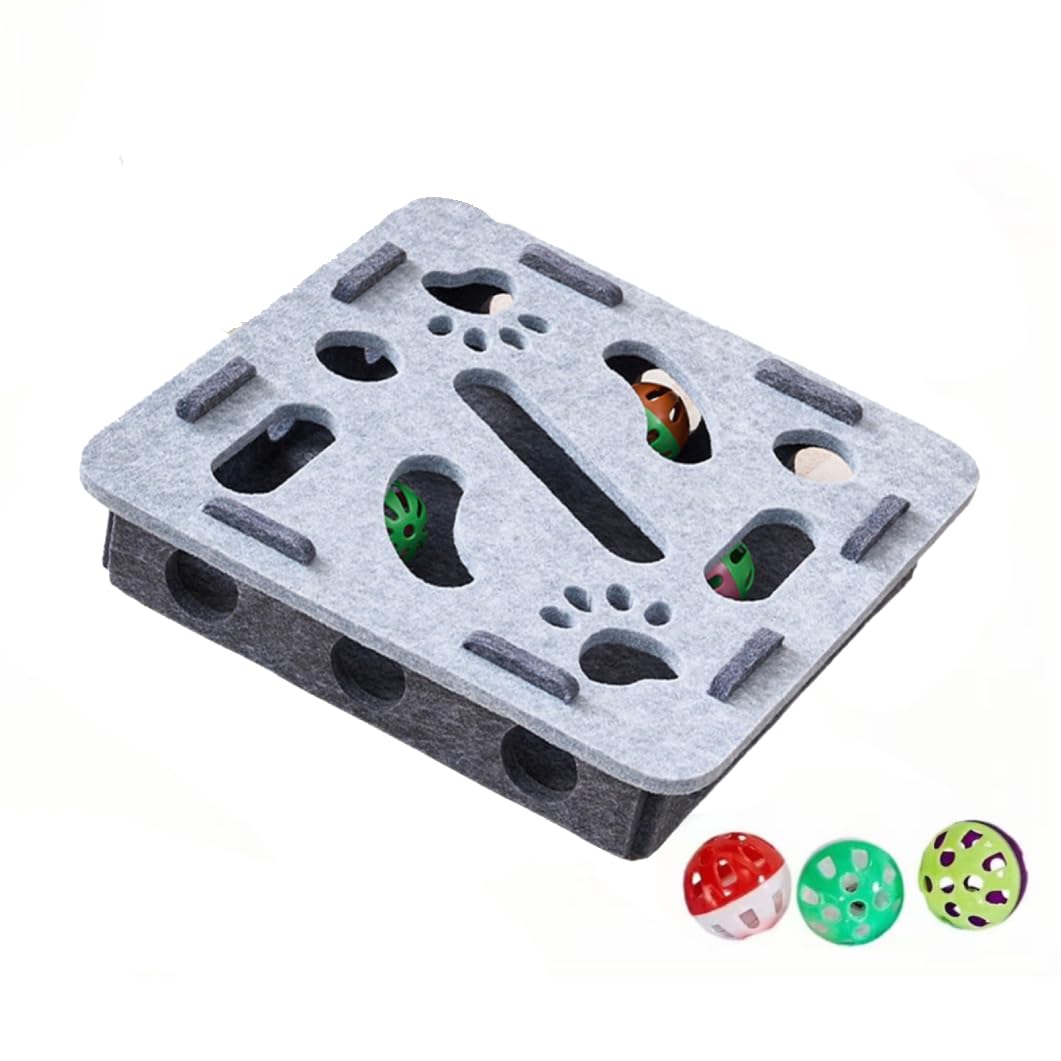 Interactive Cat Nail File Enrichment Box, Soft Felt Cat Puzzle Toy with Ball, Mental Felt Maze Box, Kitten Nail File Scratcher, Slow Feeding & Fun Exercise Encourages Natural Hunting Instincts (02) Rank #2 | — | ||
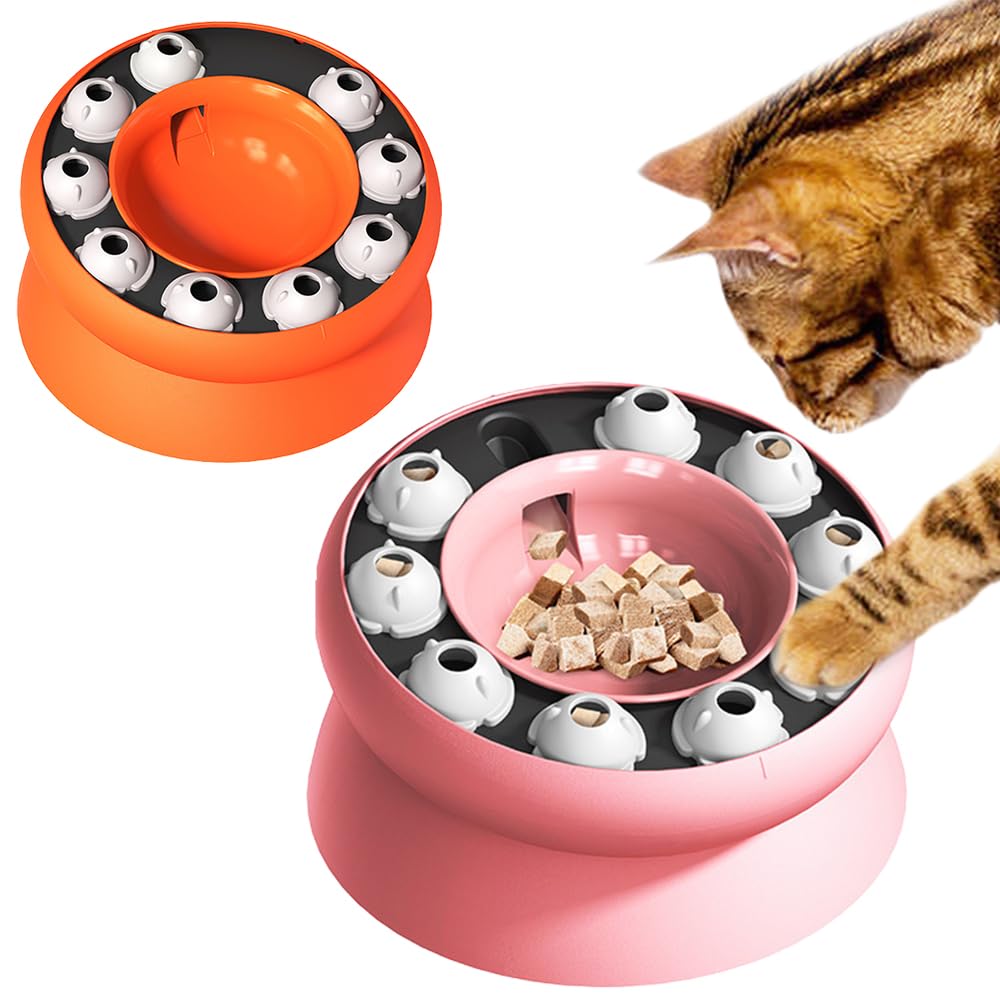 Pet Puzzle Interactive Cat Slow Feeder Bowl, Pink and Orange Puzzle Food Dispenser with Drainage Hole, Treat Dispensing Enrichment Toy for Mental Stimulation (Pink) Rank #3 | — | — | Check price → |
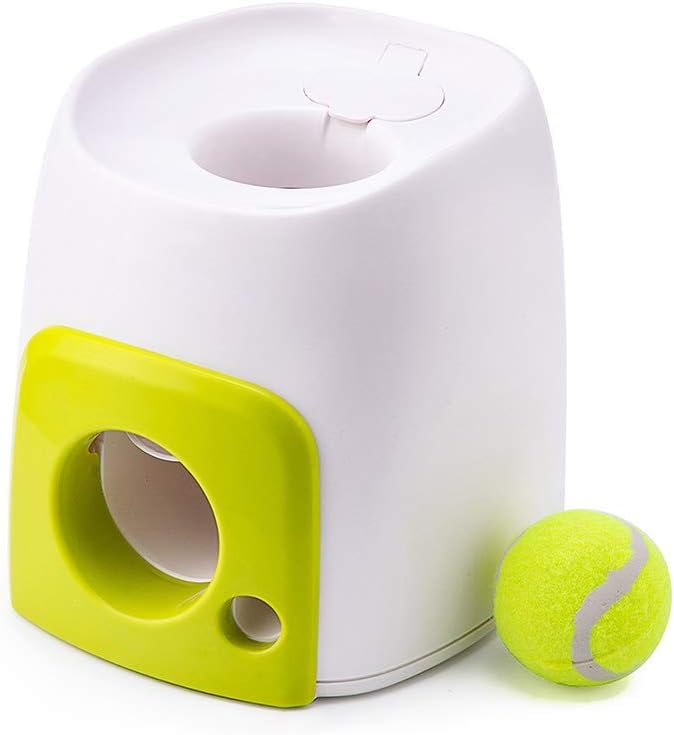 Interactive Dog Toy, Automatic Pet Treat Dispenser for Cats & Dogs - Smart Feeder with Ball Rolling Function, Training Rank #4 | — | — | |
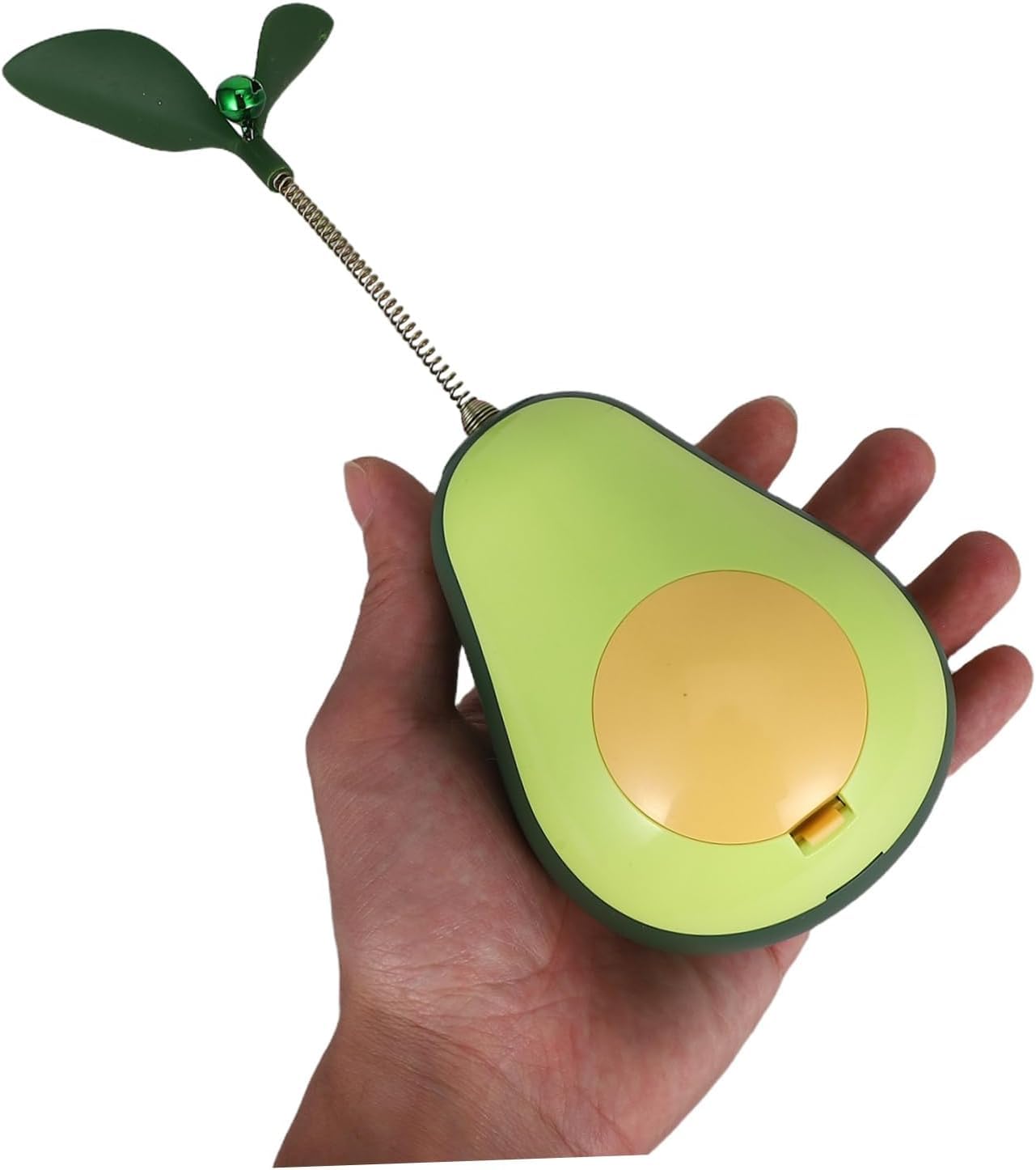 Best Toy Set for Indoor Cats: Avocado-Shaped Interactive Kit (Teaser Wand + Bell + Slow Feeder), Perfect for Both Playing with and Feeding Your Cat Rank #5 | 💰 Budget Pick | — | Check price → |
