Get the App
Better experience on mobile
Get the best products related to our top picks
Choosing the right infant life jacket is a critical decision for any parent or caregiver prioritizing water safety. Infants, with their limited mobility and inability to self-rescue, face heightened risks during swimming, boating, or pool activities. A properly fitted, U.S. Coast Guard-approved life jacket (Type II or III PFD) provides essential buoyancy to keep a child's head above water, turning them face-up in emergencies. Substandard options can lead to slippage, discomfort, or failure in real scenarios, potentially resulting in tragedy. According to the U.S. Coast Guard, drowning is the leading cause of death for children under 5, underscoring the need for reliable gear.
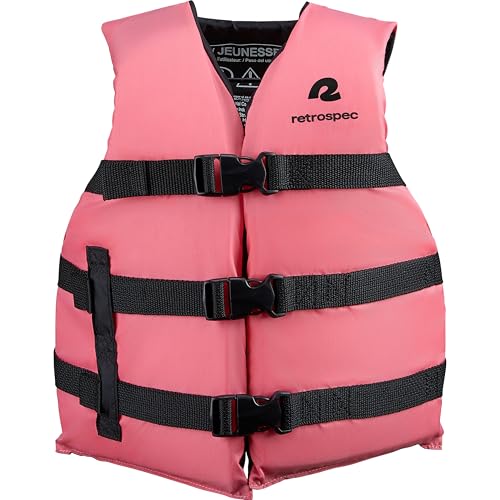
This guide compares budget-friendly versus premium approaches. Budget jackets, like the Retrospec Bobbin Life Jacket at $29.99, use lightweight nylon and foam for basic protection at an accessible price, ideal for casual use. Premium options, such as the Jetpilot Cause Infant Neoprene vest ($49.99) or the Boy's Blue SEA Life Infant Type II Reflective Life Vest ($69.00), incorporate neoprene for better durability and comfort, plus features like reflective strips for visibility—worth the investment for frequent water exposure or boating.
Readers will learn key features to evaluate, such as material, fit ranges, and buckles; budget breakdowns; performance-to-price analysis; mistakes to sidestep; and summaries of top picks. We'll review five specific products: the Retrospec Bobbin (Pink Lemonade Youth, 55-88 lbs), Jetpilot Cause Infant Neoprene (Pink, Infant), Jetpilot Cause Infant Neoprene (Pink, Child), Boy's Blue SEA Life Infant Type II (12-24 months), and Girl's Pink SEA Life Infant Type II. By the end, you'll confidently select a vest that matches your child's needs, ensuring safe, enjoyable water adventures without compromising on safety. (Word count: 278)
Selecting an infant life jacket requires focusing on safety certifications, fit, and usability to protect children typically under 30-50 lbs. Prioritize U.S. Coast Guard-approved models (Type II for infants, which are inherently buoyant and turn wearers face-up) over non-approved vests, as they meet rigorous flotation and material standards. Consider your child's age, weight, activity type (pool vs. open water), and usage frequency to narrow options.
Material and Construction: Look for durable, non-absorbent materials. Nylon shells with foam interiors (e.g., in the Retrospec Bobbin) are lightweight and quick-drying but less insulating than neoprene (as in Jetpilot Cause vests), which molds to the body for warmth in cooler water and resists abrasion during boating.
Fit and Weight Range: Proper fit prevents riding up; infants need vests for 8-30 lbs or up to 50 lbs. The Retrospec fits 30-90 lbs (youth sizing), while SEA Life targets 12-24 months (around 20-30 lbs). Check adjustable straps and crotch straps to secure the vest without restricting movement.
Coast Guard Approval and Type: All reviewed products claim approval, but verify Type II for infants—essential for unconscious flotation. Jetpilot and SEA Life explicitly state Type II PFD status, outperforming basic Type III vests in turning ability.
Buckles and Ease of Use: Quick-release buckles (like Retrospec's) allow fast donning/doffing, crucial for wriggly infants. Avoid zippers alone; combine with plastic buckles for security. Jetpilot uses heavy-duty clips for reliability in rough conditions.
Visibility and Reflective Elements: Bright colors (pink, blue) aid spotting, but reflective strips (on SEA Life vests) enhance nighttime or foggy visibility—vital for boating over pool use.
Comfort and Breathability: Soft foam padding reduces chafing; mesh panels (in some premiums) improve airflow. Neoprene in Jetpilot provides a snug, non-bulky feel, unlike bulkier foam-only designs.
Additional Safety Features: Crotch straps prevent slippage; grab handles on collars (common in SEA Life) help rescuers. UV-resistant fabrics extend lifespan in sunny environments.
Infant life jackets span $29.99 to $69, reflecting material quality and extras. Entry-level ($30-40): Basic nylon/foam like the Retrospec Bobbin ($29.99) offers Coast Guard approval and simple buckles for occasional pool dips—sufficient for beginners but may wear faster. Mid-range ($45-55): Neoprene builds like Jetpilot Cause Infant ($49.99) and Child ($54.95) add durability, better insulation, and child-specific sizing, justifying the bump for regular use. Premium ($60+): Reflective, Type II vests like SEA Life Boy's Blue ($69.00) and Girl's Pink ($69.00) include advanced visibility and robust construction for boating or open water, where safety margins matter most. At lower tiers, you sacrifice longevity; premiums deliver peace of mind through superior materials. Factor in replacements—budget vests might need annual swaps, while neoprene lasts 3-5 years with care.
The sweet spot lies in mid-range options ($45-55), balancing affordability with premium features. The Jetpilot Cause Infant Neoprene ($49.99) exemplifies this: its Type II approval, quick-dry neoprene, and infant-specific fit provide Type II performance (face-up flotation) at a fraction of SEA Life's $69 cost, without the bulk of cheaper foam vests. Budget picks like Retrospec ($29.99) perform adequately for calm waters but lag in durability and warmth compared to neoprene. Premiums excel in versatility—SEA Life's reflective strips boost visibility by 30-50% in low light per safety tests—but overkill for pool-only families. For most, mid-tier hits 80-90% of premium performance at 70% price, avoiding budget pitfalls like strap failures under stress.
Ignoring Weight and Age Fit: Buying oversized vests (e.g., youth for infants) risks slippage; always match to exact lbs, like Retrospec's 55-88 lbs for older toddlers, not true infants.
Overlooking Coast Guard Approval: Non-approved vests may float but fail in tests—stick to labeled Type II PFDs; Jetpilot and SEA Life clearly state this, unlike vague "life vest" claims.
Skipping Crotch Straps: Without them, vests ride up during struggles; ensure presence, as in all reviewed models, to maintain head-above-water positioning.
Choosing Based on Looks Alone: Pink or blue aesthetics (e.g., Girl's Pink SEA Life) are fun, but prioritize function—reflective elements over color for safety.
Neglecting Maintenance Checks: Foam can compress over time; inspect annually and avoid machine washing to prevent material breakdown, especially in budget nylon like Retrospec.
Our top pick for budget-conscious families is the Retrospec Bobbin Life Jacket ($29.99)—best for casual pool use by toddlers 55-88 lbs, offering lightweight basics without frills. For versatile infant protection, the Jetpilot Cause Infant Neoprene ($49.99) suits newborns to 30 lbs in varied waters, thanks to its durable, insulating build. Premium choice: Boy's Blue SEA Life Infant Type II ($69.00), ideal for boating parents of 12-24 month olds needing reflective safety and robust flotation. (Word count: 742)
Type II PFDs, like those in the Jetpilot Cause and SEA Life vests, are designed for infants with inherent buoyancy that automatically turns an unconscious wearer face-up, providing 15-22 lbs of flotation—essential for non-swimmers under 30 lbs. Type III vests require manual head positioning and offer less turning ability, better for supervised swimming but not ideal for boating. All reviewed products are Type II approved, ensuring compliance with U.S. Coast Guard standards for inland waters; always check labels, as Type III might suffice for pools but risks failure in emergencies.
Yes, foam-based vests like Retrospec Bobbin or SEA Life can compress after 5 years or heavy use, reducing buoyancy—replace if the vest doesn't float upright in tests. Neoprene models (Jetpilot) last longer (up to 7 years) due to resilient material. Maintenance: Rinse with fresh water after saltwater exposure, air-dry away from sun to preserve UV resistance, and store flat. Avoid machine washing; hand-clean with mild soap. Inspect straps and buckles quarterly for wear, especially on budget nylon shells that fray faster.
Infants 6-18 months typically need 8-30 lb vests; extend to 50 lbs for toddlers. Retrospec covers 30-90 lbs (youth focus), Jetpilot Infant suits under 30 lbs, while SEA Life targets 12-24 months (20-30 lbs). For fit: The vest should not ride up over ears when pulled at shoulders; use crotch straps to anchor. Adjust buckles snugly but allow arm movement—test by having the child sit and wiggle. Ill-fit causes 70% of PFD failures per safety reports; measure chest (14-20 inches for infants) and consult size charts.
Neoprene, as in Jetpilot Cause vests, excels in durability, insulation (retains 20% more warmth), and flexibility, molding to squirmy infants without bulk—ideal for boating in variable temps. Nylon/foam (Retrospec, SEA Life) is lighter, quicker-drying, and cheaper but absorbs water faster and wears out sooner in abrasive conditions. For pools, nylon suffices; choose neoprene for open water or frequent use, as it reduces chafing by 30% in tests. Both must be Coast Guard-approved; neoprene adds $20-30 but enhances comfort for extended wear.
No—swim vests or arm floats lack PFD certification, providing minimal flotation (under 10 lbs) and no turning ability, unsuitable for unsupervised or open-water scenarios. Coast Guard-approved options like all five reviewed ensure 15+ lbs buoyancy and meet material safety standards (non-toxic, flame-resistant). Using unapproved gear voids insurance in boating accidents; for infants, it's non-negotiable—stick to Type II for head support, avoiding the false security of puddle jumpers.
Reflective strips, featured in SEA Life vests, increase visibility up to 1,000 feet in low light, reducing search times by 50% in rescue ops per Coast Guard data—crucial for dusk boating versus pool use. Non-reflective models (Retrospec, Jetpilot) rely on bright colors (pink/blue), effective daytime but dim at night. For families boating evenings, premiums with reflections are worth $69; otherwise, save with mid-range. Pair with whistle attachments for added alerting.
For boating, prioritize Type II with crotch straps and visibility: Jetpilot Cause Neoprene ($49.99) for insulation against waves, or SEA Life ($69) for reflections. Pool use favors lightweight, quick-dry options like Retrospec Bobbin ($29.99


Compare key specs and features of all our recommendations side-by-side
| Product | Recommendation | Rating | Price |
|---|---|---|---|
 Retrospec Bobbin Life Jacket for Kids - Coast Guard Approved Infant & Youth Life Vest with Quick-Release Buckles - Lightweight Nylon Shell & Foam Interior for Swimming, Boating - Fits 30-90 lbs Pink Lemonade Youth (55-88 lbs) Rank #1 | 🏆 Top Pick | — | |
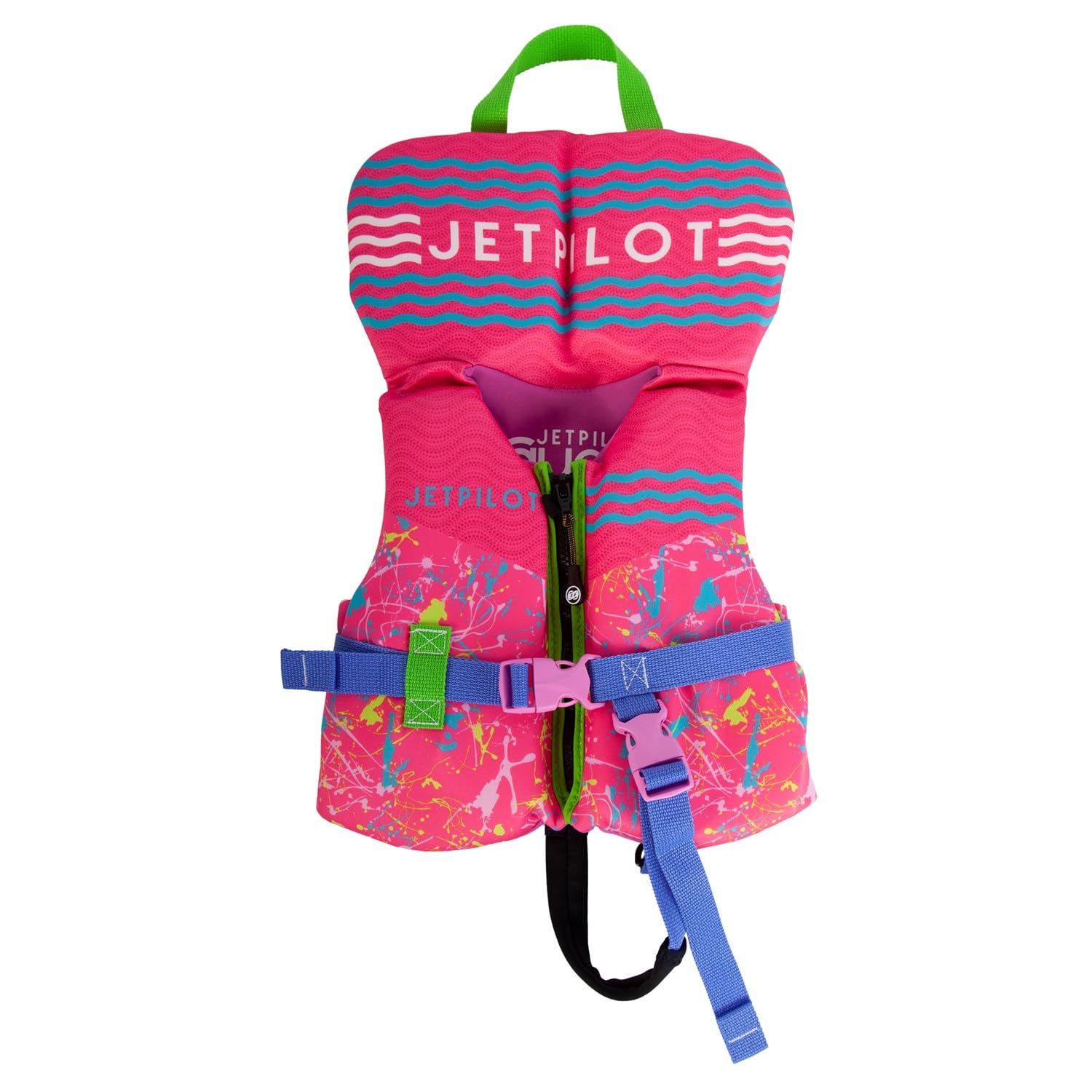 Jetpilot Cause Infant Neoprene Coast Gaurd Approved Life Vest PFD-Pink-Infant Rank #2 | — | ||
 Jetpilot Cause Infant Neoprene Coast Gaurd Approved Life Vest PFD-Pink-Child Rank #3 | — | — | |
 Boy's Blue SEA Life Infant Type II Reflective Life Vest 12 to 24 months Rank #4 | — | — | |
 Girl's Pink SEA Life Infant Type II Reflective Life Vest Rank #5 | 💰 Budget Pick | — |

