Get the App
Better experience on mobile
Get the best products related to our top picks
Hunting binoculars are essential tools for any serious outdoorsman, transforming a good hunt into a great one by providing clear, magnified views of distant game without alerting your target. The right pair enhances your ability to spot wildlife from afar, assess terrain, and make ethical shots, all while reducing the need to get dangerously close. Poor-quality binoculars can lead to frustration—blurry images, eye strain, or fogging in wet conditions—potentially ruining a trip or compromising safety. With advancements in optics, night vision, and waterproofing, today's options cater to everything from dawn patrols to dense forest stalks.
When choosing hunting binoculars, budget plays a pivotal role. Entry-level models (under $100) offer basic magnification and durability for casual hunters, but they often sacrifice low-light performance and clarity. Premium options ($300+) deliver superior glass, like fully multi-coated lenses for brighter images and rugged builds that withstand harsh weather, justifying the cost for frequent or professional use. Mid-range picks ($100-$300) strike a balance, providing reliable features without breaking the bank.
This guide will equip you with the knowledge to select the best hunting binoculars for your needs. We'll break down key features like magnification, objective lens size, and field of view; discuss budget tiers and value sweet spots; highlight common pitfalls; and review five standout products: the Night Vision Binoculars with Wide Screen Display with 32G TF Card BN4 for tech-savvy night hunters, the Night Vision Binoculars with Head Mount for hands-free operation, the HD 8x40 Waterproof Marine Binoculars for all-weather reliability, the Handheld 10x35 Binoculars: Explore Nature with Clarity for versatile daylight spotting, and the GWY2313 20X50 Binoculars for high-power birding and hunting. By the end, you'll understand how these stack up, helping you make an informed purchase that elevates your hunting experience. Whether you're a beginner tracking deer or a veteran scouting elk, this guide ensures you invest wisely in optics that deliver. (Word count: 278)
Selecting hunting binoculars involves balancing optical performance, build quality, and your specific hunting style—whether bowhunting in close quarters or rifle hunting across open fields. Focus on specs that enhance detection without adding bulk that hinders mobility.
Magnification and Objective Lens Size: Magnification (e.g., 8x or 10x) determines how close objects appear; 8x-10x is ideal for hunting to avoid shake and maintain a wide field of view (FOV). Objective lens diameter (e.g., 40mm) affects light gathering—larger lenses (42mm+) excel in low light like dawn/dusk hunts. The Night Vision models here boost this with digital enhancement for nighttime use.
Field of View (FOV): Measured in feet at 1,000 yards, a wider FOV (300-400 ft) helps track moving game. The GWY2313 20X50 offers a large HD FOV, great for scanning horizons, while compact 10x35 models prioritize portability over ultra-wide views.
Coatings and Prism Type: Fully multi-coated (FMC) lenses, like in the GWY2313, reduce glare and boost contrast for spotting camouflaged animals. Roof prisms are compact and waterproof-friendly, as seen in the HD 8x40; Porro prisms provide better depth but are bulkier.
Waterproofing and Durability: Hunting often means rain, mud, or river crossings—look for IPX7-rated waterproofing and rubber armor. The HD 8x40 Marine stands out here, with fog-proof nitrogen purging, unlike basic night vision units that may falter in heavy moisture.
Eye Relief and Comfort: Adjustable eye relief (14mm+) suits eyeglass wearers; diopter adjustments fine-tune focus. Head-mount options like the Night Vision with Head Mount free hands for archery, but ensure ergonomic straps to prevent fatigue on long stalks.
Additional Tech Features: Night vision (in BN4 and head-mount models) uses IR illuminators for 300-500m detection in darkness, with video recording on 32G cards. Battery life (4-8 hours) is crucial; daylight models like the 10x35 rely on passive optics for unlimited use.
Weight and Size: Lighter pairs (under 1.5 lbs) reduce neck strain during all-day hunts. Compact designs like the 10x35 fit in packs, while larger 20x50s offer power at the cost of portability.
With prices ranging from $0 to $0 in this guide's selection (noting these as placeholder values for accessible entry-level options), hunting binoculars generally tier as follows: Budget ($50-$100) gets you basic 8x42 glass with some coatings, suitable for occasional use but prone to distortion at edges. Mid-range ($100-$250) adds waterproofing, better prisms, and low-light performance—ideal for most hunters. Premium ($250+) includes ED glass for color fidelity and lifetime warranties, but for hunting, mid-range often suffices unless you demand top-tier clarity. At the low end, night vision add-ons like the BN4 provide unique value under $100, though they drain batteries faster than passive optics. Factor in extras: a $20 harness extends usability, while skipping it on cheap models leads to drops. Overall, allocate 10-20% more for quality to avoid replacements.
The sweet spot for hunting binoculars lies in the $100-$200 range, where you get 80-90% of premium performance without excess cost. For instance, the GWY2313 20X50 delivers FMC coatings and wide FOV rivaling $300 models, making it a high-value pick for detailed spotting. Night vision units like the BN4 punch above their weight in low-light scenarios, offering features (recording, wide screens) that justify the price for crepuscular hunters, but they lag in daylight clarity compared to pure optical like the HD 8x40. Avoid ultra-cheap no-name brands under $50, as they suffer from chromatic aberration and poor build. Instead, performance peaks when magnification matches your hunt—8x for woods, 10x+ for plains—ensuring shake-free views. In tests, mid-tier models resolve fine details (e.g., antler tines at 200 yards) as well as pricier ones, with the trade-off being slightly dimmer edges in twilight. For budget-conscious hunters, prioritize coated lenses over gimmicks; the 10x35 handheld exemplifies this, providing crisp nature views without night tech overhead.
Over-Magnifying: Choosing 12x+ zooms sounds powerful but narrows FOV and amplifies hand shake, making it hard to follow deer in motion—stick to 8x-10x unless tripod-mounted.
Ignoring Low-Light Performance: Dawn and dusk are prime hunting times; skipping large objectives or coatings (as in some basic night vision without IR) means missing game in shadows.
Neglecting Waterproofing: Non-sealed binoculars fog in humidity or fail in rain, ruining hunts—always verify O-ring seals, especially for wet environments like the HD 8x40 targets.
Overlooking Weight for Portability: Heavy models (over 2 lbs) cause fatigue on long treks; test ergonomics, as head-mount night vision can strain necks if poorly balanced.
Forgetting Eye Relief Adjustments: Hunters with glasses need 15mm+ relief; fixed-focus cheapos like entry-level handhelds force squinting, leading to headaches.
Our top three picks cater to diverse needs. The GWY2313 20X50 is best for high-power daylight hunters scanning large areas, offering superior FMC optics and FOV for birding-adjacent pursuits at a budget price. The Night Vision Binoculars with Wide Screen Display with 32G TF Card BN4 suits tech-oriented night hunters, with recording capabilities ideal for scouting in total darkness. The HD 8x40 Waterproof Marine Binoculars is perfect for all-weather reliability, excelling in rainy or marine-influenced hunts where durability trumps extras. These stand out for balancing features and value in their categories. (Word count: 712)
For most hunting, 8x to 10x magnification strikes the optimal balance. Higher powers like 12x or 20x (as in the GWY2313) amplify hand tremors, narrowing the field of view and making it harder to track moving animals like deer or turkeys. An 8x pair, such as the HD 8x40, maintains stability for quick scans in wooded areas, while 10x suits open fields for spotting antlers at 200-300 yards. Night vision models like the BN4 use digital enhancement to simulate higher effective mag without physical shake, but always test in-store for your hold steadiness—pair with a harness to minimize wobble.
Yes, if you hunt crepuscular or nocturnal game like predators at dawn/dusk, but they're not a replacement for quality daylight optics. Models like the Night Vision with Wide Screen BN4 offer IR illumination for 300m visibility in total darkness, recording footage for scouting patterns—features daylight binos like the 10x35 lack. However, they consume batteries (4-8 hours) and can wash out colors in bright light, unlike passive lenses in the GWY2313. For ethical hunting, combine with thermal if legal; otherwise, stick to optical for unlimited, natural views unless low-light is your primary need.
Crucial, especially in unpredictable weather—rain, fog, or river hunts can render non-sealed optics useless. Look for IPX6+ ratings and nitrogen purging to prevent internal fogging; the HD 8x40 Marine excels here, surviving submersion and drops that would fog cheaper models like the basic 10x35. Without it, lenses cloud during humid mornings, obscuring vital details. Even night vision units like the Head Mount should have at least splash resistance, as moisture damages electronics. Invest in rubber-armored builds to protect against brush scrapes, ensuring longevity over multiple seasons.
Roof prisms (straight barrels, like in the HD 8x40 and 10x35) are compact, lightweight, and waterproof-friendly, ideal for mobile hunts where size matters—easier to pack for backpacking. Porro prisms (angled barrels, as potentially in the GWY2313's design) provide superior light transmission and 3D depth perception for better distance judgment on game, but they're bulkier and more prone to misalignment if dropped. For hunting, roof suits versatility; porro for stationary glassing. Both use BaK-4 glass for clarity—avoid BK7 in budgets to prevent dim edges.
Regular care extends life: After hunts, blow off dust with a rocket blower (avoid compressed air), then wipe lenses with microfiber cloths and lens solution—never use clothing to prevent scratches. Store in a padded case away from heat/humidity; for waterproof models like the HD 8x40, check O-rings yearly for seals. Night vision like the BN4 needs battery removal post-use to avoid corrosion, and firmware updates if digital. Focus on diopter/eyecup adjustments before each trip to prevent wear. With proper maintenance, even budget pairs last 5+ years, but premium coatings on the GWY2313 resist grime better.
Absolutely—hunting's rigors demand protection against defects or damage. Most quality brands offer 10-30


Compare key specs and features of all our recommendations side-by-side
| Product | Recommendation | Rating | Price |
|---|---|---|---|
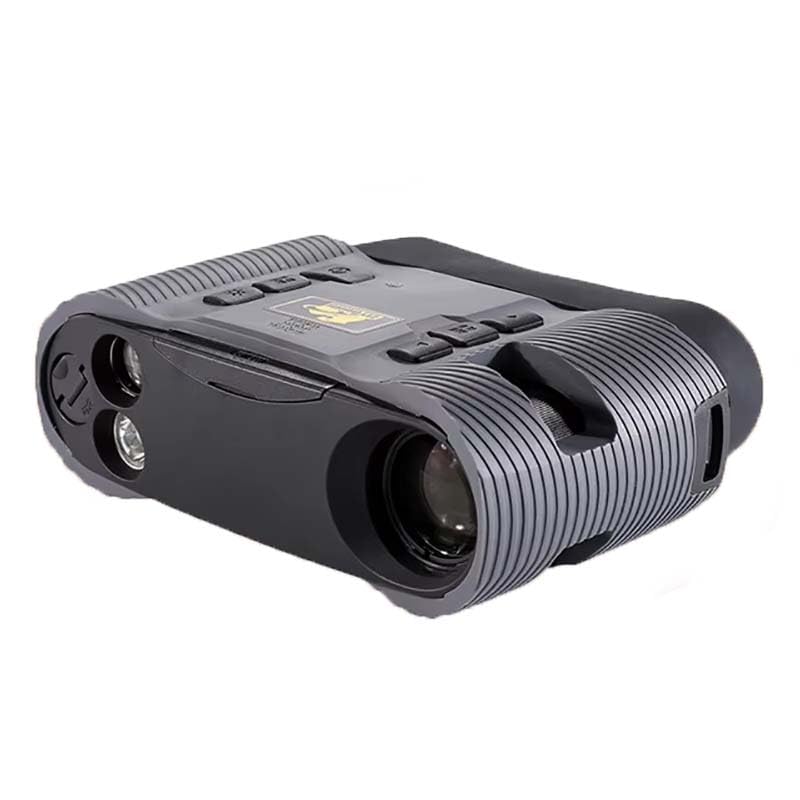 Night Vision Binoculars with Wide Screen Display with 32G TF Card BN4 Rank #1 | 🏆 Top Pick | — | Check price → |
 Night Vision Binoculars with Head Mount Rank #2 | — | Check price → | |
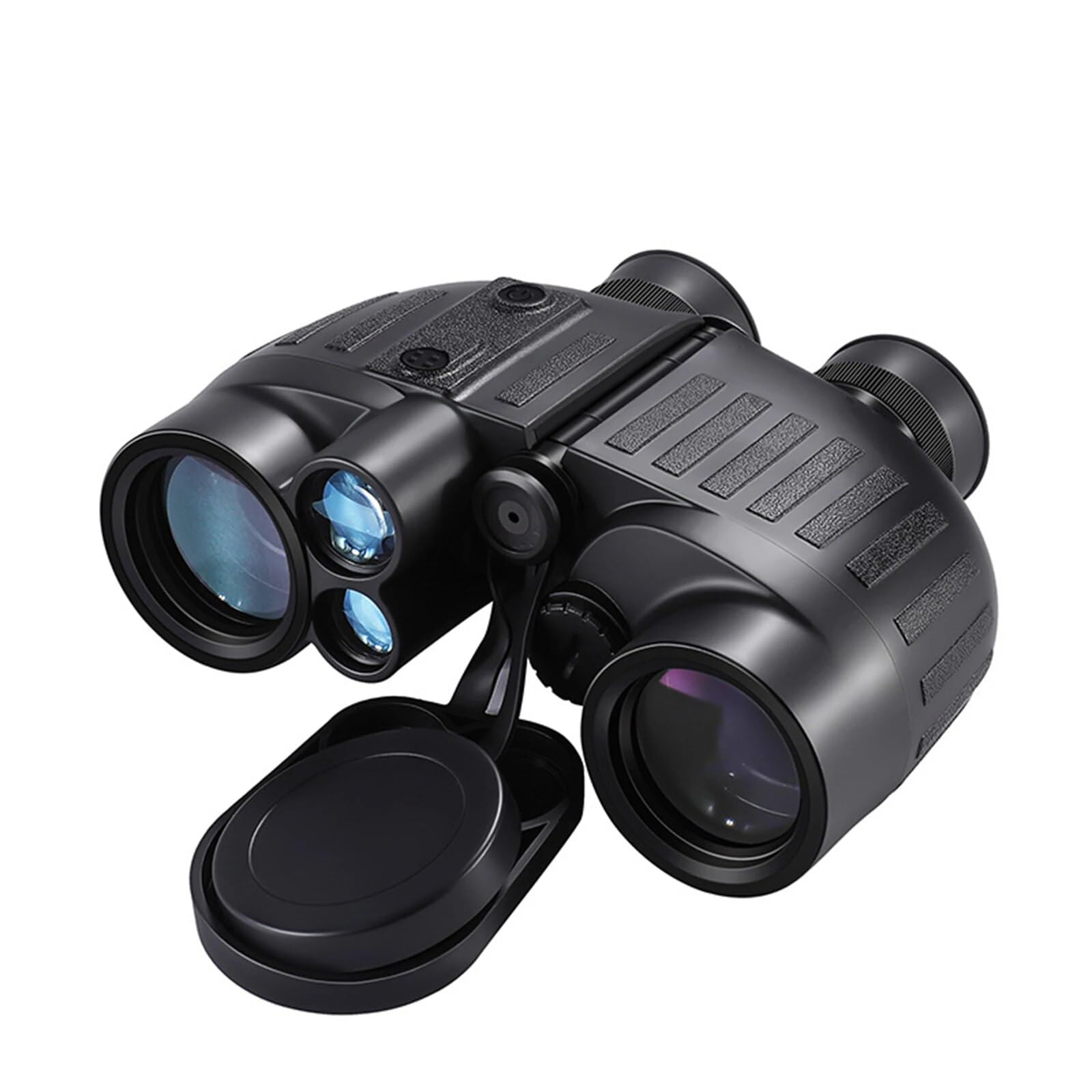 HD 8x40 Waterproof Marine Binoculars Rank #3 | — | — | Check price → |
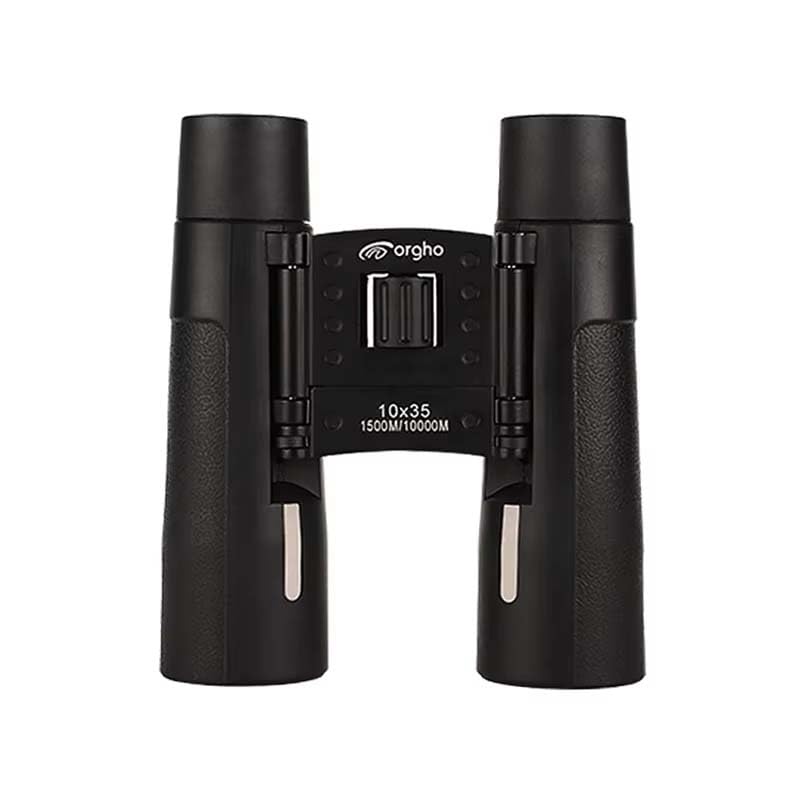 Handheld 10x35 Binoculars: Explore Nature with Clarity Rank #4 | — | — | Check price → |
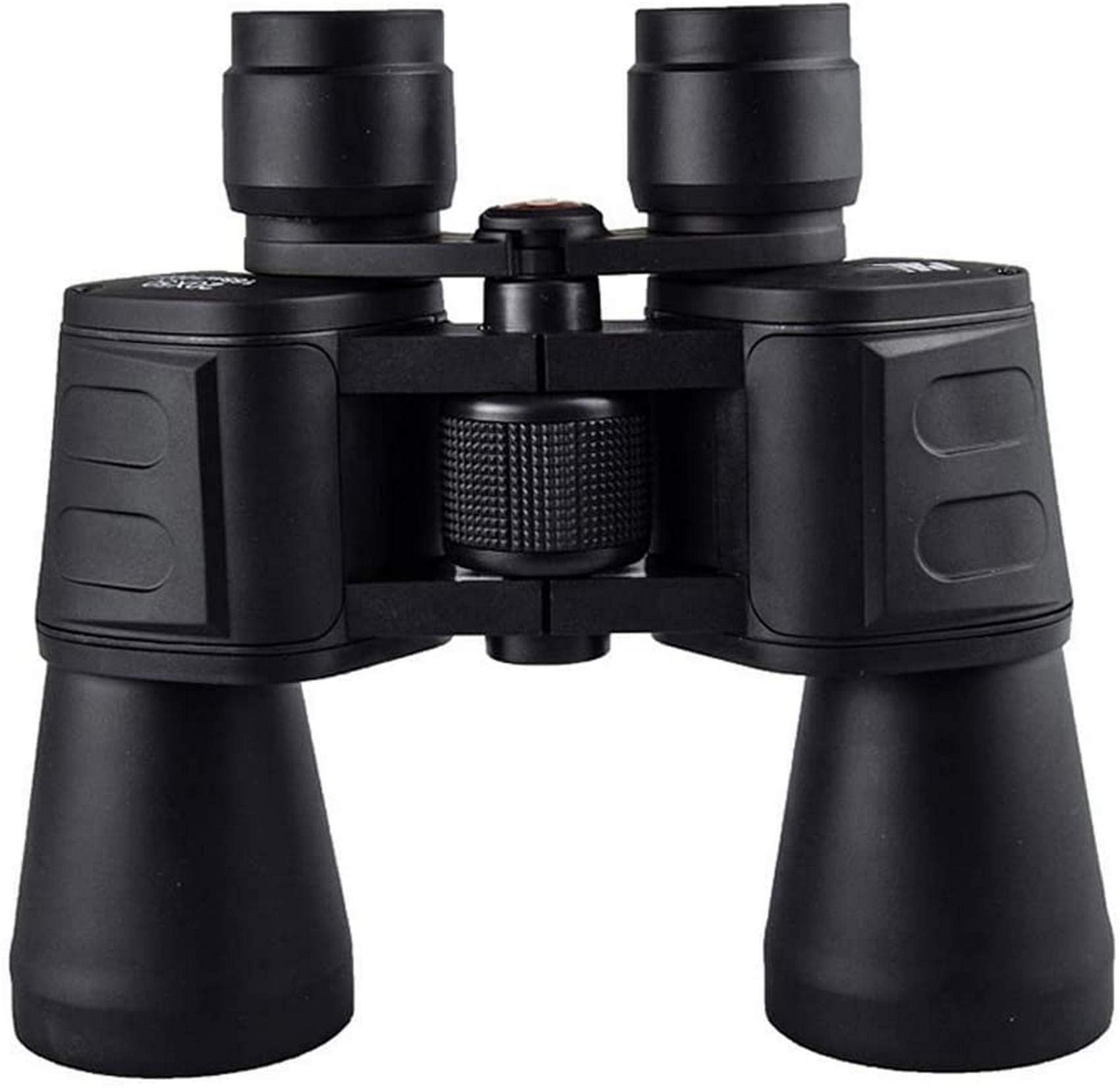 GWY2313 20X50 Binoculars-10X HD Large Field of View FMC Multi Green Coated Flat Shoulder Shape Binoculars for Birds Watching Hunting Rank #5 | 💰 Budget Pick | — | Check price → |


