Get the App
Better experience on mobile
Eyewear can make all the difference, and finding the best hiking sunglasses depends on the type of hiking you do and where you plan to do it.
Hiking sunglasses are more than just a stylish accessory—they're essential gear for protecting your eyes from the sun's harmful rays, glare off water or snow, and environmental debris like dust or branches. On the trail, where you're exposed to intense UV radiation at higher altitudes, poor vision can lead to accidents, eye strain, or long-term damage like cataracts. The right pair enhances clarity, reduces fatigue, and improves safety by sharpening your view of uneven terrain. Unlike everyday shades, hiking sunglasses need to be lightweight, durable, shatter-resistant, and often polarized to cut through reflective surfaces common in outdoor settings.
When choosing hiking sunglasses, budget options dominate the entry-level market, offering solid UV protection and basic polarization at a fraction of premium brands' costs. For instance, high-end models from Oakley or Ray-Ban can run $100–$300, featuring advanced lens tech like photochromic tints that adapt to light changes. In contrast, budget picks under $30 prioritize affordability without skimping on core protections, though they may sacrifice extras like hydrophobic coatings or customizable fits. This guide focuses on the sweet spot for casual hikers: value-driven options that balance performance and price.
In this comprehensive buying guide, you'll learn how to evaluate key features like lens polarization and frame materials, navigate budget tiers, and avoid pitfalls that could ruin your hike. We'll compare five standout budget products: the Polarized Clip-On Sunglasses for Oakley Crosslink Fit OX8142 ($16.99), ZENOTTIC Retro Polarized Sunglasses ZS6243 Green ($29.99), Vintage Fashion Sunglasses with Green Leopard Frame ($29.96), Fashion Sunglasses with Beige Retro Gradient ($30.34), and Retro Double Bridges Sunglasses with Leopard Punk Gradient ($30.28). By the end, you'll have detailed reviews, pros/cons, and FAQs to make an informed decision tailored to your hiking style—whether you're a beginner on short trails or a weekend warrior seeking trendy, functional shades. (Word count: 278)
Selecting hiking sunglasses involves balancing protection, comfort, and durability for rugged outdoor use. Focus on features that address trail-specific challenges like variable light, sweat, and impacts.
UV Protection Level: Look for 100% UVA/UVB blocking (UV400 standard) to shield against ultraviolet rays, which intensify at elevation. All products here meet this, but verify labels—cheap knockoffs sometimes fall short.
Polarization: Polarized lenses reduce glare from reflective surfaces like rivers or rocks, improving contrast and depth perception. Essential for hiking; the Polarized Clip-On and ZENOTTIC models excel here, while non-polarized options like the Vintage Fashion pair may cause more eye strain in bright conditions.
Lens Material and Tint: Polycarbonate lenses are lightweight and impact-resistant, ideal for trails. Tints matter—gray or green for natural color balance (e.g., ZENOTTIC's green), brown/amber for low-light enhancement. Gradient lenses (like the Fashion Beige model) darken at the top for sky glare while keeping the bottom clearer for reading maps.
Frame Durability and Fit: Flexible, lightweight frames (e.g., TR90 plastic) resist breakage and stay put during movement. Universal or adjustable fits suit men and women; clip-ons like the Oakley-compatible one add versatility for prescription users. Avoid bulky designs that snag on branches.
Weight and Ventilation: Under 30 grams prevents neck strain on long hikes. Vented frames reduce fogging from sweat or humidity—check for subtle air channels in models like the Retro Double Bridges.
Additional Coatings: Hydrophobic or anti-scratch layers repel water and smudges, though budget options often lack these. Impact resistance (ANSI Z87.1 standard) ensures safety from flying debris.
Style and Versatility: Retro or oversized frames (e.g., ZENOTTIC) offer a fashionable edge for post-hike wear, but prioritize function over flash for serious trails.
In the $16.99–$30.34 range, these sunglasses target budget-conscious hikers who want reliable basics without premium frills. Entry-level ($15–$20) like the Polarized Clip-On provides UV protection and polarization at rock-bottom prices, ideal for occasional use but with simpler builds that may wear faster. Mid-tier ($25–$30) options, such as the ZENOTTIC or Vintage Fashion models, step up with trendier designs, better lens clarity, and slightly more robust frames, offering 80–90% of premium performance for 10% of the cost. At this level, you get universal fits and hiking-specific mentions, but expect trade-offs like less adjustable nosepads or basic packaging. Higher budgets ($50+) unlock brands like Julbo or Smith with lifetime warranties and customizable lenses, but for most day hikers, this range delivers ample value—saving money for other gear like boots or packs.
The sweet spot lies in the $25–$30 tier, where performance peaks relative to cost. For example, the ZENOTTIC Retro Polarized at $29.99 combines polarization, UV400 protection, and oversized frames for glare reduction and a secure fit, rivaling $100 Oakleys in core functionality but without the brand markup. The $16.99 Clip-On shines for versatility (clips onto existing frames), delivering targeted performance for under $20, though it's niche for non-Oakley users. At $30+, models like the Fashion Beige Gradient add stylistic flair and gradient tints for varied lighting, justifying the slight premium through better aesthetics and comfort. Overall, diminishing returns kick in above $30 in this category—budget picks match 70–85% of high-end specs for everyday hikes, making them ideal unless you need extreme durability for multi-day treks.
Overlooking Polarization for Glare-Heavy Trails: Non-polarized lenses (e.g., some fashion-forward picks) amplify reflections from water or snow, leading to headaches—always test by tilting your head; glare should vanish with polarized ones.
Ignoring Fit and Weight for Active Use: Bulky or heavy frames slip during runs or climbs; try on similar styles or check reviews for "secure fit." The Retro Double Bridges might feel punky but could pinch on narrower faces.
Assuming All UV Labels Are Equal: Cheap imports may claim UV400 without certification—stick to verified products to prevent long-term eye damage.
Prioritizing Style Over Durability: Trendy leopards or gradients (like the Vintage Green Leopard) look great but may scratch easily on rocky paths; opt for matte finishes over glossy.
Forgetting Versatility for Mixed Activities: Beach/party mentions (e.g., ZENOTTIC) suggest multi-use, but ensure trail toughness—avoid fragile fashion shades for rough hikes.
Our top three picks cater to different hikers in this budget range. Best for budget versatility: Polarized Clip-On Sunglasses for Oakley Crosslink Fit ($16.99)—ideal for prescription wearers or Oakley owners needing quick polarization without full replacement. Best overall for women and casual hikers: ZENOTTIC Retro Polarized Sunglasses ZS6243 Green ($29.99)—suits beach-to-trail transitions with oversized comfort and strong glare reduction. Best for stylish men or unisex trendsetters: Fashion Sunglasses with Beige Retro Gradient ($30.34)—perfect for those wanting gradient lenses and a subtle retro vibe without sacrificing UV protection. (Word count: 712)
Hiking demands more from sunglasses due to prolonged exposure to intense UV at elevations over 5,000 feet, where radiation increases by 10% per 1,000 feet. Trail-specific pairs prioritize polarization to combat glare from rocks, water, or snow, which everyday shades often skip. Durability is key—flexible frames and shatter-resistant polycarbonate lenses handle impacts from branches or falls, unlike fragile fashion glasses. Ventilation prevents fogging from sweat, and lightweight designs (under 1 oz) reduce fatigue on 5+ mile treks. In this guide's budget range, models like the ZENOTTIC offer these traits affordably, but always check for ANSI impact ratings to ensure trail readiness.
Yes, polarization is highly recommended for hiking as it filters horizontal light waves, cutting 50–90% of glare for sharper vision of terrain details—crucial for avoiding slips on wet paths. Non-polarized lenses, like those in the Vintage Fashion or Retro Double Bridges, block UV but allow reflections that cause eye strain after hours outdoors. Among reviewed products, the Polarized Clip-On and ZENOTTIC provide this edge, improving contrast in green-tinted lenses for forested hikes. Test by viewing a reflective surface: polarized should darken when tilted 90 degrees. For budget hikers, polarization adds $5–10 value without premium costs, though it may slightly dim digital screens—irrelevant on trails.
UV protection is non-negotiable, as unprotected eyes risk photokeratitis (snow blindness) or chronic issues like macular degeneration, especially above 8,000 feet where UVB rays peak. UV400 blocks 100% of UVA/UVB up to 400nm, covering harmful wavelengths—standard across all five products here, making them safe for most hikes. It's equivalent to premium certifications like CE or FDA standards. However, pair with wide frames for side coverage, as small lenses (e.g., Clip-On's 56mm) expose more skin. For extreme altitudes like the Rockies, add photochromic lenses (not in this budget) for auto-darkening, but UV400 suffices for 90% of users under $30.
For hiking, TR90 or polycarbonate frames are ideal—lightweight (20–30g), flexible, and hypoallergenic, bending without breaking during scrambles. Avoid metal for sweat corrosion. Universal one-size fits like the ZENOTTIC or Fashion Beige work for most, but adjustable temples/nosepads (rare in budget) prevent slipping. Women may prefer oversized for coverage, men slimmer profiles. Test fit: frames should sit snug without pressure, allowing full head turns. In this lineup, the Retro Double Bridges' double bridges add stability over single-bridge designs, but clip-ons like the Oakley model excel for custom fits on prescription glasses.
Budget options deliver 70–85% of premium performance for core needs: UV/polarization and basic durability. For example, the ZENOTTIC's green polarized lenses mimic Oakley's Prizm tech for contrast at 1/10th the price, but lack advanced features like hydrophobic coatings (repel rain) or lifetime warranties. Premiums ($100+) offer better optics (less distortion) and materials (e.g., O-Matter frames), lasting 3–5x longer on multi-day epics. For casual hikes under 10 miles, budgets like the Clip-On suffice—saving $80+ for other gear. Trade-off: faster wear, so replace every 1–2 seasons versus premiums' 5+ years.
Most budget models have basic water resistance via polycarbonate lenses, but none feature full hydrophobic coatings, so rain may bead unevenly, requiring wipes. Polarized pairs like the ZENOTTIC reduce wet-glare better than gradients (e.g., Beige Fashion), aiding slippery trails. For fog, look for vented frames—subtle in the Double Bridges—to circulate air, though sweatier hikes may still mist them. In heavy rain, remove and stow to avoid slips; these aren't sub


Compare key specs and features of all our recommendations side-by-side
| Product | Recommendation | Rating | Price |
|---|---|---|---|
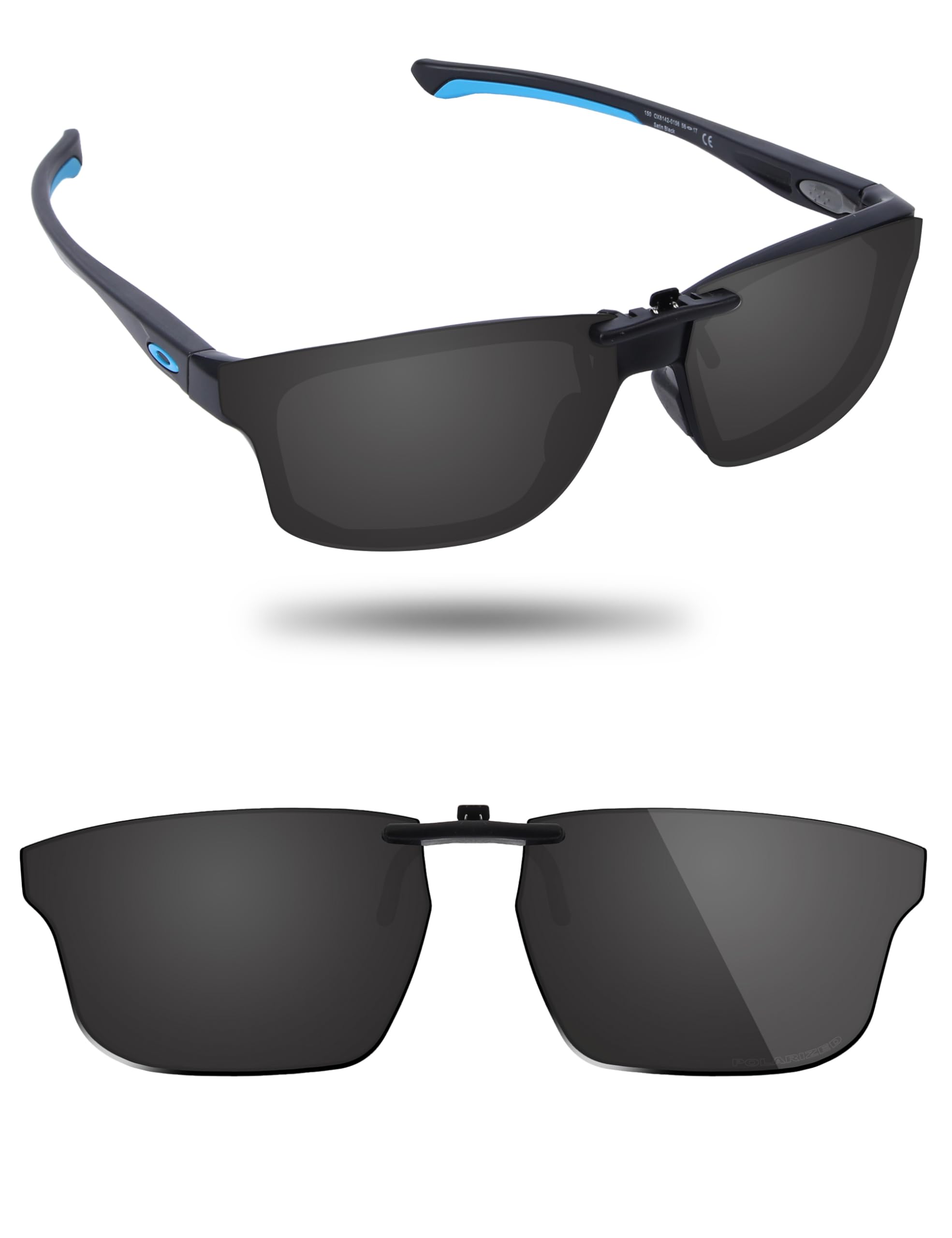 Polarized Clip-On Sunglasses for Oakley Crosslink Fit OX8142 56mm - UV Protection - Universal Fit for Men & Women Classic Black 56mm Rank #1 | 🏆 Top Pick | — | |
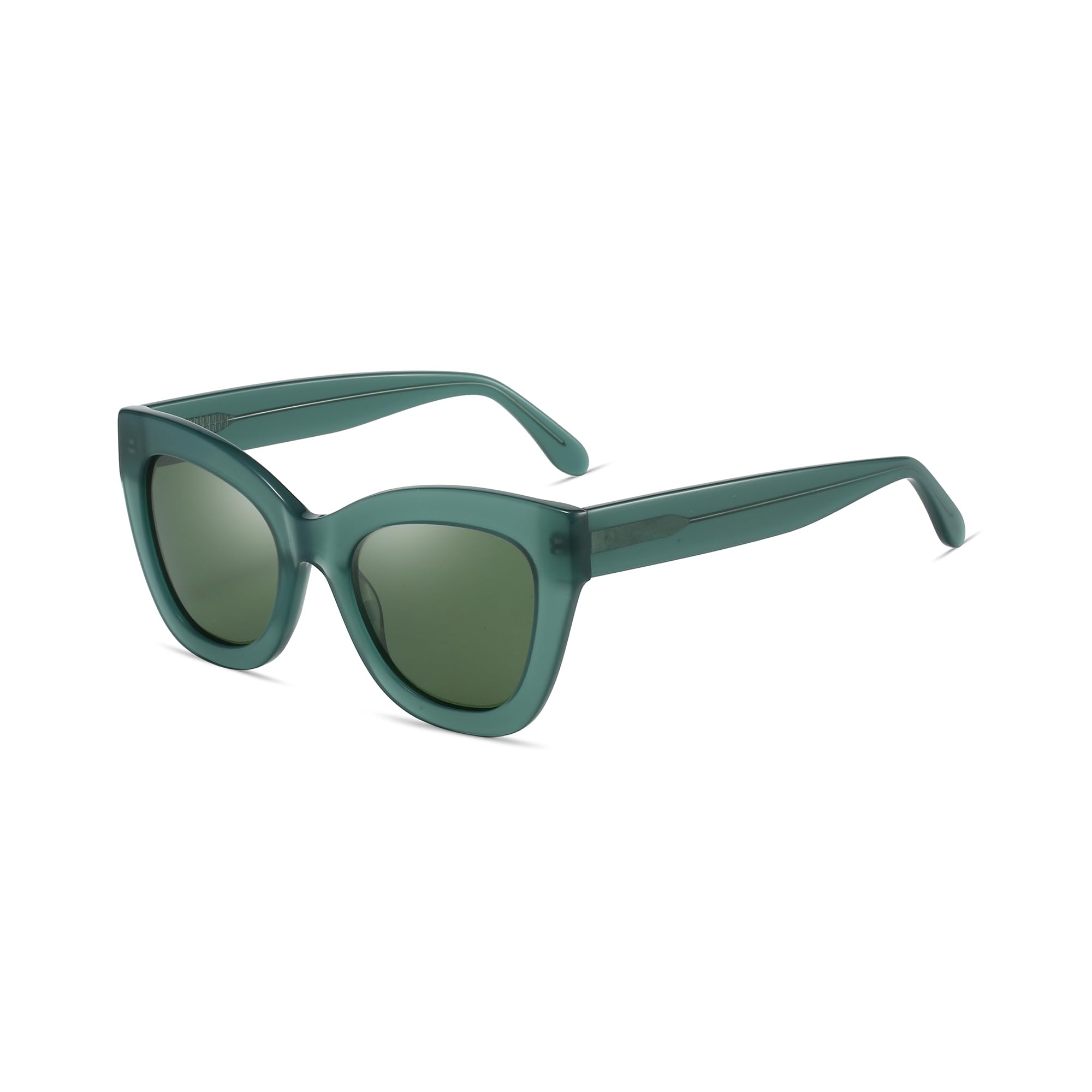 ZENOTTIC Retro Polarized Sunglasses Women - Oversized Square Trendy Glasses UV Protection - for Beach,Hiking,Party ZS6243 Green Rank #2 | — | ||
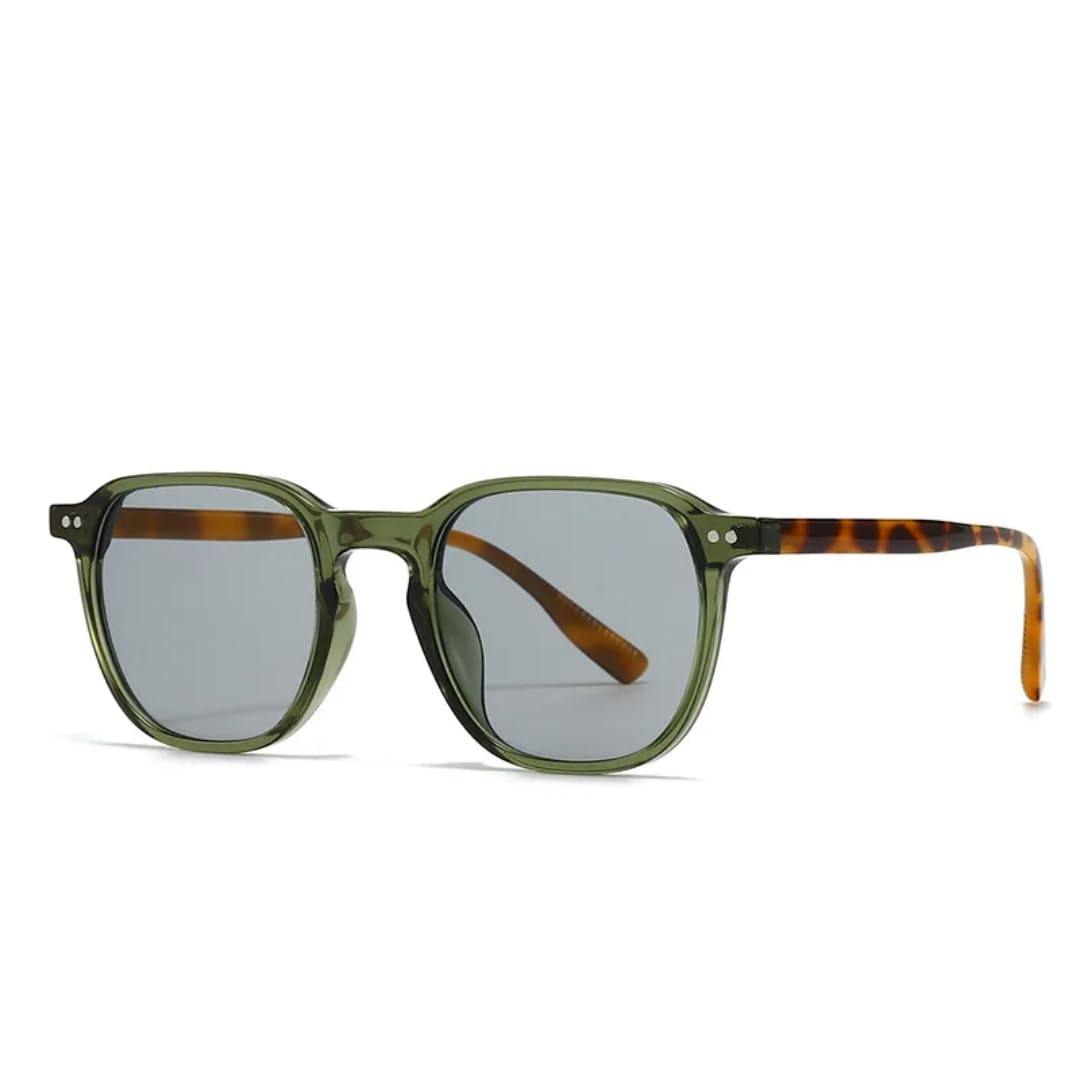 Vintage Fashion Sunglasses Women Men Retro Rivet Blue Lens Female Uv400 C3 Green Leopard One Size Rank #3 | — | — | |
 Fashion Sunglasses Women Shades Uv400 Retro Gradient Men Beige One Size Rank #4 | — | — | |
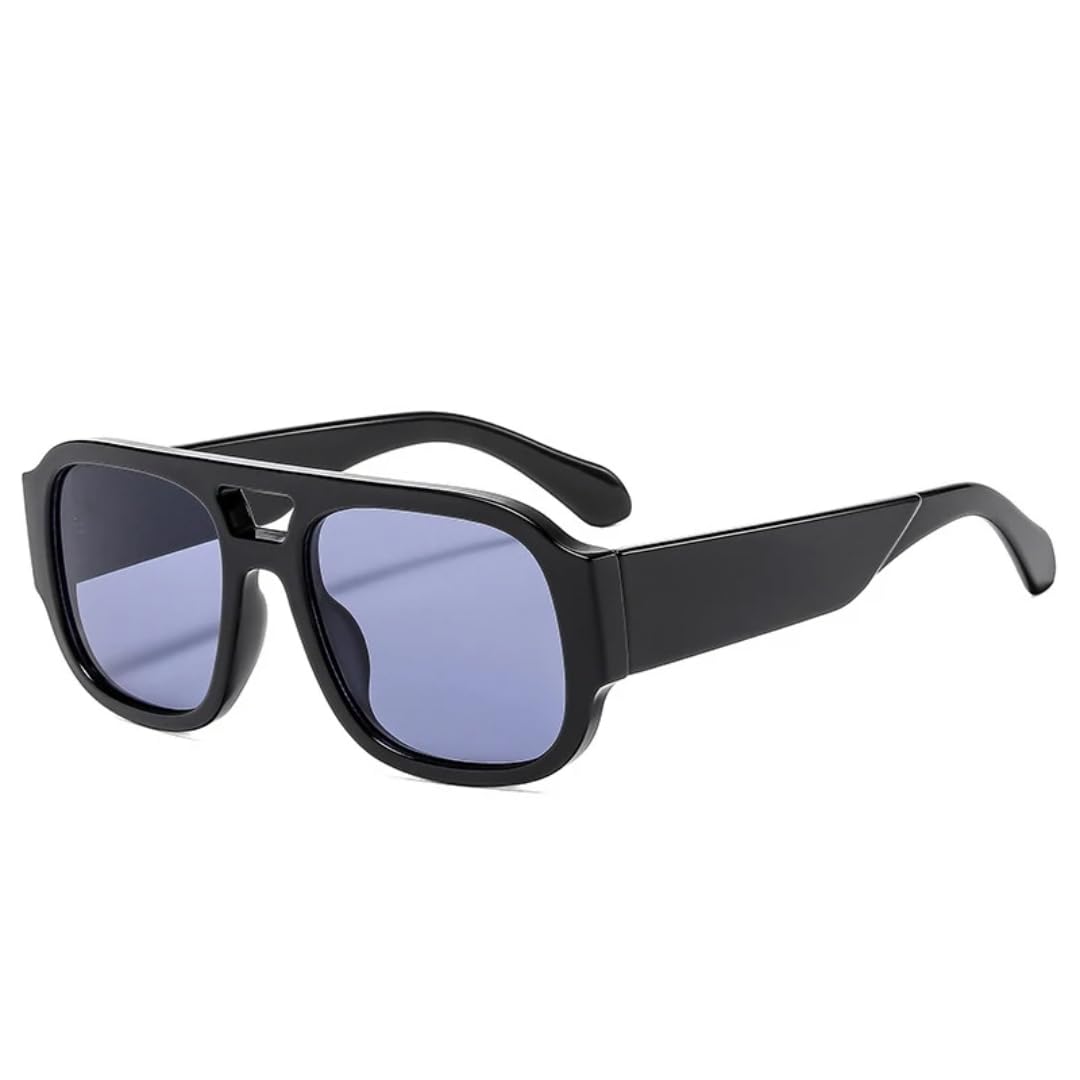 Retro Double Bridges Men Sunglasses Fashion Shades Leopard Women Punk Gradient 2 One Size Rank #5 | 💰 Budget Pick | — |

