Get the App
Better experience on mobile
After taking a moment to familiarize yourself with the options that are out there, you’ll be ready to start your very own herb garden.
Spring is an ideal time to start an herb garden, as the warming soil and longer days promote robust germination and growth for many popular herbs. Choosing the right herb seeds matters because not all varieties thrive in spring conditions—some are annuals that bolt in heat, while perennials establish roots before summer stress. Poor selection can lead to low yields, wasted effort, or herbs that don't suit your climate or intended use, whether culinary, medicinal, or ornamental. For instance, cool-season herbs like cilantro flourish in spring's mild temperatures, while evergreens like rosemary build a strong base for year-round harvesting.
This guide compares budget-friendly options in the $6.99 to $10.99 range, where "budget" means affordable packets with 100-1000+ seeds, often non-GMO and heirloom, versus slightly "premium" ones with added instructions or higher seed counts for better value. Budget picks like the $6.99 Sow Right Seeds Common White Yarrow offer basic, reliable starts, while premium-leaning choices such as the $10.99 Cilantro from Exotic-Succulent-Collection provide more seeds for larger gardens without jumping to expensive kits.
Readers will learn key features to evaluate, such as seed viability, plant type, and uses; budget breakdowns; performance-to-price analysis; common pitfalls; and detailed reviews of five standout products: Sow Right Seeds St John’s Wort, Exotic-Succulent-Collection Cilantro (200 Count and 100 Count), Sow Right Seeds Common White Yarrow, and the 1000+ Rosemary Seeds pack. By the end, you'll confidently select seeds that match your space, experience level, and goals, ensuring a bountiful spring harvest of fresh herbs for teas, cooking, or remedies. (Word count: 278)
Selecting herb seeds for spring planting involves balancing your garden's conditions, intended uses, and long-term maintenance. Spring sowing leverages natural moisture and moderate temperatures (ideally 50-70°F soil), but success depends on matching seeds to your USDA zone (most of these suit zones 3-9). Focus on herbs that germinate quickly (7-21 days) and tolerate light frosts, like annuals (cilantro) or perennials (yarrow, rosemary). Consider indoor starting for slower germinators if your last frost is late.
Seed Count and Viability: Look for at least 100 seeds per packet for small gardens; higher counts (like 1000+) suit larger plots. Viability is crucial—opt for fresh, untreated seeds with 80-90% germination rates. Heirloom and non-GMO labels ensure purity and reliability over hybrid seeds that may not reseed true.
Plant Type and Growth Habit: Annuals (e.g., cilantro) complete their cycle in one season, ideal for quick harvests, while perennials (e.g., yarrow, St. John’s Wort) return yearly with minimal replanting. Check mature size—compact options like rosemary (12-24 inches) fit containers, versus spreading yarrow (up to 3 feet).
Culinary, Medicinal, or Ornamental Uses: Culinary herbs like cilantro and rosemary enhance meals with fresh flavors; medicinal ones like St. John’s Wort (for teas) or yarrow (wound poultices) add health benefits. Native wildflowers like yarrow support pollinators, making them multifunctional for eco-friendly gardens.
GMO Status and Organic Certification: Non-GMO heirloom seeds preserve genetic diversity and avoid pesticides. While none here are certified organic, packets from reputable brands like Sow Right Seeds often include untreated seeds, reducing chemical exposure in home grows.
Included Instructions and Packaging: Packets with planting guides (e.g., depth, spacing, sunlight needs) simplify for beginners. Durable, resealable packaging prevents moisture damage, extending shelf life up to 2-3 years if stored cool and dry.
Germination Time and Hardiness: Spring-friendly seeds should sprout in 7-14 days. Hardy perennials like rosemary tolerate light frosts down to 20°F, while tender annuals like cilantro prefer starting after frost. Check for disease resistance to avoid damping-off in cool, wet springs.
Sustainability and Origin: Seeds from U.S.-based sellers (e.g., Sow Right Seeds) often emphasize native or adapted varieties, reducing import carbon footprints. Look for pollinator-friendly traits to boost biodiversity.
In the $6.99-$10.99 range, all options are entry-level, but tiers emerge based on value. At the low end ($6.99-$7.99), like Sow Right Seeds Yarrow or the Rosemary pack, you get 100-200 seeds with basic instructions—perfect for testing small areas, yielding 10-20 plants. These offer high seed-to-price ratios (e.g., Rosemary's 1000+ seeds at $7.99 equals under $0.01 per seed) but may lack detailed medicinal info.
Mid-tier ($9.99) includes the Cilantro 100 Count and St. John’s Wort, providing 100-200 seeds plus comprehensive guides for indoor/outdoor use. This level suits beginners, as extras like heirloom status add longevity without premium pricing (e.g., $0.05-$0.10 per seed).
The top ($10.99) is the Cilantro 200 Count, doubling quantity for expansive sowing, ideal for succession planting to extend harvests. Overall, expect $0.01-$0.11 per seed; avoid ultra-cheap generics without viability guarantees, as they risk 50% failure rates. Factor in shipping ($3-5) and pots/soil ($10 startup), making these packets a low-risk entry (total under $25 for a starter garden).
The sweet spot lies in mid-tier options like the $9.99 St. John’s Wort or Cilantro 100 Count, where performance—measured by germination ease, yield, and versatility—outpaces cost. For example, St. John’s Wort's perennial nature delivers multi-year returns from one $9.99 packet (up to 50 plants, each yielding 1-2 cups of leaves annually), versus the $6.99 Yarrow's similar output but fewer medicinal uses. Rosemary at $7.99 punches above its price with 1000+ seeds, potentially producing 100+ plants for endless culinary harvests, though slower germination (14-21 days) tempers immediacy.
Budget picks ($6.99-$7.99) excel in volume but may underperform in instructions, leading to 10-20% lower success for novices. The $10.99 Cilantro offers top performance for annuals (quick 7-10 day sprouts, high yields of 200+ plants), justifying the extra $1 for doubled seeds if you crave fresh salsa ingredients all summer. Prioritize perennials for long-term value; they amortize costs over years, while annuals like cilantro demand yearly repurchase but provide instant gratification.
Ignoring Local Climate: Planting frost-tender seeds like rosemary before your last frost (check via USDA zone) can kill sprouts. Start indoors 4-6 weeks early for safety.
Overlooking Seed Freshness: Buying outdated packets (test by float method: sinkers are viable) leads to poor germination. Stick to 2023-2024 harvest dates on labels.
Neglecting Soil and Light Needs: Herbs like yarrow need full sun (6+ hours); shady spots cause leggy growth. Use well-draining, pH 6.0-7.0 soil to prevent root rot in spring rains.
Skipping Succession Planting: Sowing all cilantro at once results in bolting by June. Stagger every 2 weeks for continuous supply.
Forgetting Pollination and Pests: Isolating self-pollinators like rosemary is fine, but attract bees for better yields. Watch for aphids in spring; use neem oil early to avoid chemical overuse.
Our top pick is Sow Right Seeds St John’s Wort ($9.99), best for medicinal herb enthusiasts seeking perennials with dual culinary/wildflower appeal—its instructions and non-GMO status ensure easy establishment for beginners.
Second is the 1000+ Rosemary Seeds ($7.99), ideal for culinary cooks wanting high-volume, evergreen ground cover; its fragrance and yield make it a budget powerhouse for container gardeners.
Third, Exotic-Succulent-Collection Cilantro 200 Count ($10.99) suits fresh salsa lovers needing quick, abundant annuals—double seeds maximize spring-to-summer harvests for families. (Word count: 742)
Spring planting timing depends on your location's last frost date, typically mid-March to early May in zones 3-9. For cool-season annuals like cilantro (from Exotic-Succulent-Collection), sow directly outdoors once soil hits 50°F, about 2-4 weeks post-frost, to avoid bolting in impending heat. Perennials like Sow Right Seeds St John’s Wort or Yarrow can go in earlier, even late winter, as they tolerate light frosts down to 20°F and establish roots before summer. Rosemary seeds benefit from indoor starting 6-8 weeks before last frost in trays at 70°F, then transplanting after danger passes. Check local extensions (e.g., via USDA app) for precise dates—planting too early risks rot in wet soils, while delaying misses peak germination windows. Aim for consistent moisture without waterlogging, using row covers if nights dip below 40°F.
Indoor starting extends your season for slower herbs like rosemary. Use seed trays with sterile, well-draining potting mix (pH 6.0-7.0), sowing at recommended depths: 1/8 inch for yarrow or St. John’s Wort, 1/4 inch for cilantro and rosemary. Moisten soil, cover with plastic for humidity, and place under grow lights (14-16 hours daily) at 65-75°F. Germination varies—cilantro in 7-10 days, rosemary up to 21. Thin seedlings to 2 inches apart once true leaves appear, hardening off outdoors over 7-10 days before transplanting. Sow Right Seeds packets include guides, but for unlabeled ones like Exotic-Succulent-Collection cilantro, follow general rules: bottom-water to prevent damping-off. Expect 70-90% success with fresh seeds; discard floaters in water tests for viability. This method suits apartments, yielding stronger plants than direct sow.
Most prefer loamy, well-drained soil amended with compost for nutrients—avoid heavy clay to prevent root issues in spring rains.


Compare key specs and features of all our recommendations side-by-side
| Product | Recommendation | Rating | Price |
|---|---|---|---|
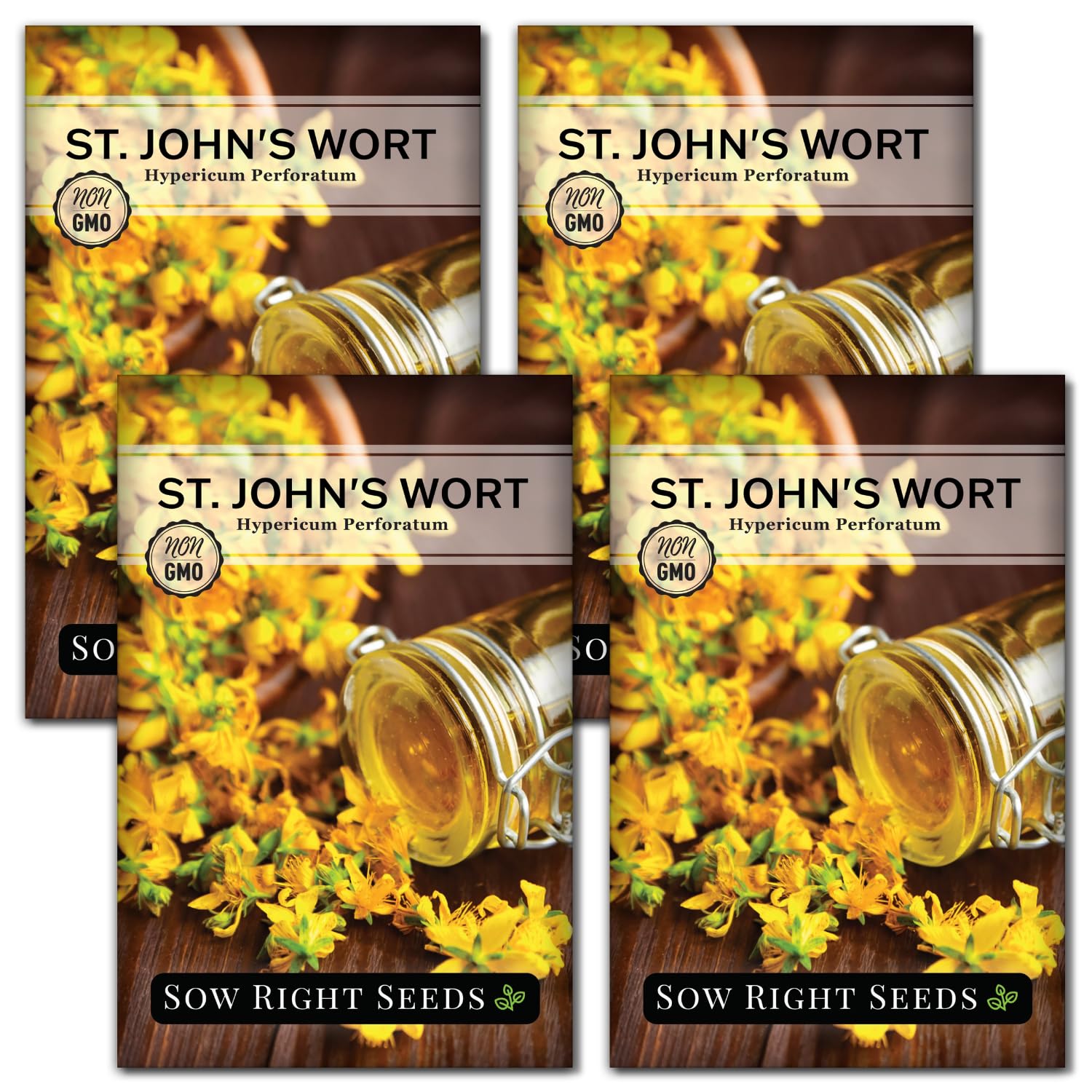 Sow Right Seeds - St John’s Wort Seeds for Planting - Non-GMO Heirloom Packet with Instructions to Plant & Grow an Outdoor or Indoor Herb Garden - Native Wildflower with Medicinal & Culinary Uses (4) Rank #1 | 🏆 Top Pick | 4.1 4.1 | |
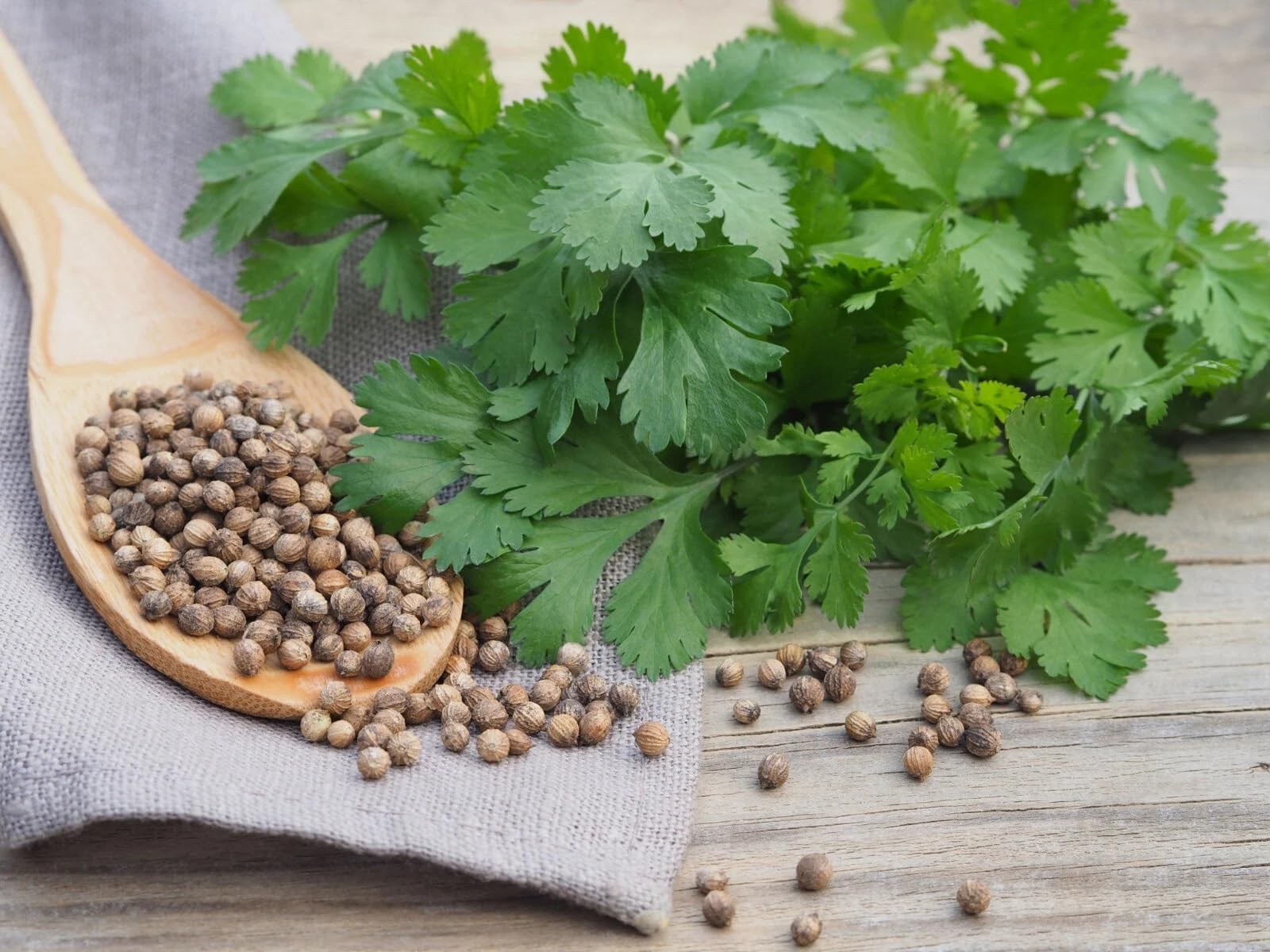 Cilantro, Coriandrum Sativum Seeds, 200 Count, Coriander Herb Seeds by Exotic-Succulent-Collection Rank #2 | — | ||
Cilantro, Coriandrum Sativum Seeds, 100 Count, Coriander Herb Seeds by Exotic-Succulent-Collection Rank #3 | — | — | |
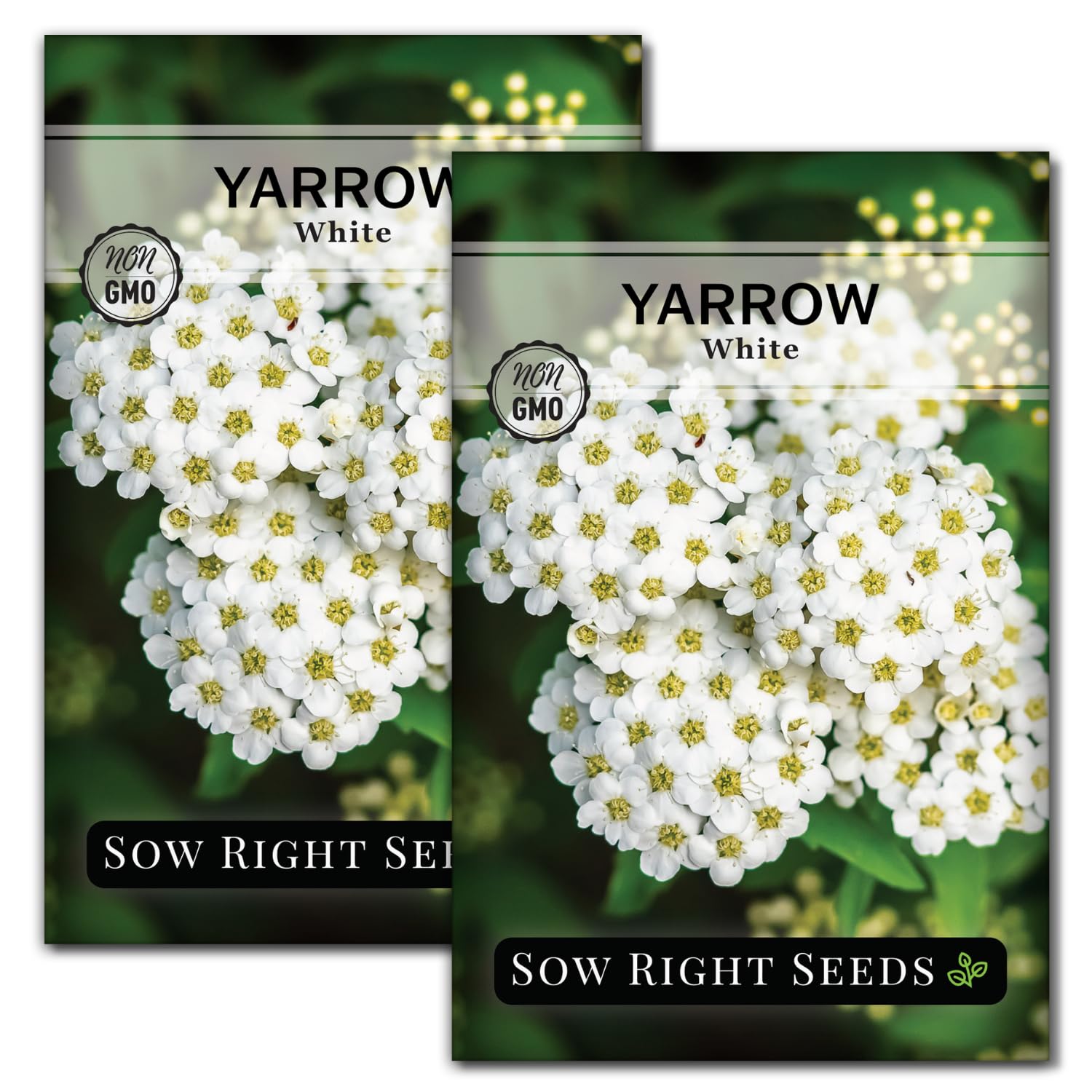 Sow Right Seeds - Common White Yarrow Seeds for Planting - Non-GMO Heirloom Packet with Instructions to Grow an Outdoor Flower Garden - Medicinal Herb & Native Wildflower - Perennial Achillea (2) Rank #4 | — | 4.0 4.0 | |
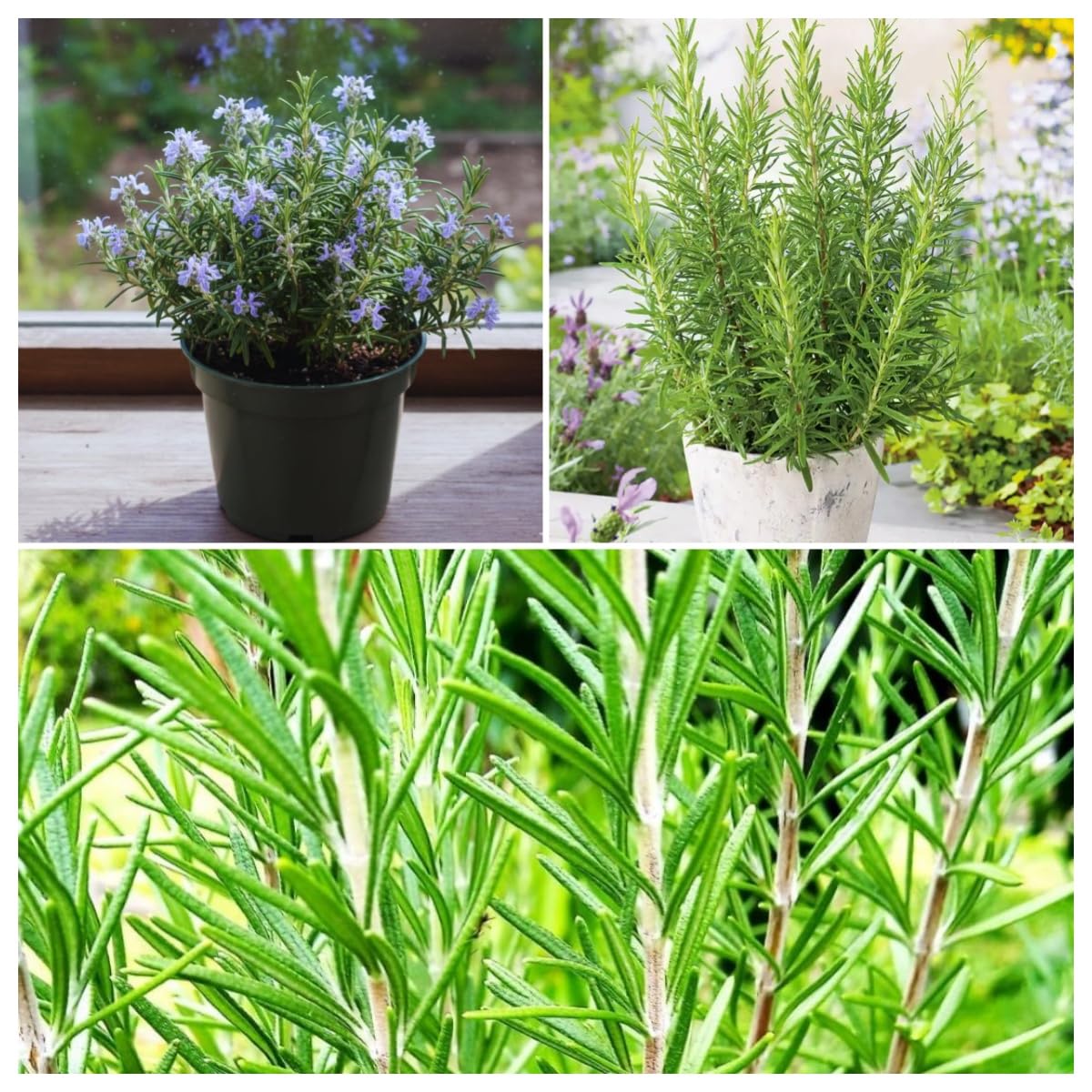 Rosemary Seeds for Ground Cover and Herb Garden, 1000+ Non-GMO Heirloom Seeds, Fragrant Evergreen Culinary Herb Rank #5 | 💰 Budget Pick | — |
