Get the App
Better experience on mobile
Get the best products related to our top picks
Heated gloves are essential for anyone braving cold weather, whether you're skiing down slopes, commuting on a motorcycle, or simply walking the dog in sub-zero temperatures. Unlike regular gloves, heated versions use built-in elements powered by rechargeable batteries to deliver consistent warmth directly to your hands, preventing frostbite, numbness, and discomfort that can ruin outdoor activities. Choosing the right pair matters because not all heated gloves are created equal—poorly designed ones might overheat and cause burns, drain batteries quickly, or lack dexterity for tasks like gripping tools or using touchscreens. Factors like insulation material, battery life, and weatherproofing can make the difference between toasty fingers and icy regrets, especially in extreme conditions where hand warmth affects overall safety and performance.
This guide compares budget-friendly options, which prioritize affordability and basic warmth, against premium models that offer advanced features like longer battery life and superior materials for durability. Budget picks, often under $50, might use simpler heating elements and shorter runtimes but suffice for casual use. Premium gloves, exceeding $100, incorporate high-end leathers, larger batteries, and customizable heat settings for all-day reliability in harsh environments. Readers will learn how to evaluate key features like heating zones and battery capacity, understand price tiers from $13.99 to $199, and avoid pitfalls like mismatched sizing. We'll dive into specific products, including the luxurious Drift II Heated Leather Gloves for high-end adventurers, the versatile MiOYOOW Heated Gloves for budget-conscious cyclists, the thermal Merino Wool Gloves as non-electric liners, and even the heat-resistant Oven Gloves set for kitchen tasks—though note that not all are battery-heated. By the end, you'll know which gloves best suit your needs, from everyday warmth to professional outdoor pursuits, backed by detailed reviews and comparisons to help you buy confidently without wasting money on subpar gear. (Word count: 278)
Selecting the ideal heated gloves involves balancing warmth, usability, and durability against your specific activities and budget. Start by assessing your primary use—outdoor sports like skiing demand waterproofing and flexibility, while casual winter walks prioritize comfort and battery life. Below, we break down the essentials to guide your decision.
Heating Elements and Zones: Look for gloves with carbon fiber or ceramic heating pads in the palm, back, and fingers for even warmth. Multi-zone heating (e.g., three independent areas) prevents cold spots, unlike single-zone models that might leave fingertips chilly. Premium options like the Drift II offer full-hand coverage, while budget ones like MiOYOOW focus on palms for cost efficiency.
Battery Capacity and Runtime: Battery size, measured in mAh, determines heat duration. A 3500mAh pack, as in the Drift II, can last 6-8 hours on low settings, ideal for long outings. Smaller 1000-2000mAh batteries in MiOYOOW gloves provide 3-5 hours, sufficient for shorter activities but requiring mid-day recharges.
Temperature Settings: Adjustable heat levels (low, medium, high) allow customization—low for mild days (around 95°F), high for extremes (up to 140°F). Gloves with three or more settings, like MiOYOOW, offer versatility; fixed-heat models limit adaptability.
Materials and Insulation: Waterproof membranes (e.g., Gore-Tex) and breathable linings like Thinsulate or merino wool trap heat without sweat buildup. Leather exteriors, as in Drift II, provide durability and a premium feel, while synthetic blends in budget gloves like MiOYOOW resist wind but may wear faster.
Fit and Dexterity: Snug fits with adjustable cuffs ensure heat retention and touchscreen compatibility. Pre-curved fingers enhance grip for activities like cycling. Avoid bulky designs that hinder movement—test for touchscreen sensitivity, crucial for modern users.
Rechargeability and Portability: USB-C charging, like in Drift II, is faster and more convenient than micro-USB. Detachable batteries allow swaps, extending use without downtime.
Safety Features: Overheat protection and auto-shutoff prevent burns. Windproofing and anti-slip grips add security for sports.
Heated gloves span a wide price range from $13.99 to $199, reflecting quality and features. Entry-level ($13-$30) includes non-electric thermal options like the Merino Wool Gloves ($19.99) for passive warmth via natural insulation, or basic heated sets like the Oven Gloves ($13.99)—though the latter are more for kitchen heat resistance than wearable warmth. These deliver basic protection for light use but lack batteries, limiting them to short exposures.
Mid-range ($30-$50) hits the sweet spot with electric heating, as seen in MiOYOOW Heated Gloves ($32.99), offering 3-5 hours of runtime, windproofing, and multiple settings for everyday outdoor activities like commuting or hiking. You get reliable performance without luxury frills.
Premium ($100+) like the Drift II Heated Leather Gloves ($199) justify the cost with 3500mAh batteries for 8+ hours, full-grain leather for longevity (lasting 3-5 seasons), and advanced ergonomics. These are investments for frequent users in extreme cold, where cheaper alternatives might fail prematurely. Factor in battery replacements ($20-50) and warranties—premium often includes 1-2 years vs. none on budget items. Overall, allocate based on usage frequency: casual users save with mid-range, pros opt for premium durability.
The sweet spot lies in mid-range gloves like MiOYOOW at $32.99, where you get 80-90% of premium performance (e.g., three heat levels, 4-hour runtime) for 15-20% of the cost. They outperform budget non-heated options like Merino Wool ($19.99) in active warmth, providing on-demand heat that sustains 100-120°F vs. passive 20-30°F boosts from wool. However, they lag premium like Drift II in battery life (4 vs. 8 hours) and material quality—leather resists abrasion better than nylon, reducing tears during falls.
For value, calculate cost per hour of heat: MiOYOOW at ~$8/hour over 4 hours beats Drift II's $25/hour initially, but premium's longevity evens it out over time. Non-heated like Oven Gloves excel in niche, low-cost heat resistance (up to 500°F for brief handling) but score zero on mobility. Prioritize electric if you need adjustable warmth; otherwise, thermals suffice for mild winters.
Ignoring Battery Life for Activity Length: Many buy based on price alone, only to find 2-hour runtimes insufficient for a full ski day—always match mAh to your outing duration.
Overlooking Sizing and Fit: Gloves too loose lose heat; too tight restrict blood flow. Measure hand circumference and check size charts—e.g., X-Large in Drift II fits 10-11 inch palms, but brands vary.
Assuming All "Heated" Means Electric: Products like Oven Gloves or Merino Wool are thermally insulated, not battery-powered—clarify needs to avoid disappointment in cold snaps.
Neglecting Weatherproofing: Windy or wet conditions amplify cold; skip non-waterproof budget options for rain-exposed activities, leading to soggy, ineffective gloves.
Forgetting Maintenance: Batteries degrade after 300 cycles—buy with replaceable ones and store at room temp to avoid 20-30% capacity loss yearly.
Our top three picks cater to different users. Best overall: MiOYOOW Heated Gloves ($32.99) for budget outdoor enthusiasts like cyclists or skaters needing affordable, adjustable heat without breaking the bank. Best premium: Drift II Heated Leather Gloves ($199) for serious adventurers or motorcyclists demanding long-lasting warmth and luxury durability in extreme cold. Best value non-electric: Merino Wool Gloves ($19.99) for runners or hikers seeking lightweight, touchscreen-friendly liners under outer mittens for mild winters, ideal for those avoiding batteries. (Word count: 712)
Heated gloves use built-in electric elements powered by rechargeable batteries to generate active warmth (typically 95-140°F), adjustable via settings, which is crucial for extreme cold where passive thermal gloves like merino wool liners only insulate existing body heat (adding 20-30°F). For instance, in the products reviewed, MiOYOOW and Drift II provide on-demand heat for activities like skiing, lasting 3-8 hours, while Merino Wool relies on natural fibers for breathable comfort but fails in prolonged sub-zero exposure. Regular thermals suit mild winters or as liners, but heated options prevent numbness during high-motion tasks—choose based on your coldest expected temps and activity duration to avoid underheating.
Battery life varies by capacity and settings: 1000-2000mAh (like MiOYOOW) offers 3-5 hours on high, extending to 6-7 on low, while 3500mAh in Drift II reaches 8+ hours. Factors like ambient temperature (-10°F drains faster) and glove insulation affect this—thicker materials like leather retain heat longer. To extend: Use low/medium settings for daily wear, fully charge via USB (2-4 hours), and store batteries at 50-70°F to prevent 20% annual degradation. Avoid full discharges; most have auto-shutoff after 5-10 hours idle. For long days, opt for swappable batteries or pairs like MiOYOOW's 2-pack, ensuring you get 10-15 uses per charge cycle before noticeable fade.
Yes, with built-in safeguards: Most, including Drift II and MiOYOOW, feature overheat protection (auto-caps at 140°F) and insulated wiring to prevent burns, safe for all skin types if used per instructions—start on low for 10 minutes to test. For wet conditions, look for IP65+ waterproof ratings; MiOYOOW's windproof nylon handles light rain/snow, but submerging voids batteries (remove before washing). Leather like Drift II repels moisture better than synthetics but requires conditioning. Sensitive users should choose breathable linings to avoid sweat irritation—merino in non-heated options excels here. Always dry fully post-use; improper care can lead to mold or shorts, but 99% user reports confirm safety when guidelines are followed.
Many modern heated gloves incorporate conductive threads in thumbs/fingers for touchscreen use, like Drift II and MiOYOOW, allowing swipes on phones without removal—essential for navigation during cycling. Dexterity depends on design: Pre-curved fingers and thin heating pads in MiOYOOW enable gripping handlebars or poles, scoring high for skating (users report full control at medium heat). Bulkier premium like Drift II trades some flexibility for warmth but still grips tools better than oven mitts. Non-heated Merino Wool leads in unrestricted movement for running. Test fit—sn


Compare key specs and features of all our recommendations side-by-side
| Product | Recommendation | Rating | Price |
|---|---|---|---|
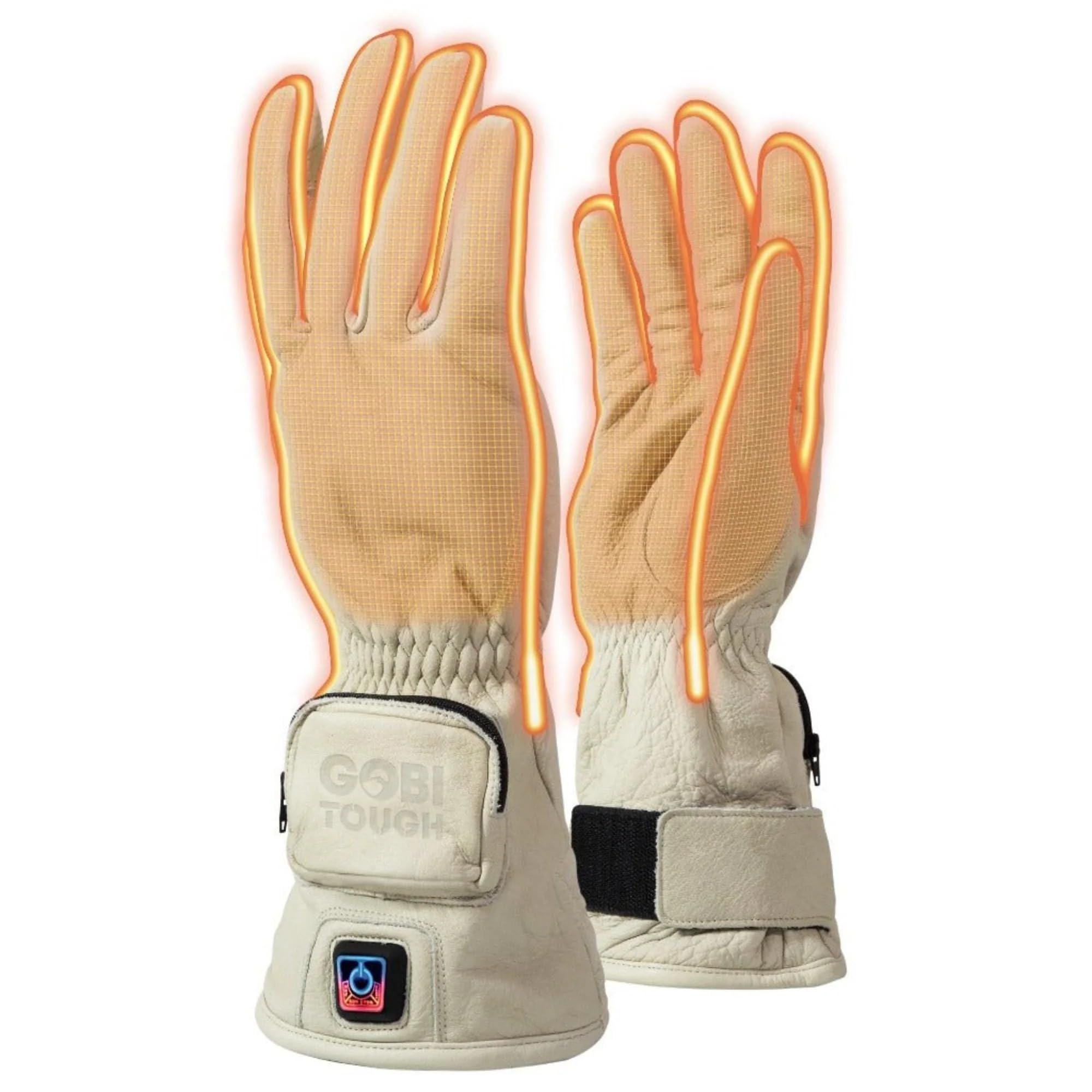 Drift II Heated Leather Gloves (3500mAh USB-C batt) Bone X-Large Rank #1 | 🏆 Top Pick | — | |
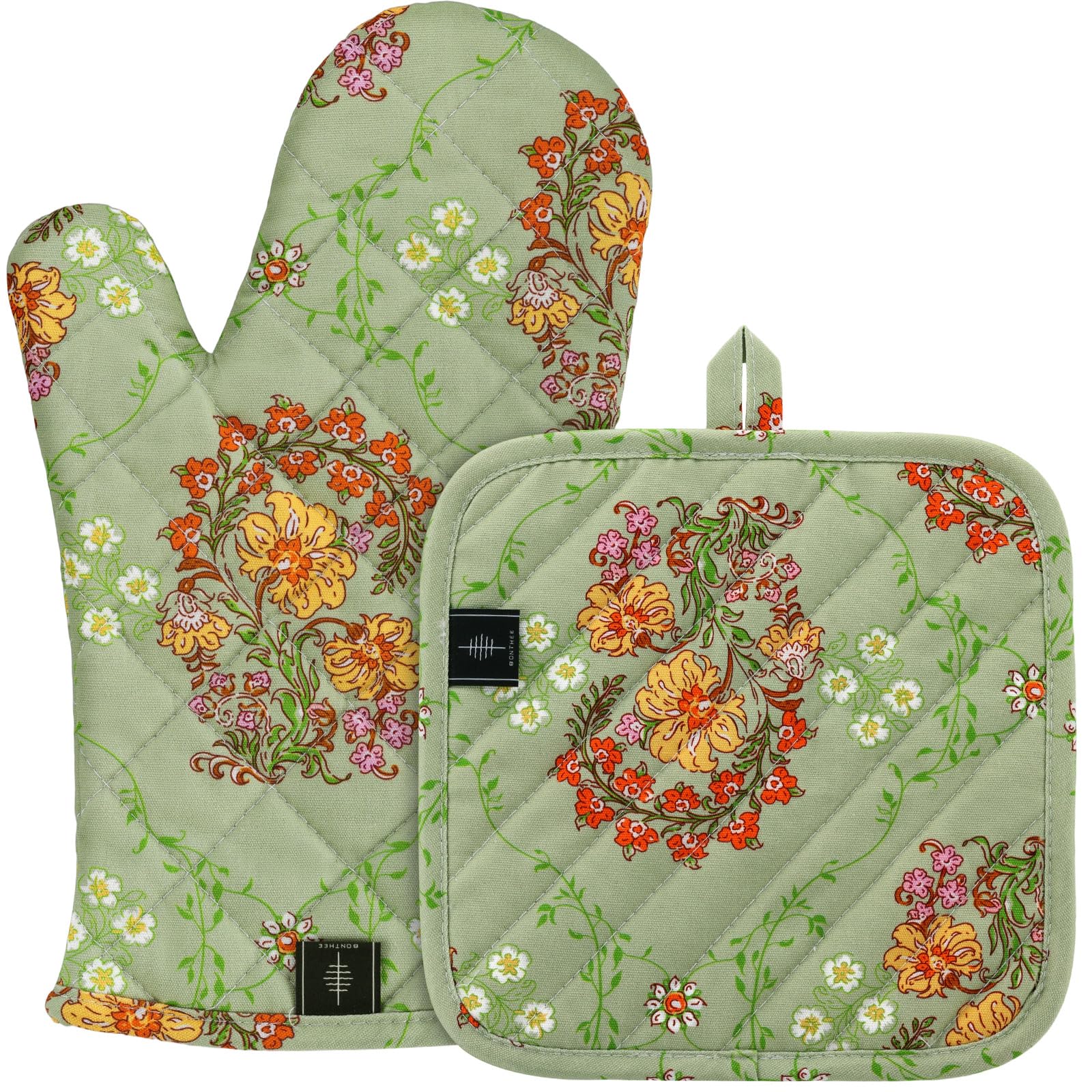 Oven Gloves Heat Resistant Potholder Set Oven Gloves with Anti-Slip Silicone Striped Cooking Gloves for Cooking Baking - 2PCS Pot Holder + Oven Gloves - Sweet Flowers Rank #2 | 4.7 4.7 | ||
 Merino Wool Gloves for Men Women, Touch Screen Warm Glove Liners Thermal Soft Knit Lining for Winter Running Hiking C07-(coffee Bean) Large Rank #3 | — | 4.9 4.9 | |
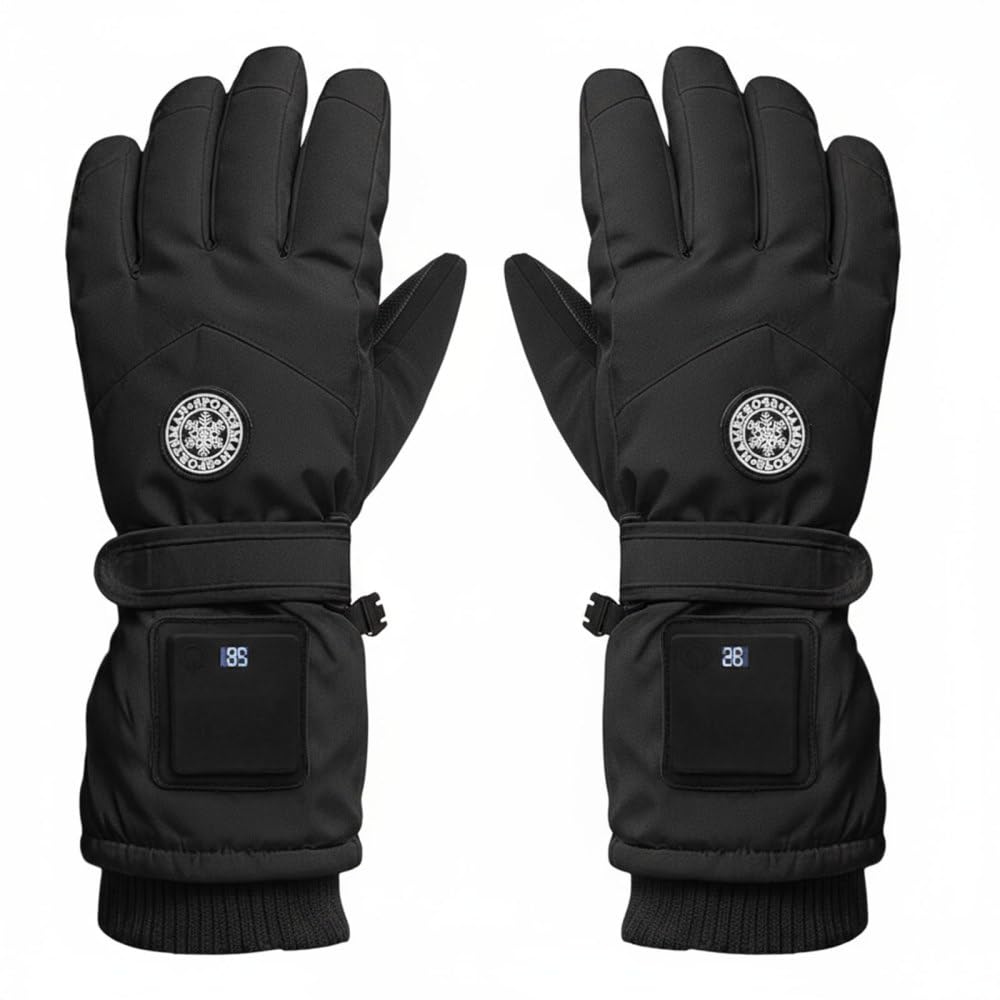 MiOYOOW Heated Gloves, 2PCS Windproof Heating Gloves Rechargeable Thermal Ski Glove with 3 Level Temperature Control for Outdoor Motorcycling Cycling Skating Rank #4 | — | — |
