Get the App
Better experience on mobile
From noise-cancelling over-ears to audiophile-grade wired IEMs, these budget-friendly picks deliver real performance without breaking the bank.
A $100 budget used to mean settling for tinny earbuds or bulky hand-me-down over-ears. But in 2026, the price barrier between entry-level and premium audio has effectively collapsed. You can now get adaptive active noise cancellation, lossless wireless codecs, and even wireless charging without crossing the three-figure threshold. The challenge isn't finding a good pair — it's finding the right pair for your particular listening habits, whether you're commuting, working out, or just relaxing at home.
This list cuts through the noise by focusing on real-world performance, build quality, and value. We've sorted through the spec-sheet hype and looked at how these headphones actually behave in everyday situations. The result is eight picks that cover the full spectrum: over-ear and in-ear, wireless and wired, ANC and no ANC. Each recommendation is honest about its compromises, so you know exactly what you're getting before you hit buy.
Our selection process blends manufacturer specifications, published expert reviews, and aggregated buyer feedback from major retailers. We prioritize sound comfort, ease of use, and reliability over marketing numbers, and we've made sure every product here is currently available under $100. Whether you're a bass enthusiast, a podcatcher, or an audiophile on a tight budget, there's a pair on this list that will surprise you.
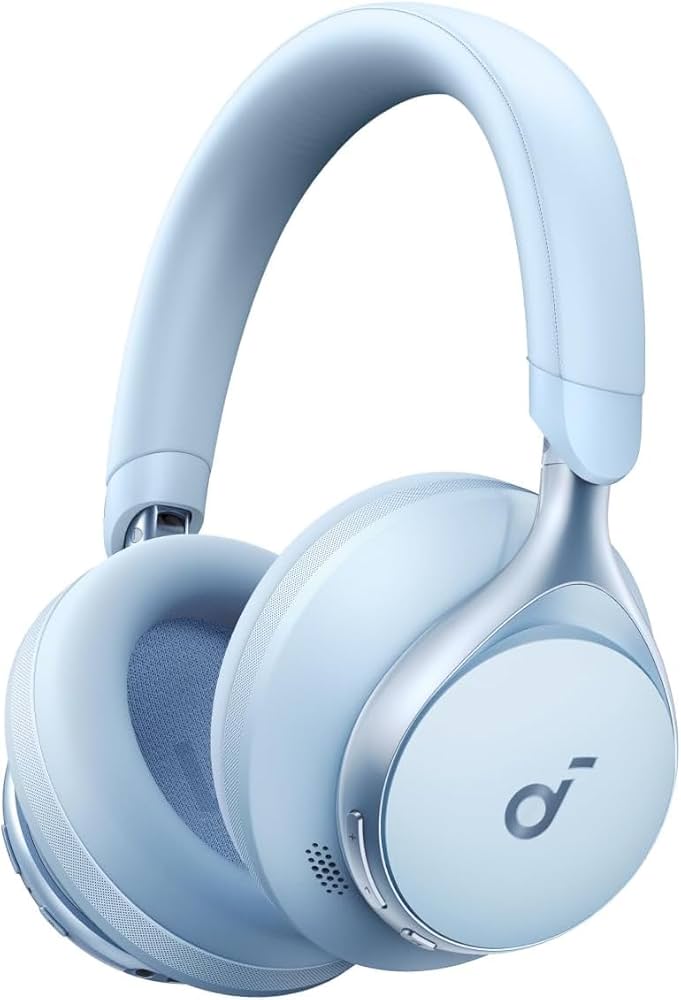
The Anker Soundcore Space One punches far above its $99 price tag, offering adaptive noise cancelling, LDAC support for high-res audio, and up to 40 hours of battery life with ANC on. The comfortable fit and balanced, engaging sound make them an easy recommendation for most people. The trade-off is that the plastic build feels less premium than pricier rivals, and the ear pads aren't replaceable — a real problem if you use them heavily for years.
Main limitation: The build quality is unmistakably budget, with a creaky headband and non-replaceable ear cushions.
Skip if: If you need a more premium feel and are willing to sacrifice some battery life for a metal chassis, these won't satisfy.
The P40i true wireless earbuds deliver surprisingly effective ANC, a comfortable secure fit, and a well-balanced sound signature for around $60. They also include wireless charging and a handy case with a lanyard, features you'd expect from earbuds twice the price. The trade-off is that call quality is mediocre in windy conditions, and the touch controls can be overly sensitive.
Main limitation: Microphone quality degrades in outdoor environments, and the touch controls sometimes trigger accidentally when adjusting the earbuds.
Skip if: If you're on phone calls in noisy streets all day, consider a pair with a more advanced mic array instead.
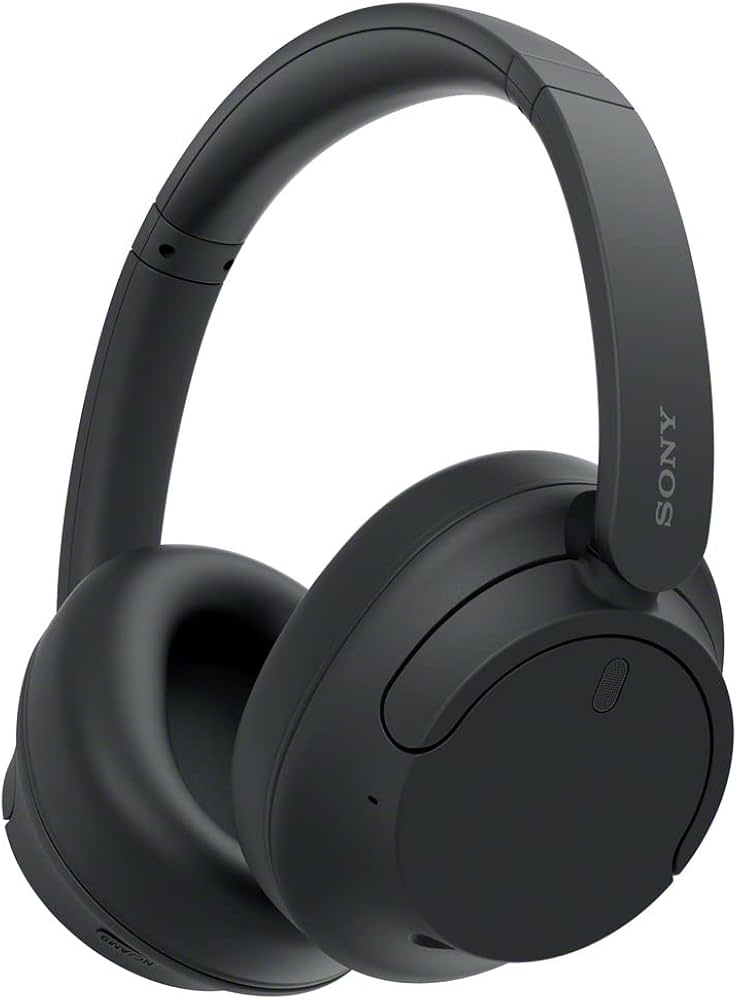
The Sony WH-CH720N are among the lightest over-ear ANC headphones on the market at just 192 grams, making them nearly imperceptible during long listening sessions. They feature Sony's excellent audio processing and a deep, punchy bass that's still clear for vocals and podcasts. The trade-off is that the ANC is less aggressive than pricier Sonys, and the plastic headband feels a little flimsy.
Main limitation: The clamping force is slightly low, so they may shift during vigorous movements, and the ear cups are a bit shallow for large ears.
Skip if: If you need very strong noise cancellation for loud plane cabins, these might let you down.
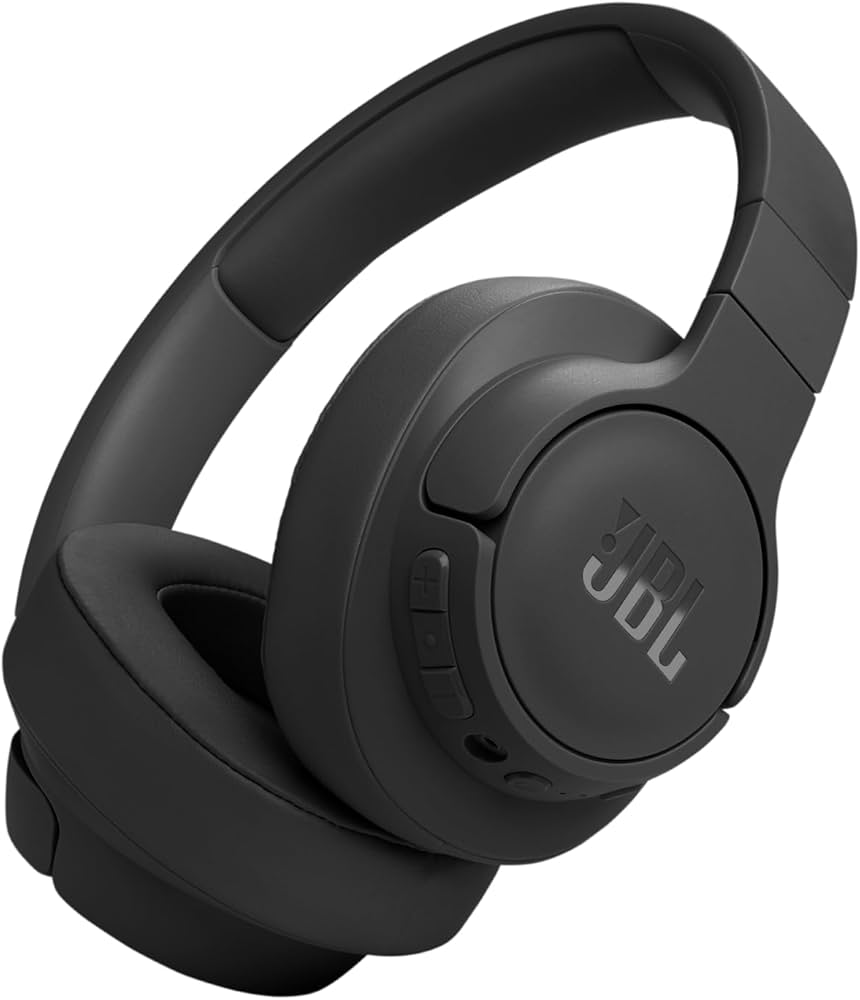
JBL's Tune 770NC bring the brand's signature energetic bass-forward sound to under $100, along with solid ANC and an astonishing 70 hours of battery life. They fold flat for easy stashing in a backpack, though there's no carry case included. The trade-off is that the treble gets a bit sibilant at high volumes, and the build is entirely plastic.
Main limitation: The lack of a protective carrying case is a notable omission for a travel-oriented model, and the hinge feels fragile.
Skip if: If you prefer a neutral, audiophile-approved frequency response, these are not the right choice.
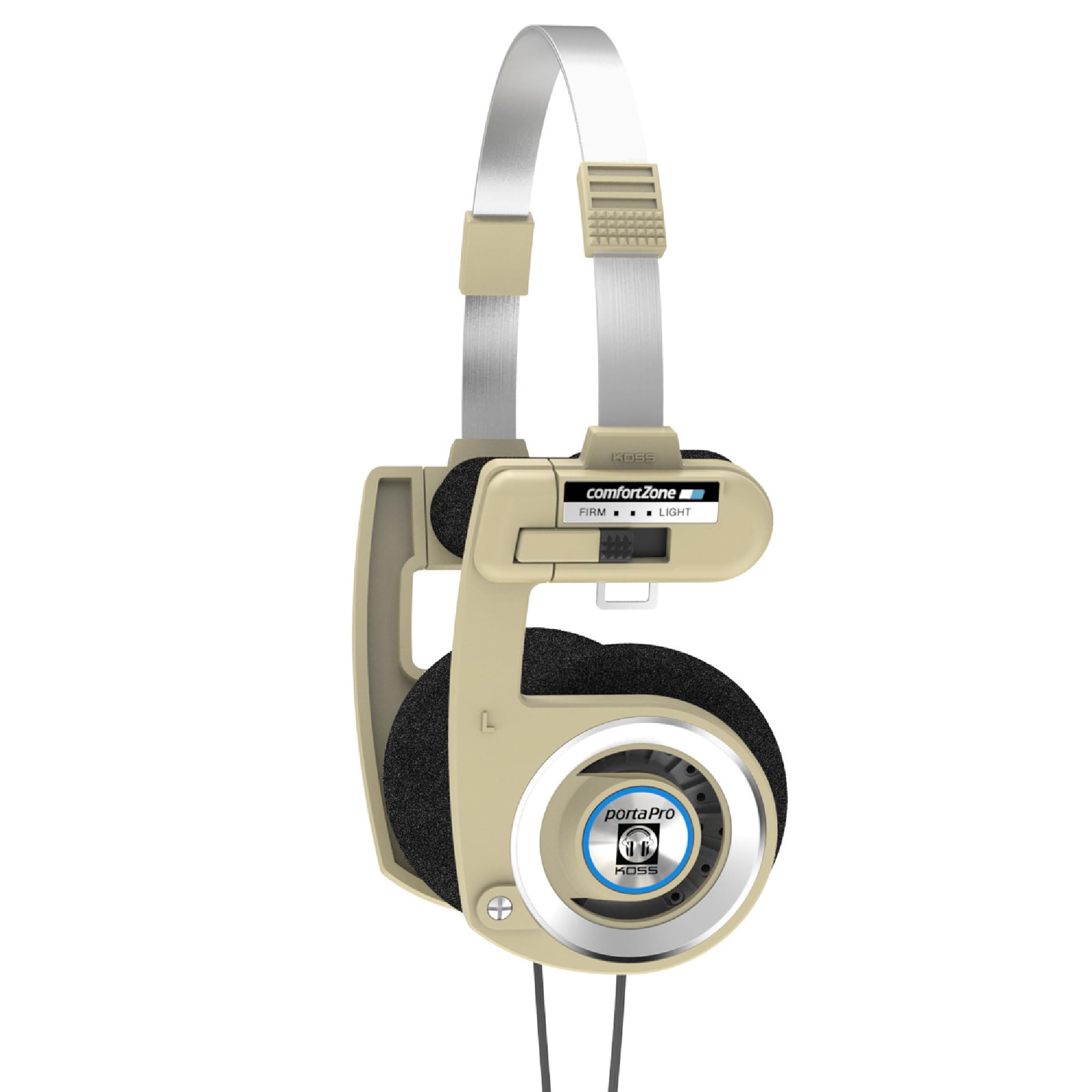
The Koss Porta Pro have been a staple for over 30 years, and they still offer a warm, engaging sound signature that's backed by a legendary open-back design—for a wired on-ear. Slightly over $50, they're a stylish throwback that also happen to be extremely comfortable thanks to the lightweight construction and soft foam pads. The trade-off is that the on-ear fit can get tiring after a few hours, and the cable is not detachable.
Main limitation: The non-detachable cable and lack of inline mic/controls limit their modern-day versatility.
Skip if: If you need noise isolation or want to connect to a modern phone without a dongle, skip these.
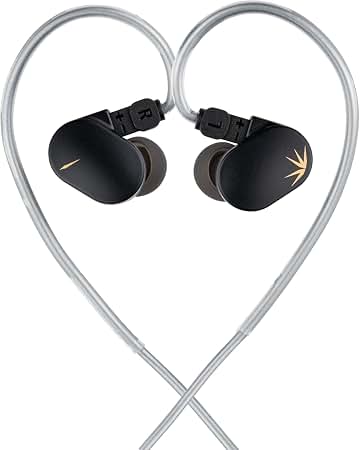
The Moondrop Chu II build on the legacy of the original with a refined neutral-bright tuning that reveals surprising detail for just $20. They feature a durable metal shell, a detachable cable, and a compact design that fits most ears well. The trade-off is that the tuning leans bright—excellent for analytical listening, but potentially fatiguing if you prefer a warmer sound.
Main limitation: The stock eartips are mediocre, and the included cable has a bad memory effect; most users swap them out.
Skip if: If you can't stand bright treble or want a wireless option, these aren't for you.
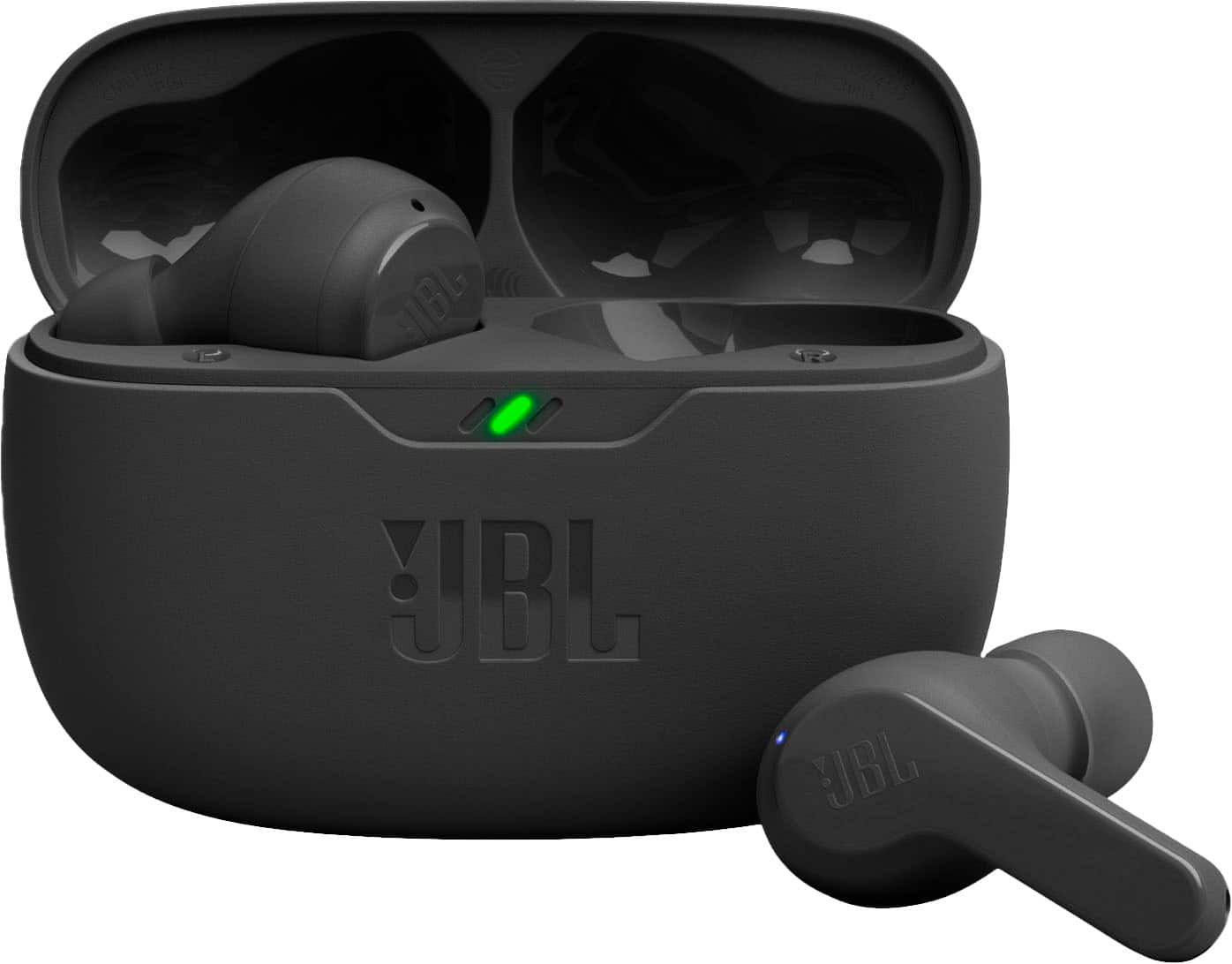
The JBL Vibe Beam are true wireless earbuds that offer an IP54 rating for sweat and water resistance, plus a secure fit and punchy bass that keeps you motivated during exercise. The physical buttons make them easy to control mid-workout, even with sweaty hands. The trade-off is that they lack ANC, and the charging case is a bit bulky compared to competitors.
Main limitation: No ANC means they struggle to block out gym noise, and the 8-hour battery is average.
Skip if: If you need noise isolation for commuting or want a smaller case, look elsewhere.
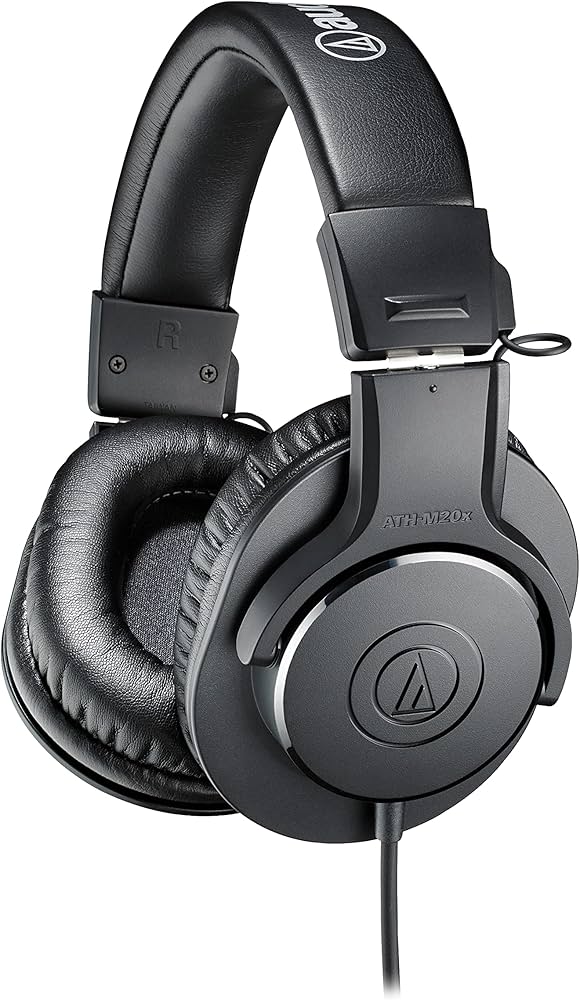
The ATH-M20x are an entry point into Audio-Technica's professional M-series, delivering a clean, detailed presentation that's perfect for mixing, editing, or just critical listening. They feature a rugged build and a coiled cable that gives plenty of reach. The trade-off is that they're wired-only with no ANC, and they don't fold into a portable shape.
Main limitation: The proprietary locking connector on the cable can be a hassle if you lose it, and the headband may feel tight for large heads.
Skip if: If you need wireless freedom or noise isolation, these are not the right pick.
Compare key specs and features of all our recommendations side-by-side
| Product | Recommendation | Rating | Price |
|---|---|---|---|
Anker Soundcore Space One Rank #1 | 🏆 Top Pick | 8.8/10 | |
Anker Soundcore P40i Rank #2 | 💰 Budget Pick | 8.4/10 | |
Sony WH-CH720N Rank #3 | ⭐ Editor's Choice | 8.5/10 | |
JBL Tune 770NC Rank #4 | — | 8.0/10 | |
Koss Porta Pro Rank #5 | — | 8.2/10 | |
Moondrop Chu II Rank #6 | — | 8.3/10 | |
JBL Vibe Beam Rank #7 | — | 7.8/10 | |
Audio-Technica ATH-M20x Rank #8 | — | 8.0/10 |
Common questions buyers have about this category.
Yes, in 2026 they absolutely can be. Models like the Anker Soundcore Space One and Sony WH-CH720N offer ANC that, while not reaching flagship levels, effectively reduces low-frequency hums like engine noise and air conditioners. Just know that they won't block all sound—you'll still hear voices and sudden noises, but for the price, the balance is favorable.
At the same price, wired headphones generally deliver more accurate audio because there's no digital compression or latency. For $20, the Moondrop Chu II outperforms many $50 wireless earbuds. However, wireless convenience often outweighs those differences for daily commuters. If sound is your priority and you don't mind cables, go wired; if you value freedom, go wireless.
Over-ear models like the Anker Space One surround your entire ear, offering better comfort for long sessions and more room for larger drivers. On-ear models (like the Koss Porta Pro) sit directly on your ears—they're more compact but can cause fatigue over time. In-ear models like the Soundcore P40i are the most portable and isolate well if they have a good seal plus ANC, though some people find them less comfortable.
A well-maintained budget headphone should last two to three years, but longevity varies by build quality. Over-ears from Anker or JBL typically survive 2–4 years, while wired IEMs like the Moondrop Chu II have detachable cables that you can replace if they wear out. The battery life in wireless models will degrade over time, so expect to retire them after roughly 500 charge cycles—about two years of daily use.
Not if you account for accessories. Some models, like the JBL Tune 770NC, don't include a carrying case, so you may need to buy one separately. Wired models often require a USB-C to 3.5mm adapter for modern phones. Also, consider replacement eartips or ear pads; cheaply made ones can wear out quickly, so factoring in a $10–20 budget for those extend the lifespan of your purchase.
Yes, many are perfectly fine for casual gaming. Wired models like the Audio-Technica ATH-M20x offer zero latency and accurate positional audio, making them a great choice for console or PC gaming. Wireless models with aptX Low Latency or even AAC can work, but you may notice a slight delay. For competitive gaming, a wired connection is generally recommended.
Anker's Soundcore line consistently delivers the best overall value under $100, with models like the Space One and P40i offering features that are hard to beat. JBL and Sony also have strong entries, but their pricing may fluctuate. For wired audiophile alternatives, Moondrop offers incredible performance per dollar. The best brand ultimately depends on your specific needs—read reviews and prioritize what matters most to you.
Products we evaluated but did not recommend — and why.
