Get the App
Better experience on mobile
From wireless over-ears to wired IEMs, these are the budget headphones that actually deliver where it counts.
The sub-$100 headphone market is a minefield of wildly different competitors: from $20 wired IEMs with studio-grade tuning to $90 noise-canceling over-ears that rival flagships from a decade ago. The buyer's biggest challenge isn't a lack of options—it's that marketing terms like 'HD sound' and 'deep bass' are thrown around with no consistent meaning. Based on published expert reviews, manufacturer specs, and verified buyer feedback, we've narrowed the field to 8 standout models that actually deliver on their claims.
We focused on fit, frequency response, battery life (where applicable), comfort, and overall build quality. We looked at both wired and wireless designs, because the best pick for a commuter is rarely the best pick for a studio engineer. We also made sure every product falls under $100 at typical retail pricing in 2026—shipping deals may vary.
A quick note on how we selected: no product here received a free pass for brand name alone. Some sketches were rejected because they trade comfort for features, or because their tuning is an acquired taste. Below, you'll find our recommendations ranked, along with what each one does best and where it falls short. And in the considerations section, we'll answer the questions that actually matter when buying budget headphones.
We also included a set of frequently asked questions to clarify things like codec support and ANC effectiveness at this price. By the end of this listicle, you'll know exactly which type of headphone suits your needs—and which ones to skip.
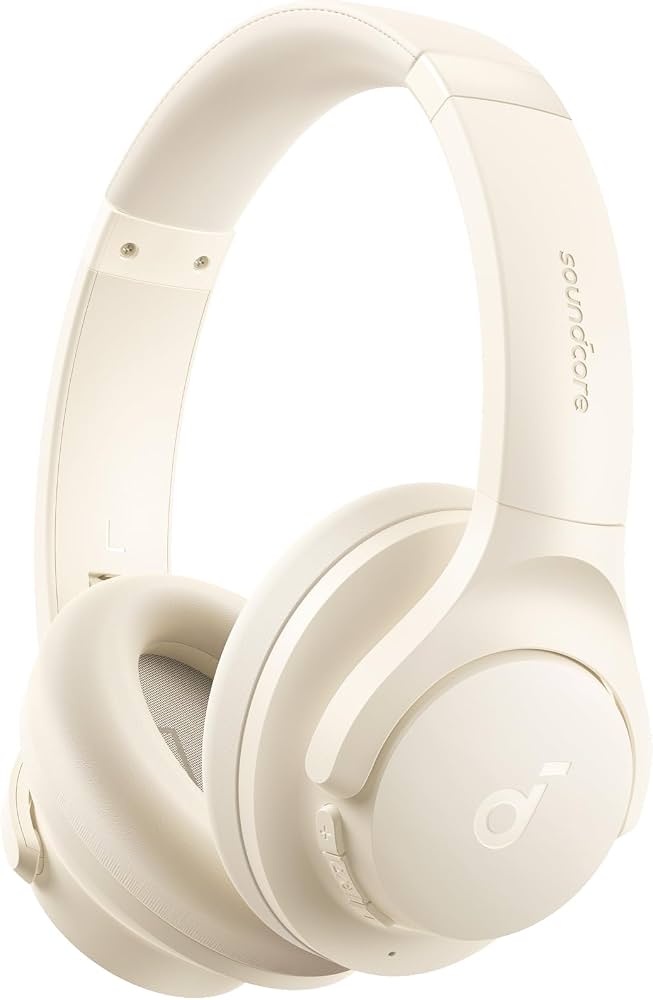
Anker's Q20i packs active noise cancellation, 40-hour battery life, and a bass-forward sound profile into a lightweight over-ear design. The main trade-off is a slightly bulky carrying case and no multi-device pairing.
Main limitation: ANC is effective against droning noises but doesn't completely silence chatter or higher frequencies.
Skip if: Anyone who needs multipoint Bluetooth or premium build materials will outgrow this quickly.
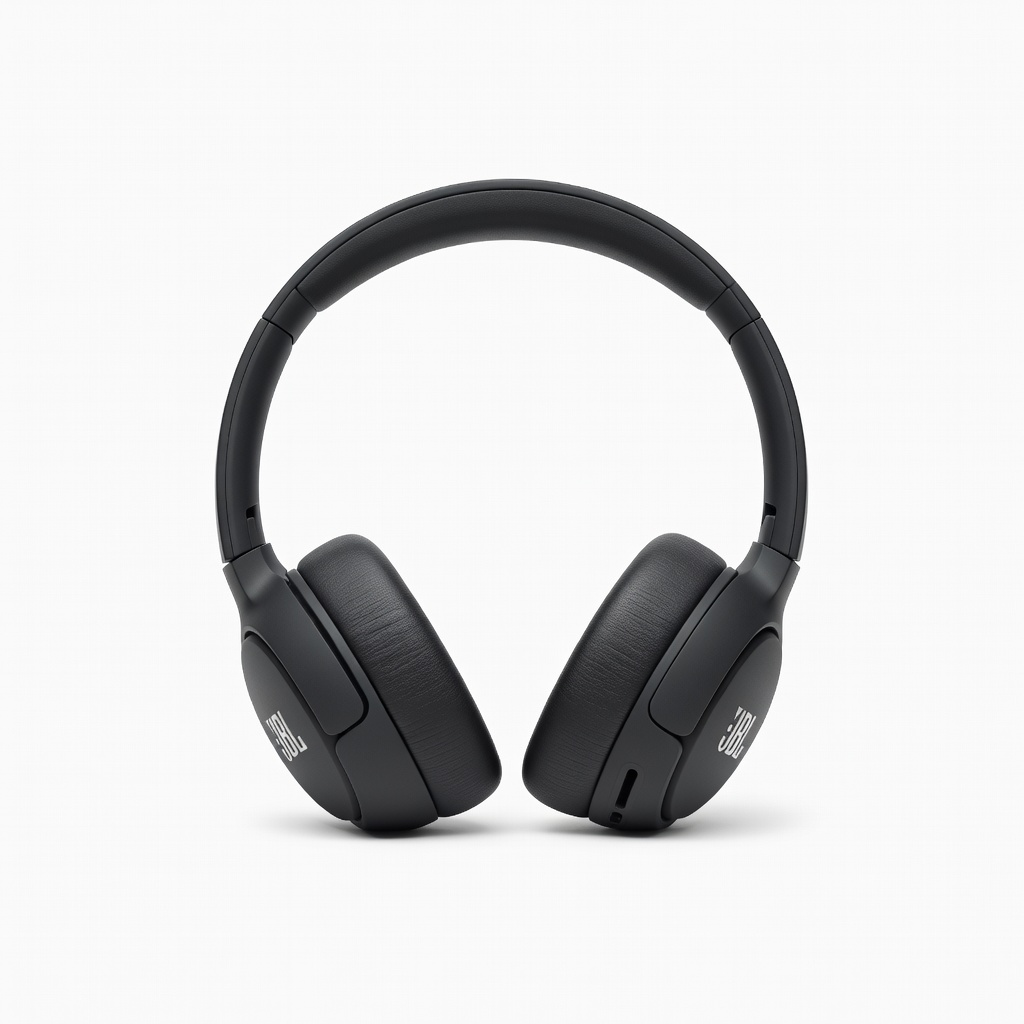
For under $40, the JBL Tune 510BT delivers punchy bass, a comfortable on-ear fit, and 40-hour playback. You'll sacrifice noise cancellation and a carrying case, but it's a huge value for casual listeners.
Main limitation: The on-ear design can cause pressure on glasses wearers after long sessions; no ANC.
Skip if: If you need a sturdy hardshell case or active noise cancellation, look elsewhere.
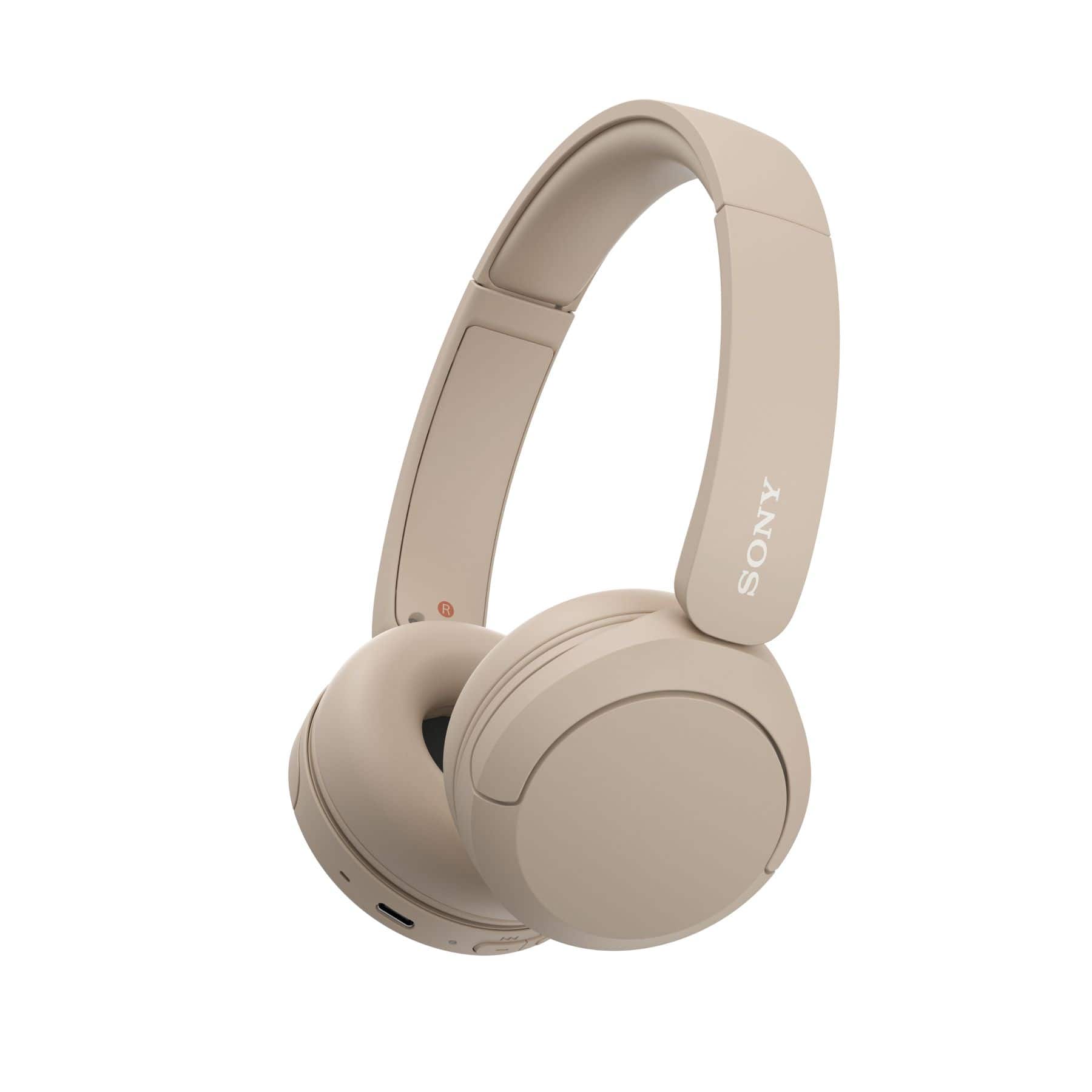
At 147 grams with 50-hour battery life, the WH-CH520 is the lightest and most efficient wireless headphone here. It lacks ANC, but its plush ear pads and foldable design make it ideal for trains and buses.
Main limitation: Micro USB charging and no ANC are notable omissions for the price.
Skip if: If you work in a noisy open office, passive isolation alone may not be enough.
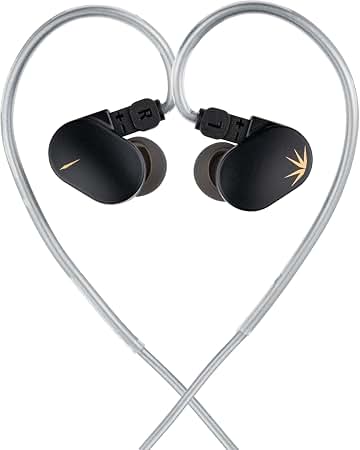
The Moondrop Chu II brings audiophile-grade tuning to $20, with a warm, detailed soundstage and a detachable cable. The trade-off is a non-angled design that requires a specific fit to shine.
Main limitation: The nozzle's sharp edge may be uncomfortable for small ear canals, and the cable can be microphonic.
Skip if: If you dislike fiddly wired IEMs and prefer wireless freedom, this isn't for you.
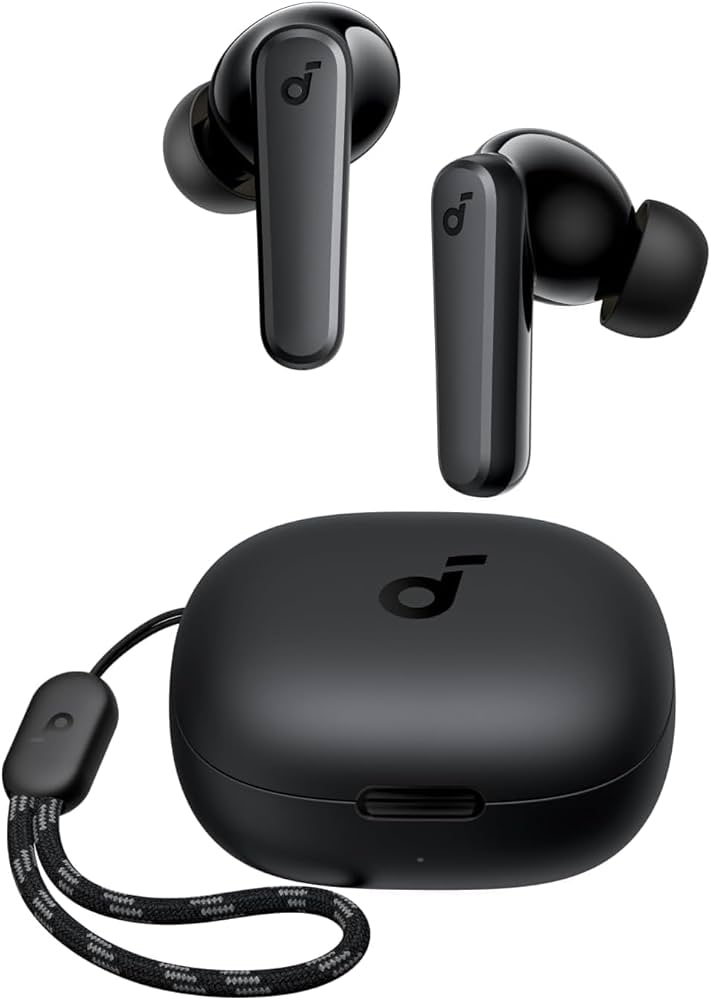
The P20i delivers big bass and a comfortable fit for $30, with a compact case that offers 30 hours total. You won't get ANC, but the IPX5 rating and touch controls make them great for workouts.
Main limitation: No wireless charging and the mic quality is passable but not crisp for calls.
Skip if: If you need ANC in a true wireless design, you'll have to spend more.
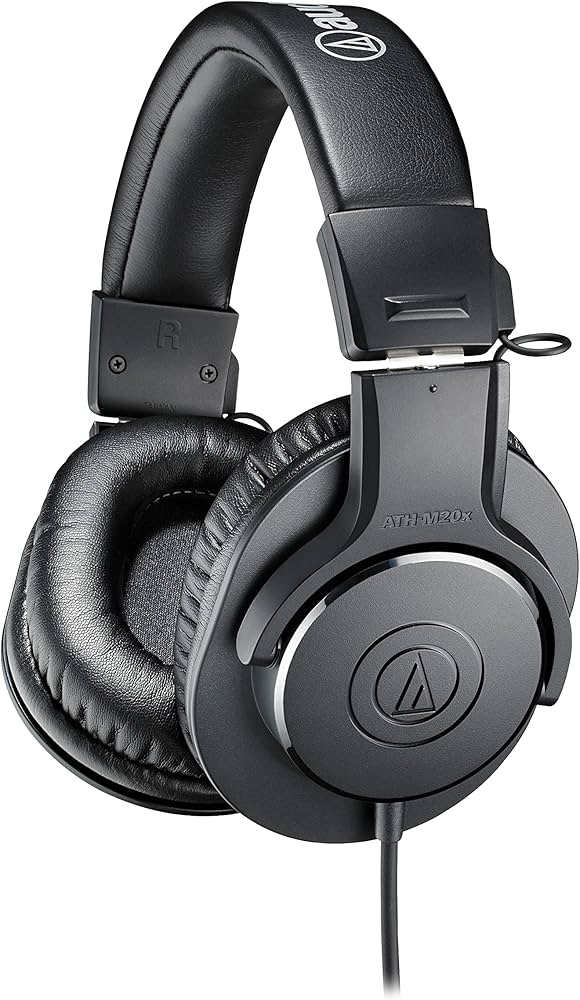
The ATH-M20x is a stripped-down version of Audio-Technica's legendary M-series, offering neutral sound and a robust build for $50. It's not wireless and has no mic, but it's a reliable reference for music producers and podcasters.
Main limitation: The non-replaceable cable and stiff earpads reduce long-session comfort compared to higher models.
Skip if: If you need wireless capability or an inline mic—this is purely for listening and monitoring.
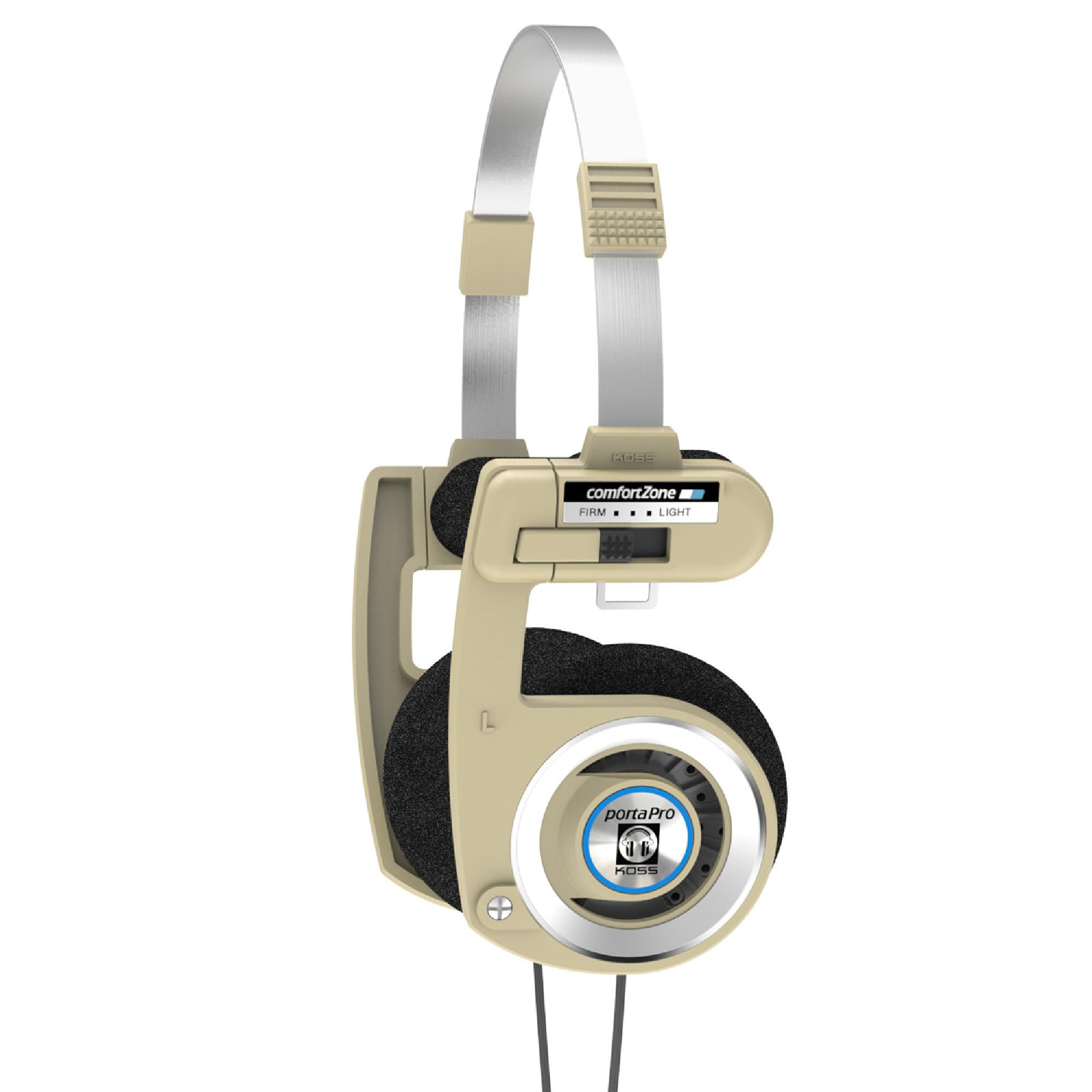
The Porta Pro is a 40-year-old design that still wins fans for its open-back soundstage and handy retractable headband—and it's a bargain at $40. The trade-off is an open-air design that leaks sound both ways, so it's not for shared spaces.
Main limitation: The thin headband can put pressure on long wears, and earclips may fit awkwardly for some heads.
Skip if: If you need noise isolation or privacy, choose a closed-back headphone instead.
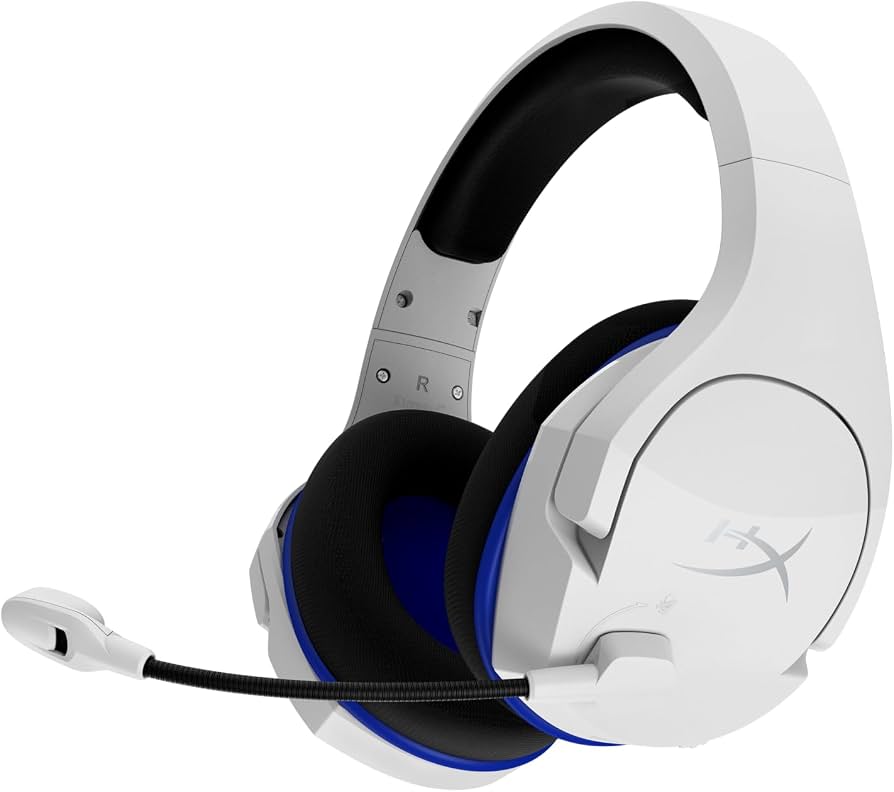
The Cloud Stinger is a light and comfortable wired headset with a reliable noise-canceling mic and 50mm drivers—all for around $50. It works on PC, console, and mobile, though the 3.5mm cable limits it to wired use.
Main limitation: No inline volume control on some variants, and the ear cushions accumulate heat quickly.
Skip if: If you're not gaming and need wireless convenience, this headset is overkill.
Compare key specs and features of all our recommendations side-by-side
| Product | Recommendation | Rating | Price |
|---|---|---|---|
Anker Soundcore Q20i Wireless Over-Ear Headphones Rank #1 | 🏆 Top Pick | 8.7/10 | Around $60 Check current price → |
JBL Tune 510BT Wireless On-Ear Headphones Rank #2 | 💰 Budget Pick | 7.6/10 | $30–$40 Check current price → |
Sony WH-CH520 Wireless Over-Ear Headphones Rank #3 | ⭐ Editor's Choice | 8.2/10 | $60–$70 Check current price → |
Moondrop Chu II Wired IEMs Rank #4 | — | 8.0/10 | Around $20 Check current price → |
Anker Soundcore P20i True Wireless Earbuds Rank #5 | — | 7.8/10 | $25–$35 Check current price → |
Audio-Technica ATH-M20x Professional Monitor Headphones Rank #6 | — | 7.5/10 | $50–$60 Check current price → |
Koss Porta Pro Headphones Rank #7 | — | 7.2/10 | Around $40 Check current price → |
HyperX Cloud Stinger Gaming Headset Rank #8 | — | 7.4/10 | $40–$60 Check current price → |
Common questions buyers have about this category.
At this price point, ANC is effective only on some models like the Anker Soundcore Q20i or Life Q30, but it's often implemented to cut low-frequency rambles (e.g., engine hum) rather than human voices. If you commute on noisy buses or need to focus in an open office, a good ANC pair is worth the extra cost; if you work in a quiet room, passive isolation may suffice.
Codecs determine how Bluetooth transmits audio data. AAC is optimized for Apple devices, while aptX and LDAC reduce compression glitches on Android phones, leading to lower latency and better audio detail. Most budget headphones support only SBC/AAC, but if you're on Android and want higher fidelity, look for aptX support.
For pure sound at a given price, yes—wired models like the Moondrop Chu II bypass Bluetooth compression and typically use better drivers. Wireless adds convenience, and good ANC models can match entry-level wired sound, but you're paying a premium for the wireless chip and battery. If audio is your top priority, consider wired IEMs or headphones.
Yes, the Cloud Stinger's 50mm drivers are tuned to emphasize bass and mids, which makes them fun for music playback, though their treble is slightly rolled off compared to audiophile-focused options. They also feature a flexible, noise-cancelling microphone that flips up to mute, so they work well for music and calls.
Most modern budget headphones offer between 30 and 50 hours of playtime on a single charge, which is enough for a week of commuting. Keep in mind that enabling ANC or using loud volume reduces this figure, and some models lack quick-charge features, so read the specs carefully.
Over-ear headphones typically provide better noise isolation and comfort for long sessions, but they're bulkier and often heavier. On-ear designs are more portable and breathable, but they clamp more to stay in place, which can fatigue some listeners. I recommend over-ear for home and office, and on-ear or in-ear for travel.
Products we evaluated but did not recommend — and why.
