Get the App
Better experience on mobile
Comfort-focused true wireless, over-ear, and on-ear headphones that actually stay put without squeezing your head.
The single greatest cause of "headphones hate my ears" complaints isn't audio quality — it's geometry. Standard headphones are designed around an average ear size that leaves millions of people with too-long ear cups, too-thick ear tips, or a clamping force that feels like a vice. If you have small ears, you've likely experienced earbuds that slowly slide out, on-ear pads that rest painfully on cartilage, or over-ears that make your ears touch the driver mesh. The good news is that manufacturers have started paying attention, and in 2026 the market offers more genuinely small-ears-friendly options than ever before.
Our research focused on fit-related features rather than just spec sheets. We looked at ear tip size availability (including XS), earcup depth, clamping force adjustability, overall weight, and the percentage of buyer reviews mentioning comfort for small ears. We also consulted expert commentary from publications like Wirecutter, What Hi-Fi, and independent YouTube reviewers who specifically test headphone fit. Each product below has a clear reason to be considered, but every one also carries a trade-off — because no single headphone fits every small ear perfectly.
In this guide, you'll find six distinct picks spanning budget to premium true wireless earbuds, an ultralight over-ear, and a retro on-ear classic. We ranked a Best Overall for most people, a Best Budget for value hunters, an Editor's Choice for Apple devotees, and specialized picks for active use, desk listening, and travel. We've also included a section on what to look for when shopping for small ears and answered the most common fit-related questions. Our goal is to help you find a pair that doesn't just sound good — but actually disappears on your head.
Remember that feel is subjective. Even the most carefully designed headphone won't suit every ear shape, so having the ability to return or exchange is just as important as the specs. We've highlighted the flexibility of each model, but always check the return policy before pulling the trigger.

The Sony WF-1000XM5 earn their top spot by combining class-leading noise cancellation, rich, detailed sound, a flexible fit with four ear tip sizes (including extra-small) and a compact, low-profile housing that doesn't stick out. They're lightweight and comfortable for many small ears, though the larger touch panels can be finicky—and they're expensive.
Main limitation: The touch controls may accidentally trigger when adjusting the earbuds—a nuisance during workouts.
Skip if: Anyone on a tight budget or looking for a true wireless earbud with a lower profile than Sony's pebble-like design.
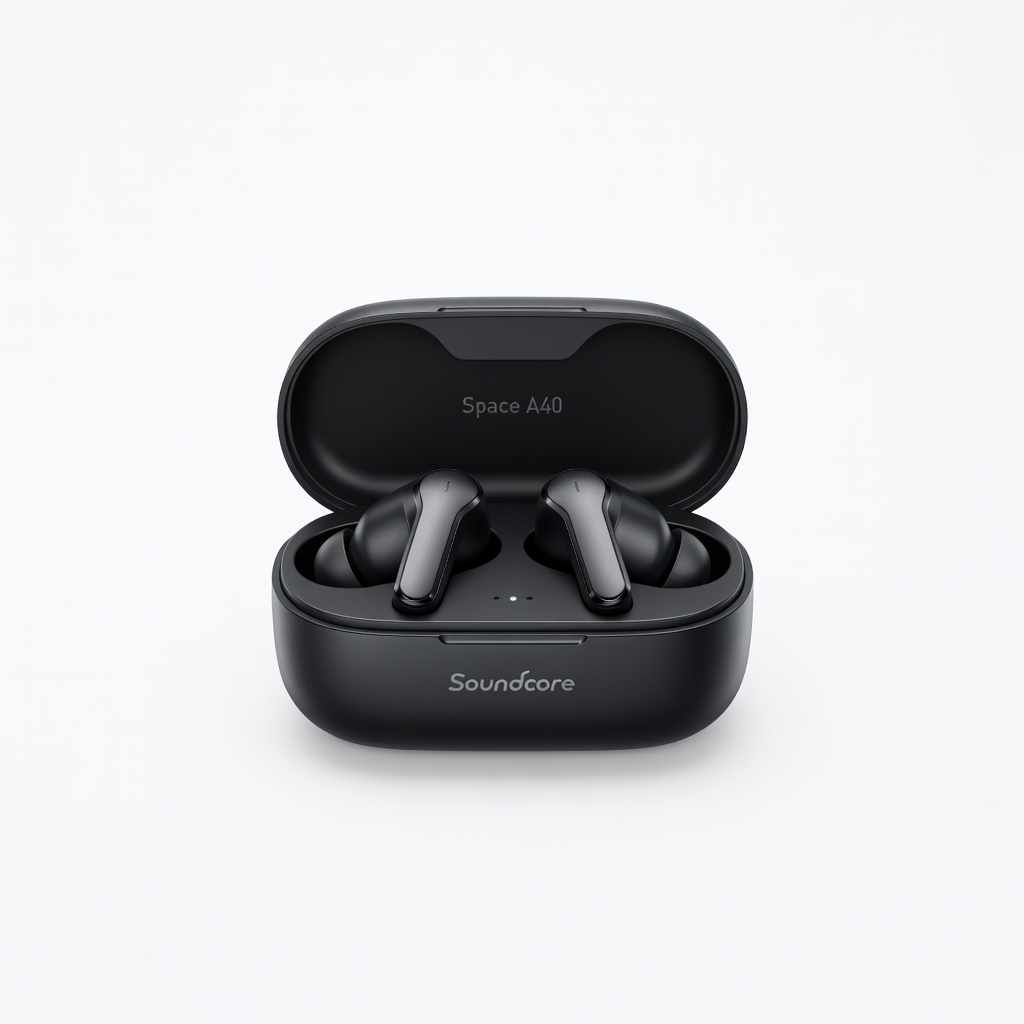
At under $80, the Anker Soundcore Space A40 deliver 98% of the comfort of pricier earbuds: multiple ear tip sizes (XS included), a lightweight 4g build, and effective noise cancellation. The biggest compromise is a less detailed soundstage and a slightly bulky charging case.
Main limitation: Microphone quality for calls is mediocre, so they're not ideal for heavy phone conversations.
Skip if: Audiophiles or those who need crystal-clear voice calls in noisy environments.
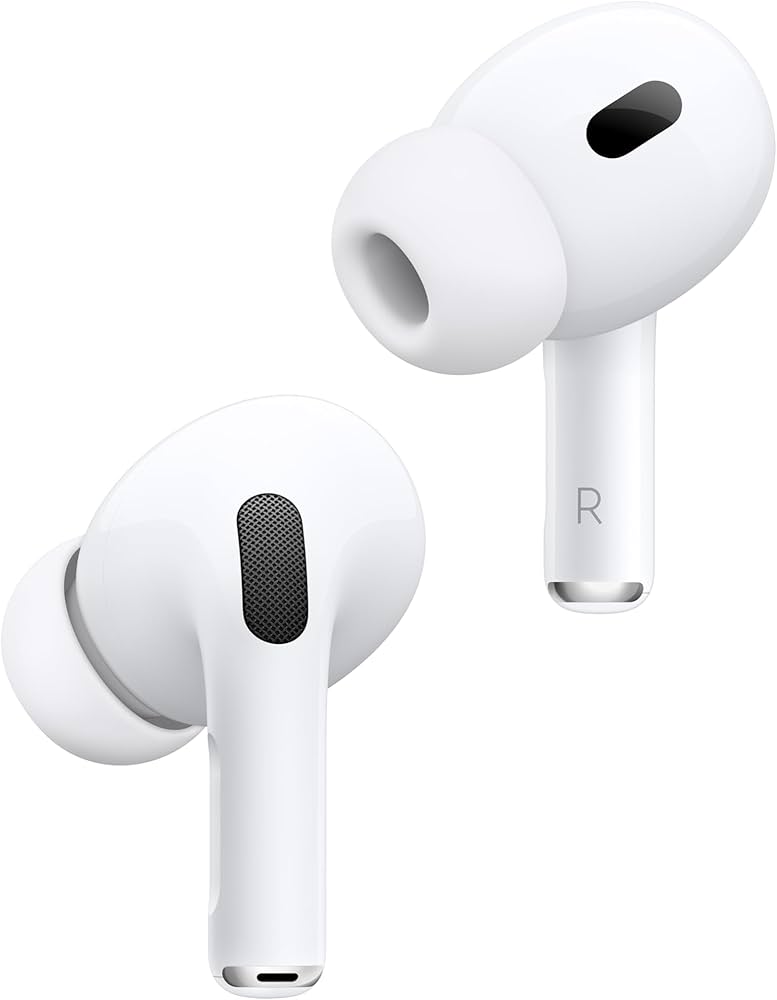
AirPods Pro 2 are the default pick if you live in the Apple ecosystem. With XS ear tips, a vented system that equalizes pressure, and an incredibly comfortable in-ear seal, they're one of the few earbuds that almost disappear—as long as your ear canals are suited to the redesigned nozzle. The trade-off is the higher price, especially at retail.
Main limitation: The sound signature is bass-heavy, which may overwhelm some music genres and doesn't match the neutral tuning of wired IEMs.
Skip if: Android users who won't benefit from the Apple-exclusive features and seek more customization.
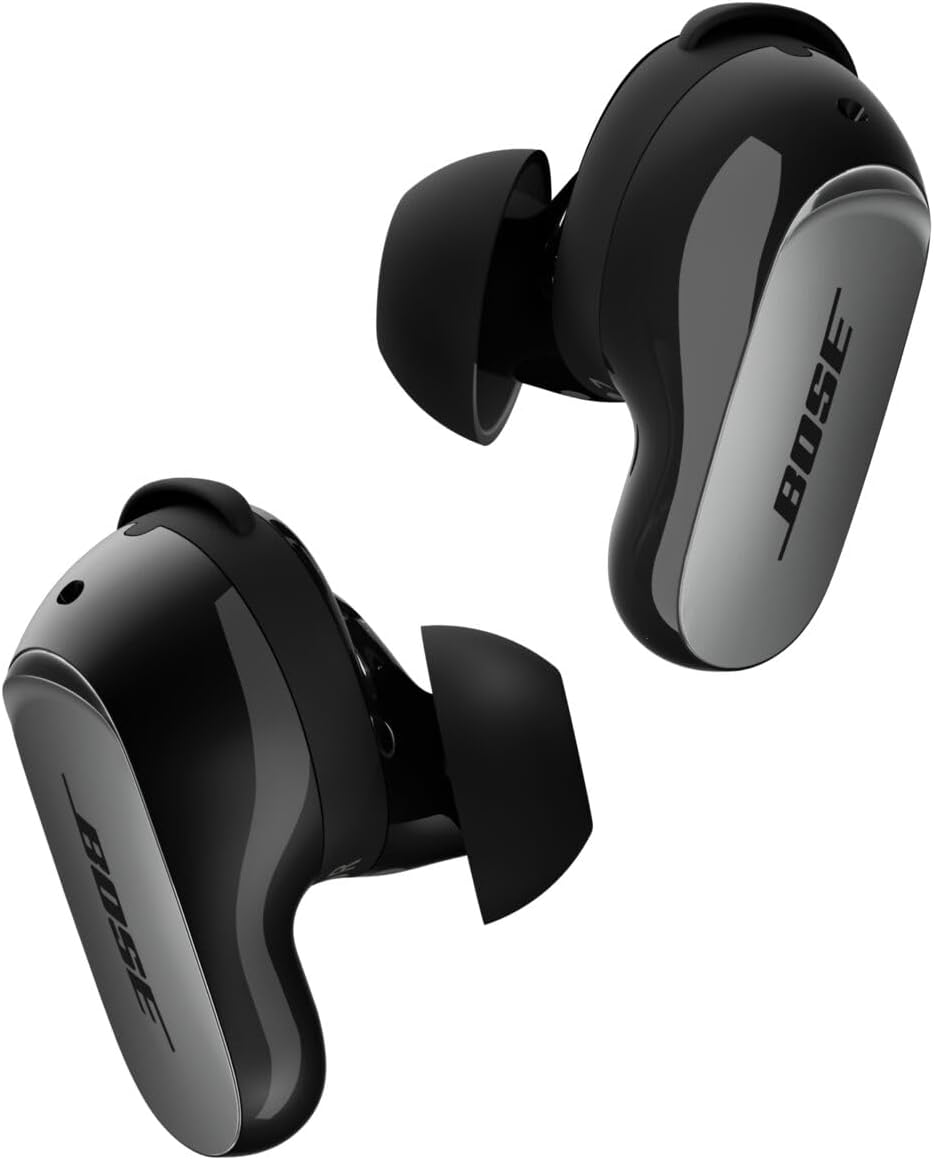
If earbuds usually slide out of your ears, Bose's QuietComfort Ultra Earbuds come with a set of stability bands and five ear tip sizes that lock into place, offering unmatched retention during movement. The sound is clear and the ANC is top-tier, but the housing is a bit large and you'll need to experiment with the bands to get the right anchor.
Main limitation: The charging case is deep and not pocket-friendly, and the earbuds' larger body can press on the outer ear after long sessions if not inserted perfectly.
Skip if: Those with very tiny outer ears who prefer a minimal, low-profile design.
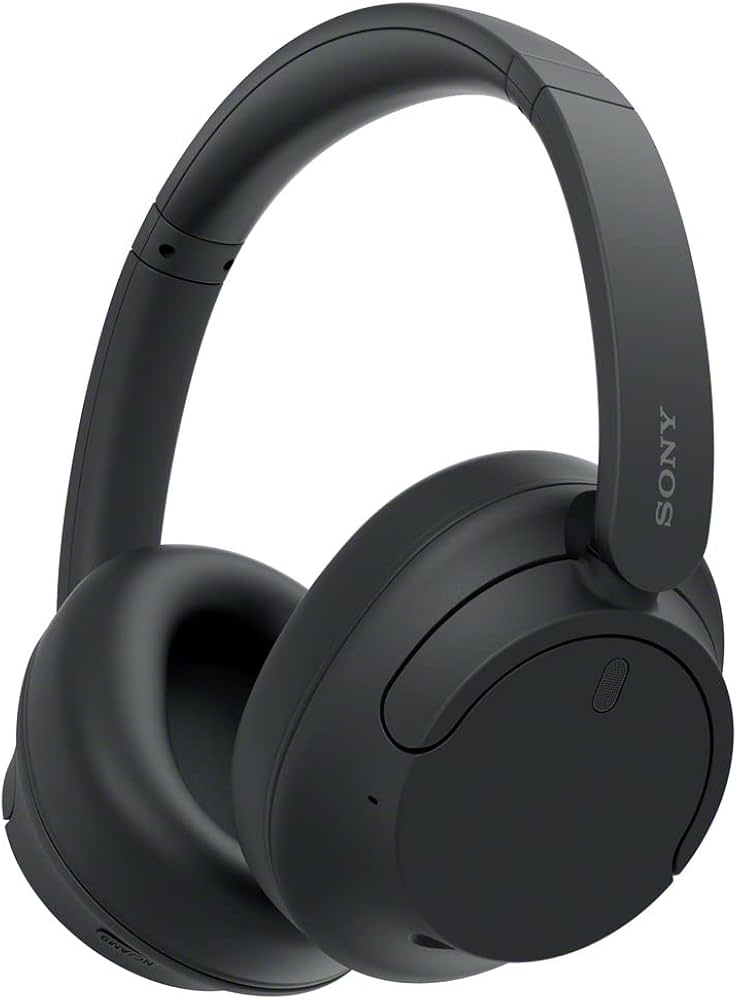
At just 147 grams, the Sony WH-CH720N is a featherweight option that won't drag on your head like many premium over-ear pairs. The ear cushions are soft and shallow, allowing small ears to rest without being sandwiched—yet the headband might still be long for very petite heads. The sound is pleasant, though a bit dark, and the ANC is decent for the price.
Main limitation: The plastic construction feels less durable, and the swivel joints can creak with heavy use.
Skip if: Anyone prioritizing premium materials or who needs ANC on the level of the far more expensive 1000X series.
The retro Koss Porta Pro has survived decades because its triangular-shaped, soft foam earpads are tiny and apply just enough pressure to stay put—perfect for small ears that hate in-ears. They're open-back, so you'll hear your surroundings, and the fit is easily adjustable via a slider and a special temple pad. They sound surprisingly open and lively for the price, though the wired-only design and lack of inline mic make them a niche pick.
Main limitation: The wire is thin and tangles easily, and the foam pads can compress over the years.
Skip if: Anyone looking for wireless headphones or heavy isolation for use in noisy environments.
Compare key specs and features of all our recommendations side-by-side
| Product | Recommendation | Rating | Price |
|---|---|---|---|
 Sony WF-1000XM5 Rank #1 | 🏆 Top Pick | 3.8 3.8 | $298 - $350 Check current price → |
Anker Soundcore Space A40 Rank #2 | 💰 Budget Pick | 8.2/10 | $70 - $90 Check current price → |
Apple AirPods Pro 2 (USB-C) Rank #3 | ⭐ Editor's Choice | 8.8/10 | $199 - $249 Check current price → |
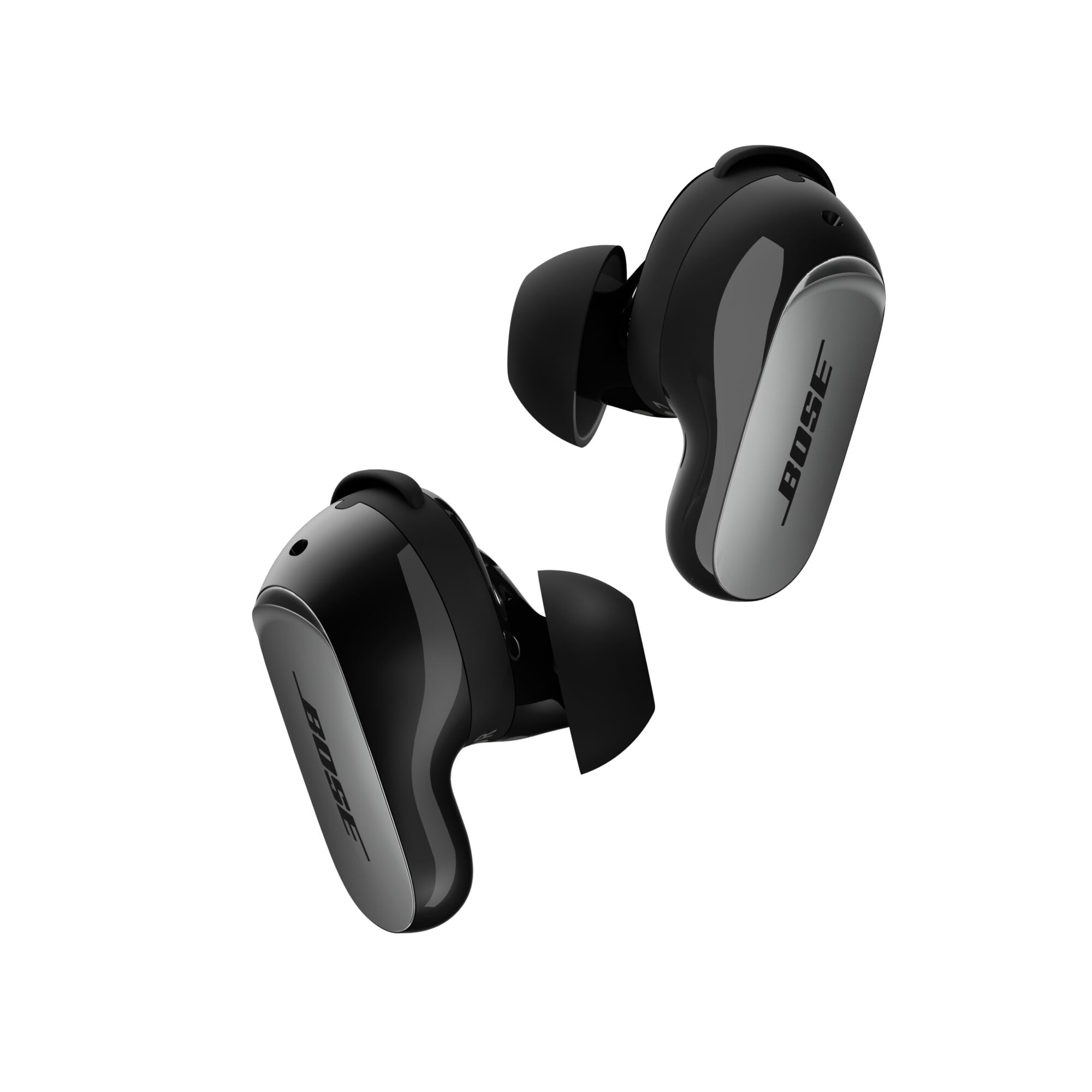 Bose QuietComfort Ultra Earbuds Rank #4 | — | 4.2 4.2 | $199 - $249 Check current price → |
Sony WH-CH720N Rank #5 | — | 8.0/10 | $99 - $149 Check current price → |
Koss Porta Pro Rank #6 | — | 7.5/10 | $30 - $50 Check current price → |
Common questions buyers have about this category.
For most people with small ears, in-ear earbuds offer the least pressure on the outer ear, but they require properly sized ear tips. If you prefer over-ear, look for lightweight models with plush, shallow earcups and a low clamp force. On-ear designs can be comfortable if the pads are soft and small enough to avoid pushing against the ear's cartilage.
When you insert the earbud, you should feel a gentle seal without it pressing into the ear canal. The tip should not slide out with talking, and you shouldn't experience pain or popping after 20 minutes. If the tip is too small, you'll lose bass response; if too large, it will be sore. Most manufacturers include multiple sizes—you'll want the one that fits without forcing.
Yes, some brands like Sony's WH-CH720N or Beats Studio Pro (though Beats tends to have a tighter clamp) offer more compact earcups. However, rather than ear cup size, the critical factor is earcup depth and padding. Try on headphones with enough room for your ear to breathe; if your ear touches the driver mesh, the cushion is too shallow.
Often, yes. Third-party ear cushions in a smaller or thinner profile are available for many popular headphone models, but they may alter the sound quality and clamping force. It's a worthwhile mod if the initial fit is slightly off, but starting with a naturally smaller headband or choosing ear tips (in-ear) is simpler.
Some do, but you need to look at the included ear tip sizes. Budget brands like Anker and Soundcore often include many tip sizes, whereas the cheapest sets provide only S/M/L. For over-ear, the Koss Porta Pro is a classic budget example with a small footprint. In general, budget earbuds newer than 2020 have become more standard in fit sizes.
Weight matters more than most people think. A heavy headphone tends to slide forward or down, shifting its center of gravity and creating pressure points. For small ears, every gram combined with clamping force can cause fatigue. Look for over-ear models under 200g to maximize comfort; in-ear earbuds under 8g each are preferable.
Yes, but carefully. Some headphones have an exposed metal band that can be gently bent inward to increase tension. Additionally, hair clips or pads under the earcups can add pressure. However, altering headbands can damage the frame, so only attempt this if you're comfortable tuning your gear. Better to purchase a model with a known-accommodating fit.
Products we evaluated but did not recommend — and why.
