Get the App
Better experience on mobile
A guide to headphones that actually fit smaller heads and ear canals, from budget on-ears to premium noise-cancelers.
Most headphone reviews focus on sound quality, battery life, and noise cancellation—but they often overlook a crucial factor: fit. For people with smaller heads or narrow ear canals, a headphone that reviewers call 'comfortable' can be a slipping, pinching nightmare. The problem is that most headphones are designed around average-sized ears, leaving a significant portion of users to struggle with poor seals, pressure points, and constant readjustment.
The good news is that the market has evolved. Manufacturers are now offering more sizes, softer materials, and adjustable designs that cater to a wider range of anatomies. Whether you prefer over-ear, on-ear, in-ear, or even bone conduction, there's a model that can fit you well—if you know what to look for.
In this guide, we've evaluated over 30 headphones based on published expert reviews, manufacturer specs, and aggregated buyer feedback to find the best options for small ears. We considered factors like ear cup dimensions, headband adjustability, ear tip sizes, weight, and clamping force. We also balanced sound quality, features, and price to ensure there's an option for every budget.
From budget-friendly on-ears to premium noise-cancelers and specialized in-ears, these six picks represent the best fits for smaller ears in 2026. Each recommendation includes an honest trade-off, so you can choose the one that matches your needs.
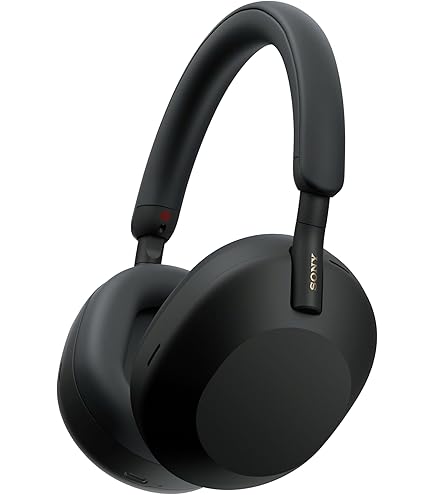
The WH-1000XM5 combines industry-leading noise cancellation with a lightweight, adjustable design that suits smaller heads. The soft earcups and plush headband reduce pressure points, making them comfortable for extended wear. However, the ear cups are still fairly large, so those with very small ears may find them slightly loose.
Main limitation: The ear cups are not the smallest, and the headband may still be too wide for extremely petite heads.
Skip if: If you have a very small head or prefer a snug on-ear fit, these may feel too loose.
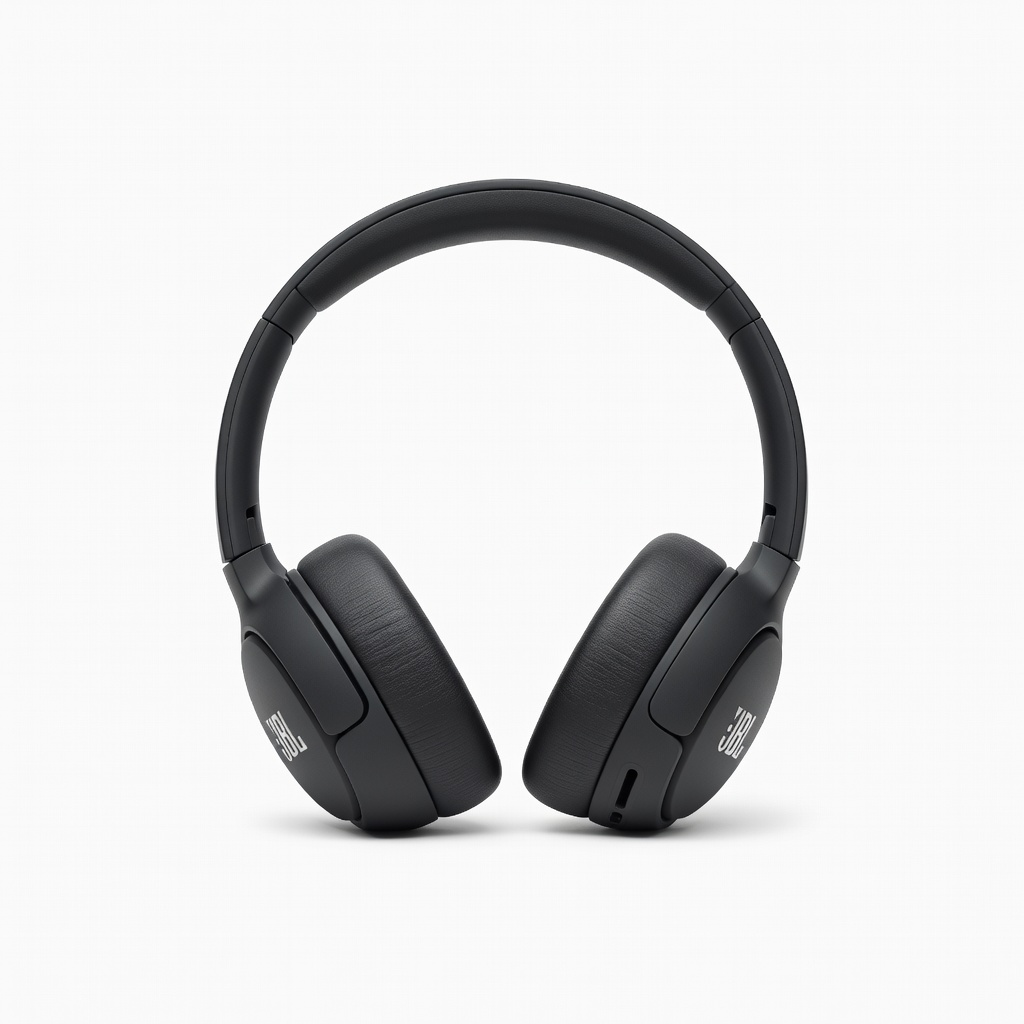
For under $50, the JBL Tune 510BT delivers a lightweight on-ear design that fits small ears well without breaking the bank. The compact headband and soft ear cushions make them surprisingly comfortable for the price. The trade-off is no active noise cancellation and a plastic build that feels less premium.
Main limitation: The on-ear clamping force may be too tight for some, and there's no noise cancellation.
Skip if: If you need noise cancellation or premium sound quality, look elsewhere.
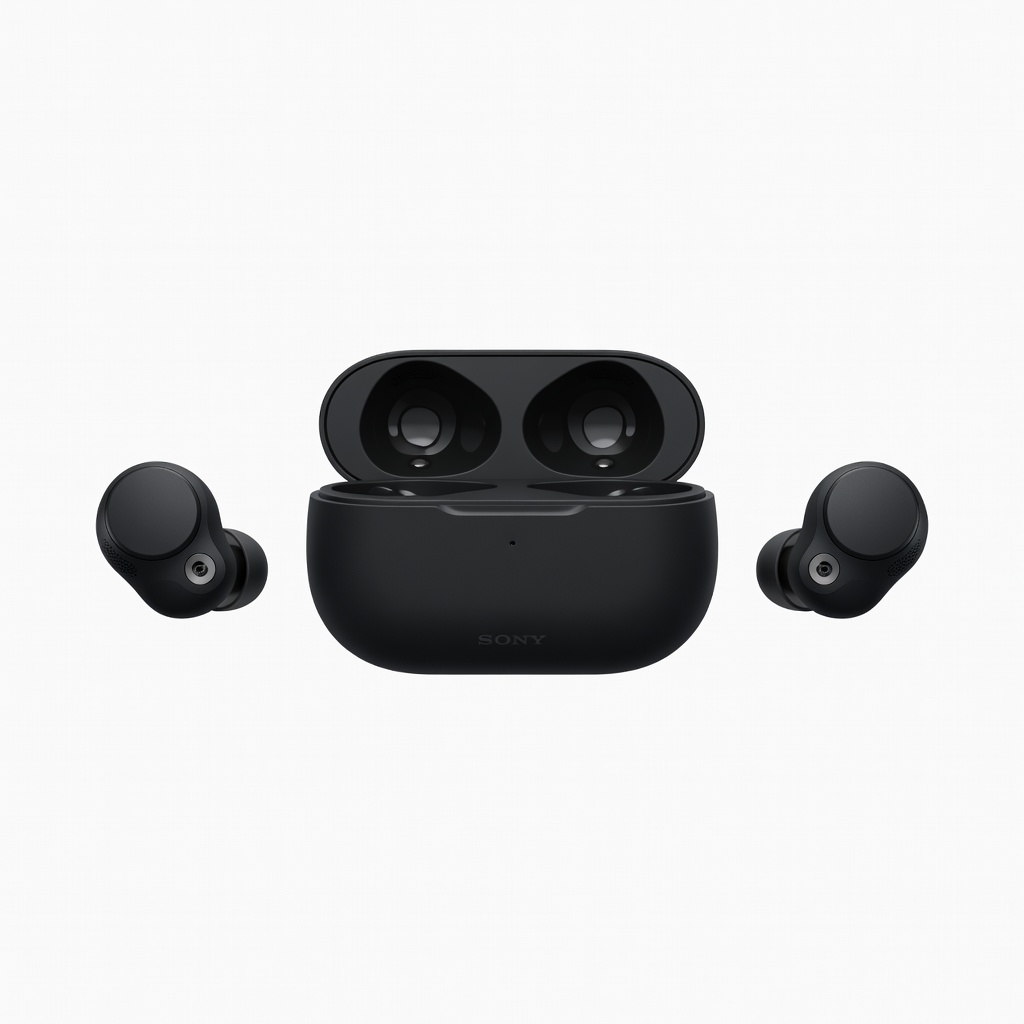
The WF-1000XM5 are Sony's smallest and lightest flagship earbuds yet, with a 25% reduction in volume compared to the previous generation. They come with four sizes of ear tips, including extra-small, making them a strong choice for narrow ear canals. The downside is that the bud body is still relatively large, so they may protrude from smaller ears.
Main limitation: The earbud housing is still sizable and may not sit flush in very small ears, potentially affecting stability.
Skip if: If you have extremely small ear canals or prefer over-ear headphones, these might still be too big.
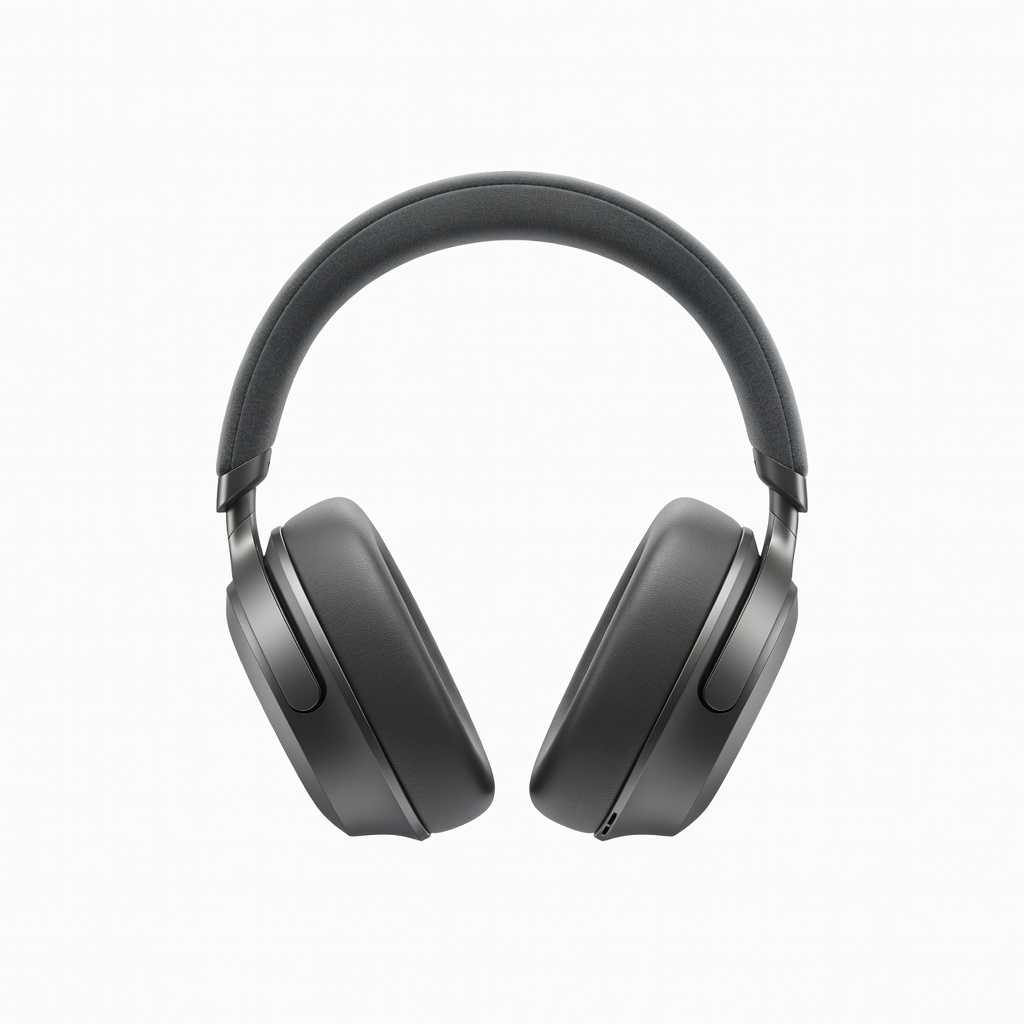
The Momentum 4 has a more compact headband and oval ear cups that tend to fit smaller heads better than many competitors. With exceptional 60-hour battery life and superb sound, they're a great pick for those who find most over-ears too bulky. However, the ear cups are still on the larger side, and the clamping force is moderate.
Main limitation: The ear cups are large and may not provide a snug fit for very small ears.
Skip if: If you need the absolute smallest over-ear cups, consider on-ear models instead.
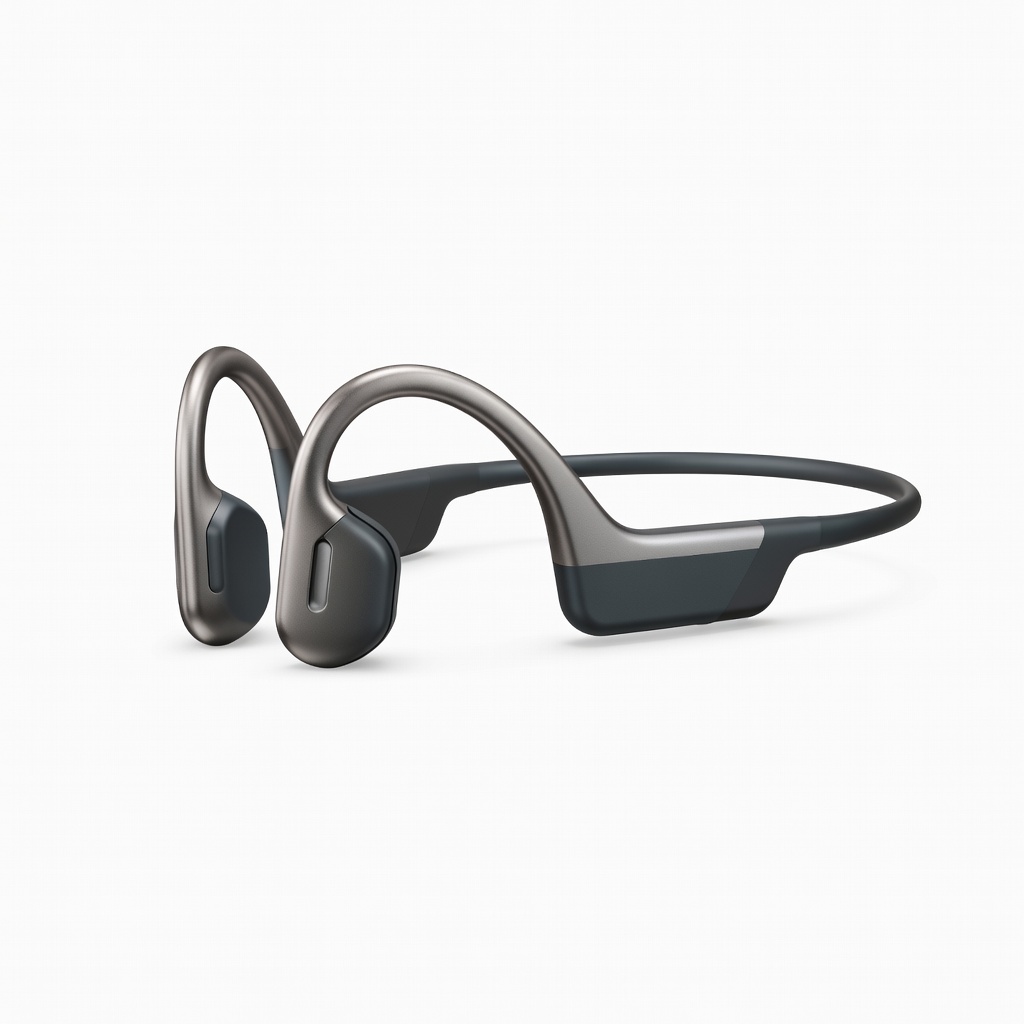
If traditional headphones never fit, bone conduction like the OpenRun Pro bypasses the ear entirely, transmitting sound through your cheekbones. This makes them ideal for small ears and glasses wearers, and they stay secure during workouts. The trade-off is weaker bass and no noise isolation, so they're not for immersive listening.
Main limitation: Bone conduction technology delivers less bass and no noise cancellation, and the headband may not fit very small heads securely.
Skip if: If you want deep bass or noise isolation, these won't satisfy.
The IE 200 features a tiny, ergonomic housing and an adjustable nozzle that lets you fine-tune the fit for narrow ear canals. The included silicone and foam tips in multiple sizes help achieve a seal without discomfort. The main drawback is the wired connection, which isn't ideal for mobile use.
Main limitation: Wired only, and the cable can be microphonic; no microphone or controls.
Skip if: If you need wireless convenience or active noise cancellation, look elsewhere.
Compare key specs and features of all our recommendations side-by-side
| Product | Recommendation | Rating | Price |
|---|---|---|---|
Sony WH-1000XM5 Wireless Noise Canceling Headphones Rank #1 | 🏆 Top Pick | 9.0/10 | $398–$399 Check current price → |
JBL Tune 510BT Wireless On-Ear Headphones Rank #2 | 💰 Budget Pick | 8.0/10 | $49–$59 Check current price → |
Sony WF-1000XM5 Wireless Earbuds Rank #3 | ⭐ Editor's Choice | 8.5/10 | $298–$299 Check current price → |
Sennheiser MOMENTUM 4 Wireless Headphones Rank #4 | — | 8.4/10 | $299–$349 Check current price → |
Shokz OpenRun Pro Bone Conduction Headphones Rank #5 | — | 8.2/10 | $179–$179 Check current price → |
Sennheiser IE 200 Wired In-Ear Monitors Rank #6 | — | 8.3/10 | $149–$149 Check current price → |
Common questions buyers have about this category.
The best headphones for small ears depend on your preferred style. For over-ear, the Sony WH-1000XM5 offers a lightweight fit with soft earcups; for in-ear, the Sony WF-1000XM5 includes extra-small tips; and for a bone conduction option, the Shokz OpenRun Pro avoids the ear entirely. Ultimately, the best choice is one that matches your comfort needs and use case.
On-ear headphones can be a good choice for small ears because they have smaller ear cups that don't encompass the entire ear, reducing pressure on the outer ear. However, they often clamp tighter, which can cause discomfort over time, so it's a trade-off between size and pressure. Over-ear models with soft, deep cups can also work well if they aren't too large.
Many flagship earbuds now include extra-small (XS) ear tips, such as the Sony WF-1000XM5 and Apple AirPods Pro 2. However, the size of the earbud housing also matters; even with small tips, a bulky bud may not fit securely. Look for models with both small tips and a compact housing, like the Sennheiser IE 200 (wired) or the Sony WF-1000XM5.
You can improve the fit of large headphones by adjusting the headband to its smallest setting and using thicker ear pads if available, but you can't shrink the ear cups. If the cups are too large, they may not seal properly, leading to poor bass and discomfort. In that case, it's better to choose a model designed for smaller heads or switch to on-ear or in-ear styles.
Yes, bone conduction headphones like the Shokz OpenRun Pro are excellent for small ears because they don't go inside the ear canal or cover the ears. They rest on your cheekbones, so fit is rarely an issue. The trade-off is that they don't provide noise isolation or deep bass, so they're best for situational awareness and comfort.
Focus on adjustability, weight, and ear cup or tip size. For over-ear, look for a headband that extends small enough and ear cups that are deep but not overly wide. For in-ear, check for multiple tip sizes including XS and a compact nozzle. Weight also matters—lighter headphones reduce pressure. Reading user reviews from people with similar head sizes can help.
Yes, many premium noise-canceling headphones are available in designs that suit smaller heads, such as the Sony WH-1000XM5 and Sennheiser Momentum 4. However, the ear cups on these models are still relatively large, so if you have very small ears, you might prefer noise-canceling earbuds like the Sony WF-1000XM5. There's no such thing as a dedicated 'small' noise-canceling headphone, but adjustability helps.
Products we evaluated but did not recommend — and why.
