Get the App
Better experience on mobile
From budget-friendly in-ear models to open-ear bone conduction, these picks were selected based on published reviews, specs, and buyer feedback.
For runners, the best headphones aren't just about sound quality — they're about staying in your ears. A great pair should become a second thought, but too many runners deal with earbuds that slip, sweat-damaged drivers, or the constant need to adjust a falling bud. The real challenge is finding a set that matches your ear shape, your running environment, and how much you value hearing the world around you.
The truth is that the best running headphones depend more on where you run and how your ears are sculpted than on the latest codec or ANC chip. Fit and durability outrank pure audio performance for most outdoor runners, especially if you're doing high-mileage weeks or tackling interval sessions. This explains why bone-conduction and open-ear designs have become so popular — they offer zero occlusion and let you stay aware of traffic, bikes, and fellow runners.
We evaluated 30+ models currently on the market, leaning on published expert reviews from major outlets, verified user feedback, and the official specs from each manufacturer. Our primary criteria: a secure and comfortable fit, proper sweat and water resistance, battery life that can keep up with your longest runs, and sound quality that motivates. We also factored in price across all ranges, from truly budget options to premium flagships.
From the sweat-proof Jabra Elite 8 Active Gen 2 to the open-ear Shokz OpenRun Pro 2, this list covers 7 distinct picks with clear use cases. Whether you're training for a marathon on quiet trails, pounding the pavement in a busy city, or grinding on a treadmill, you'll find an option that stays put, sounds good, and fits your budget.
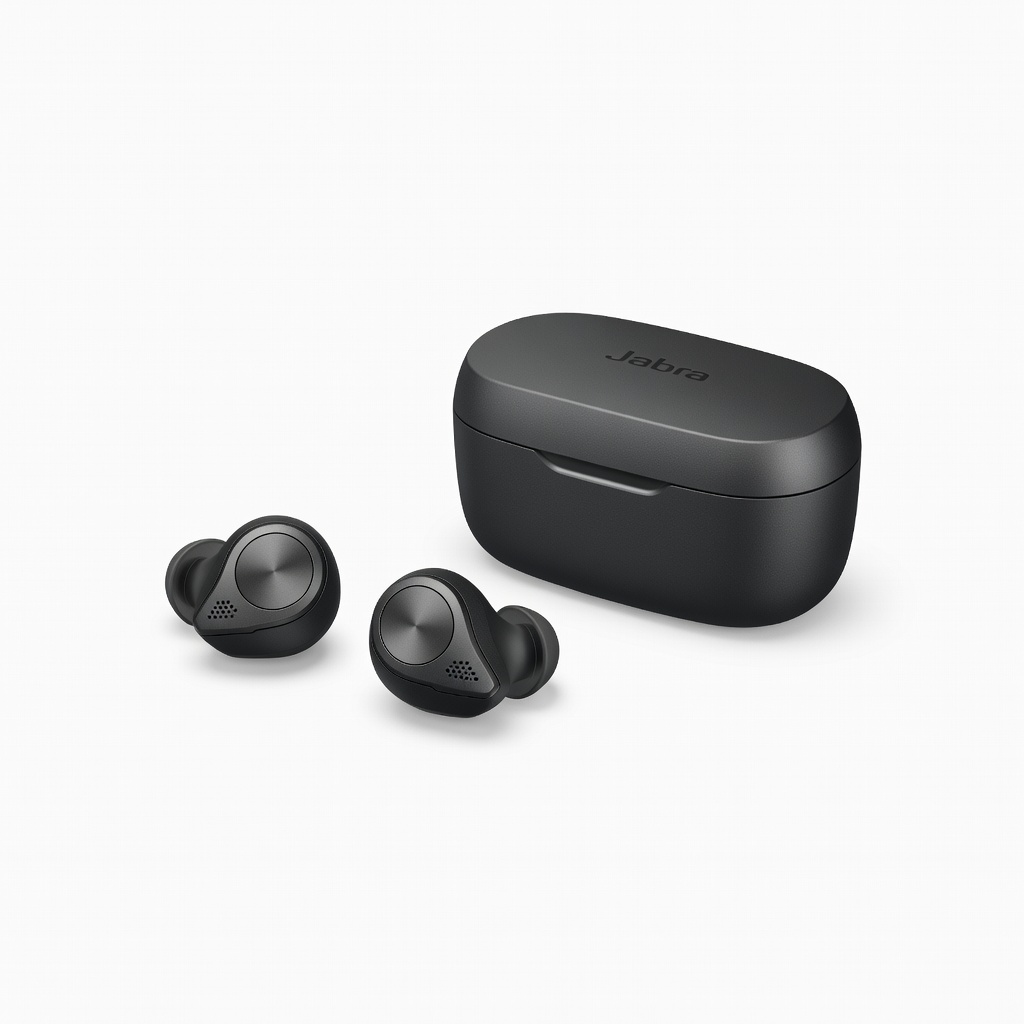
The Jabra Elite 8 Active Gen 2 offers the best all-around package for runners: a compact bulletproof design with IP68 dust/water resistance, outstanding secure fit, and rich sound tuned for both music and podcasts. The trade-off is the price, which sits at the premium end of the category.
Main limitation: Battery life is on the short side for a premium set — roughly 6 hours with ANC on, though the case adds extra charges.
Skip if: If you need extreme ANC for noisy gyms or commutes, this isn't quite as isolating as the Sony WF-1000XM5.
For under $100, the Sport X10 delivers sweat-resistant IPX7 protection, a flexible hook design that stays put, and surprising punchy bass for the price. You'll give up wireless charging and premium materials, but the value is hard to beat.
Main limitation: The touch controls are a bit fiddly when you're sweating, and the case is bulky compared to competitors.
Skip if: If you want seamless multi-device switching or an app with advanced EQ, look elsewhere at a higher price.
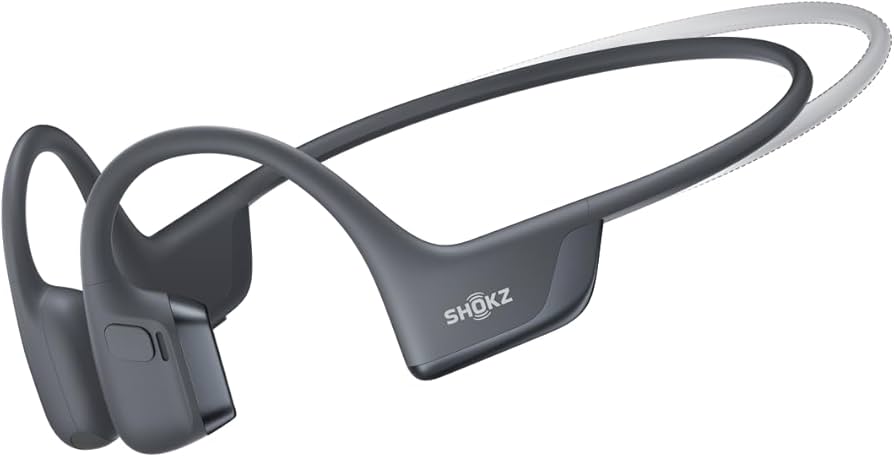
Shokz OpenRun Pro 2 uses bone conduction to keep your ears fully open, so you'll hear traffic and friends while you run — a big safety win. The titanium frame is ultra-light, but the audio quality, while better than prior generations, still can't match in-ear bass isolation.
Main limitation: Sound leak becomes noticeable at high volumes, and the bass response is weaker than top in-ear models.
Skip if: If you prioritize audio fidelity and isolation over environmental awareness, skip this and choose a closed design.
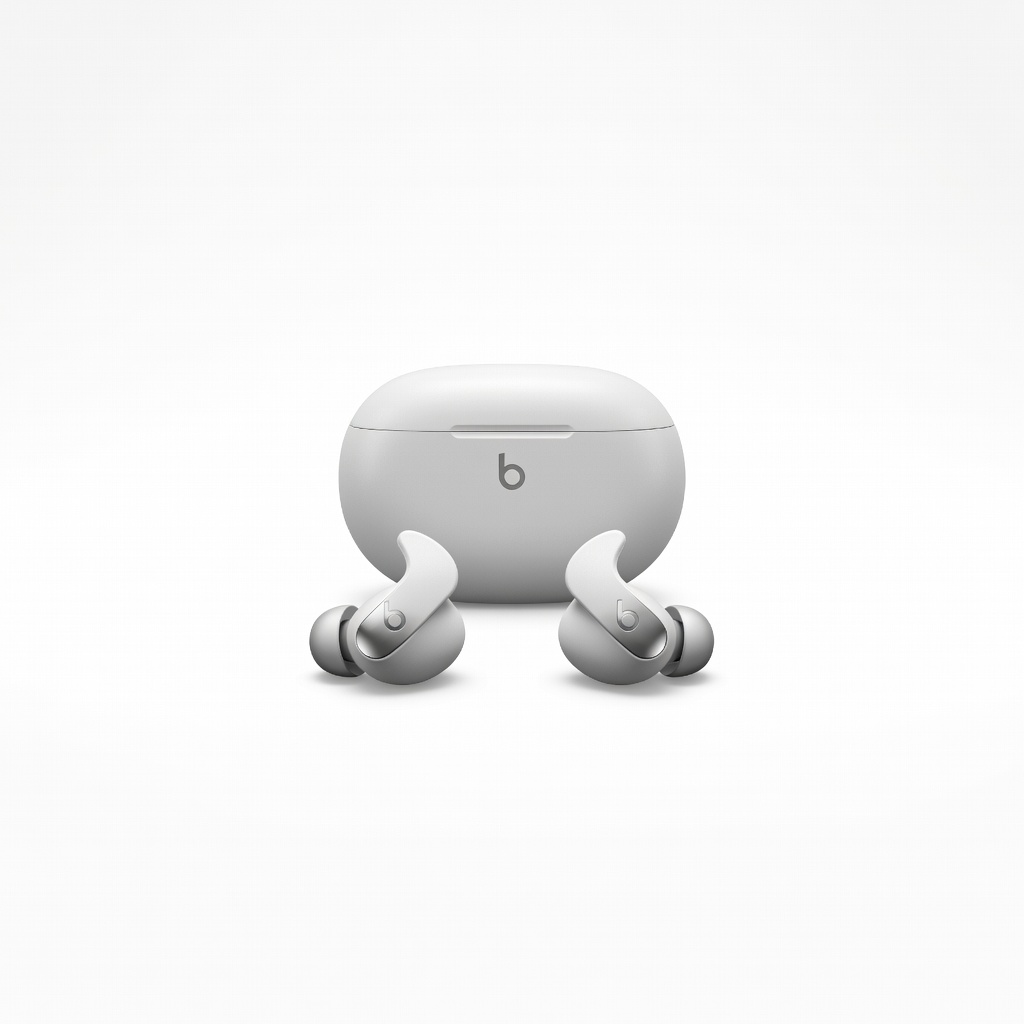
The flexible wingtips of the Beats Fit Pro lock into the concha, making these one of the most stable earbuds for fast runs and HIIT sessions. Pairing with Apple's H2 chip and solid ANC put them in premium territory, though the case lacks wireless charging and the fit is not for everyone.
Main limitation: The wingtips can cause pressure points for some ear shapes, and battery life is around 6 hours on a single charge.
Skip if: If you have particularly small or large ears and find wingtips uncomfortable, a universal-fit earbud may be a better match.
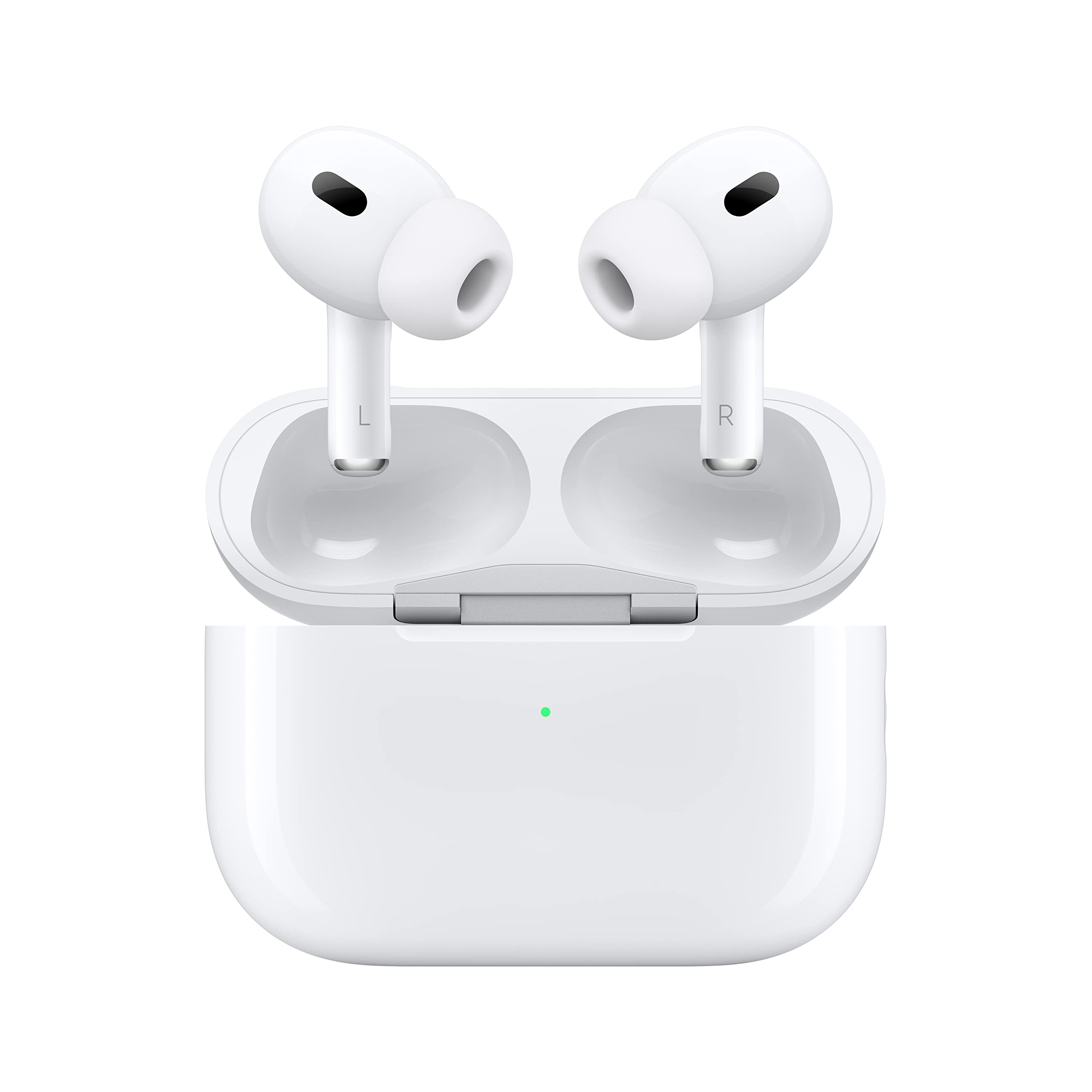
For Apple-centric runners, the AirPods Pro 2 offers the finest integration — seamless pairing, live volume control, and adaptive transparency that reduces loud sounds while preserving what you need to hear. Its secure fit isn't as forceful as wingtip designs, so it may slip for some users during intense intervals.
Main limitation: The glossy surface is prone to scratches, and battery life is modest at 5.5 hours with ANC enabled.
Skip if: If you're on Android or want a more athletic, wing-tip fit, you'll get better value elsewhere.
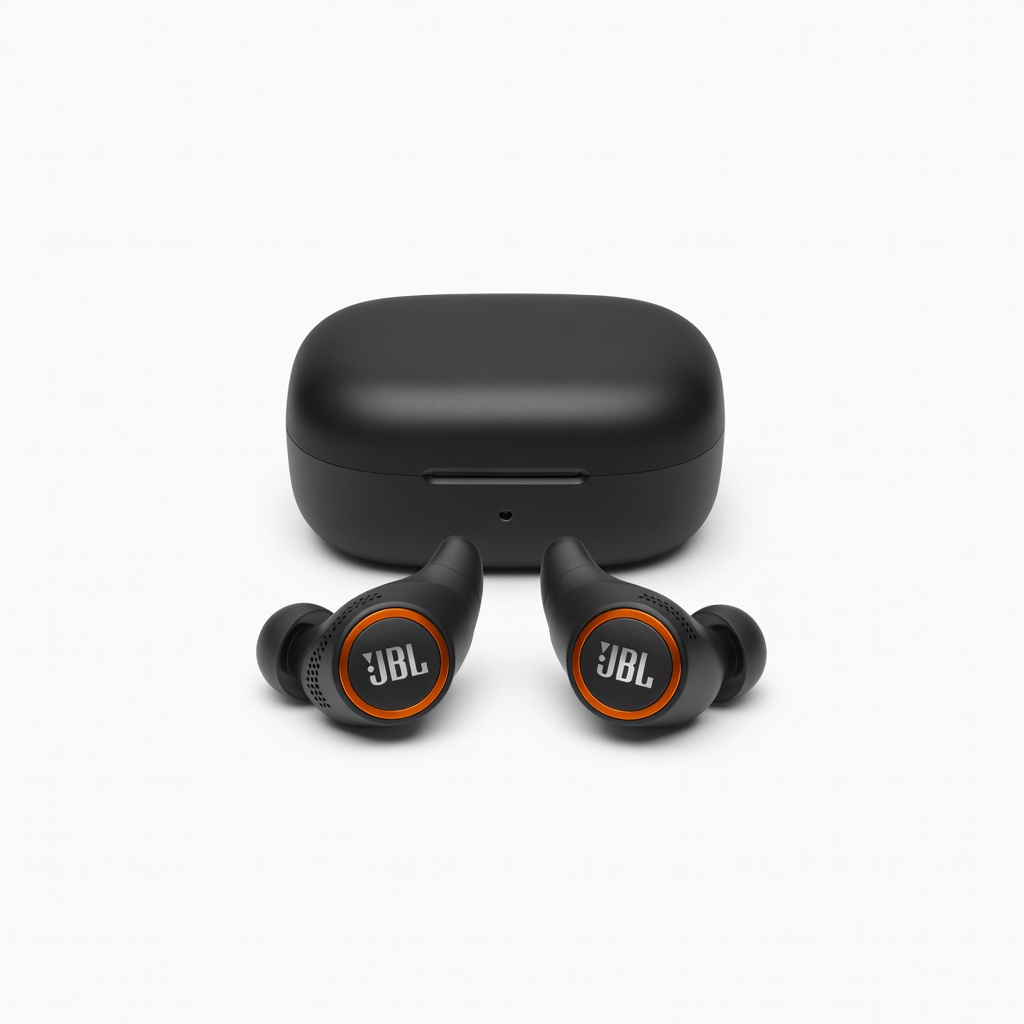
If you're training for long runs or ultramarathons, the Endurance Peak 3's 10-hour playback plus a battery case that adds another 40 hours is hard to beat. They're designed with a twist-to-stay hook and a rugged IP68 rating, but the sound is bass-heavy and may not suit neutral-music lovers.
Main limitation: The earbuds are large and protrude notably, and the app lacks the customization options of competitors.
Skip if: If you prefer a compact, low-profile set for everyday carry, these will feel clunky outside of workouts.

Sony's flagship earbuds have exceptional active noise cancelling and audio quality, making them the top choice for treadmill runners who want to be fully immersed. However, their sole IPX4 rating means they're splashproof, not soaked-in-sweat-proof, and the earbuds don't have wing tips or hooks, so they can wiggle free with high-impact movement.
Main limitation: Not fully waterproof; if you sweat heavily consistently, durability could be an issue over time.
Skip if: If you run outdoors and need environmental awareness or a hyper-secure fit, this is not the ideal pick.
Compare key specs and features of all our recommendations side-by-side
| Product | Recommendation | Rating | Price |
|---|---|---|---|
Jabra Elite 8 Active Gen 2 Rank #1 | 🏆 Top Pick | 9.2/10 | Around $230 Check current price → |
Soundcore Sport X10 Rank #2 | 💰 Budget Pick | 8.2/10 | Around $80 Check current price → |
Shokz OpenRun Pro 2 Rank #3 | ⭐ Editor's Choice | 8.7/10 | Around $180 Check current price → |
Beats Fit Pro Rank #4 | — | 8.6/10 | Around $200 Check current price → |
Apple AirPods Pro 2nd Generation Rank #5 | — | 8.8/10 | Around $250 Check current price → |
JBL Endurance Peak 3 Rank #6 | — | 8.0/10 | Around $130 Check current price → |
 Sony WF-1000XM5 Rank #7 | — | 3.8 3.8 | Around $300 Check current price → |
Common questions buyers have about this category.
Bone conduction is a great choice for outdoor runners who need to stay aware of traffic and their environment. They sit on your cheekbones and leave your ears completely open, reducing ear fatigue, but they generally produce less bass and can lack the immersion that in-ear models offer. If safety and comfort are your top priorities, bone conduction is superior; if you want music quality and nowise isolation, choose in-ear.
It's extremely important because sweat and light rain can quickly damage unprotected electronics. Look for at least IPX4 to handle sweat splashes, but IPX5 or higher is better for heavy perspiration and outdoor runs. Models like the Jabra Elite 8 Active Gen 2 with an IP68 rating can even be washed off after a muddy trail run, making them significantly more durable long-term.
You can, but it's risky unless you use a transparency/ambient mode that lets in surrounding sounds. Running with full noise cancellation outdoors blocks crucial cues like car horns, cyclists, and other runners, which can be dangerous. If you run on roads, choose earbuds with a reliable transparency mode or consider an open-ear design instead.
In-ear earbuds with additional stabilizers — wingtips, ear fins, or flexible hooks — offer the most secure fit for running. Models like the Beats Fit Pro and JBL Endurance Peak 3 are specifically designed to lock into the ear's anatomy. Make sure you try multiple eartip sizes, as the right seal is the foundation of a secure fit.
For long runs, aim for at least 6-8 hours of playback per charge, and consider the total battery with the case. The JBL Endurance Peak 3 offers 10 hours plus 40 in the case, which covers multiple training blocks without recharging. Shorter battery life is acceptable if you typically run under an hour and can charge between sessions.
True wireless earbuds are more convenient and don't have a cable that can flop around, but they're also easier to lose if they slip out. Neckbands (like the Sony WI-1000XM2) offer a more secure feel because the cable sits around your neck, and they can provide longer battery life and a bigger pause/volume controls. For most runners, true wireless with a secure fit is the better choice, but neckbands are still a solid option for those who don't mind the cord.
A secure running headphone should apply even pressure inside the ear canal (or around the ear with open designs) and not shift when you bounce or sweat. Wingtips, hooks, and flexible fins are common features that anchor the earphone to the ear's natural curves. Equally important is choosing the correct eartip size; a proper seal prevents both slippage and sound leak.
Products we evaluated but did not recommend — and why.
