Get the App
Better experience on mobile
Seven running-specific earbuds and headbands—from $50 to $250—ranked for fit, sweat resistance, and the right amount of environmental awareness.
Few pieces of gear can derail a run faster than an earbud that slips or a sound that makes you miss the bicycle bell. Running headphones have to survive sweat, shock, and the awkward geometry of your outer ear—a tougher ask than a standard commute pair. In 2026, the market has split into two philosophies: in-ear models with security fins or wings, and open-ear designs that keep your ear canals free for ambient noise.
What we look for are earbuds that stay put at high stride frequencies, come with certifications that match your climate, and don't force you to choose between crashing or tripping. We have sifted through specification sheets, expert reviews, and buyer comments across dozens of models, then matched them to typical running scenarios—from casual 5K to trail ultramarathon. There is no single best pair; there are best pairs for different needs.
The seven recommendations below span $50 alternatives to $250 flagships, each with its trade-off made explicit. We also flag who should skip each model, because a 'great for marathoners' label does not mean it is the right fit for your ears or your route.
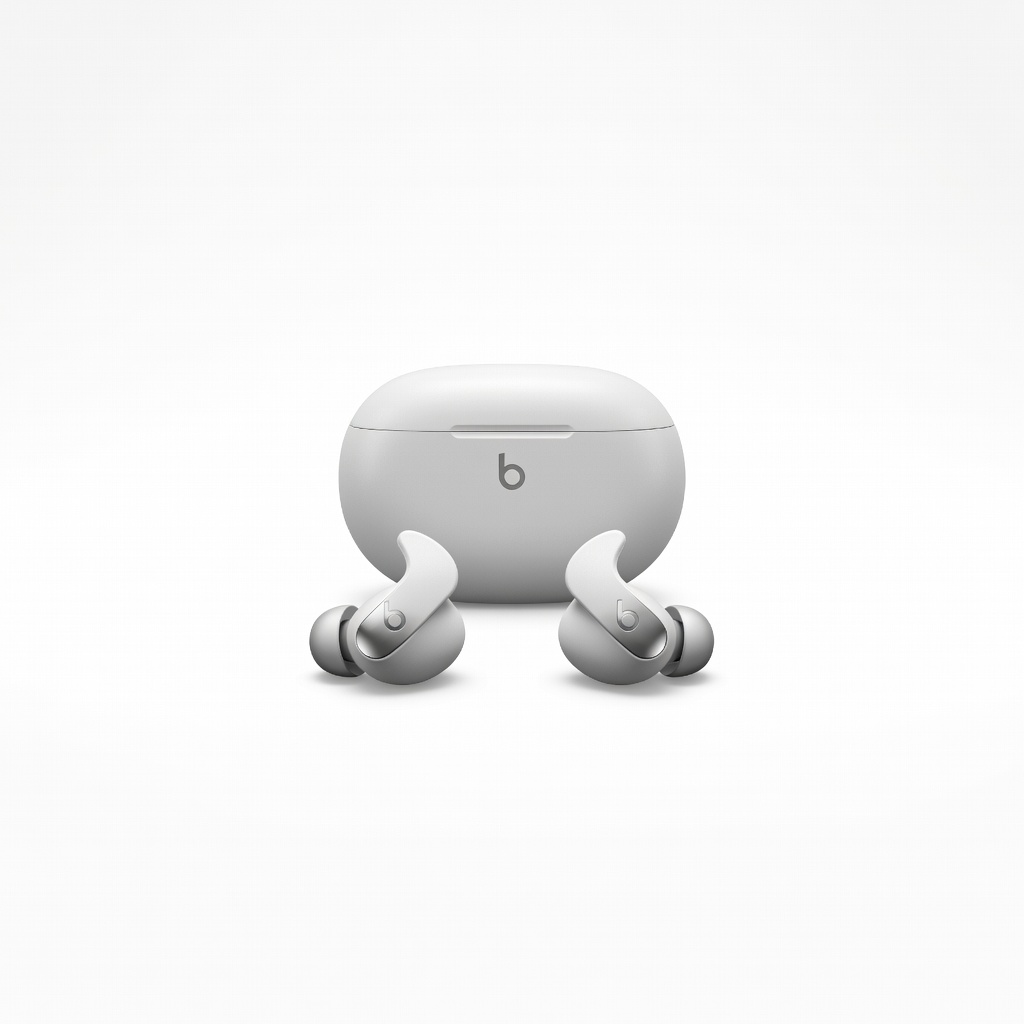
Combines a secure wing-tip design with punchy sound, effective ANC, and solid IPX4 sweat resistance, making it a reliable companion for most runners. The trade-off is that the rigid wing tips are not forgiving if your ear shape doesn't match, and the sound is tuned heavily toward hip-hop and EDM.
Main limitation: The wing tips can cause sore spots during long runs for some users, and the case is not fully dust-proof.
Skip if: Anyone with narrow ear canals or a preference for true open-ear headphones.
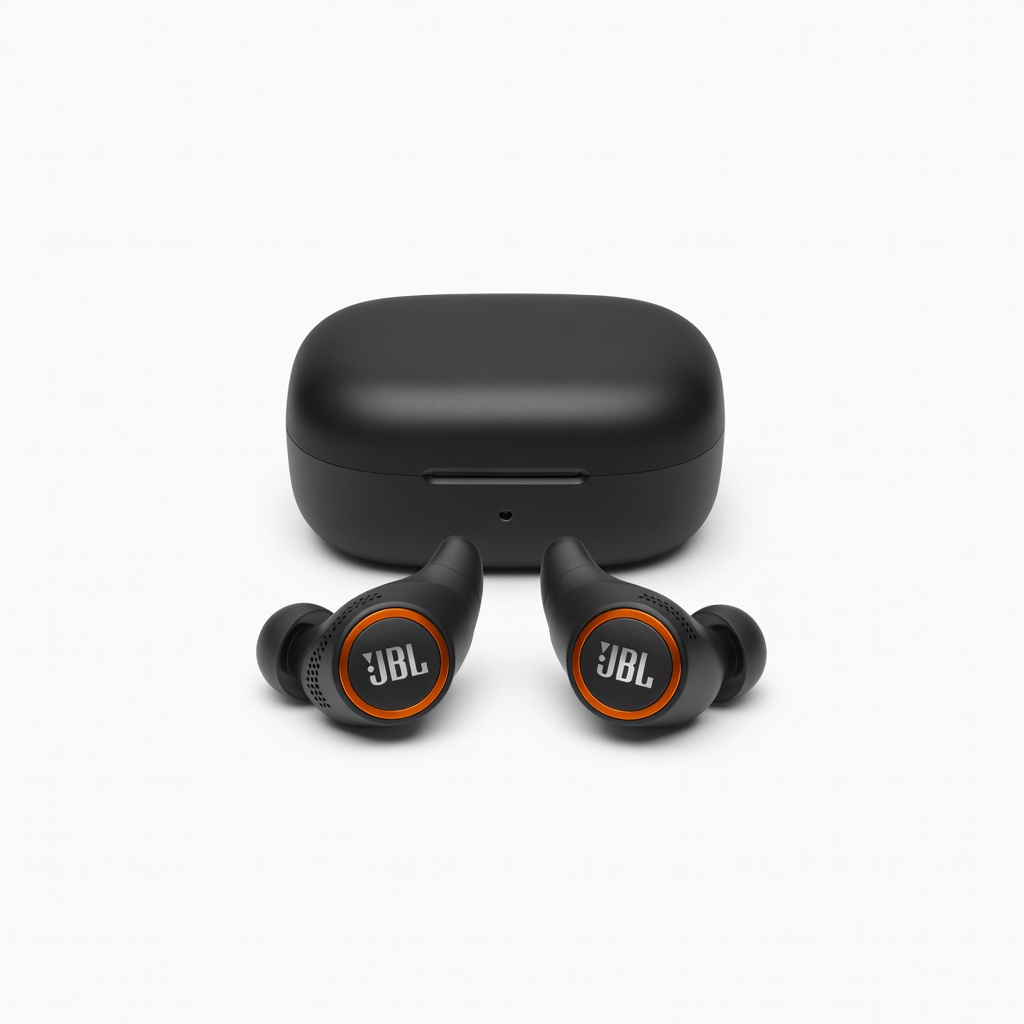
Delivers big, bass-heavy sound with a secure hook and fin design at a price that won't hurt. The upgraded battery life (up to 10 hours per charge) is helpful for marathon prep, but the charging case is bulky and the sound lacks the subtlety of pricier rivals.
Main limitation: The large case won't fit in many running belts, and the dual-bud battery indicator is easy to misread.
Skip if: Runners who prioritize a small, pocketable charging case or a neutral, natural frequency response.
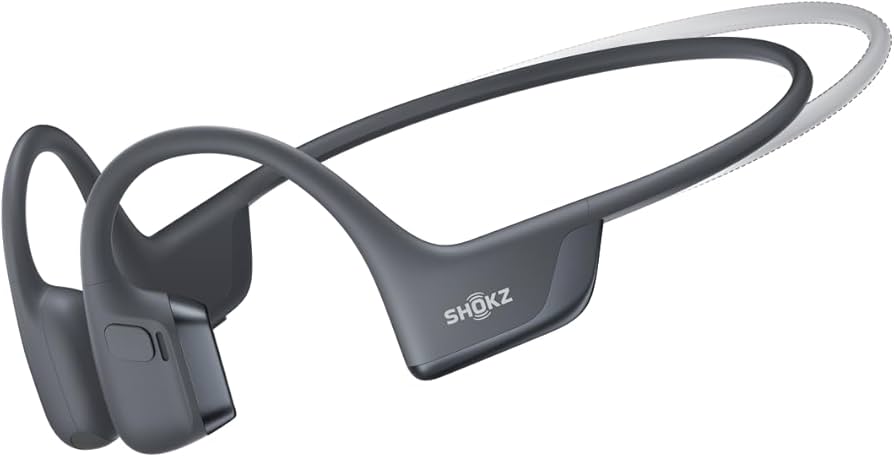
Bone conduction keeps the ears completely open so you can hear traffic and fellow runners while still getting decent audio. The dual-driver system adds a bit of bass, but midrange can be thin in noisy streets. The 12-hour battery is a standout.
Main limitation: In loud environments, the open design lets in too much ambient noise, making podcasts hard to follow.
Skip if: Anyone who trains on busy roads with heavy vehicle noise and needs robust volume.
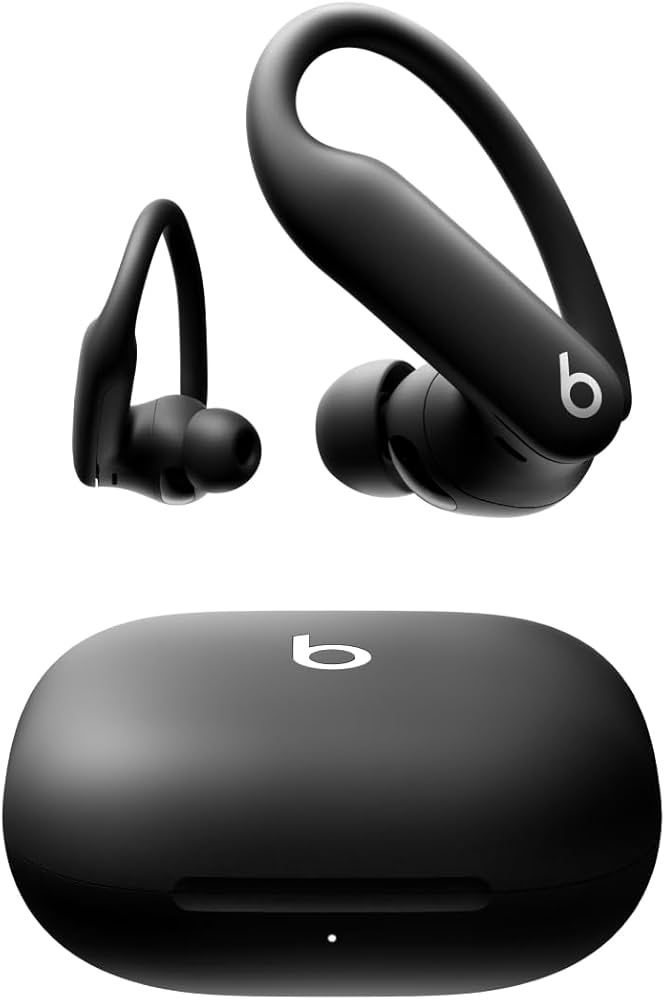
The adjustable ear hooks grip confidently even during sprints and interval training, while the heart-rate sensor (in select regions) adds training data. The new chip improves connection stability, but the case still feels larger than competitors, and the sound signature is heavily bass-forward.
Main limitation: The charging case is bulky and the ear hooks are not ear tip replacements; some find the hook tension too aggressive.
Skip if: Runners who prefer a low-profile, minimal earbud look or those with very small ears.
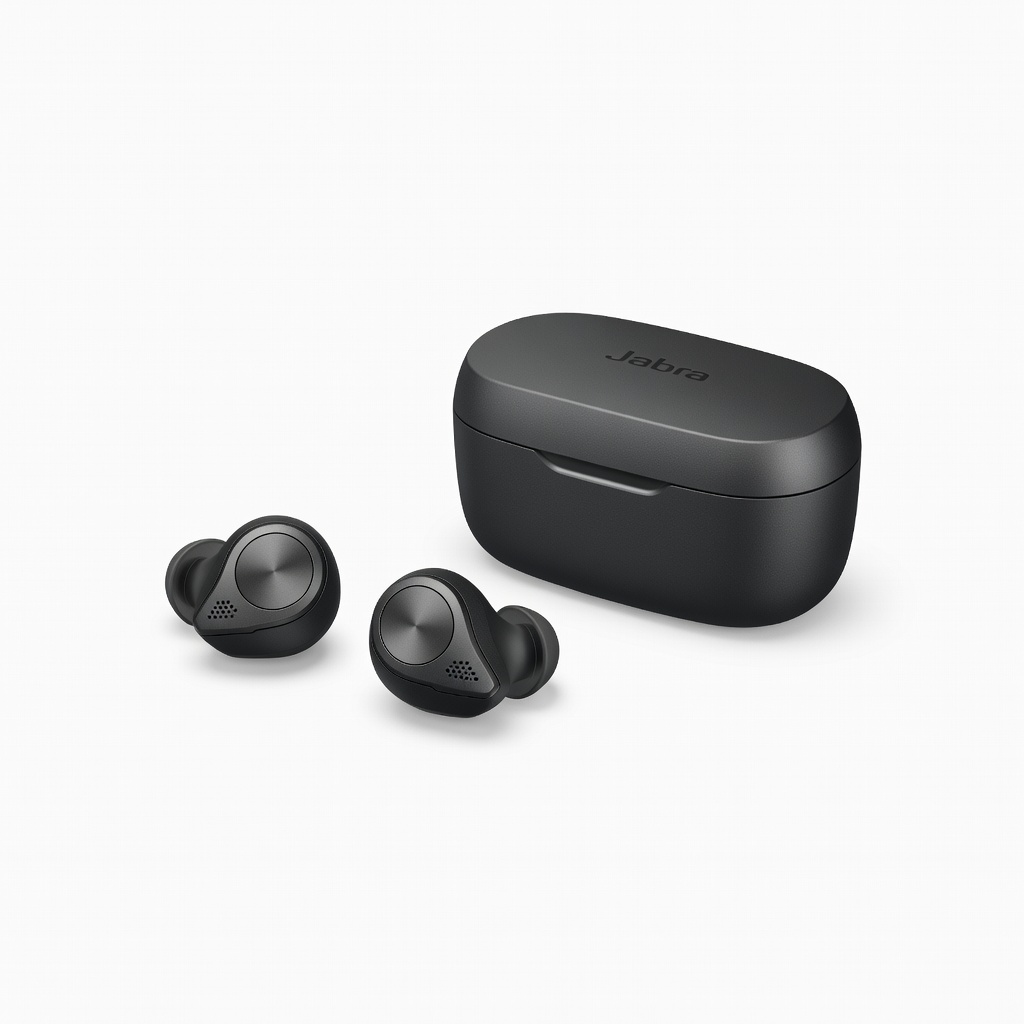
The military-grade durability (IP68-rated earbuds, IP57 case) shrugs off rain, mud, and trail dust. The new 'ShakeGrip' coating feels secure during steep climbs and quick descents, and the adaptive ANC is surprisingly good. The trade-off is a bass-forward sound that may not please audiophiles.
Main limitation: The default sound is slightly muffled in the midrange, and the proprietary earbud shape can feel tight in small ears.
Skip if: Runners who want a more breathable open-ear design for hot weather trail runs.
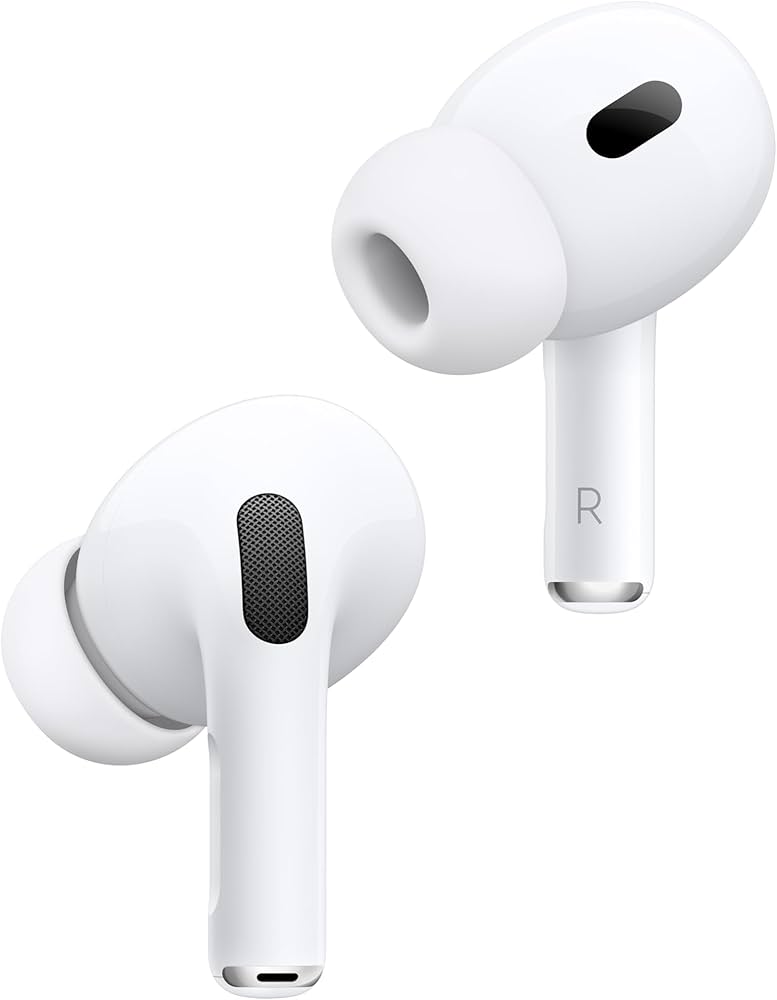
For indoor sessions, the AirPods Pro 2's excellent ANC and transparency modes are a pleasure to use, and the voice accelerometer reduces wind noise. The fit can weaken during intense treadmill sprints unless you swap to the largest ear tips. The IP54 rating is fine for sweat but not for dunking.
Main limitation: They have no ear hooks or fins, so the fit is not as assured for runners with wider or slippery ear canals.
Skip if: Outdoor runners who worry about losing a bud mid-run or need heavy sweat and dust protection.
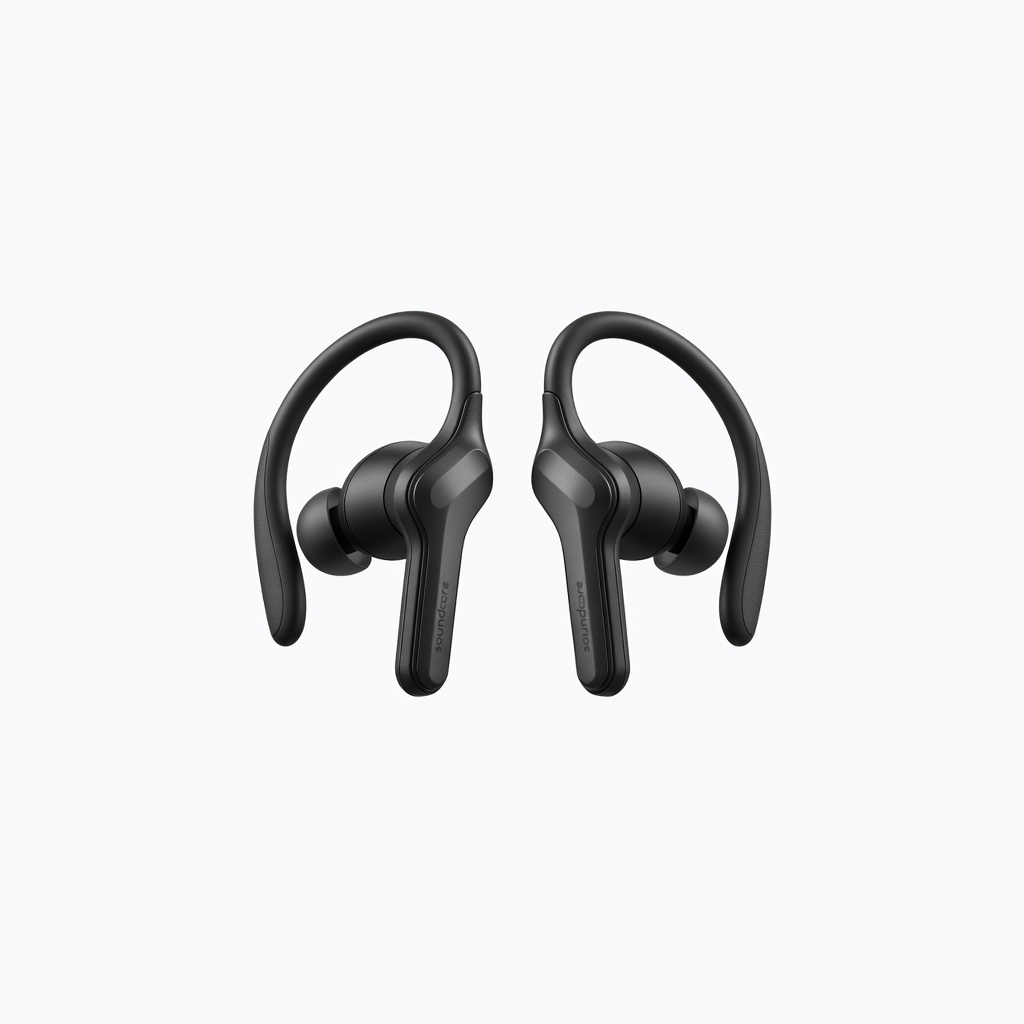
If you're just starting to run and want to see if earbuds are for you, the Sport X10 costs little and still manages a secure twist-to-fit mechanism with hooks and IPX7 water resistance. The sound is balanced for the price, but the Bluetooth connection can occasionally drop when stashed in a waist belt.
Main limitation: The call quality is poor in windy conditions, and the companion app's EQ presets are clunky.
Skip if: Runners who need reliable multipoint connections with several devices or clear voice calls.
Compare key specs and features of all our recommendations side-by-side
| Product | Recommendation | Rating | Price |
|---|---|---|---|
Beats Fit Pro Rank #1 | 🏆 Top Pick | 9.0/10 | Around $200 Check current price → |
JBL Endurance Peak 3 Rank #2 | 💰 Budget Pick | 8.0/10 | Around $80 Check current price → |
Shokz OpenRun Pro 2 Rank #3 | ⭐ Editor's Choice | 8.5/10 | Around $180 Check current price → |
Powerbeats Pro 2 Rank #4 | — | 8.2/10 | Around $250 Check current price → |
Jabra Elite 8 Active Gen 2 Rank #5 | — | 8.4/10 | Around $230 Check current price → |
Apple AirPods Pro 2 (USB-C) Rank #6 | — | 8.3/10 | Around $200 Check current price → |
Anker Soundcore Sport X10 Rank #7 | — | 7.5/10 | Around $50 Check current price → |
Common questions buyers have about this category.
It depends on where you run. Open-ear designs like bone conduction headphones let you hear traffic and hazards, which is safer for outdoor road runs. In-ear models with a transparency mode can also work, but ANC models may block too much. If you run on quiet trails, in-ear with ANC is fine; for city streets, prioritize open-ear or transparency.
You can, but it's risky because you'll lose awareness of your surroundings. On busy city streets, ANC can obscure horns and approaching bicycles. If you want to use ANC outdoors, switch to a transparency mode when crossing streets, or choose a model with quick hear-through settings. For treadmill running, ANC is a great asset.
IPX ratings indicate resistance to moisture and dust. For running, IPX4 is the minimum for sweat resistance. If you run in rain or mud, choose IPX6 and above. Remember that IP ratings are based on static water tests; sweat can be more corrosive, so always wipe down your earbuds after runs.
Most runners need at least 5 hours of playback per charge to cover a marathon. Long-distance runners should look for 8-10 hours, especially if you forget to charge daily. Also consider the charging case—a compact case that adds a few extra charges is ideal for busy schedules.
Yes, especially for high-impact activities like running. Ear hooks add mechanical stability, so they're great if your natural ear shape doesn't fit standard in-ear tips. However, some hooks create pressure points, so it's important to try them on. For shorter runs, wing-tips or fins can be enough.
Neckband styles are practical because you can let the buds dangle when not in use and they are less likely to lose a single bud. The downside is they can bounce unless clipped to your shirt. Many runners prefer true wireless for freedom, but neckbands remain a solid choice if you frequently pull your headphones off mid-run.
For many runners, sound quality is less critical than fit and safety. Wind and street noise will mask subtle details, so a bright, bass-forward sound can be more satisfying. Still, a poorly tuned pair that fuzzes out at high volume will ruin a playlist. If you're an audiophile, look for models with good EQ presets, but don't sacrifice comfort for a smoother frequency response.
Products we evaluated but did not recommend — and why.
