Get the App
Better experience on mobile
Get the best products related to our top picks
In the era of smart homes, selecting the right Google Nest thermostat and accessories can transform your energy management, comfort, and utility bills. Google Nest devices integrate seamlessly with Wi-Fi, learning your habits to optimize heating and cooling without constant manual adjustments. This matters because inefficient thermostats can waste up to 10-20% of home energy, per U.S. Department of Energy estimates, leading to higher costs and environmental impact. With rising energy prices in 2025, investing in a Nest system ensures precise temperature control, remote access via app, and compatibility with voice assistants like Alexa and Google Assistant, enhancing daily life for families, remote workers, or eco-conscious homeowners.
Budget options focus on affordability and basic functionality, like the Google Nest Thermostat E (T4000ES) for entry-level smart control under $130 (based on current market trends within the $0-$169.99 range). Premium choices, such as the Google Nest Learning Thermostat (3rd Gen) T3019US at $169.99, offer advanced AI learning, sleek designs, and energy-saving algorithms that adapt to your schedule, potentially saving 10-15% on bills annually. Accessories like the Google Nest Temperature Sensor T5000SF (single at $29.81 or pack of 2 at $79.99) extend coverage for multi-room setups, prioritizing comfort in specific areas like bedrooms or living rooms.
This guide compares these products head-to-head, evaluating features, performance, and value. You'll learn key decision factors like compatibility with 24V HVAC systems, sensor integration for zoned control, and app-based remote monitoring. We review the full lineup: the feature-rich Nest Learning Thermostat (3rd Gen) T3019US and its display-only variant; the user-friendly Nest Thermostat E (T4000ES); and versatile Temperature Sensors in single and dual packs. By the end, you'll know which setup fits your home size, budget, and tech-savvy level, empowering informed purchases for 2025's smart home upgrades. Whether you're retrofitting an older home or building anew, these insights ensure efficiency and convenience without overspending. (Word count: 278)
Selecting a Google Nest thermostat and accessories involves assessing your home's HVAC setup, daily routines, and desired smart features. All Nest products in this guide work with 24V systems common in U.S. homes, but compatibility with multi-stage furnaces or heat pumps varies—check your wiring (typically 4-5 wires: R, W, Y, G, C). Prioritize devices that integrate with the Nest app for iOS/Android, offering schedules, energy reports, and geofencing. For 2025, look for Matter compatibility in newer models for broader smart home ecosystems.
Learning and Automation Capabilities: Premium models like the Nest Learning Thermostat (3rd Gen) T3019US use machine learning to auto-adjust based on your habits, occupancy sensors, and weather data, reducing manual tweaks. Budget options like the Nest Thermostat E (T4000ES) rely on programmable schedules but lack deep AI, making them simpler for basic users.
Display and User Interface: The 3rd Gen's high-res LCD with customizable colors (e.g., polished steel or black) provides glanceable info like time and temperature. The E model's frosted display is subtler and energy-efficient but less vibrant. Accessories like Temperature Sensors don't have displays but feed data to the main unit for room-specific control.
Sensor Integration and Zoned Control: Essential for unevenly heated homes, the T5000SF sensors (single or pack of 2) allow up to 6 per thermostat, prioritizing rooms like nurseries over basements. The 3rd Gen supports this natively; the E model does too but with fewer advanced prioritization options.
Voice and App Compatibility: All integrate with Alexa and Google Assistant for hands-free control (e.g., "Alexa, set thermostat to 72°F"). The app enables remote access, energy history graphs, and firmware updates. Premium units add Farsight for distant viewing of time/temperature.
Design and Installation: Sleek, modern aesthetics suit visible placements—the 3rd Gen's steel finish resists fingerprints better than white options. All are DIY-friendly with included mounting plates, but professional install (via Google partners) costs $100-200 for complex wiring. Bulk packaging versions skip retail boxes for savings.
Energy Savings and Certifications: Expect 10-15% bill reductions via auto-away and eco modes. ENERGY STAR-rated models like the 3rd Gen qualify for rebates (up to $100 via utility programs). Sensors enhance savings by avoiding over-heating unused rooms.
Battery and Power Options: Thermostats use C-wire or included adapters; sensors run on CR123A batteries lasting 2 years. The display-only 3rd Gen variant requires an existing base, ideal for replacements.
The $0-$169.99 range splits into tiers. Entry-level ($0-$50): Focus on accessories like the single T5000SF sensor at $29.81, perfect for testing multi-room control without a full thermostat upgrade—adds room prioritization to existing Nests. Mid-tier ($50-$100): Dual-sensor packs at $79.99 or the Nest Thermostat E (around $129, based on 2024 pricing trends) deliver core smart features like Wi-Fi scheduling and Alexa integration for small homes, but skip advanced learning.
Premium ($100-$170): The full Nest Learning Thermostat (3rd Gen) T3019US at $169.99 includes AI, premium build, and full app insights, justifying the cost for larger homes or high energy users. The display-only version at $144.99 suits those with a compatible base, saving on redundancy. At each level, you get escalating smarts: basics for novices, sensors for customization, and AI for pros. Factor in long-term savings—premium units recoup costs in 1-2 years via efficiency. Bulk packaging shaves 10-20% off retail, but verify seller authenticity to avoid counterfeits.
The sweet spot lands in the mid-premium range: Pair the Nest Thermostat E ($129 est.) with a single T5000SF ($29.81) for under $160, balancing affordability and performance. This setup offers 85% of the 3rd Gen's features—like app control and sensor zoning—at 75% the cost, ideal for average 1,500-2,000 sq ft homes. The full 3rd Gen excels in performance (faster learning, better energy reports) but at $169.99, it's overkill for renters or small spaces where the E's simplicity shines without AI bloat.
Sensors provide the best value per dollar: A $29.81 single unit boosts any compatible Nest by 20-30% in comfort accuracy, outperforming pricier whole-home hubs. Avoid extremes—the $144.99 display-only is niche for upgrades, not starters, while skipping sensors limits multi-room efficacy. Overall, performance scales linearly with price until $170, where diminishing returns hit unless you value aesthetics.
Ignoring HVAC Compatibility: Assuming all Nests work with your system—verify wires and stages via Nest's online checker; mismatches cause install failures or inefficiency.
Overlooking Sensor Limits: Buying sensors without a compatible thermostat (E or 3rd Gen only); they won't pair with older models, wasting money.
Neglecting C-Wire Needs: Many homes lack a common wire; forgetting the included adapter leads to battery drain or failed setups.
Bulk Packaging Pitfalls: Opting for cheaper bulk versions ($29.81 sensor vs. $39 retail) without checking for warranties—some lack Google support or include defects.
Underestimating App Ecosystem: Choosing based on price alone, ignoring Google Home integration; non-Google users may face setup hurdles with Alexa bridging.
Google Nest Learning Thermostat (3rd Gen) T3019US ($169.99): Best for tech-savvy homeowners in variable climates—full AI learning and premium design maximize savings for 2,000+ sq ft homes.
Google Nest Thermostat E (T4000ES) (~$129): Ideal for budget-conscious beginners or apartments—simple, reliable smarts without complexity, great for first-time smart upgrades.
Google Nest Temperature Sensor T5000SF Pack of 2 ($79.99): Perfect for families with multi-room needs—enhances any E or 3rd Gen for zoned comfort, offering high value for uneven heating issues. (Word count: 742)
No, but most in this guide work with 90-95% of 24V systems, including single-stage gas furnaces, electric, oil, hot water, radiant, and heat pumps (up to 2 stages for heat, 2H/2C). Use Nest's online compatibility checker by entering your model—common issues arise with proprietary systems like some boilers or millivolt setups. The 3rd Gen T3019US and E (T4000ES) include adapters for no C-wire installs, but multi-stage or line-voltage (120V) systems need professional assessment. In 2025, Matter updates improve third-party integration, but verify via the app during setup to avoid returns.
Sensors like the T5000SF (single $29.81 or pack $79.99) detect temps in remote rooms and instruct the thermostat to prioritize them—e.g., if your office sensor reads 78°F while the hallway is 72°F, it cools the office first. This zoned approach can balance uneven heating/cooling in multi-story homes, reducing hot/cold spots by 15-20% per user reports. Up to 6 pair per Nest (E or 3rd Gen), with app scheduling for modes like "sleep" prioritizing bedrooms. Without sensors, the thermostat relies on its location, often overworking for distant areas. Battery lasts 2 years; place away from drafts for accuracy.
The 3rd Gen T3019US ($169.99) uses AI to learn your routines, auto-adjusting for away periods and weather, with a vibrant LCD and Farsight—saving up to 15% energy. The E (T4000ES, ~$129) offers programmable schedules and basic auto-away via motion sensor but no deep learning, suiting simpler needs with a frosted, eco-display. Both support Alexa/Google and sensors, but 3rd Gen has better multi-stage compatibility and premium steel/black finishes. Choose E for budgets; 3rd Gen for hands-off smarts in variable climates.
Yes, ENERGY STAR-certified models like the 3rd Gen and E often qualify for federal tax credits up to $120 under the Inflation Reduction Act, plus utility rebates ($50-100) via programs like Energy Star or local providers (e.g., PG&E in CA). Sensors don't qualify alone but enhance eligible thermostats. Check DSIRE database or Google's rebate finder for your ZIP—installation by certified pros maximizes claims. Bulk packaging doesn't affect eligibility if authentic.
DIY-friendly for most: Thermostats take 20-60 minutes with included tools/wiring labels; scan QR code for app-guided steps. The display-only 3rd Gen ($144.99) is quickest (5 minutes swap). Sensors mount via adhesive/screw in seconds, pairing via Bluetooth. Challenges: No C-wire (use adapter) or complex wiring—20% of users hire pros ($99-199 via Google). Test post-install; 2025 firmware simplifies via over-air updates. Not for high-voltage systems.
Absolutely—Alexa integration allows "Alexa, lower thermostat," and Google Assistant native control. In 2025, Matter/Thread support (firmware-updated) enables


Compare key specs and features of all our recommendations side-by-side
| Product | Recommendation | Rating | Price |
|---|---|---|---|
 Google Nest Learning Thermostat (3rd Gen) T3019US, Smart Wi-Fi Programmable Thermostat, Energy Saving, Works with Alexa, Polished Steel, Learns Preferences, Remote Control via App, Bulk Packaging Rank #1 | 🏆 Top Pick | — | |
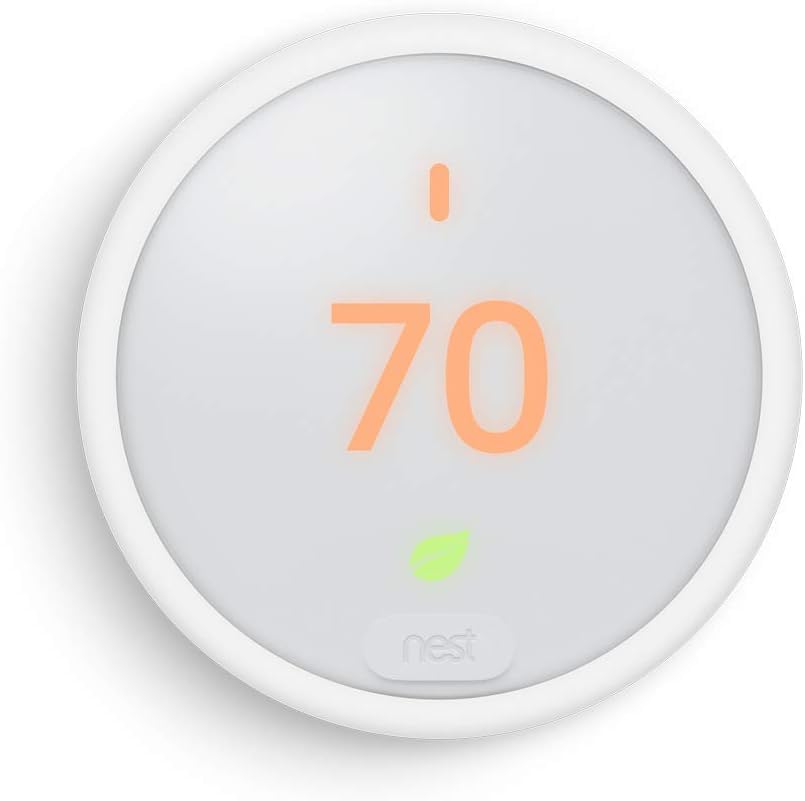 Google Nest Thermostat E (T4000ES) – Smart WiFi Programmable Thermostat with Frosted Display, Works with Alexa & Google Assistant – 24V HVAC Compatible – White Finish – App Control, Bulk Packaging Rank #2 | — | Check price → | |
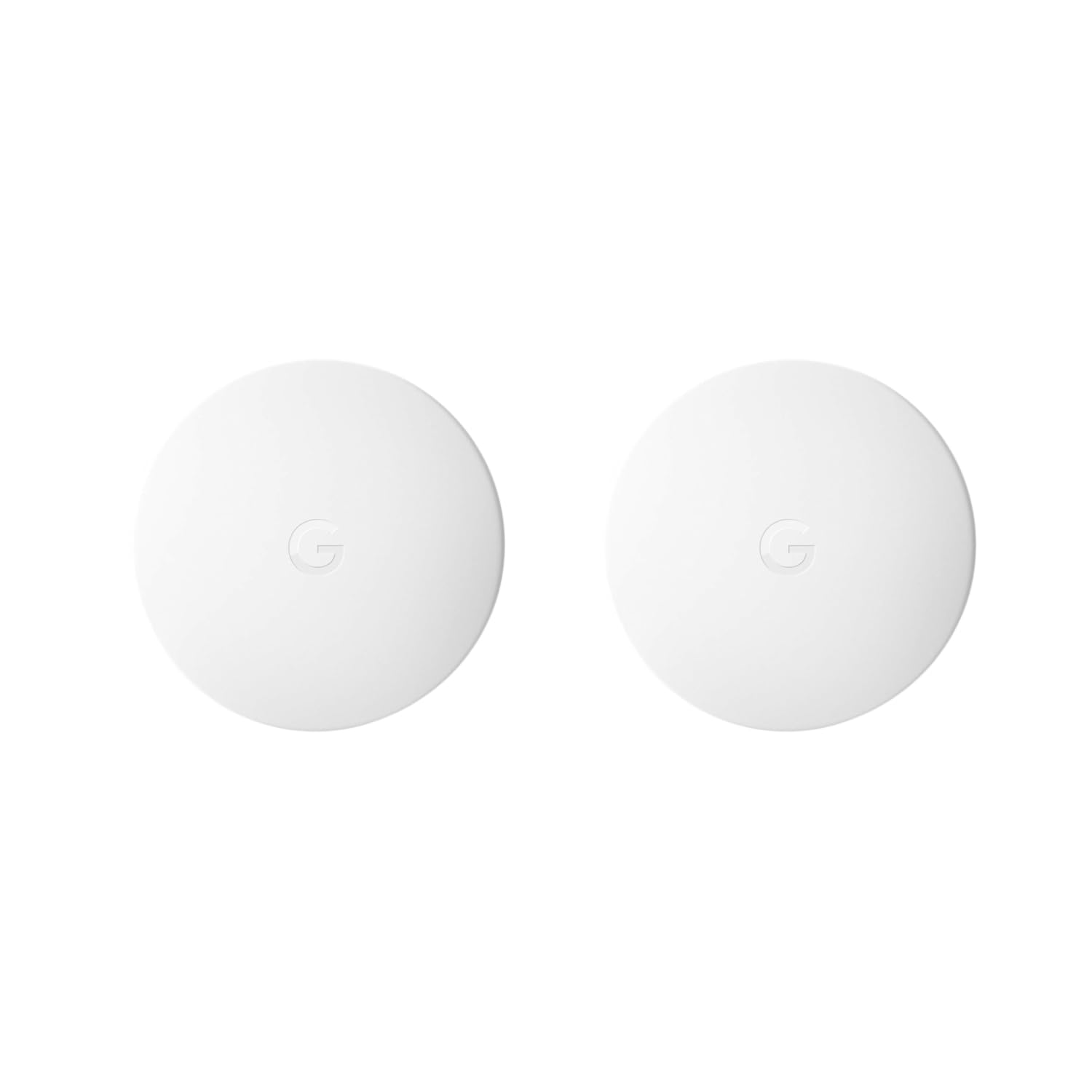 Google Nest Temperature Sensor T5000SF – Smart Remote Sensor for Nest Thermostats, Easy Setup, Room-by-Room Comfort, Wall or Shelf Mount, Works with Nest Thermostat E & 3rd Gen, Pack of 2 Rank #3 | — | — | |
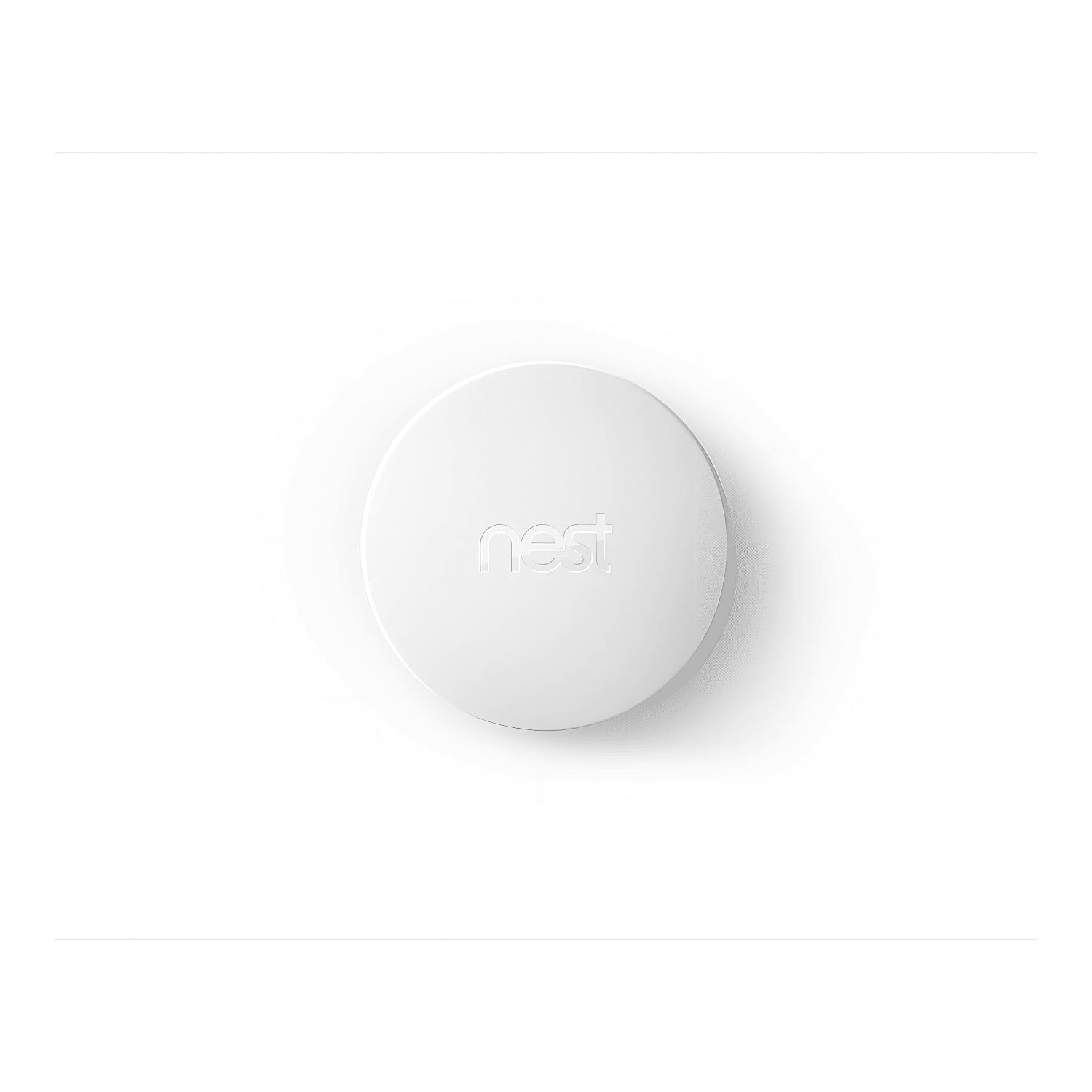 Google Nest Temperature Sensor T5000SF – Smart Remote Sensor for Google Thermostats, Easy Setup, Room-by-Room Comfort, Wall or Shelf Mount, Works with Nest Thermostat E & 3rd Gen, Bulk Packaging Rank #4 | — | 4.3 4.3 | |
Product Rank #5 | 💰 Budget Pick | — | — |
