Get the App
Better experience on mobile
With our buying guide for best gaming monitors under $200, it’ll be easy to find the best monitor for your needs without breaking the bank.
Choosing the right gaming monitor under $200 is crucial for gamers on a budget who want immersive gameplay without breaking the bank. At this price point, you can access features like high refresh rates, curved screens, and adaptive sync technologies that reduce screen tearing and input lag, enhancing responsiveness in fast-paced titles like FPS games or racing sims. A subpar monitor can lead to motion blur, eye strain, or washed-out colors, detracting from the experience and potentially causing frustration during competitive sessions. Budget options prioritize essentials like 1080p or QHD resolution and 144Hz+ refresh rates, while premium monitors (over $300) add extras like 4K resolution, OLED panels, or wider color gamuts for superior visuals—but often at the cost of affordability.
This guide compares budget approaches by evaluating value: entry-level monitors focus on basics like Full HD and 60-144Hz for casual gaming, mid-tier under $200 push to 180-240Hz with curves for immersion, and accessories like arms improve ergonomics without inflating core costs. Unlike premium setups, these picks emphasize bang-for-buck, such as AMD FreeSync for smooth performance on AMD/NVIDIA GPUs.
Readers will learn key features to prioritize (e.g., refresh rate vs. response time), budget breakdowns, performance trade-offs, and pitfalls to avoid, like overlooking connectivity. We'll review five specific products: the Laptop Screen Extender 14" FHD Portable Dual Monitor for versatile laptop setups; the LG 27GS60QC-B Ultragear 27-Inch Curved QHD Gaming Monitor (Renewed) for high-refresh QHD gaming; the 32-Inch Curved 240Hz FHD Gaming Monitor for large-screen speed; and the MOUNTUP RGB Single Monitor Arm and its VESA Mount Extender for ergonomic enhancements. By the end, you'll know which fits your setup—whether you're a mobile gamer, desktop enthusiast, or accessory upgrader—helping you make an informed decision that balances performance, portability, and price. (Word count: 278)
Selecting a gaming monitor under $200 requires balancing core performance specs with practical needs like desk space and GPU compatibility. Focus on monitors that deliver smooth visuals for games like Valorant or Fortnite, while considering if accessories like arms are needed for better positioning. This price cap limits you to IPS or VA panels (no high-end TN for color accuracy), but you can still get solid 1080p or QHD options with gaming features.
Refresh Rate (Hz): Measures how many times the screen updates per second. Aim for 144Hz minimum for fluid motion; the 32-Inch Curved 240Hz model hits 240Hz for ultra-smooth gameplay in competitive esports, reducing blur compared to 60Hz budget screens. Higher rates shine with capable GPUs but add minimal cost here.
Resolution: Full HD (1920x1080) is standard and easy on hardware, as in the 32-Inch Curved model, while QHD (2560x1440) like the LG 27GS60QC-B offers sharper details without taxing entry-level PCs. Avoid 4K under $200—it's rare and GPU-intensive.
Panel Type and Curvature: VA panels (e.g., LG's 1000R curve) provide better contrast for dark scenes in games like Cyberpunk 2077, with curves enhancing immersion. IPS alternatives, like the Laptop Screen Extender, offer wider viewing angles for multi-monitor setups but weaker blacks.
Response Time (ms): 1ms MPRT/GTG is ideal to minimize ghosting; both the LG and 32-Inch models achieve this, outperforming slower 5ms budget options that cause trails in fast action.
Adaptive Sync (FreeSync/G-Sync Compatible): AMD FreeSync, featured in the LG and 32-Inch monitors, syncs refresh to your GPU's frame rate, eliminating tearing. Essential for variable frame rates; the portable extender lacks it, suiting casual use.
Connectivity and Ports: Look for HDMI 2.0/DisplayPort 1.4 for high-bandwidth gaming—the LG has dual HDMI and DP, while the extender uses USB-C for plug-and-play. VESA compatibility (on all but the portable) allows mounting with arms like the MOUNTUP RGB.
HDR and Extras: Basic HDR10 (in LG and 32-Inch) boosts color pop, but it's entry-level. Features like FPS counters or crosshairs (LG) add utility for streamers.
Under $200 splits into tiers: $50-100 for accessories like the MOUNTUP RGB Single Monitor Arm ($67.99) or VESA Mount Extender ($48.99), which don't provide screens but enable single/dual setups with RGB lighting for aesthetics—great if you already own a monitor. $150-200 covers actual displays: the Laptop Screen Extender ($189.99) adds a portable 14" FHD screen for dual-monitor productivity/gaming on laptops. Full monitors like the LG 27GS60QC-B Renewed ($199.95) deliver 27" QHD at 180Hz, while the 32-Inch Curved ($199.99) offers a larger 240Hz FHD panel. At the low end, you get basics (60Hz, no curve); mid-tier adds speed and size. Factor in "renewed" status for LG—Amazon's inspected/refurbished units save money but check warranty. Overall, $200 buys 80% of premium performance if you skip luxuries like 4K.
The sweet spot is $180-200 for monitors balancing specs: the LG's 180Hz QHD VA panel outperforms cheaper 1080p flats in clarity and immersion, ideal for mid-range GPUs (e.g., RTX 3060) without overspending. The 32-Inch at 240Hz prioritizes speed over resolution, suiting esports on weaker hardware where high FPS matters more than pixels. Portables like the extender trade gaming features for mobility, performing adequately at 60Hz FHD but lagging in refresh rate. Arms add no performance but improve viewing angles, preventing neck strain—worth $50 if your desk setup is cluttered. Versus pricier options, these sacrifice peak brightness (300 nits max) and color accuracy (95% sRGB), but deliver 144Hz+ fluidity that feels premium in motion-heavy games. Test with your GPU: if it can't hit 144FPS, stick to 1080p to avoid bottlenecks.
Ignoring GPU Compatibility: Buying a 240Hz QHD monitor without a strong GPU (e.g., GTX 1650) leads to underutilized specs—pair the LG with at least an RX 6600 for FreeSync benefits.
Overlooking Panel Refresh Limitations: Curved VA panels like the 32-Inch excel in contrast but have slower viewing angles; don't choose if you game from off-center positions.
Skipping VESA Check for Mounts: The MOUNTUP arms require 75x75 or 100x100 VESA—the portable extender lacks it, making arms useless for that product.
Assuming Renewed Means Low Quality: The LG Renewed is factory-inspected with a 90-day guarantee, but verify seller ratings to avoid DOA units.
Neglecting Port Matching: USB-C only on the extender won't work with older desktops; ensure HDMI/DP availability for the LG or 32-Inch to avoid adapters.
Our top pick is the LG 27GS60QC-B Ultragear ($199.95), best for competitive gamers seeking QHD sharpness and 180Hz speed in a curved 27" form—ideal for immersive single-player or multiplayer on mid-tier PCs. Second, the 32-Inch Curved 240Hz Gaming Monitor ($199.99) suits esports enthusiasts prioritizing raw refresh rate and screen real estate for budget builds. Third, the Laptop Screen Extender ($189.99) is perfect for mobile gamers or laptop users wanting a plug-and-play dual setup for multitasking, though it sacrifices dedicated gaming perks. (Word count: 712)
For gaming monitors in this range, target at least 144Hz to ensure smooth visuals in fast-paced games, but 180-240Hz like the LG 27GS60QC-B or 32-Inch Curved models provide a noticeable edge in esports titles. Lower 60Hz options, such as the Laptop Screen Extender, suffice for casual play or single-player RPGs where frame rates hover below 100FPS. Higher rates reduce motion blur and input lag, but your GPU must output matching frames—pair a 240Hz screen with an AMD RX 6600 or equivalent to avoid wasted potential. Test with tools like MSI Afterburner to confirm compatibility.
Curved designs like the 1000R on the LG or 1500R on the 32-Inch enhance immersion by wrapping around your field of view, minimizing edge distortion in wide games like racing sims. They excel in VA panels for better contrast ratios (3000:1 vs. IPS's 1000:1), making dark scenes pop without backlight bleed. However, flats (or portables) offer wider viewing angles for co-op setups. Under $200, curves dominate budget gaming picks for single-user focus, but if you share the screen, stick to flat IPS for color consistency. Avoid curves if desk depth is under 24" to prevent glare issues.
Yes, renewed products from reputable sellers (e.g., Amazon Renewed) undergo rigorous testing, including functionality checks and cleaning, often with a 90-day guarantee—essentially like-new at 20-30% off. The LG performs identically to new in benchmarks (180Hz, FreeSync), with minimal risks if you check reviews for DOA rates (under 5%). It's a smart pick if budget-tight, but inspect upon arrival and test ports/resolution


Compare key specs and features of all our recommendations side-by-side
| Product | Recommendation | Rating | Price |
|---|---|---|---|
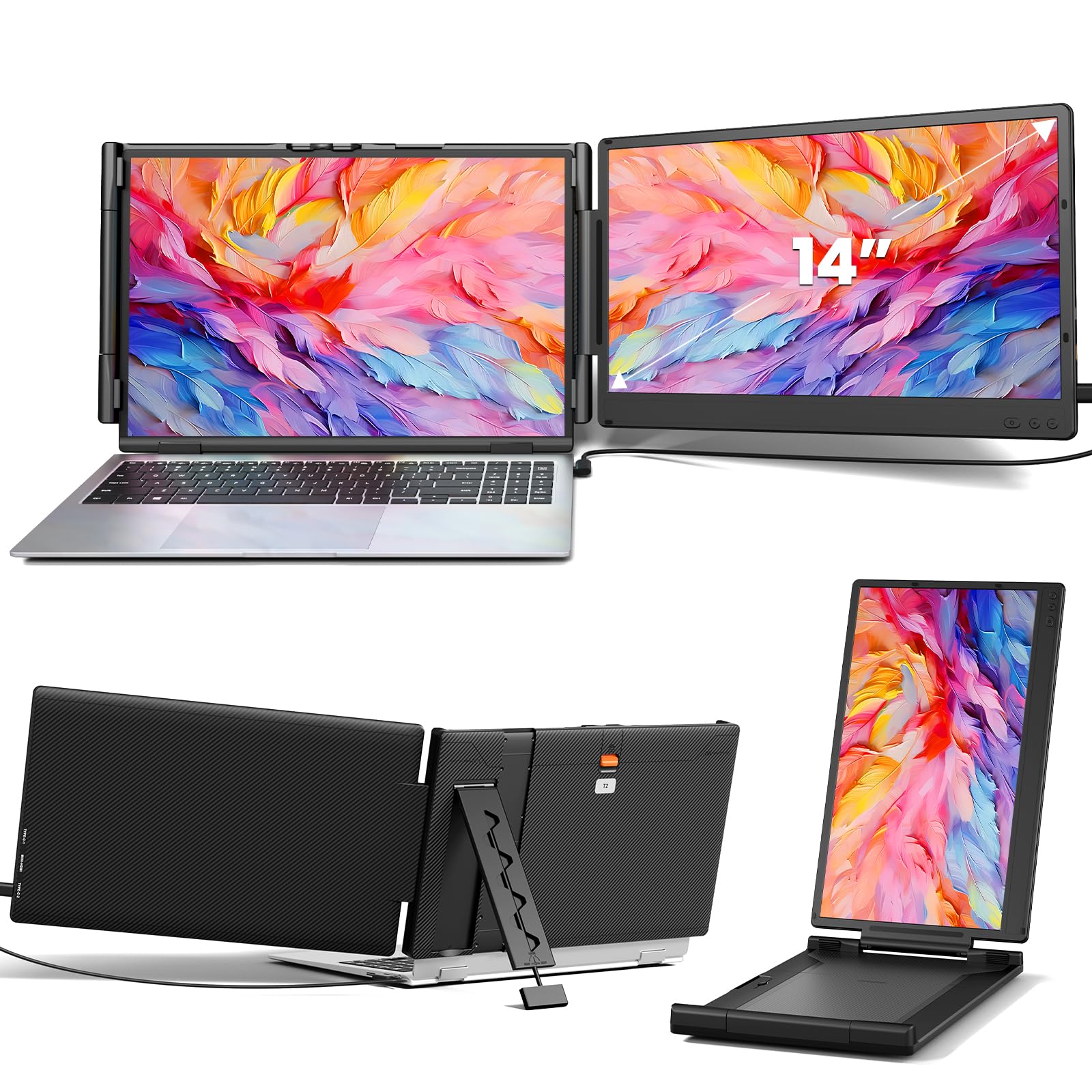 Laptop Screen Extender, 14" FHD 1080P Portable Dual Monitor for 13"–17" Laptops, Plug & Play External Monitor Extender with Auto-Adjust Width, Compatible with MacOS/Windows/ChromeOS/Dex Rank #1 | 🏆 Top Pick | — | |
 LG 27GS60QC-B Ultragear Curved Gaming Monitor 27-Inch QHD (2560x1440)180Hz 1ms 1000R AMD FreeSync HDR10 HDMIx2 DisplayPort Borderless Design Black Stabilizer DAS Crosshair FPS Counter -Black, Renewed Rank #2 | — | ||
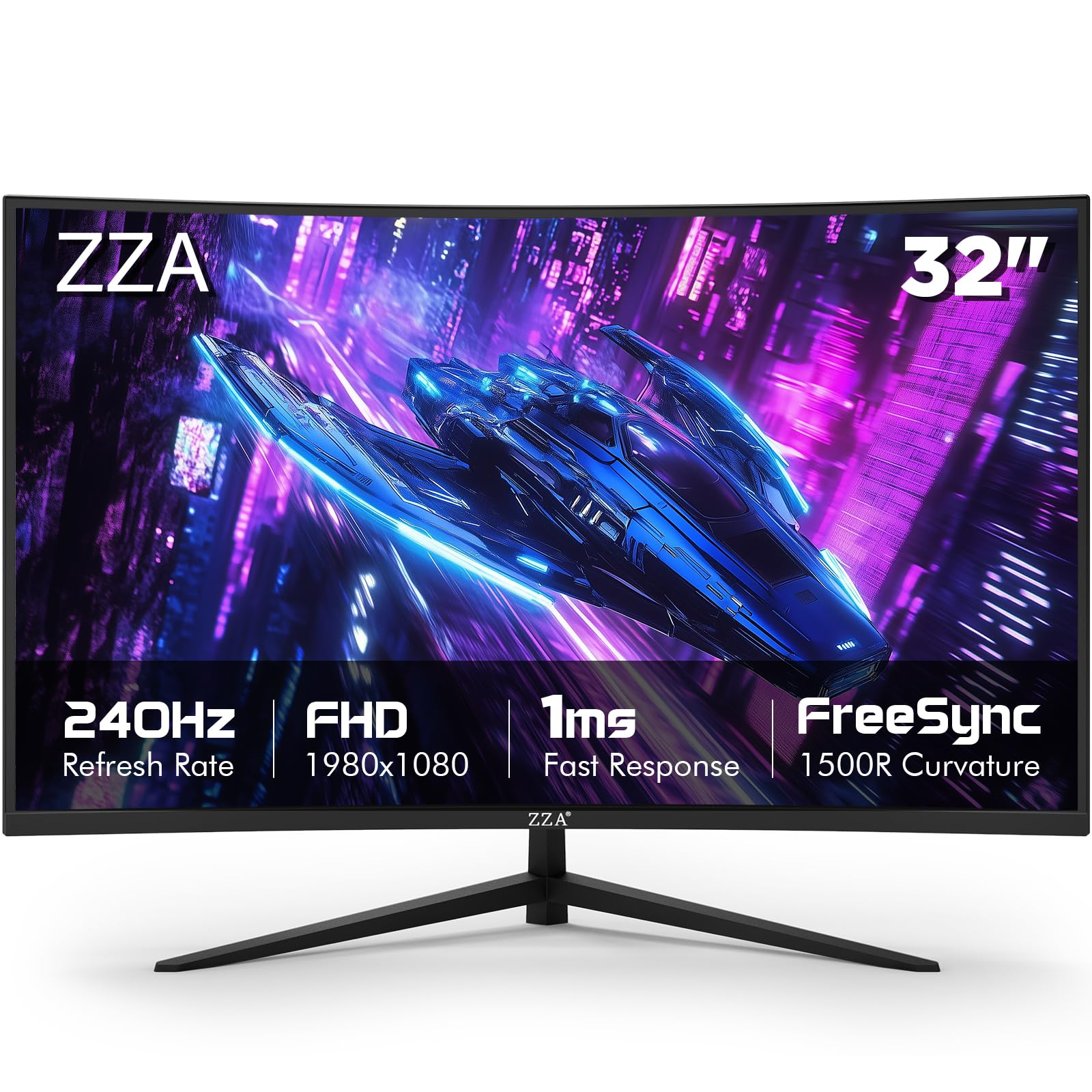 32 Inch Curved Gaming Monitor, 240Hz High Refresh Rate, FHD 1920x1080P, Curved 1500R, HDMI 2.0/DP1.4, 1ms MPRT, HDR, FreeSync,VESA Compatible, Tilt Adjustable 32" 1K 240Hz Rank #3 | — | — | |
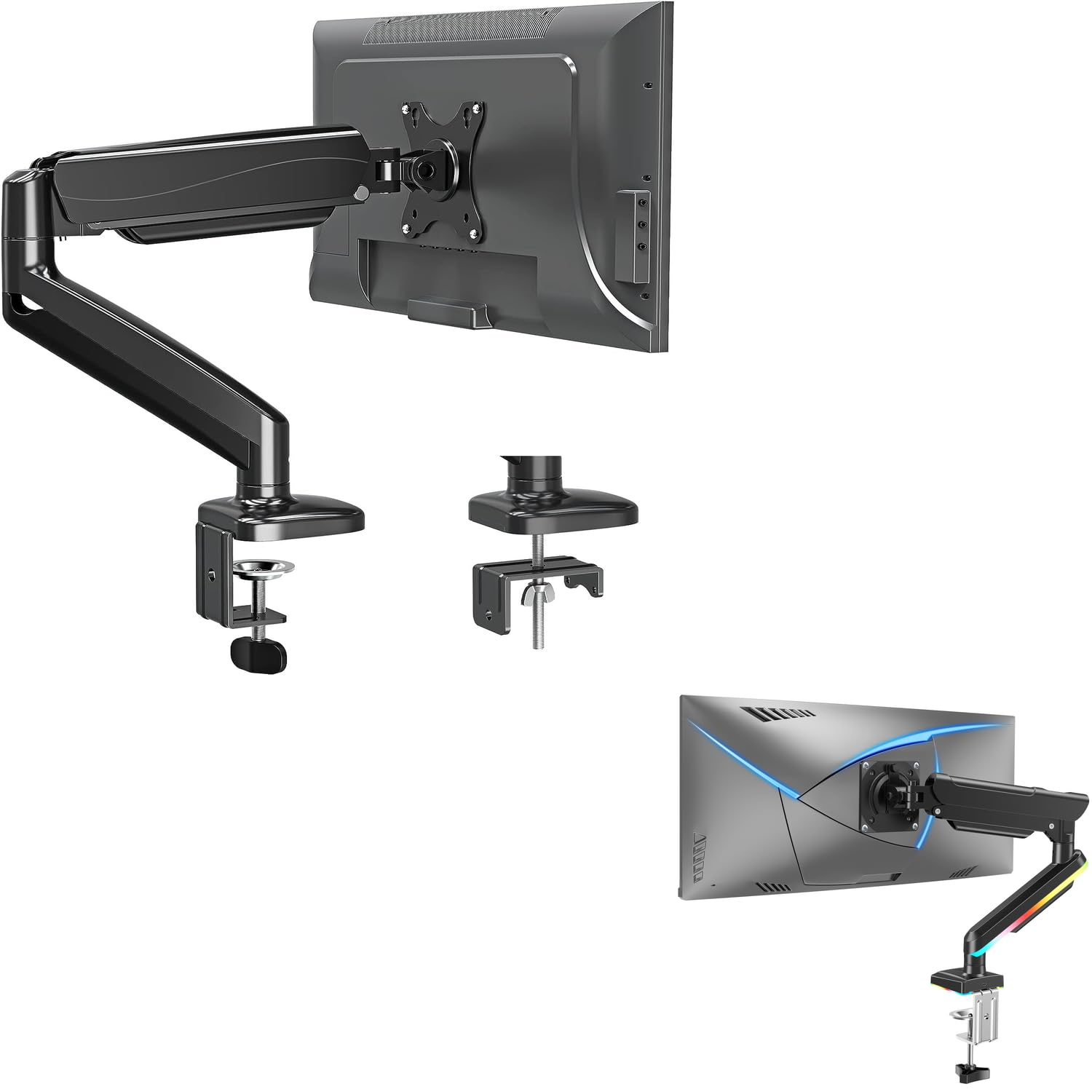 MOUNTUP RGB Single Monitor Arm Single Monitor Desk Mount Rank #4 | — | — | |
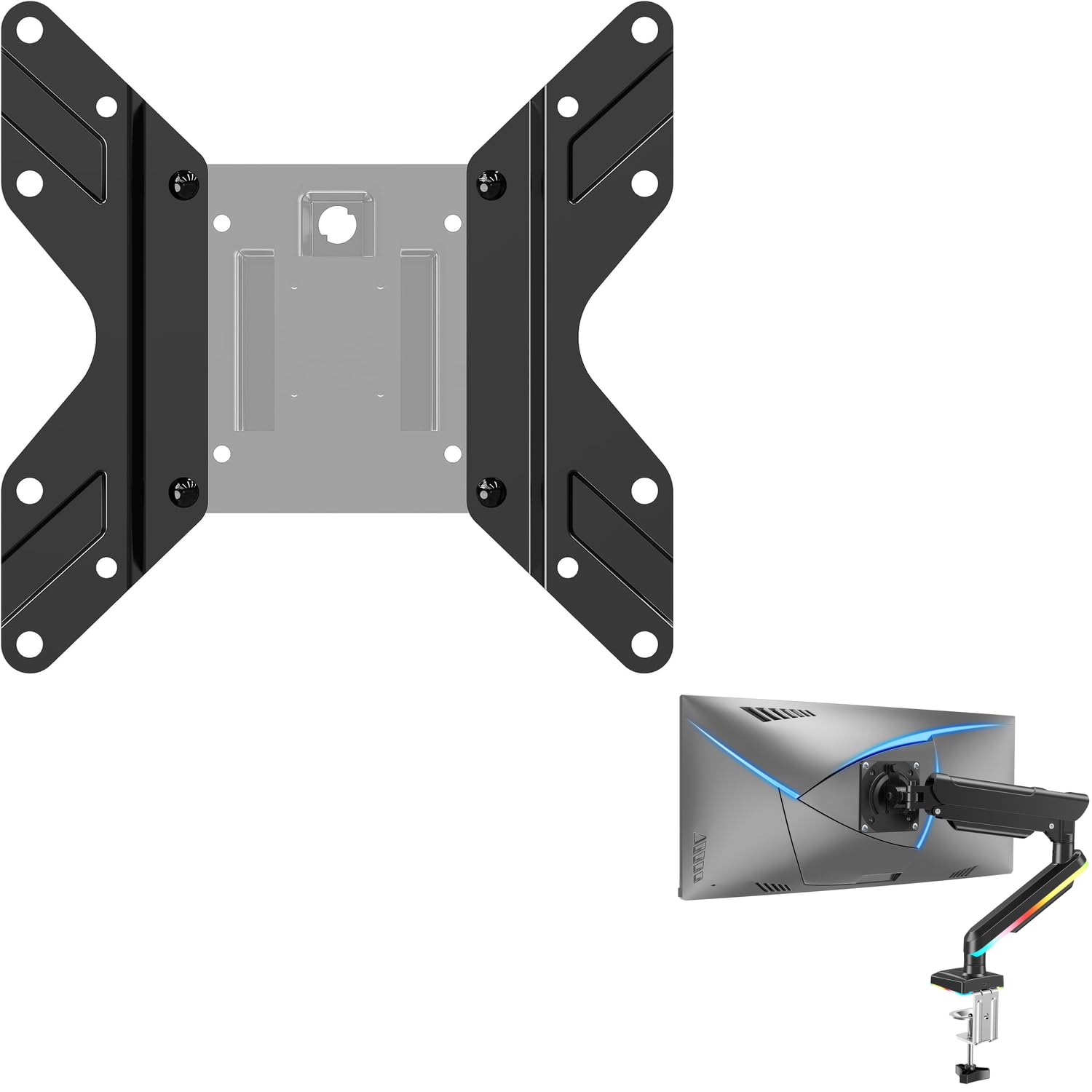 MOUNTUP RGB Single Monitor Arm VESA Mount Extender Rank #5 | 💰 Budget Pick | — |

