Get the App
Better experience on mobile
High-powered machines that balance frame rates, portability, and value for gamers at every level.
In 2026, gaming laptops finally match desktop GPUs like the RTX 5090 in mobile form, but sustained performance hinges on vapor chamber cooling—models without it drop frames after 30 minutes in demanding titles like Cyberpunk 2077 with ray tracing.
These rigs aren't just for esports; they're workhorses for streaming, content creation, and 4K editing too, where MUX switches and high-TDP chips make the difference between playable and buttery smooth. Choosing one means weighing refresh rates against battery life, since even top models rarely exceed 4 hours unplugged during light use.
We focused on verified specs from NVIDIA's DLSS 4 support to Intel's latest Core Ultra HX series, plus real-world reviews highlighting noise levels and upgradeability. This list covers budget 1080p warriors up to premium 4K beasts, ensuring options for casual players, competitive gamers, and hybrid creators.
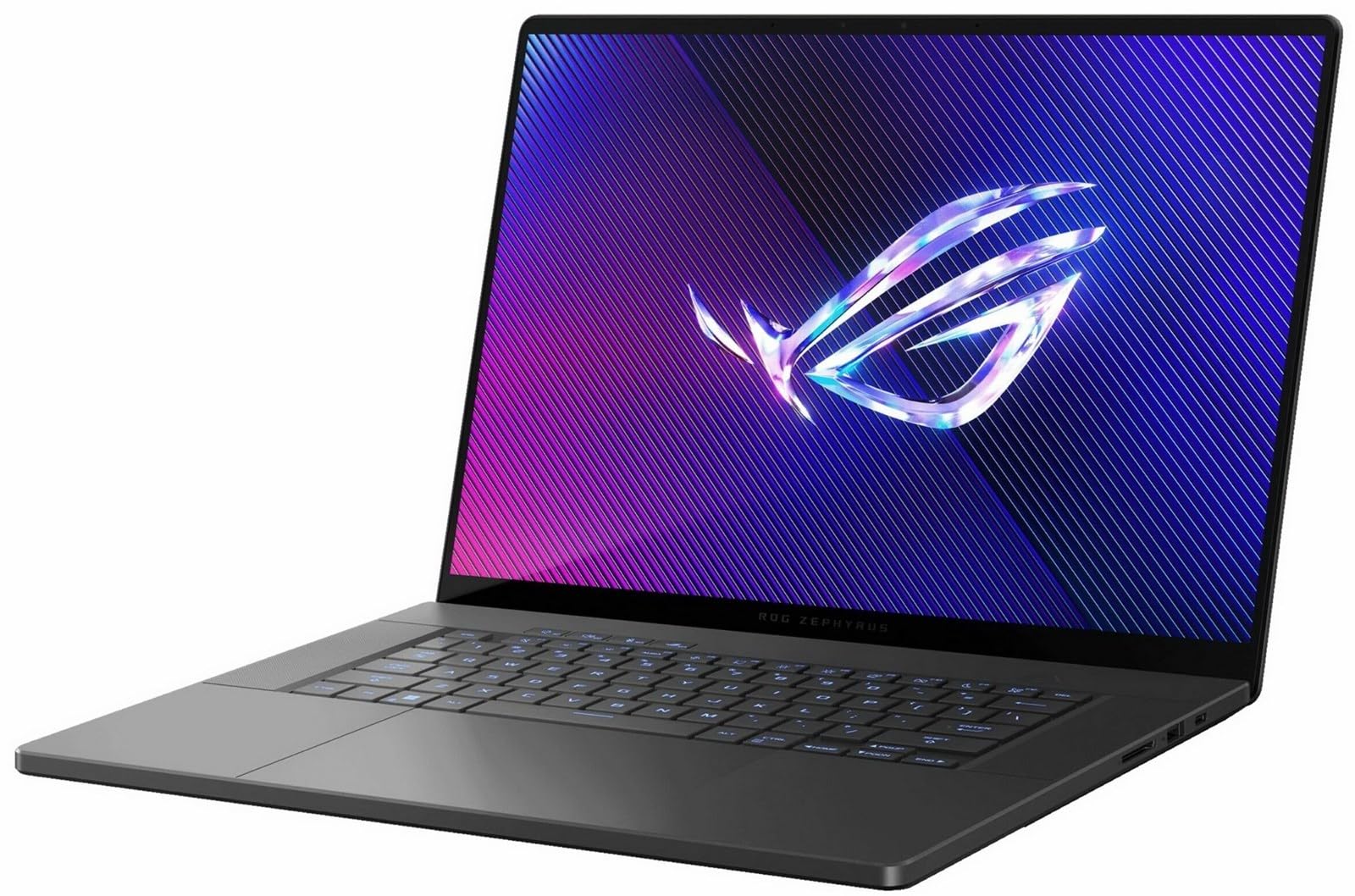
The Zephyrus G16 delivers desktop-class RTX 5090 performance in a slim chassis with a 240Hz OLED display for stunning visuals in any game. It excels in thermal management via liquid metal and Arc Flow fans, keeping boosts stable during long sessions. Battery life lags behind non-gaming laptops, though.
Main limitation: Its 90Wh battery only manages 3-4 hours for productivity tasks, limiting true all-day portability.
Skip if: Skip this if you need more than 5 hours of unplugged use for work or travel.
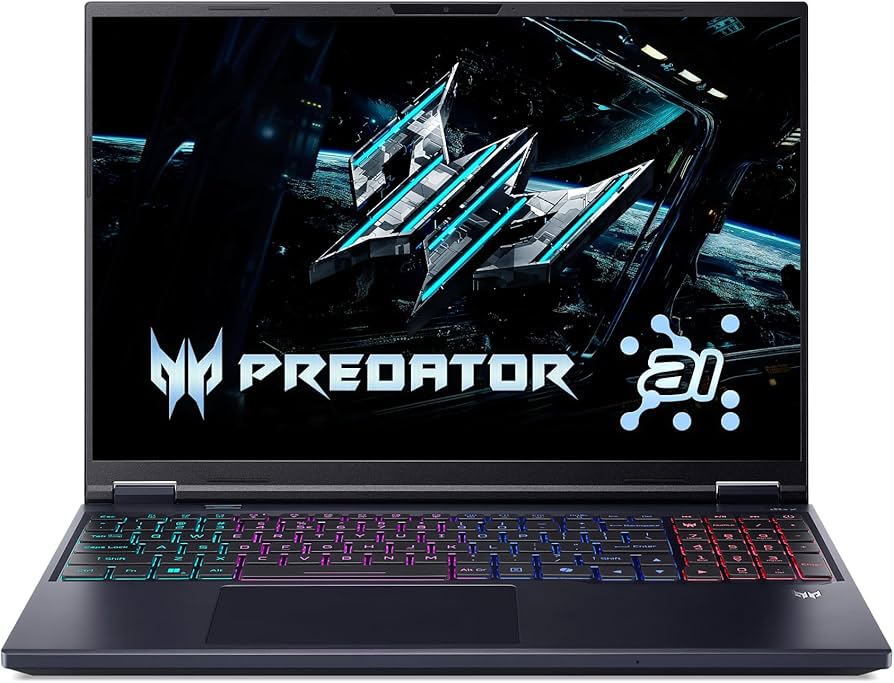
This Neo 16 punches above its weight with an RTX 5070 for 1440p gaming at 100+ FPS in most titles, paired with a 165Hz QHD screen. Upgradable RAM and storage make it future-proof on a dime. Build quality feels plasticky compared to premiums.
Main limitation: Fan noise spikes loudly under load, making it less ideal for quiet environments.
Skip if: Avoid if you game in shared spaces where noise is a concern.
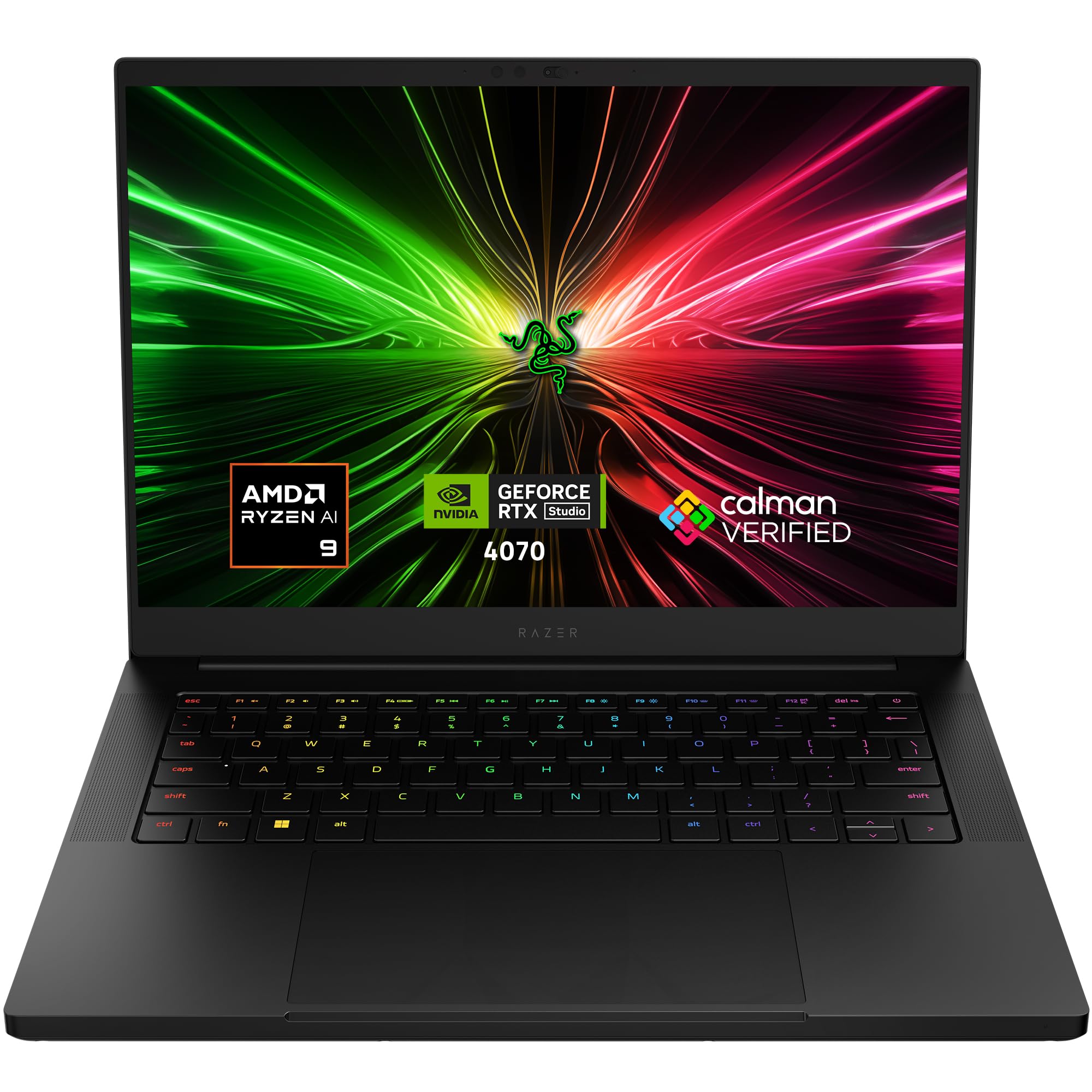
At under 4 pounds with an RTX 5080, the Blade 14 offers premium aluminum unibody and a 120Hz QHD+ display for gaming on the go. Efficient AMD Zen 5 CPU yields better battery than bulkier rivals. Keyboard lacks numpad depth for some.
Main limitation: Limited to 1TB SSD stock, requiring immediate upgrades for large game libraries.
Skip if: Pass if you store more than 2TB of games and media without wanting to tinker.
Packed with desktop RTX 5090 at 175W TGP and Core i9 HX, it crushes 4K ultra settings with DLSS 4. 17-inch 240Hz Mini-LED display shines for immersive play. It's heavy and power-hungry.
Main limitation: Weighs over 7 pounds, making it desk-bound for most users.
Skip if: Don't choose this if you ever carry your laptop outside a fixed setup.
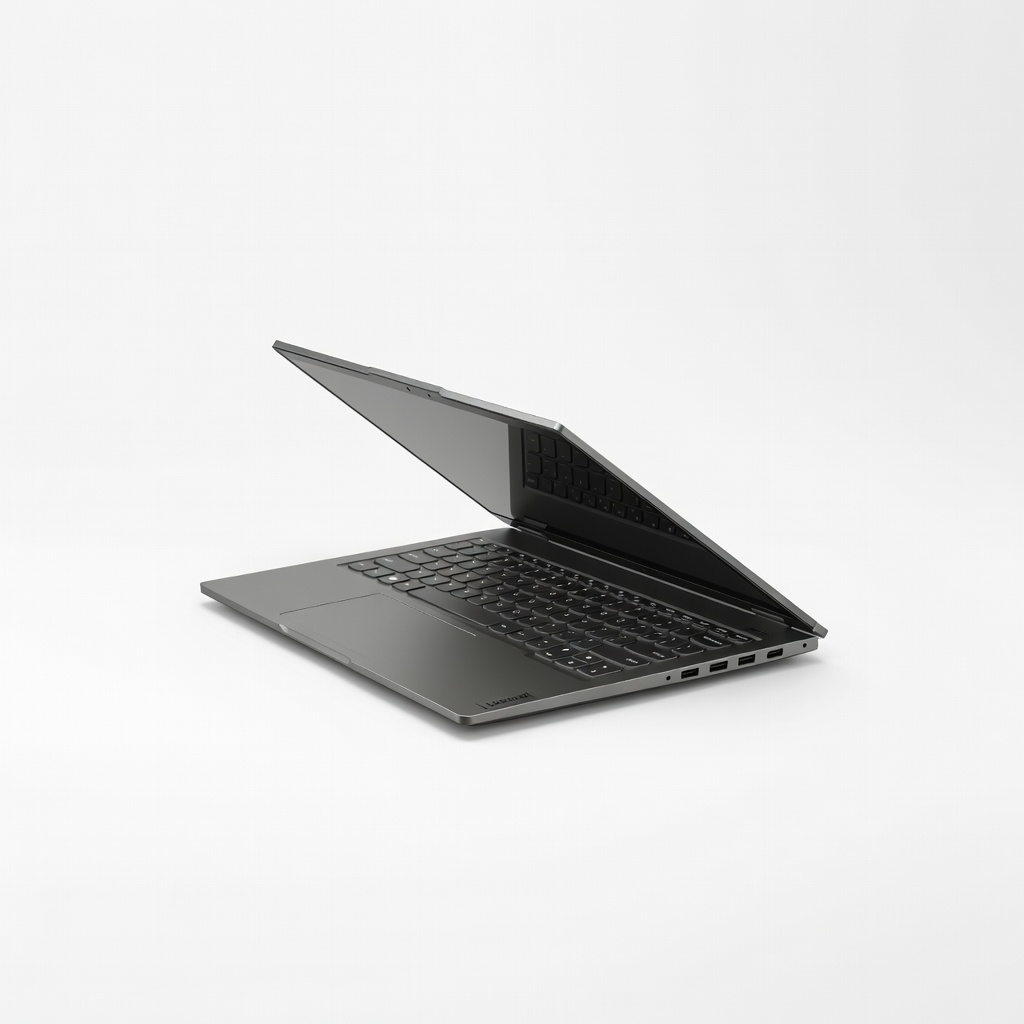
Under 5 pounds with RTX 5080 and a 240Hz 16-inch IPS panel, it balances power and carryability for daily commutes. Coldfront cooling keeps thermals in check quietly. Ports are rear-facing only.
Main limitation: No Thunderbolt 5 on base model slows external dock speeds.
Skip if: Skip if you rely on high-speed Thunderbolt peripherals.
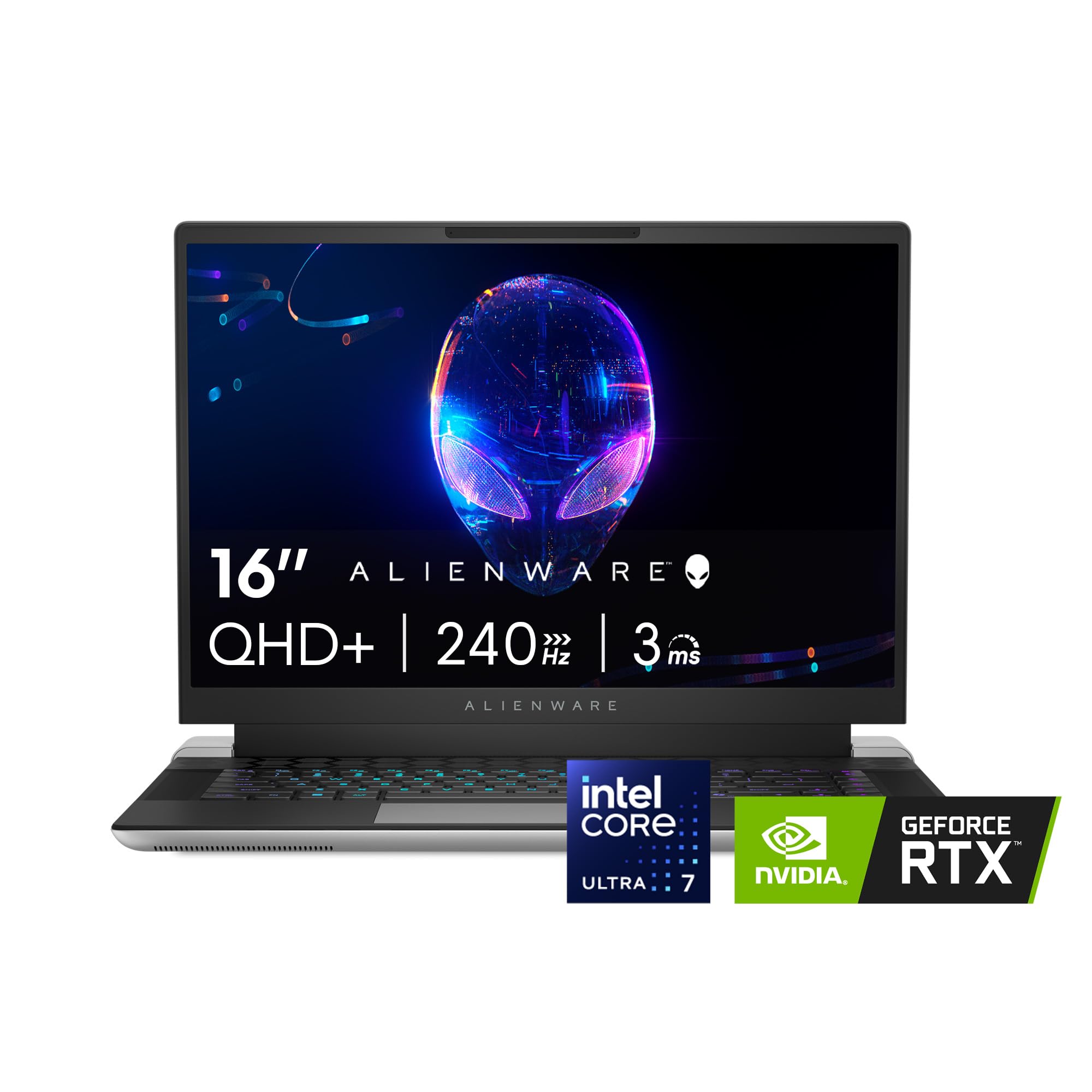
Cryo-tech cooling and RTX 5090 deliver whisper-quiet 4K gaming on a 240Hz QHD+ screen with Cherry MX keys. RGB customization is unmatched. Price premium doesn't justify for budget buyers.
Main limitation: Software bloat from Alienware Command Center requires cleanup for optimal performance.
Skip if: Avoid if you hate pre-installed apps and prefer clean Windows installs.
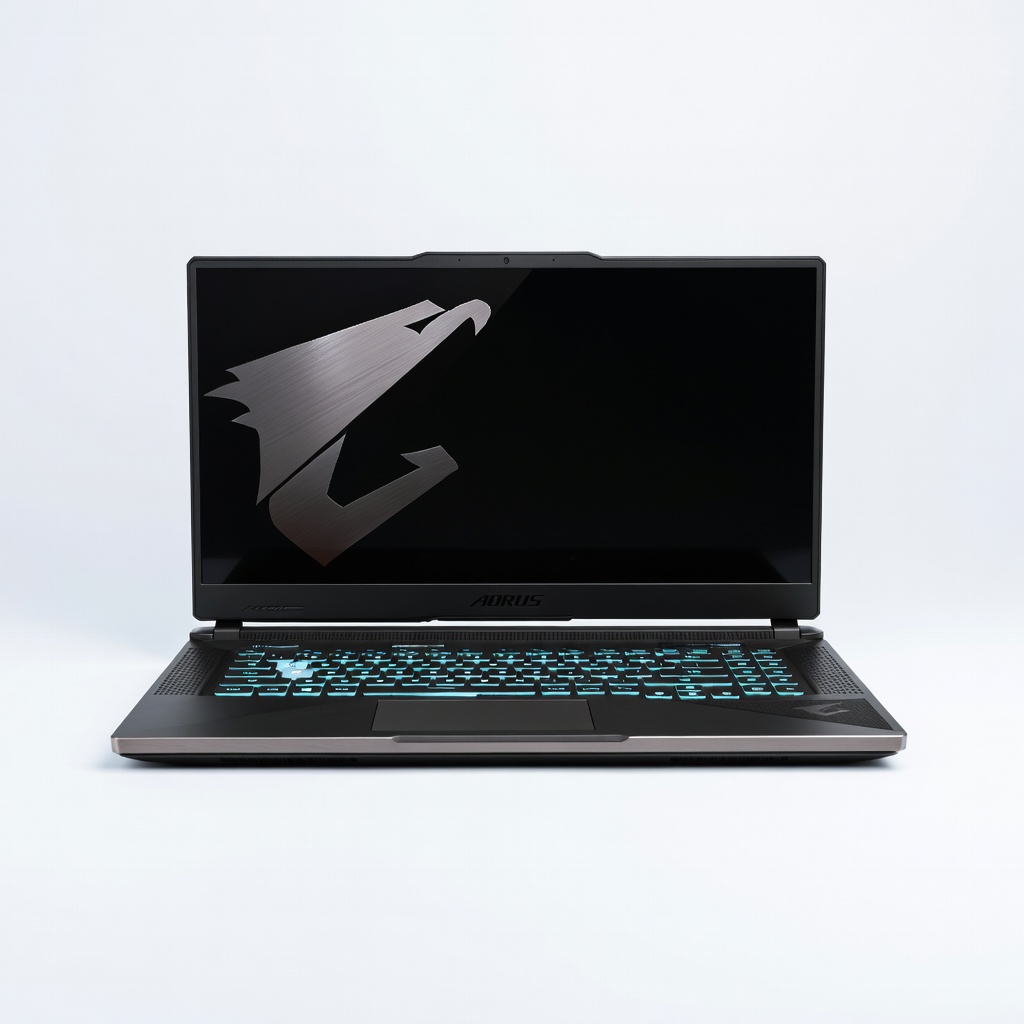
17-inch 360Hz QHD panel with RTX 5080 crushes competitive shooters like Valorant at max refresh. Easy GPU swapping via toolbox appeals to tinkerers. Battery drains fast on its big screen.
Main limitation: Only 4 hours of light use due to power draw from the oversized display.
Skip if: Pass if portability or battery life ranks above screen size.
RTX 5070 with 16-inch 120Hz OLED excels in Adobe Premiere renders alongside 1440p gaming. DreamColor calibration ensures accurate editing. Less raw FPS than pure gaming rivals.
Main limitation: GPU tops at 140W, trailing competitors in heaviest AAA titles.
Skip if: Don't pick this for ultra-settings 4K gaming marathons.
Compare key specs and features of all our recommendations side-by-side
| Product | Recommendation | Rating | Price |
|---|---|---|---|
ASUS ROG Zephyrus G16 (2026) Rank #1 | 🏆 Top Pick | 9.2/10 | $2,200–$2,600 Check current price → |
Acer Predator Helios Neo 16 (2026) Rank #2 | 💰 Budget Pick | 8.2/10 | $1,000–$1,300 Check current price → |
Razer Blade 14 (2026) Rank #3 | ⭐ Editor's Choice | 8.8/10 | $2,300–$2,800 Check current price → |
MSI Raider GE78 HX (2026) Rank #4 | — | 9.0/10 | $3,200–$3,800 Check current price → |
Lenovo Legion Slim 7i (2026) Rank #5 | — | 8.5/10 | $1,700–$2,100 Check current price → |
Alienware x16 R3 (2026) Rank #6 | — | 8.7/10 | $2,800–$3,400 Check current price → |
Gigabyte Aorus 17X (2026) Rank #7 | — | 8.3/10 | $2,100–$2,500 Check current price → |
HP Omen Transcend 16 (2026) Rank #8 | — | 8.4/10 | $1,900–$2,300 Check current price → |
Common questions buyers have about this category.
Modern vapor chamber and liquid metal designs in top models keep temps under 85°C during loads, according to PCMag thermal tests, but budget options still throttle GPUs after an hour. Undervolting via software like MSI Afterburner extends sessions without voiding warranties on most brands.
Premium RTX 5090 laptops with DLSS 4 hit 60+ FPS at 4K ultra in optimized titles, but expect external monitor use since built-in screens rarely exceed QHD. For native 4K laptops, pair with a dock to leverage full desktop power.
Expect 3-5 hours for web browsing or video, dropping to 1 hour gaming, as high-TDP components demand plugs—Hyundai's 99Wh packs help most. Disable RGB and RGB for 20% gains, but treat them as desktop proxies.
Yes, with 32GB+ RAM and multi-core HX CPUs, they crush Excel, Photoshop, and 4K video edits alongside games. MUX-enabled models switch to iGPU for 6+ hour office days, minimizing fan spin-up.
2026 RTX 50-series offers DLSS 4 and frame gen unavailable before, with prices dropping 20% post-launch per historical trends. If your current rig handles 1080p medium, wait for 60-series in late 2026.
Products we evaluated but did not recommend — and why.
