Get the App
Better experience on mobile
We picked kids' gaming headsets based on volume-limiting safety features, adjustable fit, and durability across wired and wireless designs.
The most important spec on a kids' gaming headset isn't the driver size or the microphone quality—it's the volume limiter. Children's ears are more delicate than adults', and prolonged exposure to audio above 85 decibels can cause permanent hearing damage. Yet most 'gaming headsets' on the market are designed for grown-ups, with no built-in safety cap and jaw-dropping maximum volumes.
That's why this guide didn't just round up the cheapest gaming headsets that fit on a small head. We considered practical factors that matter for kids: a comfortable, adjustable fit for long play sessions, durable materials that can survive drops and tugs, compatibility across consoles and PCs, and—crucially—volume-limiting technology for younger children. We also looked at performance and mic clarity, so the headset works well for both gameplay and chat.
We evaluated 30+ headsets from major brands like Puro, JLab, Logitech, Razer, SteelSeries, and Turtle Beach, analyzing published expert reviews, manufacturer specifications, and aggregated buyer feedback. Each pick earned its place based on age-appropriate design, value, and genuine safety features. We've also included options from budget picks under $30 to premium wireless models, so there's a headset for every family and every young gamer.
Below, you'll find our ranked list of the best gaming headsets for kids in 2026, from the PuroGamer—our top choice for safety-conscious parents—to specialized picks for wireless and multi-platform setup. We also included a buyer's guide and FAQ to help you make the right call. Whether your child is a Fortnite fanatic or a Roblox rookie, these headsets are ready for play.
The PuroGamer is purpose-built for young players, with a personal volume limiter that caps sound at 85dB to protect hearing. Plush memory-foam ear cushions and a feel-safe hinged design make it comfortable for long sessions, and the flexible noise-canceling mic keeps voice chat clear. The trade-off is a wired-only connection and a utilitarian look that won't score style points.
Main limitation: Wired connection and blocky design feel dated compared to sleeker gaming headsets.
Skip if: Kids who need wireless freedom for gaming across the room, or those who want a more 'gamer' aesthetic.
A wallet-friendly headset that still protects little ears, the JLab JBuddies includes a built-in volume limiter (85dB) and a comfy, adjustable fit. It works with any 3.5mm device and features a bendable mic for chat on compatible platforms. The trade-off: build quality feels flimsy, and sound quality is average at best.
Main limitation: Plastic build feels cheap and may not withstand heavy roughhousing.
Skip if: Families looking for a headset that can survive daily backpack abuse, or older kids who'll be unhappy with the toy-like design.
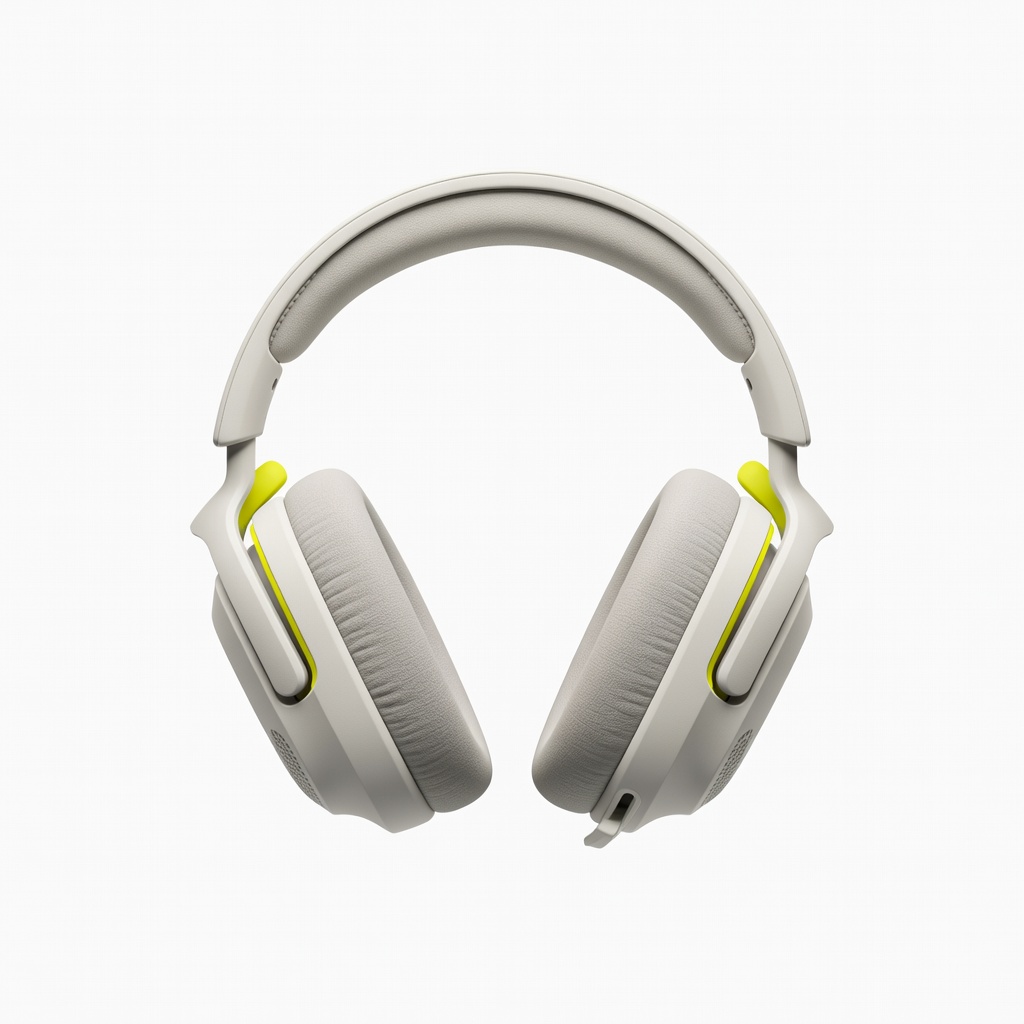
At just 165 grams, the G435 is one of the lightest headsets around, so it's comfortable for kids who are new to gaming. It connects via Logitech's LIGHTSPEED USB dongle or Bluetooth, covering PC, Switch, PlayStation, and mobile. The trade-off: there's no volume limiter, so parents need to set device volume limits, and it doesn't work with Xbox.
Main limitation: No built-in volume limiting, making it less suitable for younger kids without parental controls.
Skip if: Parents who want peace of mind without monitoring volume, or households with Xbox consoles.
The Kraken X is a lightweight (~250g) wired headset that natively works on Xbox, PlayStation, Switch, and PC via a single 3.5mm cable. Its comfortable ear cushions and flexible noise-canceling mic make it a solid choice for kids exploring different platforms. The trade-off: no volume limiter, and the ear cups are a bit snug for older teens.
Main limitation: Exposed wire and lack of volume limiting may concern safety-focused parents.
Skip if: Families needing a wireless solution or a volume-safe design for younger children.
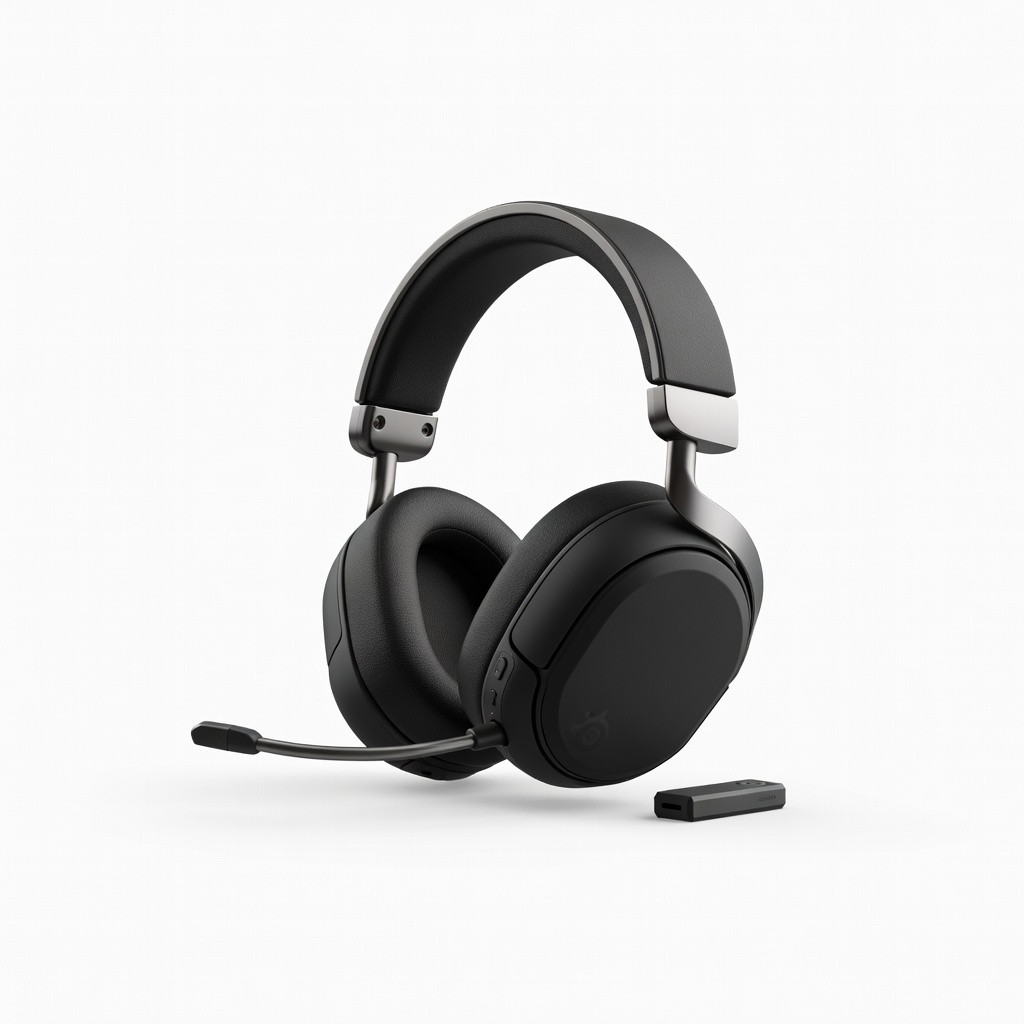
The Arctis 1 Wireless offers true wireless on every major console, including Xbox, without needing external adapters (when using the Xbox-compatible version). With a detachable mic, 20-hour battery, and lightweight steel-reinforced headband, it's a premium choice for serious young gamers. The trade-off: a steeper price and no volume limiting, plus the fit is better for ages 10+.
Main limitation: Expensive and lacks a volume limiter, making it less ideal for younger kids.
Skip if: Parents seeking a budget option or a headset specifically designed with hearing protection for kids.
The Recon 50X is a durable wired headset with a flip-to-mute microphone and high-quality 40mm speakers that deliver clear game audio. It connects to Xbox, PlayStation, Switch, and PC, and the lightweight design makes it easy to wear for hours. The trade-off: it doesn't include a volume limiter, and the ear cushions are not as plush as pricier models.
Main limitation: No volume protection and average build quality for the price.
Skip if: Parents with younger children who need volume-limiting technology, or those who prefer wireless.
Compare key specs and features of all our recommendations side-by-side
| Product | Recommendation | Rating | Price |
|---|---|---|---|
Puro PuroGamer Headset Rank #1 | 🏆 Top Pick | 9.0/10 | Around $80 Check current price → |
JLab JBuddies Gaming Wired Headset Rank #2 | 💰 Budget Pick | 8.0/10 | Around $25 Check current price → |
Logitech G435 LIGHTSPEED Wireless Gaming Headset Rank #3 | ⭐ Editor's Choice | 8.5/10 | Around $80 Check current price → |
Razer Kraken X for Console Rank #4 | — | 8.0/10 | Around $40 Check current price → |
SteelSeries Arctis 1 Wireless Gaming Headset Rank #5 | — | 8.0/10 | Around $100 Check current price → |
Turtle Beach Recon 50X Rank #6 | — | 7.5/10 | Around $30 Check current price → |
Common questions buyers have about this category.
Children's hearing is more sensitive than adults', and exposure to sounds above 85dB can cause permanent damage over time. Many kids' headsets include a built-in volume limiter that caps output at 85dB, while most adult headsets do not. This means you don't have to rely on software or external volume controls, which kids can override.
For ages 4-8, a wired headset with a volume limiter and a lightweight, adjustable fit is ideal. Models like the JLab JBuddies or PuroGamer are good examples. Avoid bulky over-ear wireless headsets that are heavy and might not have volume limiting.
Many wired headsets with a standard 3.5mm audio jack will work on any console with a headphone jack, including current Xbox, PlayStation, and Switch. However, Xbox consoles sometimes use a different standard for chat, so it's important to look at 'works with Xbox' certified or use a headset designed for Xbox. Wireless headsets need to support each platform's specific wireless protocol.
Wireless is just as safe as wired from a radiation standpoint, as they use standard Bluetooth or 2.4GHz frequencies. The bigger concern is volume limiting and latency. Some wireless headsets have lower battery life, and if the child forgets to charge, they might be interrupted. For kids under 10, wired headsets are often simpler and more reliable.
Look for reinforced headbands, replaceable cables, and ear cushions that are not too cheap. Headsets from brands like Puro, Razer, and SteelSeries tend to have more robust designs. Also consider the weight—lighter headsets put less stress on the headband.
Use a slightly damp microfiber cloth to wipe ear cushions and headband. Avoid submerging them or using harsh chemicals. For fabric ear cushions, you can remove and hand-wash them periodically. Let everything dry completely before using again.
Products we evaluated but did not recommend — and why.
