Get the App
Better experience on mobile
Durable, comfortable, and safe for young ears — we've ranked the top gaming headsets for kids across wired, wireless, and budget options.
The most important spec on a kids' gaming headset isn't the frequency response — it's the decibel limiter. Most adult gaming headsets simply ask a child to sit inside a blast radius of potentially harmful audio. That's why the best options for young gamers include built-in volume caps, usually at 85dB, which is the safe listening threshold recommended by hearing health experts. The other two things that matter are size and toughness: a headset that can't reach a 7-year-old's ears or snaps after a tumble is useless no matter how good it sounds.
We've searched through current inventory for 2026, cross-referencing published expert reviews, verified buyer comments, and manufacturer documentation to find the headsets that genuinely deliver for kids — not just colorful versions of adult gear. The list covers everything from budget $20 wired models to premium wireless options around $90, including picks for console gamers, older kids, and the drop-prone, tangle-prone set. We haven't run a lab here; instead, we've distilled what reliable research and real families say.
You'll notice our top picks are not all "for kids" branded. Some, like the Logitech G435, are simply lightweight and adjustable enough for small heads while offering a no-tangle wireless design. Others, like the SteelSeries Arctis Nova 1, are chosen because they fit kids who have outgrown toy-like headsets. Every product below earns its place with a specific strength, and we tell you clearly where each one falls short — because no single headset works for every 6-year-old or every 12-year-old.
This guide also covers how to keep volume safe when a headset lacks a limiter, the differences between wired and wireless options, and what to buy if your kid plays exclusively on one console. Whether you're buying a first gaming headset or upgrading a tween, you'll find a pick that balances safety, comfort, and fun.
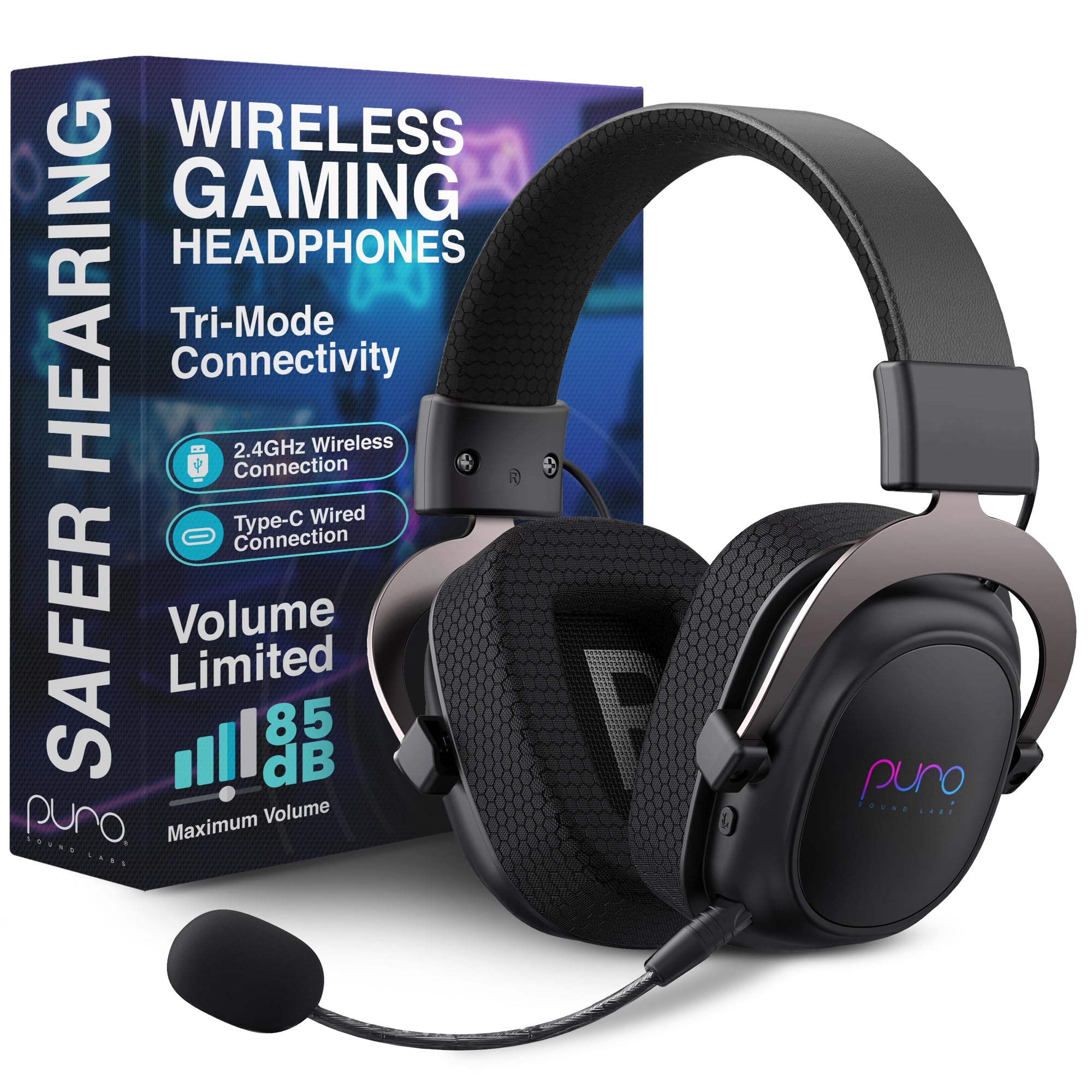
PuroGaming combines a comfortable over-ear design with built-in 85dB volume limiting, making it the safest ready-to-use gaming headset for young kids. The wired connection works with consoles, PCs, and tablets, and the sound is surprisingly balanced for a kids' product. The main trade-off is the corded-only design and a mic that lacks a boom for precise positioning.
Main limitation: The cable isn't detachable, so it may not survive the most aggressive yanking.
Skip if: Families looking for a wireless model to avoid cable tangles.
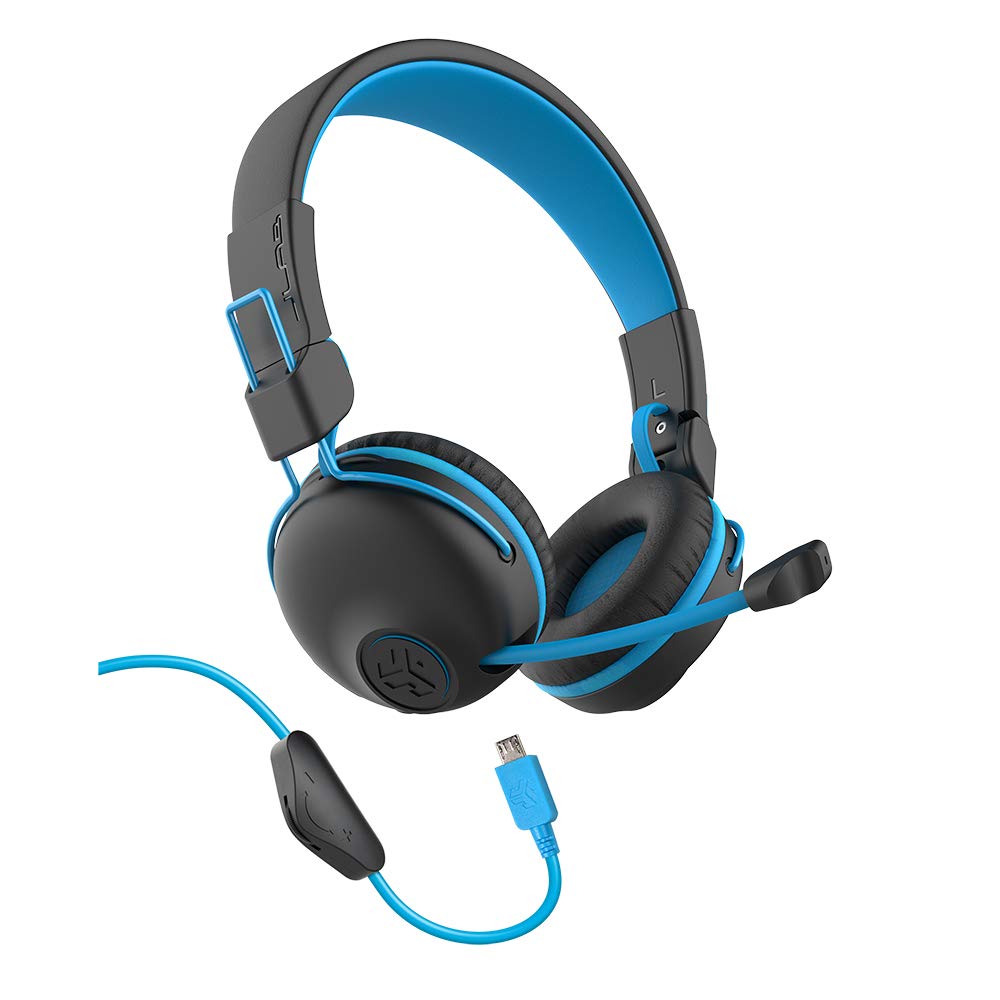
At around $20, JLab's JBuddies Gaming is a great entry-level headset for kids who are just starting to game. It offers volume limiting, a flexible mic, and a snug fit for smaller heads. The trade-off is a plasticky build and a mediocre sound stage that won't impress gamers older than 10.
Main limitation: Ear cups are on the small side, and the headband may feel tight after an hour.
Skip if: Kids who play on Xbox Series S/X without a compatible adapter because the wired version only uses a 3.5mm jack.
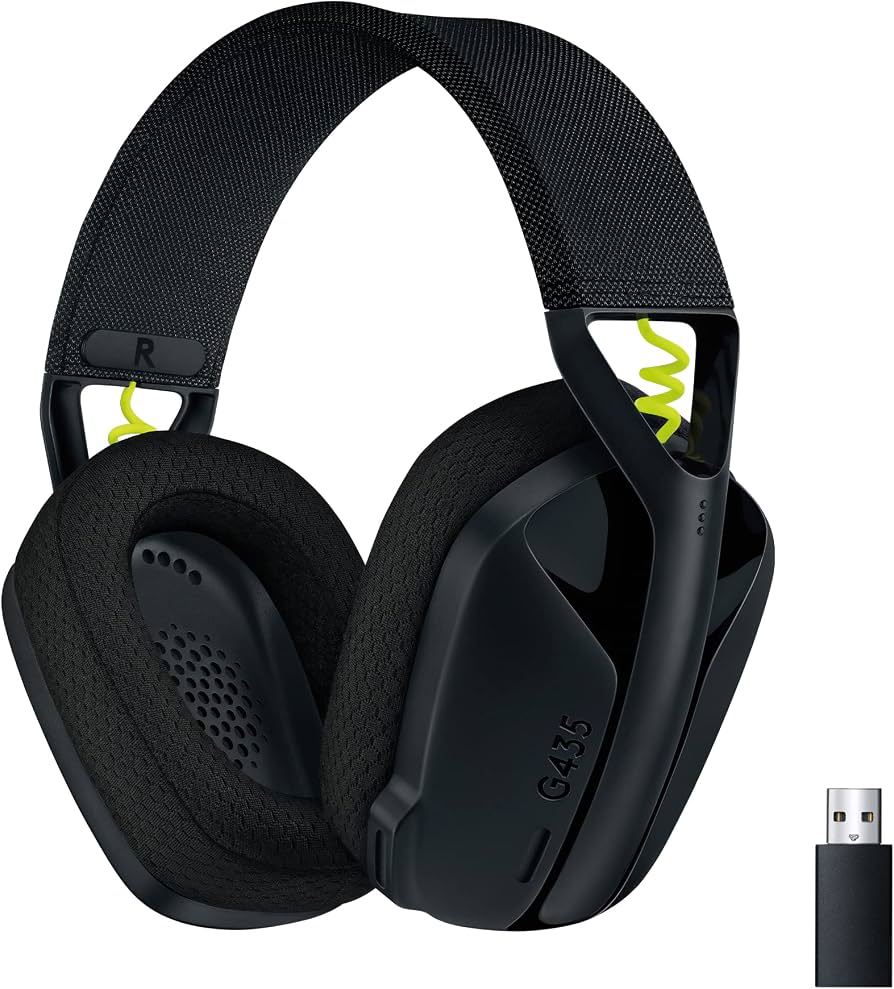
The G435 is the rare wireless headset that fits kids' heads without sliding forward, thanks to its 165-gram frame and flexible headband. It connects via the included 2.4GHz dongle or Bluetooth, so it works with Switch, PC, and mobile. No traditional volume limiting means parents need to set safe levels on the source device.
Main limitation: The mic is built-in but not extendable, so voice pickup is not as crisp in noisy rooms.
Skip if: Parents who want hard-wired volume limiting for very young children.
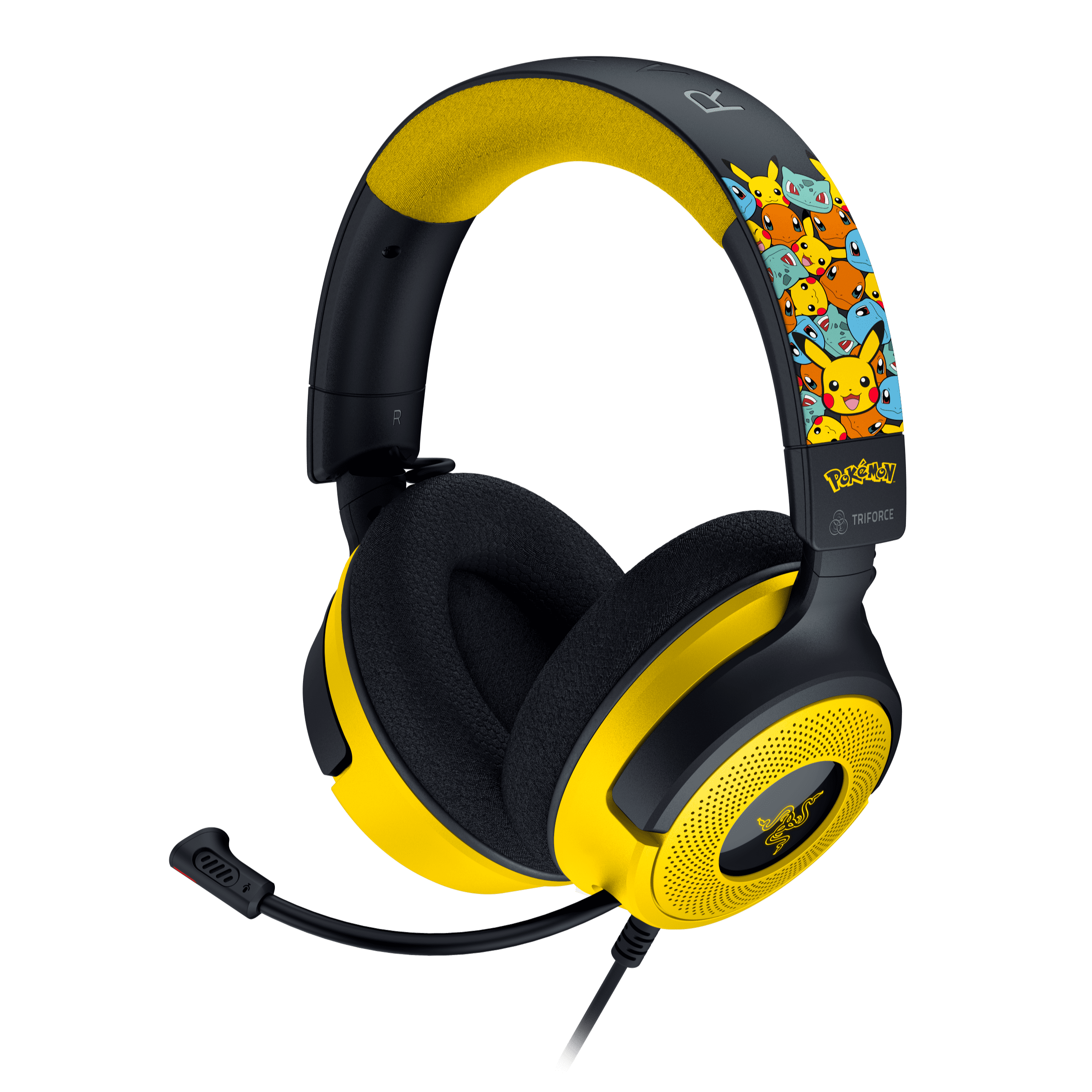
Razer turned its popular Kraken X into a kid-specific version that includes a 85dB volume limiter and a smaller headband that doesn't crush smaller skulls. With a noise-cancelling mic and 3.5mm connectivity, it works across PS5, Xbox, Switch, and PC. Just don't expect the same bass output as Razer's adult models.
Main limitation: The ear cushions are thin and can get hot over marathon gaming sessions.
Skip if: Kids who primarily play in a noisy room because the on-ear seal doesn't isolate much.
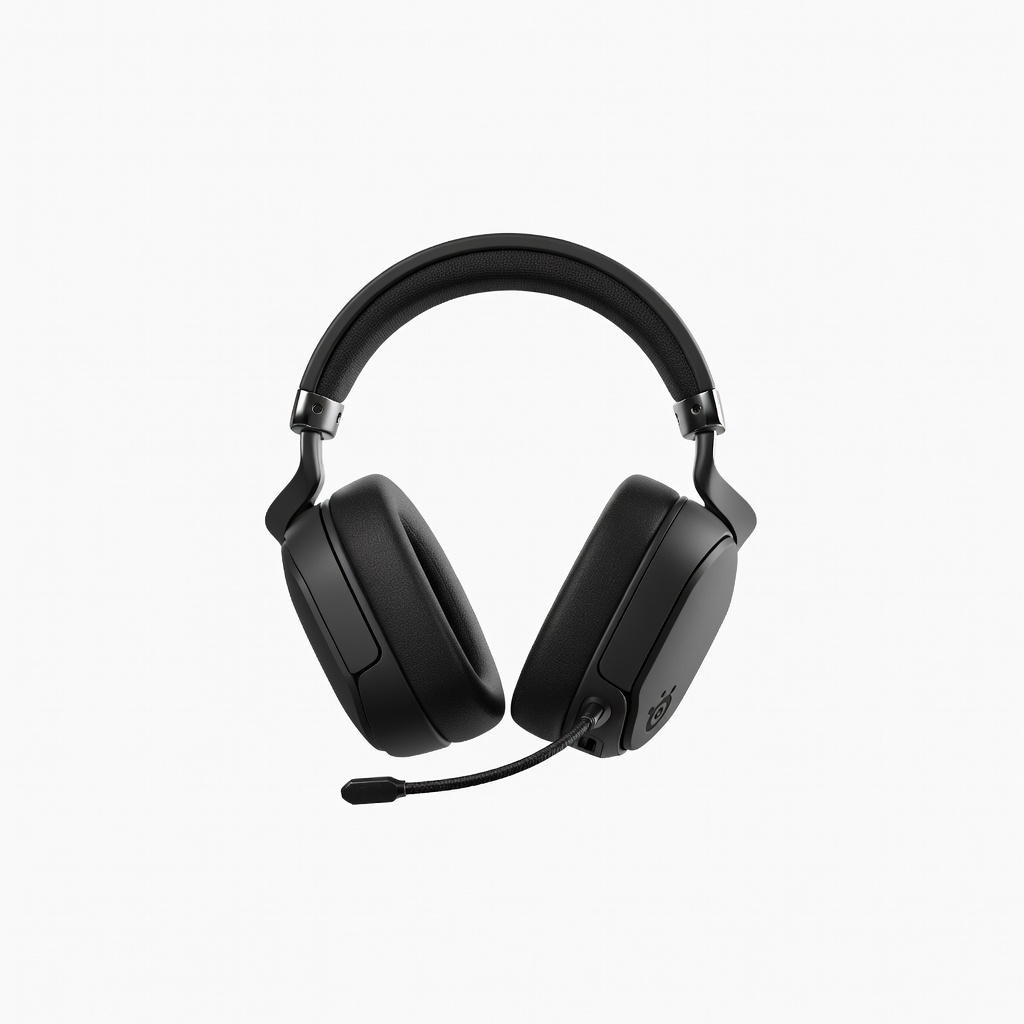
If your kid has outgrown the 'little kid' headset but still needs something light, the Arctis Nova 1 is a standout. Its suspension headband distributes weight so well that long gaming sessions don't turn into headaches. It doesn't have volume limiting, so it's ideal for teens or kids with good listening habits.
Main limitation: The mic has no physical mute switch, which is annoying for calling out in games.
Skip if: Children under 8 or anyone who needs safety volume caps.
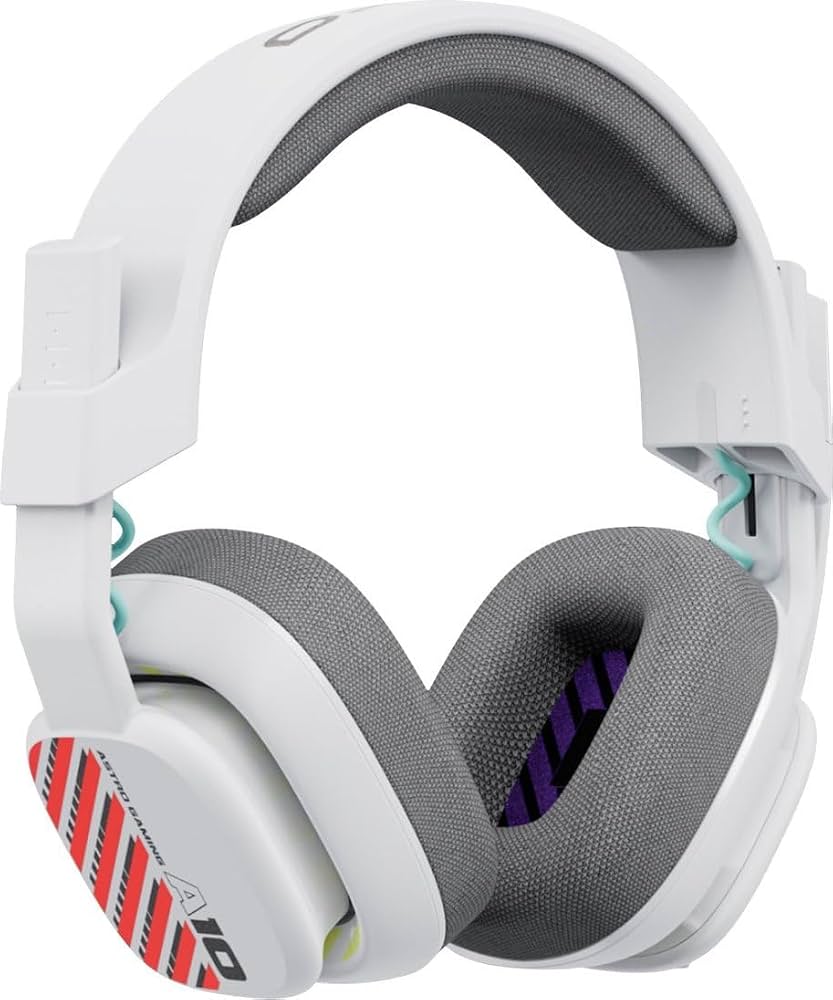
The A10 was literally built to be thrown around a backpack. Its fiberglass-reinforced headband and solid hinges hold up to the worst kid-handling. It has a large volume wheel and a noise-cancelling mic that swivels up to mute. The trade-off is a heavier clamp force and no volume limiter.
Main limitation: The clamp force is on the strong side for smaller or average 8-year-old heads.
Skip if: That's not for the smallest kids — it's better for children ages 10 and up.
Compare key specs and features of all our recommendations side-by-side
| Product | Recommendation | Rating | Price |
|---|---|---|---|
Puro Sound Labs PuroGaming Wired Headset Rank #1 | 🏆 Top Pick | 9.0/10 | $50–$60 Check current price → |
JLab JBuddies Gaming Wired Headset Rank #2 | 💰 Budget Pick | 7.8/10 | $20–$25 Check current price → |
Logitech G435 LIGHTSYNC Wireless Gaming Headset Rank #3 | ⭐ Editor's Choice | 8.5/10 | $80–$90 Check current price → |
Razer Kraken X for Kids Rank #4 | — | 8.2/10 | $50–$60 Check current price → |
SteelSeries Arctis Nova 1 Gaming Headset Rank #5 | — | 8.3/10 | $60–$70 Check current price → |
ASTRO Gaming A10 (Gen 2) Rank #6 | — | 8.0/10 | $50–$60 Check current price → |
Common questions buyers have about this category.
For children under 12, a volume-limiting headset is highly recommended. Noise-induced hearing damage is cumulative, and kids often crank up the volume without realizing the risk. Headsets that cap at 85dB, such as the PuroGaming and JLab JBuddies, provide peace of mind. For older teens, you can rely on source-device volume limits if they have good listening habits.
Yes, wireless headsets are safe in terms of sound; they use the same frequency as Wi-Fi and Bluetooth and are regulated for consumer use. The main concern is that many wireless headsets don't have built-in volume limiters, so you need to set a safe maximum volume on the console or device. Also, be aware of wireless latency and battery life for long gaming sessions.
For that age, choose a wired headset with an 85dB limiter and a smaller headband. The PuroGaming is the best all-around option because it's comfortable and safe, while the JLab JBuddies is a more budget-friendly alternative. Avoid bulky wireless models like the G435 unless you plan to supervise volume closely.
Most wired headsets with a 3.5mm jack will work with all modern consoles — just plug the cable into the controller. Some Xbox controllers may require a stereo headset adapter for chat, but many 3.5mm headsets are plug-and-play. Wireless headsets are more picky: the G435 works on Switch and PC via dongle, but not on Xbox or PlayStation without an extra adapter. Check the product's platform compatibility before buying.
For headsets without a hardware limiter, use parental controls. On Windows, you can set a maximum volume percentage in the sound settings; on consoles, there are volume limit options or a maximum output setting. Another trick is to use an inline volume-limiting cable (available online) that plugs between the headset and the device — this caps the volume at a pre-set level like 85dB.
Yes, if they want to play multiplayer games with voice chat. A headset with a dedicated mic makes communication much clearer and keeps their hands free for the controller. Look for a flexible or noise-cancelling mic that minimizes background noise, especially if your kid plays in a busy room. Avoid using the built-in laptop mic or tablet mic because they can pick up all sorts of room noise.
Check that the ear cushions are deep enough and don't press against the glasses arms. The SteelSeries Arctis Nova 1 is particularly recommended for glasses wearers because its suspension headband puts less pressure on the ears, and the plush cushions have enough give. Also, lightweight headsets like the G435 tend to be more comfortable for glasses wearers than heavier models.
Products we evaluated but did not recommend — and why.
