Get the App
Better experience on mobile
A practical guide for parents balancing hearing safety, durable design, and price — from budget wired options to wireless picks.
The biggest mistake parents make when buying a gaming headset for a child is assuming the adult-model size will work. Overly large ear cups, heavy screw-adjust sliders, and boom mics that droop away from small mouths make most adult headsets awkward for kids under 12. But there are a handful of 2026 models that have been redesigned — or simply happen to work well — for younger heads: lighter frames, flexible suspension bands, and in some cases built-in volume caps that protect developing ears.
Volume safety is the issue that gets the least attention. Most gaming headsets can output over 100dB at maximum volume, which can cause permanent hearing damage in a matter of minutes. That's why headsets with a fixed 85dB limit (like Puro's) stand out for younger kids. The trade-off is that these are typically wired-only and not the most exciting-sounding, so older kids might find them too tame.
Fit and comfort are the next big checkpoint. A headset that presses too hard against the temples or slides down during a Fortnite session will end up in a drawer. We looked for headsets with lighter clamping force, plush memory foam ear pads, and headbands that adjust without needing adult hand strength. Weight matters: every 50 grams feels heavier on a child's head.
Finally, compatibility and durability decide whether the headset will actually get used. Most children play on a mix of consoles, tablets, and school Chromebooks, so a wired 3.5mm jack is still the most universal option. Wireless is fantastic for freedom, but it introduces battery management and connectivity quirks. Below, we've ranked six headsets — from $25 budget options to premium wireless picks — across all these criteria, with a clear best for every kind of kid.
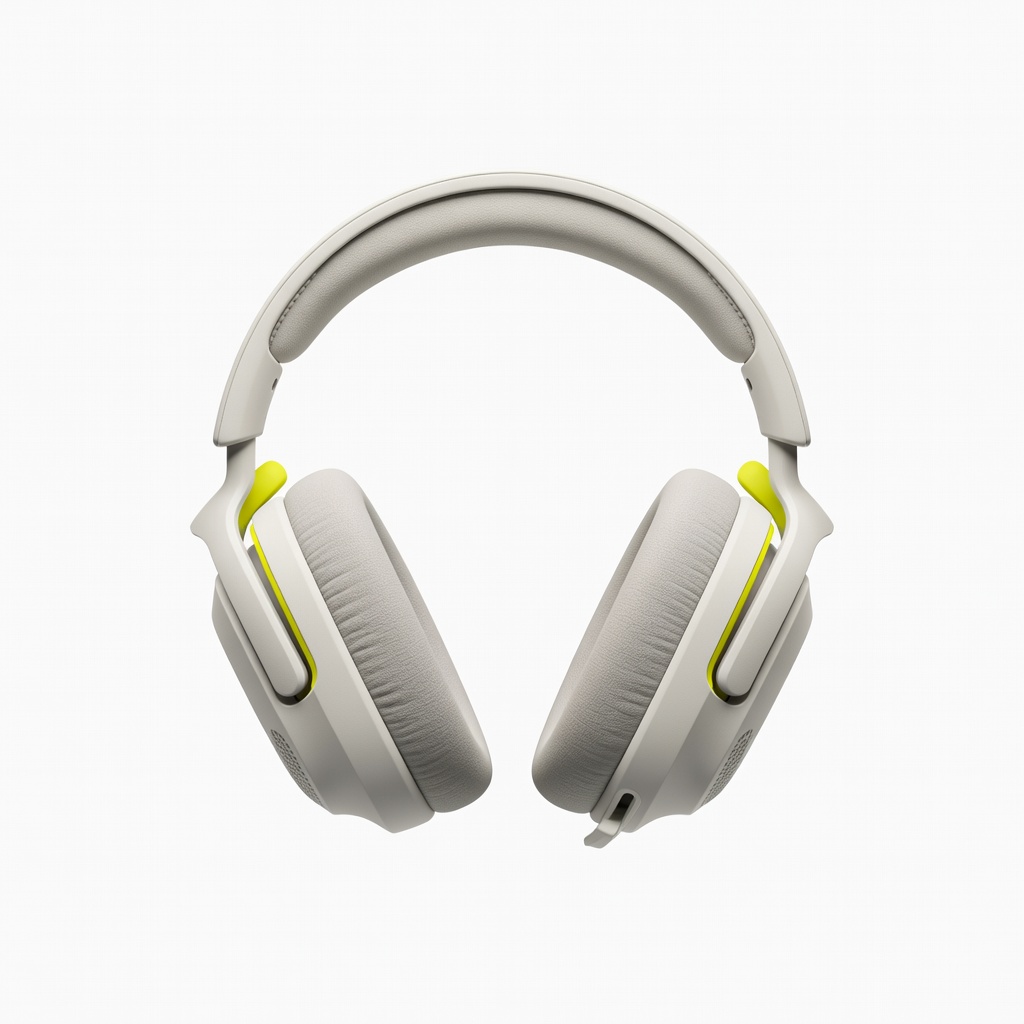
The G435 hits a rare sweet spot for kids: at just 165 grams it's one of the lightest wireless headsets available, and it pairs via both 2.4GHz USB dongle and Bluetooth so it works with PCs, tablets, and Nintendo Switch. The trade-off is a plastic build that won't survive heavy abuse as well as reinforced full-size headsets, and the small ear cups may feel tight for older kids or adults.
Main limitation: Battery life is a modest 18 hours, and the plastic slider hinges are the likely first failure point after drops.
Skip if: Kids who are hard on gear and need a tank-like, reinforced build will outlive this headset's lifespan quickly.
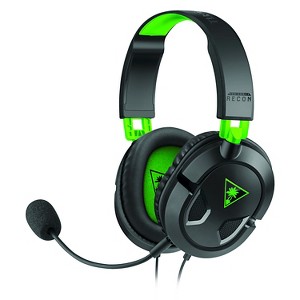
A wired 3.5mm pick that costs less than a new game, the Recon 50 is simple, light, and compatible with any device that has a headphone jack. The downside is that there's no built-in volume limiter, so you'll need to set the console or device volume properly, and the foam cushioning is nothing fancy.
Main limitation: The permanent foam headband padding wears down relatively quickly, and the microphone is sensitive to room noise.
Skip if: Kids who absolutely need wireless freedom or a built-in volume cap for younger ears should pass on this one.
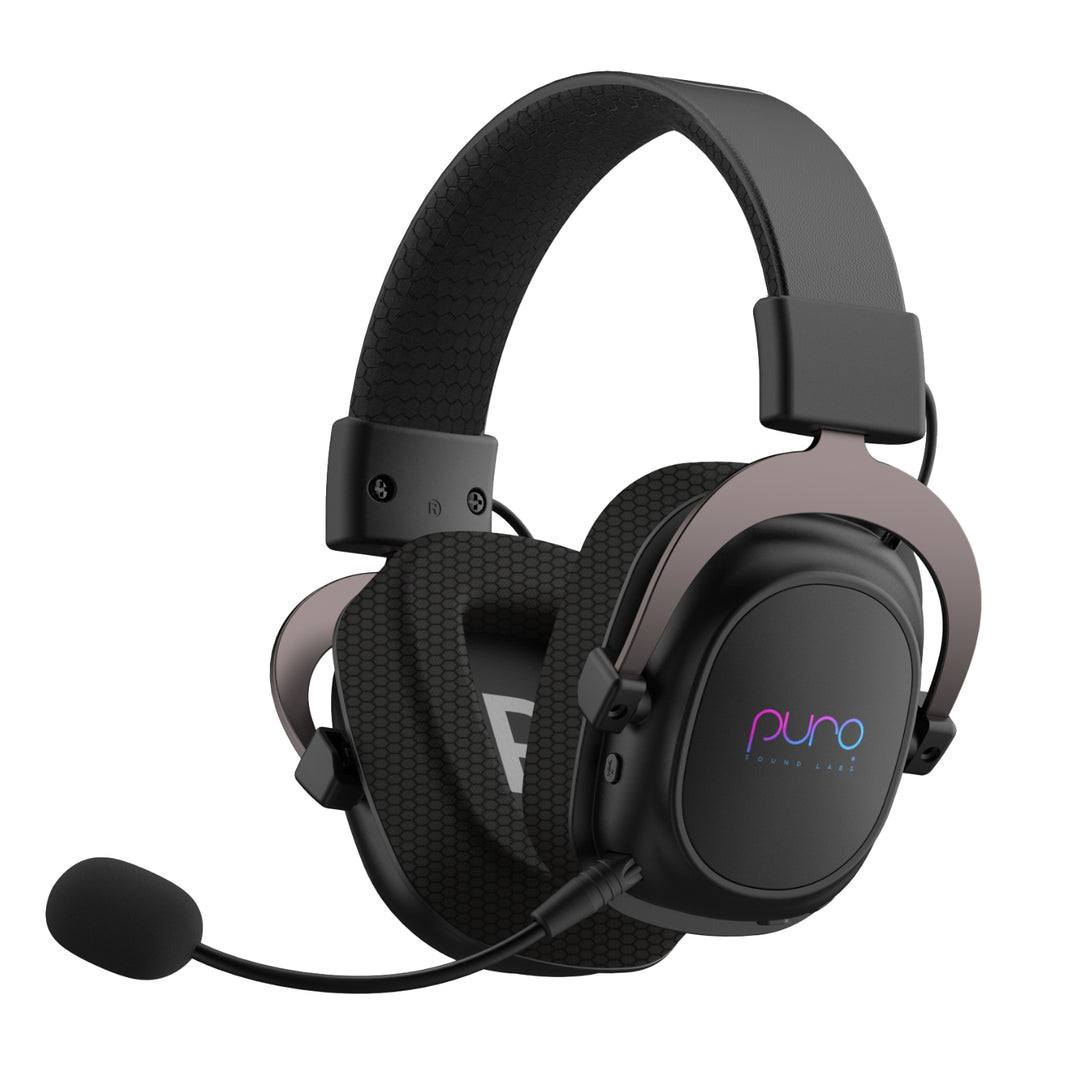
Engineered with a fixed 85dB volume cap, the PuroGaming was created specifically for young hearing safety, not just a compact size. It uses a wired 3.5mm connection, has a decent boom mic, and the soft ear pads are sized for smaller heads — the main catch is a clean but flat sound that won't thrill older kids.
Main limitation: The fixed volume cap means it can't go louder than the safe limit, and the 40mm drivers lack the bass punch of more gaming-focused headsets.
Skip if: Older kids who want immersive game audio at higher volumes will find the cap too restrictive.
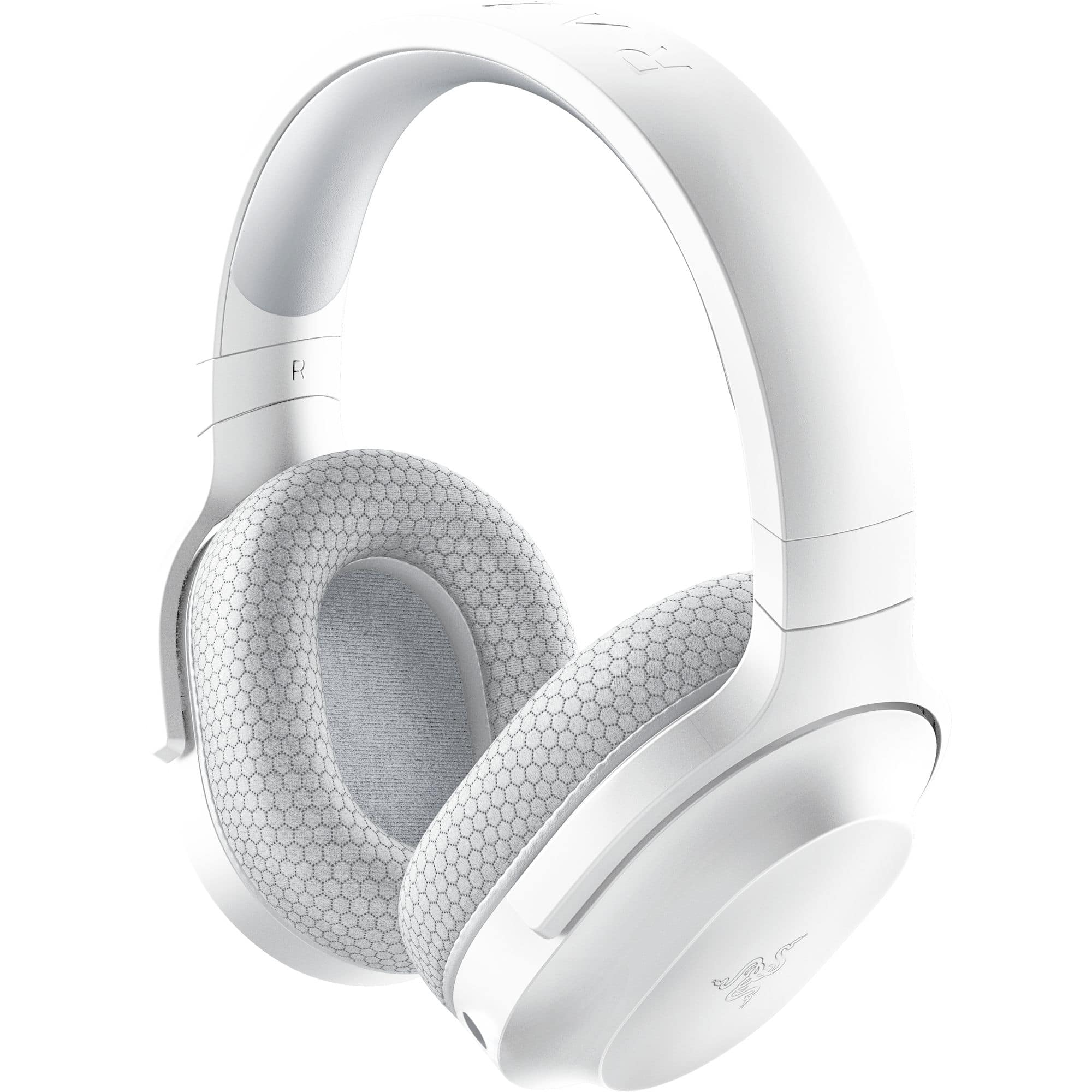
This dongle-and-Bluetooth headset works with PC, PlayStation, Switch, and mobile, with a USB-C dongle that enables easy low-latency wireless play. It's much lighter than Razer's larger models at 240g, but the Bluetooth can't mix with the 2.4GHz signal simultaneously, so you can't listen to a game and take a call at the same time.
Main limitation: Battery life is a modest 20 hours, and the ear cups run a little warm after long sessions.
Skip if: Kids who only play on one platform and don't need wireless flexibility will find the premium price unjustified.
The Arctis Nova 1's flexible elastic suspension band cradles smaller heads without harsh pressure points, and its breathable fabric ear cushions stop sweaty ears after long sessions. It's one of the most comfortable wired headsets we'd recommend for kids, though it only connects via 3.5mm and doesn't fold flat for travel.
Main limitation: The volume wheel is easy to bump accidentally, and the non-removable Braided cable can't be replaced if a pet chews through it.
Skip if: Kids who need wireless and a more robust all-plastic build will find the fabric band and thin cable too fragile.
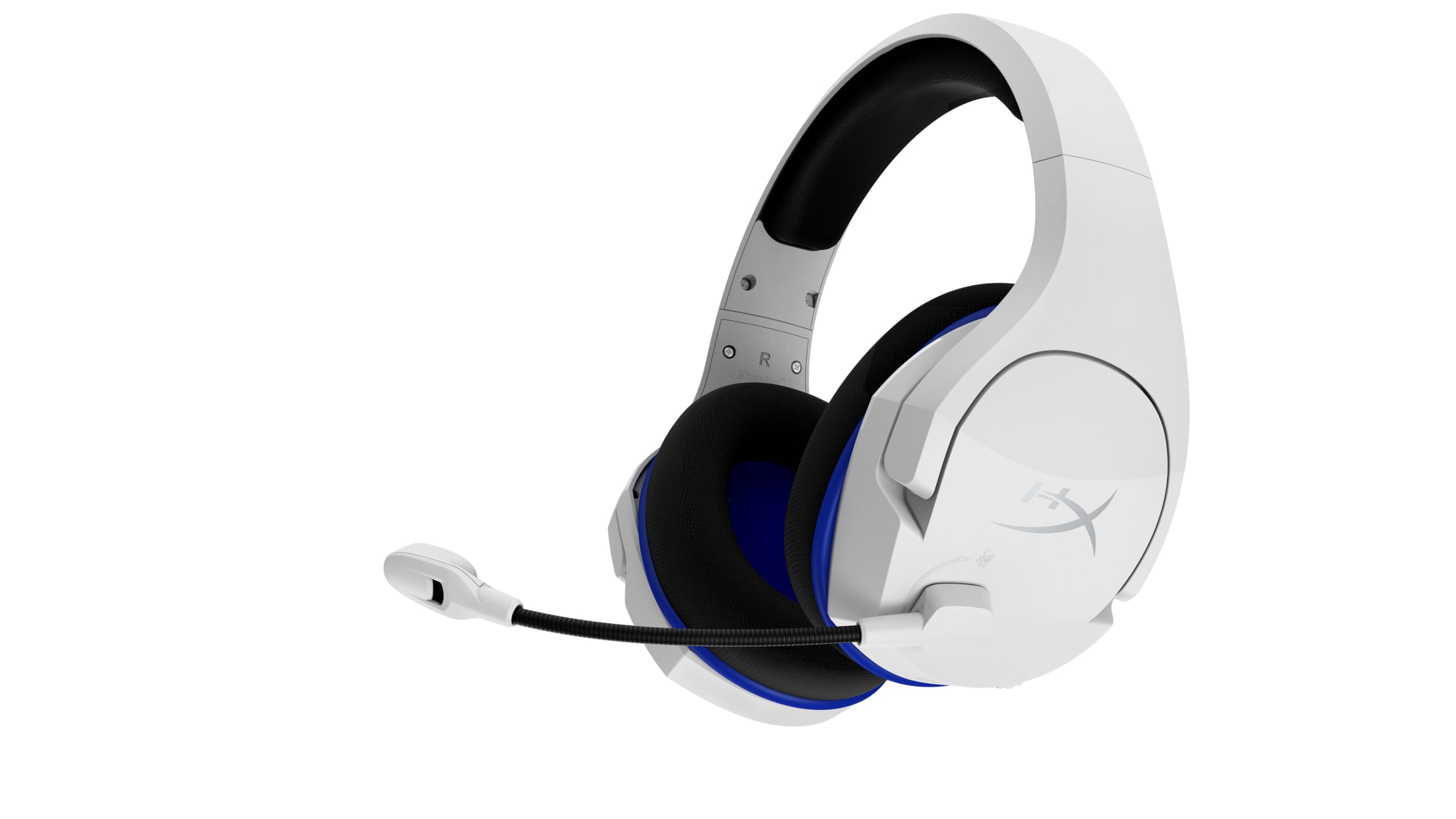
Frequently available for under $40, the CloudX Stinger Core has a steel slider and the signature HyperX memory foam, which helps it survive the occasional drop or yank. Its single-sided ear cup design reduces clamp force, but the permanently attached mic and thick 3.5mm cable are less convenient for tabletop play.
Main limitation: The non-detachable boom mic picks up background noise, and the plastic yoke can still crack under extreme twisting force.
Skip if: Parents who want a wireless headset or a detachable mic for easy replacement should skip this one.
Compare key specs and features of all our recommendations side-by-side
| Product | Recommendation | Rating | Price |
|---|---|---|---|
Logitech G435 LIGHTSPEED Wireless Gaming Headset Rank #1 | 🏆 Top Pick | 8.6/10 | Around $50–$70 Check current price → |
Turtle Beach Recon 50 Rank #2 | 💰 Budget Pick | 7.8/10 | Around $25–$35 Check current price → |
Puro Sound Labs PuroGaming Rank #3 | ⭐ Editor's Choice | 8.0/10 | Around $50–$60 Check current price → |
Razer Barracuda X (2022) Rank #4 | — | 7.6/10 | Around $100–$120 Check current price → |
SteelSeries Arctis Nova 1 Rank #5 | — | 7.7/10 | Around $50–$70 Check current price → |
HyperX CloudX Stinger Core Rank #6 | — | 7.4/10 | Around $30–$45 Check current price → |
Common questions buyers have about this category.
Most gaming headsets can output over 100dB at maximum volume, which can cause hearing damage in minutes. Look for headsets with a built-in volume limiter or use the parent control settings on the device. A good rule of thumb is to keep volume at 60% or below and take a 5-minute break every hour.
For a 6-year-old, the Puro Sound Labs PuroGaming is the safest bet because it caps volume at 85dB and fits small heads. If you want a cheaper option, the Turtle Beach Recon 50 works, but you'll need to set the volume manually and monitor it. Make sure the ear cups are small enough to seal around the ears without pinching.
Not necessarily, but it's strongly recommended for kids under 10 because they may not notice the warning signs of a volume that's too loud. If you buy a regular headset, use the device's built-in volume controls to set a maximum. Many consoles like the Switch or Xbox have accessible volume limitation settings in the system menu.
Yes, most wired 3.5mm headsets and some USB headsets work with Chromebooks. Avoid headsets with console-specific attachments like Xbox proprietary wireless, which often require extra adapters. The Logitech G435 and the Turtle Beach Recon 50 are both good Chromebook-friendly choices because they use standard 3.5mm or Bluetooth.
Xbox uses a proprietary wireless protocol, so many wireless headsets that work on PlayStation and PC won't work on Xbox without a special dongle. Wired 3.5mm headsets generally work on both consoles. If you're buying for a child with both consoles, opt for a wired headset or a wireless one specifically labeled 'Xbox compatible' with a USB-C dongle.
Kids often drop, yank, and twist headsets, so choose steel-reinforced sliders and memory foam ear pads that don't flatten easily. Avoid cheap plastic hinges that snap in the first week. The HyperX CloudX Stinger Core and SteelSeries Arctis Nova 1 are built stronger than typical budget headsets, but no headset is indestructible — teach your child to unhook it from their head before stepping away.
Products we evaluated but did not recommend — and why.
