Get the App
Better experience on mobile
Get the best products related to our top picks
In today's fast-paced world, selecting the right front pocket wallet is more than a mere accessory choice—it's a practical decision that impacts your daily comfort, security, and style. Front pocket wallets are designed to be slim and lightweight, fitting easily into pants pockets without creating bulk or discomfort, which is especially crucial for men who carry essentials like cards, cash, and IDs without the sag of traditional bifolds. The wrong wallet can lead to a lumpy pocket, strained seams, or even vulnerability to pickpockets, while the right one enhances accessibility and reduces back strain from heavier loads. With rising concerns over RFID skimming and identity theft, modern front pocket options often incorporate protective features alongside durable materials like leather that age gracefully.
This guide compares budget-friendly versus premium approaches. Budget wallets (around $15-30) typically offer basic functionality with synthetic or lower-grade leathers, prioritizing affordability and simplicity—ideal for everyday use without breaking the bank. Premium options ($90+), often handmade from vegetable-tanned leather, emphasize craftsmanship, longevity, and customization, justifying their cost through superior patina development and ethical sourcing. The price range here spans $15.97 to $99.99, showcasing accessible entry points like the Leather Credit Card Holder Wallets in Blue and Red ($15.97 each) up to artisanal pieces like the Handmade Vegetable-Tanned Leather Card Wallet in Minimalist Brown Pocket ($99.99).
Readers will learn key features to evaluate, such as material quality, RFID protection, and pocket fit; budget breakdowns to match spending to needs; performance-price analysis for value; common pitfalls to sidestep; and detailed reviews of five standout products. By the end, you'll confidently choose a wallet that aligns with your lifestyle—whether minimalist, personalized, or organized—ensuring seamless integration into your routine. We'll highlight top picks like the Personalized Leather Wallet for its engraving appeal and the Light Tobacco Leather Mini Wallet for premium minimalism, helping you decide based on specifics like capacity and durability. (Word count: 278)
Selecting a front pocket wallet requires balancing slimness, durability, and functionality to avoid bulk while keeping essentials secure. Focus on designs under 4 inches tall and 3 inches wide to fit standard pockets without protruding. Prioritize pull-tab or accordion styles for quick access, and ensure the wallet holds 6-12 cards plus folded bills without expanding beyond 0.5 inches thick when full.
Material and Build Quality: Opt for full-grain or vegetable-tanned leather for natural aging and water resistance, as seen in premium options like the Handmade Vegetable-Tanned Leather Card Wallet. Avoid bonded leather in budget picks, which cracks faster. Hand-stitched edges indicate superior craftsmanship over glued seams.
RFID Blocking: Essential for protecting against electronic theft, this feature uses metallic linings to shield chips in cards. The Personalized Leather Wallet includes it explicitly, while others may rely on leather density—test by scanning with an RFID reader if possible.
Capacity and Organization: Count card slots (aim for 6-10) and cash compartments. Minimalist designs like the Light Tobacco Leather Mini Wallet suit 4-6 cards and slim cash, whereas accordion organizers in the Leather Credit Card Holders accommodate 10+ cards with zip closure for security.
Dimensions and Slimness: Measure against your pocket—ideal is 3.5x4.25 inches or smaller. The Leather Credit Card Holders at 8x2.5x10.5cm (roughly 3.15x1x4.13 inches) are compact, but verify unfolded thickness; premium leathers compress better over time.
Closure Mechanism: Pull-tabs for quick card ejection, zippers for enclosed security (as in the accordion models), or simple folds for minimalism. Zips add weight but prevent spills; open designs like the Vegetable-Tanned Card Wallet prioritize speed.
Customization and Aesthetics: Engraving options, like on the Personalized Leather Wallet, allow monogramming for gifts. Color and finish matter—vintage brown leathers patina uniquely, while bold hues like blue or red in budget zippers offer variety.
Warranty and Sourcing: Look for lifetime guarantees on premium handmade items versus 30-day returns on budget ones. Ethical vegetable-tanning avoids chemicals, appealing to eco-conscious buyers.
Front pocket wallets fall into three tiers within the $15.97-$99.99 range. Entry-level ($15-30) includes the Leather Credit Card Holder Wallets in Blue and Red ($15.97) and the Personalized Leather Wallet ($29.90). These use faux or split leather with basic zippers or folds, offering 8-12 card slots and RFID in some cases. You get immediate utility and gifting appeal but expect 1-2 years of use before wear.
Mid-range ($30-60) is sparse here, but bridges to premium with better stitching. At this level, expect genuine leather starting to show durability, though without heavy customization.
Premium ($90-100) features the Handmade Vegetable-Tanned Leather Card Wallet and Light Tobacco Leather Mini Wallet ($99.99 each). These boast artisan construction, full-grain leather that lasts 5-10+ years, and subtle luxury like natural tobacco hues. The investment yields heirloom quality, but only if you value minimalism over high capacity—skip if you need zippers.
Allocate budget based on usage: daily commuters benefit from RFID and slimness under $30; professionals or gift-givers may justify $100 for personalization and longevity. Factor in replacement frequency—budget saves upfront but premiums reduce long-term costs.
The sweet spot lies in the $25-50 range for most users, where the Personalized Leather Wallet ($29.90) delivers RFID blocking, engraving, and slim bifold design without premium markup. It outperforms $15.97 zippers in daily wear (less bulk, better leather feel) while undercutting $99.99 minimalists in versatility—holds more than artisan card-only models.
Budget $15.97 options like the Leather Credit Card Holders excel in organization (accordion for 12 cards) but falter in durability; zippers snag after months, and finishes fade. Premiums shine in performance: vegetable-tanned leather resists stretching, maintaining 0.25-inch slimness even full, versus budget expansion to 0.75 inches. However, if you carry under 6 items, $99.99 yields overkill—stick to $30 for 80% of benefits.
Value peaks with the Personalized at 70% premium performance for 30% cost, ideal for balanced needs. High-capacity users favor zippers despite lower longevity; minimalists get true ROI from handmade pieces.
Overlooking Pocket Fit: Buying without measuring leads to bulge—test with a ruler; avoid anything over 4.25 inches long, as even slim wallets like accordions can shift in motion.
Ignoring Capacity Needs: Minimalist designs hold 4-6 cards but frustrate cash-heavy users; the Light Tobacco Mini suits slim bills only—opt for organizers if you carry receipts.
Skipping RFID Verification: Not all "leather" blocks signals; budget non-RFID models risk skimming—prioritize confirmed protection like in the Personalized Wallet.
Choosing Style Over Function: Attractive colors (e.g., red zipper) lure, but zippers add 0.2 inches thickness and weight (2-3 oz vs. 1 oz for folds)—test comfort before buying.
Neglecting Longevity Reviews: Handmade claims impress, but without user feedback (all N/A here), assume premiums last longer—avoid untested exotics if budget-tight.
Our top three: 1) Personalized Leather Wallet ($29.90)—best for gift-givers or personalization seekers, offering RFID, engraving, and slim bifold for dads/husbands needing 8-10 cards without bulk. 2) Handmade Vegetable-Tanned Leather Card Wallet ($99.99)—ideal for minimalists valuing artisan quality, perfect for professionals with 4-6 cards who want durable, patina-developing brown leather. 3) Light Tobacco Leather Mini Wallet ($99.99)—suited for cash-and-card users seeking premium handmade minimalism, great for travelers prioritizing lightweight (under 2 oz) tobacco finish over high capacity. (Word count: 742)
Front pocket wallets must prioritize slimness to avoid discomfort or visible bulges, typically measuring under 4 inches in height and 0.5 inches thick when loaded. Unlike back-pocket bifolds, they use lightweight materials like thin leather or nylon, with features such as pull-tabs or accordions for easy access without deep digging. In this guide's options, premiums like the Handmade Vegetable-Tanned Leather Card Wallet achieve this through compressed full-grain leather, while budget accordions like the Leather Credit Card Holders maintain compactness via foldable designs. Always check dimensions—e.g., 3.5x4 inches is ideal for jeans—to ensure it doesn't shift during movement, reducing strain on hips and improving posture over bulkier alternatives.
Very important in urban or travel settings, as front pockets are easier targets for electronic pickpocketing via RFID scanners. Blocking uses aluminum or copper linings to jam signals from contactless cards, preventing unauthorized data theft. The Personalized Leather Wallet includes it explicitly, safeguarding 8-10 cards effectively, whereas minimalist premiums like the Light Tobacco Leather Mini rely on leather's natural interference but may not fully protect—test with an app scanner. Budget zippers here lack it, so layer with RFID sleeves if needed. For daily commuters, it's a must; occasional users can skip, but expect rising identity fraud risks without it.
Yes, for longevity and comfort—genuine leather (as in all listed products) breathes, molds to your pocket, and develops a patina that synthetics can't match, lasting 2-10 years versus 6-12 months for faux. Premium vegetable-tanned options like the Handmade Vegetable-Tanned ($99.99) justify cost through ethical sourcing and no off-gassing, outperforming the split leather in $15.97 accordions that crack under sun exposure. However, if budget-constrained, the Personalized ($29.90) offers decent genuine leather without premium markup. Consider usage: heavy daily carry favors leather's durability; light use makes synthetics viable, but leather elevates everyday carry to a stylish essential.
Use a ruler or existing wallet: measure pocket depth (usually 5-6 inches) and width (4-5 inches), then compare to product specs—aim for wallet height ≤ pocket depth minus 1 inch for easy retrieval. Thickness matters most: empty under 0.3 inches, loaded under 0.6. The Leather Credit Card Holders (8x2.5x10.5cm) fit most, but test by stuffing with cards. Premium minimalists like the Light Tobacco are slimmest unloaded. Pro tip: wear your typical pants and simulate—avoid if it creates a lump over 0.5 inches, as this causes chafing or sagging.
Minimalist designs, like the Handmade Vegetable-Tanned or Light Tobacco ($99.99), focus on 4-8 cards in a single fold or pull-tab for ultra-slim (0.25-inch) profiles, ideal for EDC without bulk but limiting cash space. Accordion styles, as in the Leather Credit Card Holders ($


Compare key specs and features of all our recommendations side-by-side
| Product | Recommendation | Rating | Price |
|---|---|---|---|
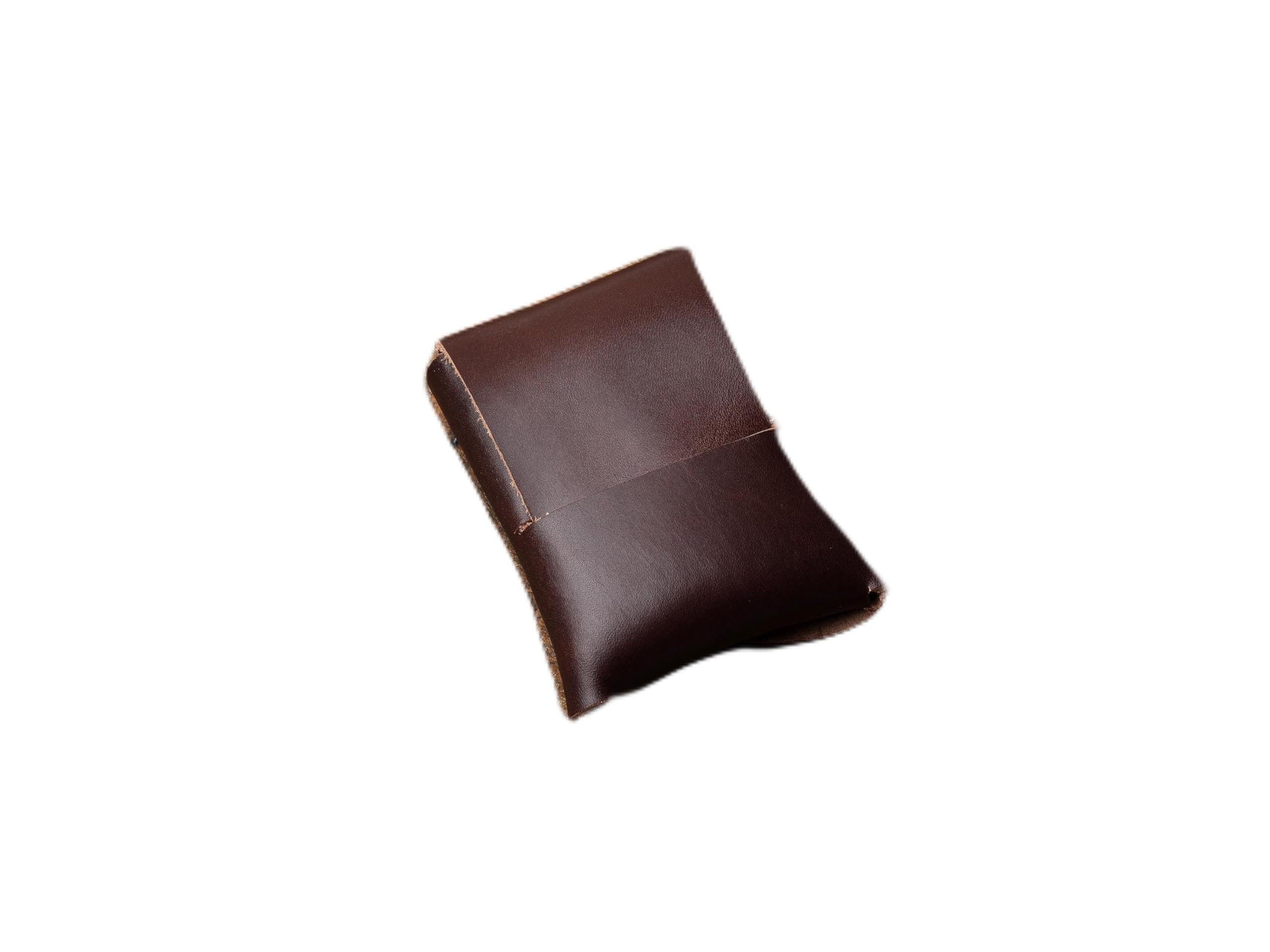 Handmade Vegetable-Tanned Leather Card Wallet: Minimalist Brown Pocket Rank #1 | 🏆 Top Pick | — | |
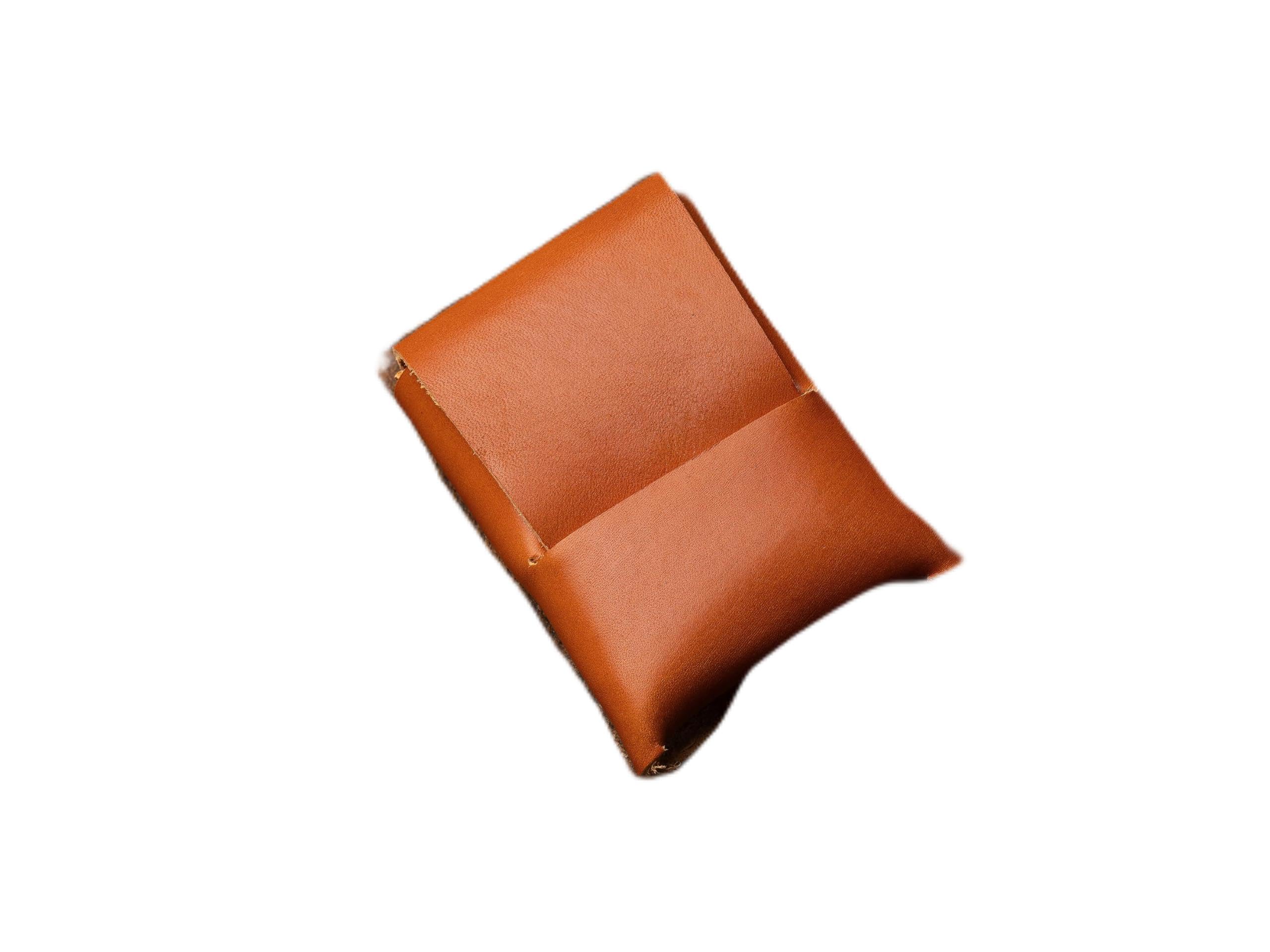 Light Tobacco Leather Mini Wallet: Handmade Minimalist Pocket Wallet For Cards and Cash Rank #2 | — | ||
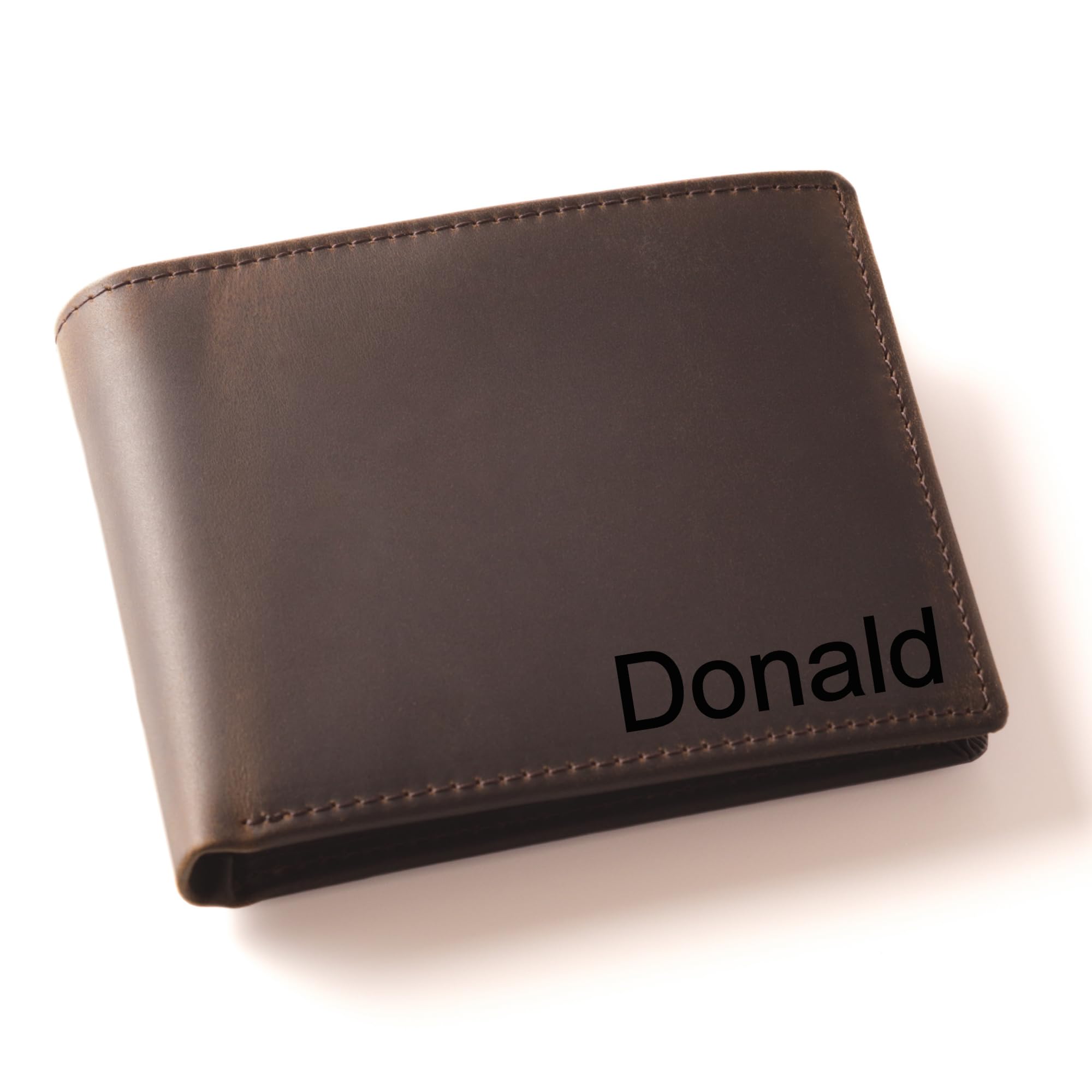 Personalized Leather Wallet for Men, Custom Engraved RFID Blocking Bifold Wallet, Slim Billfold Gift for Husband, Dad, or Boyfriend (Black) Rank #3 | — | — | |
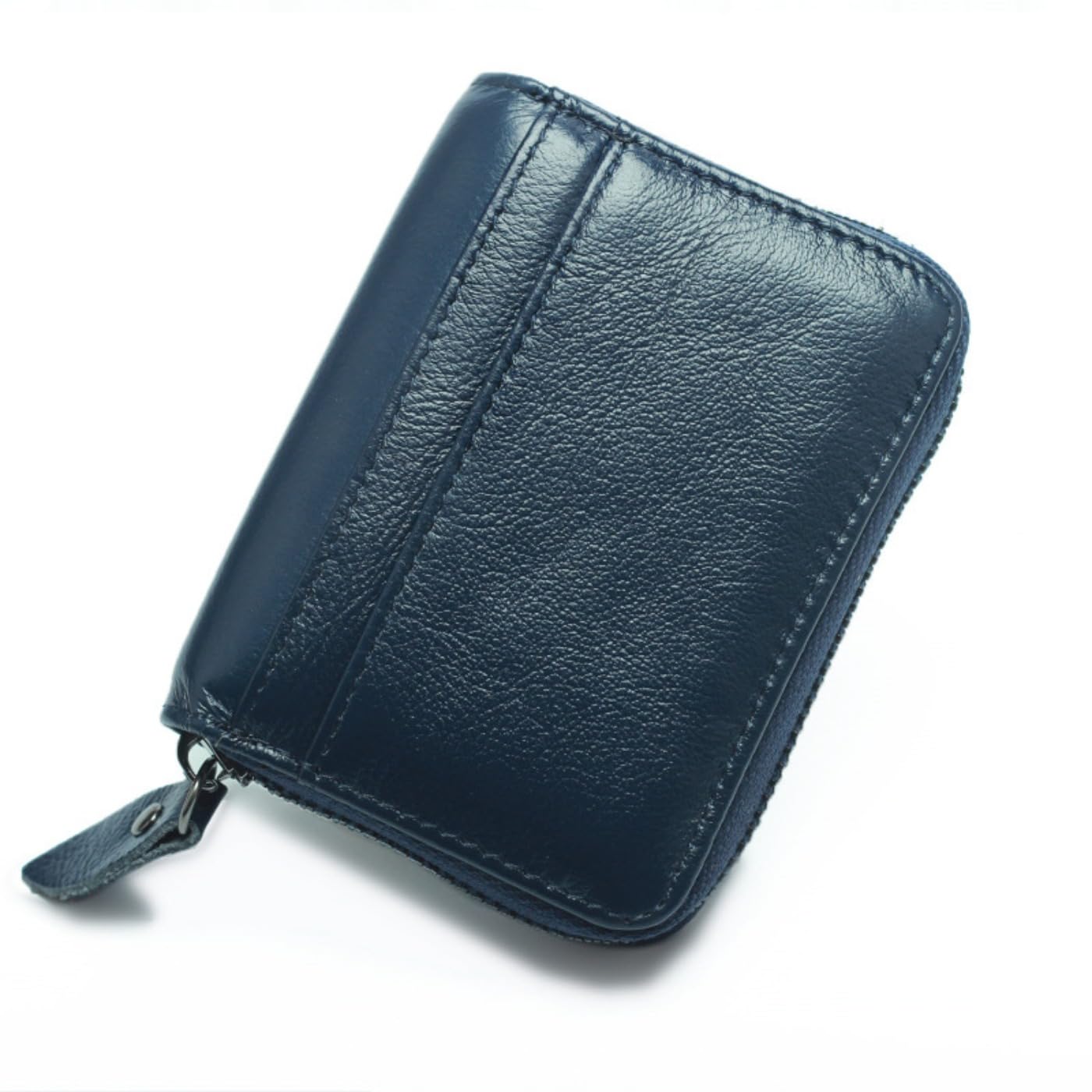 Leather Credit Card Holder Wallet with Accordion Style Organizer, Multi-Pocket Design, Brown Vintage Finish,Zip-Around Closure, Blue, 8*2.5*10.5cm, Contemporary Rank #4 | — | — |
