Get the App
Better experience on mobile
From $50 bands to subscription-based recovery coaching, here's how the current lineup actually stacks up.
The most important spec on a fitness tracker isn't the sensor array — it's battery life. A tracker you have to charge every night is a tracker you'll quietly stop wearing by week three, and no amount of ECG-grade hardware makes up for a device that spends its life on a nightstand instead of your wrist.
That's roughly where the category sits in 2026. The sensors have largely converged: optical heart rate, blood oxygen, skin temperature, and GPS are now table stakes, even on $50 bands. What actually separates these devices is everything around the sensor — the app that interprets the data, the accuracy of sleep staging, whether GPS is built in or borrowed from your phone, and whether the company wants a one-time payment or a monthly one. Two of the picks below only work if you keep paying.
The second split is ecosystem. If you carry an iPhone, your realistic options differ from someone on Android, and if you carry a Samsung phone, a few of the best health features on Samsung's own watches simply won't unlock for you. We've flagged those compatibility traps explicitly rather than pretending every device works equally well for everyone.
This guide is built from published manufacturer specifications, expert reviews from established technology and running publications, and aggregated buyer feedback — not from a lab bench. It covers the full range from a roughly $50 band that lasts weeks between charges to a $450 running watch and a subscription-only recovery system, with an honest note on the trade-off each one asks you to accept.
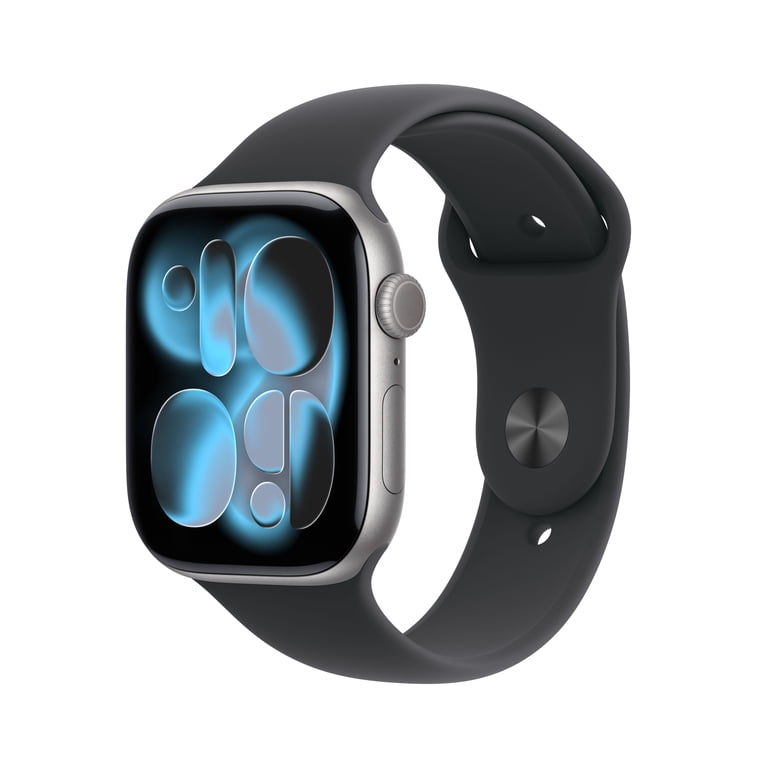
For iPhone owners, the Series 11 is the most complete health package here: FDA-cleared ECG and irregular rhythm notifications, sleep apnea and hypertension notifications (region-dependent), crash and fall detection, and a Health app that consolidates everything in one place — with no subscription required. The catch is stamina: Apple rates it at up to 24 hours, which in practice means charging almost every day.
Main limitation: Battery life is the headline compromise — roughly a day of use, so most owners end up on a nightly charging routine.
Skip if: Skip it if you use an Android phone, because the Apple Watch only pairs with iPhone and will not function as a tracker otherwise.
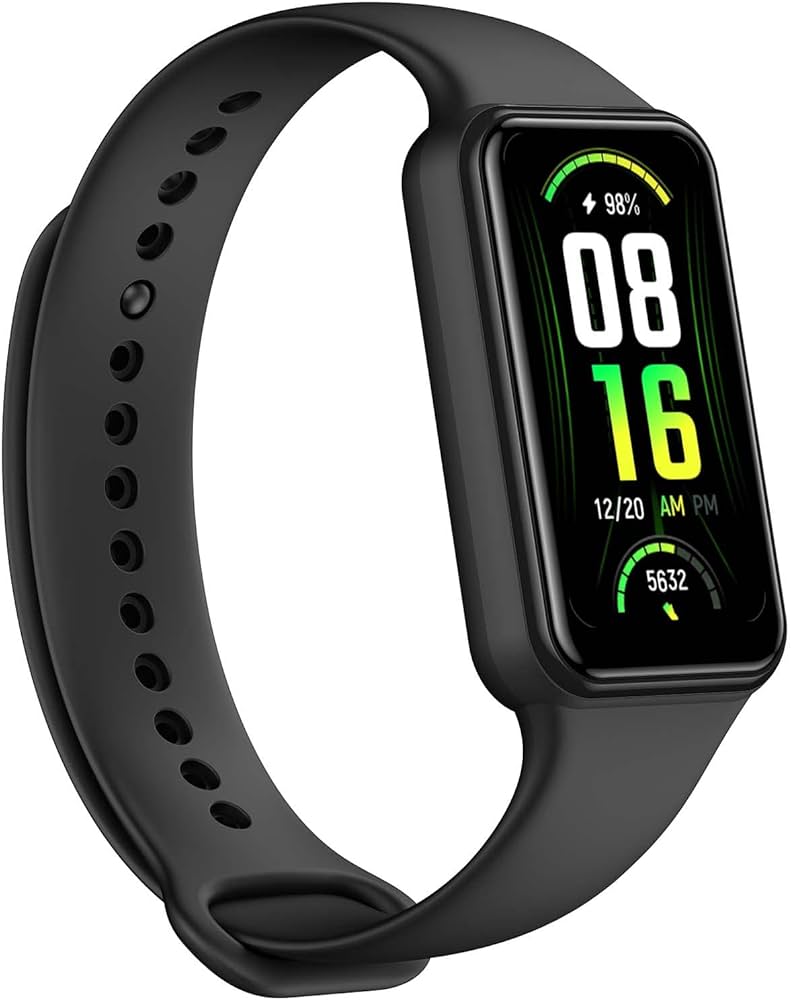
Around $50 gets you a 1.47-inch AMOLED display, blood-oxygen and stress tracking, sleep staging, and manufacturer-rated battery life measured in weeks rather than days — a combination nothing else at this price matches. The trade-offs are real: there's no built-in GPS, so outdoor workouts borrow location data from your phone, and Zepp's app and workout accuracy sit a step behind Fitbit and Garmin.
Main limitation: No built-in GPS, so outdoor runs, rides, and hikes depend on a paired phone for accurate distance and route data.
Skip if: Skip it if you train seriously outdoors without your phone, or if you need clinically validated heart-rhythm features.
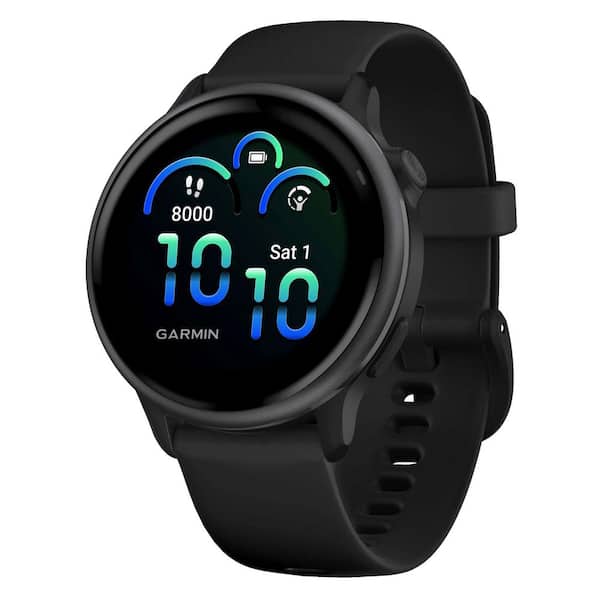
The Vivoactive 6 is the sweet spot for people who swim, run, and lift rather than specializing in one sport: an AMOLED display, Garmin's deep training and recovery metrics, and manufacturer-rated battery life of up to 11 days in smartwatch mode. Garmin Connect is the most detailed free training platform in this roundup, but the smart side is thin — no LTE, a small app library, and a notification experience well behind watchOS or Wear OS.
Main limitation: Smart features are deliberately limited — there's no LTE option and Connect IQ's app library is a fraction of what watchOS or Wear OS offers.
Skip if: Skip it if you mainly want a wrist device for calls, apps, and payments, with fitness as a secondary concern.
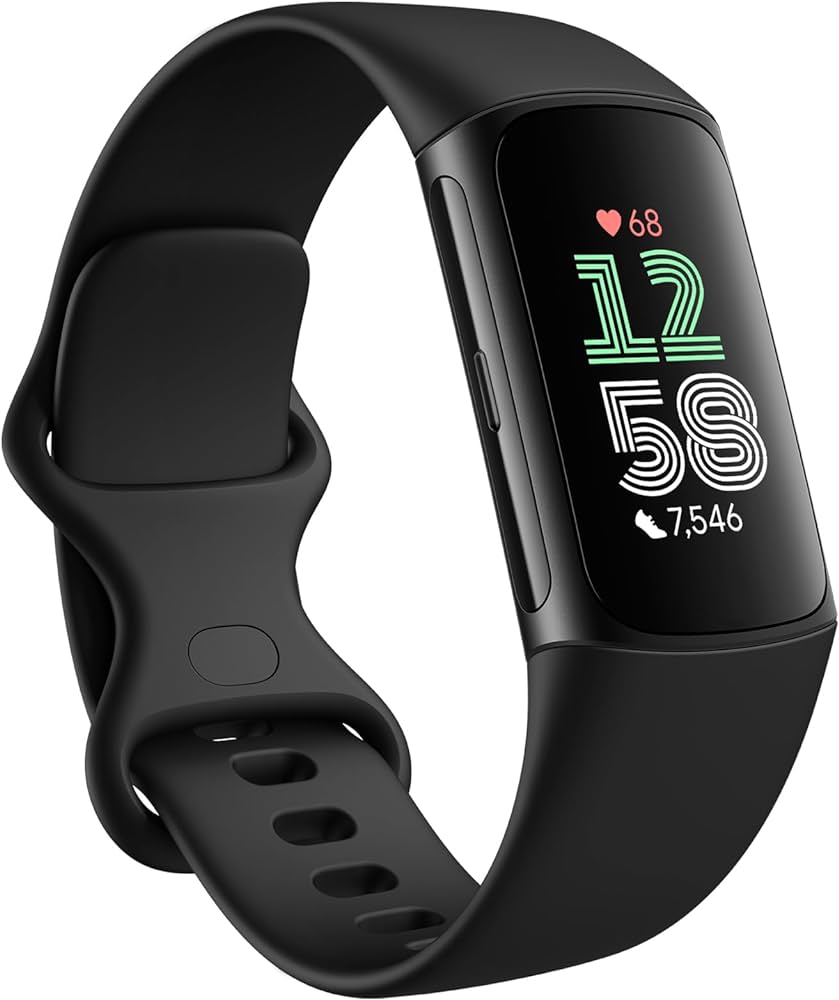
The Charge 6 is the tracker to buy if you want a slim band that quietly counts steps, stages sleep, and logs workouts without demanding attention — it adds built-in GPS, an ECG app, and Google Maps and Wallet integration over earlier Charges. Two caveats: the plastic build doesn't feel like a $150+ device, and Fitbit's product roadmap under Google has been less predictable than Garmin's or Apple's.
Main limitation: The build feels plasticky for the price, and Fitbit's long-term product direction under Google remains less predictable than competitors' roadmaps.
Skip if: Skip it if you want deep training metrics like training readiness and race predictions, or if you need a tracker built for rough outdoor abuse.
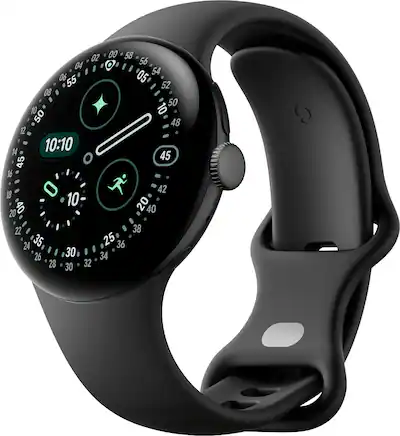
For Android users who want smartwatch-grade tracking, the Pixel Watch 4 pairs Fitbit's health platform with Wear OS, dual-band GPS, and tight Google app integration — Wallet, Maps, and Assistant all work properly here. It's the best of both worlds only if you're on Android; battery life still trails Garmin and Amazfit substantially, and several features work best or only on Pixel phones.
Main limitation: Battery life remains the weak link, and some of the most useful integrations are reserved for Pixel phone owners.
Skip if: Skip it if you use an iPhone, or if charging nightly is a dealbreaker for you.
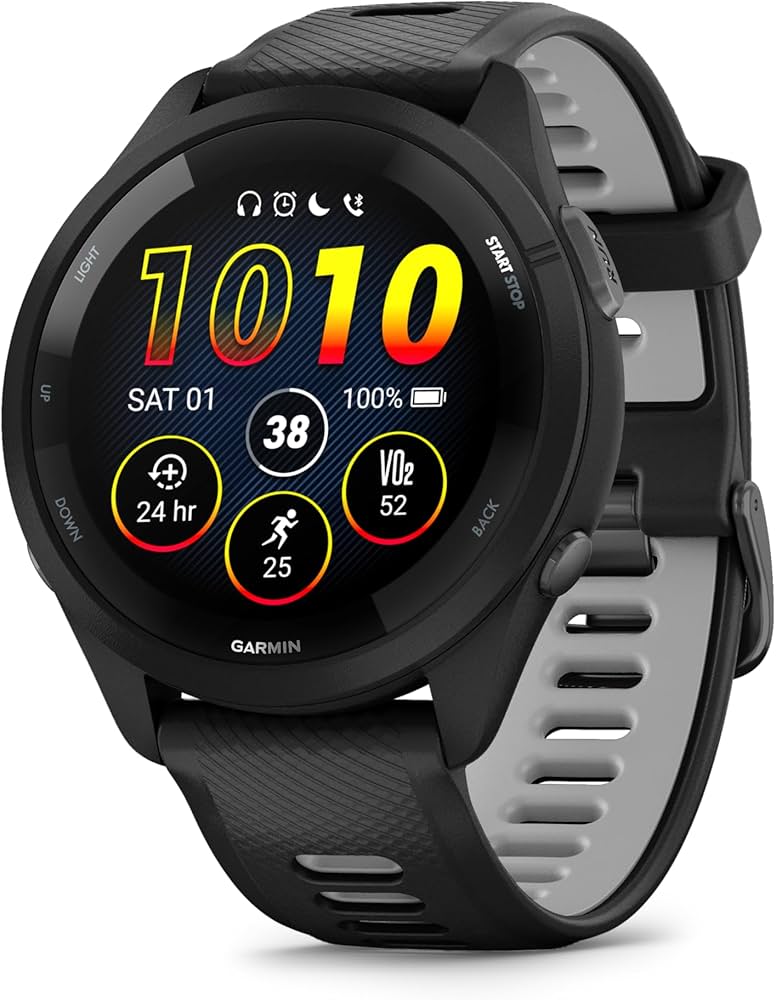
If running is the priority, the Forerunner 265 delivers structured workouts, training readiness, recovery time, and race predictions on a bright AMOLED display, backed by multi-band GNSS for accuracy in dense cities and under tree cover. It's genuinely overkill — and overpriced — for someone whose main goals are step counts and a sleep score.
Main limitation: The touchscreen on a running watch is a love-it-or-hate-it choice, and the largely plastic build doesn't feel premium at this price point.
Skip if: Skip it if you don't train by pace, heart-rate zones, or structured plans — you'd be paying for metrics you'll never open.
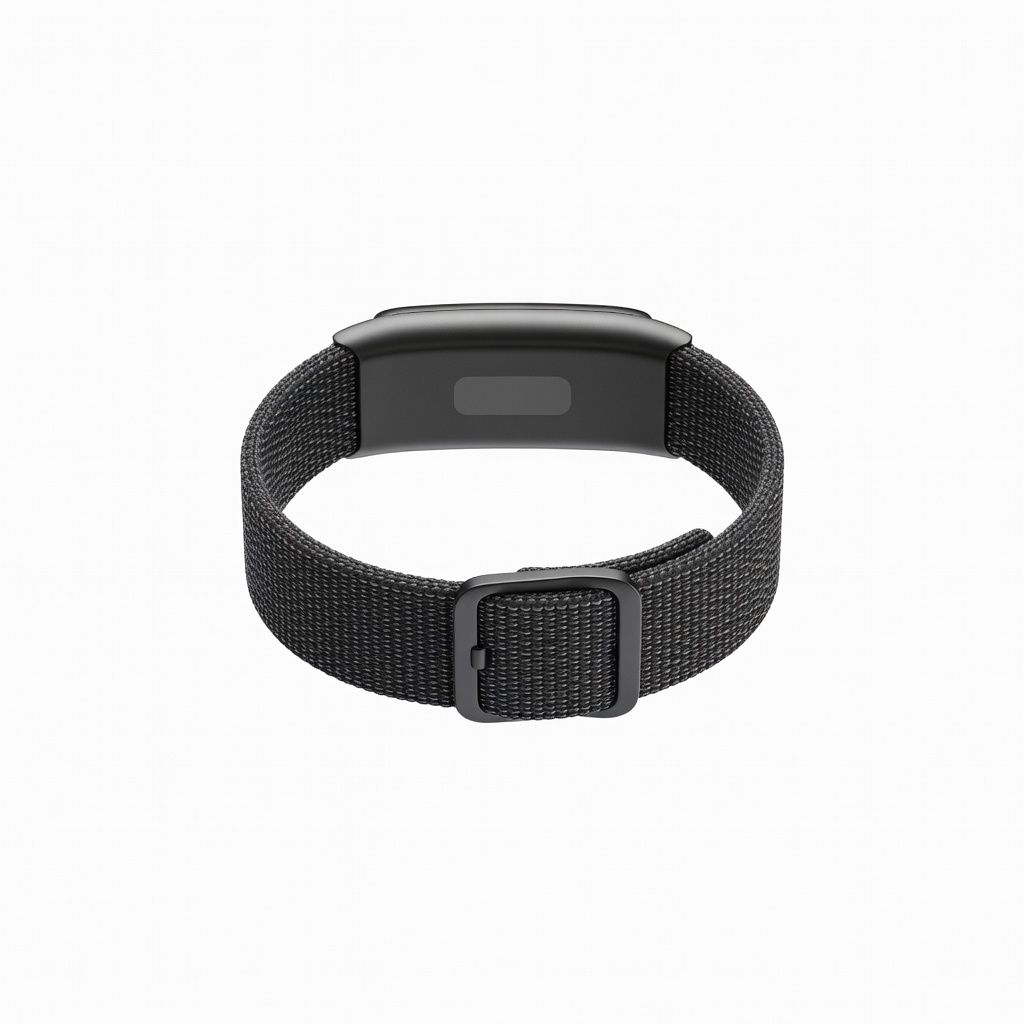
Whoop takes the opposite approach from everything else on this list: no display, no step-count gamification, no one-time purchase. In exchange you get what is arguably the most detailed recovery, strain, and sleep guidance available on a wristband, delivered as a membership that bundles the hardware. The cost never really ends, and you'll never be able to glance at your wrist for the time.
Main limitation: The band has no display at all, and because it's subscription-based, the hardware becomes useless if you stop paying.
Skip if: Skip it if you want a one-time purchase, a screen, or step counts as a core motivator.
Compare key specs and features of all our recommendations side-by-side
| Product | Recommendation | Rating | Price |
|---|---|---|---|
Apple Watch Series 11 (GPS, 46mm) Rank #1 | 🏆 Top Pick | 9.3/10 | $399–$429 Check current price → |
Amazfit Band 7 Rank #2 | 💰 Budget Pick | 8.1/10 | Around $50 Check current price → |
Garmin Vivoactive 6 Rank #3 | ⭐ Editor's Choice | 8.9/10 | Around $299 Check current price → |
Fitbit Charge 6 Rank #4 | — | 8.3/10 | $99–$160 Check current price → |
Google Pixel Watch 4 Rank #5 | — | 8.4/10 | $349–$399 Check current price → |
Garmin Forerunner 265 Rank #6 | — | 8.6/10 | $399–$449 Check current price → |
Whoop 5.0 Rank #7 | — | 7.9/10 | Roughly $199–$359 per year (membership; band included) Check current price → |
Common questions buyers have about this category.
Most trackers work fully without one — Apple, Garmin, Amazfit, Fitbit, and Google all include core tracking, GPS, and sleep data in the purchase price, though Fitbit does gate some deeper analysis behind Fitbit Premium. The main exceptions are Whoop and Oura, where the subscription is the product and the band or ring won't deliver data if you stop paying. If recurring costs bother you, treat subscription-based devices as a different category entirely.
Optical heart rate sensors on the wrist are generally reliable for steady-state activities like walking, running, and sleeping, but they struggle during interval training, heavy lifting, and cold-weather workouts where the sensor loses contact. Sleep staging accuracy is decent for total sleep duration and noticeably weaker at distinguishing light, deep, and REM stages, which is why published comparisons vary widely between devices. Use these numbers as trends over weeks rather than as clinical measurements.
If you want long battery life, a slim profile, and don't need apps on your wrist, a dedicated tracker like the Fitbit Charge 6 or Amazfit Band 7 is the simpler and cheaper path. If you'd rather carry one device that handles notifications, payments, and calls alongside fitness, a smartwatch like the Apple Watch Series 11 or Pixel Watch 4 makes more sense — as long as you accept charging it most days. The gap between the two categories has narrowed, but battery life remains the clearest dividing line.
Manufacturer ratings are usually measured in ideal conditions with the always-on display off and limited GPS use, so plan on noticeably less in practice. Slim bands like the Amazfit Band 7 can stretch into the teens of days, mid-range Garmin models typically deliver a week or more, and full smartwatches like the Apple Watch are built around roughly a day of use. Enabling always-on displays, SpO2 monitoring, and long GPS sessions will cut any of those figures substantially.
Garmin, Amazfit, Fitbit, Whoop, and Oura all work with both iOS and Android, though some features vary by platform. Apple Watch is iPhone-only, and Samsung's Galaxy Watch line delivers its best health features only when paired with a Samsung phone — some functions are restricted or unavailable on other Android devices. Google's Pixel Watch works with any modern Android phone but not with iPhone.
Most trackers are designed to remain useful for several years of daily wear, but batteries degrade, bands wear out, and software support eventually ends. The bigger factor is the category's refresh cycle: manufacturers typically launch new models every 12 to 18 months, which means software features often stop trickling down to older devices well before the hardware fails. Buying a model released within the last year or so generally gives you the longest useful life.
It's worth it if you regularly run, ride, or hike without your phone, because connected GPS means the tracker has to stay tethered to a handset to record distance and route. If you usually carry your phone anyway — for music, safety, or calls — the difference is far smaller and you can save money with a connected-GPS band. Built-in GPS is also one of the clearest indicators of a tracker's overall sensor quality, since it tends to appear on higher-tier models.
Products we evaluated but did not recommend — and why.
