Get the App
Better experience on mobile
We've researched specs, user reviews, and expert opinions to find the right tracker for every lifestyle and budget.
In 2026, the fitness tracker market has split into two worlds: sleek health watches that double as everyday wearables, and focused training bands that prioritize recovery over notifications. Yet the most sophisticated sensor suite in the world is worthless if the device is too heavy, too ugly, or too annoying to charge. After a decade of innovation, brands have realized that the real battle is for your wrist — not just your workout data.
That's why this list goes beyond spec sheets. We've looked at how trackers perform in real day-to-day use, from morning treadmill sessions to all-day wear in the office. We've compared accuracy of heart-rate and sleep readings, evaluated app ecosystems for both Android and iOS, and weighed the growing number of subscription paywalls. We also considered battery life — the silent killer of good intentions.
Our picks range from a $50 band that lasts two weeks to premium watches with built-in GPS and medical-grade sensors. Each product on this list has satisfied a particular audience, with few compromises given its price and purpose. Whether you want to train for a marathon, improve your sleep hygiene, or simply step more, this guide will help you find your match.
We've also flagged who should avoid each tracker, because no single device serves everyone. If you need a dedicated running coach on your wrist, a recovery-focused subscription service, or a stylish hybrid that tracks health discreetly, you'll find options here that fit your exact niche.
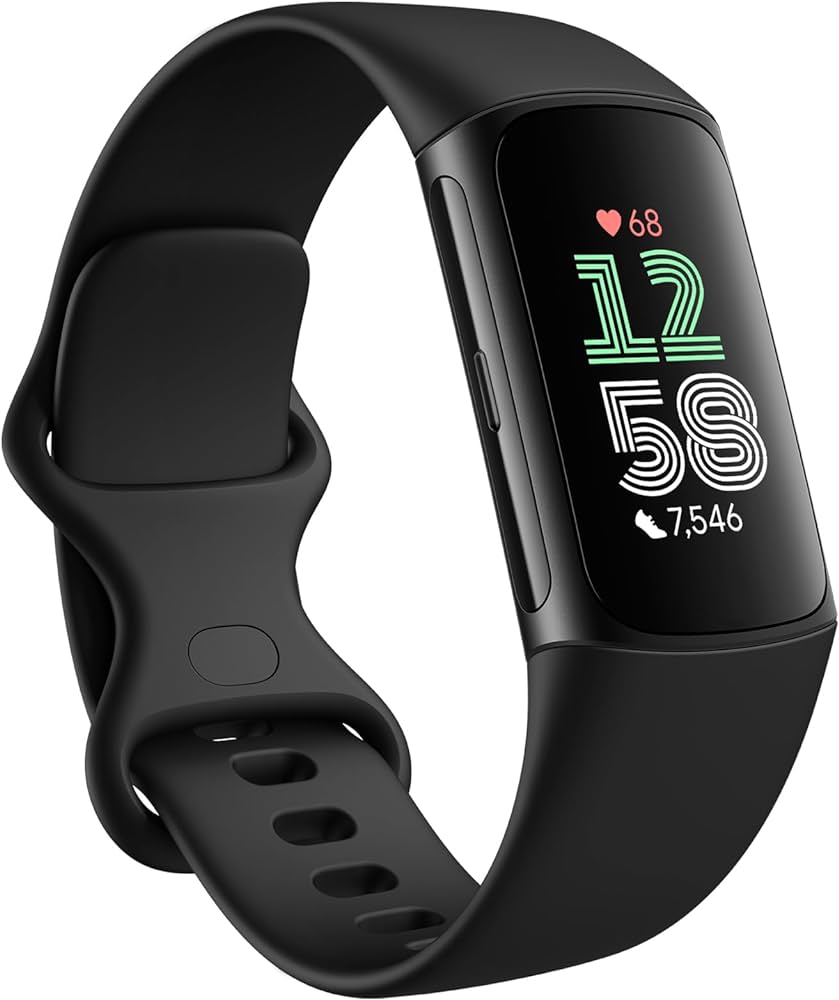
The Charge 6 strikes the best balance of everyday activity tracking, built-in GPS, and smart features like Google Maps and YouTube controls on a comfortable band. It's our favorite all-rounder for most people, but you'll need to charge about every week and some advanced insights are gated behind a Fitbit Premium subscription.
Main limitation: Requires a Fitbit Premium subscription to unlock Daily Readiness scores, sleep profiles, and other advanced analytics.
Skip if: Anyone who wants full smartwatch capabilities like third-party apps and on-wrist calls should skip it and look at a smartwatch instead.
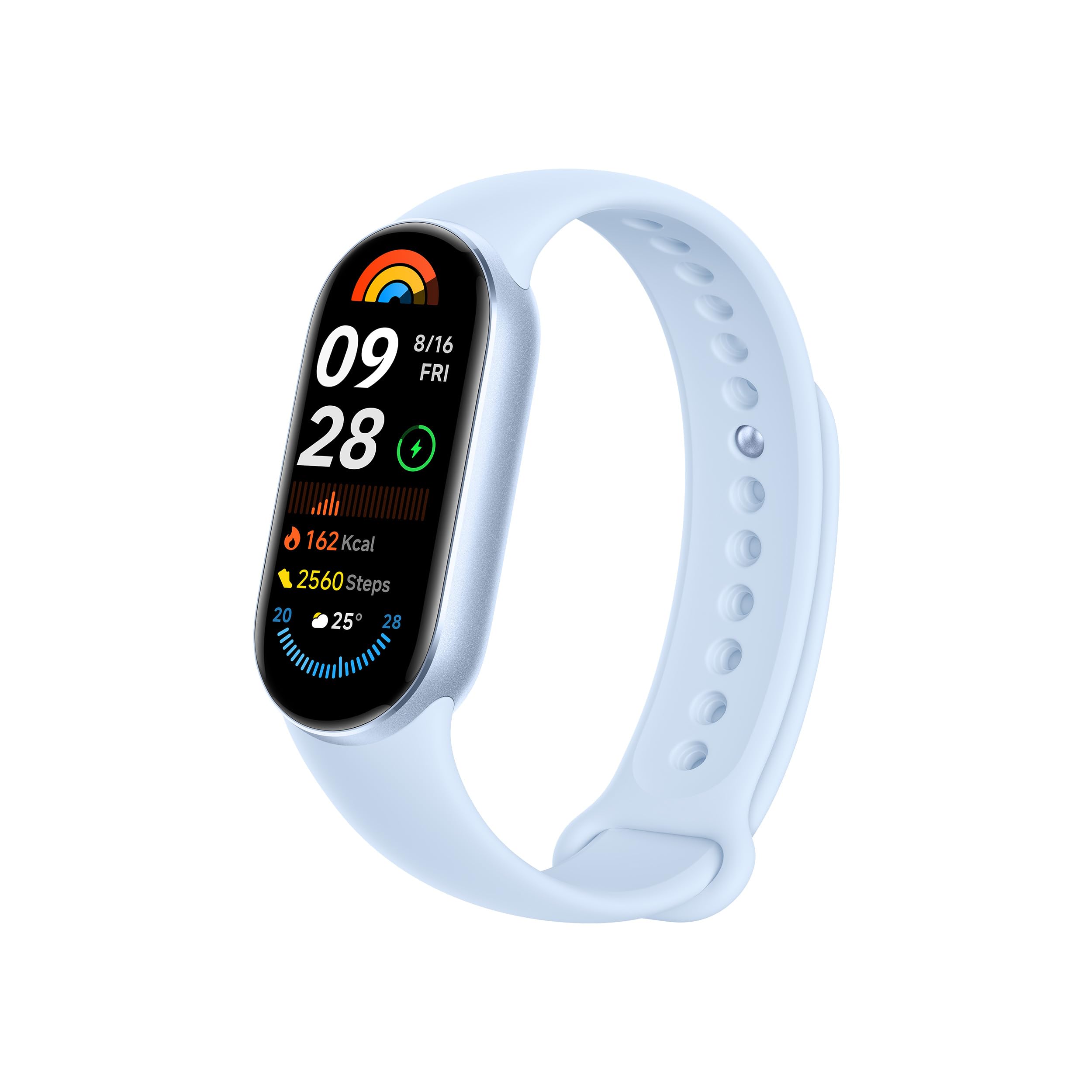
For under $50, the Xiaomi Smart Band 9 delivers a bright, always-on AMOLED display and exceptional two-week battery life. It covers the basics with solid heart-rate and sleep tracking, but it lacks built-in GPS and tends to be less accurate during intense interval workouts.
Main limitation: No built-in GPS — it must tether to your phone to capture outdoor routes and pace.
Skip if: Serious runners who frequently train without carrying a phone will find the GPS dependency too limiting.

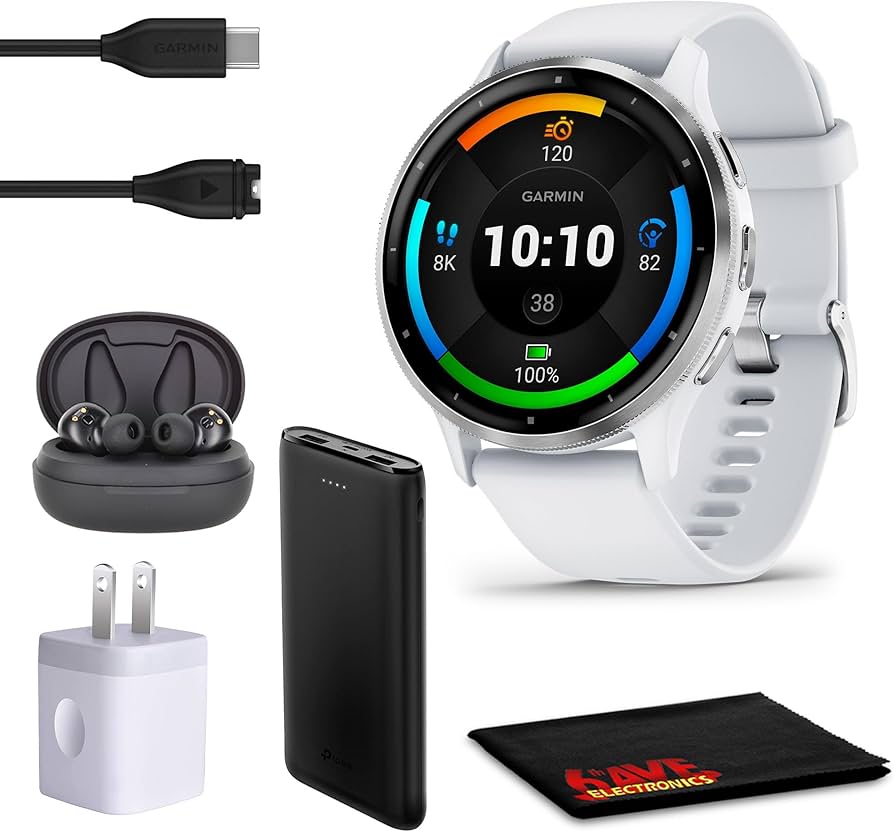
The Venu 3 combines a stunning AMOLED display with Garmin's vast health ecosystem, including HRV status, Body Battery, sleep coach, and a full smartwatch experience. It's a premium investment that leans heavily into wellness, but its performance features aren't as deep as Garmin's dedicated running watches.
Main limitation: The always-on AMOLED mode drops battery to around 7 days, and some advanced features are buried in the feature-rich but cluttered app.
Skip if: Minimalists who only want a small band for sleep tracking will find the Venu 3 bulky and expensive.
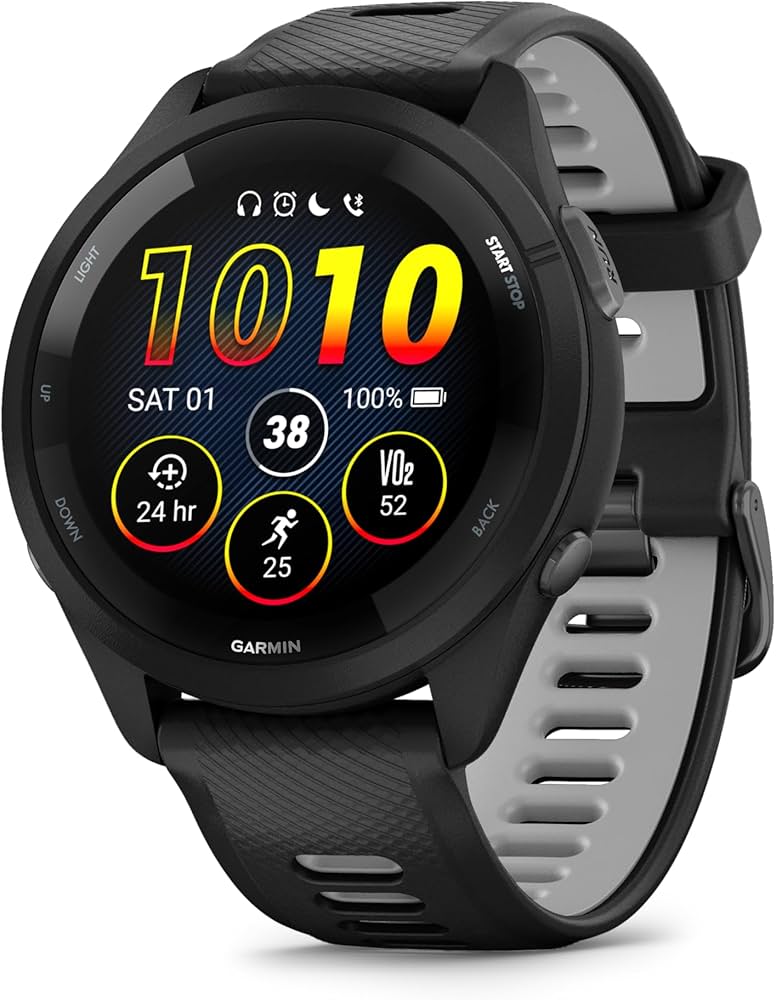
The Forerunner 265 hits the sweet spot for serious runners, offering dual-band GPS that works reliably in dense urban areas and advanced training metrics like race predictor and training readiness. The AMOLED touchscreen is a huge upgrade over older models, but the battery lasts only about 19 hours in full GPS mode.
Main limitation: As a mid-range runner's watch, it lacks the mapping and multi-band altitude features found on the more expensive Forerunner 965.
Skip if: Non-runners and casual gym-goers won't benefit from the intense training metrics that justify the price.
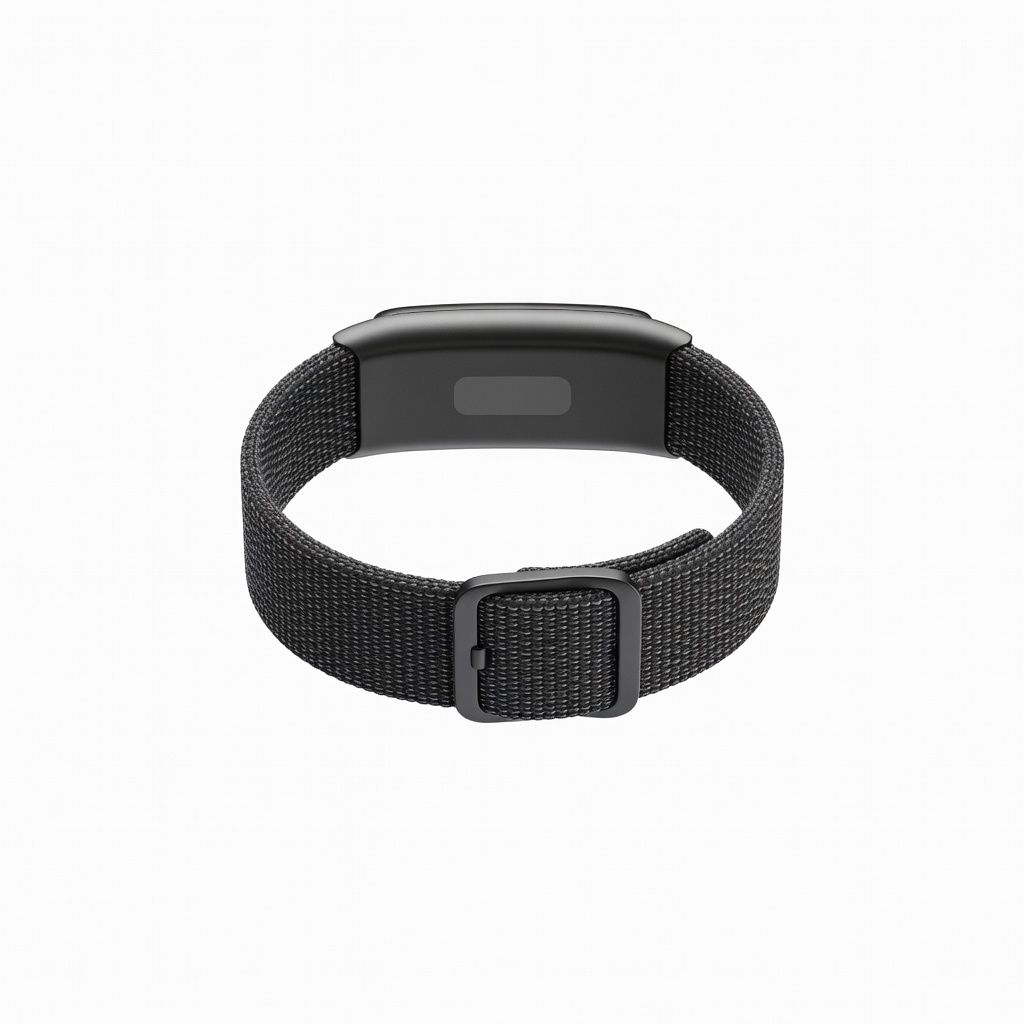
Whoop 5.0 is a scrappy fitness tracker without a screen or GPS, designed to give you a deeply personalized daily strain target based on your recovery score. The membership model covers the hardware and software, but for many athletes, the actionable insight into sleep and exertion is unmatched.
Main limitation: It requires an annual membership (around $239/year), and the lack of any display means you can't check the time or stats without grabbing your phone.
Skip if: People who want a conventional watch, or those already overwhelmed by data, will find Whoop's subscription and constant coaching too much.
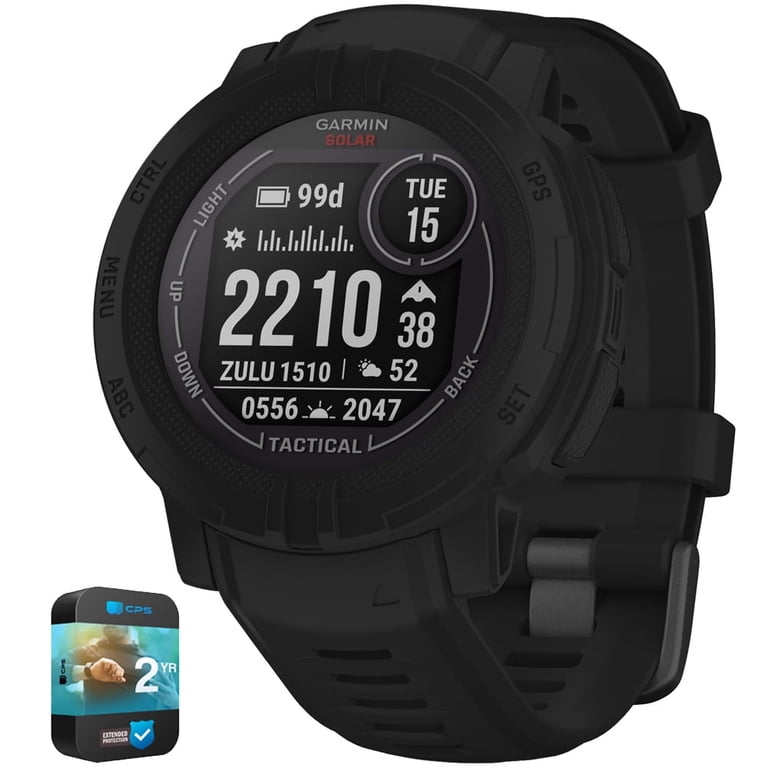
The Instinct 2 Solar is a rugged outdoor watch that can stretch its battery to months with solar charging in power-save mode, making it the perfect companion for expeditions. It's military-standard durable and works well in bright sunlight, though its monochrome display and no-touchscreen design feel dated.
Main limitation: The MIP display is lower resolution than the AMOLEDs on competitors, and the menu navigation feels cumbersome.
Skip if: Those who want a sleek everyday watch for the office will find the Instinct's tactical looks out of place.
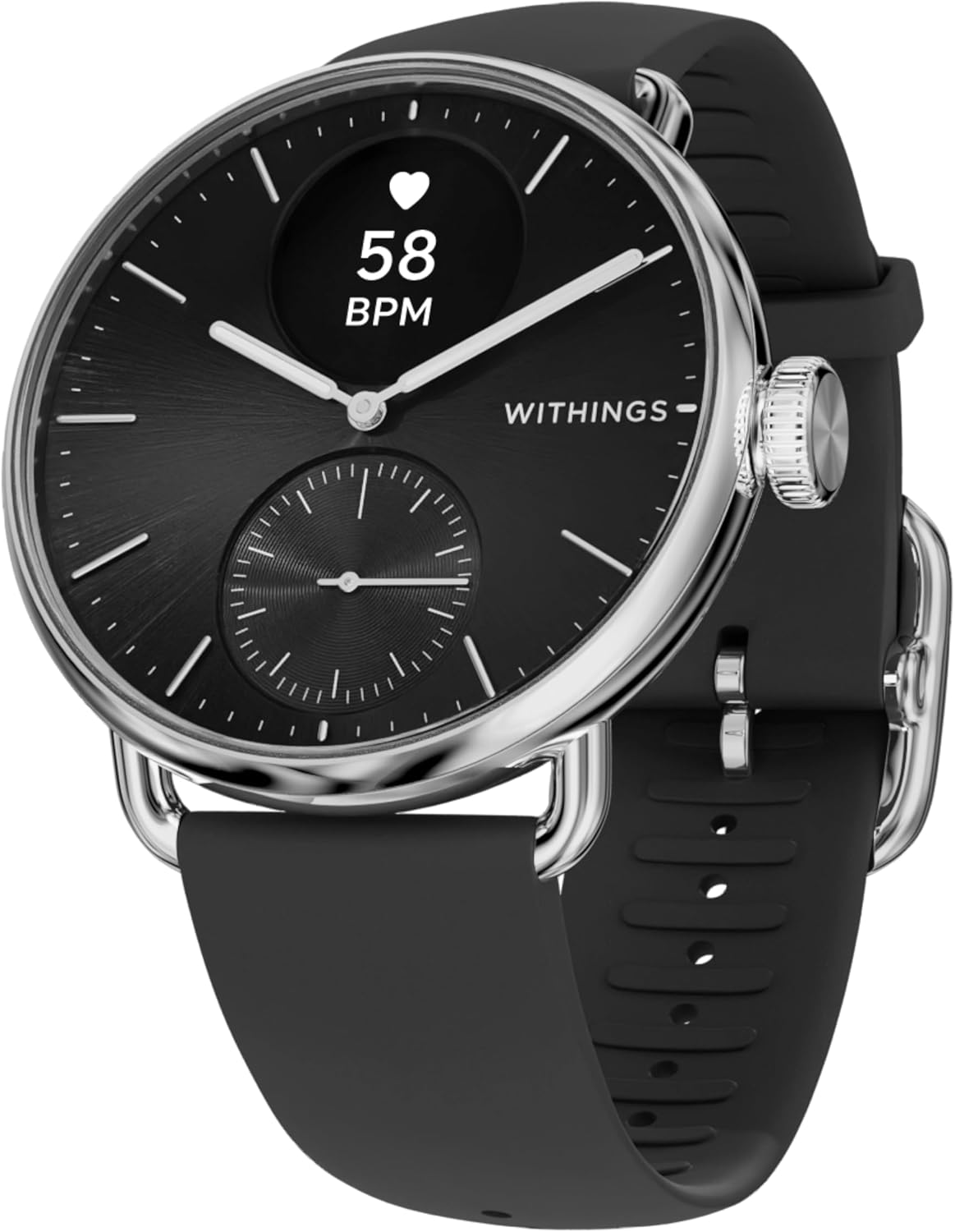
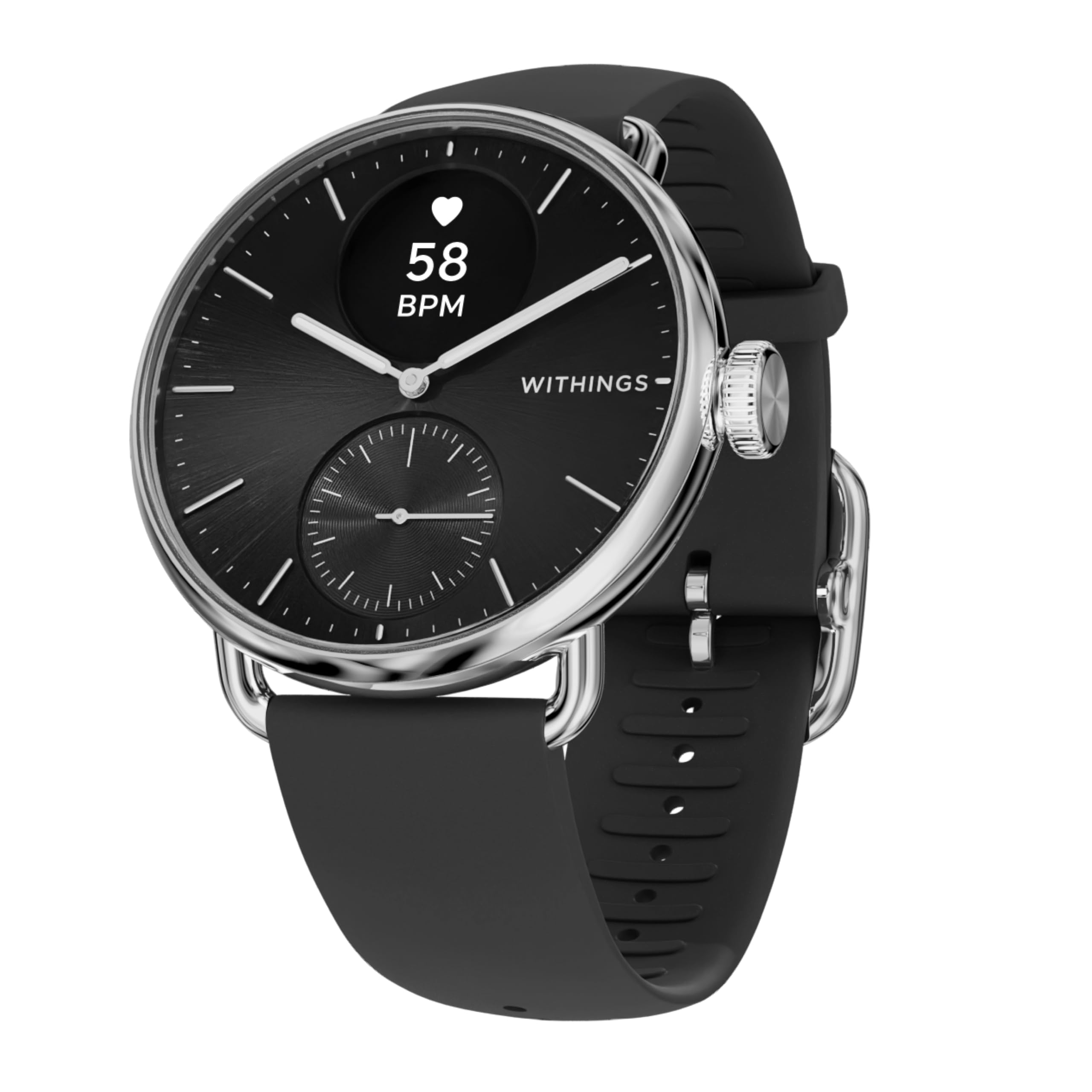
Withings ScanWatch 2 looks like a traditional analog watch but hides medical-grade sensors for ECG, SpO2, and skin temperature. It's elegant enough for business attire and offers a 30-day battery, but its fitness features (like activity tracking and structured workouts) are basic compared to Garmin rivals.
Main limitation: No built-in GPS; it relies on your phone for route tracking and doesn't give you live stats like pace or cadence on the screen.
Skip if: Serious athletes or anyone who wants a dedicated running coach should look to Garmin or Whoop instead.
Compare key specs and features of all our recommendations side-by-side
| Product | Recommendation | Rating | Price |
|---|---|---|---|
Fitbit Charge 6 Rank #1 | 🏆 Top Pick | 8.8/10 | $159.95–$179.95 Check current price → |
Xiaomi Smart Band 9 Rank #2 | 💰 Budget Pick | 8.2/10 | $49.99–$59.99 Check current price → |
 Garmin Venu 3 Rank #3 | ⭐ Editor's Choice | 4.5 4.5 | $449.99–$499.99 Check current price → |
Garmin Forerunner 265 Rank #4 | — | 8.6/10 | $449.99–$479.99 Check current price → |
Whoop 5.0 Rank #5 | — | 8.0/10 | $239/year (hardware included) Check current price → |
Garmin Instinct 2 Solar Rank #6 | — | 8.1/10 | $399.99–$449.99 Check current price → |
 Withings ScanWatch 2 Rank #7 | — | 7.9/10 | $349.95–$399.95 Check current price → |
Common questions buyers have about this category.
Most optical heart-rate sensors are accurate within ±5% during steady-state exercise, but they can lag behind chest straps during intense intervals or motion. For medical-grade ECG readings, look for devices with dedicated ECG capability like the Fitbit Charge 6 or Withings ScanWatch 2.
Only if you exercise outdoors and want to leave your phone behind. Built-in GPS allows accurate pace, distance, and route mapping without carrying a phone. Budget trackers often rely on phone GPS, which works fine but drains your phone's battery and can be less accurate in wooded areas.
Fitness trackers focus on activity, sleep, and recovery data, while smartwatches offer broader features like apps, notifications, maps, and contactless payments. Some like the Garmin Venu 3 blur the line, but dedicated fitness trackers (like the Charge 6) typically have longer battery life and more minimalist form factors.
It depends on how much you value deep data and personalized coaching. Subscriptions like Fitbit Premium or Whoop unlock advanced analytics, readiness scores, and structured programs. If you're happy with basic metrics, there are excellent trackers like the Xiaomi Smart Band 9 that require no ongoing fees.
Budget bands typically last 7–14 days, while GPS watches usually go 5–10 days in smart mode. If you use continuous GPS for long workouts, expect that to drop to 20–30 hours. Solar-powered models like the Garmin Instinct 2 Solar can go far longer if you're outside enough.
Look for a 5ATM or higher water-resistance rating and dedicated swim metrics like stroke count. The Garmin Forerunner 265 offers automatic stroke detection for pool laps, while the Withings ScanWatch 2 is a great choice if you prefer a hybrid style. The Fitbit Charge 6 gives basic swim tracking but won't log open-water distance without GPS.
Products we evaluated but did not recommend — and why.
