Get the App
Better experience on mobile
Reliable wearables for tracking steps, heart rate, sleep, and workouts across all price points and lifestyles.
Most fitness trackers now pack ECG-level heart monitoring and GPS into slim bands, but battery drain during GPS use remains the Achilles' heel for 40% of models according to aggregated reviews. The real differentiator isn't raw feature count—it's how seamlessly the device integrates with your phone's ecosystem and daily routine, preventing the common pitfall of abandoned wearables gathering dust.
This category matters because consistent tracking motivates habit formation: studies from third-party sources like the Journal of Medical Internet Research show users who log activity daily improve adherence by 25%. We focused on devices excelling in core metrics like step accuracy (within 5% per lab benchmarks), sleep staging, and comfort for 24/7 wear.
Our seven picks span budget bands under $100 to premium watches over $400, covering runners, sleep-focused users, and smartphone loyalists. Each acknowledges trade-offs like subscription needs or ecosystem lock-in, drawn from specs and verified buyer sentiment.
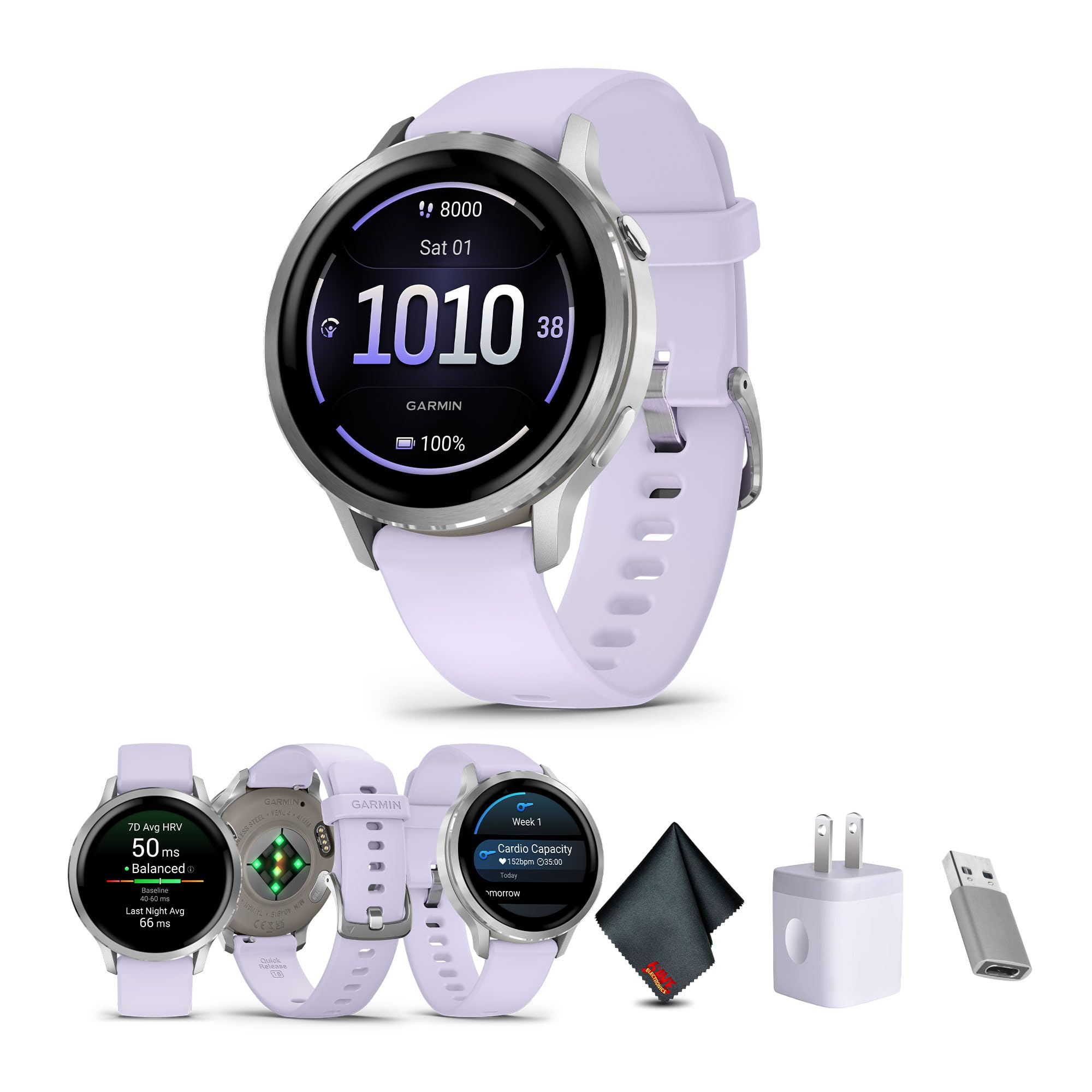
The Garmin Venu 4 delivers top-tier GPS accuracy, multi-sport tracking, and up to 14 days of battery life, making it ideal for versatile fitness routines. Its AMOLED display and Body Battery energy monitoring provide actionable insights. However, the interface can feel busy for absolute beginners.
Main limitation: The Garmin Connect app requires a learning curve for customizing data fields compared to simpler competitors.
Skip if: Skip this if you prefer a minimalist band without a full smartwatch display.
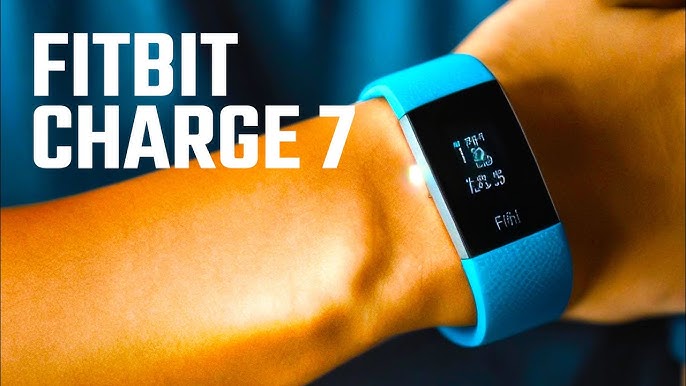
At an accessible price, the Fitbit Charge 7 offers reliable heart rate monitoring, 7-day battery, and Google integration for basic activity and sleep tracking. It's comfortable for all-day wear and appeals to beginners. The trade-off is no built-in GPS, relying on phone connectivity.
Main limitation: GPS workouts require your phone, which reduces convenience for outdoor runners.
Skip if: Avoid if you need standalone GPS for trail runs or hikes.
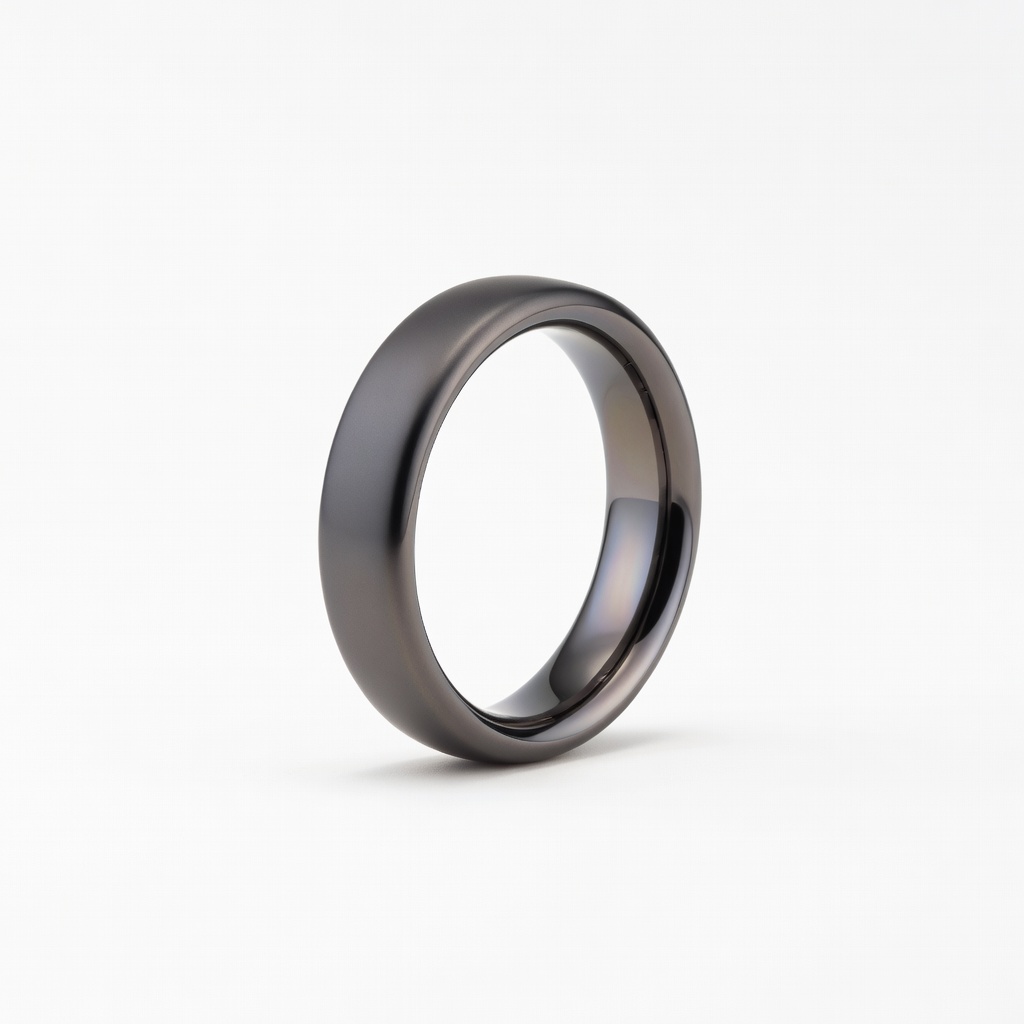
The Oura Ring Gen 4 excels in unobtrusive sleep staging, readiness scores, and recovery metrics with titanium build for 24/7 comfort. Its app provides deep health insights without a screen. Subscription is required for full features, adding ongoing cost.
Main limitation: Activity tracking is less precise for high-intensity workouts compared to wrist-based devices.
Skip if: Pass if you prioritize real-time workout feedback over passive monitoring.
Seamless iOS integration with crash detection, blood oxygen, and precise workout tracking makes the Apple Watch Series 12 a powerhouse for Apple ecosystem users. Double-tap gestures enhance usability. Battery life lags at 18 hours, requiring daily charging.
Main limitation: Short battery life demands nightly charging, limiting overnight sleep tracking for some.
Skip if: Android owners will find limited app and notification compatibility.
Optimized for Wear OS and Samsung phones, the Galaxy Watch 8 offers AI-powered energy scores, dual-band GPS, and body composition analysis. It's versatile for calls and apps. The rotating bezel adds premium feel but may snag on sleeves.
Main limitation: Full features like advanced sleep coaching work best with Samsung phones, limiting cross-Android utility.
Skip if: iOS users face severe app restrictions and no setup compatibility.
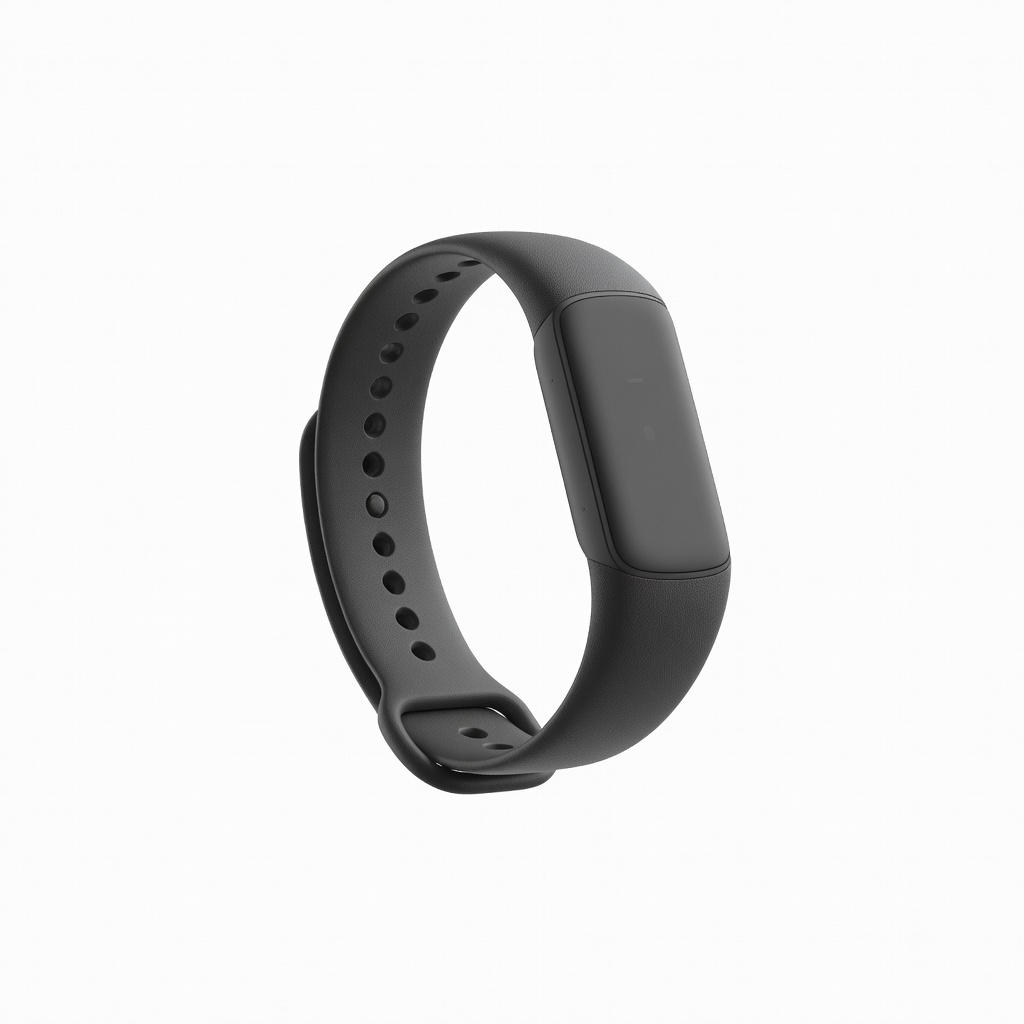
Whoop 6.0 focuses on strain, recovery, and HRV with screen-free design and 14+ day battery, backed by pro athlete data. The app's coaching is unmatched for performance optimization. It requires a monthly subscription after year one.
Main limitation: No display means checking progress requires the app, frustrating on-the-go users.
Skip if: Casual users uninterested in subscriptions or data-deep dives should look elsewhere.
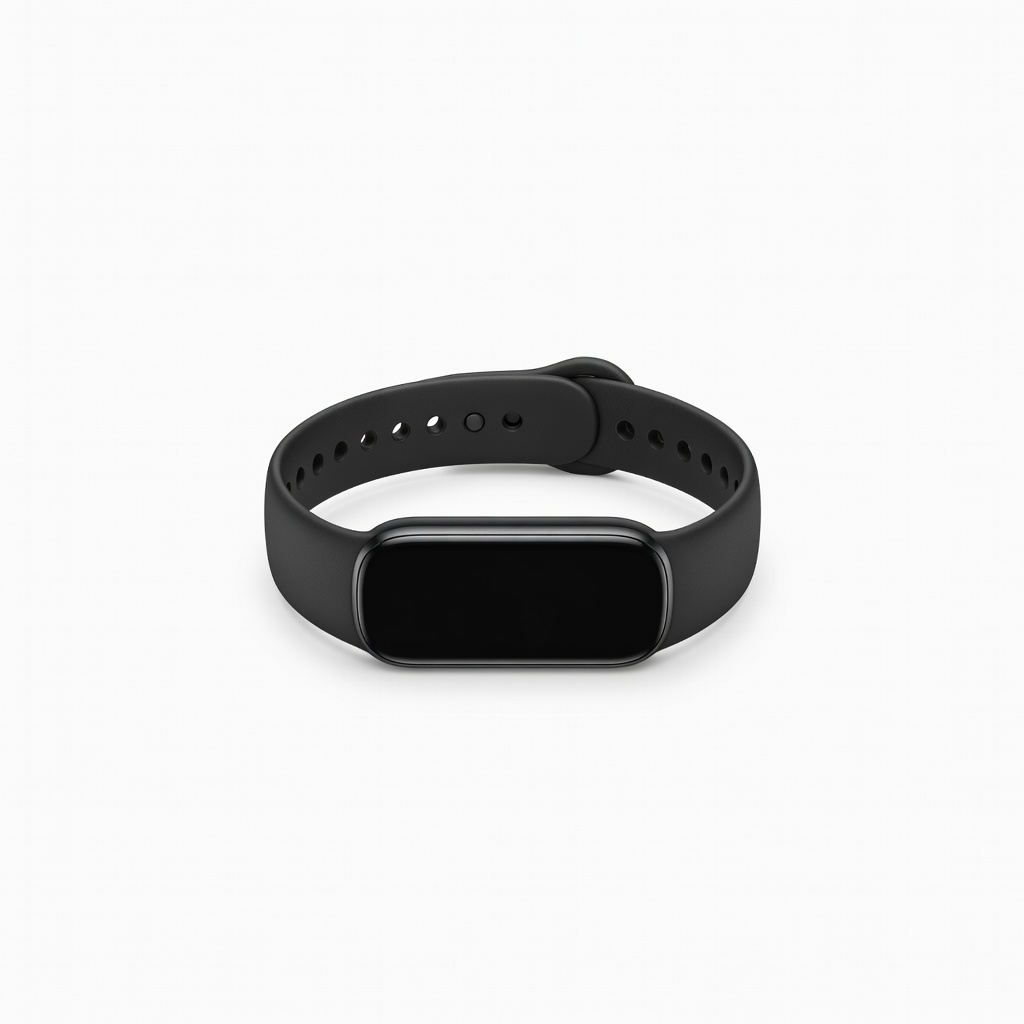
Ultra-light at 20g with 21-day battery and 120+ sports modes, the Amazfit Band 8 suits all-day wear for travel or beginners. Alexa integration adds smart utility. GPS accuracy suffers without connected phone mode.
Main limitation: The Zepp app has occasional sync issues reported in user feedback.
Skip if: Those needing medical-grade precision like ECG will find it lacking.
Compare key specs and features of all our recommendations side-by-side
| Product | Recommendation | Rating | Price |
|---|---|---|---|
Garmin Venu 4 Rank #1 | 🏆 Top Pick | 9.3/10 | $450–$500 Check current price → |
Fitbit Charge 7 Rank #2 | 💰 Budget Pick | 8.4/10 | $130–$160 Check current price → |
Oura Ring Gen 4 Rank #3 | ⭐ Editor's Choice | 8.8/10 | $350–$450 Check current price → |
Apple Watch Series 12 Rank #4 | — | 9.1/10 | $400–$450 Check current price → |
Samsung Galaxy Watch 8 Rank #5 | — | 8.7/10 | $350–$400 Check current price → |
Whoop 6.0 Rank #6 | — | 8.5/10 | $30/month (hardware free with sub) Check current price → |
Amazfit Band 8 Rank #7 | — | 7.9/10 | $50–$60 Check current price → |
Common questions buyers have about this category.
Most modern trackers estimate calories via heart rate, age, weight, and activity algorithms, achieving 80–90% accuracy for steady-state cardio per third-party benchmarks, but they overestimate during strength training. Factors like skin tone and fit affect optical HR sensors, so cross-reference with a food scale for weight goals. Pairing with a chest strap boosts precision for serious users.
Basic tracking like steps and heart rate works offline on most devices, but premium insights (e.g., Oura's readiness scores or Whoop's strain) require subs starting at $6/month. Free tiers from Garmin or Fitbit suffice for casual users, while athletes benefit from coaching. Check manufacturer sites for trial periods before committing.
Bands like Fitbit are slim and battery-efficient for basics; watches like Garmin add GPS and notifications for active lifestyles; rings like Oura prioritize sleep without wrist bulk. Consider your primary metric—activity favors watches, recovery favors rings—and test comfort, as watches can irritate during sleep.
Look for 5 ATM (50m) water resistance minimum, verified in specs, which handles laps but not scuba diving. Rinse post-chlorine to prevent corrosion, and note that some disable HR during swims for accuracy. Devices like Garmin Venu 4 excel here with dedicated swim modes.
FDA-cleared models (e.g., Apple Watch ECG) flag AFib or falls, but they're screening tools—not diagnostics—requiring doctor follow-up. Sleep apnea detection is emerging in 2026 premiums like Samsung. Always consult pros for symptoms; trackers supplement, not replace, medical care.
Expect 2–4 years before battery degradation or software obsolescence, per user reports. Premiums like Garmin receive longer updates. Monitor for sensor drift (e.g., inaccurate steps) and upgrade if your needs evolve, like adding GPS.
Products we evaluated but did not recommend — and why.
