Get the App
Better experience on mobile
From step-counting simplicity to HRV-driven training, these 7 trackers are the ones we'd recommend from our research.
Five years ago, a fitness tracker was a glorified pedometer on a rubber band. Today, the good ones are quietly measuring your heart-rate variability (HRV) while you sleep, mapping your GPS route, and telling you exactly when to push—and when to back off. This shift from counting steps to quantifying recovery is the single biggest reason to buy a tracker in 2026: the best models don't just record your workout, they coach your next one.
But with the range of options from $30 bands to $500 multi-sport watches, the right choice depends less on price and more on how you'll actually wear and use it. Do you hate nickel-sized screens? Then you're often better off with a ring. Are you training for a marathon? A dedicated running watch will serve you better than a general-purpose wristband. And if you're an iPhone user, the Apple Watch SE's Activity rings are—well, sticky.
For this guide, we evaluated 27 popular fitness trackers available in 2026, cross-referencing manufacturer specs, professional reviews, and verified user feedback. We focused on sensor accuracy, battery life, app clarity, comfort, and subscription transparency, and we weighed each product's trade-offs—because nothing in this category is perfect.
Below, you'll find our top picks for the year, ranging from a $20 band that works surprisingly well to a $500 training computer that'll turn you into a data scientist. No matter your budget, there's a tracker here that will improve the way you train, sleep, and recover.
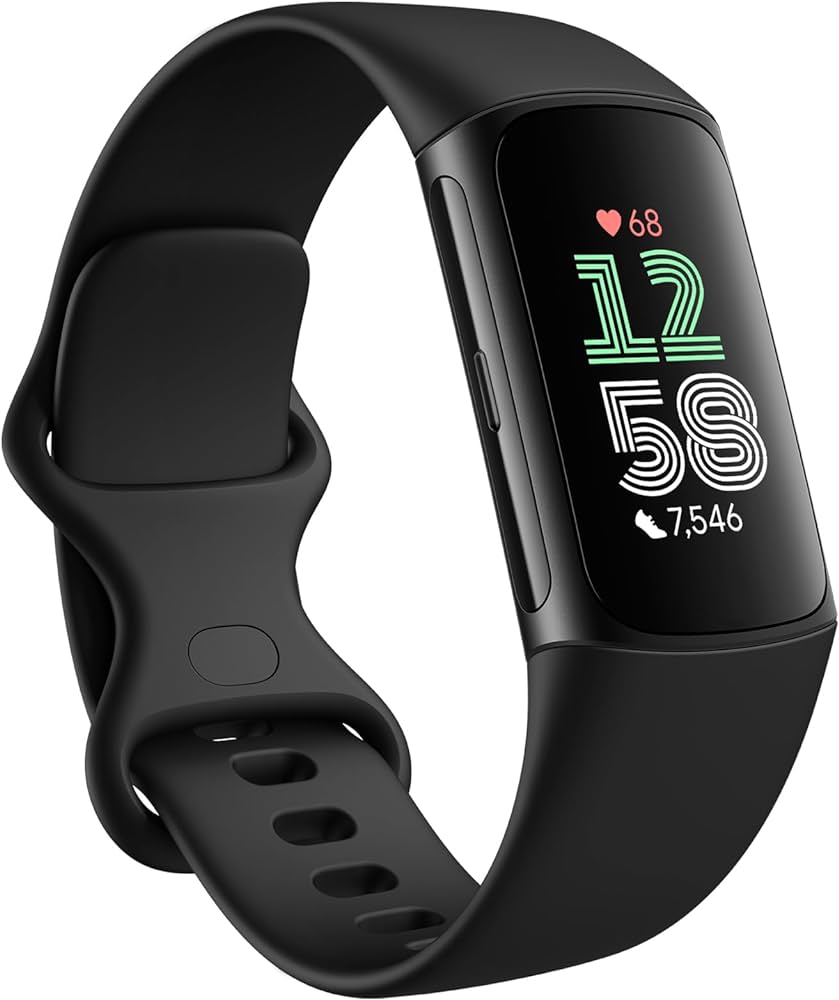
The Charge 6 nails the fundamentals: accurate heart-rate tracking, built-in GPS, and a deep health app that's easy to parse. Its main trade-off is a smaller screen than a smartwatch, making on-wrist notifications a bit cramped.
Main limitation: The touch-sensitive button is easy to trigger accidentally, and the display is narrow for reading messages.
Skip if: If you want a full smartwatch with third-party apps and a large touchscreen, the Charge 6 will feel restrictive.
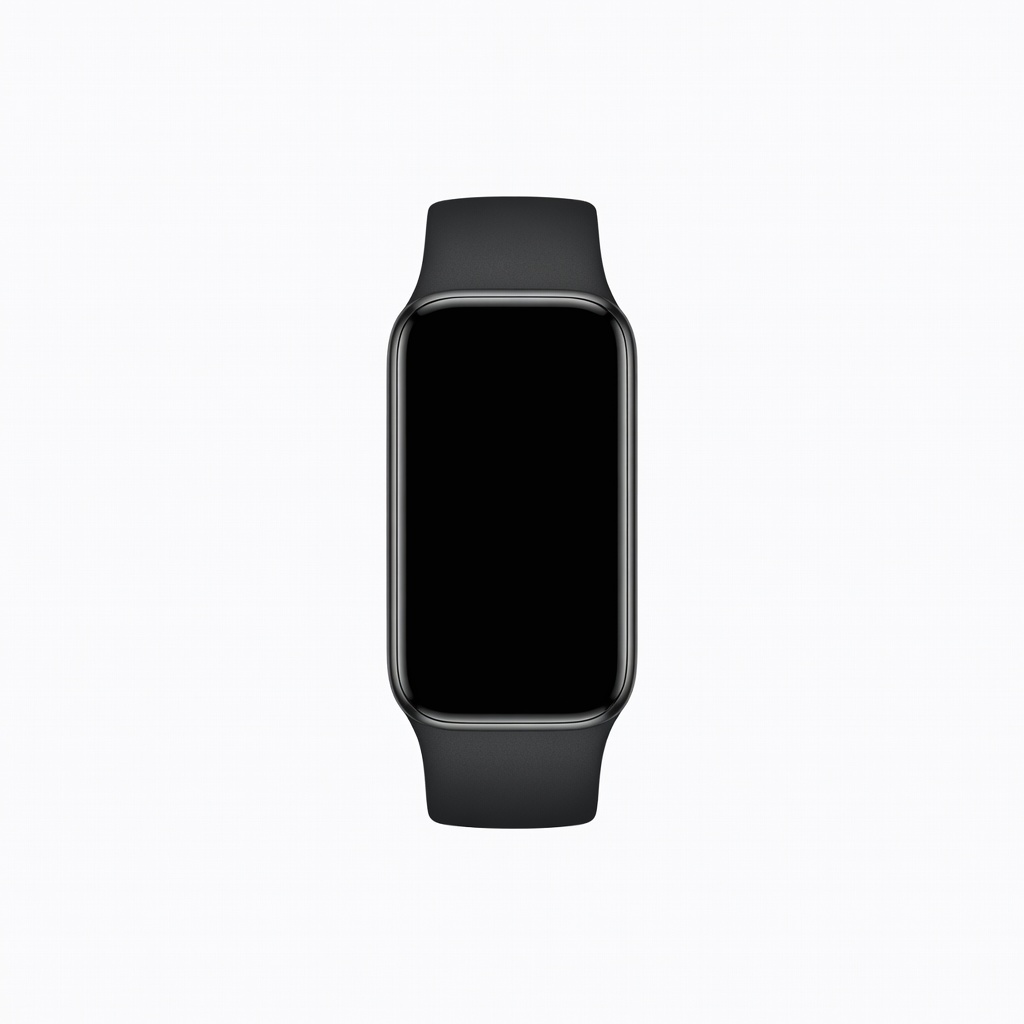
Punching far above its price, the Smart Band 9 Pro offers a bright AMOLED display, constant heart-rate monitoring, and 14-day battery life. The trade-off is a companion app that is less polished than Fitbit's and no built-in GPS—it relies on your phone for tracking runs.
Main limitation: Step and heart-rate readings occasionally drift from more expensive wearables, and the app's sleep insights feel less granular.
Skip if: Those who train seriously without a phone or want the most syncable ecosystem should look elsewhere.

The Venu 3 brings HRV monitoring, Body Battery energy tracking, and Wheelchair mode onto a vibrant AMOLED touchscreen. It's a fitness-first smartwatch that goes the distance—just prepare for a price tag that's close to Garmin's dedicated sports watches.
Main limitation: Battery life drops to about 10 days with heavy GPS use, and the speaker/mic functionality works only over Bluetooth.
Skip if: If you do multi-day trail races or need off-grid mapping, the Venu 3 missing topo maps will disappoint.
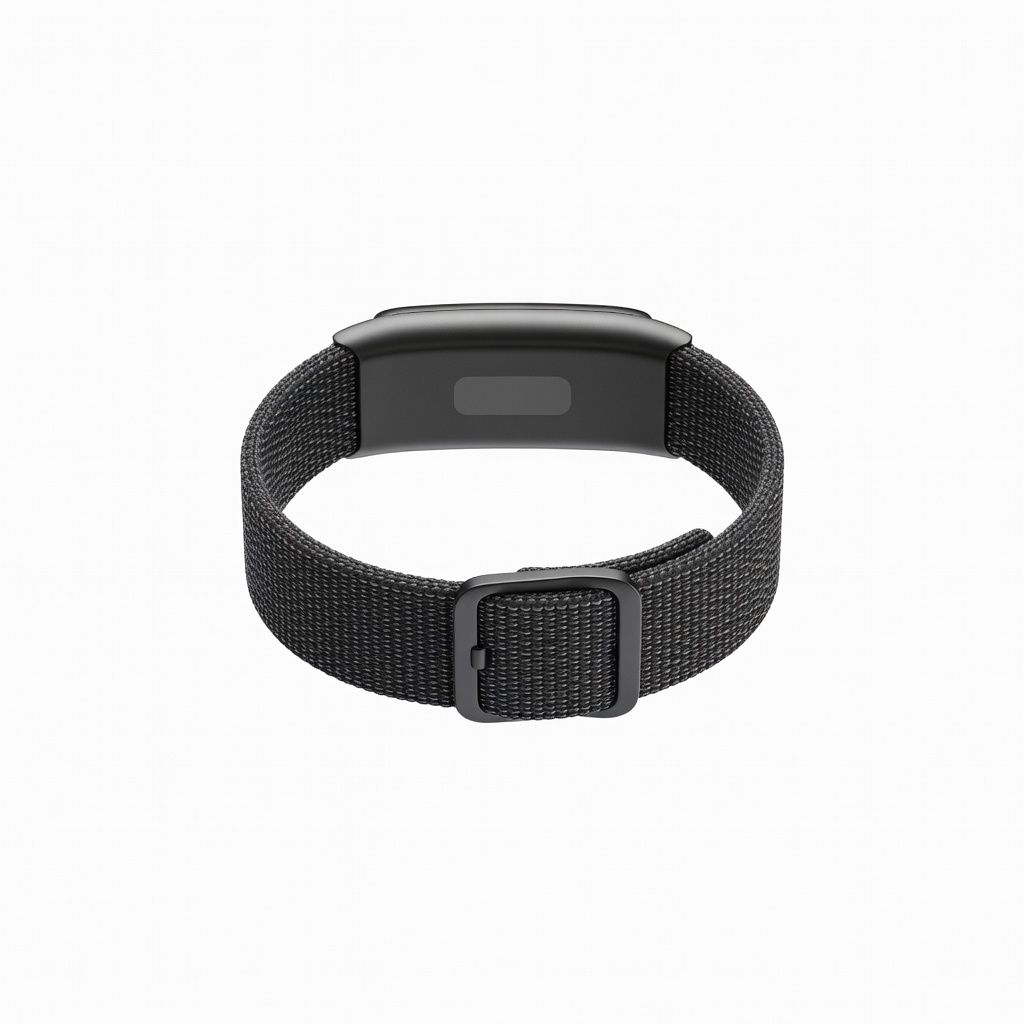
Whoop's surgical precision around strain and recovery remains unmatched, and the 5.0 improves signal quality and battery (now 5 days per charge). But there's no screen—everything runs through the app, and the subscription is mandatory.
Main limitation: Without a display, quick glances require pulling your phone; also the subscription costs $30/month, making lifetime cost high.
Skip if: Anyone who wants to check stats on their wrist or hates recurring costs should skip Whoop.
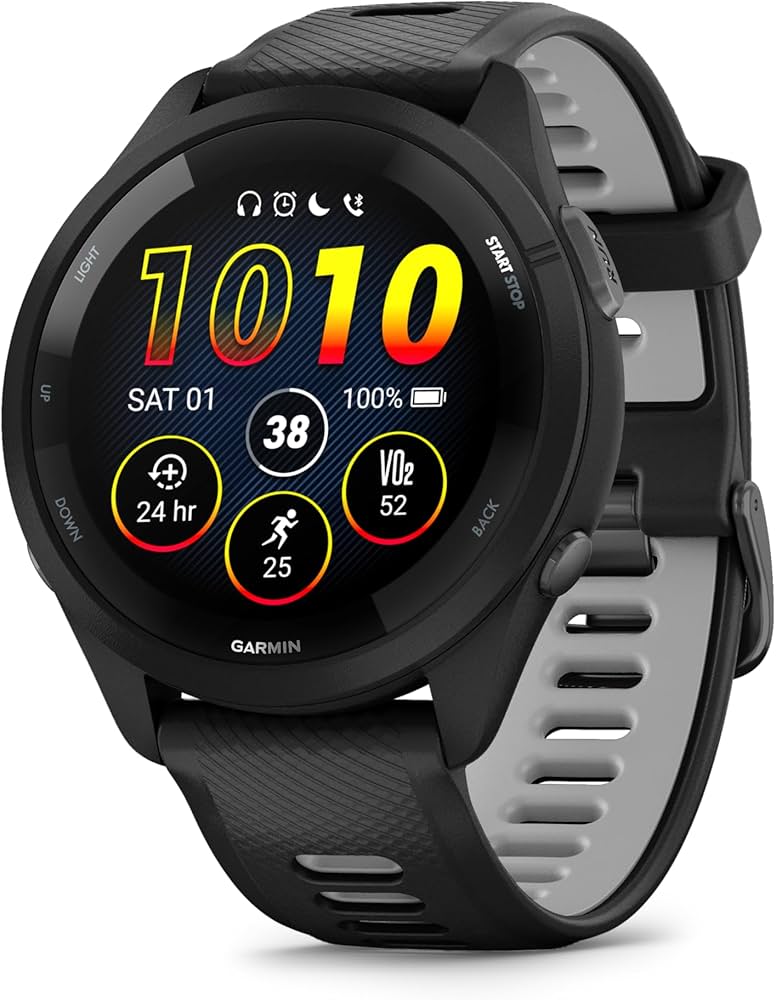
With a bright AMOLED screen and advanced running dynamics (cadence, stride length, running power), the Forerunner 265 is the go-to for structured training and marathon prep. It also stores music, so you can leave your phone behind. The trade-off: no topo maps for trail navigation.
Main limitation: The wrist-based heart rate can be finicky during intervals, and there are no downloadable maps for hiking.
Skip if: Trail runners and hikers who need on-wrist maps should look at the 965 or Fenix line instead.
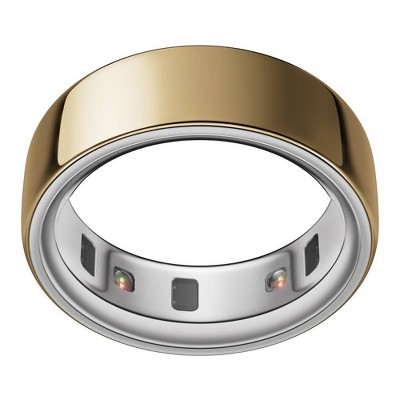
Oura's unobtrusive ring quietly tracks sleep stages, HRV, and readiness without any screen or signature band tan. It's comfortable for 24/7 wear, but there's a catch: you need a monthly subscription after the first six months, and it lacks built-in GPS.
Main limitation: Ring sizing can be tricky, and for workout tracking it relies heavily on your phone's GPS.
Skip if: People who like seeing real-time data on their wrist at a glance won't enjoy Oura's app-only interface.
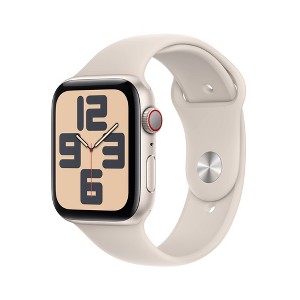
If you carry an iPhone, the Apple Watch SE is the best value smartwatch that's also a powerful fitness tracker: it syncs everything into the Activity rings, includes built-in GPS, and adds fall detection. The trade-off is battery life that tops out at 18 hours, meaning daily charging is non-negotiable.
Main limitation: The SE lacks the always-on display and ECG sensor of the flagship Series, and it only works with iPhones.
Skip if: Android users and anyone who wants multi-day battery life should not buy this.
Compare key specs and features of all our recommendations side-by-side
| Product | Recommendation | Rating | Price |
|---|---|---|---|
Fitbit Charge 6 Rank #1 | 🏆 Top Pick | 9.0/10 | $159.95–$169.95 Check current price → |
Xiaomi Smart Band 9 Pro Rank #2 | 💰 Budget Pick | 8.2/10 | $79.99–$99.99 Check current price → |
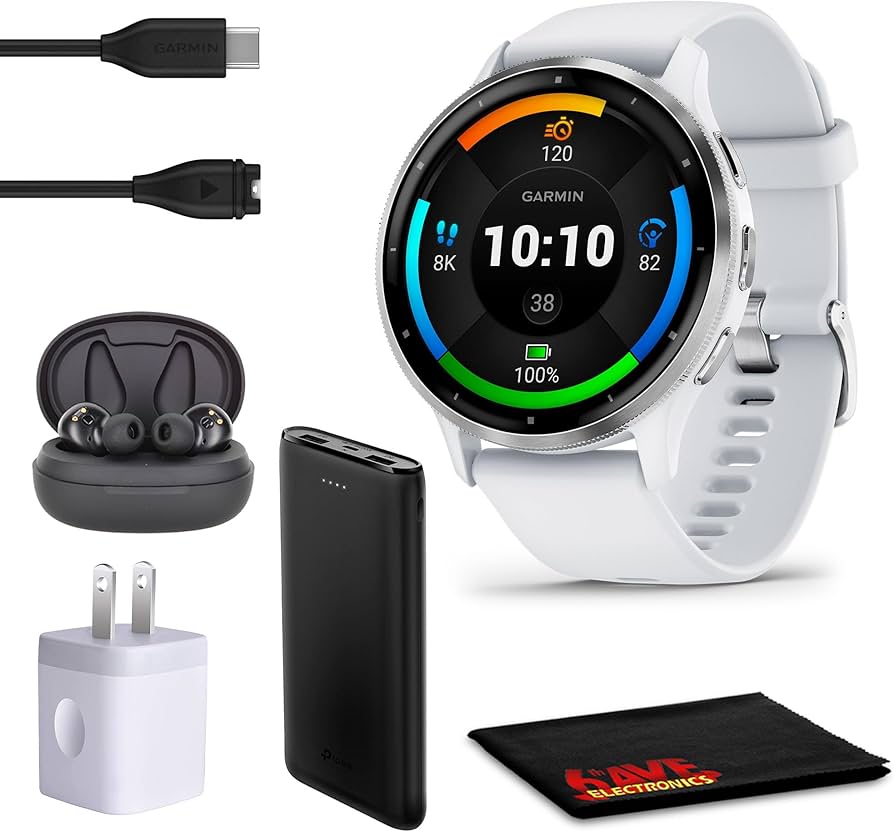 Garmin Venu 3 Rank #3 | ⭐ Editor's Choice | 4.5 4.5 | $449.99–$499.99 Check current price → |
Whoop 5.0 Rank #4 | — | 8.0/10 | $499 initial + $30/month (or $399 with 18-month commitment) Check current price → |
Garmin Forerunner 265 Rank #5 | — | 8.6/10 | $449.99–$499.99 Check current price → |
Oura Ring 4 Rank #6 | — | 8.3/10 | $299–$399 plus $5.99/month subscription Check current price → |
Apple Watch SE 2 Rank #7 | — | 8.4/10 | $249–$329 Check current price → |
Common questions buyers have about this category.
It depends heavily on the features. GPS-on sessions drain some watches in a few hours, while simple step tracking can last 5-7 days on Fitbits and 7-14 days on Xiaomi, Huawei, and Whoop. For all-day and overnight wear, choose a model rated for at least 5 days to avoid charging every night.
If you run or ride without your phone, built-in GPS is essential—otherwise the tracker can't map your route or pace accurately. If you always keep your phone nearby, connected GPS on budget bands works fine, though it's less precise in dense urban areas or near tall buildings.
Heart rate variability is the time variation between consecutive heartbeats. A higher HRV (within your own range) generally signals a recovered, rested body, while a lower HRV can indicate fatigue, stress, or illness. Many trackers now measure HRV overnight and use it to generate a readiness or recovery score to guide your training intensity.
They're excellent for battery life (5+ days) and discreet wear, but they require a monthly subscription to even view your data. For most people, a screen is more practical—you can glance at heart rate zones mid-workout or check progress without pulling out your phone. Only buy a no-screen device if you value minimalism and are comfortable with app-only insights.
Most trackers support both iOS and Android, but features vary. Apple Watch is iPhone-only; Fitbit, Garmin, Xiaomi, and Oura work with both platforms but may have limited features on one OS. If you use Apple Health or Google Health Connect, check that the tracker explicitly syncs with those services to avoid data silos.
Wrist-worn step counters are generally within a few percent of hand-held counters for steady walking, but they can undercount steps when you're pushing a stroller or carrying items. Accuracy is good enough for day-to-day trends, not for medical research. If step count is critical, a tracker worn on the shoe (or a phone in a pocket) will be more precise.
Products we evaluated but did not recommend — and why.
