Get the App
Better experience on mobile
Motherboards with the most intuitive firmware interfaces, stable updates, and feature-rich UEFI implementations.
UEFI has largely replaced legacy BIOS on modern motherboards, but the best implementations stand out with graphical interfaces, one-click overclocking profiles, and seamless memory training that prevent boot loops during upgrades. Poor firmware turns routine tasks like XMP activation into hours of frustration, while top-tier options from brands like MSI and ASUS make them point-and-click simple.
This matters for general consumers because a solid UEFI BIOS ensures compatibility with the latest Ryzen 9000-series or Intel Core Ultra 300 CPUs, quick RAM tweaks for gaming, and future-proof updates without bricking your board. We focused on boards excelling in real-world firmware polish per reviews from Tom's Hardware, AnandTech, and user aggregates on Reddit and Newegg.
Our seven picks span budget ATX boards under $200 to premium overclocking beasts over $500, covering mini-ITX compactness to WiFi 7 connectivity. Each acknowledges trade-offs like VRM limits or expansion slots to help you match the right firmware experience to your build.
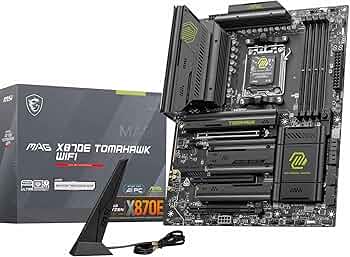
The MSI MAG X870 Tomahawk WiFi delivers an exceptionally intuitive Click BIOS 5 UEFI with mouse-driven menus, robust Q-Flash updates, and stable overclocking for Ryzen 9000 CPUs. It balances premium features like PCIe 5.0 and WiFi 7 at a midrange price. The main trade-off is slightly fewer M.2 slots than hero boards.
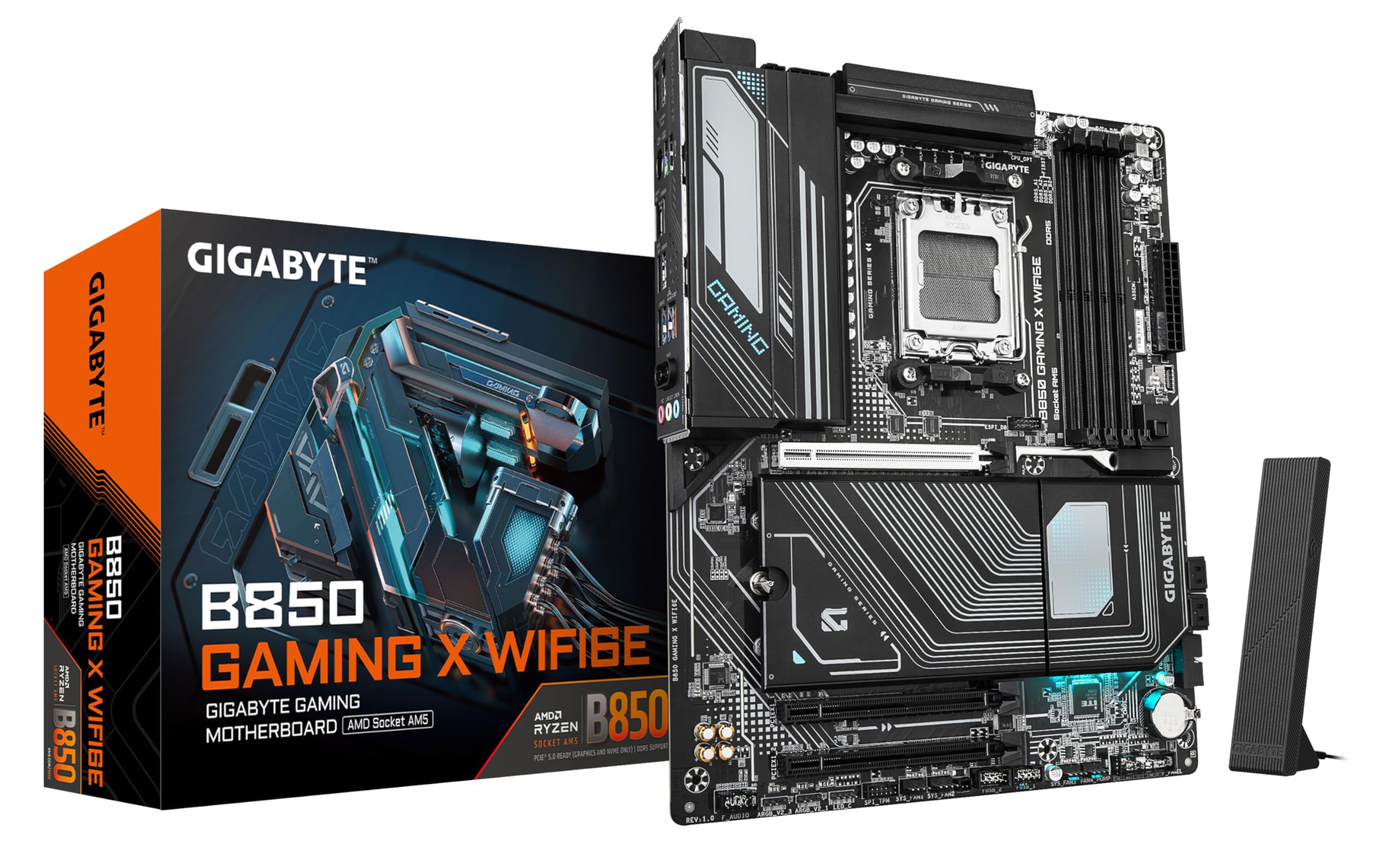
Gigabyte's B850 Gaming X AX offers a clean Q-Flash UEFI BIOS with easy XMP profiles and reliable firmware updates at an entry-level price, making it ideal for first-time builders. It supports DDR5-8000+ speeds out of the box. The trade-off is basic audio lacking premium DACs.
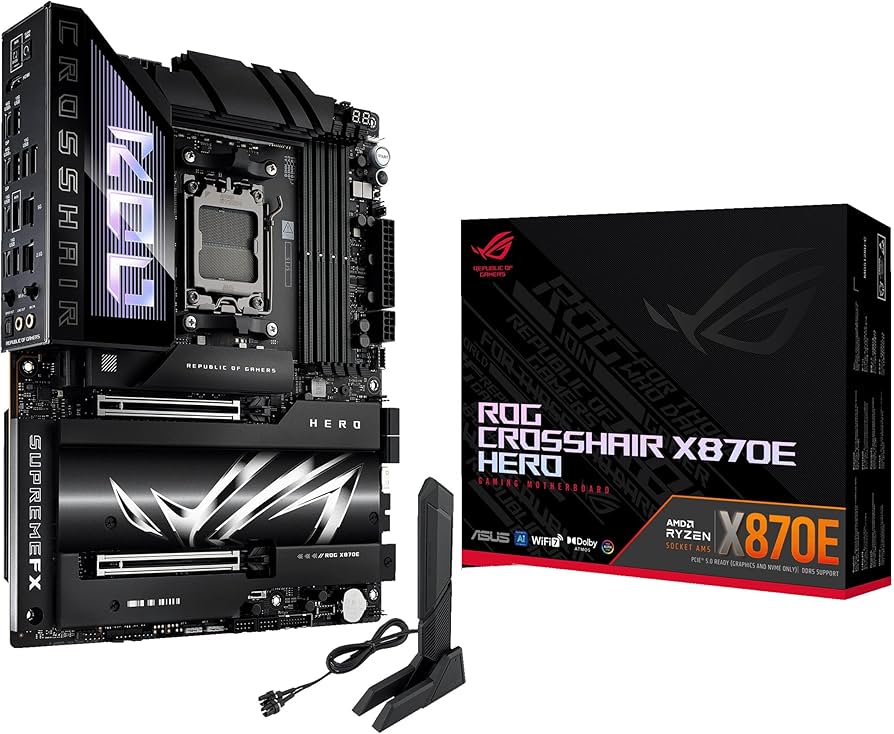
ASUS's ROG Crosshair X870E Hero features the gold-standard Armoury Crate UEFI with AI overclocking, dynamic OC scanner, and probe-it sensors for pushing Ryzen CPUs to their limits. It's built for enthusiasts chasing records. The premium price reflects its hero-grade components.
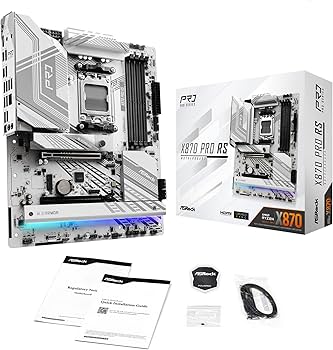
ASRock's X870 Pro RS WiFi shines with a polished UEFI BIOS optimized for multi-GPU workflows and 10Gb LAN for fast file transfers in video editing. It includes toolless M.2 heatsinks for hassle-free builds. Expansion is limited to two PCIe x16 slots.
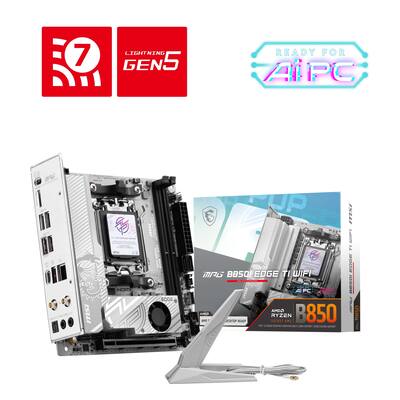
The MSI MPG B850I Edge WiFi packs a compact UEFI BIOS with header-rich layout and WiFi 7 into a mini-ITX form factor perfect for SFF builds. It handles 192GB DDR5 without compromise. Audio and rear I/O are pared down for size.
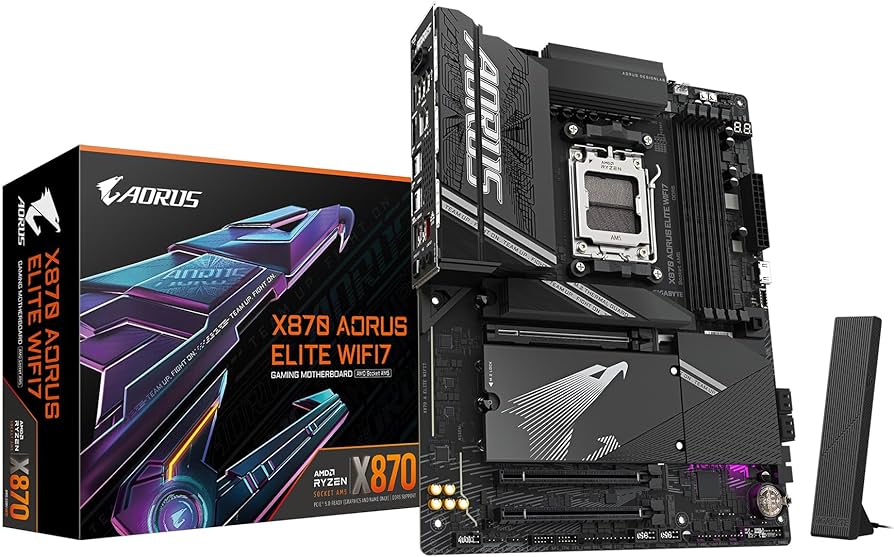
Gigabyte's X870 Aorus Elite WiFi7 excels with optimized UEFI firmware for Ryzen 9000 CPUs, featuring Precision Boost Overdrive and extensive QVL for EXPO kits. It offers flagship connectivity at midrange cost. VRM is solid but not extreme.
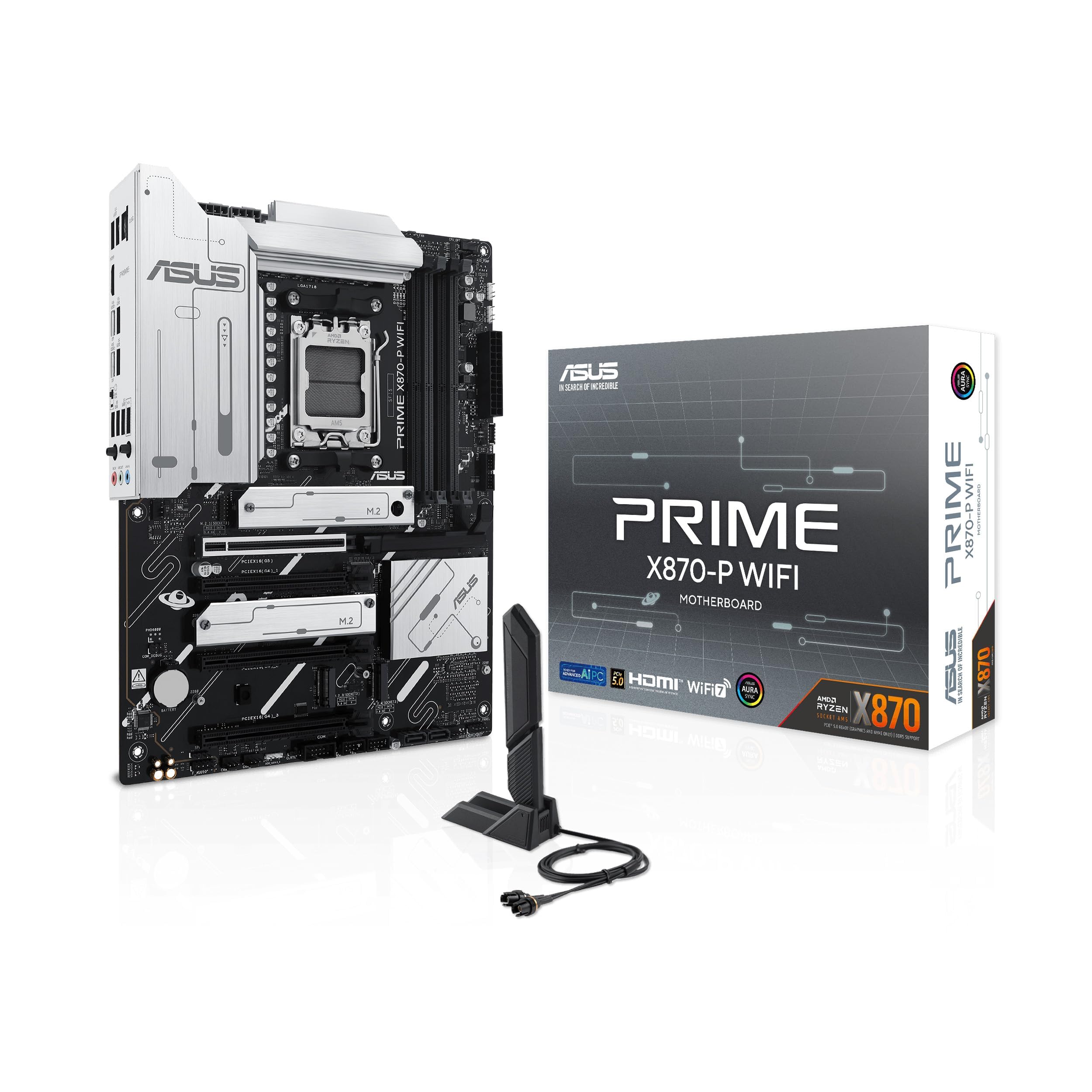
ASUS Prime X870-P WiFi provides a no-frills yet reliable UEFI BIOS with Fan Xpert 4 and safe boot options for everyday productivity builds. It's expandable and affordable. Lacks advanced debugging tools.
Compare key specs and features of all our recommendations side-by-side
| Product | Recommendation | Rating | Price |
|---|---|---|---|
MSI MAG X870 Tomahawk WiFi Rank #1 | 🏆 Top Pick | — | Check price → |
Gigabyte B850 Gaming X AX Rank #2 | 💰 Budget Pick | — | Check price → |
ASUS ROG Crosshair X870E Hero Rank #3 | ⭐ Editor's Choice | — | Check price → |
ASRock X870 Pro RS WiFi Rank #4 | — | — | Check price → |
MSI MPG B850I Edge WiFi Rank #5 | — | — | Check price → |
Gigabyte X870 Aorus Elite WiFi7 Rank #6 | — | — | Check price → |
ASUS Prime X870-P WiFi Rank #7 | — | — | Check price → |
