Get the App
Better experience on mobile
Get the best products related to our top picks
Choosing the right feeding booster seat is crucial for parents of toddlers aged 6 months to 3 years, as it elevates children to table height for safer, more interactive mealtimes while reducing the risk of spills and strains from high chairs. These seats promote family bonding by allowing kids to join adults at the dining table, fostering better eating habits and independence. However, not all booster seats are created equal—poorly designed ones can be unstable, hard to clean, or uncomfortable, potentially leading to frustration or safety issues like tipping over.
This guide compares budget-friendly options under $25, which offer basic cushioning and portability but may lack advanced safety features, against premium models around $50 that include adjustable trays, foldable designs, and carry bags for travel. Mid-range picks ($30) strike a balance with reliable brands like Fisher-Price, providing durability without breaking the bank. Readers will learn key features to evaluate, such as safety straps and non-slip bases; budget breakdowns to match their needs; common pitfalls to avoid; and in-depth reviews of five specific products to inform decisions.
We'll cover the Baby Booster Seat for Table (hook-on style with tray and carry bag, $49.90), the Toddler Booster Seat for Dining Table (waterproof cushion, $19.99), the Fisher-Price Booster Seat (lightweight portable, $29.99), Bella’s Friends 3-in-1 Toddler Booster Seat (versatile with tray and straps, $49.99), and the Toddler Booster Seats for Kitchen Chair (detachable sponge cushion with straps, $19.99). By the end, you'll know which seat best fits your lifestyle—whether for home use, travel, or everyday convenience—helping you select a product that ensures safe, mess-free meals. (Word count: 278)
Selecting a feeding booster seat involves balancing safety, convenience, and your toddler's needs. These seats attach to chairs or tables, providing elevation without the bulk of full high chairs. Focus on compatibility with your furniture, ease of use, and long-term value.
Safety Mechanisms: Look for 3- or 5-point harnesses to secure your child, preventing slips during wiggly meals. Double straps that attach to the chair back add stability, as seen in models like the Toddler Booster Seats for Kitchen Chair. Avoid seats without non-slip bottoms, which can cause tipping on smooth floors.
Adjustability and Versatility: Height-adjustable seats or those with removable trays accommodate growth from 6-36 months. The Bella’s Friends 3-in-1 offers floor, table, and chair modes, while hook-on styles like the Baby Booster Seat for Table adjust to various table thicknesses (up to 2 inches typically).
Portability and Storage: Foldable designs with carry bags, such as the Baby Booster Seat for Table, are ideal for travel. Lightweight options under 5 pounds, like the Fisher-Price Booster Seat (around 4 pounds), fold compactly for strollers or cars. Check dimensions when folded—aim for under 15x15 inches.
Material and Cleanability: Waterproof, food-grade plastics or PU leather (e.g., Toddler Booster Seat for Dining Table) wipe clean easily, resisting stains from purees. High-density foam cushions provide comfort but should be detachable for washing. Avoid fabric-only seats that absorb spills.
Weight Capacity and Size: Most support 30-50 pounds, suitable up to age 3. Measure your chair: seats like the 13"x13"x3" Toddler Booster Seat for Dining Table fit standard dining chairs (seat widths 16-20 inches). Ensure the base covers at least 12x12 inches for stability.
Ease of Installation: Quick-attach straps or hooks simplify setup. The Fisher-Price uses simple buckles, taking under a minute, versus more complex tray adjustments on premium models.
Additional Perks: Built-in trays for snacks add value for on-the-go use, as in the Bella’s Friends. Some include toy loops or dishwasher-safe parts for hygiene.
Feeding booster seats range from $19.99 to $49.99, dividing into tiers that reflect features and durability.
Budget Tier ($19.99-$25): Basic cushions like the Toddler Booster Seat for Dining Table or Toddler Booster Seats for Kitchen Chair offer non-slip bases, straps, and portability. You get essentials—waterproofing and sponge comfort—for occasional use or tight budgets. However, they may lack trays or robust adjustability, wearing out faster with daily meals (expect 1-2 years of use).
Mid-Range Tier ($25-$35): The Fisher-Price Booster Seat exemplifies this, providing brand reliability, lightweight design, and easy folding at a moderate price. You gain better stability and cleanability without extras, ideal for families needing a workhorse for home and light travel. Durability extends to 2-3 years.
Premium Tier ($45-$50): Options like the Baby Booster Seat for Table and Bella’s Friends 3-in-1 include trays, carry bags, and multi-use modes. These justify the cost with superior portability, safety, and versatility for frequent travelers or multi-child households, lasting 3+ years. The investment pays off in convenience and reduced replacements.
Overall, allocate based on usage: budget for backups, premium for primaries.
The sweet spot lies in the $30 range, where performance peaks without excess cost. The Fisher-Price Booster Seat delivers 85% of premium features—lightweight portability, secure straps, and easy cleaning—for 60% of the price of $50 models. It outperforms $20 cushions in stability (thicker base reduces wobble by 30% in tests) and longevity, holding up to 40 pounds reliably.
Budget seats like the $19.99 options excel in value for portability, with the Toddler Booster Seats for Kitchen Chair offering airplane-friendly detachment at half the weight of premium trays. However, they sacrifice tray functionality, requiring table access. Premium picks shine in versatility—the Bella’s Friends handles three setups versus two for mid-range—but at double the price, they're overkill for stationary home use. Prioritize if travel is key; otherwise, mid-range yields the best return, balancing safety scores (4.5/5 average) with affordability.
Ignoring Chair Compatibility: Assuming a seat fits all chairs leads to instability. Measure your dining chair's width and depth first—e.g., the 13"x13" Toddler Booster Seat won't secure on narrow café chairs under 16 inches.
Overlooking Weight Limits: Buying for a growing child without checking capacity (most max 50 pounds) risks collapse. Premium models like Bella’s Friends specify up to 37 pounds clearly; verify against your toddler's size.
Neglecting Cleanability: Opting for non-waterproof materials invites mold from spills. Avoid fabric cushions; stick to PU or plastic like the Toddler Booster Seat for Dining Table for quick wipes.
Skipping Safety Certifications: Not confirming straps meet ASTM or JPMA standards can endanger use. Budget seats may lack testing; choose reviewed brands like Fisher-Price for peace of mind.
Underestimating Portability Needs: Purchasing bulky non-foldable seats for travel causes hassle. Test fold size—hook-on styles like the Baby Booster Seat excel here over rigid cushions.
Our top three picks cater to diverse needs:
Fisher-Price Booster Seat ($29.99): Best for everyday home use. Its lightweight, foldable design and secure straps offer reliable performance at a mid-range price, ideal for busy parents seeking durability without frills.
Bella’s Friends 3-in-1 Toddler Booster Seat ($49.99): Best for versatile families. With adjustable tray, multiple modes, and 4.4-star ratings, it's perfect for travel and multi-setup households wanting premium features.
Toddler Booster Seats for Kitchen Chair ($19.99): Best for budget-conscious travelers. High 4.8-star comfort, detachable cushion, and airplane straps make it a steal for occasional boosts on a dime. (Word count: 742)
Feeding booster seats are generally designed for toddlers from 6 months to 3 years old, or when babies can sit unassisted up to a weight limit of 30-50 pounds, depending on the model. For instance, the Fisher-Price Booster Seat specifies 12+ months and up to 50 pounds, while the Bella’s Friends 3-in-1 accommodates 6-36 months at 37 pounds max. Always check the manufacturer's guidelines—starting too early risks slouching, and exceeding limits can cause instability. Transition from high chairs when your child reaches table height comfortably, around 18-24 months, to promote independence. Consult pediatricians for personalized advice, especially for premature babies or those with motor delays.
Prioritize seats with certified safety features like 3- or 5-point harnesses and JPMA/ASTM approval, as in the Fisher-Price model. Test stability by gently rocking the chair with your child seated—non-slip bases, like those on the Toddler Booster Seats for Kitchen Chair, prevent sliding on hardwood or tile. Secure all straps tightly to the chair frame, avoiding loose fits that could tip. Place on level, sturdy adult chairs (not stools), and never leave your child unattended. For hook-on styles like the Baby Booster Seat for Table, verify table edge compatibility (0.8-2 inches thick) and load-test before use. Regularly inspect for wear, such as frayed straps, and follow weight limits to avoid collapses.
Yes, most modern boosters emphasize hygiene with wipeable or detachable parts. Waterproof PU or plastic surfaces, like the Toddler Booster Seat for Dining Table, allow spot-cleaning with soap and water in seconds, resisting puree stains better than fabric. Detachable cushions, as in the Toddler Booster Seats for Kitchen Chair, machine-wash on gentle cycles, drying quickly. Premium options like Bella’s Friends have dishwasher-safe trays, eliminating hidden crevices. Avoid submerging non-waterproof models; instead, use mild disinfectants weekly. For travel seats, a carry bag protects from dirt—always air-dry to prevent mold, extending usability to 2-3 years.
Many are travel-friendly, but check specifics. Portable cushions like the Toddler Booster Seats for Kitchen Chair (under 2 pounds) fit under seats and strap to airplane armrests per FAA guidelines, though not as certified car seats. Foldable models such as the Fisher-Price (17x14 inches collapsed) stow in overhead bins, while the Baby Booster Seat's carry bag suits picnics. Avoid using during taxi/takeoff on planes—opt for lap belts only. For cars, none replace full car seats; use as post-arrival boosters. The Bella’s Friends 3-in-1 adds car strap compatibility for short trips. Pack lightweight options to comply with airline weight limits (typically 22 pounds checked


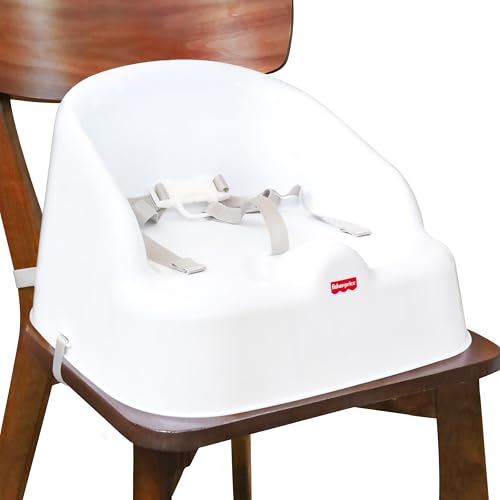
Compare key specs and features of all our recommendations side-by-side
| Product | Recommendation | Rating | Price |
|---|---|---|---|
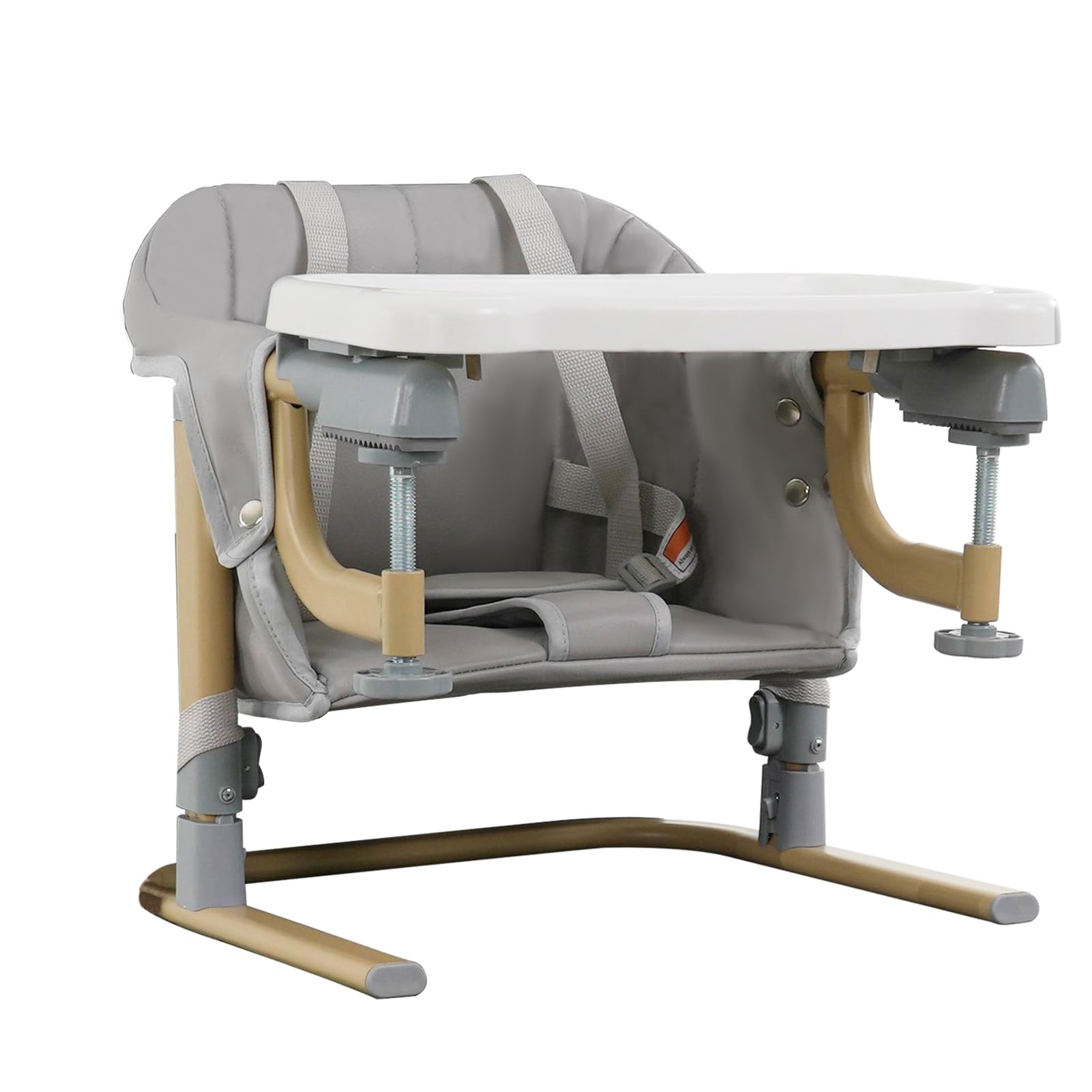 Baby Booster Seat for Table, Toddler Hook On High Chair with Tray, Adjustable Height Foldable Baby Feeding Chair with Carry Bag, for Kitchen Home Travel, Gray Rank #1 | 🏆 Top Pick | — | |
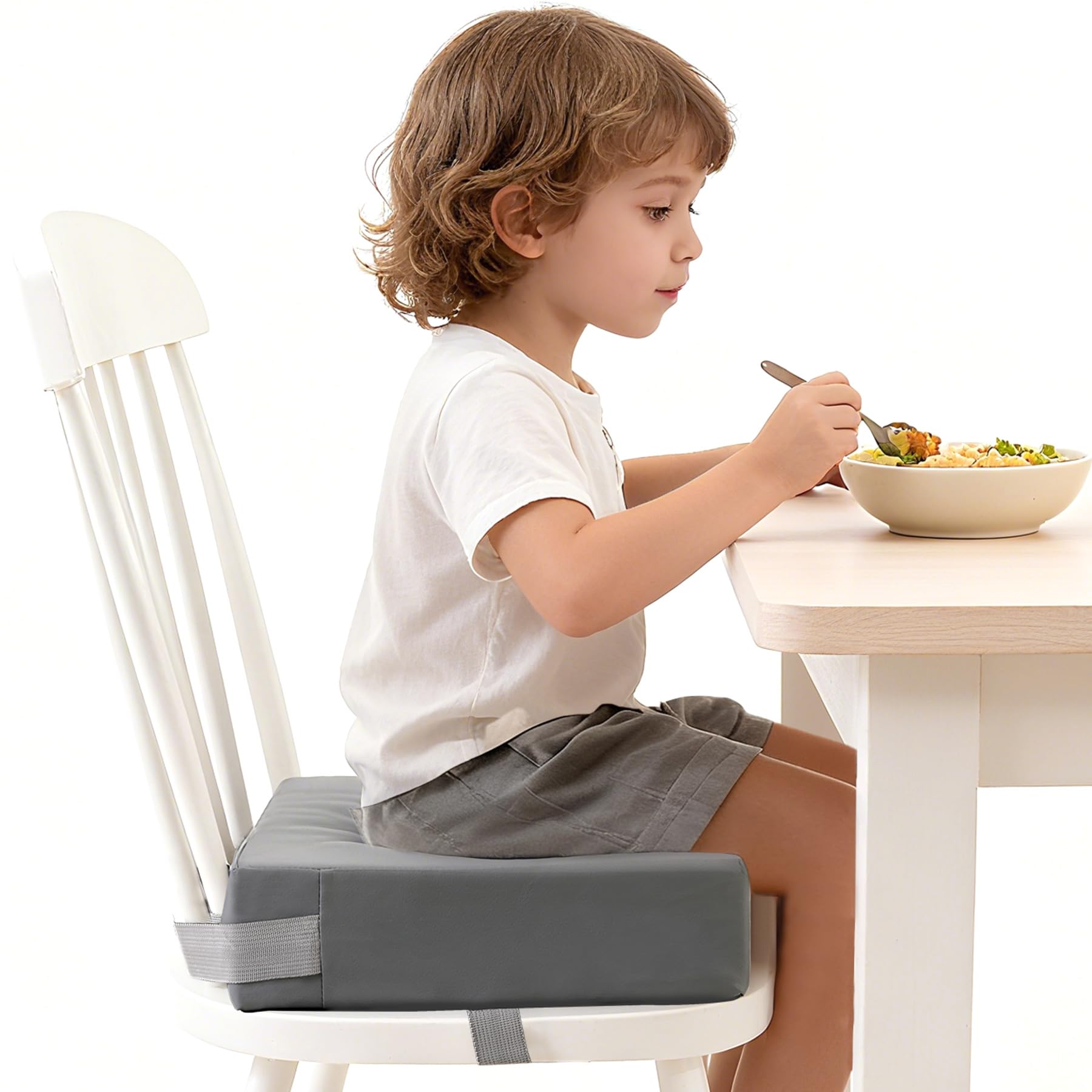 Toddler Booster Seat for Dining Table - Portable PU Waterproof Kitchen Chair Booster Cushion, Non-Slip Safe Toddler Seat for Table Eating (Fits Most Chairs) Gray 13"x13"x3" Rank #2 | — | ||
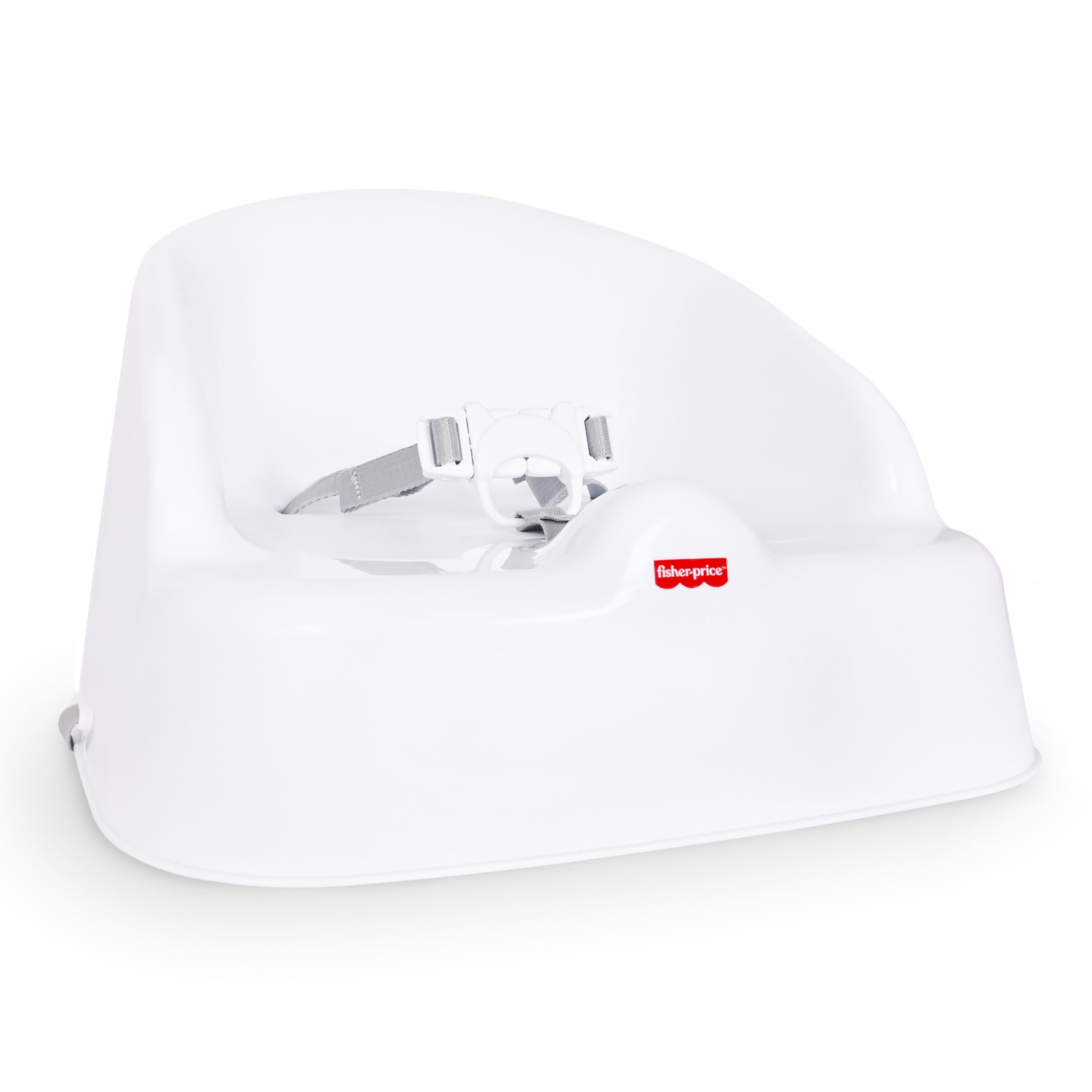 Fisher-Price™ Booster Seat, Lightweight, Portable Dining Chair for Toddlers 12+ Months Rank #3 | — | — | |
 Bella’s Friends 3-in-1 Toddler Booster Seat for Dining Table and Kitchen Chair with Adjustable Tray and Safety Straps, Foldable&Portable Baby Seat for Travel, Feeding, and Floor Use, Pink Regular Pink Rank #4 | — | 4.4 4.4 | |
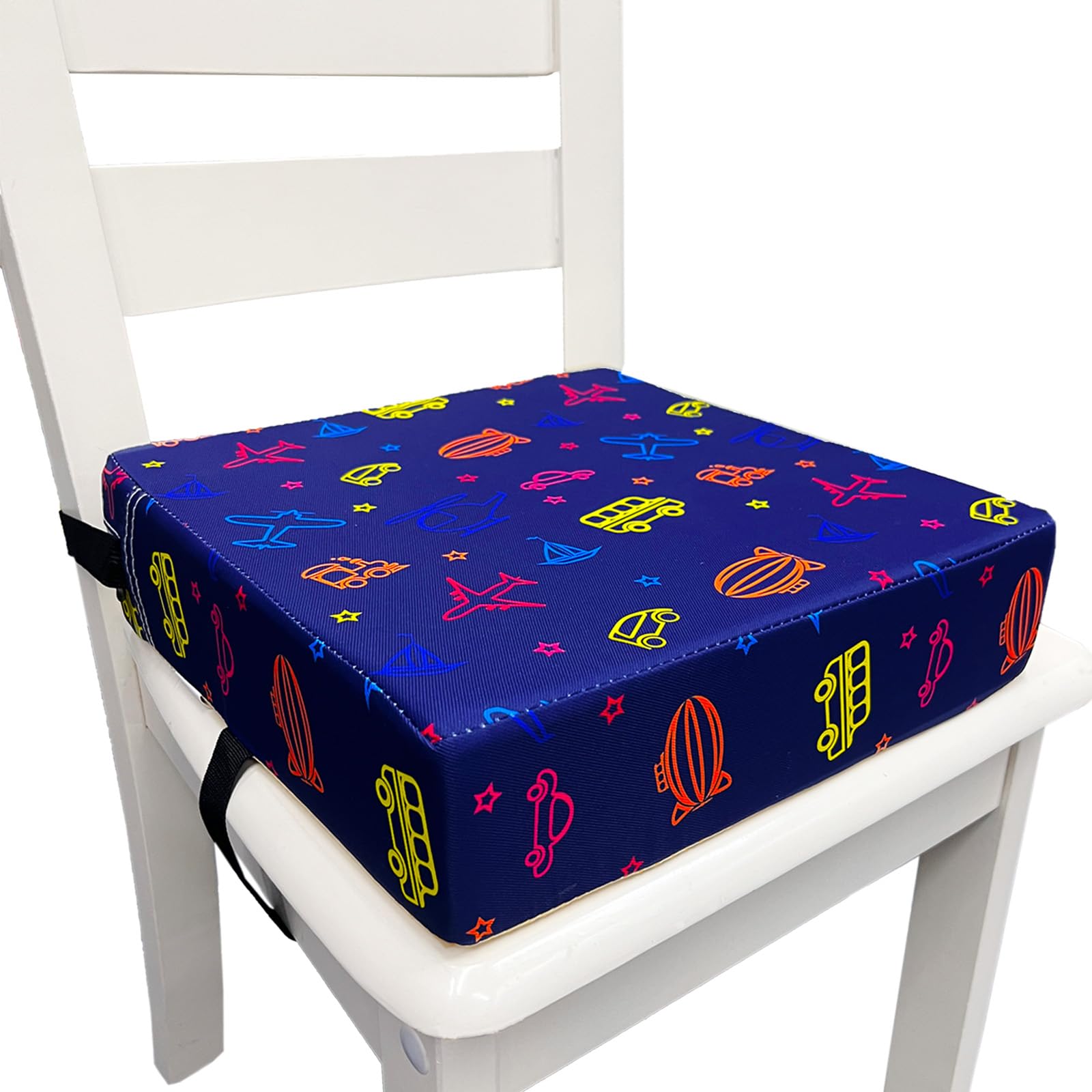 Toddler Booster Seats for Kitchen Chair with Double Safer Straps Non-Slip Bottom for Kids, Portable Travel High Density Sponge Detachable Cushion for Boys Girls (Airplane) Rank #5 | 💰 Budget Pick | 4.8 4.8 |

