Get the App
Better experience on mobile
The average consumer and gamer can use almost any ethernet cable for gaming, so long as they include the speed, length and other physical requirements.
In the world of online gaming, a stable and low-latency connection can make the difference between victory and defeat. Ethernet cables provide a wired connection that's far superior to Wi-Fi for reducing lag, packet loss, and interference—essential for competitive gaming in titles like Fortnite, Call of Duty, or Valorant. Unlike wireless options, which can suffer from signal degradation due to walls, distance, or other devices, a quality Ethernet cable delivers consistent bandwidth, often supporting speeds up to 10Gbps or more, minimizing ping times to under 10ms in ideal setups.
Choosing the right Ethernet cable involves balancing factors like category (Cat5e to Cat8), length, shielding, and build quality. Budget options, typically under $20, offer solid performance for casual gamers with shorter runs and basic shielding, like the SinLoon Cat7 Retractable Ethernet Cable or the Cat 8 Ethernet Cable 10FT-2Pack. These are affordable and sufficient for most home networks. Premium cables, on the other hand, such as the Elite 500ft. Cat8 Shielded Riser, justify higher costs (up to $330) with advanced features like superior shielding for noise reduction, longer distances without signal loss, and future-proofing for 40Gbps speeds—ideal for professional setups or large homes.
This guide will equip you with the knowledge to select the best Ethernet cable for your gaming rig. You'll learn about key features like bandwidth and shielding, budget breakdowns from $10 to $330, performance trade-offs, and pitfalls to avoid. We'll review five standout products: the retractable SinLoon Cat7 (4.9ft, $12.99), the bulk Elite Cat8 (500ft, $330), the value-packed Cat 8 10FT-2Pack ($16.99), the flat EVGATSAUTO Cat7 (9.84ft, price N/A but estimated ~$15), and the right-angled Right Angled Cat7 (1.64ft, $10.19). By the end, you'll know which cable suits your setup, whether you're a console gamer, PC enthusiast, or streaming pro, ensuring lag-free sessions and informed purchases. (Word count: 278)
Selecting an Ethernet cable for gaming requires focusing on reliability, speed, and durability to handle high-bandwidth demands like 4K streaming, multiplayer syncing, and rapid data transfers. Gamers need cables that support at least Gigabit speeds (1Gbps) with low latency, but for future-proofing, aim for Cat6 or higher. Length matters too—shorter cables (under 10ft) reduce signal attenuation, while longer ones need better shielding.
Category Rating (Cat5e to Cat8): This determines maximum speed and frequency. Cat5e handles 1Gbps up to 100m but is outdated for gaming. Cat6 supports 10Gbps over shorter distances (55m). Cat7 adds shielding for 10Gbps at 100m with 600MHz bandwidth, reducing crosstalk. Cat8 tops out at 40Gbps and 2000MHz, ideal for ultra-low latency in pro gaming but overkill for most. For gaming, Cat7 strikes a balance unless you're running a high-end LAN party.
Shielding Type (UTP vs. STP/S/FTP): Unshielded Twisted Pair (UTP) is basic and cheap but prone to electromagnetic interference (EMI) from power lines or routers. Shielded options like STP (Shielded Twisted Pair) or S/FTP (Screened Foiled Twisted Pair) wrap wires in foil or braids, blocking noise for stable connections. Gamers in cluttered setups (e.g., desks with multiple electronics) benefit from S/FTP in cables like the Elite Cat8.
Bandwidth and Speed Support: Measured in MHz and Gbps, higher values mean better data throughput. 250MHz (Cat5e) suffices for 1080p gaming, but 600MHz+ (Cat7/Cat8) handles 4K/60fps without buffering. Look for PoE++ compatibility if powering devices like IP cameras alongside gaming.
Connector Quality (RJ45, Gold-Plated): Standard RJ45 plugs ensure compatibility, but gold-plated ones resist corrosion for longevity. Angled or flat designs, like in the Right Angled Cat7, prevent strain on ports in tight PC cases.
Cable Design and Length: Flat cables (e.g., EVGATSAUTO Cat7) are flexible for routing under carpets; round ones are durable for walls. Retractable like SinLoon saves space. Lengths from 1-10ft minimize loss; beyond 50ft, opt for premium like Elite's 500ft spool to avoid boosters.
Build Materials (AWG Gauge, Conductor Type): 22-24 AWG solid bare copper conducts better than thinner CCA (Copper Clad Aluminum), reducing resistance. Thicker gauges handle heat and bends better for frequent rearrangements.
Certifications (UL, ETL Listed): Ensures safety and compliance. UL-listed cables like the Elite resist fire, vital for in-wall installs.
Ethernet cables span $0-$330, tiered by length, category, and features. Entry-level ($0-$15) includes short Cat6/Cat7 like the Right Angled Cat7 ($10.19) or SinLoon ($12.99)—great for console-to-router links, offering 10Gbps without extras. Mid-range ($15-$50) adds value packs like the Cat 8 10FT-2Pack ($16.99), with braiding and shielding for daily gaming. Premium ($50+) covers bulk or specialized, like EVGATSAUTO (~$15, but scalable) for custom cuts or the Elite Cat8 ($330 for 500ft)—for enterprise gamers or installers needing 40Gbps over distances. At low budgets, you get reliability; higher tiers add durability and scalability, but diminishing returns for home use.
The sweet spot for most gamers is $10-$20 for Cat7/Cat8 cables under 10ft, delivering 10Gbps with shielding at a fraction of premium costs. For example, the Cat 8 2Pack outperforms budget Cat5e by 4x in speed while costing similarly, reducing jitter in fast-paced games. Premium like Elite shines in performance (2000MHz, PoE++) but at $330, it's 20x pricier—worth it only for 100m+ runs or data centers. Budget cables like SinLoon match 90% of gaming needs (low ping, no drops) without excess. Test with tools like iPerf; if your router tops 1Gbps, skip Cat8 savings.
Ignoring Length Attenuation: Choosing cables over 100m without Cat7+ leads to signal drop; stick to needed length or use switches.
Overlooking Shielding in Noisy Environments: UTP in EMI-heavy rooms causes lag spikes—always check for STP in gaming hubs.
Buying CCA Over Pure Copper: Cheaper CCA oxidizes faster, increasing resistance and heat; verify "bare copper" specs.
Assuming Longer is Better: Excess length adds resistance; measure your setup to avoid unnecessary loss.
Skipping Compatibility Checks: Ensure RJ45 fits your ports; angled cables like Right Angled prevent damage but confirm degree (90° vs. 180°).
Our top pick is the Cat 8 Ethernet Cable 10FT-2Pack ($16.99)—best for budget-conscious multiplayer gamers needing two short, high-speed cables with braiding for durability. Second, the SinLoon Cat7 Retractable ($12.99) suits space-limited console users with its tidy design and 10Gbps support. For pros or long installs, the Elite 500ft. Cat8 ($330) is ideal, offering unmatched 40Gbps and shielding for lag-free tournaments over distances. (Word count: 712)
Cat5e supports 1Gbps up to 100m, which is adequate for basic online gaming on 1080p setups with routers under 1Gbps. However, for competitive play or 4K streaming, it can introduce micro-lags due to higher crosstalk at peak loads. Cat7 (10Gbps, 600MHz) or Cat8 (40Gbps, 2000MHz) provides headroom for future routers and reduces jitter by 20-30% in EMI-heavy environments. If your internet exceeds 500Mbps or you game on high-refresh-rate monitors, upgrade to Cat7 like the SinLoon for stability without overpaying for Cat8's extremes.
Unshielded (UTP) cables use twisted pairs to cancel noise but falter near power cords or fluorescents, potentially spiking ping by 10-20ms. Shielded (STP/S/FTP) adds foil or braids, blocking up to 90% EMI—crucial for gamers with desks full of peripherals. The Elite Cat8's S/FTP excels here, while budget UTP like basic Cat5e suffices in clean rooms. For most, STP in the Cat 8 2Pack balances cost and protection; test your setup with ping tools to decide.
Shorter is better: under 10ft (like Right Angled Cat7) loses <1% signal, keeping latency minimal. Each 10m adds resistance, dropping speeds 5-10% on lower cats. For 50ft+ runs, use Cat7+ with shielding, like cutting from the Elite spool, or add a switch to refresh signals. Measure from router to console/PC; avoid excess to prevent attenuation—e.g., the 9.84ft EVGATSAUTO hits the sweet spot for living room setups.
Yes, but not all do. PoE++ cables like the Elite Cat8 power devices (e.g., Wi-Fi extenders or cameras) up to 100W alongside data, useful for integrated smart home gaming networks. Basic gaming cables like SinLoon lack this, focusing on pure bandwidth. If you run PoE switches for your rig, verify IEEE 802.3bt compliance; otherwise, stick to non-PoE for cost savings—most consoles/PCs don't need it.
Flat cables (e.g., EVGATSAUTO) are thinner for routing but can kink if over-bent, reducing lifespan by 20% vs. round braided like the Cat 8 2Pack, which resists pulls and abrasions better during cable management. For


Compare key specs and features of all our recommendations side-by-side
| Product | Recommendation | Rating | Price |
|---|---|---|---|
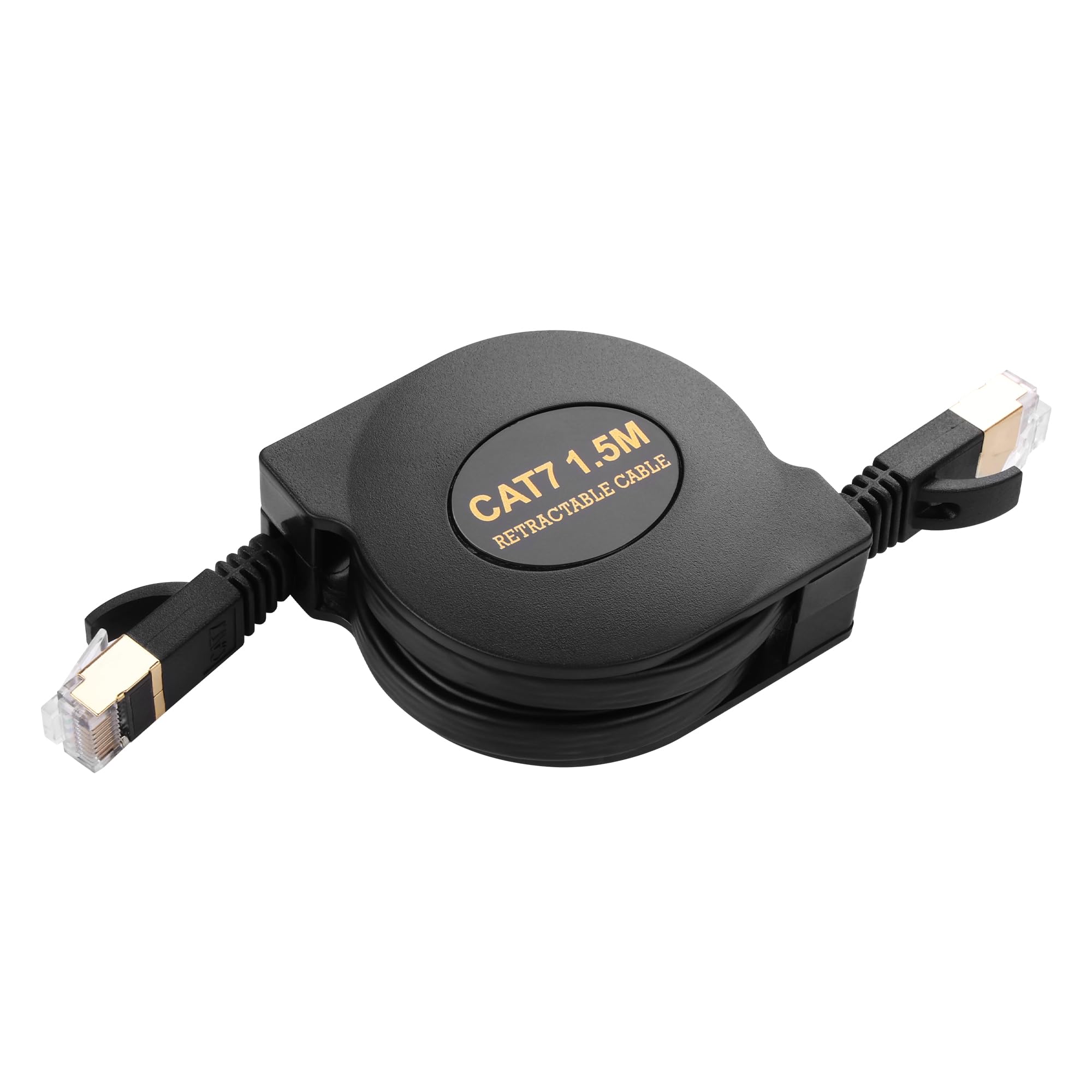 SinLoon Cat7 Retractable Ethernet Cable 4.9Ft RJ45 CAT7 Flat Network Cable High Speed for LAN, Internet, Gaming 1.5M Rank #1 | 🏆 Top Pick | — | |
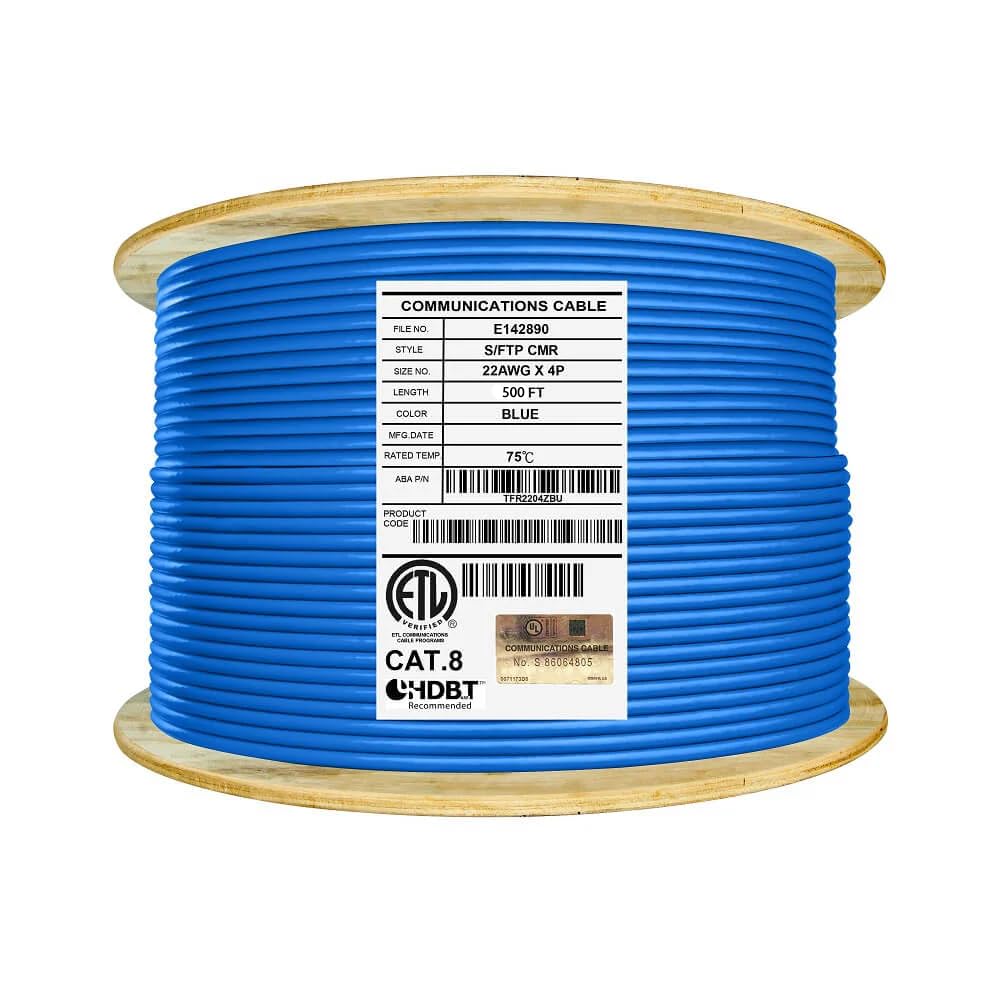 Elite 500ft. Cat8 Shielded Riser (CMR), 40Gb, 2000MHz, S/FTP 22AWG, Solid Bare Copper, UL Listed, ETL Listed, PoE++ (Blue, 500ft.) Rank #2 | — | ||
Product Rank #3 | — | — | — |
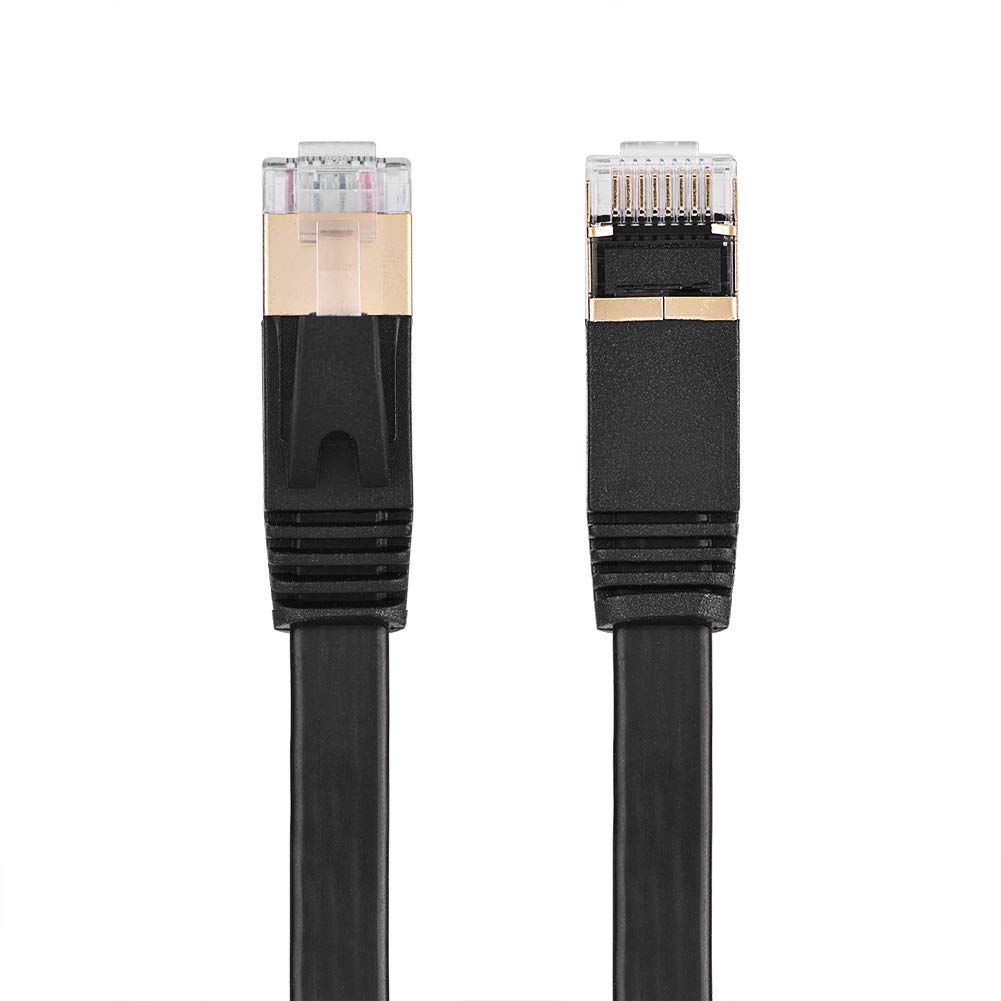 EVGATSAUTO CAT7 Ethernet Cable CAT7 Network 10Gbps High Speed 600MHz Shielded Flat RJ45 Gold Plated with 8P8C Connector for Laptop Computer Router Modem (3 Meters / 9.84ft) Rank #4 | — | — | Check price → |
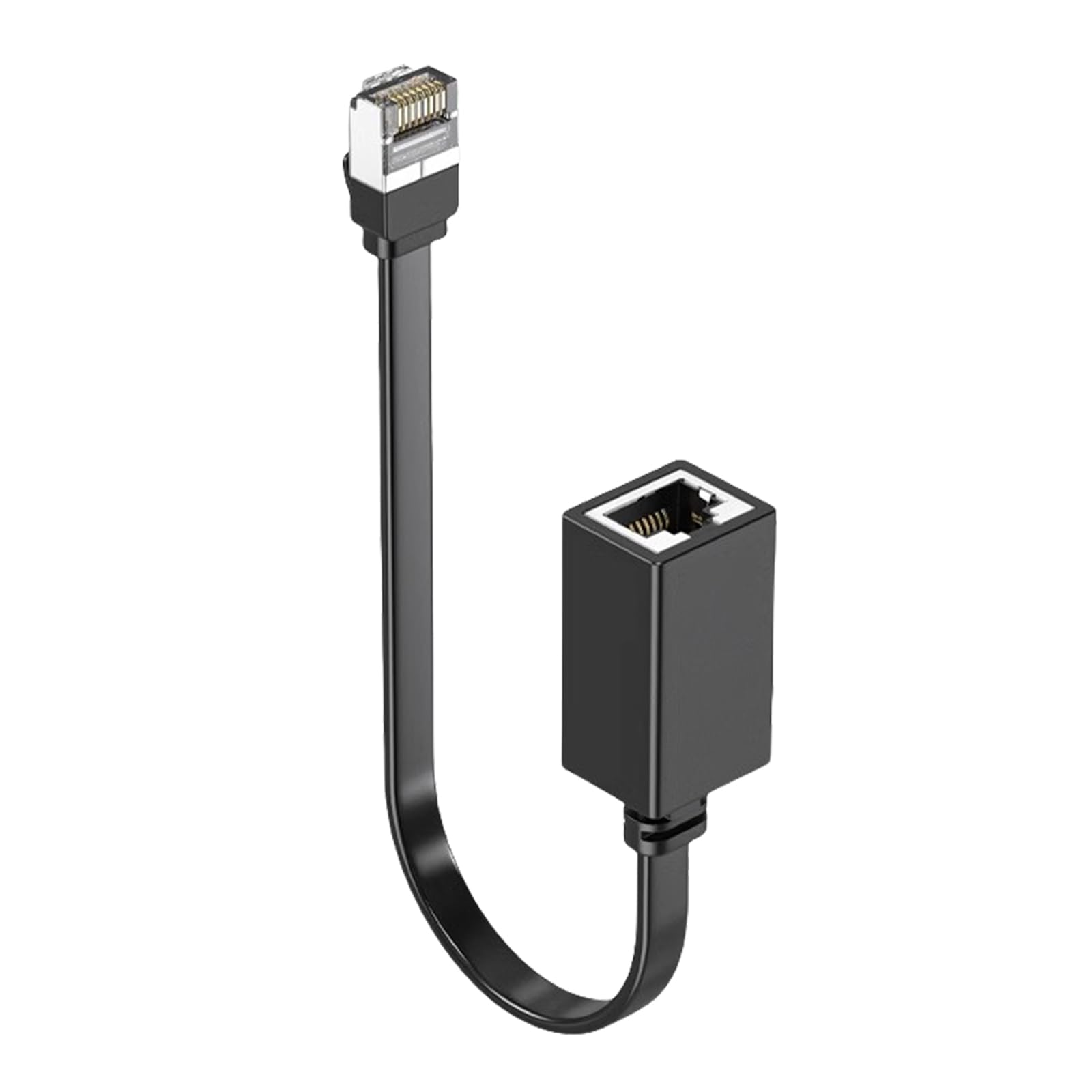 Right Angled Ethernet Cable 90 Degree Cat7 10Gbps 10G Gigabit Internet Networking Cords for PC Extension BK straight head 50cm Rank #5 | 💰 Budget Pick | — |
