Get the App
Better experience on mobile
Get the best products related to our top picks
Engineering toys are more than just playthings; they're gateways to fostering critical thinking, problem-solving skills, and a lifelong passion for STEM (Science, Technology, Engineering, and Math) fields. In a world where children spend increasing time on screens, hands-on engineering toys encourage creativity, spatial awareness, and mechanical understanding through building, assembling, and experimenting. Choosing the right one matters because it matches a child's developmental stage, preventing frustration from overly complex kits or boredom from simplistic designs. Well-selected toys can boost confidence, improve fine motor skills, and even introduce concepts like physics, robotics, and mechanics in an engaging way.
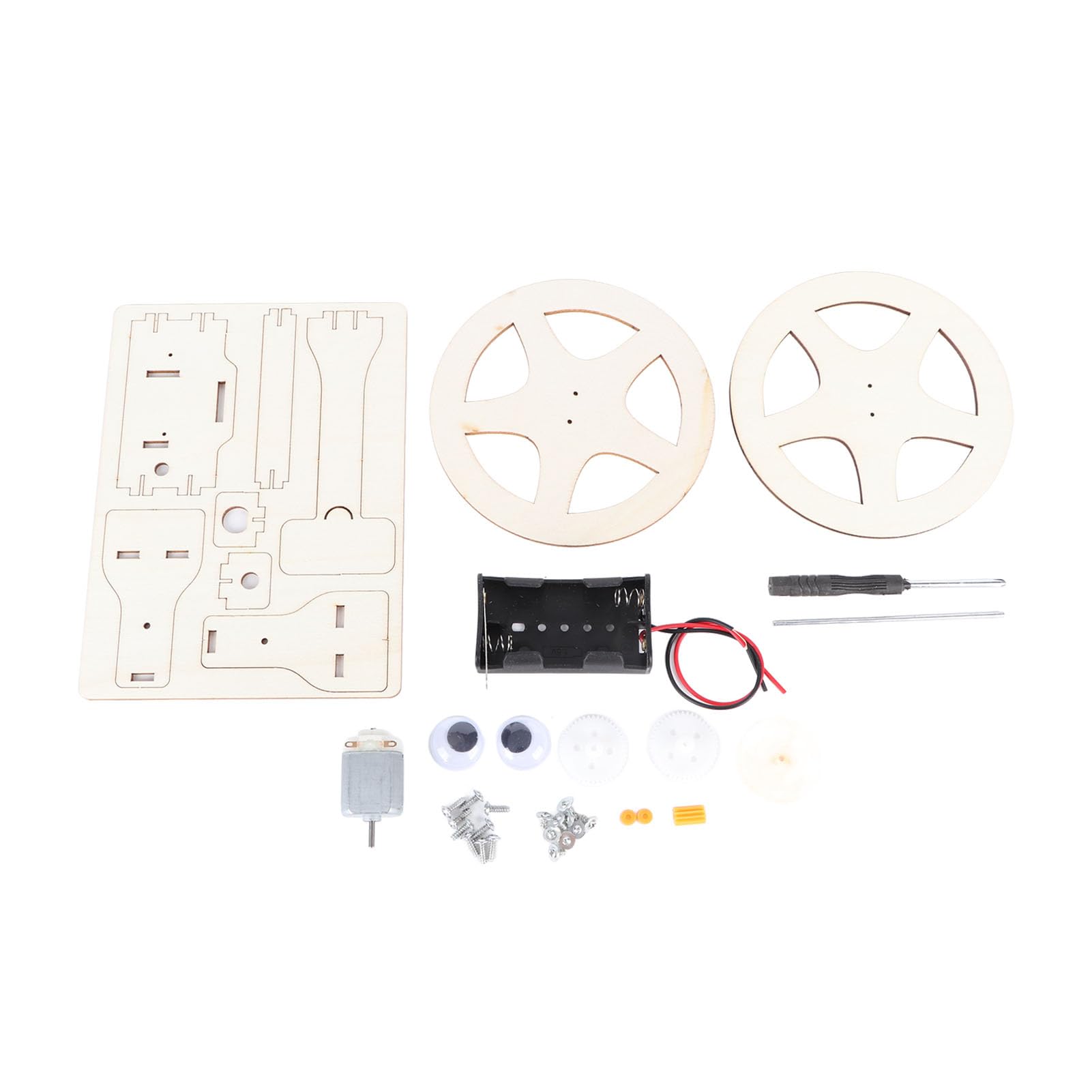
This guide compares budget-friendly options against more premium sets, highlighting how lower-priced toys like the Wooden Motor Robotic Toy Electric Balance Car ($8.59) offer basic DIY fun without bells and whistles, while higher-end ones like the Magnetic Transform Engineering Car Assembled Toys ($33.99) provide modular, creative versatility. Budget toys prioritize affordability and simplicity, ideal for beginners or casual play, whereas premium ones invest in durable materials, expandability, and deeper educational depth, justifying the cost for repeated use.
Readers will learn key features to evaluate, such as assembly complexity and material safety; budget breakdowns to maximize value; performance-price analysis to find sweet spots; and pitfalls to dodge. We'll review five standout products: the Wooden Motor Robotic Toy Electric Balance Car for accessible robotics; the STEM Learning 4D Aircraft Assembly Set for aviation puzzles; the Zerodis Alloy Crane Toy Trucks for construction simulation; the Magnetic Transform Engineering Car Assembled Toys for magnetic innovation; and the 4-Cylinder Engine STEM Kits for engine mechanics. By the end, you'll confidently select a toy that sparks curiosity and delivers lasting educational impact, tailored to age, interest, and wallet. (Word count: 278)
Selecting engineering toys involves balancing fun, education, and practicality. Focus on your child's age, interests, and skill level to ensure the toy promotes engagement without overwhelming them. Consider whether you want static builds (like models) or interactive ones (with motors or magnets) to align with learning goals, such as basic mechanics or advanced problem-solving.
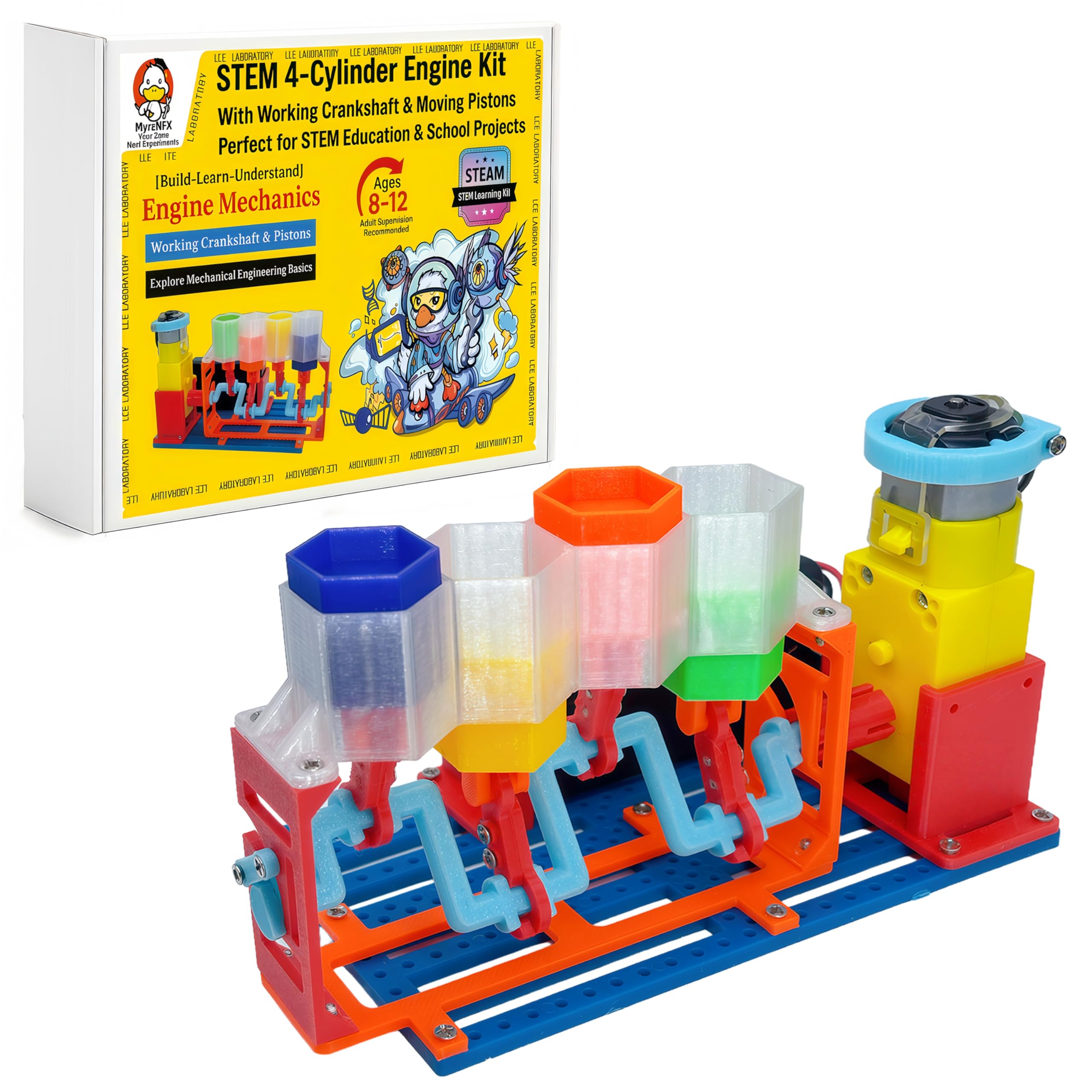
Age Appropriateness and Skill Level: Toys should match developmental stages—simpler for ages 4-7 (e.g., snap-together parts) and complex for 8+ (e.g., wiring or multi-step assembly). The 4-Cylinder Engine STEM Kits specify ages 8-12, including battery motors for realistic pistons, while the Wooden Motor Robotic Toy suits all ages with basic DIY balance mechanics.
Material Quality and Durability: Opt for non-toxic, sturdy materials like wood, alloy, or ABS plastic to withstand rough play. The Zerodis Alloy Crane Toy Trucks use metal for realism and longevity, unlike flimsier plastic alternatives that might break easily. Check for BPA-free certifications to ensure safety.
Educational Value and STEM Integration: Look for toys teaching specific concepts—robotics, aerodynamics, or engines. The STEM Learning 4D Aircraft Assembly Set builds problem-solving through 4D puzzle layers simulating plane assembly, embedding transportation engineering principles, compared to generic blocks with less targeted learning.
Assembly Complexity and Interactivity: Evaluate piece count and features like motors or friction power. Low-complexity (under 50 pieces) like the Wooden Motor Robotic Toy encourages quick wins; high-complexity (35+ pieces) like the Magnetic Transform Engineering Car offers 7-in-1 transformations, promoting creativity via magnets.
Storage and Portability: Included boxes or modular designs prevent lost parts. The Magnetic Transform Engineering Car's storage box is a plus for organization, unlike loose-piece sets that clutter play areas.
Expandability and Replay Value: Toys with modular parts allow rebuilding, extending use. Magnetic sets like the Engineering Car provide endless configurations, outperforming one-off builds like basic cranes.
Safety Features: Ensure no small parts for young kids and stable designs to avoid tipping. Battery-operated toys like the 4-Cylinder Engine Kit should have enclosed motors to prevent shocks.
Engineering toys span $8.59 to $33.99, dividing into tiers that reflect value and features.
Low Budget ($8-12): Entry-level options like the Wooden Motor Robotic Toy ($8.59) or 4-Cylinder Engine STEM Kits ($11.00) deliver core engineering basics—wooden robotics or piston mechanics—using affordable materials. You get functional, educational play without extras like storage, ideal for testing interest or gifting on a dime. Limitations include simpler designs and potential for quicker wear.
Mid-Range ($15-20): Balanced picks like the STEM Learning 4D Aircraft Assembly Set ($16.69) or Zerodis Alloy Crane Toy Trucks ($18.19) add realism with alloy parts or 4D puzzles. This tier offers better durability and interactivity (friction power or detailed assembly), providing more replay value than budget toys without premium pricing.
High-End ($30+): Investments like the Magnetic Transform Engineering Car ($33.99) include 35 pieces, magnets for versatility, and storage. You gain superior creativity tools and longevity, justifying the cost for avid builders, though overkill for casual users.
Across tiers, prioritize STEM certification (e.g., from organizations like ASTM) for quality assurance.
The sweet spot lies in mid-range toys ($15-20), where performance peaks relative to cost. For instance, the Zerodis Alloy Crane Toy Trucks ($18.19) outperforms the budget Wooden Motor Robotic Toy ($8.59) in durability and simulation (alloy vs. wood, friction mechanics for realistic loading), yet costs only twice as much while doubling educational depth through construction play. Premium options like the Magnetic Transform Engineering Car ($33.99) excel in versatility (7-in-1 robots) but may not justify the jump for beginners—their magnetic interactivity shines for creative kids, offering 3-4x replay value over static builds.
Budget toys provide 70-80% of the fun at 30-40% of premium prices, great for impulse buys, but mid-range hits 90% performance with added features like better materials. Analyze ROI: if your child plays daily, spend mid-range for longevity; for occasional use, stick low. Overall, avoid extremes—ultra-cheap may frustrate with poor quality, while high-end gathers dust if too advanced.
Ignoring Age Recommendations: Buying advanced kits like the 4-Cylinder Engine STEM Kits for under-8s leads to frustration; always cross-check with skill levels to build confidence.
Overlooking Material Safety: Skipping checks for toxins in cheap imports can risk health—prioritize certified woods or plastics, as in the Wooden Motor Robotic Toy.
Focusing Solely on Price: The cheapest ($8.59) might lack durability, breaking after one use; balance with reviews on longevity, like the alloy in Zerodis cranes.
Neglecting Storage Needs: Loose parts from sets like the Aircraft Assembly can get lost, reducing value—choose included boxes, as in the Magnetic Car.
Assuming All Toys Teach Equally: Generic toys pale against STEM-specific ones; the 4D Aircraft set teaches aerodynamics better than basic cars, so match to learning goals.
Our top three picks cater to diverse needs:
4-Cylinder Engine STEM Kits ($11.00): Best for ages 8-12 interested in mechanics. This budget gem offers hands-on engine building with working pistons and motors, ideal for boys/girls exploring physics—great entry to engineering without complexity overload.
Zerodis Alloy Crane Toy Trucks ($18.19): Perfect for construction enthusiasts ages 5+. Mid-range durability and friction-powered simulation make it superior for imaginative play, suited to kids who love vehicles over abstract builds.
Magnetic Transform Engineering Car ($33.99): Top for creative tinkerers ages 6+. Premium 7-in-1 modularity stimulates innovation, best for repeated use by kids craving versatility beyond one-and-done assemblies. (Word count: 742)
Engineering toys vary by complexity to match developmental stages. Budget options like the Wooden Motor Robotic Toy ($8.59) are versatile for ages 4+ with simple wooden assembly and basic balance mechanics, ideal for toddlers under supervision to build fine motor skills. Mid-range sets, such as the STEM Learning 4D Aircraft Assembly ($16.69) or Zerodis Alloy Crane ($18.19), target 5-10-year-olds, focusing on puzzles and friction play to enhance problem-solving without overwhelming young hands. The 4-Cylinder Engine STEM Kits ($11.00) specify 8-12, introducing motors and pistons for tweens grasping abstract concepts like physics. Premium picks like the Magnetic Transform Engineering Car ($33.99) suit 6+ for magnetic creativity, scalable from basic to advanced builds. Always check labels and supervise to prevent choking hazards from small parts—starting too advanced can frustrate, while age-matched toys boost confidence and STEM interest.
These toys go beyond entertainment by embedding STEM principles. For instance, the 4-Cylinder Engine Kit teaches mechanical cycles and electricity through piston movement, fostering understanding of how engines work—key for future engineers. The Magnetic Transform set stimulates spatial reasoning and creativity with 7-in-1 configurations, encouraging experimentation akin to real design processes. Aviation-focused like the 4D Aircraft builds logic and aerodynamics via layered puzzles, while construction toys such as the Zerodis Crane introduce leverage and friction, simulating job-site skills. Overall, they improve problem-solving (trial-and-error assembly), fine motor control (piecing parts), and perseverance (completing builds). Studies from organizations like the National Science Foundation show hands-on STEM play correlates with better math/science performance in school, making these toys valuable for closing gender gaps in engineering fields by appealing to all kids through fun themes.
Budget toys ($8-12) like the Wooden Motor or Engine Kit offer core features—motors, basic builds—for quick introductions, perfect if you're testing a child's interest or on a tight budget, but they may lack durability or extras like storage. Premium ones ($30+), exemplified by the Magnetic Car, provide modularity, high-quality materials, and replay value, ideal for dedicated playtime and long-term use, though they're overkill for casual gifters. Mid-range ($15-20) strikes the


Compare key specs and features of all our recommendations side-by-side
| Product | Recommendation | Rating | Price |
|---|---|---|---|
 Wooden Motor Robotic Toy Electric Balance Car, DIY Engineering Toys for Kids, Learning and Exploration for All Ages (Type 1) Rank #1 | 🏆 Top Pick | — | |
 STEM Learning 4D Aircraft Assembly Set Transportation Plane Engineering Toy for Children Problem Solving Ability Puzzle Aircraft Assailant Rank #2 | — | ||
 Zerodis Alloy Crane Toy Trucks, Kids Toy Construction Truck Friction Power Mechanical Engineering Vehicle Playset with Simulation Wood Crane Loader Model for Christmas New Year Rank #3 | — | — | |
 Magnetic Transform Engineering Car Assembled Toys, 35-Piece Magnetic Robot Car Set with Storage Box, 7-in-1 Robot Toy Set, Stimulates Children's Creativity (35pcs-Blue) Rank #4 | — | — | |
 4-Cylinder Engine STEM Kits and STEM Toys for Kids Ages 8-12, DIY Engine Model Kit with Working Pistons, Battery Motor Science Kit, Engineering Building Kit, Educational Gifts for Boys and Girls Rank #5 | 💰 Budget Pick | — |
