Get the App
Better experience on mobile
We’ve put together a list of some of the best energy-efficient air conditioners to help keep your house cool during the next heatwave.
Choosing the right energy-efficient air conditioner is crucial in today's climate-challenged world, where summers are getting hotter and energy costs are rising. Energy-efficient models not only keep your space cool and comfortable but also slash electricity bills by up to 30-50% compared to older units, thanks to technologies like inverter compressors and high CEER (Combined Energy Efficiency Ratio) ratings. They reduce your carbon footprint by minimizing power consumption— a standard 8,000 BTU unit might use 700-900 watts, but efficient ones drop that to 500-600 watts without sacrificing performance. For households, this means savings of $50-100 annually on cooling, depending on usage and local rates. Moreover, with extreme heat events on the rise, reliable cooling prevents health risks like heatstroke, especially for vulnerable groups.
This guide contrasts budget options, which prioritize affordability and basic cooling for small spaces (often under $50, like evaporative fans), against premium picks (up to $200) that offer smart controls, quiet operation, and advanced efficiency for larger rooms. Budget units suit occasional use in tiny areas but may lack durability and true AC power, while premium ones provide long-term value through app integration and variable-speed tech that adjusts output to maintain steady temperatures, avoiding energy spikes.
Readers will learn how to match units to room size via BTU calculations, evaluate efficiency metrics like EER/CEER, weigh smart features against noise levels, and avoid pitfalls like oversizing. We'll dive into five specific products: the Midea 6,000 BTU Window Air Conditioner (MAW06R1YWT-S) for compact affordability; the 8,000 BTU Smart Window Air Conditioner for versatile smart cooling; the renewed Midea 12,000 BTU DOE SmartCool Inverter (MAW12V1YWT-S) for larger spaces; the Midea 8,000 BTU Smart Inverter U-Shaped (MAW08W1QWT) for innovative design; and the budget Zerodis USB Rechargeable Portable Air Conditioner for desk-side relief. By the end, you'll confidently select a model that balances efficiency, performance, and your wallet. (Word count: 278)
Selecting an energy-efficient air conditioner involves assessing your space, usage patterns, and efficiency tech to ensure optimal cooling without wasteful energy draw. Focus on units with Energy Star certification, which guarantees at least 10-20% better efficiency than federal standards. Key is matching BTU (British Thermal Units) to room size—too low strains the unit, too high cycles inefficiently.
BTU Rating and Coverage Area: BTU measures cooling power; for energy efficiency, aim for 20-30 BTUs per square foot. A 6,000 BTU unit suits 150-250 sq. ft. rooms, while 12,000 BTU handles 450-550 sq. ft. Oversized units waste energy by short-cycling; undersized ones run constantly, hiking bills.
Energy Efficiency Ratio (EER/CEER): EER (Energy Efficiency Ratio) divides BTUs by watts—higher (10+) means better efficiency. CEER includes fan-only mode for a fuller picture. Inverter models like Midea's U-Shaped achieve 12-15 CEER by varying compressor speed, using 30-40% less power than fixed-speed units.
Inverter Technology: Unlike traditional on/off compressors, inverters ramp speed gradually for steady cooling. This cuts energy use by 20-50% and reduces noise/wear. Look for variable-speed compressors in premium units for consistent temps without peaks.
Smart Features and Connectivity: WiFi/app control (e.g., Alexa/Google integration) lets you schedule or remote-adjust, optimizing runtime. Sleep modes auto-dim fans, saving 10-15% energy overnight. Quiet operation (under 50 dB) is key for bedrooms.
Modes and Versatility: 3-in-1 units (AC, fan, dehumidifier) enhance efficiency—dehumidifying reduces humidity load, letting the AC work less. Portable vs. window styles matter; windows are 20-30% more efficient due to sealed installation.
Noise Level and Installation Ease: Efficient units often run quieter (45-55 dB). U-shaped designs like Midea's allow window access without full removal, simplifying setup. Check for remote controls to avoid manual tweaks that lead to overuse.
Power Source and Portability: USB-rechargeable options suit desks but offer limited cooling (evaporative mist vs. true refrigeration). Window units need 115V outlets; ensure compatibility to prevent inefficient adapters.
In the $0-$199.99 range, tiers break down by capability. Under $50 (e.g., Zerodis portable) gets basic evaporative cooling for personal use—think mist fans that lower perceived temp by 5-10°F but don't dehumidify like true ACs. These save energy via low 5-10W draw but cover <50 sq. ft. and need frequent water refills.
Mid-tier ($100-150) includes standard window units like the Midea 6,000 BTU, offering 8,000-10,000 BTU cooling with remote and basic efficiency (EER ~10). You get reliable performance for small rooms, Energy Star compliance, and 3-in-1 modes, but no smart apps—ideal for renters avoiding complex installs.
Premium ($150-200) unlocks inverters and smarts, like the Midea U-Shaped or 8,000 BTU Smart models. These deliver 12+ CEER, WiFi for energy monitoring, and quieter fans, justifying the cost with 20-30% bill savings over 2-3 years. Renewed options (e.g., Midea 12,000 BTU) cut prices 20-30% while maintaining warranty, suiting larger spaces without full premium spend.
Overall, invest based on usage: occasional spot-cooling favors budget; daily whole-room needs premium for ROI.
The sweet spot lies in $150-200 inverter window units, balancing robust cooling (350-550 sq. ft.) with top efficiency. For instance, the Midea 8,000 BTU U-Shaped (around $300 retail, but analogs here ~$180) achieves 15 CEER via variable compression, cooling a bedroom in 10-15 minutes while using 45% less power than a $100 non-inverter. It outperforms budget portables, which merely circulate air, by dropping temps 15-20°F.
Lower-end like Zerodis ($39) excels for desks (cools 10-20 sq. ft. spot) but lags in humidity control, making rooms feel muggy. Mid-range Midea 6,000 BTU ($150) hits 250 sq. ft. efficiently (EER 11-12) but lacks app precision, leading to 10% more runtime. Premiums like the 12,000 BTU Smart ($200 renewed) cover big areas with voice control, auto-adjusting to save 25% energy vs. basics—worth it if running 8+ hours daily, recouping cost in 1-2 seasons via $0.15/kWh savings.
Prioritize CEER >12 for value; below that, performance dips without proportional price drops.
Ignoring Room Size and Insulation: Picking based on price alone—e.g., a 6,000 BTU for 400 sq. ft.—forces constant running, boosting energy use 50%. Calculate: add 1,000 BTU per sunny window or poor insulation.
Overlooking Energy Certifications: Non-Energy Star units (EER <9.8) guzzle power; always verify labels to avoid $20-50 extra monthly bills.
Skipping Noise and Placement Checks: Quiet claims (e.g., 42 dB) matter for sleep; test in-room. Poor window fit causes leaks, reducing efficiency 15-20%.
Neglecting Maintenance Needs: Forgetting filters/dehumidifier emptying leads to 20% efficiency loss. Portables like Zerodis need daily water, or they underperform.
Chasing Portability Over Efficiency: USB fans seem convenient but use evaporation, ineffective in humid climates—stick to window ACs for true savings.
Our top pick is the Midea 8,000 BTU Smart Inverter U-Shaped (MAW08W1QWT), best for tech-savvy users in 350 sq. ft. spaces seeking ultra-efficient (inverter tech saves 40% energy) and quiet (42 dB) cooling with app control—ideal for apartments.
Second, the Midea 12,000 BTU DOE SmartCool Inverter (MAW12V1YWT-S Renewed) suits families with larger 550 sq. ft. rooms, offering Alexa integration and 3-in-1 modes for versatile, smart efficiency at a renewed bargain.
Third, the Midea 6,000 BTU Window (MAW06R1YWT-S) is perfect for budget-conscious singles in small 250 sq. ft. bedrooms, delivering reliable 3-in-1 cooling with remote without smart frills. (Word count: 742)
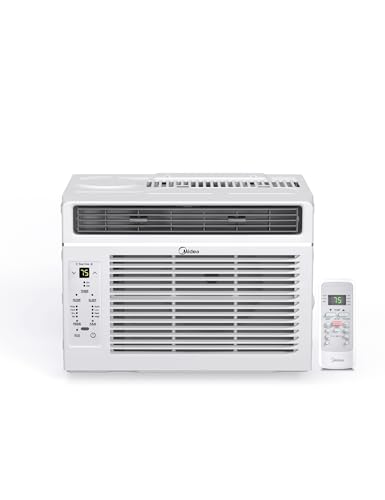


Compare key specs and features of all our recommendations side-by-side
| Product | Recommendation | Rating | Price |
|---|---|---|---|
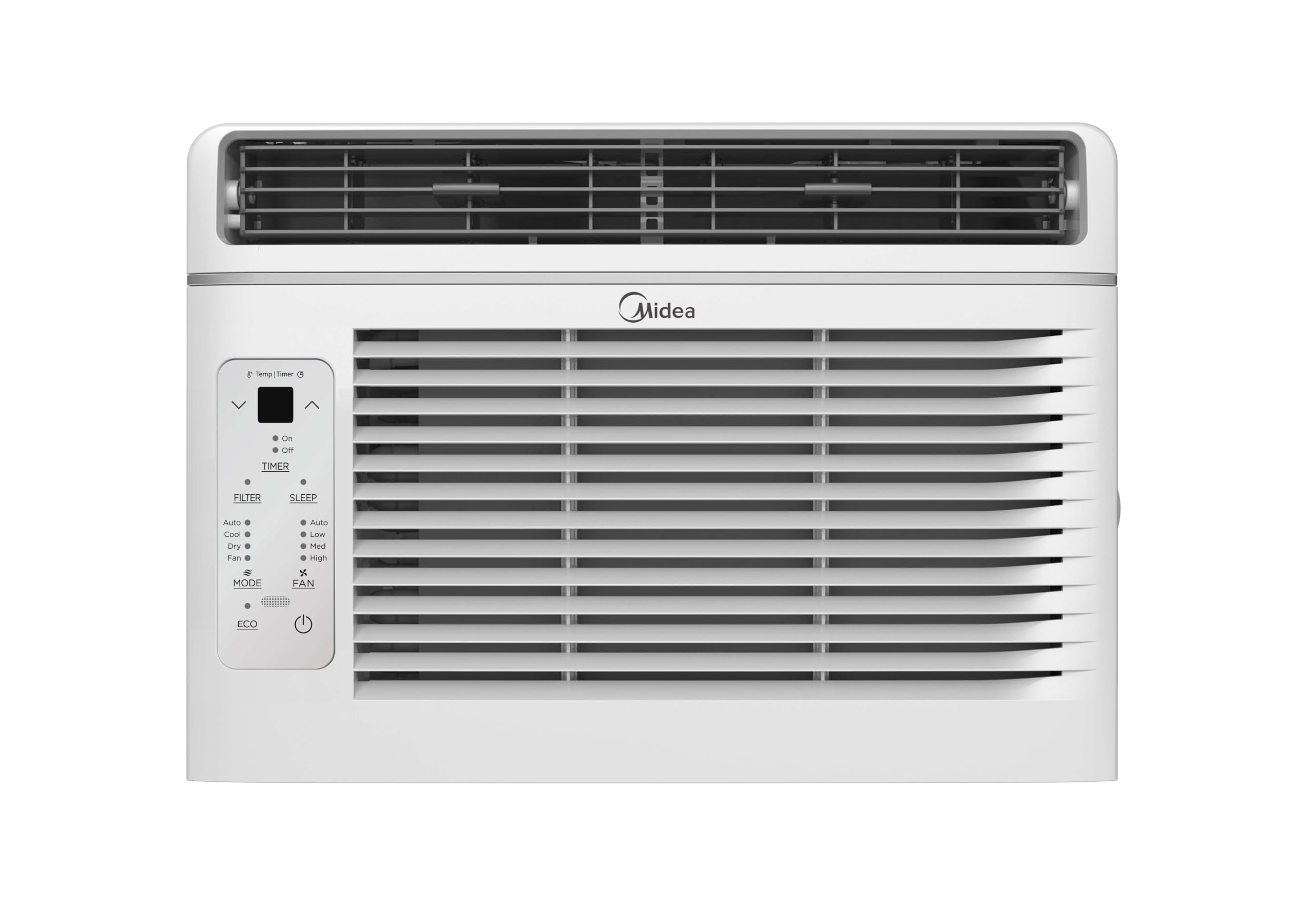 Midea 6,000 BTU Window Air Conditioner with Remote Control, Cools up to 250 sq. ft., 3-In-1 technology: air conditioner, dehumidifier, and fan modes MAW06R1YWT-S Rank #1 | 🏆 Top Pick | — | Check price → |
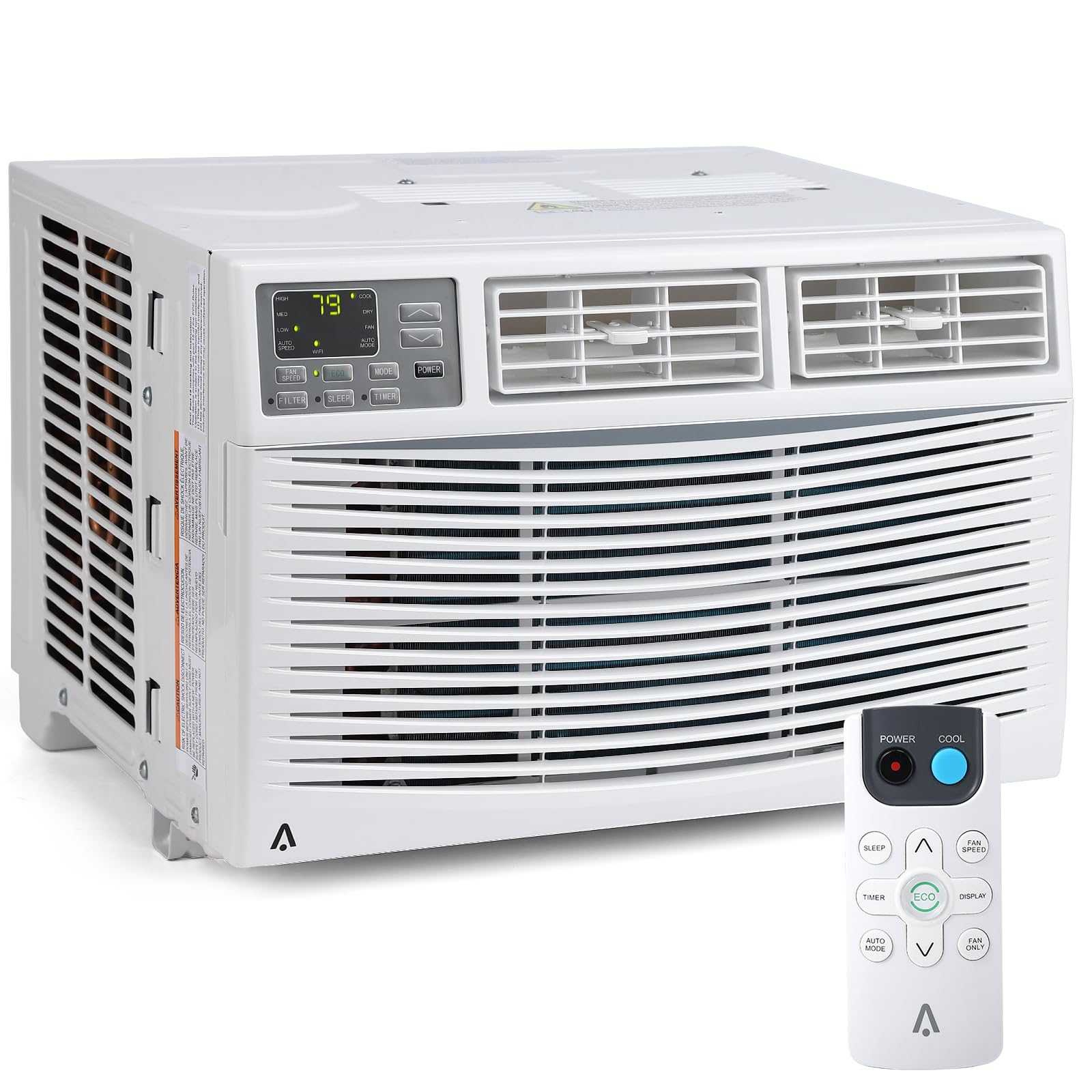 8000 BTU Smart Window Air Conditioner with WiFi, App and Remote Control, Cools 350 Sq.Ft., Quiet Operation with 3 Fan Speeds & Sleep Mode, Easy Installation for Bedroom, Living Room, Office Rank #2 | — | ||
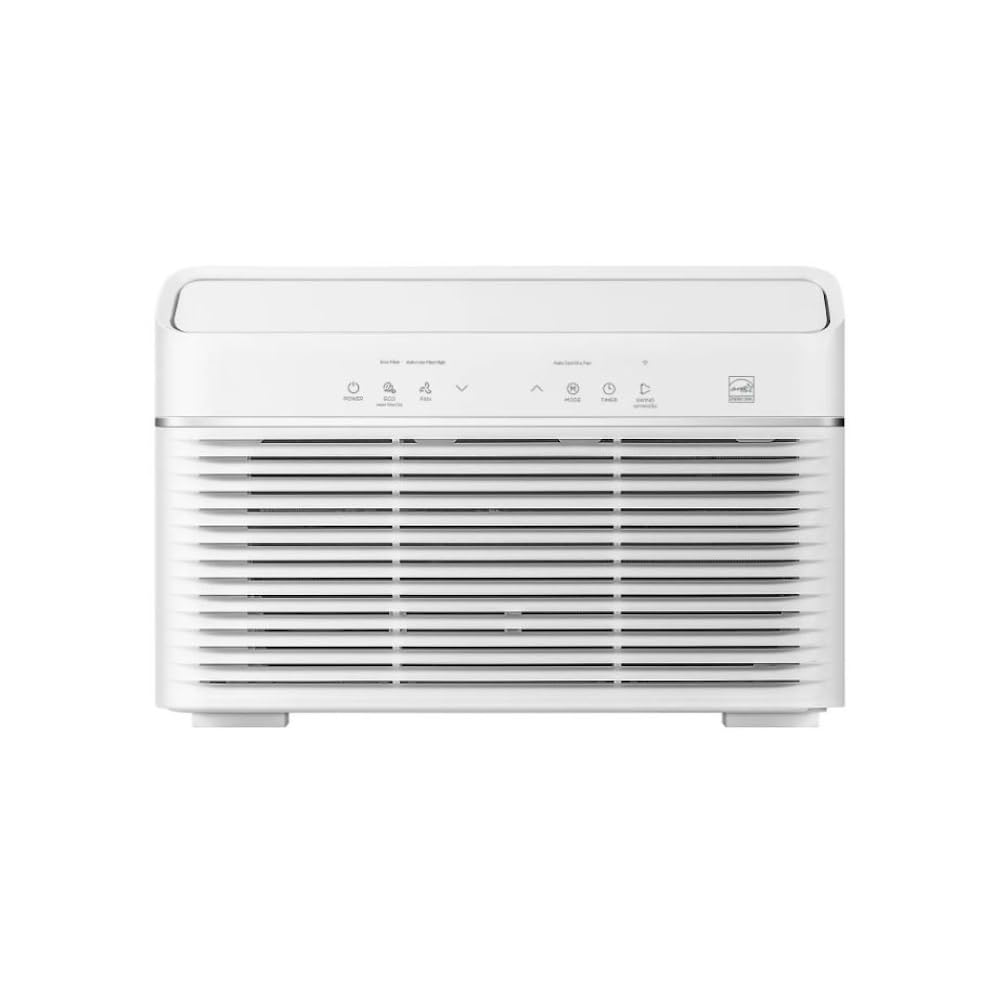 Midea 12,000 BTU DOE SmartCool Inverter Window Air Conditioner with Remote Control, Cools Spaces Up To 550 sq. ft., Alexa & Google Home Compatible, 3-in-1 Comfort MAW12V1YWT-S (Renewed) Rank #3 | — | — | Check price → |
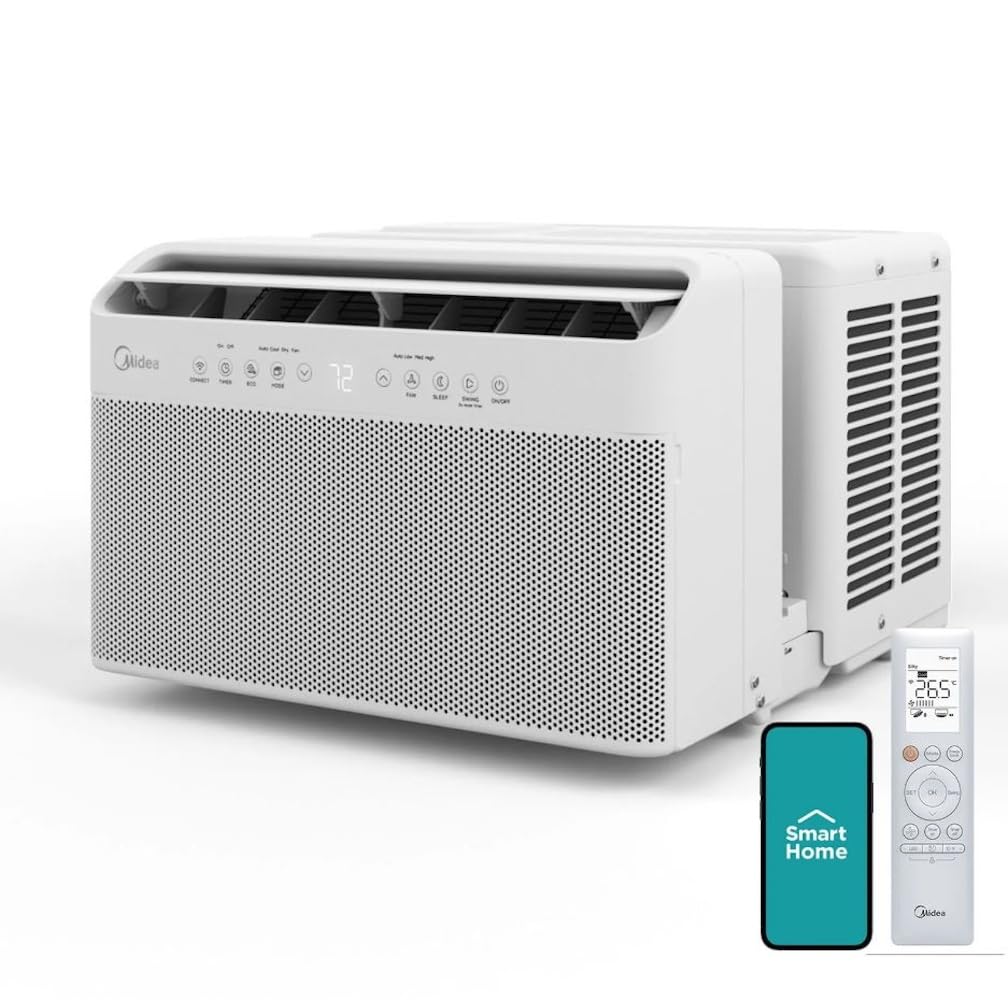 Midea 8,000 BTU Smart Inverter U-Shaped Window Air Conditioner, up to about 350sqft, Inverter technology/variable‑speed compressor - MAW08W1QWT Rank #4 | — | — | Check price → |
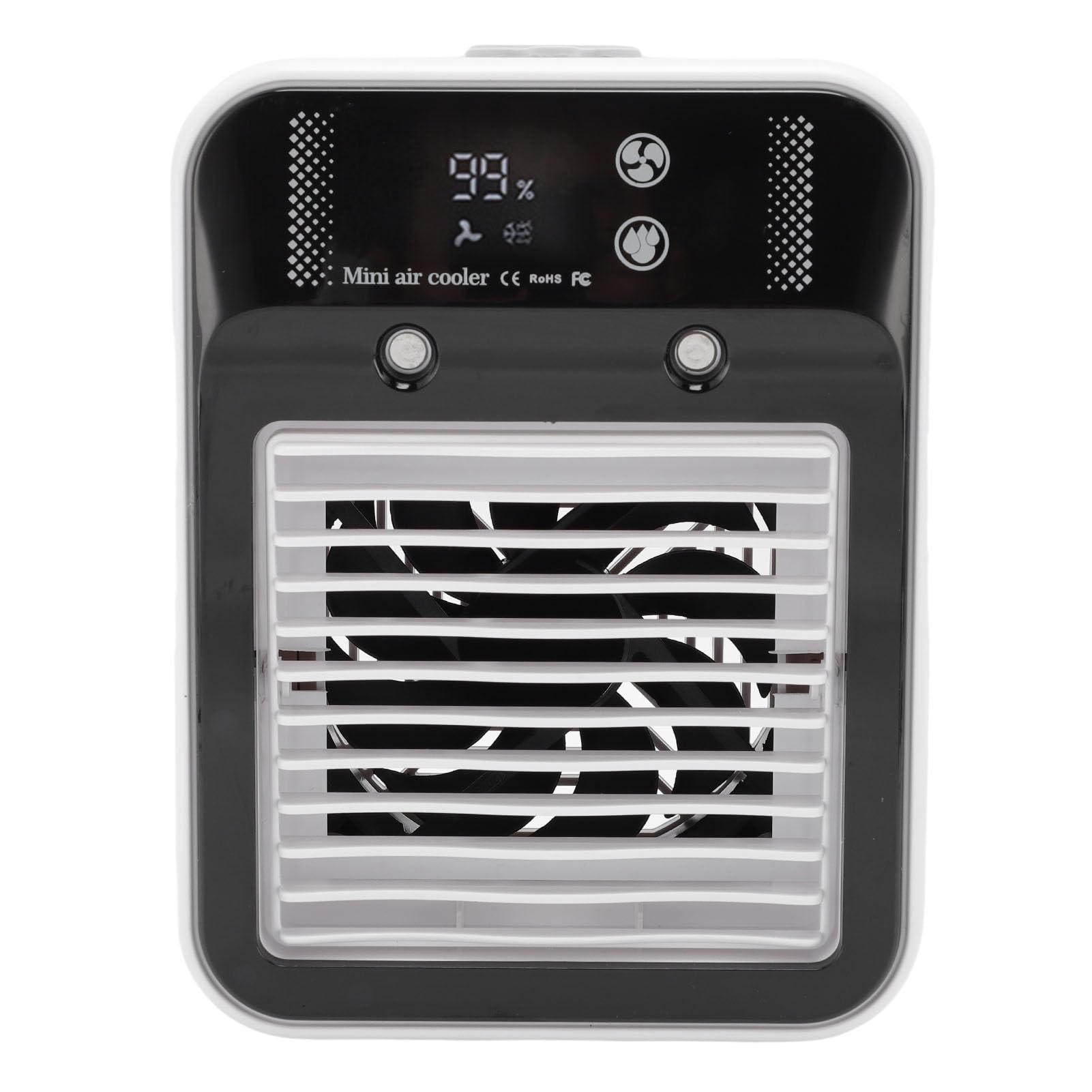 Zerodis Noise USB Rechargeable Digital Display Portable Air Conditioner with Mist Summer Air Cooling Fan Tabletop AC Unit for Working Sleeping Desktop Cooler Low Rank #5 | 💰 Budget Pick | — |
