Get the App
Better experience on mobile
Seven brushes that balance cleaning performance, gum safety, and the cost of replacement heads.
Most electric toothbrush differences come down to two variables: how the head moves, and how much the replacement heads cost over time. Everything else — color displays, AI coaching, travel cases — is a bonus that rarely changes how clean your teeth actually get.
That's why the category splits so cleanly. Oscillating-rotating brushes (Oral-B's signature round heads) physically scrub each tooth with a small circular motion, while sonic brushes (Philips Sonicare and most others) rely on high-frequency vibration to break up plaque. Published research has generally found both approaches effective, with oscillating-rotating designs holding a slight edge in a number of comparisons — but the more decisive factor for most people is whether the brush has a working pressure sensor and whether it's pleasant enough that you'll actually use it twice a day.
We also weighted something product pages rarely mention: cost of ownership. A $45 brush with $8 heads can cost less over three years than a $250 brush with $15 heads, and that gap widens the longer you keep it. Battery life, charging convenience, and how easy it is to find heads in a store matter more than most shoppers expect.
This list covers seven brushes across the price spectrum — from a sub-$50 workhorse to a flagship with adaptive intensity — organized by the specific need each one serves best. Every pick includes an honest note on where it falls short.
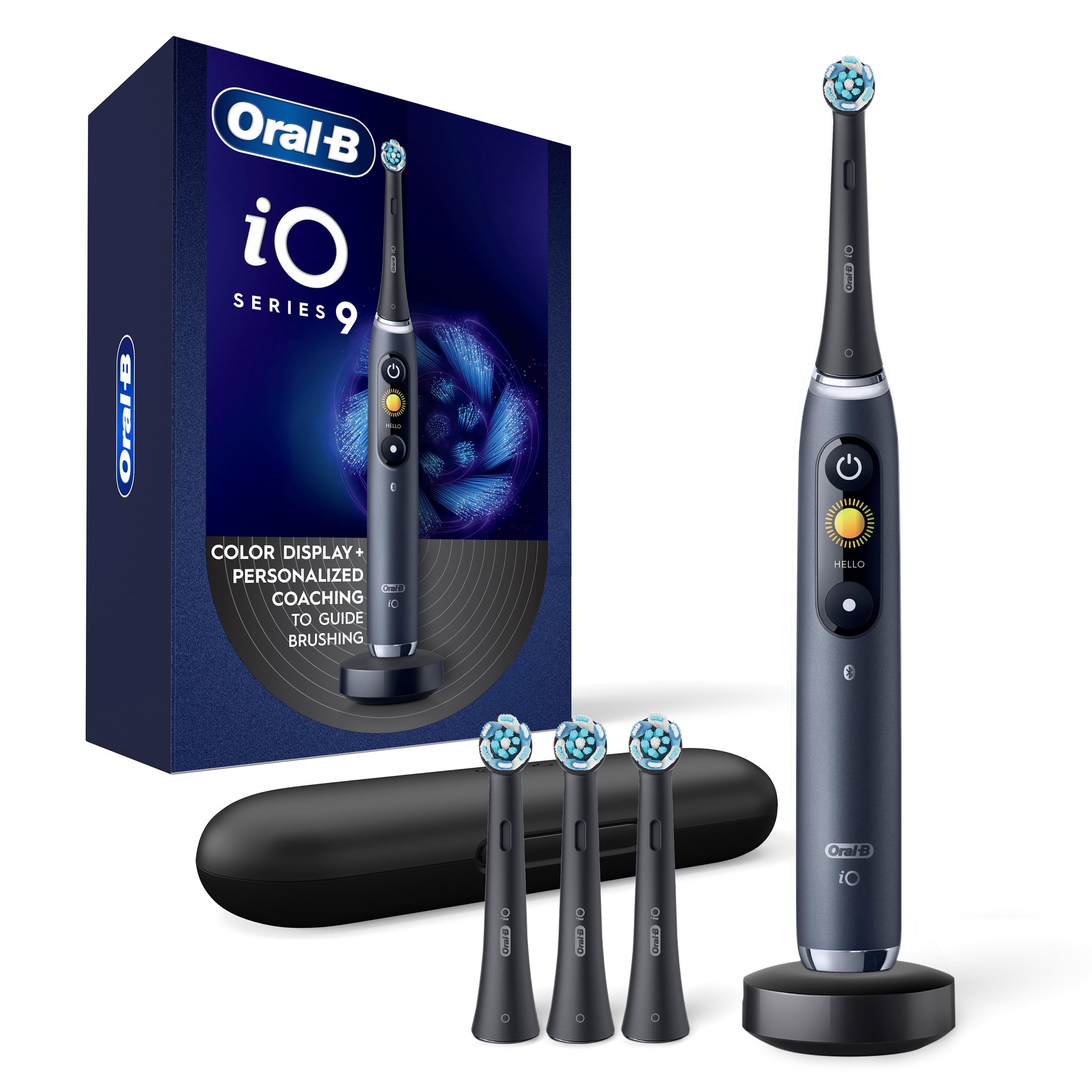
The iO Series 9 pairs Oral-B's most refined magnetic drive with a smart pressure sensor that turns red, white, or green so you can see in real time whether you're brushing too hard. The interactive display and app-based coaching make it the most thorough clean for anyone willing to invest, but replacement heads are among the priciest in the category and the smart features only pay off if you actually pair the app.
Main limitation: Replacement iO brush heads cost noticeably more than standard Oral-B refills, so the long-term cost of ownership is the highest in this list.
Skip if: Skip it if you want a straightforward brush without app pairing, charging extras, or an ongoing head budget.
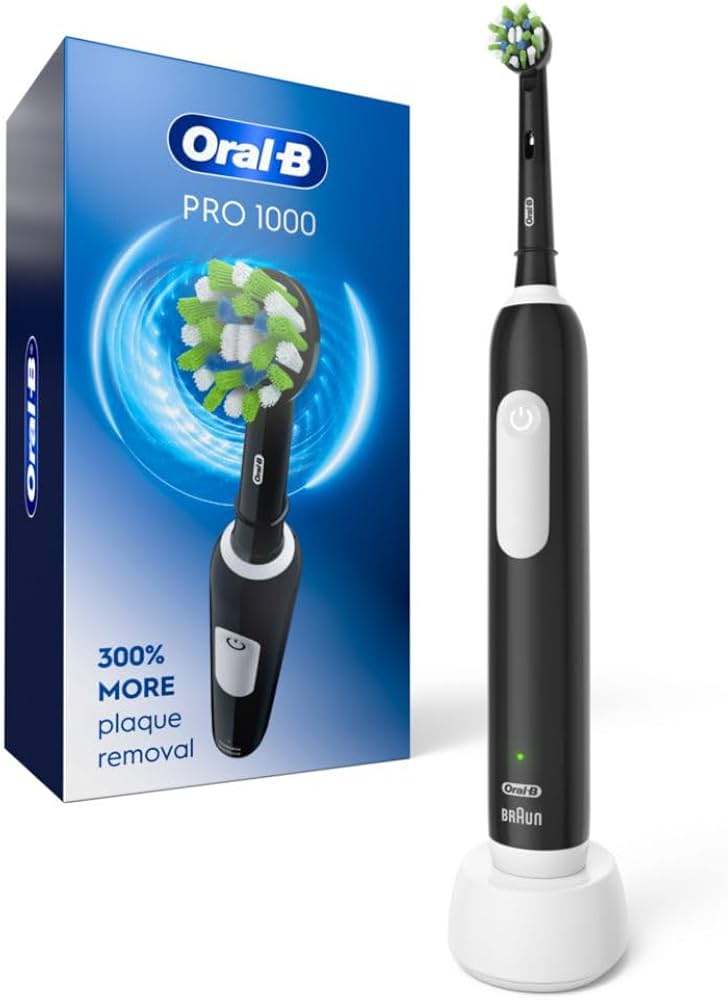
The Pro 1000 delivers Oral-B's core oscillating-rotating cleaning motion, a two-minute timer with 30-second quadrant alerts, and a pressure sensor that stops the pulsation when you press too hard — all for a price that frequently lands under $50. It skips Bluetooth, app tracking, and extra modes, so you're trading features for value rather than performance.
Main limitation: No Bluetooth or brushing history means it won't help you track or improve your technique over time.
Skip if: Skip it if you want whitening-focused modes, app integration, or a visible pressure indicator rather than a subtle pause.
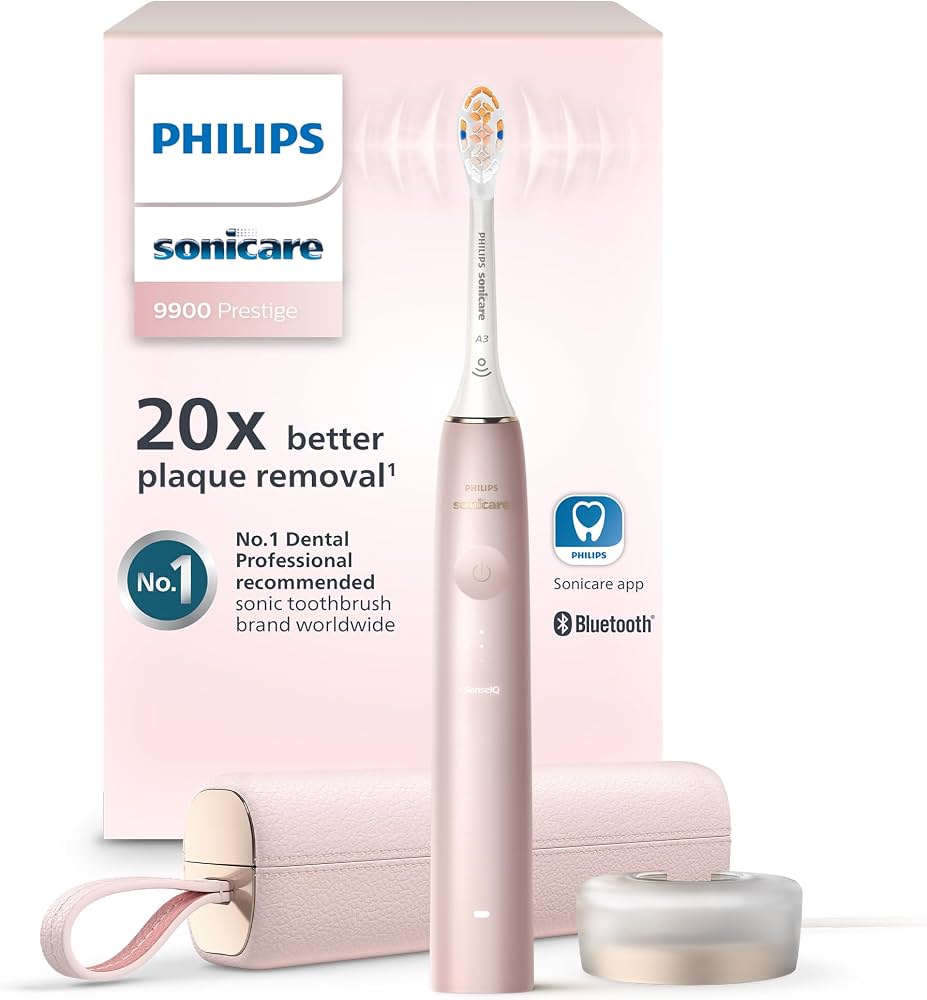
The 9900 Prestige combines Sonicare's gentler sonic action with SenseIQ, which automatically adjusts intensity when it detects you pressing too hard — a genuinely useful feature for receding gums or enamel wear. It's also the priciest Sonicare in the lineup, and the glass charger and premium accessories add cost without changing the clean itself.
Main limitation: The adaptive intensity adjustment is subtle; some users won't notice it working, which makes the price hard to justify on that feature alone.
Skip if: Skip it if you don't need adaptive intensity or premium charging accessories — a mid-tier Sonicare covers most brushing needs for far less.
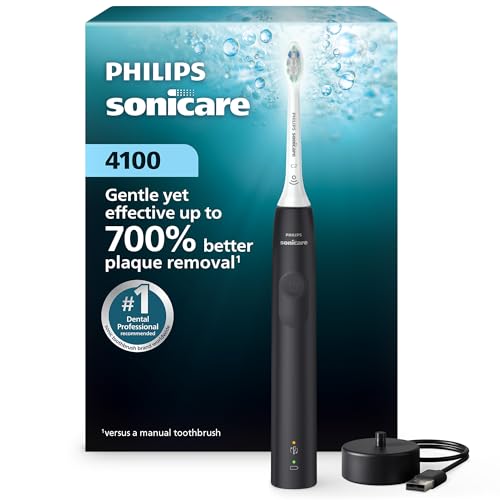
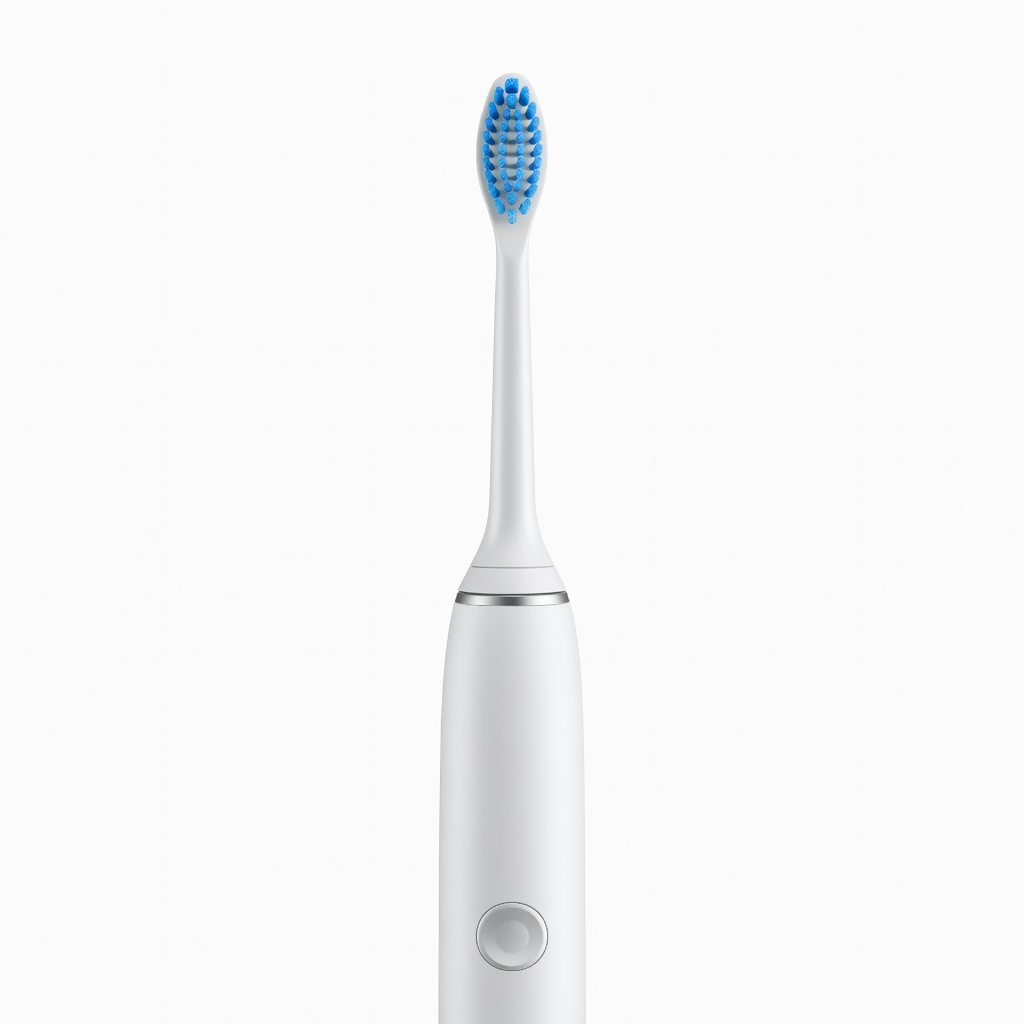
The ProtectiveClean 4100 keeps Sonicare's core sonic cleaning and pressure sensor while cutting the extra modes and app features, landing at a price that's approachable for someone making the switch from manual brushing. The trade-off is just one cleaning mode and no intensity levels, so there's little room to customize if you later want whitening or gum-care settings.
Main limitation: Only a single cleaning mode and no app connectivity, so there's no way to adjust intensity or track your routine.
Skip if: Skip it if you want multiple brushing modes or whitening-specific settings available out of the box.
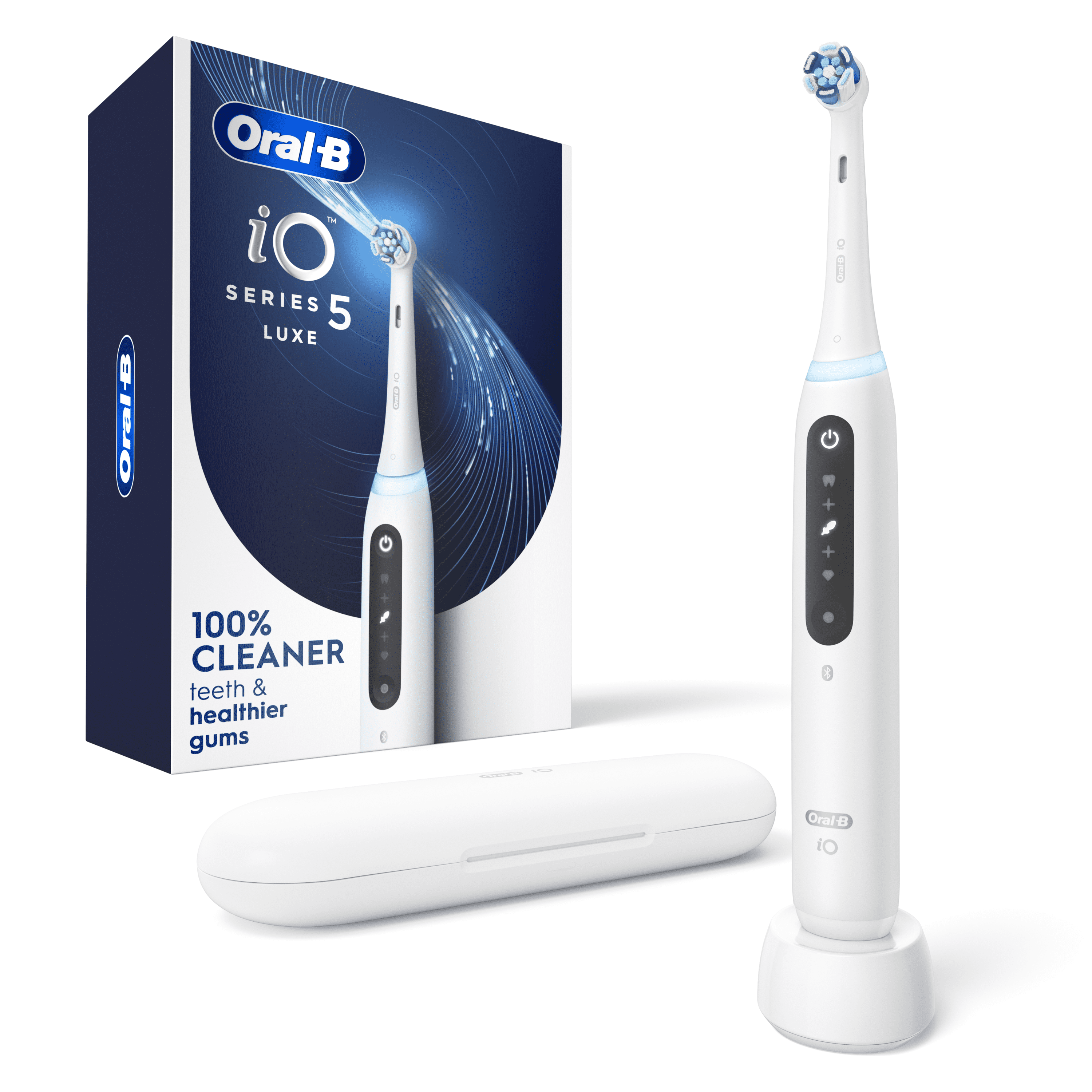
The iO Series 5 brings the iO magnetic drive and a smart pressure sensor down to roughly half the flagship's price, keeping the core clean and the visible feedback ring. What you give up is the 3D tooth tracking and AI coaching that make the Series 9 stand out, so the 'smart' side is largely limited to pressure alerts.
Main limitation: It lacks the 3D tooth tracking and AI brushing recognition of the higher iO models, so the app experience is comparatively thin.
Skip if: Skip it if full tooth-by-tooth tracking and AI coaching are the reasons you're considering an iO brush in the first place.
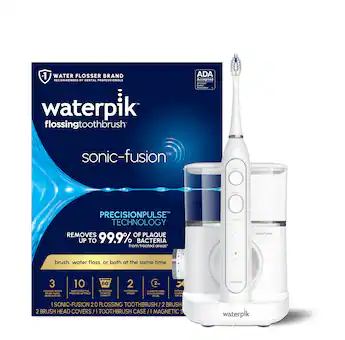
The Sonic-Fusion 2.0 is the mainstream option that lets you brush and water-floss from the same handle, which can make a real difference for anyone who consistently skips flossing. The trade-off is bulk: it needs a countertop water reservoir and a cord, so it stays put on the bathroom counter and isn't practical to travel with.
Main limitation: The countertop reservoir and cord make it impractical for travel, and the brush head motion isn't as refined as dedicated sonic brushes.
Skip if: Skip it if you travel frequently, have limited counter space, or already floss consistently and don't need an integrated water flosser.
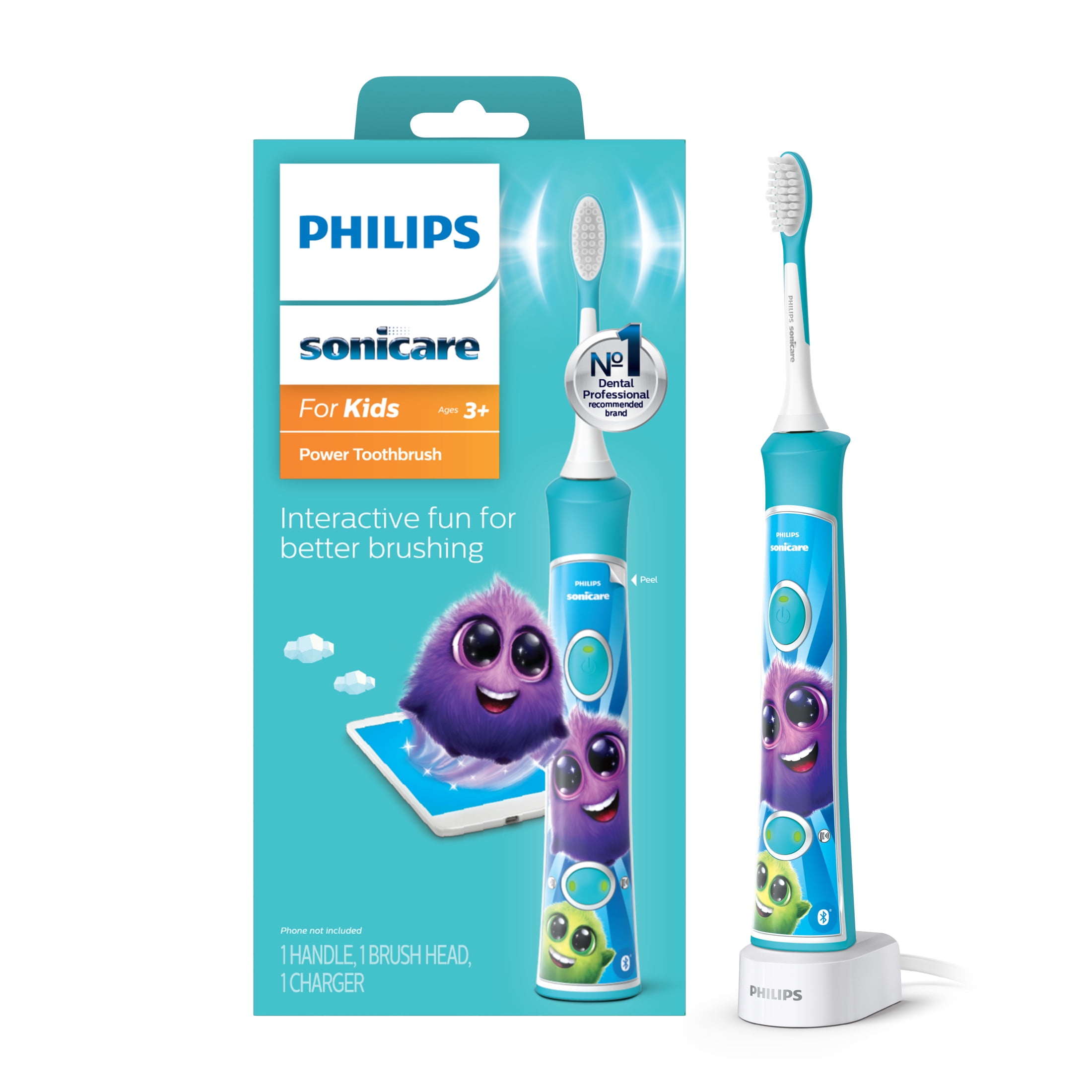
The Sonicare For Kids uses a smaller head and gentler power than adult brushes, and its app turns the two-minute routine into a game with a character that reacts to brushing — a genuine motivator for reluctant brushers. The catch is that the app is central to the appeal, so kids without regular access to a phone or tablet lose much of the incentive system.
Main limitation: Its best features depend on a paired device, which adds screen time to the routine and limits usefulness for independent brushers.
Skip if: Skip it if you don't want another screen involved in brushing or if your child already brushes consistently with a simple timer brush.
Compare key specs and features of all our recommendations side-by-side
| Product | Recommendation | Rating | Price |
|---|---|---|---|
Oral-B iO Series 9 Rechargeable Electric Toothbrush Rank #1 | 🏆 Top Pick | 9.2/10 | $200–$300 Check current price → |
Oral-B Pro 1000 Rechargeable Electric Toothbrush Rank #2 | 💰 Budget Pick | 8.3/10 | $40–$60 Check current price → |
Philips Sonicare DiamondClean 9900 Prestige Rank #3 | ⭐ Editor's Choice | 8.9/10 | $300–$380 Check current price → |
 Philips Sonicare ProtectiveClean 4100 Rank #4 | — | 4.3 4.3 | $40–$70 Check current price → |
Oral-B iO Series 5 Rechargeable Electric Toothbrush Rank #5 | — | 8.5/10 | $90–$130 Check current price → |
Waterpik Sonic-Fusion 2.0 Flossing Toothbrush Rank #6 | — | 7.6/10 | $100–$160 Check current price → |
Philips Sonicare For Kids Electric Toothbrush Rank #7 | — | 7.9/10 | $30–$50 Check current price → |
Common questions buyers have about this category.
Published dental research generally shows electric toothbrushes remove more plaque and reduce gingivitis compared with manual brushing, particularly for people who don't brush thoroughly by hand. The advantage comes mainly from the built-in two-minute timer and consistent motion, which are hard to replicate manually. If you brush perfectly for two full minutes twice a day with a manual brush, the gap narrows considerably.
Both approaches are effective, and multiple published comparisons have found oscillating-rotating brushes hold a slight edge in plaque and gingivitis reduction, though results vary by study. Sonic brushes tend to feel gentler and are often preferred by people with sensitive gums or braces. The best choice is usually the one you'll use consistently, since technique and frequency matter more than the mechanism.
Most manufacturers recommend changing the head every three months, and some brushes include a BrushSync or app-based reminder when the bristles wear down. Frayed or splayed bristles clean less effectively and can irritate gums, so replace sooner if you brush hard or notice visible wear. This ongoing head cost is the biggest long-term expense of owning an electric brush.
A pressure sensor is one of the few features worth prioritizing, because brushing too hard is a leading cause of gum recession and enamel wear that can't be reversed. It alerts you — either visually, with a pause in pulsation, or with a sound — when you exceed safe pressure. Budget brushes that skip this feature are a false economy for anyone prone to pressing hard.
For most people, no. App coaching and 3D tooth tracking can help build better habits in the first few weeks, but many users stop opening the app after a month or two. If you already brush for two minutes with proper pressure, you'll get nearly the same clean from a mid-range brush without those features.
A capable brush with a pressure sensor and timer starts around $40–$70, and that range covers most people's needs. Mid-range models with multiple modes and stronger batteries generally run $90–$150, while flagship brushes with adaptive technology and displays cost $200–$380. Budget an additional $30–$60 per year for replacement heads regardless of which tier you choose.
Yes, provided the brush has a gentle or sensitive mode and, ideally, an adjustable power level. Kids should use a brush with a smaller head and lower power, and adult supervision is recommended until they can brush thoroughly on their own. People with sensitive gums should look for a pressure sensor and start on the lowest intensity setting.
Products we evaluated but did not recommend — and why.
