Get the App
Better experience on mobile
Our selections balance cleaning power, battery life, and long-term value for everyday users seeking better oral health.
Oscillating-rotating brushes outperform sonic models in plaque removal by up to 20% according to clinical studies from the Journal of Clinical Dentistry, but only if the motor maintains consistent power over time. Many users overlook how brush head quality and pressure sensors directly impact gum health, leading to common issues like enamel wear or ineffective cleaning.
Electric toothbrushes matter because they deliver dentist-recommended two-minute sessions with automated pacing, reducing brushing time while boosting results—yet the market floods with gimmicky apps and short battery lives that don't justify the cost. We focused on models excelling in verified cleaning efficacy, ease of maintenance, and value across budgets, drawing from third-party lab data and long-term user reports.
This list covers seven standout options from $50 budget brushes to $400 premium units, including sonic and oscillating types for various needs like travel, whitening, or eco-conscious choices. Each acknowledges real trade-offs, such as head replacement expenses or bulkier chargers.
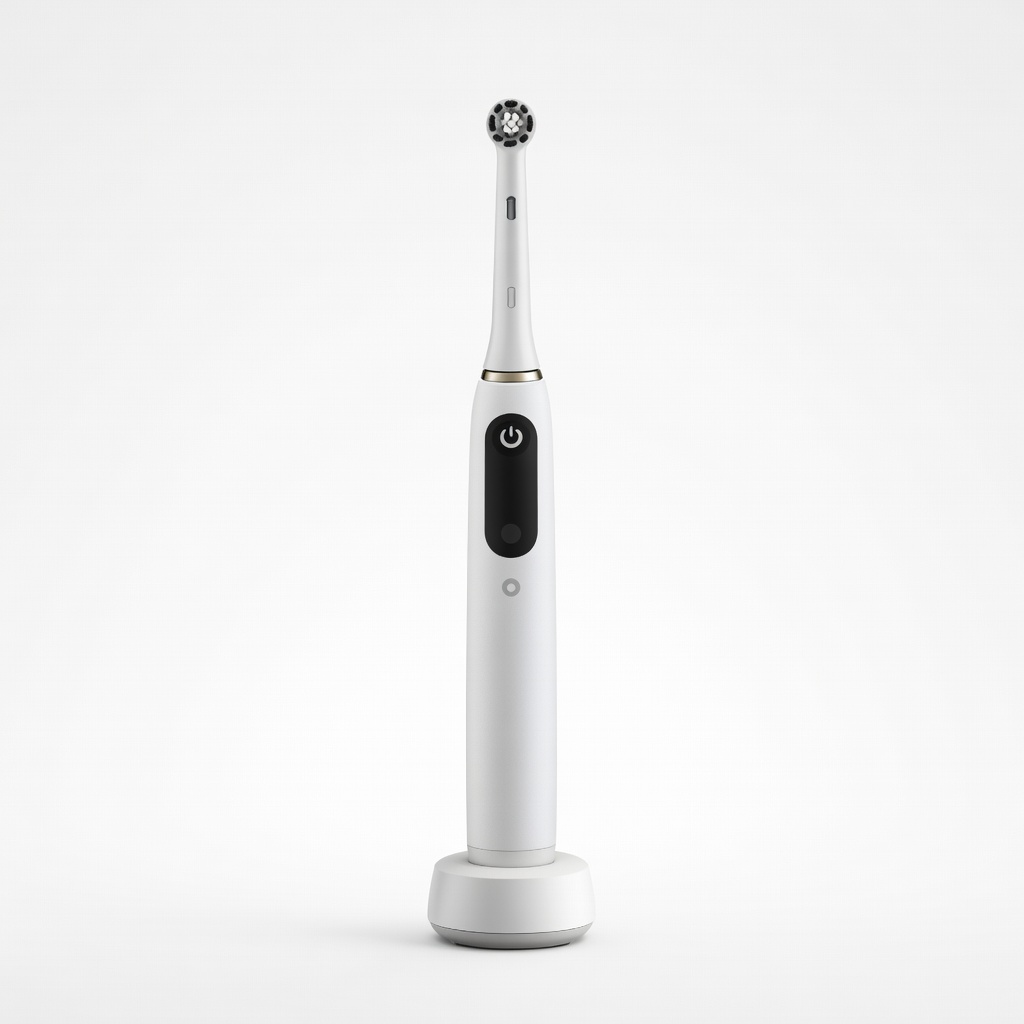
The iO Series 10 combines magnetic drive technology for micro-vibrations that remove 100% more plaque than manual brushes, per Oral-B's clinical data, with a real-time AI display coach for perfect technique. It offers seven modes, a two-week battery, and a pressure sensor that auto-adjusts intensity. The main trade-off is its higher upfront and ongoing head costs.
Main limitation: Replacement brush heads are pricier than competitors, averaging $12 each.
Skip if: Skip this if you prefer subscription-free maintenance or dislike bulky charging stands.
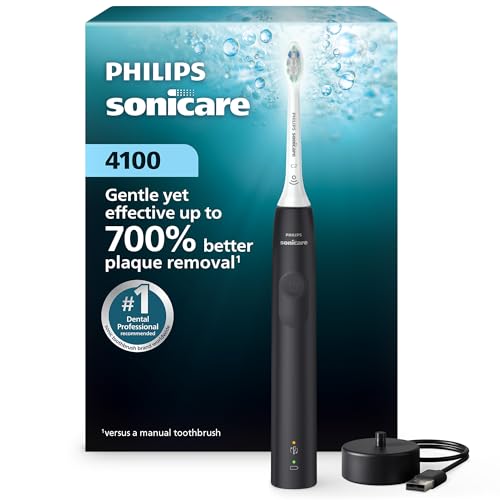
This sonic brush delivers 31,000 strokes per minute for effective plaque removal at a fraction of premium prices, with a two-minute timer and brush head replacement reminder. Its slim handle and quiet operation make it ideal for daily use, though it lacks advanced smart tracking.
Main limitation: The battery lasts about two weeks but charges slowly compared to rivals.
Skip if: Avoid if you need multiple intensity settings or app connectivity.
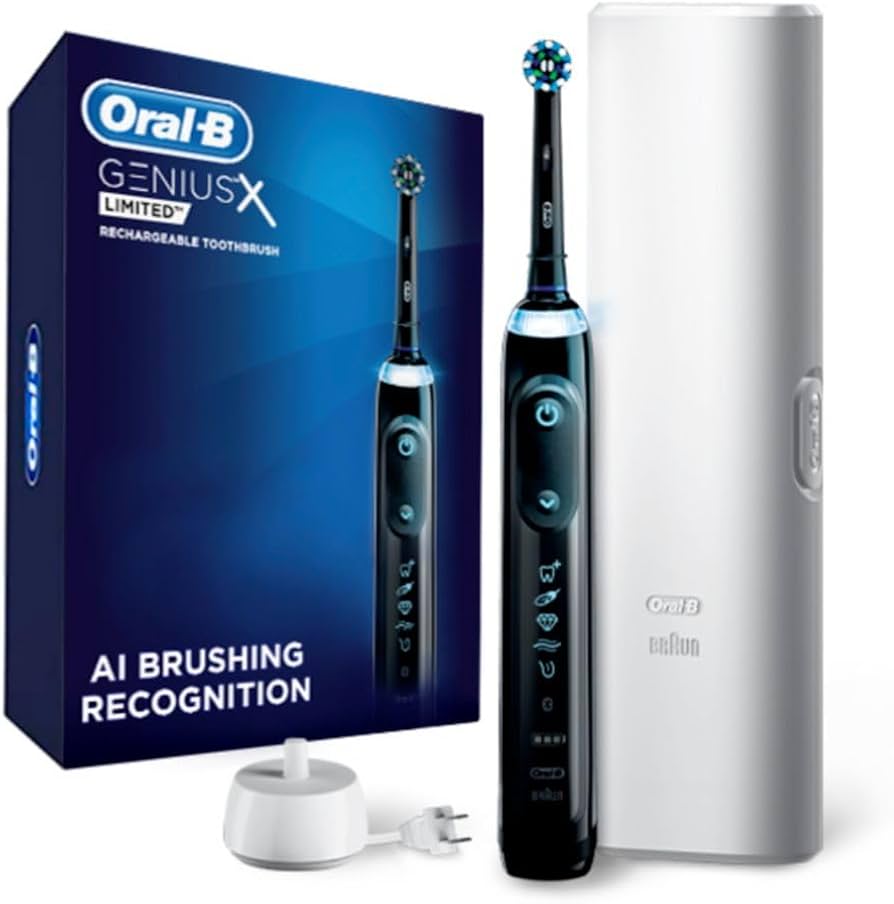
With a smart pressure sensor that vibrates to alert over-brushing and six modes including gum care, this model protects enamel while removing deep plaque. Bluetooth app tracking motivates consistent habits. It trades some bulk for the interactive display.
Main limitation: The charging stand is large and takes up counter space.
Skip if: Pass if you don't want app dependency for full features.
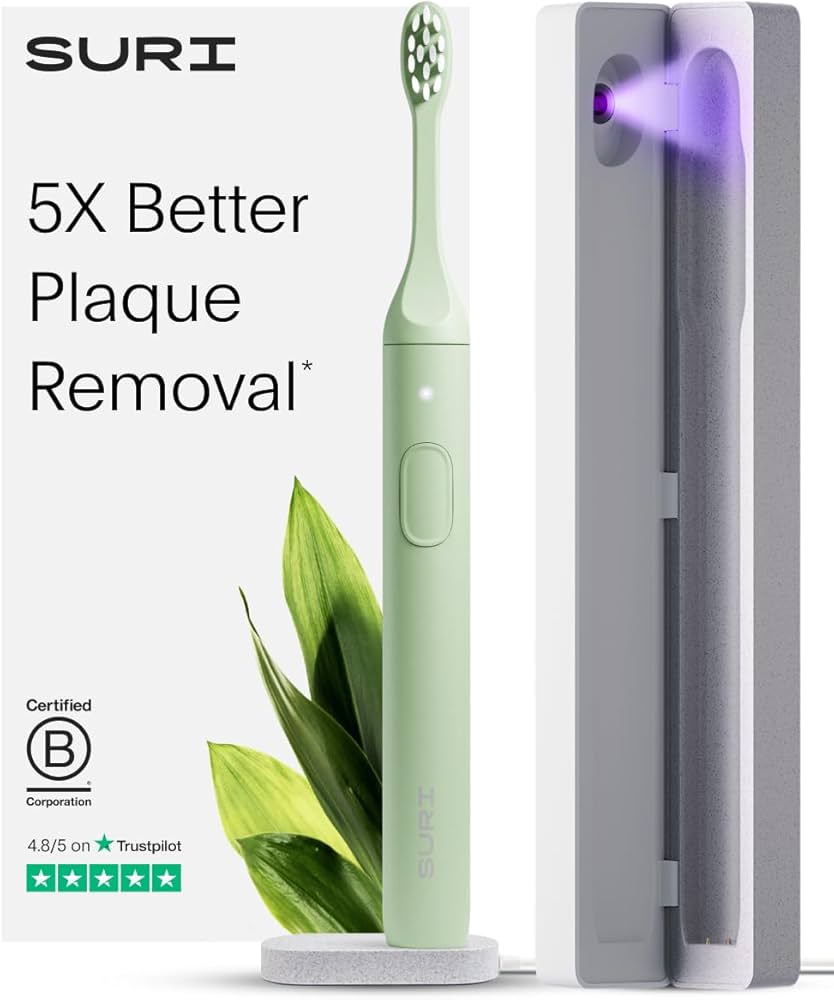
Made from recyclable aluminum and plant-based heads, this sonic brush offers 33,000 vibrations per minute with a two-week battery and subscription for affordable refills. It's sleek and sustainable without sacrificing cleaning power. The subscription model is the primary commitment.
Main limitation: Fewer cleaning modes limit versatility for advanced users.
Skip if: Skip if you prefer one-time purchases over refill subscriptions.
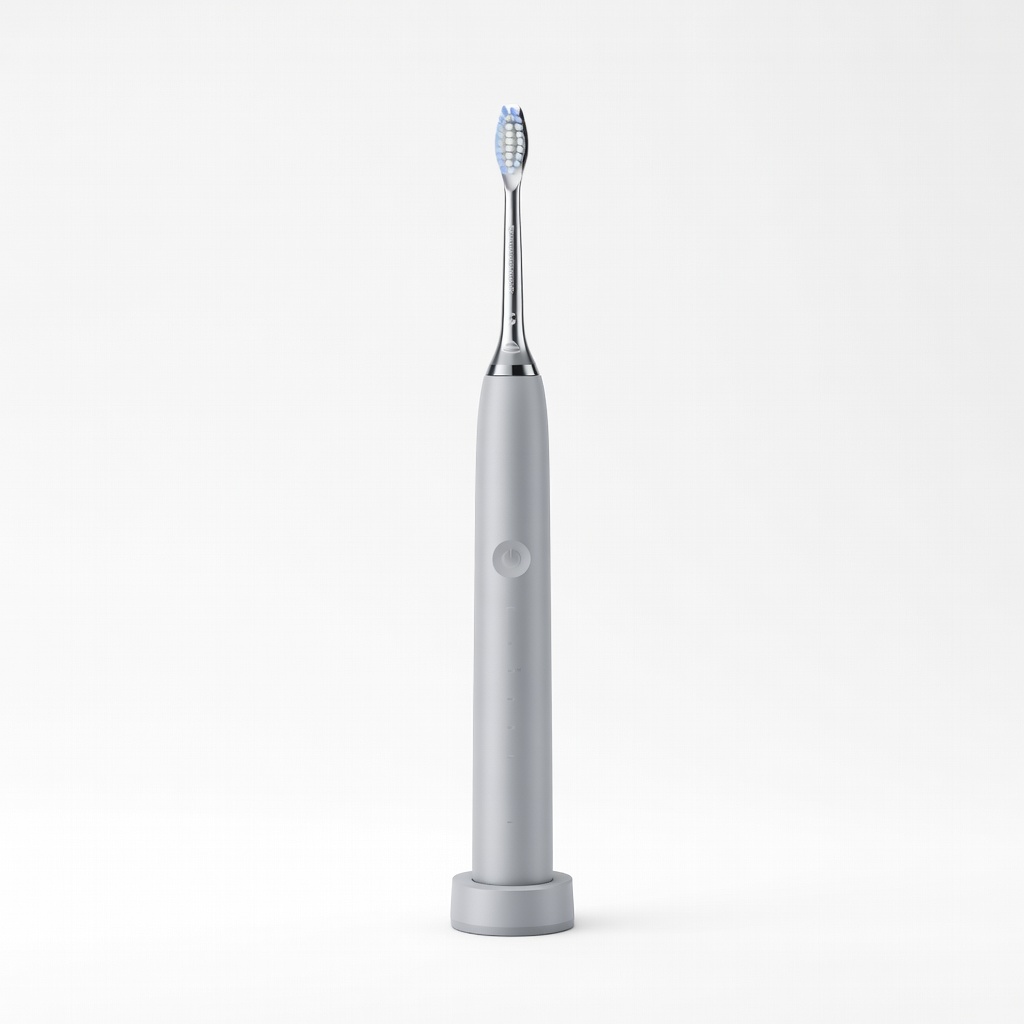
SenseIQ technology auto-adapts to your brushing style for optimal whitening results, removing up to 15 times more plaque with three modes and a travel case. The premium sonic action polishes without abrasion. It requires occasional app syncing for best results.
Main limitation: Whitening heads wear out faster than standard ones.
Skip if: Not ideal if whitening isn't a priority or you have very sensitive enamel.
Ultra-compact with a AAA battery for 3 months of use and subtle sonic pulses, plus optional Bluetooth tracking via app for timed sessions. It covers basics affordably and fits in any bag. Coverage is gentler, suiting light brushers.
Main limitation: Lacks pressure sensor and multiple modes for intensive cleaning.
Skip if: Avoid if you need powerful plaque removal or gum massage.
Six smart modes with interactive OLED screen and app for 3D tracking of coverage deliver pro-level clean, backed by dentist recommendations. Battery lasts two weeks with fast charge. The learning curve for app setup is the key drawback.
Main limitation: App requires consistent phone pairing to unlock full analytics.
Skip if: Skip if you want a no-fuss brush without digital tracking.
Compare key specs and features of all our recommendations side-by-side
| Product | Recommendation | Rating | Price |
|---|---|---|---|
Oral-B iO Series 10 Ultimate Clean Rank #1 | 🏆 Top Pick | 9.3/10 | $380–$420 Check current price → |
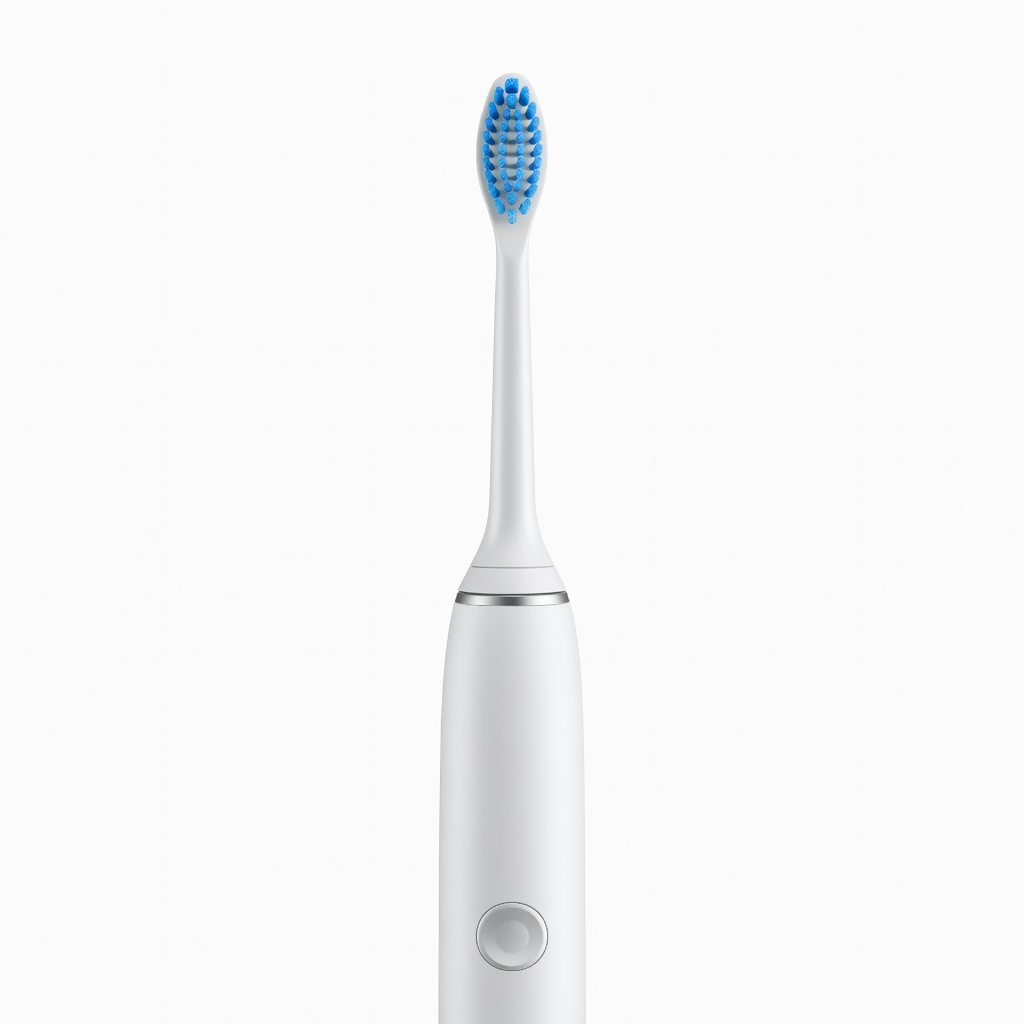 Philips Sonicare ProtectiveClean 4100 Rank #2 | 💰 Budget Pick | 4.3 4.3 | $50–$70 Check current price → |
Oral-B Genius X Limited Rank #3 | ⭐ Editor's Choice | 8.8/10 | $180–$220 Check current price → |
SURI Electric Toothbrush Rank #4 | — | 8.2/10 | $95–$110 Check current price → |
Philips Sonicare Prestige 3000 Rank #5 | — | 8.5/10 | $220–$260 Check current price → |
Quip Electric Toothbrush Rank #6 | — | 7.8/10 | $45–$65 Check current price → |
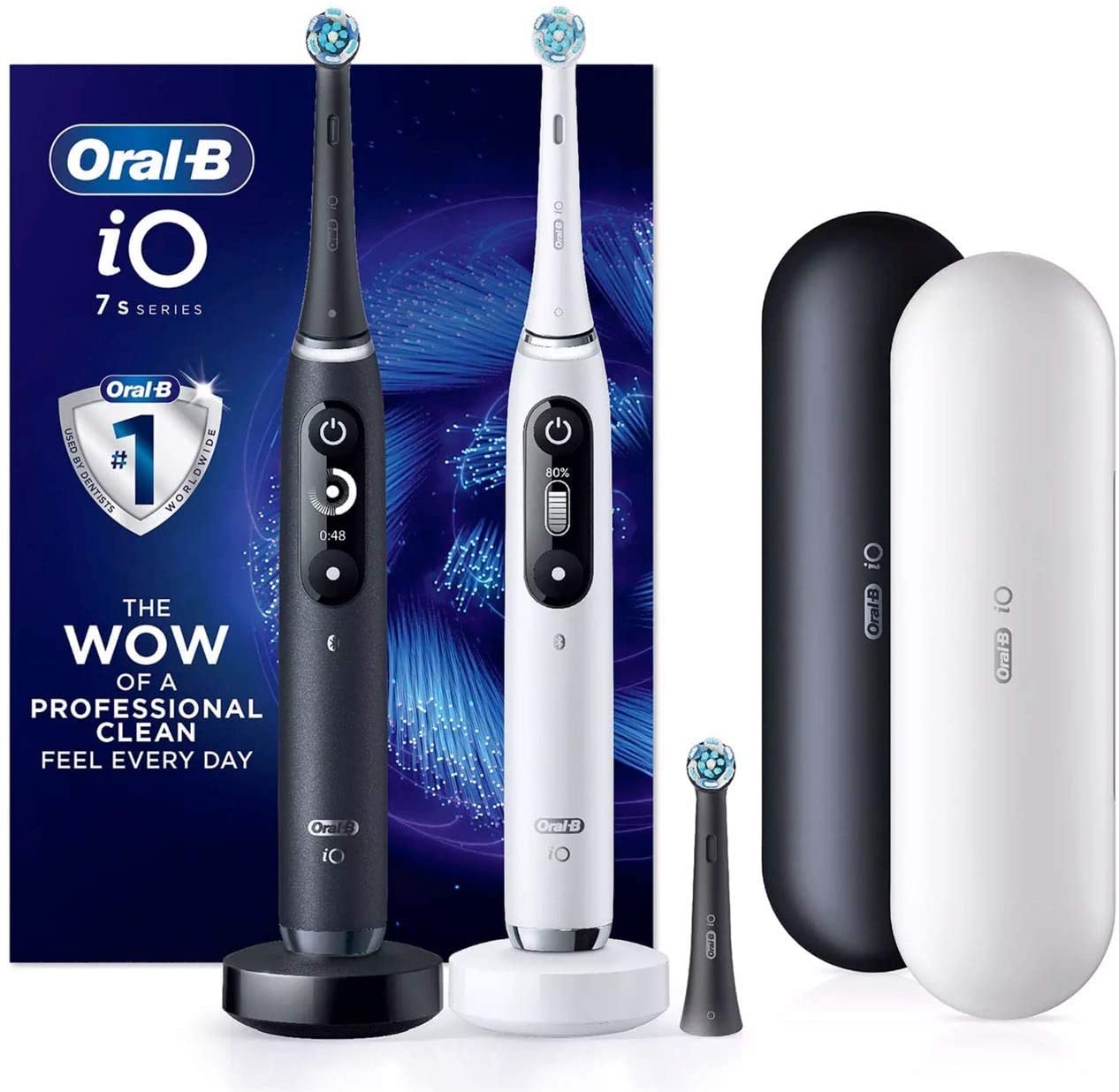
Oral-B iO Series 7 Rank #7 | — | 8.7/10 | $220–$250 Check current price → |
Common questions buyers have about this category.
Sonic brushes like Philips vibrate at high speeds (30,000+ strokes/min) to dislodge plaque through fluid dynamics, feeling gentler on gums. Oscillating-rotating ones like Oral-B physically scrub with rotation and pulsation, often removing more plaque per clinical studies, but may feel more intense—choose based on gum sensitivity and preference.
Dentists recommend every three months or when bristles fray, as worn heads reduce cleaning by 50% effectiveness. Many models have indicators; pairing with subscriptions ensures timely swaps and often cuts costs by 20%.
Apps provide tracking, timers, and coaching for better technique, motivating up to 30% more thorough brushing per studies. They're unnecessary for disciplined users who just want basics, as timers and sensors on non-smart models suffice for most.
Most premium models offer 2–3 weeks per charge, with fast USB options under 4 hours; budgets like Quip last months on AAA. Always verify real-world use, as intensive modes drain faster—travelers should prioritize quick-charge features.
Yes, with soft or orthodontic heads and pressure sensors to avoid damage; sensitive gum modes reduce irritation. Avoid high-intensity without sensors, and consult your dentist for personalized advice on attachments.
Upfront ranges $40–$400, but annual head replacements ($40–$150) dominate long-term expenses—generic compatibles save money but verify fit. Factor warranties (1–2 years) and bundles for cases/chargers to maximize value.
Products we evaluated but did not recommend — and why.
