Get the App
Better experience on mobile
From budget-friendly oscillators to premium sonic models, these selections balance cleaning power, features, and value for everyday users.
Oscillating electric toothbrushes outperform manuals by up to 20% in plaque removal according to clinical studies cited by the American Dental Association, but many models skimp on pressure sensors, risking enamel wear over time. Sonic models vibrate at high frequencies for a gentler clean, yet they often require perfect technique to match oscillation results. Choosing the right one hinges on your habits—do you need app tracking for consistency, or just a simple timer?
This category matters because consistent use can reduce gingivitis risk by 11% per Cochrane reviews, yet subpar brushes lead to quick abandonment. We previewed options across price tiers, focusing on verified specs like oscillations per minute (OPM), brush head compatibility, and real-world battery reports from publications. You'll find budget workhorses under $60, app-savvy midrange picks around $150–$250, and luxury models over $300.
Our seven recommendations cover diverse needs, from travel portability to whitening focus, always noting trade-offs like head replacement costs or bulkier chargers. Whether upgrading from manual or replacing a dying model, these stand out for 2026 based on enduring performance data.
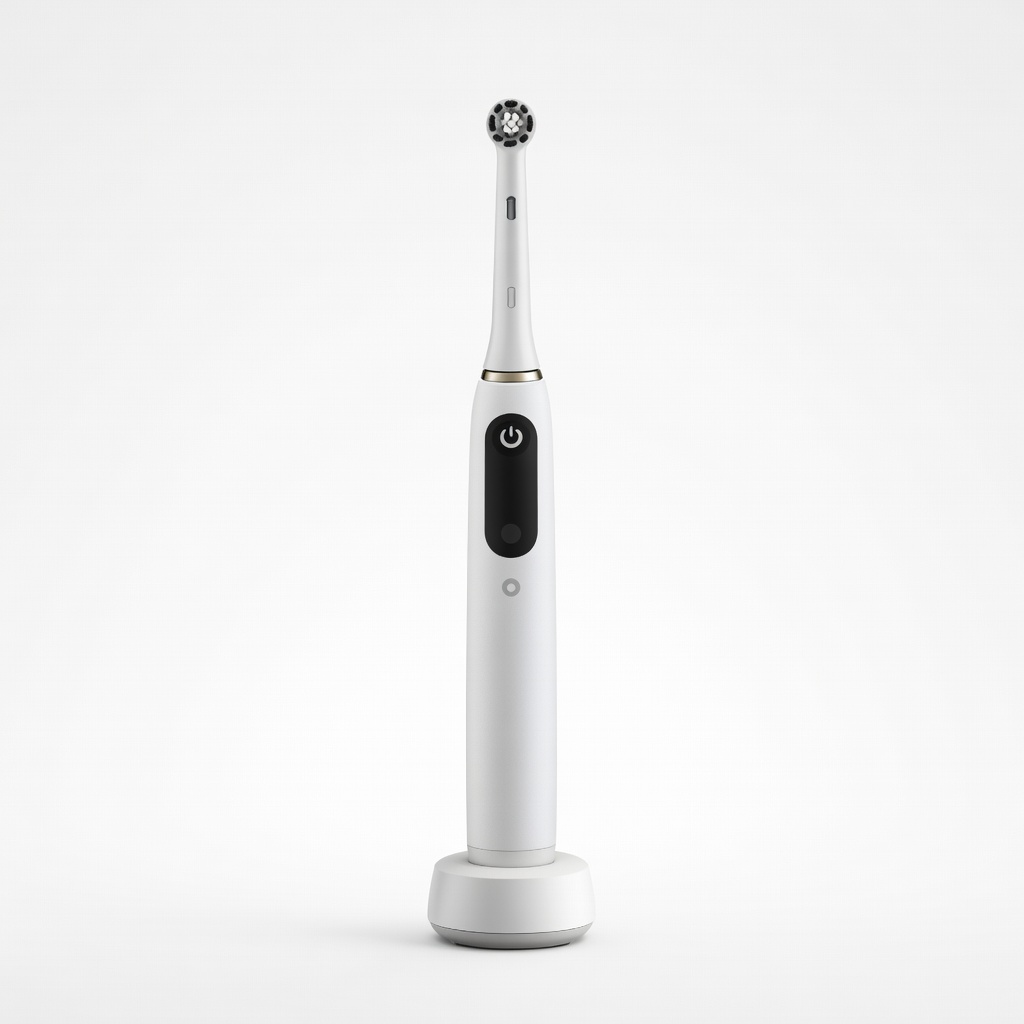
The iO Series 10 delivers dentist-level cleaning with micro-vibrations, AI-powered brushing tracking via app, and seven modes including a sensitive option. Its magnetic drive ensures quiet operation and consistent 48,800 movements per minute. The main trade-off is the higher cost of replacement heads compared to basic models.
Main limitation: Replacement brush heads cost about $10 each and must be purchased from Oral-B for full app compatibility.
Skip if: Skip this if you dislike app-dependent features and prefer a no-frills brush.
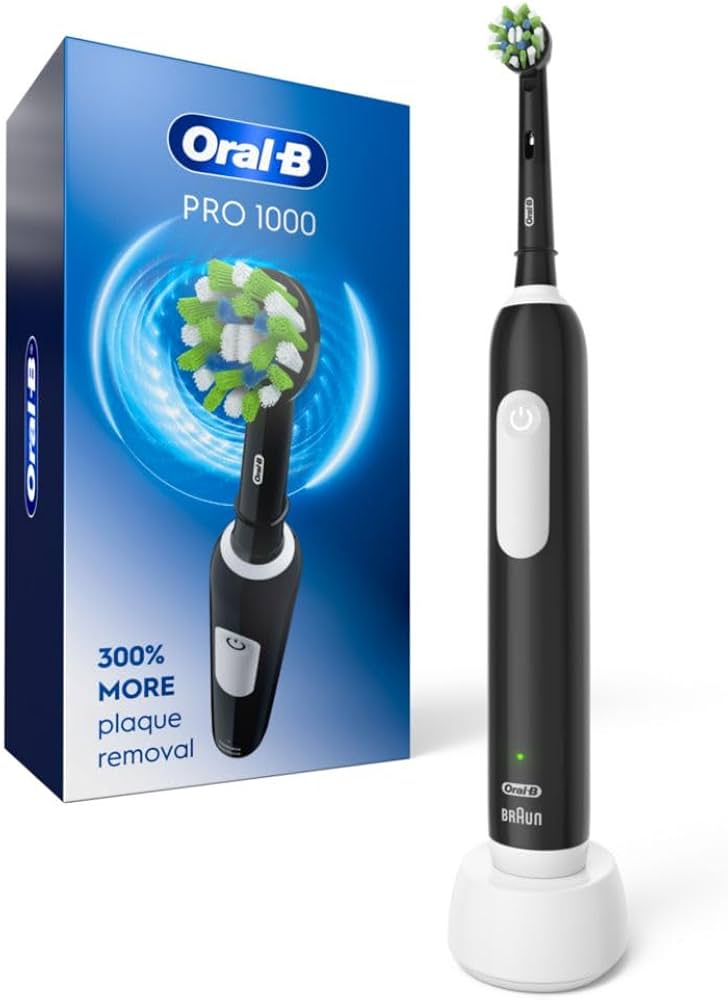
This entry-level oscillating brush provides effective 3D cleaning action with a visible pressure sensor and built-in 2-minute timer at a fraction of premium prices. It's compatible with affordable generic heads and lasts 2 weeks per charge. The limitation is the single cleaning mode, lacking variety for specialized needs.
Main limitation: It offers only one brushing mode, so it feels basic for users wanting whitening or gum care presets.
Skip if: Avoid if you need multiple intensity levels or app connectivity.
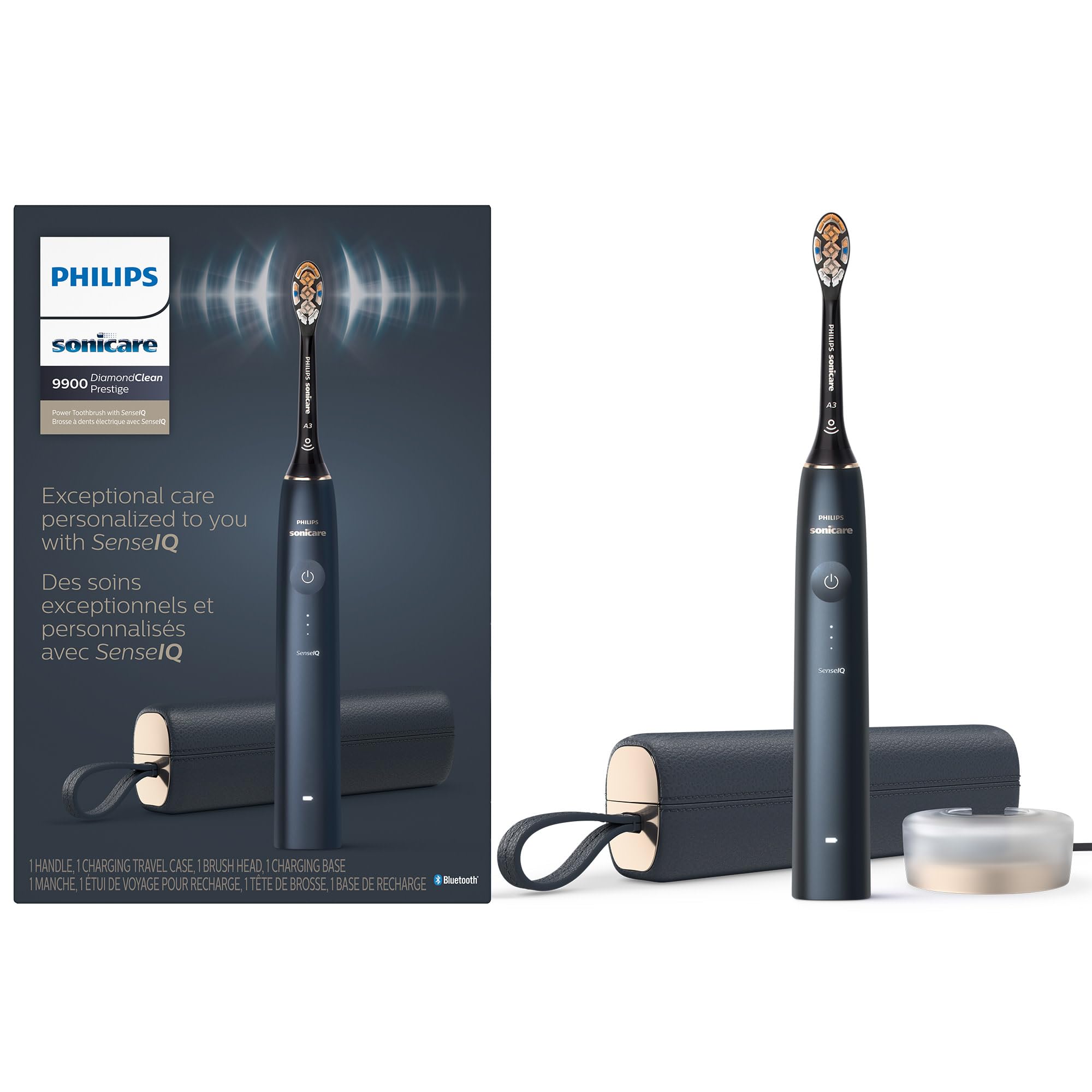
Sonicare's flagship sonic model uses SenseIQ tech to adapt vibrations based on pressure, minimizing irritation with 62,000 brush strokes per minute across four modes. The premium handle feels luxurious with a jewelry-like finish. Drawback: It's pricey, and the app requires consistent phone pairing for full benefits.
Main limitation: The travel case lacks a USB charger, relying on the bulky home base for fastest recharges.
Skip if: Pass if you want oscillating action, as sonic vibrations feel less 'scrubbing' to some.
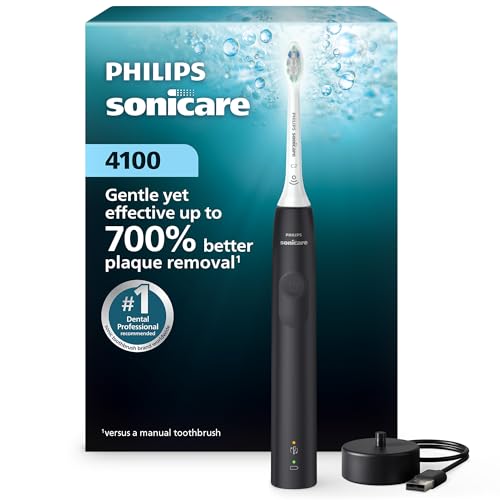
Compact and lightweight with a 14-day battery, this sonic brush includes a USB charging travel case and pressure sensor for on-the-go use. It offers three modes for versatile cleaning without bulk. The trade-off is fewer smart features than higher-end Philips models.
Main limitation: Brush head variety is more limited than Oral-B's ecosystem.
Skip if: Don't choose this if you prioritize app tracking over portability.
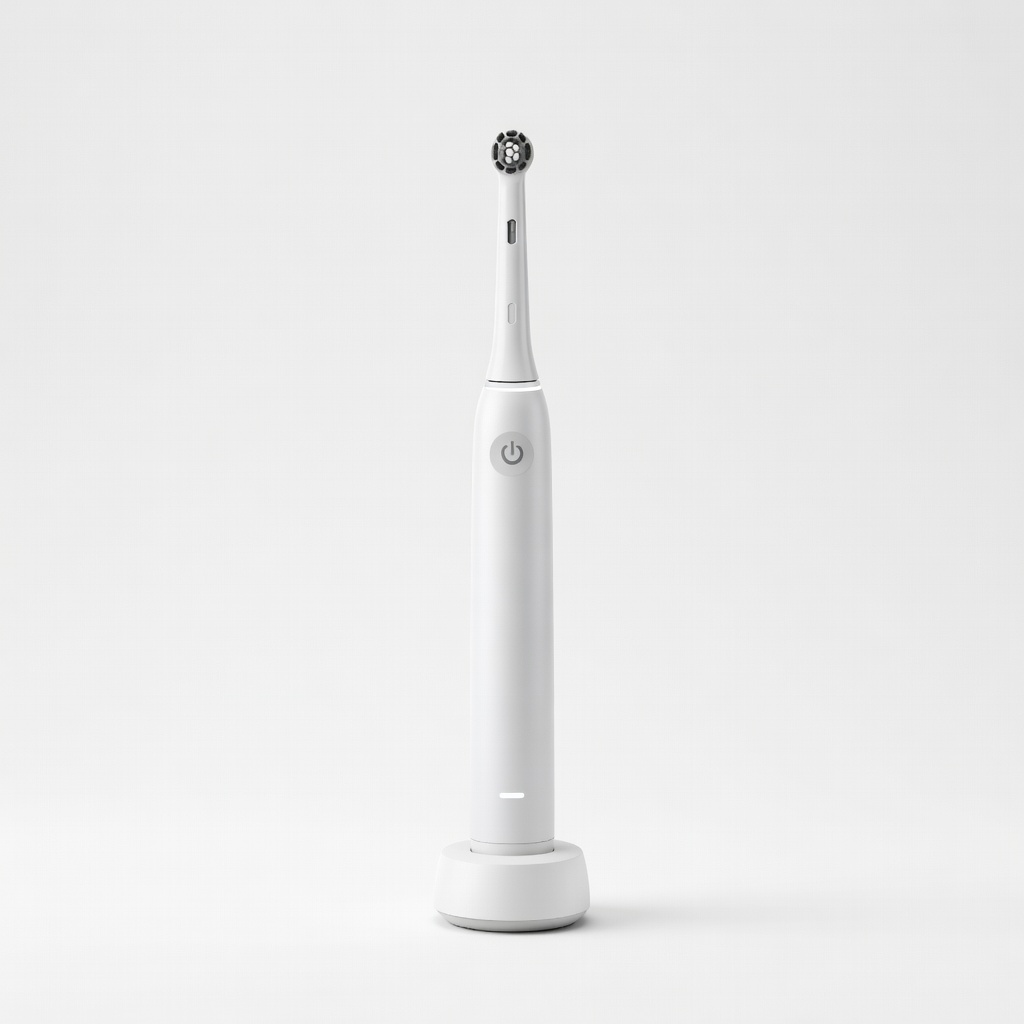
Smart coaching via the app tracks coverage and pressure in real-time, with five modes and color-display feedback for improved habits. Battery lasts 2 weeks with fast magnetic charging. Limitation: The display is small and less intuitive than the Series 10.
Main limitation: App setup can be finicky on older phones, delaying initial use.
Skip if: Skip if you're not committed to daily app check-ins.
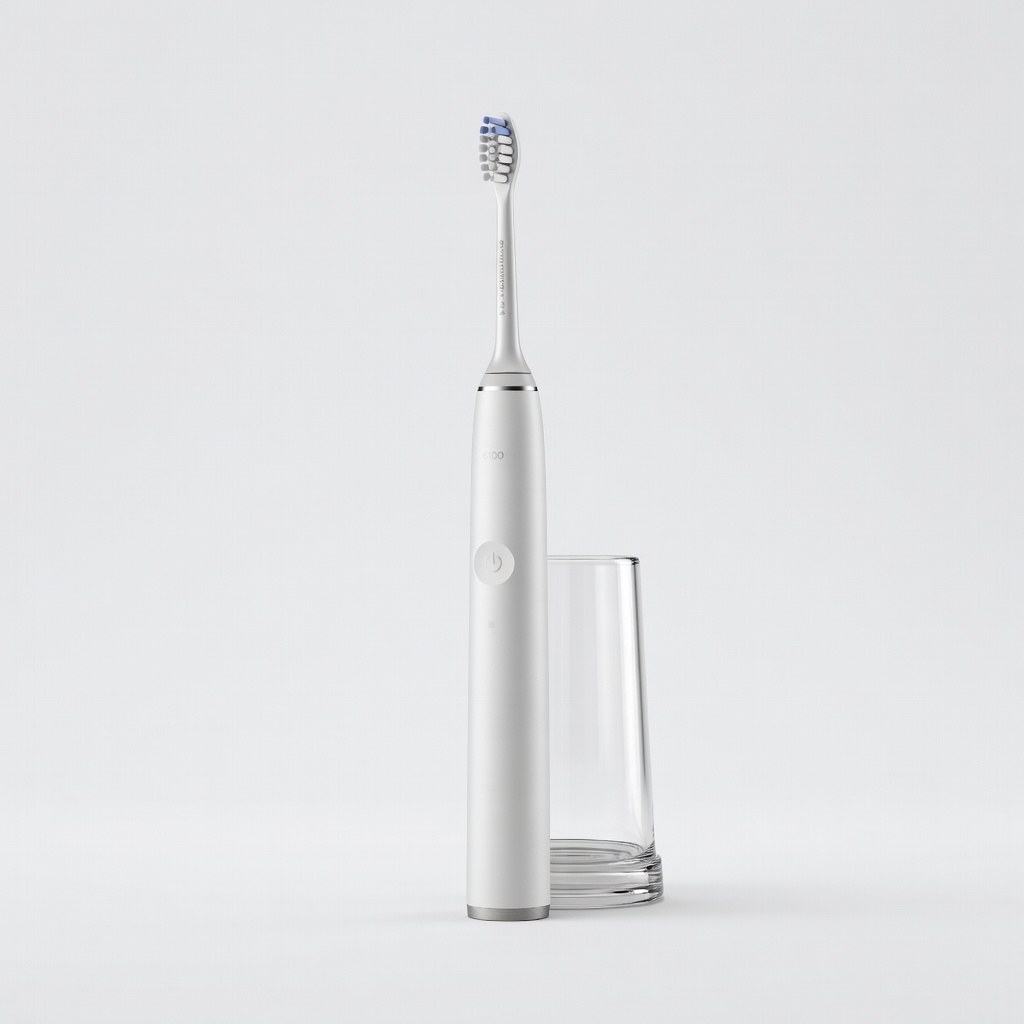
DiamondClean's sonic tech excels at stain removal with a dedicated whitening mode and progress tracking via app, plus a hygienic glass charger. It removes up to 10x more plaque per Philips claims. Trade-off: The premium glass charger is fragile for travel.
Main limitation: Replacement heads are among the priciest at $12–$15 each.
Skip if: Avoid if whitening isn't a priority, as basic modes suffice for maintenance.
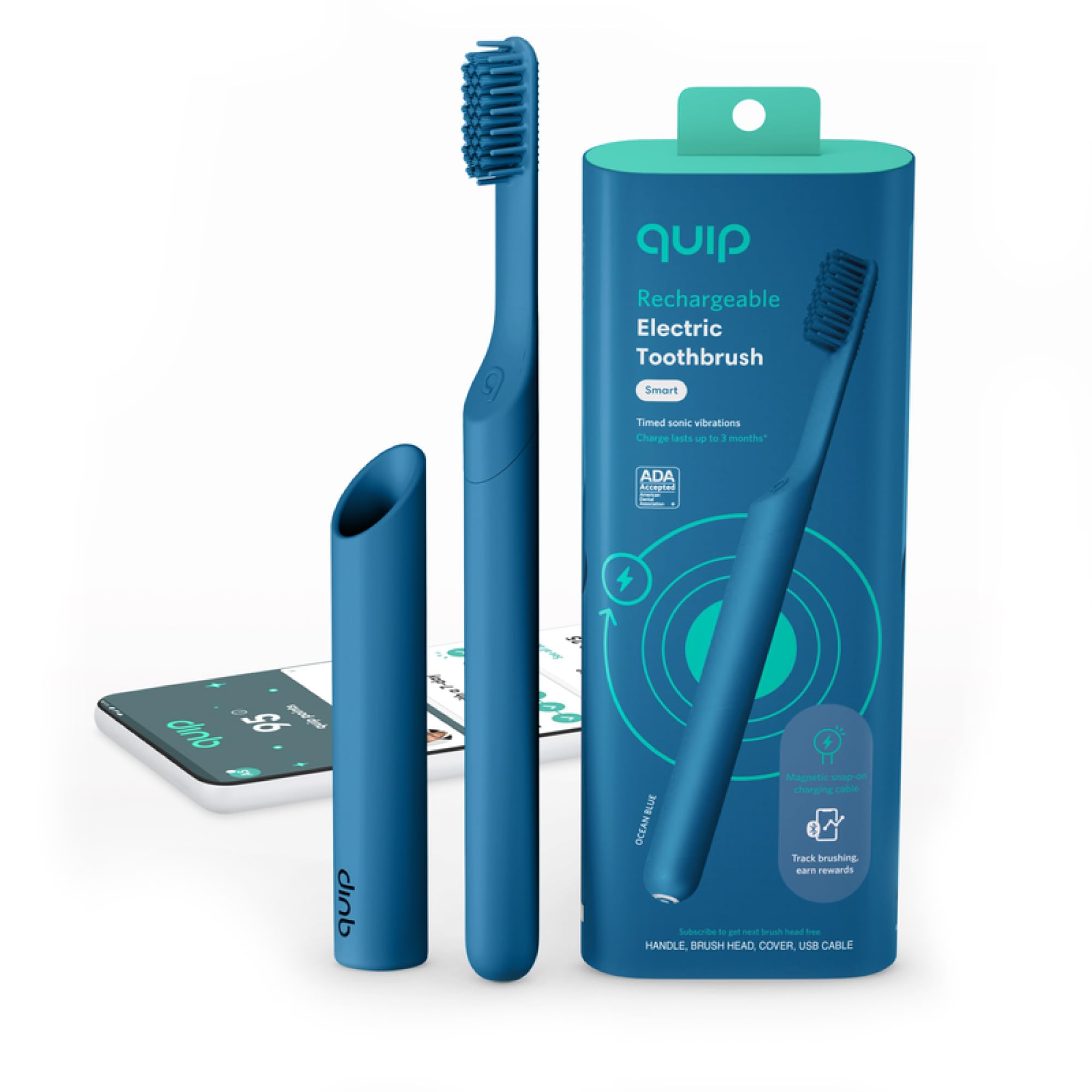
Sleek, slim design with gentle sonic vibrations, timed pulses, and subscription heads make it idiot-proof for consistent brushing. AAA battery lasts 3 months. The downside is lower intensity, better for maintenance than deep cleans.
Main limitation: Lacks pressure sensor, so heavy-handed users may over-brush.
Skip if: Not for those needing aggressive plaque removal or multiple modes.
Compare key specs and features of all our recommendations side-by-side
| Product | Recommendation | Rating | Price |
|---|---|---|---|
Oral-B iO Series 10 Ultimate Clean Rank #1 | 🏆 Top Pick | 9.3/10 | $340–$380 Check current price → |
Oral-B Pro 1000 Rank #2 | 💰 Budget Pick | 8.3/10 | $45–$55 Check current price → |
Philips Sonicare 9900 Prestige Rank #3 | ⭐ Editor's Choice | 9.1/10 | $360–$400 Check current price → |
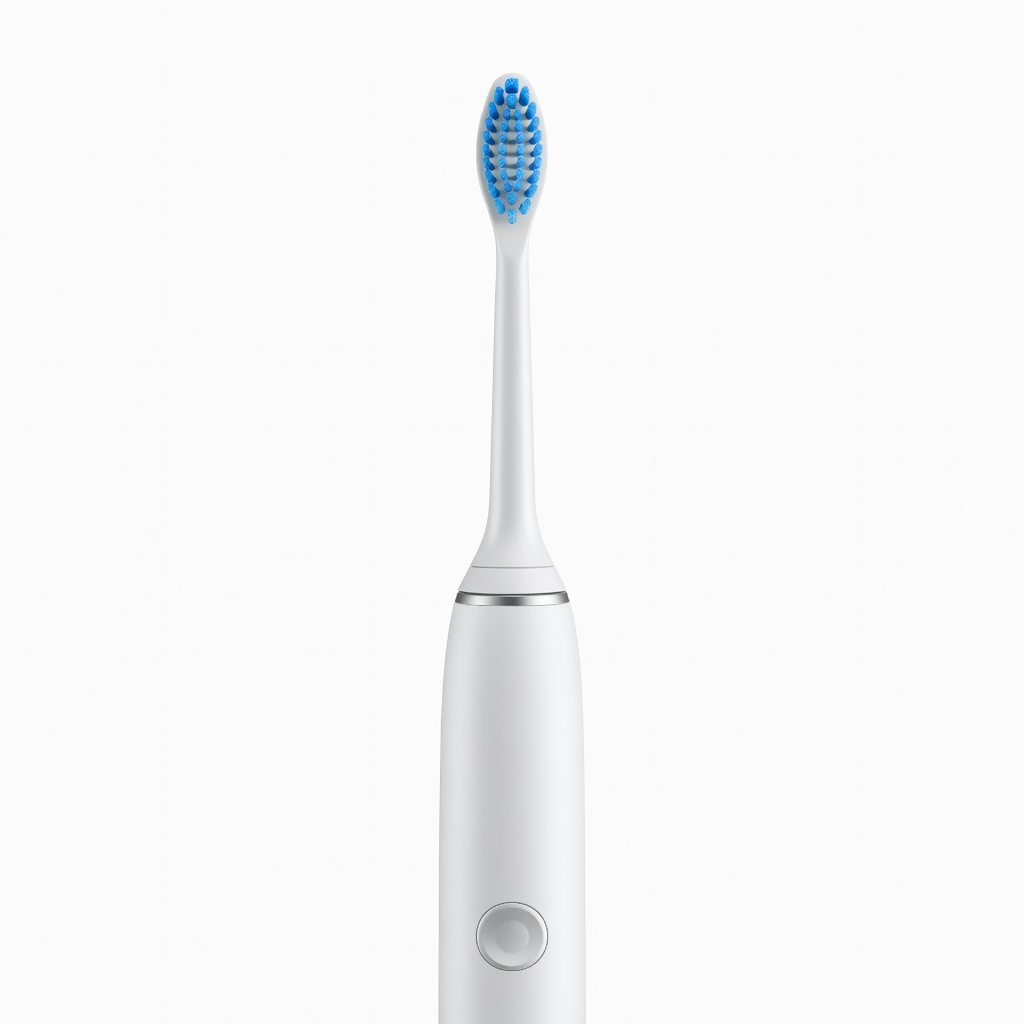 Philips Sonicare ProtectiveClean 4100 Rank #4 | — | 4.3 4.3 | $80–$100 Check current price → |
Oral-B iO Series 6 Rank #5 | — | 8.7/10 | $180–$220 Check current price → |
Philips Sonicare 6100 DiamondClean Smart Rank #6 | — | 8.6/10 | $200–$250 Check current price → |
Quip Sonic Electric Toothbrush Rank #7 | — | 7.9/10 | $40–$60 Check current price → |
Common questions buyers have about this category.
Oscillating brushes like Oral-B excel at mechanical plaque scraping, outperforming manuals by 21% in meta-analyses, while sonic models like Sonicare suit sensitive mouths with fluid dynamics for interdental cleaning. Choose based on preference—try both if upgrading, as sonic feels gentler but requires lighter pressure for max results.
Replace every 3 months or when bristles fray, as recommended by the ADA to maintain 100% efficacy. Many smart brushes like Oral-B iO remind you via app or light, preventing bacterial buildup that reduces cleaning by 30%.
Apps provide coverage maps and habit scores, boosting brushing time by 30% per user studies, but basics with timers work fine for most. Ideal for inconsistent brushers; skip if privacy or phone dependency concerns you.
Expect 10–21 days from premium lithium-ion models under normal use, but heavy 3-mode sessions cut it by 20–30%. Travel cases with USB extend trips; always charge fully before long absences to avoid weak vibrations.
Yes, they remove 19–69% more plaque and reduce gingivitis, per Cochrane reviews, with timers ensuring full sessions. The investment pays off in fewer dentist visits, especially for technique-challenged users.
Adult models work with kid heads and low modes, but dedicated kids' brushes have softer bristles and fun designs for better compliance. Start at age 5–7; supervise to build habits without overwhelming young mouths.
Products we evaluated but did not recommend — and why.
