Get the App
Better experience on mobile
From sonic powerhouses to app-connected smart models, these electric toothbrushes are chosen for real-world effectiveness and lasting value.
The best electric toothbrush isn't the most expensive one — it's the one that makes you want to brush better. In 2026, that means weighing sonic vs. oscillating-rotating technology, pressure sensors, app connectivity, and battery life. Many of us have abandoned manual brushes because they don't deliver the same consistency, but the leap to electric can be confusing. Do you need a $250 model with AI coaching, or will a $30 basic brush do the job? The answer depends on your oral health goals, your willingness to learn new habits, and your budget.
Let's clear up the two main technologies: sonic brushes, like those from Philips Sonicare, vibrate at high speeds to push fluids between teeth and along the gum line, while oscillating-rotating brushes, like Oral-B's, physically scrub each tooth with a rotating round head. Both are effective if used correctly, but the “right” choice often comes down to feel and mode selection. However, more important than the motion is the presence of a pressure sensor — it stops you from brushing too hard, which is a leading cause of enamel wear and gum recession. Many budget brushes omit this vital safety feature, so it's worth prioritizing.
Our selections below span every price point, from an ultra-affordable Oral-B Vitality to the feature-rich Oral-B iO Series 9. We've also included models specialized for gum health, whitening, travel, and kids. Each pick is backed by published expert reviews, aggregated buyer feedback, and manufacturer specifications, and we've honestly called out the trade-offs you should know before buying. Whether you're a first-time electric toothbrush buyer or upgrading your long-time favorite, these are the 7 best electric toothbrushes of 2026 — ranked for value, performance, and how well they actually encourage better brushing habits.
Remember: even the best toothbrush is only as good as your technique. The smartest ones will guide your hand, but you still need to brush for the full two minutes twice a day. Use this guide to choose your tool wisely, then let it do the heavy lifting for your smile.
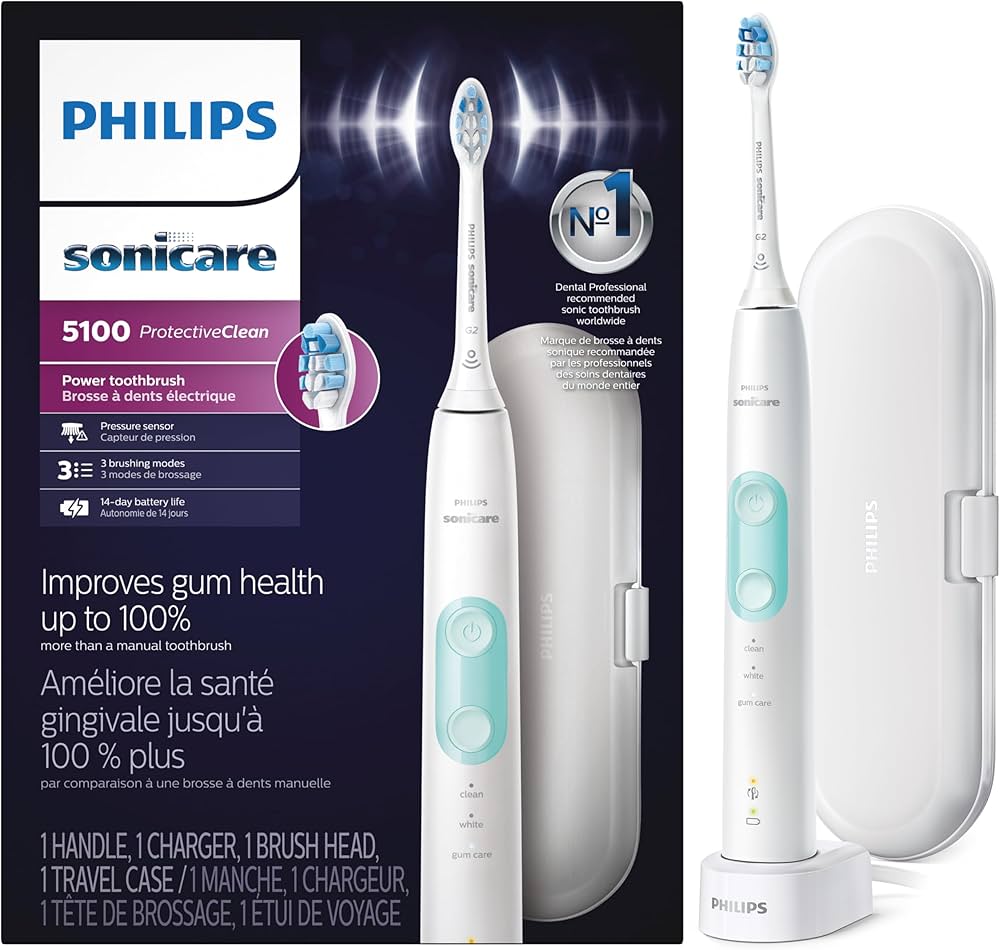
Delivers a powerful yet gentle sonic clean with a pressure sensor, three intensity levels, and a Gum Care mode that suits most brushing preferences. It's reliable, easy to use, and has excellent battery life — the clear best all-rounder for most people. The trade-off is the lack of app-based coaching, which you'll find on pricier models.
Main limitation: No Bluetooth or app connectivity, so you miss out on smart brushing feedback.
Skip if: Skip if you want real-time guidance on your brushing technique from an app.
Offers the proven oscillating-rotating cleaning action of Oral-B at an unbeatable low price. It's simple and effective, with a quad-pacer to help you brush evenly, and it accepts every Oral-B brush head for easy customization. The biggest drawback is the lack of a pressure sensor, which may lead to overly aggressive brushing.
Main limitation: No pressure sensor means you could brush too hard and damage your gums without knowing.
Skip if: Anyone with sensitive gums or a habit of brushing aggressively will want a model with a pressure sensor.
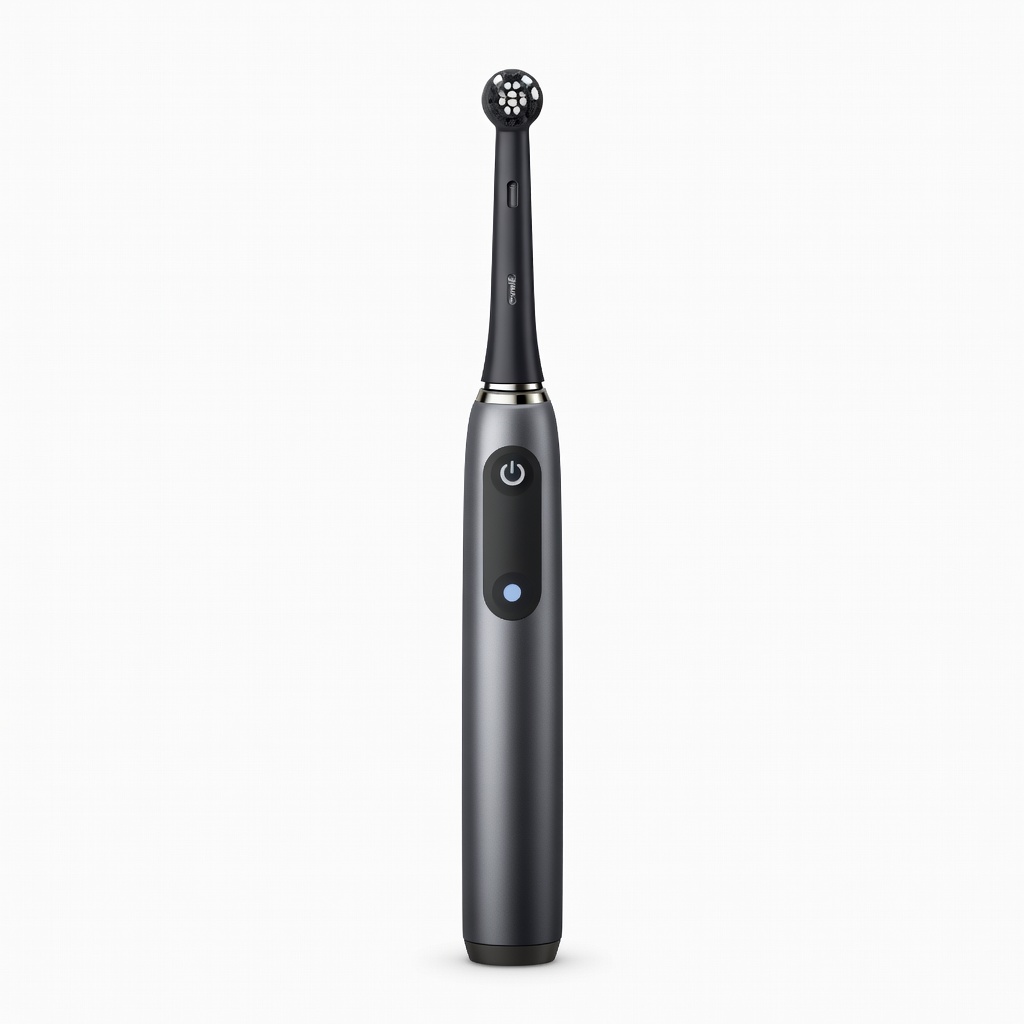
The iO Series 9 is Oral-B's innovative flagship, featuring a magnetic drive for a quiet yet incredibly smooth cleaning feel. Its AI-powered app gives real-time feedback on pressure, coverage, and technique, turning your brushing routine into a guided session. The hefty price and app dependency are real downsides, but for tech lovers it's unmatched.
Main limitation: To get the most out of it, you’ll need to regularly sync with the app, and replacement heads are considerably more expensive.
Skip if: If you don't want an app in your bathroom or prefer a more natural, hands-on brushing routine, skip this.
Specifically engineered to combat gum issues, the ProtectiveClean 6500 features a dedicated Gum Health mode that gently massages gum tissue while removing plaque. Its pressure sensor and quadrant timer help you maintain a healthy, gentle routine, and the included gum care brush head is a nice touch. The downside is limited app integration, which many premium rivals now offer.
Main limitation: No Bluetooth or smart messaging, so you won't get personalized feedback on your gum care routine.
Skip if: If you prefer a toothbrush that gives you app-based insights, this is the wrong model.
The DiamondClean 9000 lives up to its name, with a high-performance sonic engine that effectively lifts surface stains through its dedicated Whitening mode. The included charging glass and premium leather travel case add a touch of luxury, making it a delight to use and travel with. It's expensive, though, and you're not paying for smart app features—just excellent cleaning power.
Main limitation: Priced at a premium but doesn't offer Bluetooth or AI coaching found on similarly priced smart brushes.
Skip if: Skip if you want app-based analytics or are on a tight budget.
Quip's ultra-slim, lightweight design is the ultimate travel companion—it runs on a single AAA battery (no charger needed) and fits inside any toiletry bag. The subscription service ensures you get a new brush head every 3 months, but the motor is less powerful than full-size sonic brushes, so don't expect the same deep-clean feeling.
Main limitation: The brush's low-powered motor may not provide the thorough clean that many users expect from an electric toothbrush.
Skip if: If you have heavy plaque buildup or need a powerful, immersive clean, this is not for you.
This colorful Sonicare model makes brushing fun with gentle sonic pulses designed for little mouths and includes a free app with brush-along games and rewards. The timer ensures kids brush for a full two minutes, and the adorable stickers let them customize their handle. The battery life is shorter than adult models, so you'll be recharging weekly.
Main limitation: The 7-day battery is shorter than other Sonicare models, and it lacks a pressure sensor (by design).
Skip if: Skip if your child is over 10 and ready for a full-size adult toothbrush.
Compare key specs and features of all our recommendations side-by-side
| Product | Recommendation | Rating | Price |
|---|---|---|---|
Philips Sonicare ProtectiveClean 5100 Rank #1 | 🏆 Top Pick | 8.8/10 | $90–$130 Check current price → |
Oral-B Vitality Pro (Vitality 100) Rank #2 | 💰 Budget Pick | 7.8/10 | $25–$40 Check current price → |
Oral-B iO Series 9 Rank #3 | ⭐ Editor's Choice | 9.0/10 | $249–$299 Check current price → |
Philips Sonicare ProtectiveClean 6500 Gum Health Rank #4 | — | 8.2/10 | $100–$140 Check current price → |
Philips Sonicare DiamondClean 9000 Rank #5 | — | 8.5/10 | $180–$230 Check current price → |
Quip Electric Toothbrush Metal Edition Rank #6 | — | 7.5/10 | $25 (plus subscription for new heads) Check current price → |
Philips Sonicare for Kids (Model HX6321) Rank #7 | — | 8.0/10 | $40–$60 Check current price → |
Common questions buyers have about this category.
Sonic brushes like Philips Sonicare vibrate at high speeds (around 31,000–40,000 strokes per minute), creating a dynamic fluid force that reaches between teeth and along the gumline. Oscillating-rotating brushes like Oral-B have a round brush head that spins and pulses to physically scrub each tooth surface, often at lower speeds (around 8,800 oscillations per minute). Both are proven effective, but sonic brushes are generally gentler on sensitive areas, while oscillating brushes provide a more tactile, mechanical clean.
If you struggle with brushing consistency or technique, an app-connected brush like the Oral-B iO Series 9 can be genuinely helpful. It offers real-time feedback on pressure, coverage, and even brushing style, turning a mundane chore into an interactive session. However, if you're already a disciplined brusher, the app features may feel gimmicky, and you'll be paying a premium for them. We recommend the app if you're motivated by technology and want measurable improvements, but skip it if you prefer simplicity.
Dentists recommend replacing brush heads every 3 months, or sooner if the bristles become frayed. Over time, worn bristles lose their cleaning power and can even irritate gums. Many brushes have a bristle indicator or use a reminder feature (like the Sonicare's brush head sense) to tell you when it's time. Set a calendar reminder or subscribe to a brush head replacement service to stay on track.
Often, but not always. Higher-priced models typically offer more modes, better battery life, pressure sensors, and smart features. The core cleaning action may be similar to cheaper brushes, but premium brushes often refine that action to be gentler or more effective. For example, the Oral-B iO Series 9's magnetic drive produces a quieter, smoother clean that many find nicer than the motor on the budget Oral-B Vitality. However, if you don't need those extras, a budget brush like the Vitality still fights plaque effectively. Weigh the cost against the features you'll genuinely use.
Yes. Electric toothbrushes are proven more effective at removing plaque than manual brute force, which directly benefits gum health. Many sonic and oscillating models also include a Gum Care or Sensitive mode that provides a gentler action, ideal for people with gingivitis or receding gums. Using a pressure sensor prevents over-brushing, a leading cause of gum recession. For best results, choose a brush with a Gum Care mode and brush along the gumline at a 45-degree angle for two minutes twice daily.
Most sonic and oscillating brushes run for 7–14 days of normal use (two minutes, twice daily). Higher-end models like the Sonicare ProtectiveClean 5100 often reach 14 days, while kid-focused brushes may be closer to a week. Travel-friendly models like the Quip use replaceable AA batteries, so they last for months without charging. Look for lithium-ion batteries in rechargeable models—they hold their charge better and last years before replacement is needed.
Almost certainly yes, especially if you have a history of over-brushing or sensitive gums. A pressure sensor alerts you when you're brushing too hard, which protects your enamel and gum tissue from damage. It's one of the most valuable safety features on any electric toothbrush, and it can be found on many models in the $50–150 range. The only reason to skip it is if you're on a strict budget and are confident you brush gently enough.
Products we evaluated but did not recommend — and why.
