Get the App
Better experience on mobile
Get the best products related to our top picks
Choosing the right electric guitar is crucial for any musician, whether you're a beginner picking up the instrument for the first time or an intermediate player looking to upgrade your setup. Electric guitars aren't just tools for making music—they shape your playing style, tone, and overall experience. A poor choice can lead to frustration from uncomfortable playability, subpar sound quality, or durability issues, while the right one unlocks creativity and enjoyment. Factors like body style, pickups, neck profile, and build materials directly influence how the guitar feels in your hands, how it sounds through an amp, and its longevity under regular use.
In this guide, we'll compare budget-friendly options against premium models to highlight trade-offs. Budget guitars, often under $300, prioritize affordability and basic functionality, making them ideal for novices who want to test the waters without a big investment. These might feature simpler woods like poplar or basswood and ceramic pickups, delivering solid entry-level tone but with potential compromises in sustain and resonance. Premium guitars, priced over $1,000, invest in high-end components like roasted maple necks, active electronics, and exotic finishes, offering superior craftsmanship, versatility, and stage-ready performance that pros demand.
Readers will learn key features to evaluate, budget breakdowns, performance-to-price ratios, and common pitfalls to sidestep. We'll dive into five standout models: the Schecter C-1 Standard Plus in Black Burst ($549) and Ember Burst ($599), both versatile workhorses for rock and metal; the Squier Mini Stratocaster Left-Handed Black Bundle ($216.99), a compact starter for southpaws; the WestCreek RACER Solid Body in Black-Red Stripe ($219.99), an SG-style bargain with surprising value; and the Jackson Pro Series Corey Beaulieu Signature King V KV6Q in Transparent Black ($1,469.99), a high-end shred machine for advanced players. By the end, you'll have the insights to select a guitar that matches your skill level, genre preferences, and wallet. (Word count: 278)
Selecting an electric guitar involves balancing your playing needs, skill level, and budget. Start by assessing your genre—strat-style for blues and rock, or superstrat for metal—then test ergonomics in person if possible. Focus on playability, tone versatility, and build quality over flashy aesthetics.
Body Style and Materials: Body shape affects weight, balance, and resonance. Solid bodies like mahogany (e.g., WestCreek RACER) provide warm sustain for rock, while alder or basswood (Squier Mini Strat) offers balanced tone. Heavier premium woods in the Jackson King V enhance projection but may fatigue beginners.
Neck Profile and Scale Length: Neck shape influences comfort—Schecter's thin C-shaped necks suit fast playing, while the Squier's shorter 22.75" scale eases bending for smaller hands or left-handers. Fretboard radius (12-16") impacts chord ease; compound radii on Jacksons allow seamless shifts from rhythm to leads.
Pickups and Electronics: Single-coils (Squier Strat) deliver bright, classic tones for clean sounds, but hum under distortion. Humbuckers in Schecters and WestCreek provide thick, noise-free output for metal and hard rock. Active pickups in the Jackson boost gain without muddiness, ideal for high-output amps.
Hardware and Bridge: Tune stability matters—tremolo bridges on Strats (Squier) enable whammy effects but require setup; hardtail bridges (Schecters) lock in intonation for reliable performance. Locking tuners on the Jackson minimize slippage during aggressive bends.
Fretboard and Frets: Materials like rosewood (WestCreek, Squier) feel smooth and warm; maple (Schecters) is brighter. Jumbo frets on Jacksons speed up shredding, while medium jumbos on budget models suffice for chords. Count frets—24 on premiums extend range for solos.
Finish and Ergonomics: Gloss finishes (Ember Burst Schecter) look pro but can stick in humid climates; satin necks reduce fatigue. Left-handed options like the Squier address a niche market, ensuring mirrored playability.
Accessories and Bundle Value: Bundles like the Squier's picks and cloth add convenience; Schecters include gig bags for protection.
Electric guitars span tiers based on components and brand prestige. Entry-level ($200-300) like the Squier Mini Strat ($216.99) and WestCreek RACER ($219.99) use cost-effective woods (poplar, mahogany) and passive ceramic pickups, delivering playable tone for beginners. Expect basic setups needing occasional tweaks, but they're durable for home practice. Mid-range ($500-600), exemplified by Schecter C-1 models ($549-599), upgrades to roasted maple necks, EMG-style pickups, and ebony frets for pro-level feel and versatility across genres. These offer factory setups rivaling $800+ guitars, with better resale value.
Premium ($1,000+) like the Jackson King V ($1,469.99) features quilted maple tops, active Fishman Fluence pickups, and through-body necks for unmatched sustain and tone-shaping. You get artisanal builds, custom signatures (Corey Beaulieu's metal focus), and warranties, justifying the cost for gigging pros. Overall, allocate 60% of budget to the guitar, 20% to amp/accessories—avoid skimping on setup fees ($50-100) for optimal play.
The sweet spot lies in mid-range options like the Schecters, where $550 buys 80-90% of premium performance. Their humbucker-loaded mahogany bodies rival the Jackson's aggression but at a third the cost, with comparable sustain and low action out-of-box. Budget picks like WestCreek match SG playability for $220, outperforming no-name imports in nut quality (bone vs. plastic) and fret ends, though pickups lack the Jackson's clarity under heavy distortion.
The Squier excels for portability at $217, mimicking full Strat tone in a 3/4 size—great for travel but not stage volume. Premiums shine in versatility: Jackson's multi-voice pickups adapt to clean jazz or thrash, but diminishing returns kick in above $1,000 unless you need signature specs. For most, mid-tier delivers the best ROI—reliable tone without overpaying for bling.
Ignoring Playability for Looks: Flashy finishes like Black Burst tempt, but test neck feel—Schecter's slim profile prevents "guitar hand" cramps, unlike chunkier budgets.
Skipping Setup: New guitars often ship high-action; budget $75 for pro intonation, especially trem-equipped Squiers, to avoid buzz or dead notes.
Overlooking Handedness: Right-handers grabbing the lefty Squier wastes money—ensure mirrored controls match your dominance.
Buying Without Genre Fit: Humbucker-heavy Jacksons flop for blues; pair pickups to style—single-coils for Strat twang.
Neglecting Accessories: Bare guitars like WestCreek need strings/cable ($20 extra); bundles save hassle but check quality.
Schecter C-1 Standard Plus (Black/Ember Burst): Best for intermediate rock/metal players seeking versatile tone and pro features on a budget—outshines entry-level in sustain and speed.
WestCreek RACER: Ideal for beginners wanting classic SG style affordably—solid build trumps pricier imports for garage jams.
Jackson Pro Series King V: Top for advanced metal shredders needing high-gain precision—premium components justify the splurge for touring pros. (Word count: 712)
Single-coil pickups, like those in the Squier Mini Stratocaster, produce bright, clear tones with a classic "twang" perfect for blues, funk, and clean indie sounds. They capture string vibration through one coil, resulting in articulate highs but susceptibility to 60-cycle hum, especially near fluorescent lights or with overdrive. Humbuckers, featured in the Schecter C-1, WestCreek RACER, and Jackson King V, use two coils wired oppositely to cancel noise, delivering thicker, warmer output with stronger mids and lows—ideal for rock, metal, and distortion-heavy genres. They provide more sustain and volume without feedback, but can sound "darker" for sparkling cleans unless coil-split (available on Schecters). For beginners, humbuckers like the WestCreek's are forgiving under amps; pros might blend both via HSS setups, though none here do. Choose based on style: single-coils for versatility, humbuckers for power.
Absolutely, if you're starting out. The Squier Mini Strat ($216.99) and WestCreek RACER ($219.99) offer factory quality far beyond sub-$100 imports, with solid woods and playable necks that encourage practice without frustration. The Squier's Fender heritage ensures reliable Strat tone in a lefty-friendly mini size, while the WestCreek's mahogany SG body provides warm sustain for rock basics. Both earn praise (WestCreek at 4.6 stars) for out-of-box setup, though a $50 professional adjustment fixes any high action. Drawbacks include basic pickups that distort muddily at high volumes, but pair them with a $100 amp for home use. Compared to mid-range Schecters, budgets lack finesse but build skills affordably—many pros started here. Avoid if you gig immediately; otherwise, they're smart investments with good resale.
Scale length—the nut-to-bridge distance—affects string tension, playability, and tone. Shorter scales (under 25")


Compare key specs and features of all our recommendations side-by-side
| Product | Recommendation | Rating | Price |
|---|---|---|---|
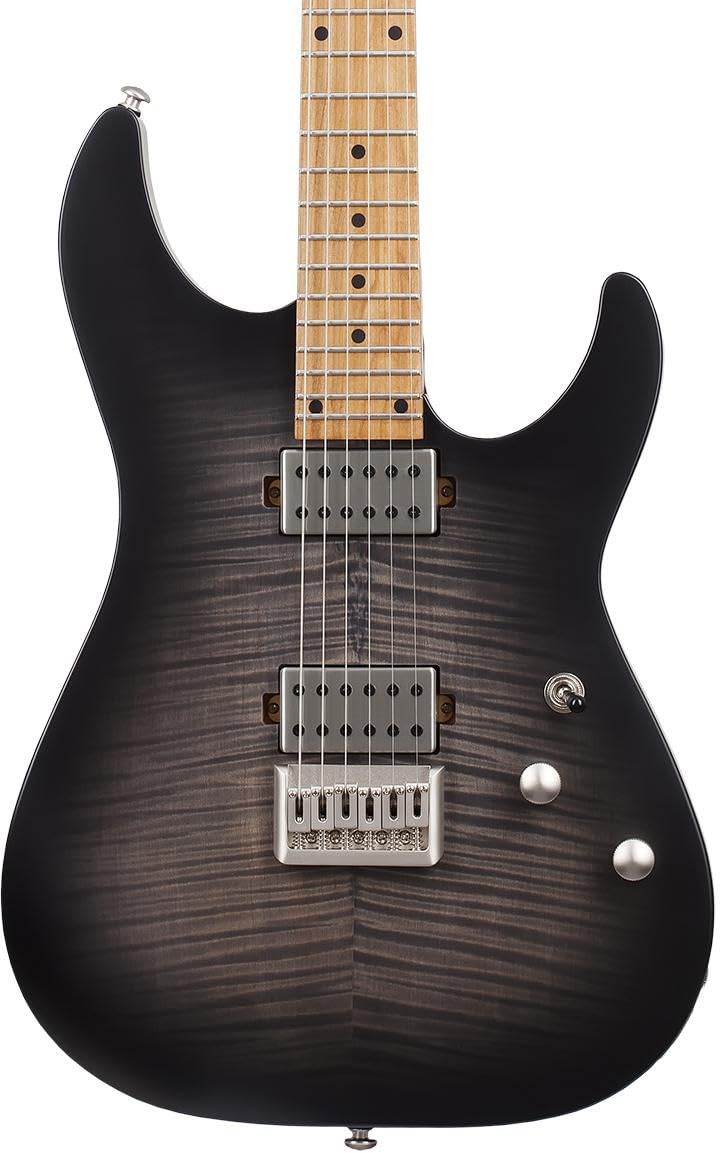 Schecter C-1 Standard Plus Electric Guitar - Black Burst Rank #1 | 🏆 Top Pick | — | |
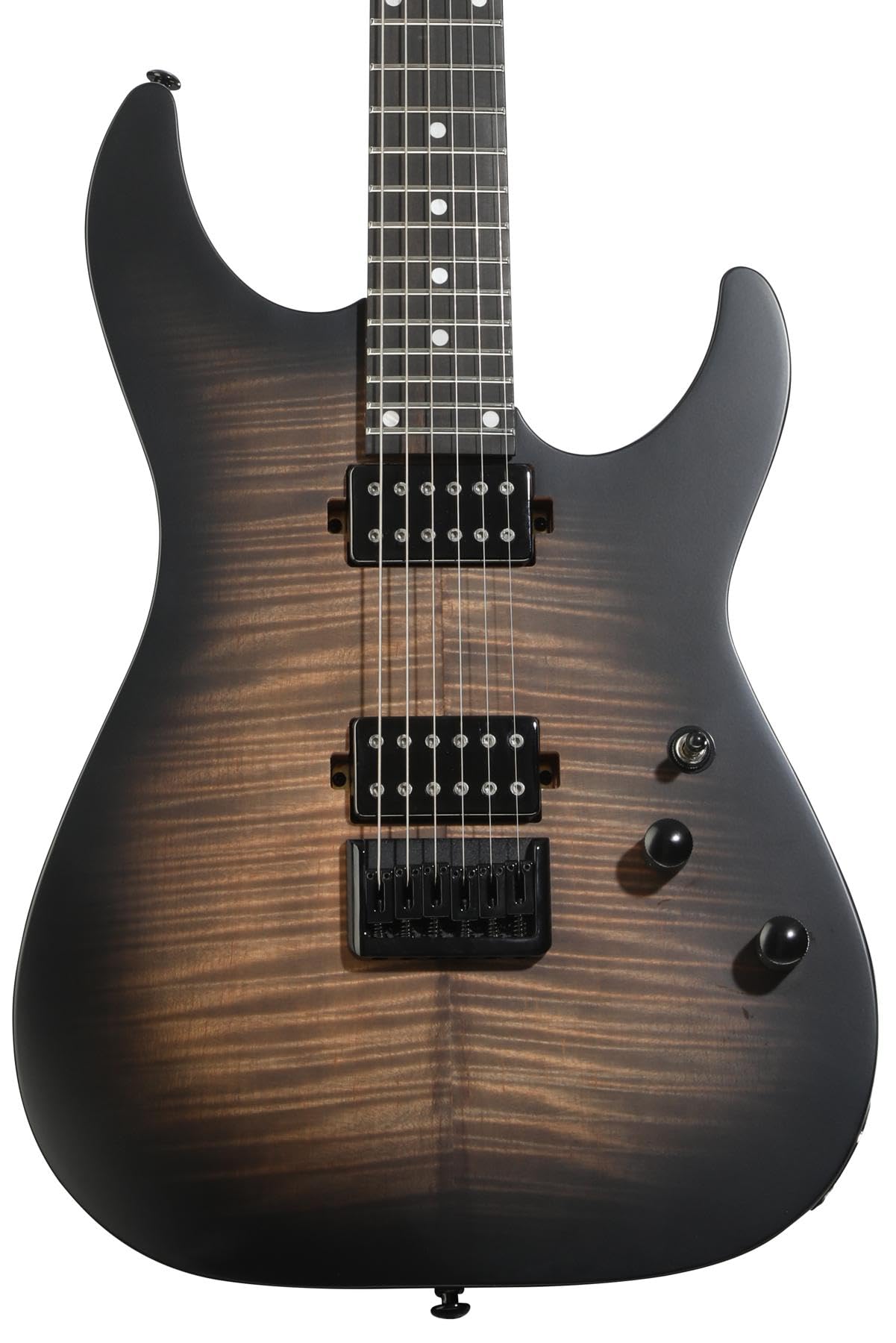 Schecter C-1 Standard Plus Electric Guitar - Ember Burst Rank #2 | — | ||
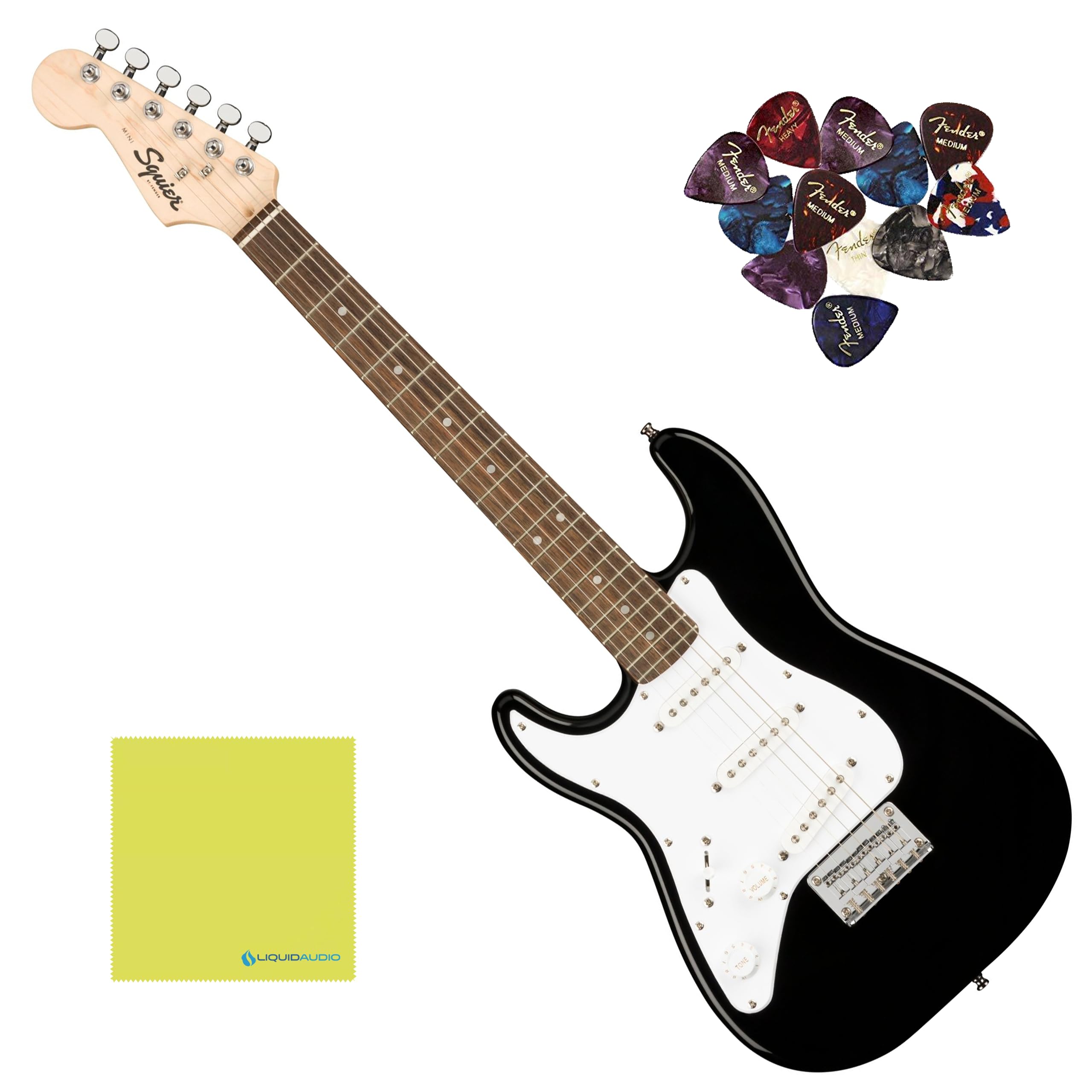 Squier Mini Stratocaster Left-Handed Electric Guitar Black Bundle with 12 Guitar Picks & Polishing Cloth – Laurel Fingerboard, 3/4-Size Body, Hardtail Bridge, Classic Strat Tone & Playability Rank #3 | — | — | |
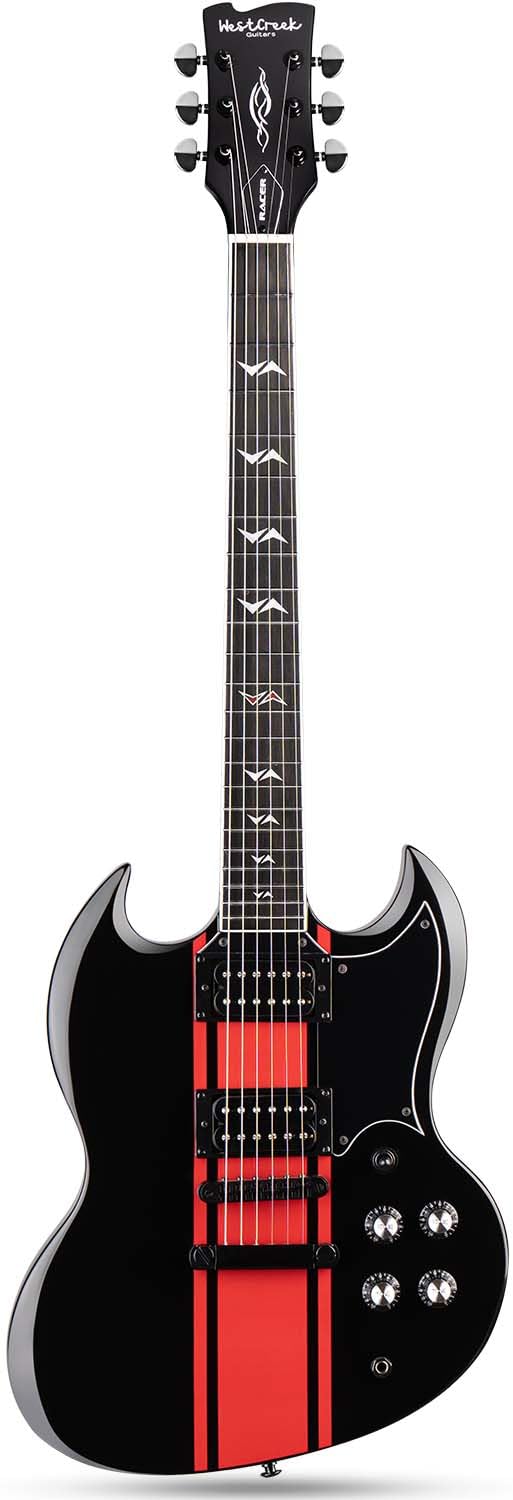 WestCreek RACER Solid Body Electric Guitar, SG guitar, Rounded End Frets, Bone nut, Rosewood Fingerboard, Mahogany Body (Black-Red Stripe) Rank #4 | — | 4.6 4.6 | |
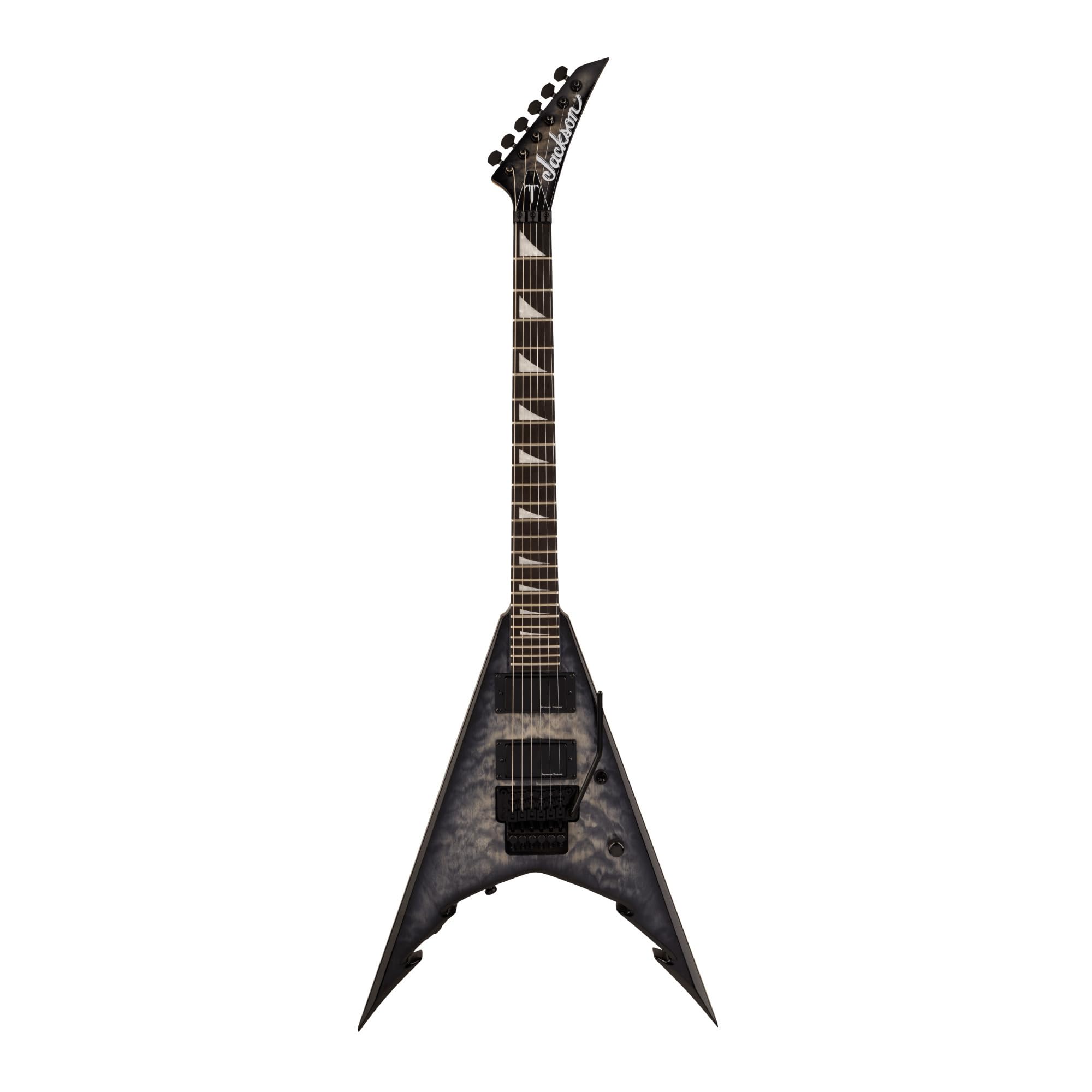 Jackson Pro Series Corey Beaulieu Signature King V KV6Q Electric Guitar - Transparent Black Rank #5 | 💰 Budget Pick | — |
