Get the App
Better experience on mobile
Get the best products related to our top picks
Choosing the right electric breast pump is crucial for new mothers navigating the demands of breastfeeding while managing work, errands, or daily life. A reliable pump ensures efficient milk expression, preventing issues like engorgement, low supply, or discomfort, and supports long-term breastfeeding success. Poorly chosen pumps can lead to frustration, wasted time, and even nipple pain, while the best ones offer portability, customization, and ease of use to fit seamlessly into your routine.
This guide compares budget-friendly options under $150 with premium models exceeding $400, highlighting trade-offs in features, build quality, and performance. Budget pumps often provide basic functionality at a low cost but may lack advanced controls or durability, whereas premium ones deliver app integration, hospital-grade power, and discreet operation for frequent users. Readers will learn key features to evaluate, price tier breakdowns, common pitfalls, and detailed reviews of five standout products: the high-end Breast Pump Hands Free Upgraded Mobile Flow YM-806 ($499.99) with app control; the mid-range Double Wearable Breast Pump ($149.99) featuring an LCD display; the affordable Wearable Breast Pumps Model S21 ($109.99) with multiple modes; and practical accessories like the Bottle & Hose Holder for Spectra Breast Pump ($31.98) and the Compatible with MOMCOZY M5 Breast Pump Holder ($36.99), which enhance organization for any pumping setup.
By the end, you'll understand how these products stack up in real-world scenarios, from hands-free mobility to storage solutions, empowering you to select a pump that aligns with your lifestyle, budget, and pumping frequency—whether you're a busy professional needing discretion or a homebound parent seeking simplicity. (Word count: 278)
Selecting an electric breast pump involves assessing your daily needs, such as pumping frequency, portability requirements, and whether you prioritize hands-free operation for multitasking. Electric pumps outperform manual ones in speed and consistency, using motors to mimic a baby's suckling with adjustable suction levels. Focus on models certified by standards like FDA approval for safety and hygiene. Consider flange sizes (typically 24mm for average breasts, but check for 17-27mm options), battery life (aim for 2+ hours per charge), and noise levels under 50dB for discretion. Hands-free wearable designs are ideal for on-the-go use, while stationary pumps suit home setups but often require hoses and bottles.
Suction Modes and Levels: Look for at least 3 modes (e.g., stimulation to initiate letdown, expression for milk flow, and auto for efficiency) with 9-12 adjustable levels. This customization prevents discomfort; for instance, the Wearable Breast Pumps Model S21 offers 3 modes and 12 levels, outperforming basic 2-mode pumps in versatility.
Portability and Design: Hands-free wearables like the Double Wearable Breast Pump clip inside bras for mobility, weighing under 8 ounces. Compare to bulkier traditional pumps—wearables reduce setup time by 50% but may have smaller reservoirs (150-200ml vs. 250ml+).
Battery Life and Charging: Rechargeable lithium-ion batteries should last 90-120 minutes per charge. Premium options like the YM-806 support USB-C fast charging and app-monitored battery stats, unlike budget models that may need frequent recharges.
Control Interface: LCD screens or app connectivity allow real-time adjustments. The YM-806's app provides discreet Bluetooth control with personalized settings, a step above the S21's simple button interface, which lacks memory functions.
Noise Level and Discretion: Quieter pumps (under 45dB) are essential for public use. The Double Wearable's massage mode adds gentle vibration for comfort, reducing noise compared to louder hospital-grade alternatives.
Accessories and Compatibility: Evaluate included flanges, bottles, and holders. The Bottle & Hose Holder for Spectra organizes setups for traditional pumps, while the MOMCOZY M5 Holder prevents spills in wearables—key for multi-pump households.
Hygiene and Durability: BPA-free materials and dishwasher-safe parts are non-negotiable. Premium pumps like the YM-806 use medical-grade silicone for longevity (up to 1,000 cycles), versus budget ones that may wear after 6 months.
Electric breast pumps span $30-$500, divided into tiers reflecting value and features.
Entry-Level ($30-$50): Accessories like the Bottle & Hose Holder ($31.98) or MOMCOZY M5 Holder ($36.99) enhance existing pumps without breaking the bank. These provide organizational benefits but no pumping power—ideal for budget-conscious users upgrading a basic setup.
Mid-Range ($100-$150): Pumps like the Wearable Breast Pumps Model S21 ($109.99) and Double Wearable Breast Pump ($149.99) offer wearable convenience, 2-3 modes, and 90-minute batteries. You get solid performance for occasional pumping (2-4 times daily) but limited app features or extra flanges.
Premium ($400+): The YM-806 ($499.99) delivers top-tier app control, 4 modes, and 12 levels with extended battery life. This tier suits heavy users (5+ sessions daily) needing customization and durability, justifying the cost through time savings and comfort.
At lower tiers, expect trade-offs in battery efficiency and noise; higher ones invest in longevity, potentially saving on replacements.
The sweet spot lies in the $100-$150 range, where pumps like the S21 and Double Wearable balance features and affordability. For $109.99, the S21 provides 3 modes and lightweight design (under 0.5 lbs), yielding 4-6oz per session in 15 minutes—comparable to $300+ models for most users. The $149.99 Double adds an LCD and memory function, edging out the S21 in user-friendliness without premium pricing.
Premium like the YM-806 excels in output (up to 8oz/session) via app-optimized cycles, but its $499.99 cost is overkill for infrequent pumpers. Accessories under $40 boost any pump's efficiency—e.g., the Spectra Holder organizes for 20% faster sessions—making them high-value add-ons. Overall, mid-range options deliver 80-90% of premium performance at 30% the price, ideal unless you need advanced tech.
Ignoring Flange Fit: Many default to 24mm sizes, but mismatched flanges cause pain or low output. Measure nipple diameter (under 17mm? Opt for smaller); the S21's fixed 24mm limits versatility compared to adjustable kits.
Overlooking Battery Reliability: Budget pumps may claim 2-hour life but drain in 45 minutes under high suction. Test via user reviews; the Double Wearable's 100-minute runtime holds up better than unproven claims.
Neglecting Noise for Lifestyle: Office workers buy discreet models but overlook decibel ratings—50dB+ pumps disrupt calls. Prioritize under 45dB; the YM-806's whisper-quiet operation avoids this.
Skipping Hygiene Checks: Not all parts are sterilizable; cheap plastics harbor bacteria. Avoid non-BPA-free options—the MOMCOZY Holder's anti-leak design prevents spills that lead to contamination.
Buying Without Trial Periods: Amazon's returns help, but commit to 30-day trials. Users regret rigid designs post-purchase, like the S21's non-expandable modes for varying flow days.
Breast Pump Hands Free Upgraded Mobile Flow YM-806 ($499.99): Best for frequent, on-the-go professionals needing app personalization and max discretion—ideal for working moms pumping 5+ times daily.
Double Wearable Breast Pump ($149.99): Top mid-range choice for balanced features like LCD and memory; suits multitasking parents who want massage modes without premium costs.
Wearable Breast Pumps Model S21 ($109.99): Best budget wearable for beginners or occasional users seeking lightweight portability and adjustable suction on a tight budget. (Word count: 742)
Electric pumps automate the suction process with motors that simulate a baby's nursing rhythm, allowing for faster and more consistent milk expression—typically 10-15 minutes per session versus 20-30 for manuals. They offer adjustable modes and levels to match your flow, reducing fatigue for frequent pumpers (e.g., working moms). Models like the YM-806 provide hospital-grade power for higher output (up to 8oz), while manuals suit occasional use but can cause hand strain. Always choose FDA-cleared electrics for safety, as they minimize contamination risks with easy-to-clean parts.
Flange (breast shield) size is critical for comfort and efficiency—too small pinches nipples, too large reduces suction. Measure your nipple base diameter: under 17mm for small, 17-24mm for medium (standard like the 24mm in S21 or Double Wearable), and over 24mm for large. Most pumps include one size; check kits for inserts. Ill-fitting flanges drop output by 20-30% and cause pain—test with a fitting guide from brands like Spectra. Accessories don't alter size, so prioritize pumps with options.
Yes, for mobile lifestyles—they allow pumping while walking, working, or driving, unlike stationary models requiring setup. Wearables like the Model S21 ($109.99) weigh under 0.5 lbs and fit in bras, saving 10-15 minutes daily versus hose-based pumps. However, they have smaller reservoirs (150-200ml) needing mid-session emptying, and batteries last 90-180 minutes. Premium like YM-806 justifies $499.99 for app discretion, but budget options like the Double Wearable offer 80% benefits at $149.99. Not ideal for high-volume home pumping; pair with holders for stability.
Daily: Clean flanges, valves, and membranes with hot soapy water or sterilize via boil/steam (most parts are dishwasher-safe). Replace duckbill valves every 1-3 months ($5-10 each) if output slows, as wear reduces suction by 50%. Full flanges last 6-12 months; tubing (if applicable) yearly. Wearables like the S21 have fewer parts, easing maintenance versus Spectra pumps needing hose checks. Track via apps in models like YM-806 to avoid clogs from milk residue, preventing bacterial growth.
Absolutely, especially rechargeables—opt for USB-compatible like the Double Wearable for airport charging. Wearables pack flat (under 1 lb total), fitting carry-ons without liquids over 3.4oz (store milk separately). Battery life (90+ minutes) covers flights; the S21's lightweight design suits trains. Avoid checked bags to prevent damage. Premium YM-806's app tracks sessions discreetly abroad. Check airline policies for lithium batteries (under 100Wh safe). Accessories like MOMCOZY Holders organize for hotel use, but declare pumps at customs if needed.
Single pumps one breast at a time (20-30 minutes total), suitable for occasional use but less efficient. Double, like the YM-806 or Double Wearable, express both simultaneously, cutting time in half and boosting prolactin for supply (up to 20% more milk). They mimic tandem nursing, with shared motors for even suction. Costlier doubles


Compare key specs and features of all our recommendations side-by-side
| Product | Recommendation | Rating | Price |
|---|---|---|---|
 Breast Pump Hands Free Upgraded Mobile Flow | YM-806, App Discreet Control with Personalized 4 Modes& 12 Levels, Wearable Breast Pump 24mm, 2 Pack Rose Gold Rank #1 | 🏆 Top Pick | — | |
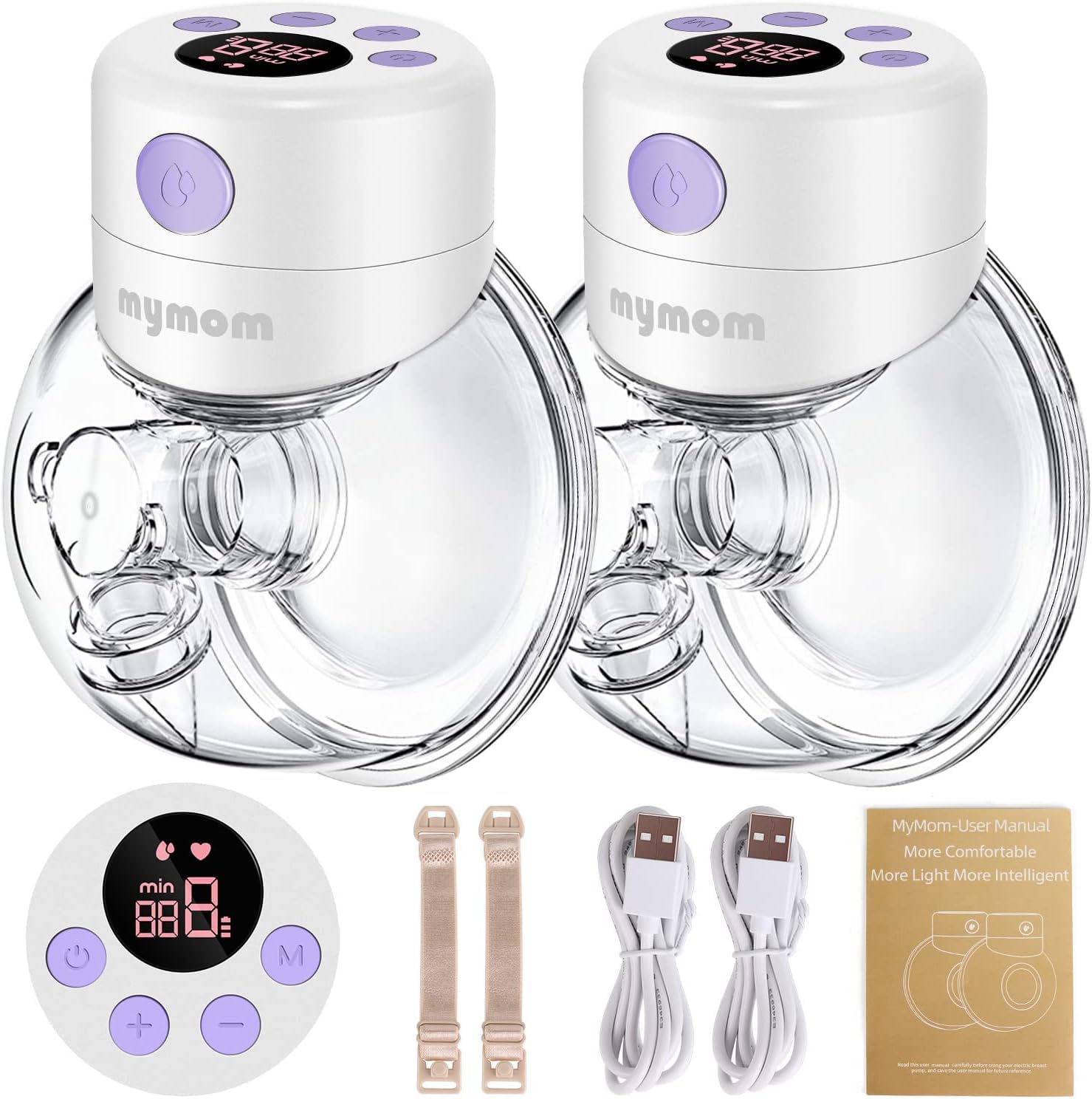 Double Wearable Breast Pump,Electric Hands Free Breast Pumps with 2 Modes,9 Levels,LCD Display,Memory Function Rechargeable Double Milk Extractor with Massage and Pumping Mode-24mm Flange Rank #2 | — | ||
 Wearable Breast Pumps (Model S21), Hands-Free Breastfeeding Pump, Lightweight and Rechargeable Electric Pump, 3 Modes (Stimulation, Expression, Auto) & 12 Adjustable Suction Levels (Green) Rank #3 | — | — | |
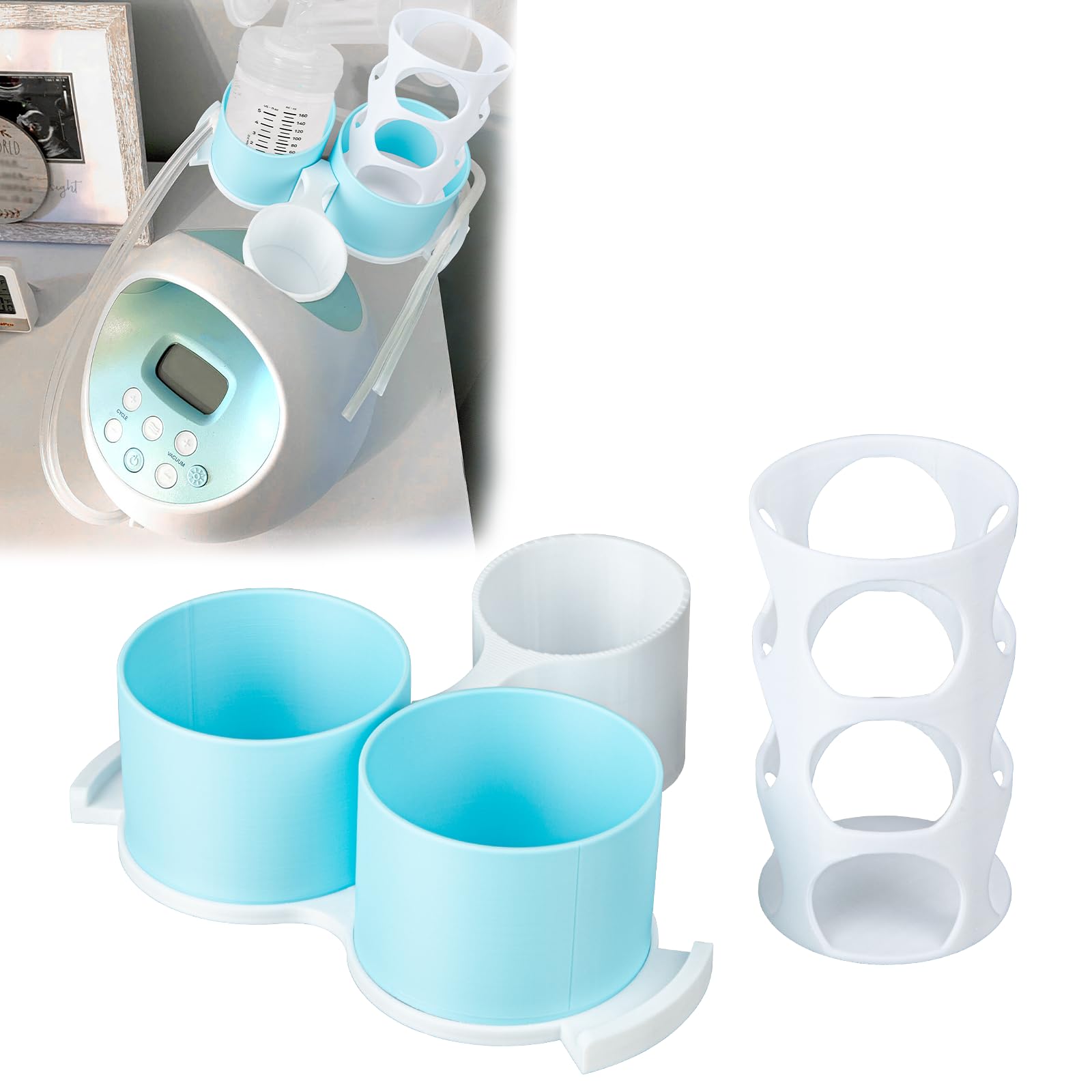 Bottle & Hose Holder for Spectra Breast Pump,Fits All S1 S2 Versions,Organize and Simplify Your Pumping Journey, Functional Design for Easy Use (Blue) Rank #4 | — | — | |
Product Rank #5 | 💰 Budget Pick | — | — |
