Get the App
Better experience on mobile
The toys you purchase for your toddlers should depend on their age. Here are some of the best educational toys for toddlers.
Choosing the right educational toys for toddlers is crucial because these early years (ages 1-3) are a critical window for brain development. Toddlers learn primarily through sensory exploration and hands-on play, which helps build fine and gross motor skills, cognitive abilities, language, and social-emotional growth. The wrong toy—too complex, unsafe, or unengaging—can frustrate a child and hinder progress, while the right one fosters curiosity, problem-solving, and independence. For instance, toys that encourage tactile manipulation or imaginative play align with Montessori principles, promoting self-directed learning without screens.
This guide compares budget-friendly options (under $20) that offer quick, affordable fun with premium picks (over $50) that deliver durable, long-term value through high-quality materials like wood. Budget toys might prioritize single-skill development but could wear out faster, whereas premium ones often multitask across skills with eco-friendly builds. Readers will learn key features to evaluate, like safety certifications and skill targets; budget breakdowns to match your wallet; performance-price sweet spots; mistakes to sidestep; and tailored recommendations.
We'll dive into five standout products: the Large Sensory Busy Board for Toddlers (a wooden Montessori activity board at $68.99 for sensory-motor mastery); the Toddler Race Track Vehicle Playsets ($19 for physics-based racing fun); the Electronic Alphabet Wall Chart ($15.95 for interactive letter learning); the Drums Kids Toy Percussion Instrument ($13.85 for rhythmic creativity); and the Sea Animal Toys Realistic Figures ($8.89 for imaginative sea life exploration). By the end, you'll confidently select toys that spark joy and growth tailored to your toddler's needs, whether for home, travel, or gifting. (Word count: 278)
Selecting educational toys for toddlers requires focusing on age-appropriate designs that prioritize safety and engagement over flashy gimmicks. Toddlers (1-3 years) have short attention spans and are prone to mouthing objects, so prioritize toys that support developmental milestones like grasping, stacking, and cause-effect understanding. Look for items certified by standards like ASTM or CPSIA to ensure non-toxic materials. Versatility is key—opt for toys that evolve with the child, from simple exploration to more complex play.
Material Safety and Durability: Choose non-toxic, BPA-free materials. Wooden toys like the Large Sensory Busy Board resist wear better than plastic alternatives, reducing breakage risks, while soft figures like Sea Animal Toys are chew-safe but less robust for rough play.
Skill Development Focus: Target specific areas—fine motor (e.g., buckles on busy boards), gross motor (racing tracks for pushing), cognitive (alphabet charts for phonics), sensory (drums for sound), or imaginative (animal figures for storytelling). Compare how each toy builds multiple skills; for example, the Toddler Race Track teaches physics and colors simultaneously.
Age Appropriateness and Size: Ensure toys suit 1-3-year-olds with large, graspable pieces to prevent choking (under 3 inches). Portable options like the Sensory Busy Board double as travel toys, unlike wall-mounted charts that need space.
Interactivity and Engagement: Interactive elements keep toddlers hooked—electronic sounds in the Alphabet Wall Chart provide feedback, while hands-on mechanics in the Race Track encourage repetition. Avoid passive toys; compare battery life for electronics versus timeless mechanical ones.
Ease of Cleaning and Portability: Toddlers make messes, so wipeable surfaces (wood vs. fabric) and compact designs matter. The Drums Kids set is portable for on-the-go rhythm play, contrasting bulkier boards.
Educational Depth vs. Fun Factor: Balance learning with play—STEM elements in race tracks foster problem-solving, while creative sets like drums build confidence. Check if toys include guides for parents to extend play.
Eco-Friendliness and Sustainability: Premium wooden toys often use sustainable sources, appealing for environmentally conscious buyers, unlike cheaper plastic imports.
Educational toys for toddlers span $8.89 to $68.99, dividing into tiers that reflect quality and longevity.
Low Budget ($8-20): Ideal for trial-and-error or supplemental play. At this level, you get basic, single-focus items like the Sea Animal Toys ($8.89) for imaginative sorting or the Drums Kids ($13.85) for intro to music. These use affordable plastic or simple wood, offering quick engagement but potentially shorter lifespan—expect 6-12 months of heavy use before wear. Great for tight budgets or gifting, but they may lack depth, like no multi-skill integration.
Mid-Range ($15-25): The sweet spot for value, providing durable builds without premium markup. Products like the Electronic Alphabet Wall Chart ($15.95) and Toddler Race Track ($19) include interactive features (sounds, colors) and last 1-2 years. You gain better materials (thicker plastics or coated wood) and broader skills, but might miss extras like storage cases.
Premium ($50+): For investment pieces, like the Large Sensory Busy Board ($68.99), which uses solid wood for 2+ years of use. These offer comprehensive skill-building, portability, and heirloom quality, but the higher cost suits families prioritizing sustainability over quantity. Skip if your toddler outgrows quickly.
Factor in add-ons: batteries for electronics ($5 extra) or expansions for tracks ($10+).
The performance-to-price sweet spot lies in mid-range options ($15-25), where toys like the Toddler Race Track deliver high engagement and durability without the premium price tag of wooden boards. At $19, it outperforms cheaper figures ($8.89) in motor skill development and replay value, teaching gravity and sequencing through endless races—far more dynamic than static animal toys. Budget picks shine for niche fun (e.g., drums at $13.85 for auditory stimulation) but falter in versatility; they engage briefly but don't scale with age.
Premium items justify cost through longevity: the $68.99 Sensory Board rivals multiple cheaper toys in one, covering zippers, locks, and colors for fine motor gains that plastic alternatives can't match in tactile feedback. However, if portability isn't key, mid-range electronics like the Alphabet Chart ($15.95) provide auditory learning comparable to pricier interactive walls, with 80% of the educational punch at a quarter the cost. Overall, aim for mid-tier for most families—ROI peaks here, as toys endure tantrums and transitions to preschool play.
Overlooking Choking Hazards: Tiny parts in animal figures or track pieces can pose risks; always verify ASTM compliance and supervise play, unlike larger busy board elements.
Ignoring Developmental Stage: Buying advanced puzzles for 1-year-olds leads to frustration—stick to gross motor for younger toddlers, fine motor for 2+.
Prioritizing Flash Over Function: Electronic toys with lights/sounds (like alphabet charts) dazzle but can overstimulate; balance with tactile options to avoid screen-like dependency.
Neglecting Storage and Cleanup: Bulky sets without cases (e.g., loose drum pieces) clutter homes—opt for all-in-one designs like race tracks.
Forgetting Allergens or Sensitivities: Cheap plastics may off-gas; choose natural woods if your child has sensitivities, and read labels for phthalates.
Our top three picks cater to diverse needs:
Large Sensory Busy Board ($68.99): Best for parents seeking a premium, all-in-one tool for fine motor and sensory development in 2-3-year-olds at home or travel—ideal for Montessori enthusiasts wanting durable, screen-free engagement.
Toddler Race Track ($19): Perfect for active 2+ year-olds and budget-conscious families focusing on gross motor and STEM basics; great for indoor energy burners who love vehicles.
Electronic Alphabet Wall Chart ($15.95): Suited for early readers (18 months+) in space-limited homes, emphasizing language skills affordably—top for intro to ABCs with musical reinforcement. (Word count: 742)
These toys target toddlers aged 1-3 years, aligning with developmental stages where play drives learning. For 1-year-olds, prioritize sensory and gross motor options like the Sea Animal Toys or Drums Kids, which involve simple grasping and banging without complex rules. By 2-3 years, introduce finer skills with the Toddler Race Track for cause-effect or the Electronic Alphabet Wall Chart for language basics. The Large Sensory Busy Board scales best across this range, starting with basic touches and advancing to mastery. Always check manufacturer guidelines—overly advanced toys can overwhelm, while too-simple ones bore. Supervise to match your child's milestones, like crawling vs. walking, ensuring safe engagement.
Yes, all featured products meet basic safety standards, but verify CPSIA or ASTM certification on purchase. The wooden Sensory Busy Board and Race Track use non-toxic, splinter-free finishes ideal for chewers, with large pieces over 3 inches to prevent choking. Plastic items like Sea Animal Toys and Drums Kids are BPA-free and durable against biting, though not indestructible—inspect for wear. The Alphabet Wall Chart's electronic parts are enclosed, but keep away from water. Common tip: Wash with mild soap; avoid small add-ons like drum sticks for under-18 months. If allergies are a concern, wooden over plastic reduces off-gassing risks.
They cater to visual, auditory, kinesthetic, and imaginative styles. Kinesthetic learners thrive with the Sensory Busy Board’s tactile buckles or Race Track’s physical pushing, building motor memory. Auditory kids love the Alphabet Wall Chart’s songs or Drums Kids’ rhythms for sound recognition. Visual explorers sort colors in Sea Animal Toys or track races. For mixed styles, the Busy Board combines all. Parents can enhance: narrate play for language boosts or group sessions for social growth. Unlike uniform toys, these promote holistic development—e.g., race tracks teach physics visually and kinesthetically.
Wooden toys like the Sensory Busy Board and Race Track offer natural heft, warmth, and sustainability, lasting longer (2+ years) with better tactile feedback for sensory growth, but they're pricier ($19-$68.99) and heavier for travel. Plastic options (Alphabet Chart, Drums, Sea Animals at $8.89-$15.95) are lightweight, colorful, and affordable, often with electronics for interactivity, but may crack easier and feel less premium. Wood suits eco-focused, Montessori homes; plastic fits budgets needing portability. Both are safe if certified—wood avoids phthalates naturally.
Portability varies: The Sensory Busy Board folds flat with handles, making it airplane-friendly despite size. Drums Kids and Sea Animal Toys pack into bags for car trips, with quiet(ish) play. The Race Track assembles quickly but needs space, better for longer


Compare key specs and features of all our recommendations side-by-side
| Product | Recommendation | Rating | Price |
|---|---|---|---|
 Large Sensory Busy Board for Toddlers, Wooden Montessori Baby Toys for 1 2 3 4 Year Old, Educational Learning Activity Board for Fine Motor Skills, Travel Toys for Airplane Car, Ideal Gift for Kids Rank #1 | 🏆 Top Pick | — | |
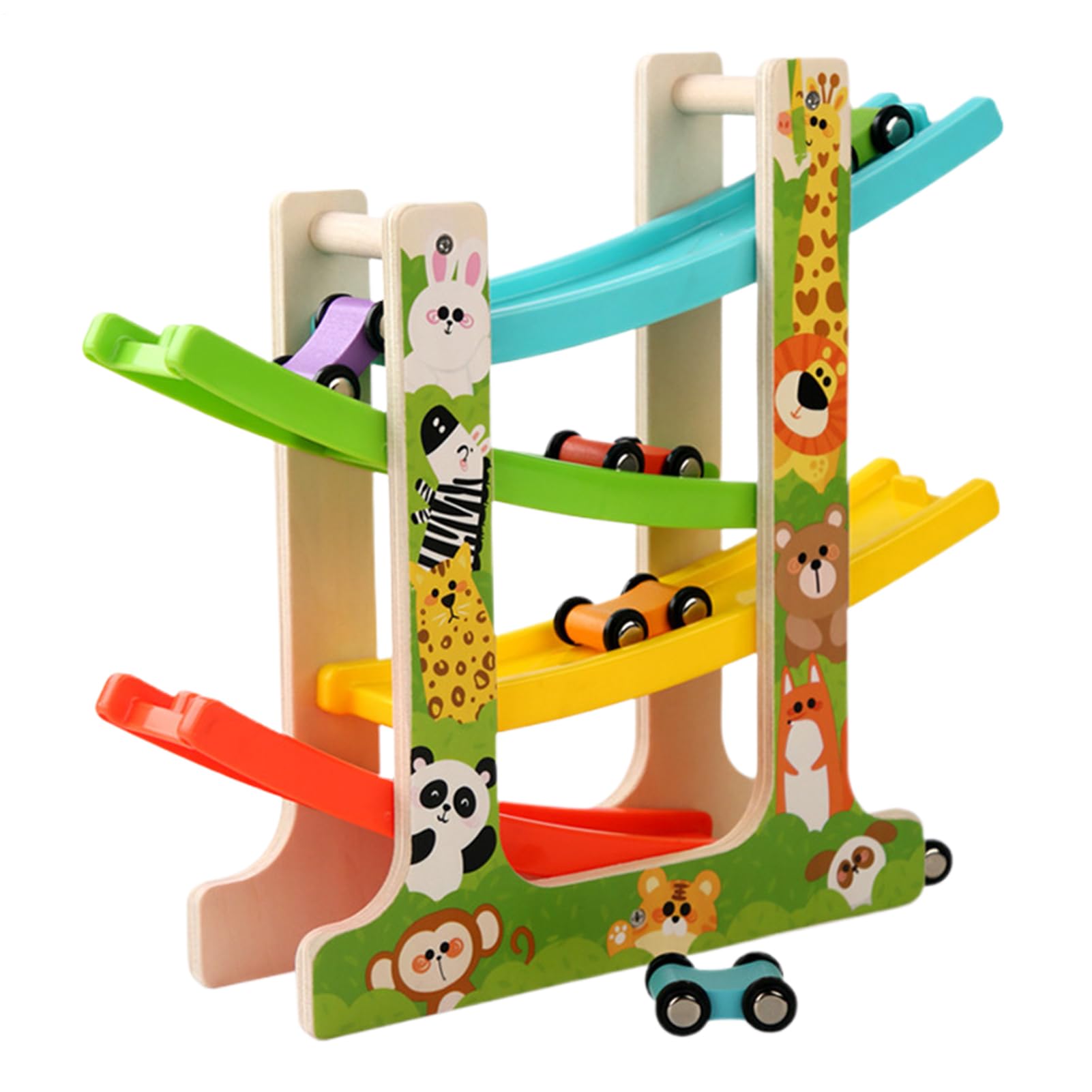 Toddler Race Track - Vehicle Playsets, Car Ramp Racer Toy, Wooden Slide Racing Game, Durable Educational Track Set | Colorful Learning Toy for Kids, Boys, Girls, More Than 2 Years Old, Preschool Indoo Rank #2 | — | ||
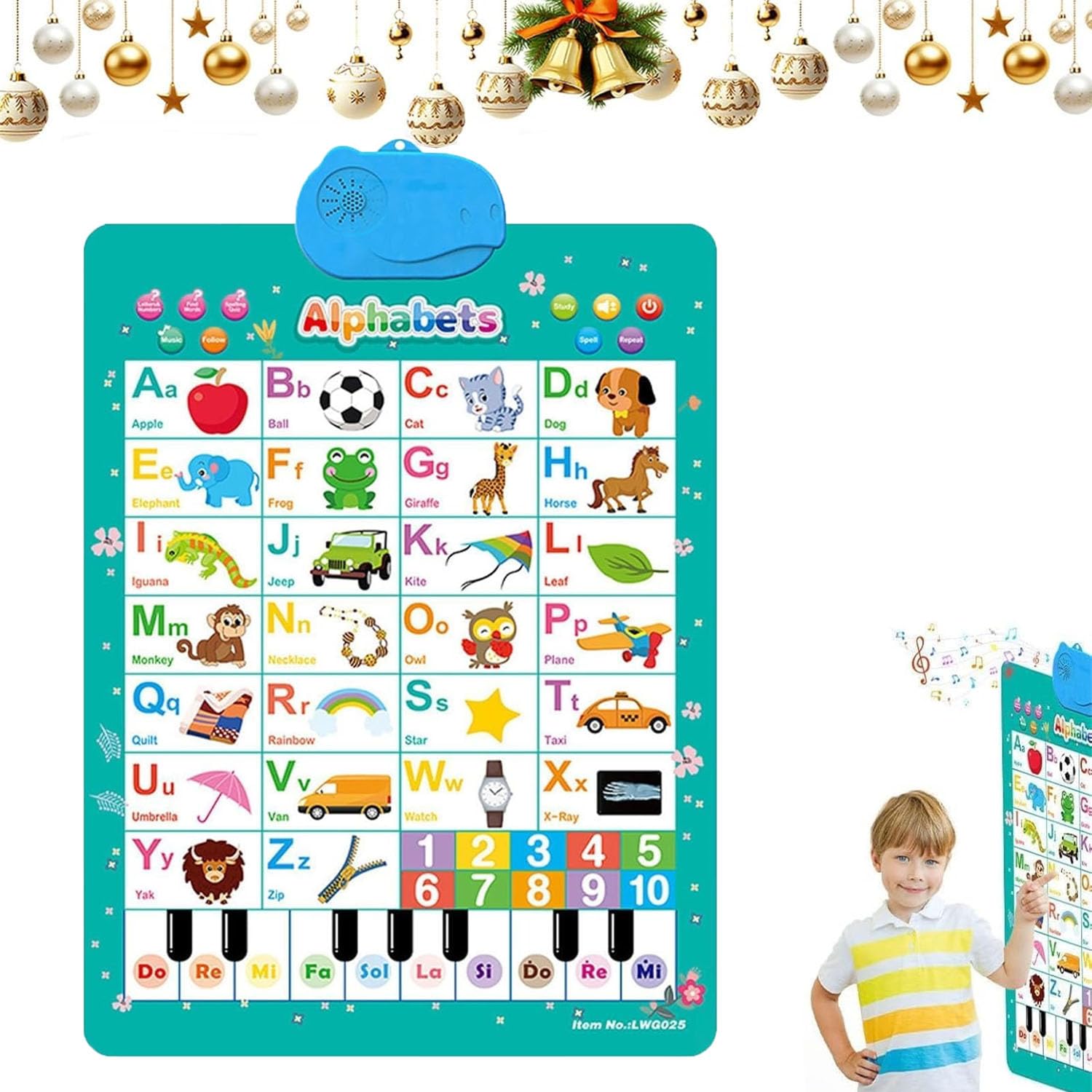 Electronic Alphabet Wall Chart, Educational Talking Poster Wall Chart with Music & Musical Notes & Preschool Learning, Kids Alphabet Learning Toys Rank #3 | — | — | |
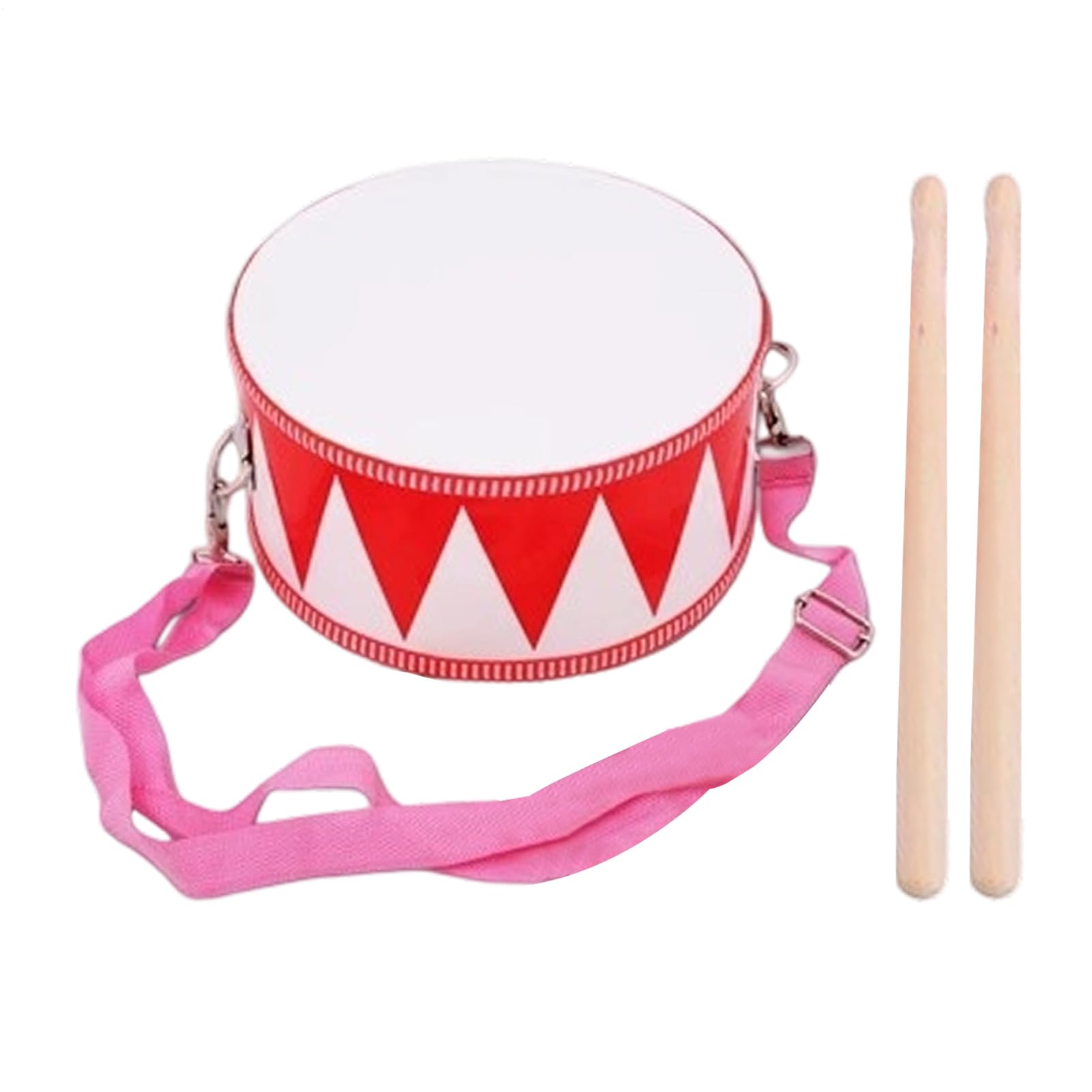 Drums Kids – Toy Percussion Instrument, Educational Rhythm Set | Toddler Music Kit, Junior Band Play Toy, Portable Practice Drum, Learning Sound Tool, Preschool Entertainment Creative Playset Rank #4 | — | — | |
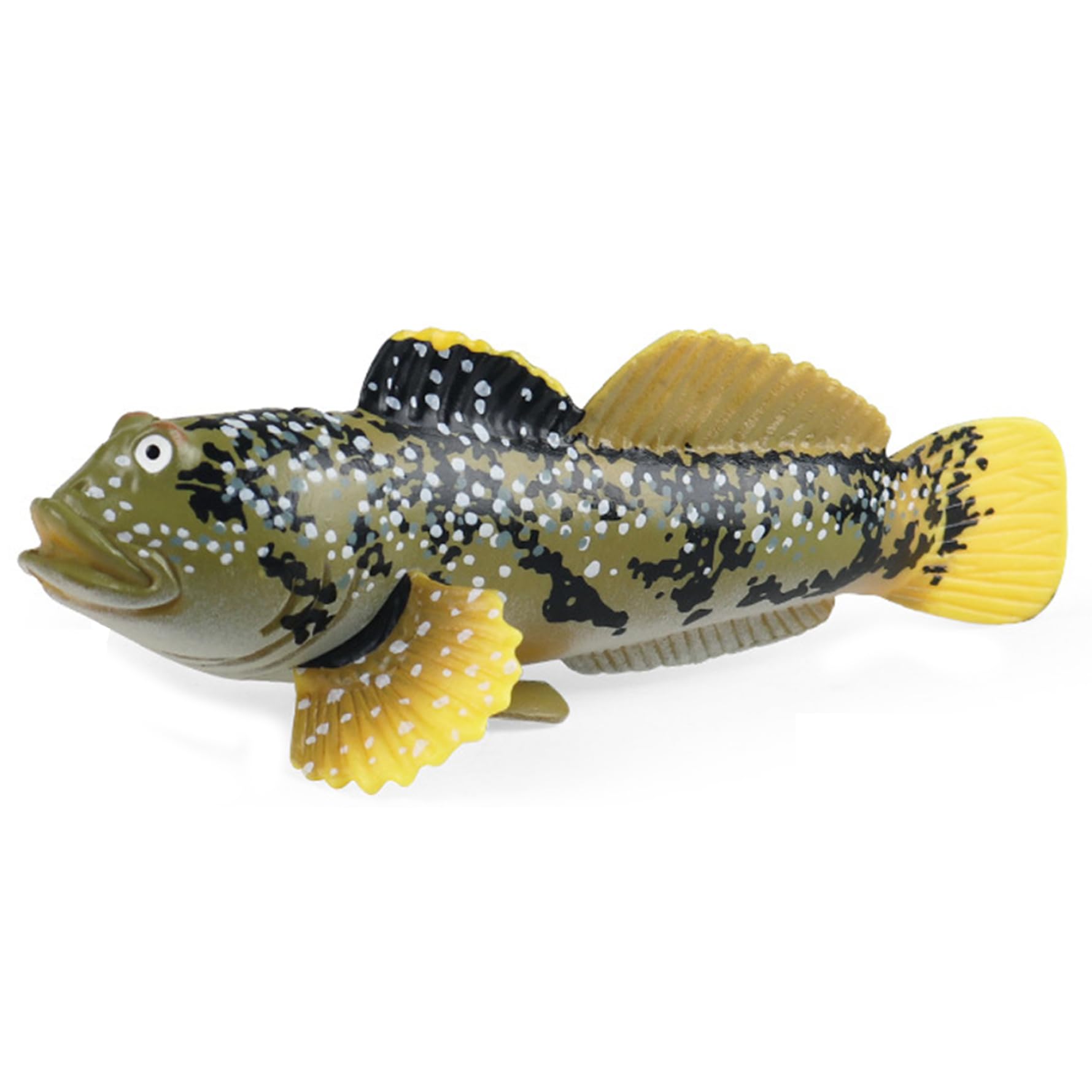 Sea Animal Toys 4.3x1.4x2.2 Realistic Mudskipper Animal Figures for Science Project & Cake Topper, Early Educational Sea Creatures Toys for Kids Toddlers| Figures for Toddlers 1-3 Rank #5 | 💰 Budget Pick | — |
