Get the App
Better experience on mobile
There are plenty of earbuds with high-quality tips that can be swapped out so everyone can find the ideal fit, even for the smallest ears.
Finding the perfect earbuds for small ears can transform your listening experience, whether you're commuting, working out, or just unwinding with music. People with smaller ear canals often face discomfort from ill-fitting buds that slip out, cause pressure, or fail to isolate noise effectively. Standard earbuds designed for average ear sizes can lead to ear fatigue, poor sound quality due to inconsistent seals, and even safety issues during activities like running if they don't stay put. The right pair prioritizes a snug yet gentle fit, often through customizable ear tips, lightweight designs, or open-ear styles that avoid deep insertion.
This guide compares budget-friendly options under $20 with mid-range wireless picks up to $70, highlighting how affordable wired earbuds like the iMangoo for Apple deliver reliable basics without breaking the bank, while premium wireless models such as the Open Ear Earbuds offer extended battery life and waterproofing for active lifestyles. Budget earbuds excel in simplicity and compatibility (e.g., the Skullcandy Jib XT for quick Bluetooth pairing), but they may lack advanced features like noise cancellation. Premium ones provide better durability and versatility, though at a higher cost.
By reading this, you'll learn key features to evaluate—like ear tip sizes and fit options tailored for small ears—along with performance breakdowns, common pitfalls, and detailed reviews of five standout products: the iMangoo Lightning Wired Earbuds, Skullcandy Jib XT Wireless, MIPEACE Ear Plug Headphones, Over Ear Earbuds Wireless, and Open Ear Earbuds Wireless. We'll help you weigh price against value, identify top picks for specific needs (e.g., gym use or industrial work), and answer FAQs to ensure you select earbuds that stay comfortable all day without compromising on sound or functionality. Ultimately, this guide empowers you to avoid generic one-size-fits-all failures and invest in earbuds that enhance rather than hinder your daily routine. (Word count: 278)
Selecting earbuds for small ears requires focusing on comfort and stability over flashy specs. Unlike larger models that overwhelm petite ear structures, ideal options minimize pressure while maximizing seal for sound quality. Prioritize designs with multiple small tip sizes (e.g., XS or extra-soft silicone) to create a custom fit without deep canal intrusion, reducing risks like ear infections from prolonged use.
Ear Tip Options and Fit Customization: Look for at least 3-4 sizes of tips, including small or foam variants. For small ears, silicone tips under 10mm diameter prevent slippage; foam tips like those in the MIPEACE Ear Plug expand gently for isolation without bulk. Avoid rigid plastic tips that dig in.
Weight and Design Ergonomics: Lightweight buds (under 5g per earbud) are crucial to avoid fatigue. Over-ear hooks, as in the Over Ear Earbuds Wireless, secure without canal pressure, ideal for small ears during movement. Open-ear designs, like the Open Ear Earbuds, rest above the canal for breathability.
Sound Isolation and Quality: Noise-isolating fits block ambient sound passively. For small ears, a shallow insertion with good bass response (e.g., HiFi drivers in iMangoo) ensures clarity. Check frequency response: aim for 20Hz-20kHz with balanced mids to avoid muddled audio from loose fits.
Battery Life and Connectivity: Wireless models should offer 5-8 hours per charge; the Open Ear Earbuds hit 60 hours total with case. For small ears, Bluetooth 5.0+ ensures stable pairing without dropouts. Wired options like Skullcandy Jib XT avoid battery worries but need compatible jacks.
Durability and Water Resistance: Sweat or water resistance (IPX4+) is key for workouts. The Skullcandy Jib XT's sweat-resistant build suits gym use, while IPX7 in Open Ear Earbuds handles heavy rain. For industrial needs, the MIPEACE's rugged plugs withstand dust and noise.
Microphone and Controls: Built-in mics with noise reduction aid calls. Inline controls on wired iMangoo allow easy volume tweaks without removing buds, beneficial for small-eared users who prefer minimal handling.
Compatibility: Ensure Apple Lightning for iOS (iMangoo) or USB-C/Bluetooth for Android/iPhone. Multi-device pairing adds versatility.
In the $14.99-$68.86 range, earbuds split into tiers. Entry-level ($15-20) like the Skullcandy Jib XT or iMangoo provide essentials: basic wireless connectivity, 4-6 hour battery, and simple fit options. You get reliable daily drivers for commuting or light exercise, but expect shorter lifespan (6-12 months) and no advanced waterproofing.
Mid-tier ($50-70), such as the Open Ear Earbuds or Over Ear Earbuds, upgrade to longer playtime (8-60 hours), IPX7 resistance, and open designs for all-day comfort. These deliver premium sound with deep bass and clear highs, plus charging cases for portability—worth it for frequent travelers or athletes, offering 1-2 years of use.
Specialized picks like MIPEACE ($20) bridge tiers for niche needs (e.g., work safety) with passive noise reduction up to 30dB, but lack mics. Overall, budget buys save money for casual users, while mid-range invests in durability for heavy reliance.
The sweet spot lies around $20-60, balancing features without excess. At $15, the Skullcandy Jib XT offers solid Bluetooth and gel tips for small ears, outperforming pricier wired options in wireless freedom, though bass is middling. The $20 iMangoo shines for Apple users with magnetic controls and HiFi sound, rivaling $50 wireless in clarity but lacking portability.
Jump to $60 for the Open Ear Earbuds: 60-hour battery and IPX7 justify the cost for runners, providing superior isolation and stereo sound over the $70 Over Ear's 8-hour limit and bulkier hooks. Performance peaks here—stable fit, low distortion—versus budget models' occasional static. Avoid extremes: sub-$15 often skimps on small-tip variety, leading to poor seal; over $70 adds negligible gains like ANC, unnecessary for small-ear basics.
Ignoring Tip Sizes: Buying without XS options causes slippage; always test or check for 3+ sizes, as small ears need 8-10mm tips to avoid constant readjusting.
Overlooking Weight for Long Wear: Heavy buds (over 6g) strain small ears; skip bulky designs like some over-ears if you wear for hours, opting for lightweight wireless instead.
Assuming All Wireless Are Equal: Cheaper Bluetooth (pre-5.0) drops in crowded areas; verify version to prevent interruptions during commutes.
Neglecting Activity-Specific Durability: Gym users grabbing non-sweatproof models like basic wired iMangoo risk failure; match IP rating to use (e.g., IPX4+ for workouts).
Forgetting Compatibility Checks: iPhone users buying USB-C (MIPEACE) face adapters; confirm Lightning/Bluetooth universality upfront.
Our top pick is the Skullcandy Jib XT Wireless ($14.99), best for budget-conscious commuters or beginners with small ears seeking easy wireless setup and customizable gel fits without fuss.
Second is the iMangoo Lightning Wired Earbuds ($19.99), ideal for Apple loyalists needing tangle-free, magnetic design with strong bass for gym or daily calls—perfect if you avoid batteries.
Third, the Open Ear Earbuds Wireless ($59.99), suited for active fitness enthusiasts or travelers wanting open-ear comfort, epic battery, and waterproofing for all-day, pressure-free listening. (Word count: 742)
Earbuds for small ears emphasize shallow insertion, multiple tip sizes (XS to M, ideally 8-12mm diameter), and lightweight construction (under 5g per bud) to prevent discomfort or slippage. Unlike standard models, they use soft silicone or foam that conforms without pressure, ensuring a seal for sound while allowing airflow to avoid irritation. For example, options like the Skullcandy Jib XT include gel tips that adapt to petite canals, reducing ear fatigue during 4+ hour wears. Always check for adjustable wings or hooks if in-ear doesn't suffice—poor fits can cause pain or infections, so prioritize user reviews mentioning "small ears" for real-world validation.
It depends on your needs, but wireless often edges out for small ears due to freedom of movement and even weight distribution, avoiding cable pulls that dislodge buds. Wired like iMangoo ($19.99) offer zero latency and infinite battery for Apple users, with magnetic features aiding storage, but can tug on sensitive ears. Wireless models such as Open Ear Earbuds ($59.99) provide open designs that rest lightly, ideal for activities, though ensure Bluetooth 5.0+ for stability. If budget is key, wired wins for reliability; for gym/commutes, wireless with IPX rating prevents sweat-related slips.
Start by selecting buds with 3+ tip sizes and try them in-store if possible—online, look for return policies. Clean your ears before inserting, then roll foam tips (like MIPEACE) or twist silicone gently for a seal; test by shaking your head—if they stay, it's good. For small ears, avoid deep pushes; aim for 50-70% canal fill. Accessories like Comply foam replacements can upgrade fits on models like Skullcandy. If pain persists, switch to over-ear hooks (Over Ear Earbuds) or open-ear styles to bypass canals entirely, ensuring hours of comfort without readjustments.
For small earbuds, 6-10 hours per charge suffices for most, but total with case (40-60 hours) is ideal for travelers—Open Ear Earbuds excel here at 60 hours. Budget wireless like Skullcandy Jib XT manage 6 hours, fine for commutes but requiring midday charges. Wired options (iMangoo, MIPEACE) eliminate this concern entirely. Factor in quick-charge: 10 minutes for 1-2 hours is a must for busy users. In small-ear designs, lighter batteries (lithium-polymer) prevent added weight, so prioritize models under 50mAh per bud for all-day viability without bulk.
Yes, especially for sweat-prone activities—IPX4+ ratings wick moisture, preventing slips or damage in small canals that trap humidity. Non-waterproof wired like iMangoo risk corrosion during gym use, while IPX7 in Open Ear Earbuds handles submersion, suiting runners with petite ears. Sweat can exacerbate irritation in tight fits, so hydrophobic materials (e.g., nano-coating on Skullcandy) are key. If workouts are light, IPX4 suffices; for heavy sessions, upgrade to mid-tier for longevity, as water ingress shortens life in budget non-rated buds.
Absolutely, but focus on balanced drivers (10-14mm) with wide frequency (20Hz-20kHz) for clarity without overpowering small spaces. iMangoo's HiFi bass delivers punch without distortion, while open-ear like Over Ear maintains awareness with stereo separation. Avoid bass-heavy monsters that muddy in loose fits—test seal with white noise. For small ears, passive isolation via tips enhances perceived quality over ANC, which adds bulk. Premiums ($50+)


Compare key specs and features of all our recommendations side-by-side
| Product | Recommendation | Rating | Price |
|---|---|---|---|
Product Rank #1 | 🏆 Top Pick | — | — |
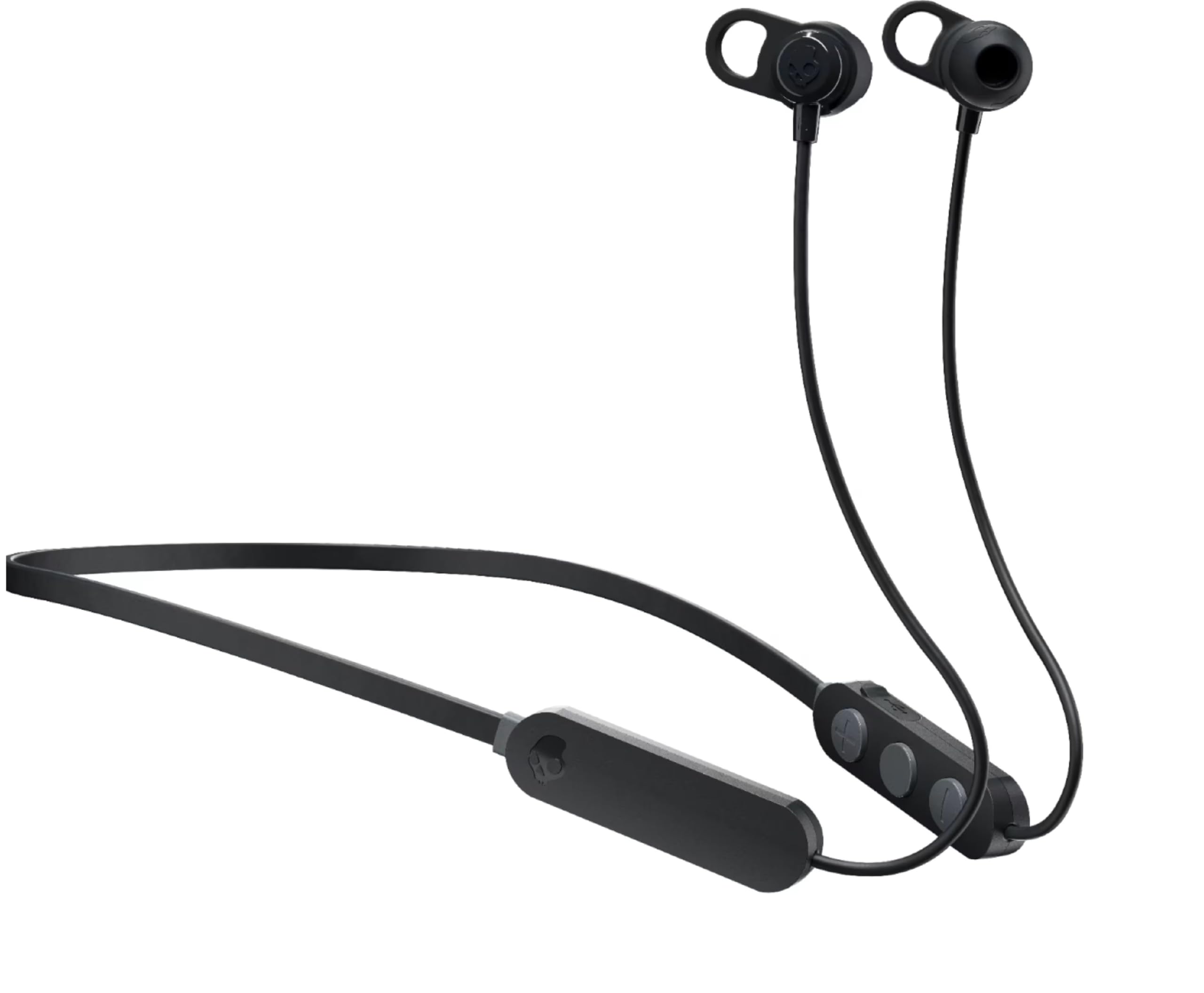 Skullcandy Jib XT Wireless Earbuds, Bluetooth Headphones, Up to 6 Hrs Battery, Noise Isolating Fit, Sweat Resistant, Built-in Microphone, iPhone Android, Ear Gel Sizes Included for Custom Fit - Black Rank #2 | — | ||
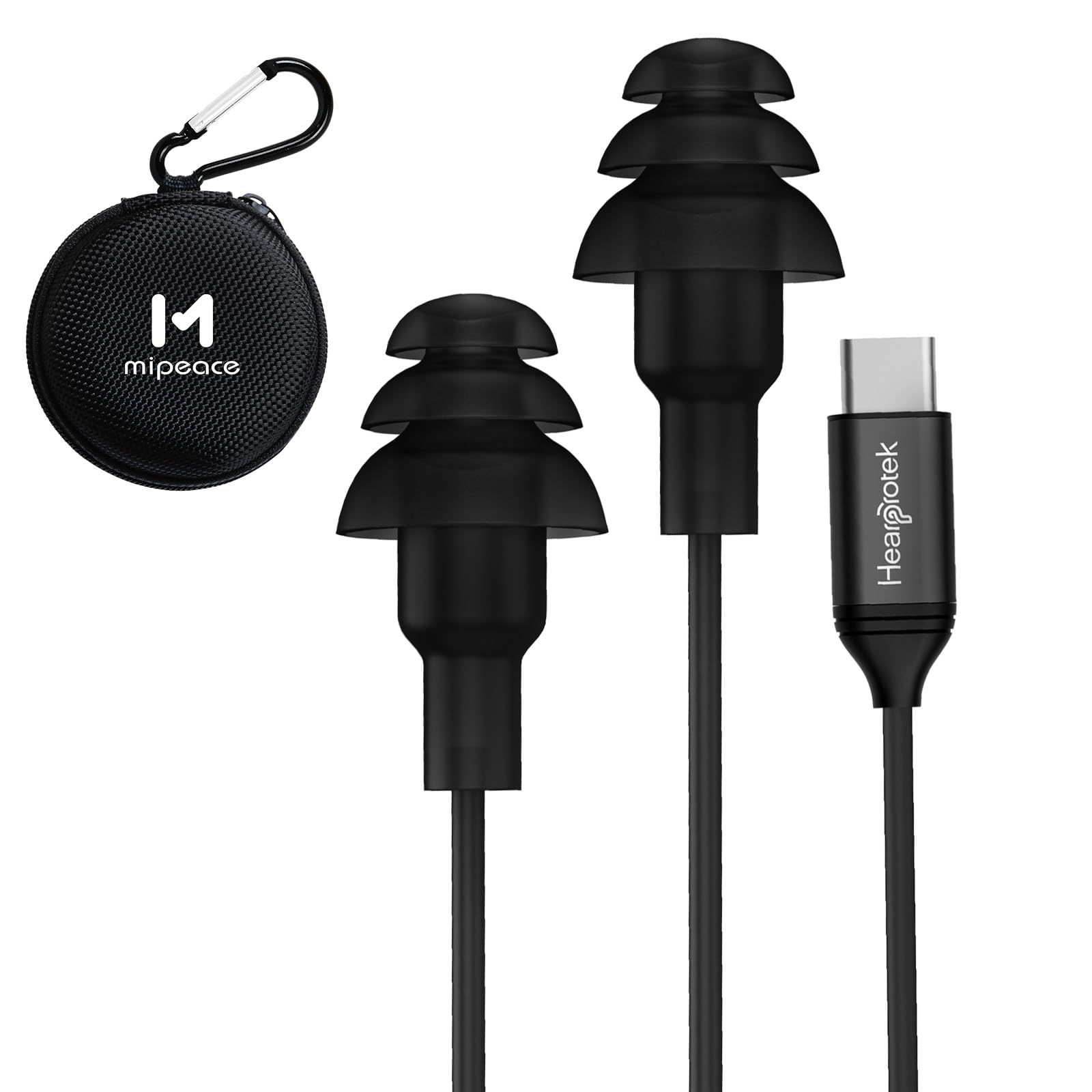 MIPEACE Ear Plug Headphones for Work, Work Earbuds USB Type C Headphones Earphones for Industrial Safety Construction(Without Mic & Control)-Black Rank #3 | — | — | |
 Over Ear Earbuds Wireless Bluetooth Earbuds Open Ear Headphones Running Headphones Over The Ear Earbud for Music and Sport 8 Hours Play time with Charge case Purple Rank #4 | — | — | |
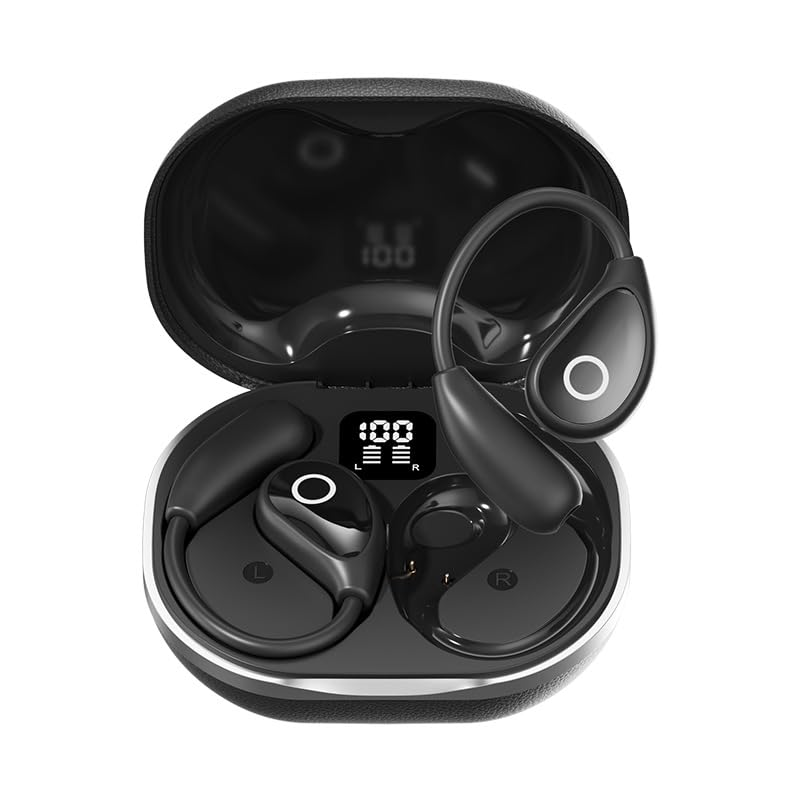 Open Ear Earbuds Wireless Bluetooth Headphones, 60Hrs Playtime Stereo Sound Earphones with IPX7 Waterproof Ear Buds, Ideal for Fitness, Travel - Black Rank #5 | 💰 Budget Pick | — |

