Get the App
Better experience on mobile
We ranked the best sleep earbuds for side sleepers, budget shoppers, and data enthusiasts—based on published expert reviews, manufacturer specs, and aggregated buyer feedback.
The best sleep earbuds aren't about chasing audiophile sound—they're about disappearing into your ear so completely that you forget you're wearing them. The biggest mistake buyers make is reaching for standard wireless earbuds with aggressive noise cancellation; those tend to be bulky, press against your pillow, and wake you up when you roll over. Dedicated sleep earbuds are designed with shallow, ultra-light housings and specialized masking sounds that drown out disruptive noise without blocking your awareness of your partner or a fire alarm.
Over the past few years, sleep earbuds have evolved from niche medical devices to mainstream wellness tools. Brands like Ozlo, Soundcore, and Kokoon now offer products that not only mask noise but also track sleep stages and adjust audio on the fly. However, they come with trade-offs: some have subscriptions, some are optimized for side sleepers, and others prioritize data over comfort. We researched the current 2026 market to find which options truly deliver on their promises across every price tier.
We focused on five key criteria: comfort over an 8-hour night, noise-masking effectiveness, battery life, ease of use with streaming services, and how well they fit in a side-sleeping position. We also considered durability, app integration, and whether the product actually solves the problem of staying asleep, not just falling asleep. From budget picks to premium pairs, here are the sleep earbuds we recommend for 2026.
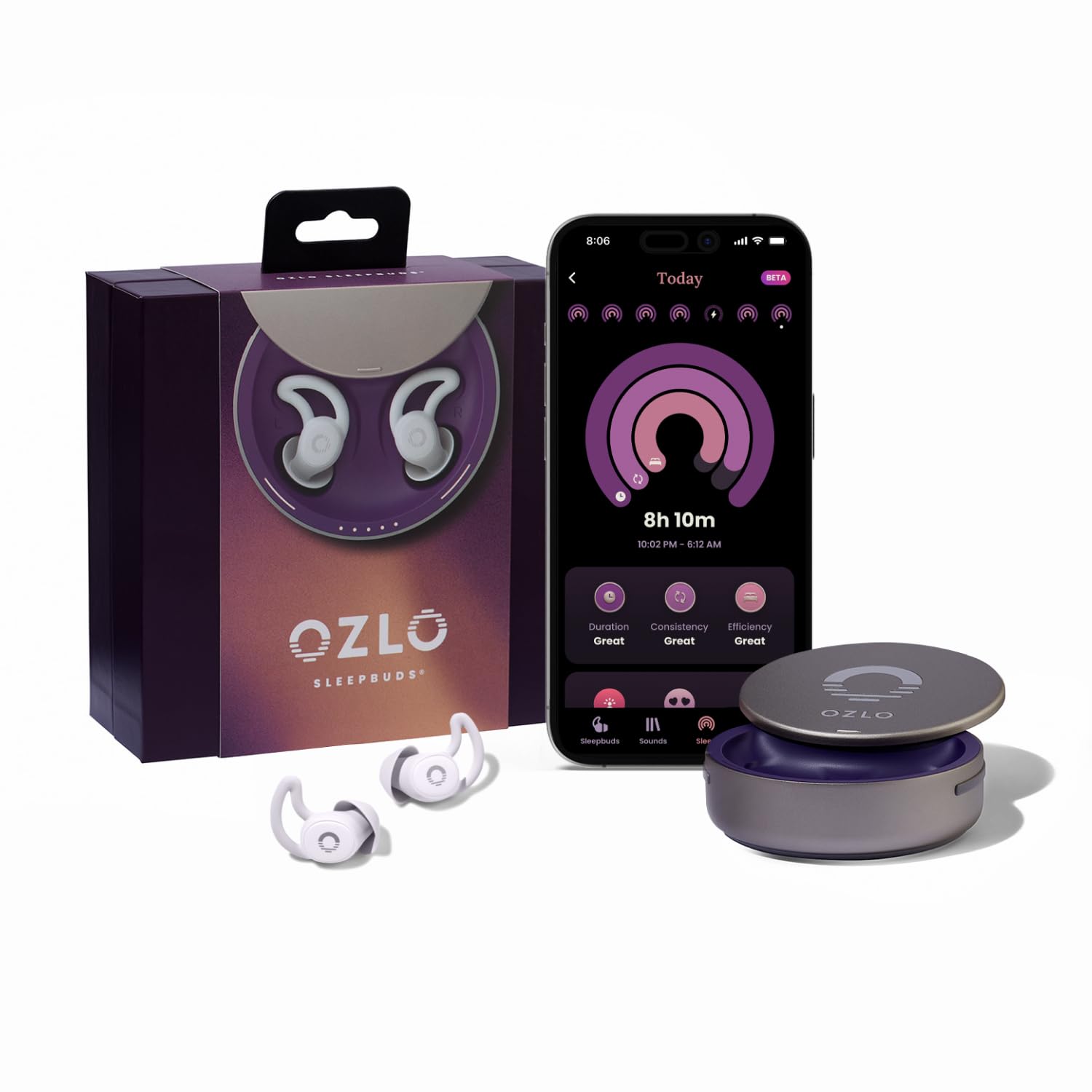
The most refined sleep earbuds on the market, combining exceptional passive noise attenuation with customizable masking sounds. They're light enough to sleep on your side, but the premium price and optional app subscription are significant trade-offs.
Main limitation: The highest price in this category, and the companion app requires a subscription to access the full sound library.
Skip if: Budget-conscious buyers or anyone who expects sleep earbuds to double as general-purpose Bluetooth headphones.
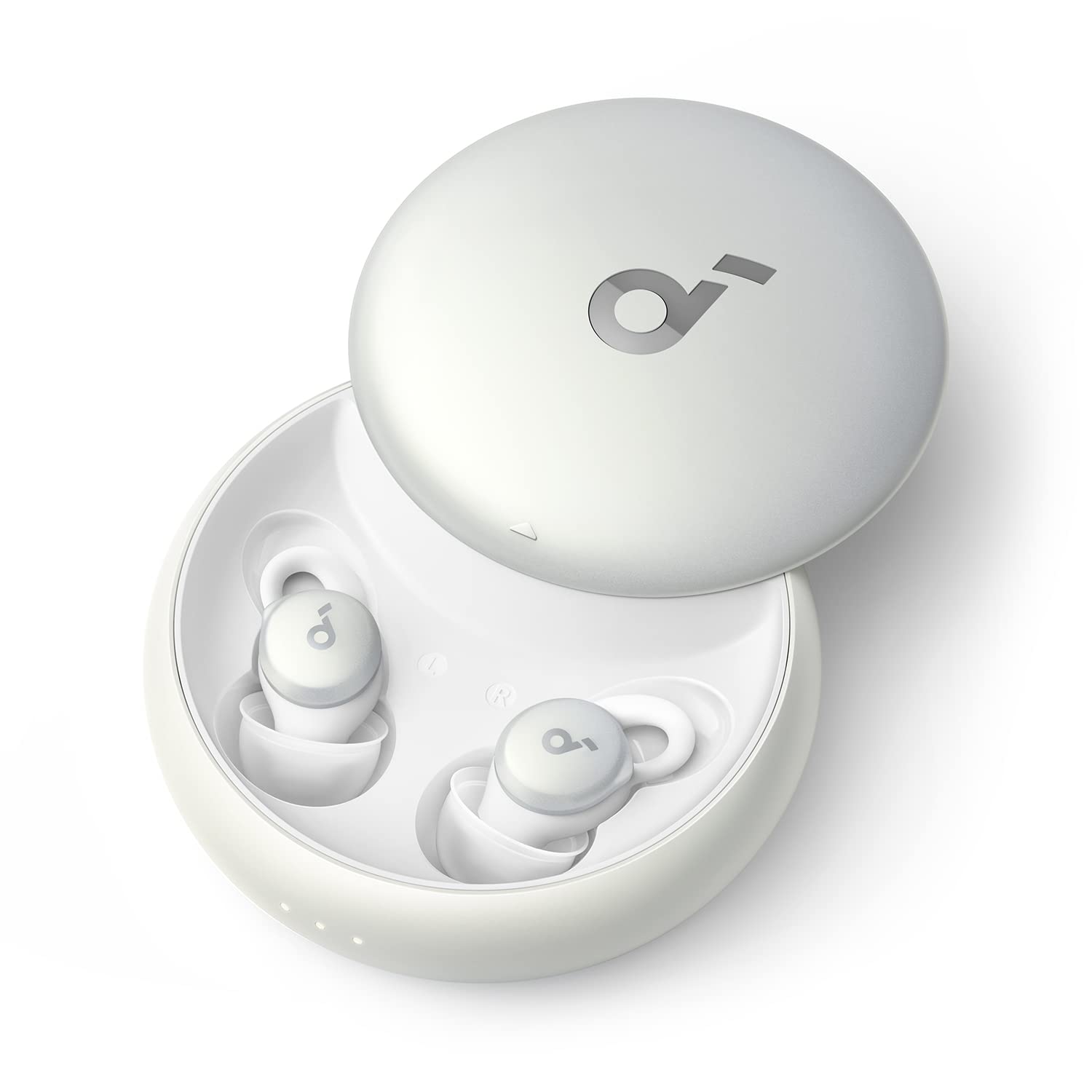
A competent, affordable sleep earbud with decent noise masking and a low-profile fit. It lacks the advanced sound customization of premium models, but for the price, it's a solid entry into sleep audio.
Main limitation: Battery life is shorter (about 10 hours) and the earbuds are slightly bulkier than newer models, which can affect side-sleeping comfort.
Skip if: Side sleepers who need a completely flush fit or users who want a full-featured app with extensive sound choices.
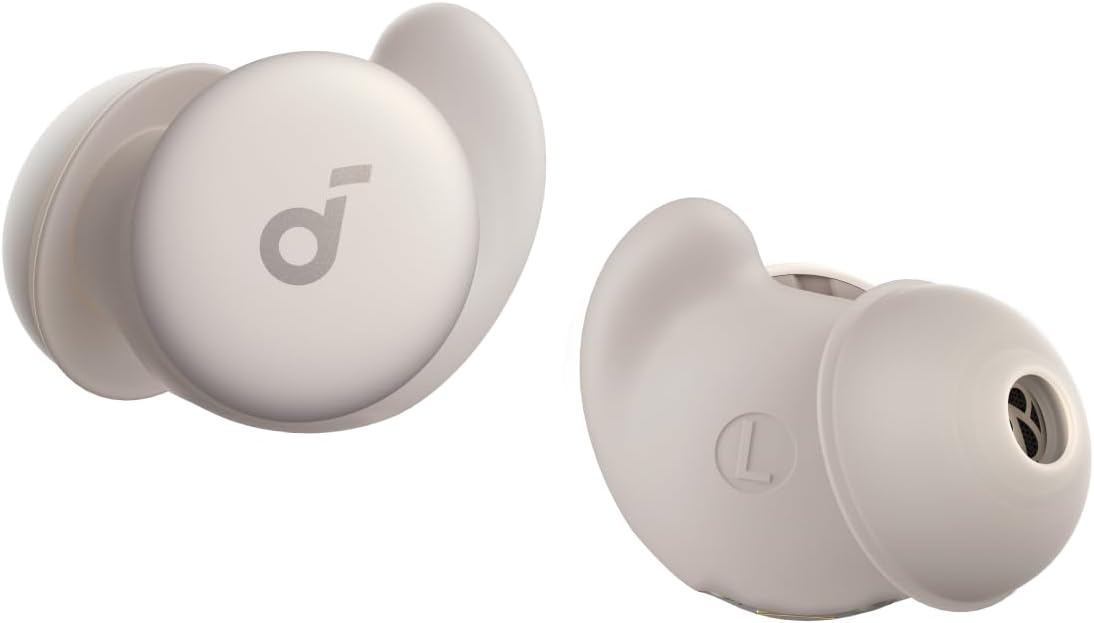
The successor to the A10, the A20 is noticeably more compact and contoured to fit inside the ear without protruding. It's a top pick for side sleepers who need a truly flush design, and its sleep detection features work reliably.
Main limitation: Its noise-masking sound library is not as rich as Ozlo's, and the touch controls can be accidentally triggered when adjusting your pillow.
Skip if: Users who want extensive sound customization or who prefer a wired connection for sleep audio.
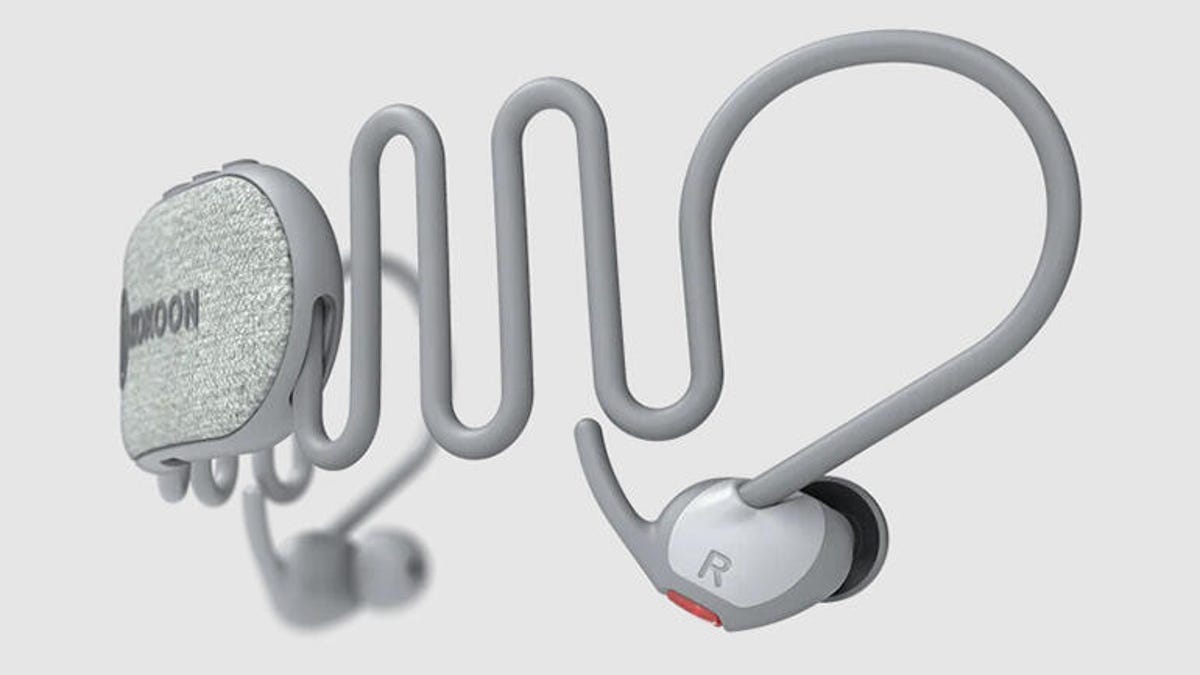
These earbuds incorporate EEG sensors and adaptive audio that automatically lowers playback as you fall asleep. They have the most comprehensive sleep tracking of any earbuds, but the fit is less discreet than other models and they require periodic calibration.
Main limitation: The larger housing and silicone wing tips make them less comfortable for stomach sleepers, and the sleep tracking setup is finicky.
Skip if: Side sleepers looking for the smallest possible form factor or anyone who dislikes oversized earbuds.
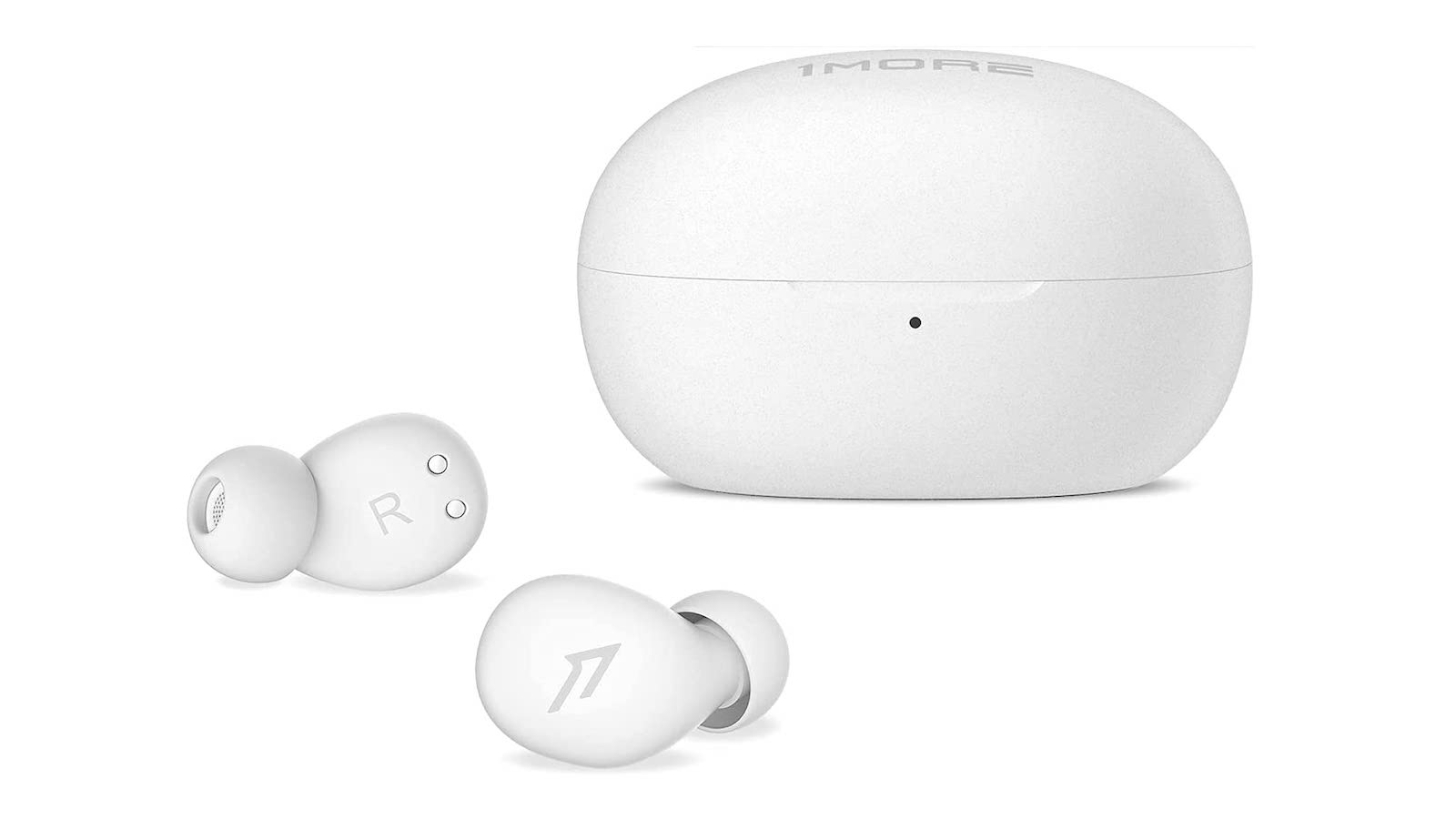
Featuring ultra-soft medical-grade silicone tips and a design that never touches the inner ear's sensitive areas, these earbuds are ideal for people who find standard earbuds painful. They offer basic streaming and a sleep mode, but their noise masking is less sophisticated.
Main limitation: Sound quality is average, and the noise masking is limited to a few built-in lullabies rather than a customizable library.
Skip if: Audio purists or anyone who needs strong noise cancellation for a noisy bedroom.
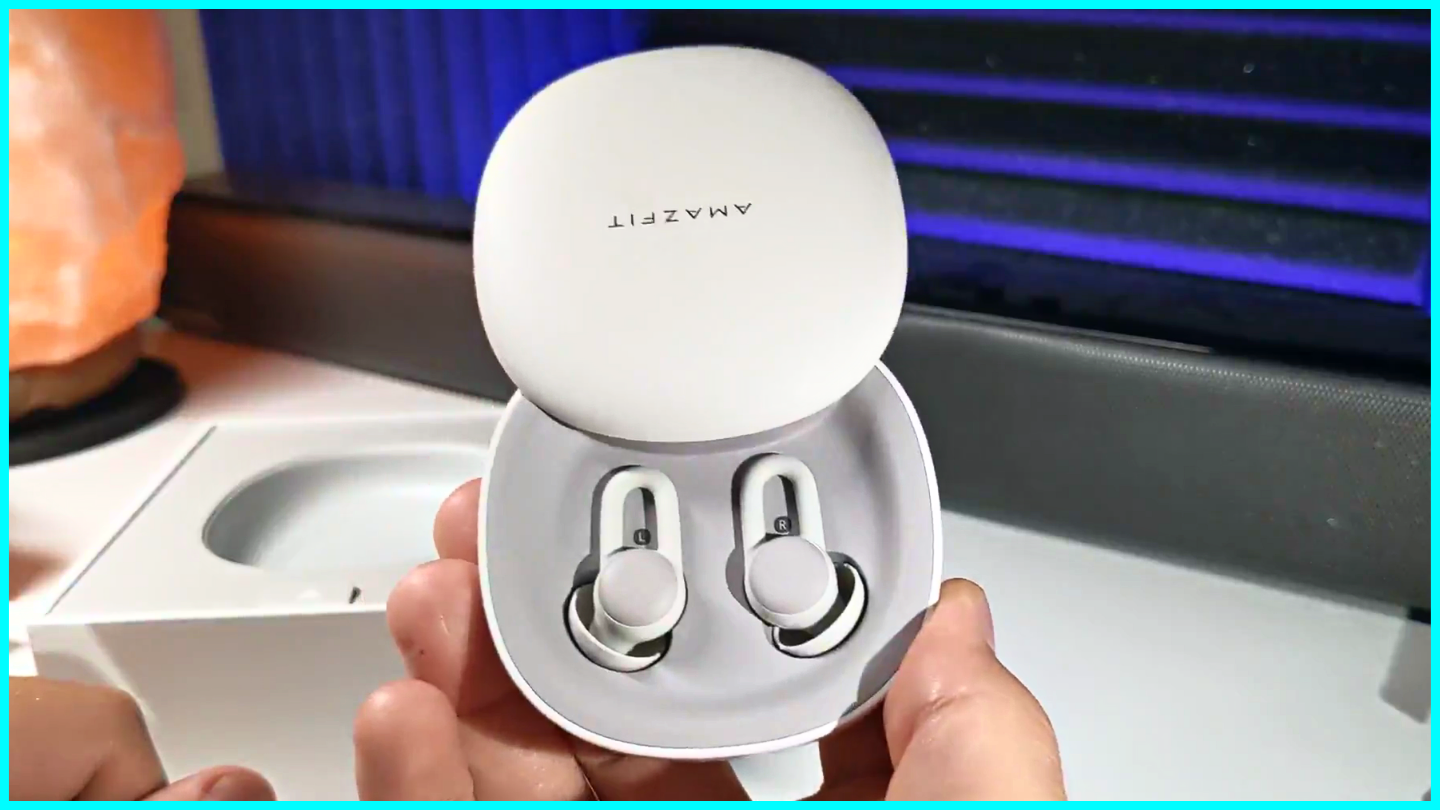
Designed by Zepp Health, the ZenBuds provide comprehensive sleep analytics and gentle reminders to wind down. They have decent noise isolation and a transparent transparency mode for morning alarms, but the earbud stems make them less suitable for side sleepers.
Main limitation: The stem-like design presses into the ear when lying down, and the battery life is only about 8 hours.
Skip if: Strict side sleepers or anyone who prioritizes sleep comfort over detailed sleep insights.
Compare key specs and features of all our recommendations side-by-side
| Product | Recommendation | Rating | Price |
|---|---|---|---|
Ozlo Sleepbuds Rank #1 | 🏆 Top Pick | 9.3/10 | $299–$349 Check current price → |
Anker Soundcore Sleep A10 Rank #2 | 💰 Budget Pick | 7.8/10 | $79–$99 Check current price → |
Anker Soundcore Sleep A20 Rank #3 | ⭐ Editor's Choice | 8.6/10 | $119–$149 Check current price → |
Kokoon Nightbuds Rank #4 | — | 8.0/10 | $199–$249 Check current price → |
1MORE ComfoBuds Sleep Rank #5 | — | 7.6/10 | $69–$89 Check current price → |
Amazfit Zenbuds Rank #6 | — | 7.3/10 | $99–$119 Check current price → |
Common questions buyers have about this category.
Yes, when used as directed. Sleep earbuds are designed with low-volume output and soft materials to minimize ear canal pressure. Still, if you experience pain, itchiness, or discharge, stop wearing them and consult an audiologist—like any in-ear device, they can trap moisture and promote infection if not cleaned regularly.
Most sleep earbuds provide passive noise isolation that muffles sounds, but they don't actively cancel a loud snorer's noise unless you play masking audio. If snoring is a serious issue, look for models with strong passive attenuation and a wide variety of masking sounds—or consider foam earplugs with a low-volume audio system.
You can, but regular earbuds are usually too bulky, have bright LED indicators, and lack sleep-focused features like timers or adaptive sound. They also may not have a snug enough fit to stay in your ears all night. Dedicated sleep earbuds are engineered to be comfortable for prolonged wear and often include a 'sleep mode' that prevents accidental taps.
Noise-cancelling earbuds use active electronics to cancel external sound, but they often have larger housings that make them uncomfortable to sleep in. Sleep earbuds prioritize a flat, low-profile design for side sleepers and generally use passive isolation with optional masking sounds. Some premium sleep earbuds like Ozlo now incorporate active noise reduction, but they're purpose-built for sleep.
Most sleep earbuds offer between 8 and 12 hours of playback per charge—enough for a typical night with a little extra. The charging case usually extends that to 2–3 full cycles. Battery life decreases over time, so look for products with user-replaceable batteries if that's a concern, though most are not replaceable.
Some do, but many don't. For example, Ozlo offers a free basic library with optional premium content via subscription, while Soundcore's mobile app is completely free. Before buying, check if the features you need—like advanced sleep tracking or a large sound library—require a monthly fee, as that adds to the long-term cost.
Yes, most Bluetooth-enabled sleep earbuds support streaming from Spotify, Apple Music, or any other app. However, streaming uses more battery than built-in masking tracks, so expect shorter runtime. Some models automatically pause when you fall asleep via sleep-detection features, saving battery for the rest of the night.
Products we evaluated but did not recommend — and why.
