Get the App
Better experience on mobile
A curated choice of earbuds that help you fall asleep faster, block disturbances, and stay comfortable through the night.
Many sleep earbuds on the market try to do too much. They pack in noise cancelling, streaming, and tracking features but forget the most important thing: they must stay comfortable in your ear while you lie on your side. If they push against your inner ear after five minutes, you're not getting any sleep. The best sleep earbuds manage to be small enough to rest flush against your ear, soft enough to ignore, and calibrated to mask or cover the sounds that keep you awake.
Whether you're dealing with a snoring partner, traffic below your window, or a racing mind, earbuds designed for sleep serve a very different purpose from your daily commute buds. Many fold in sleep tracking, white noise, or active noise cancellation, but that's secondary. What really matters is comfort and battery life that lasts through the night without needing to recharge.
We evaluated dedicated sleep earbuds, ultra-compact true wireless models, and even a few full-featured earbuds that sleep specialists and side sleepers swear by. Along with published reviews and owner feedback, we looked at physical dimensions, ear tip materials, noise masking capabilities, and how well each model fits the average ear profile. The list spans from budget sleep buds around $50 to premium options over $200.
Below, you'll find our favorites for 2026, each chosen for a specific sleep scenario. Whether you need something that plays music, pure noise cancelling, or just a tiny pair that won't hurt when you press your head into a pillow, there's a pick here that will help you get better rest.
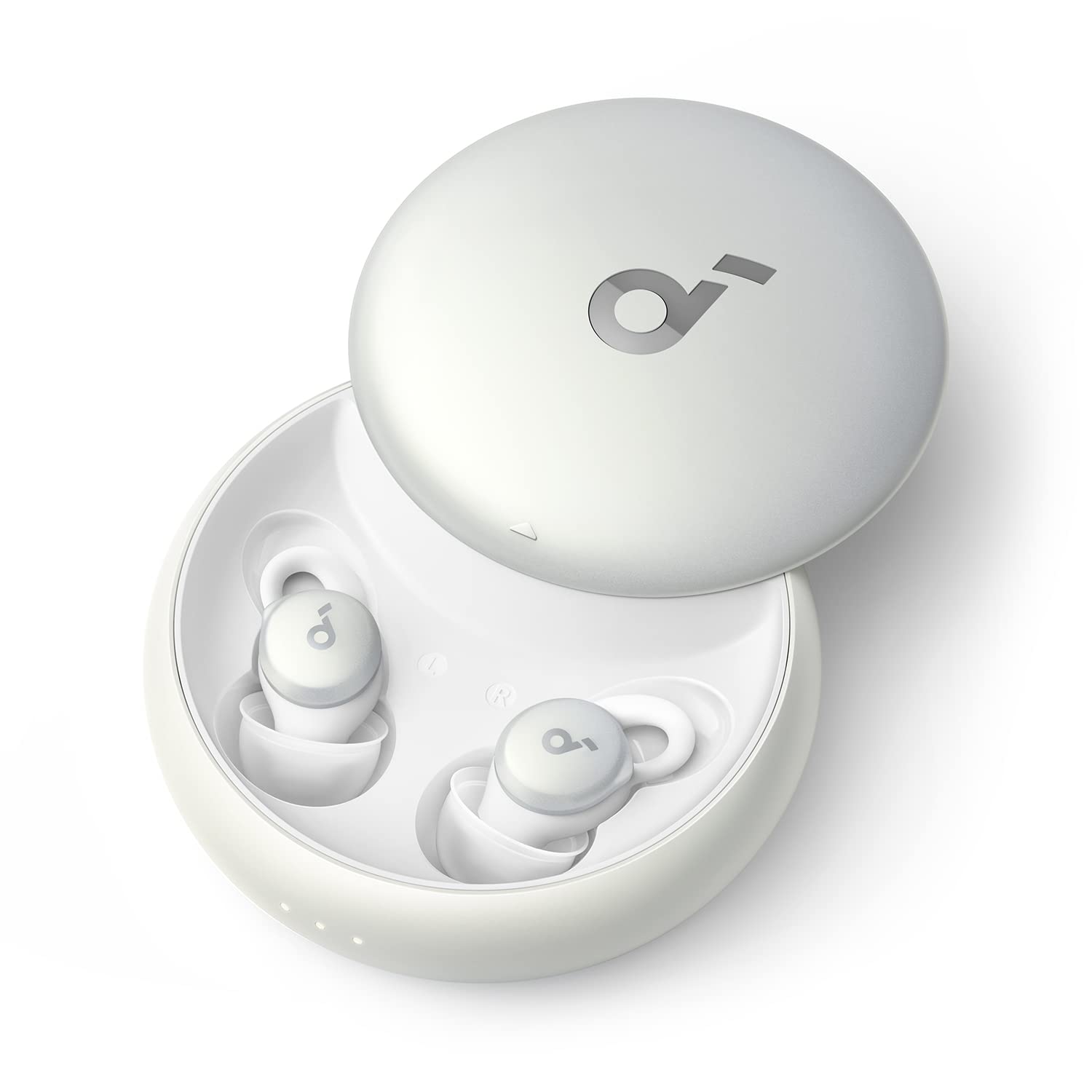
The Soundcore Sleep A10 hits the sweet spot for most sleepers: it's tiny, sits flush in your ear, and has a library of built-in sleep sounds plus support for streaming audio. The 3D noise masking engine does a good job muffling a snoring partner or street noise. The main trade-off is the shallow sound quality—these are not for critical listening, and the controls take some getting used to.
Main limitation: Touch controls are easy to trigger accidentally, especially if you're a side sleeper who shifts positions.
Skip if: If you need earbuds that deliver rich music audio rather than just ambient sound, skip these.
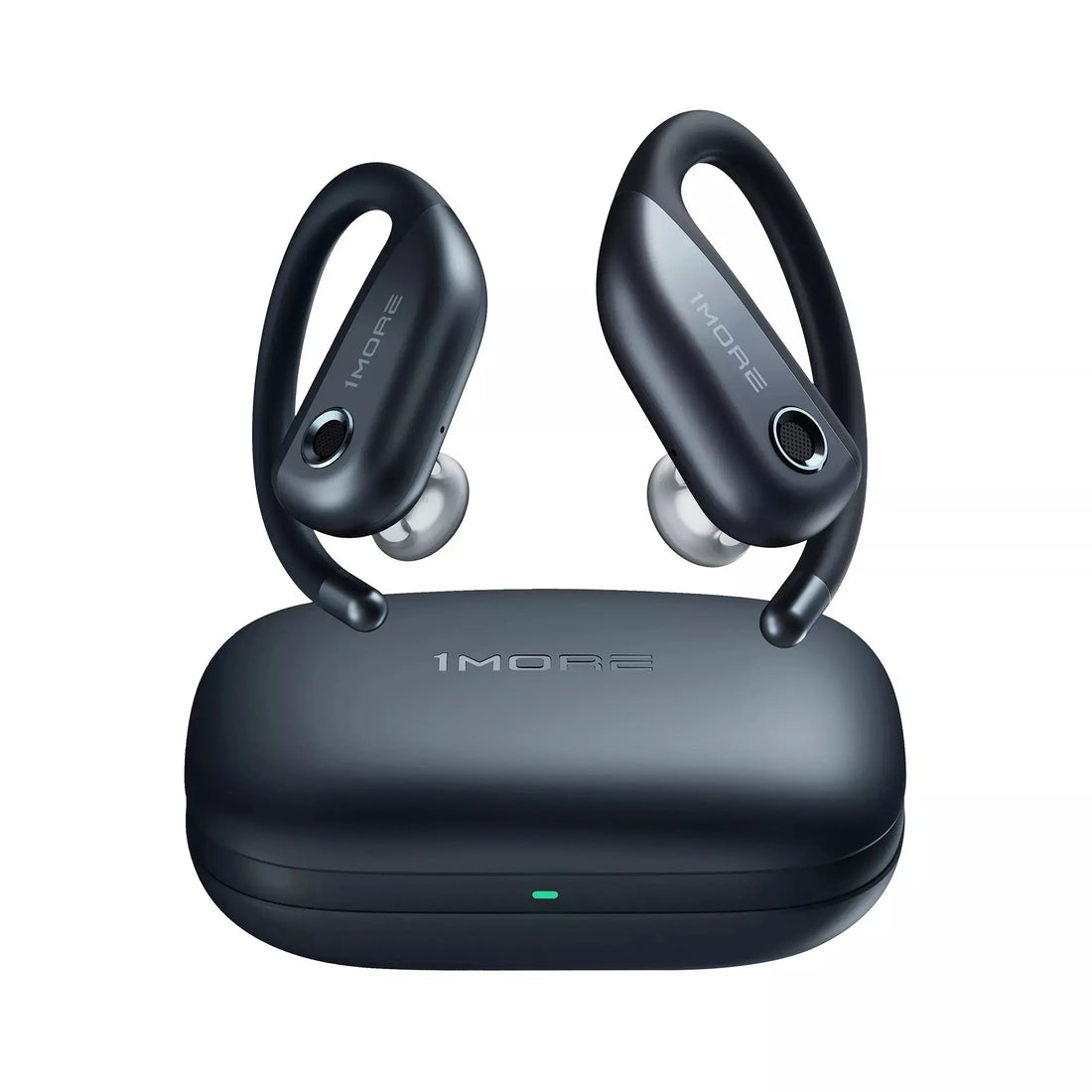
If you just need a tiny pair of earbuds that let you drift off to a podcast or rain sounds, the ComfoBuds Z are hard to beat for the price. They're extremely lightweight, with a short stem that doesn't catch on the pillow, and the case offers straightforward USB-C charging. The trade-off is an unremarkable battery life (about 5-6 hours) and minimal noise isolation—there's no ANC, just a good tight fit.
Main limitation: Battery life can be short for a full night's sleep if you stream continuously.
Skip if: Anyone in a loud environment or who expects noise cancelling, as this model relies purely on passive isolation.
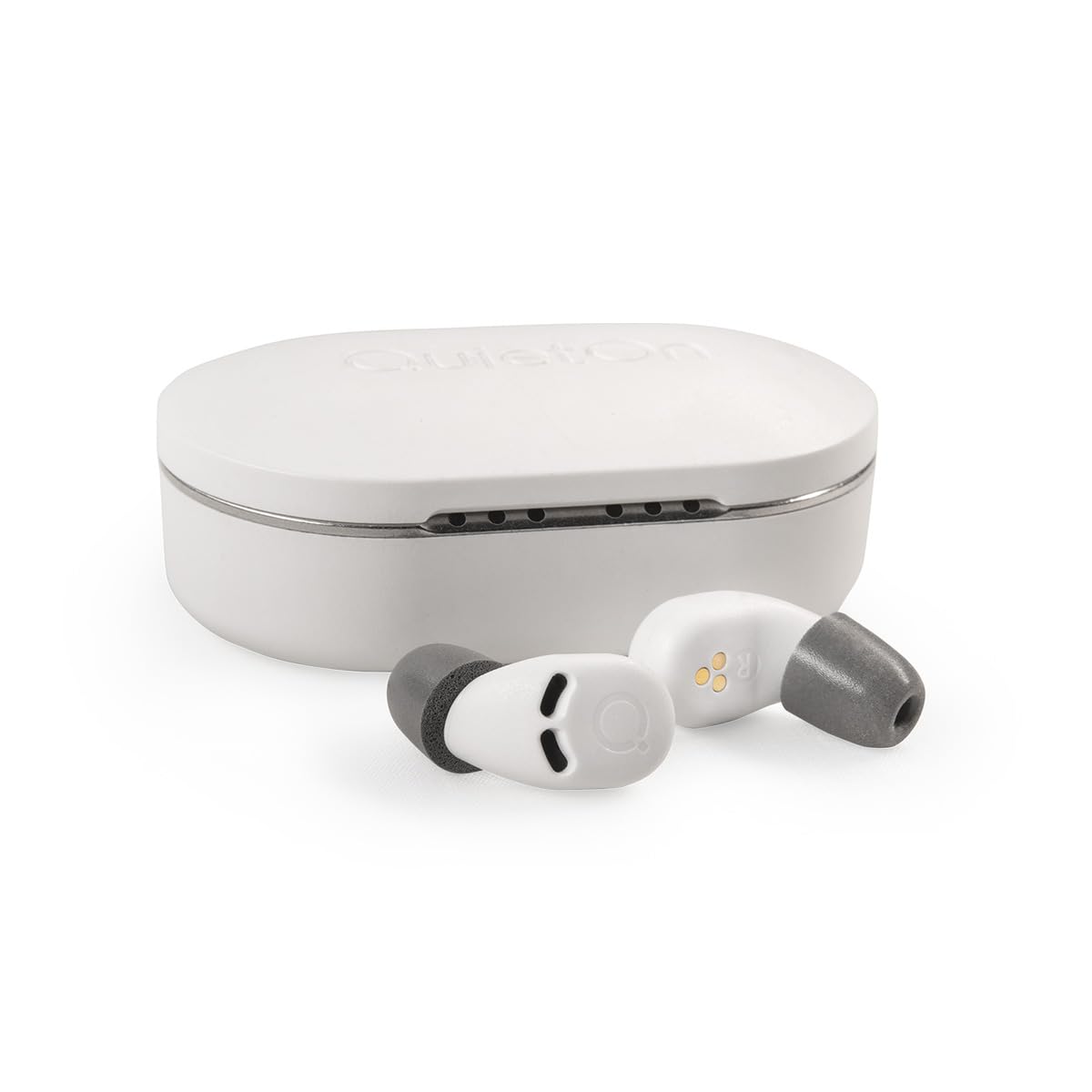
Designed specifically to block noise, QuietOn 3.1 pairs a tight passive seal with active noise cancellation to reduce snoring and low-frequency sounds. They play no music or ambient tracks—their sole purpose is silence. This makes them a favourite among people who want absolute quiet. The downside is a steeper price and no audio support at all.
Main limitation: Cannot stream audio or custom sounds, so they're useless for music fans.
Skip if: If you want to hear rain or white noise while sleeping, these aren't for you.
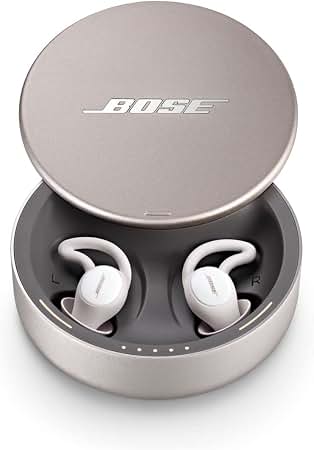
Still widely available through resellers despite being discontinued, the Sleepbuds II are among the most comfortable earbuds ever made. Their tiny design sits completely inside the ear, so they won't press into your pillow. They come loaded with a library of noise-masking sounds and offer up to 16 hours of battery life. But they don't support music or calls, and Bose's companion app has occasionally been buggy.
Main limitation: The small form factor means no Bluetooth audio, and the current price has crept up since discontinuation.
Skip if: If you want to stream your own sleep playlist, skip these; they only play Bose's built-in sounds.

While not designed specifically for sleep, the WF-1000XM5's light weight and excellent noise cancelling make them a great choice if you want to fall asleep to your favourite playlists. They're more comfortable than most flagship earbuds, and the ANC is phenomenal at silencing a snoring partner. The trade-off is a bulkier shell that can push against the ear more than dedicated sleep buds, and the price tag is premium.
Main limitation: Not as low-profile as dedicated sleep earbuds, so they may suit side sleepers only if positioned carefully.
Skip if: Side sleepers who put direct pressure on the ear—the larger shell may become uncomfortable.
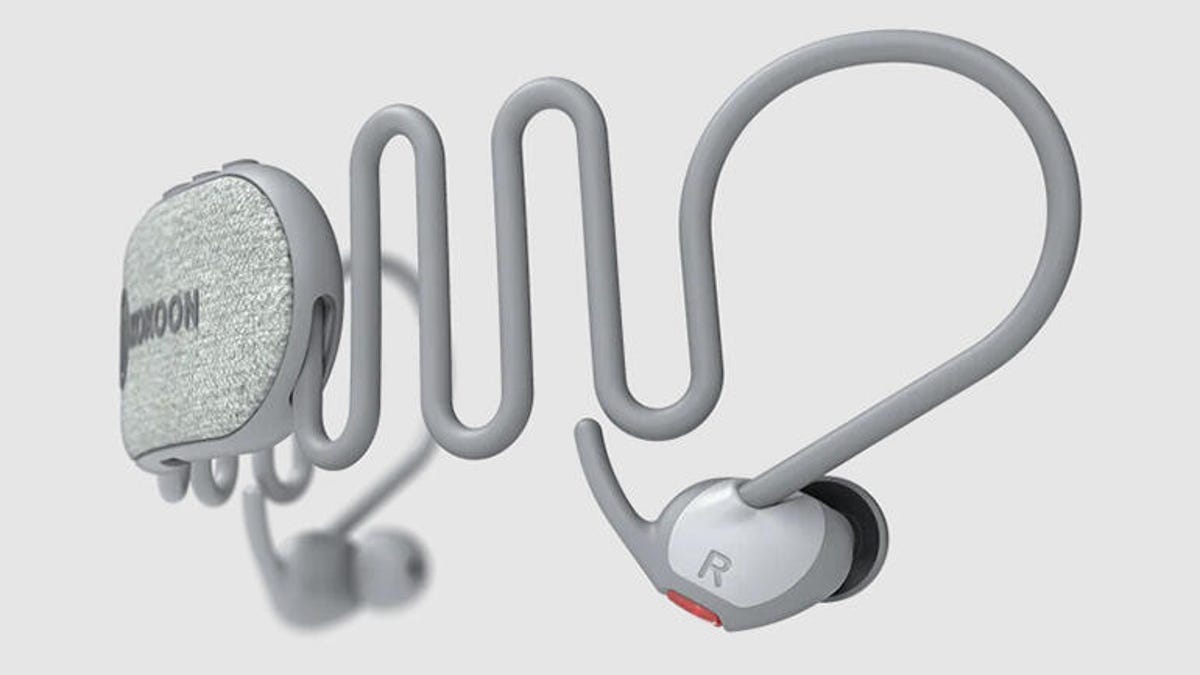
Kokoon's Nightbuds go beyond basic audio by integrating sleep tracking hardware and a companion app that builds a personalised sleep program. They can play audio that adapts to your sleep stage, and they're designed with a soft flexible wing to keep them in place. The trade-off is a learning curve—setup requires regular use of the app—and the sound quality is only average.
Main limitation: App dependency and premium cost might frustrate people who just want a simple pair of earbuds.
Skip if: If you dislike using sleep-tracking apps or don't need data, you're paying for features you won't use.
Compare key specs and features of all our recommendations side-by-side
| Product | Recommendation | Rating | Price |
|---|---|---|---|
Anker Soundcore Sleep A10 Rank #1 | 🏆 Top Pick | 8.5/10 | Around $80 Check current price → |
1More ComfoBuds Z Rank #2 | 💰 Budget Pick | 7.8/10 | Around $50 Check current price → |
QuietOn 3.1 Sleep Earbuds Rank #3 | ⭐ Editor's Choice | 8.2/10 | Around $200 Check current price → |
Bose QuietComfort Sleepbuds II Rank #4 | — | 8.6/10 | Around $180 (reseller pricing) Check current price → |
 Sony WF-1000XM5 Rank #5 | — | 3.8 3.8 | Around $300 Check current price → |
Kokoon Nightbuds Rank #6 | — | 7.5/10 | Around $200 Check current price → |
Common questions buyers have about this category.
You can, but they're rarely ideal. Standard earbuds have hard shells, protruding stems, and buttons that activate when pressed against a pillow, which can cause discomfort and mid-night alarms. Dedicated sleep earbuds are smaller, softer, and have controls that are easier to lock. If you're using regular earbuds, at least try to choose a model with a low profile and a stable fit.
Noise cancelling uses microphones to generate anti-noise, which reduces steady background hums like air conditioners or fans. Noise masking doesn't eliminate sound; it plays a steady audio track—like white noise or rain—that covers up irregular noises such as snoring or traffic. Many sleep earbuds combine both, but some offer only one. Decide which is more important for your environment.
A good sleep earbud should deliver at least eight to ten hours per charge to outlast a full night's sleep. If you like listening to podcasts or music, look for models that support streaming, as they tend to consume more power. Some models also offer quick charging in the morning, so a ten-minute top-up gets you through another night.
Sleep tracking earbuds can be valuable if you're trying to understand your sleep patterns or need partner-facing features like snore detection. However, they require consistent app usage and may not be as accurate as dedicated sleep trackers. If you're curious about your sleep, they're a nice bonus—but if you just want to sleep, you can skip the analytics and save money.
Yes, but it's unnecessary. Most dedicated sleep earbuds have built-in white noise or ambient sounds, eliminating the need for a separate machine. If you prefer the sound of your existing machine, you can use Bluetooth-capable sleep earbuds to stream that audio. Just be aware that adding another device could complicate your routine.
Clean the ear tips regularly with a dry, soft cloth and avoid using water directly on the speakers. Use a gentle brush to remove earwax. Replace silicone tips when they lose their shape or become sticky, and make sure the earbuds are completely dry before placing them in the charging case. If you have sensitive ears, moist toiletries or cleaning wipes can also work, but always check the manufacturer's guidelines.
Dedicated sleep earbuds are engineered with secure fits, often using extra-soft flanges or ear wings that anchor without pressure. That said, the human ear and pillow can shift things around. For side sleepers, a low-profile design is crucial. If you find your earbuds falling out, consider trying a different tip size or using models with memory foam tips that mimic earplugs.
Products we evaluated but did not recommend — and why.
