Get the App
Better experience on mobile
Ranked for comfort, battery life, noise masking, and price.
Most ''sleep earbuds'' fail not because they sound bad, but because they feel like a brick in your ear two hours into the night. The real test is whether you can wake up six hours later with your ear still not hurting. In this category, the difference between an overnight winner and a returned product often comes down to two things: the earbud's profile—how low it sits in your ear—and the type of tip it uses.
Dedicated sleep earbuds are designed differently from normal true wireless earbuds. They focus on flat, pressure-free shapes, soft foam or silicone tips, and battery life that fits an entire night. Many also include sleep tracking, snore masking, or pre-loaded white noise. Regular earbuds, like those you'd use for commuting, usually have stems or bulky housings that push against your ear cartilage, and their average six-hour battery often fades just as you're entering deep sleep.
In this guide, we've selected six options that cover the full range of sleep needs: from budget-friendly trackers to premium adaptive snore masks, and even a headband-style alternative for stomach sleepers. We considered comfort, battery life, noise isolation, ease of use, and value, while relying on published expert reviews and verified buyer feedback rather than our own lab testing.
Most of these picks are under $150, but several exceed $200 and are better thought of as an investment in drastically better rest. Our recommendations include the Anker Soundcore Sleep A10 for a balanced all-rounder, Amazfit Zenbuds for a budget pick, and Ozlo Sleepbuds for snoring couples—with specialized options in between.
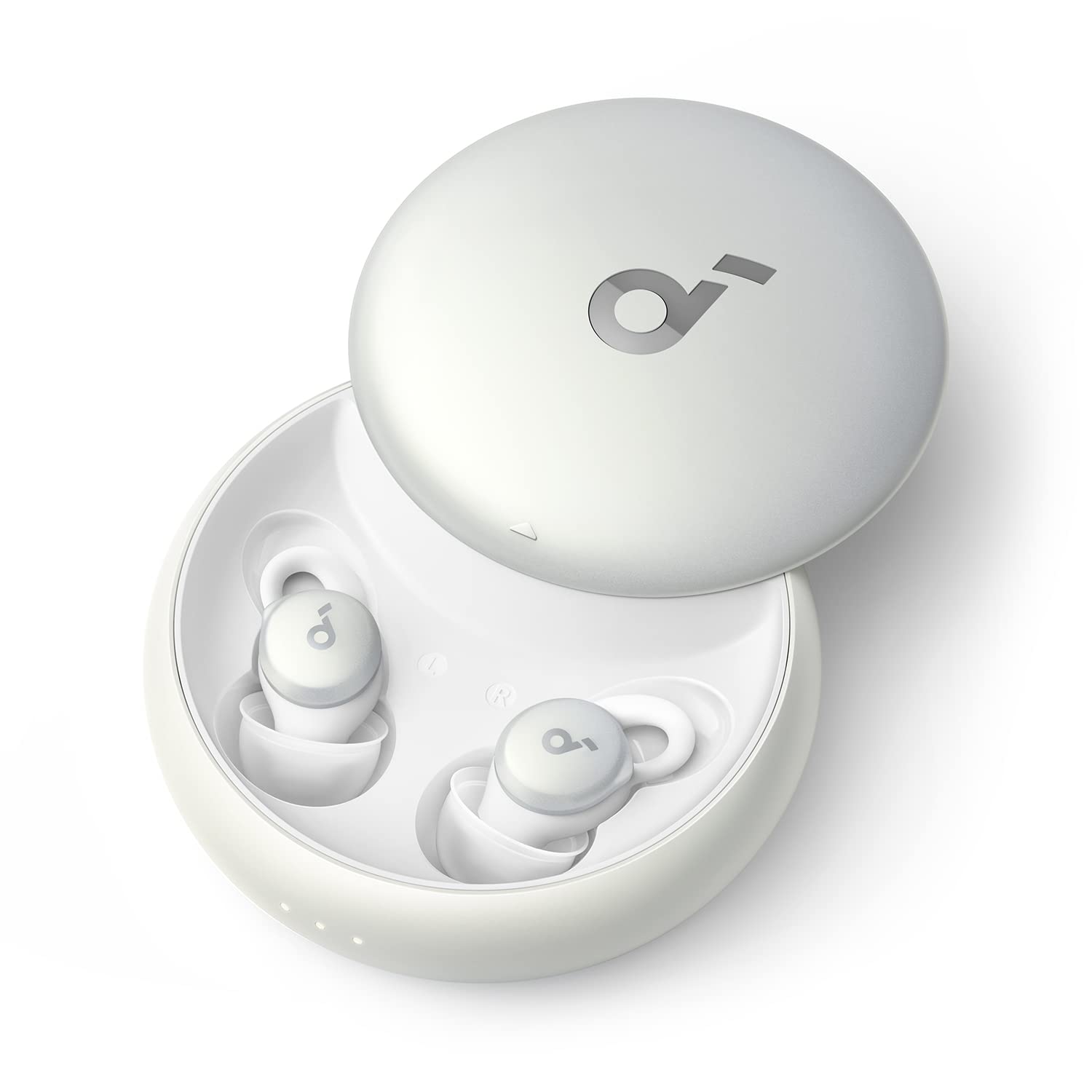
The Soundcore Sleep A10 does the two things sleep buds must nail: disappearing comfort and all-night battery. Their flat, 2.2-gram earpiece sits nearly flush in the ear, and the 10-hour battery covers most nights with room to spare. The trade-off is that they prioritize sleep features over high-fidelity sound, so you're getting a focused sleep tool rather than an audiophile toy.
Main limitation: They offer only passive isolation—there's no active noise cancellation, so very loud snoring can still leak through.
Skip if: If you regularly face snoring above 60 decibels and need active noise canceling, consider the QuietOn 3 instead.
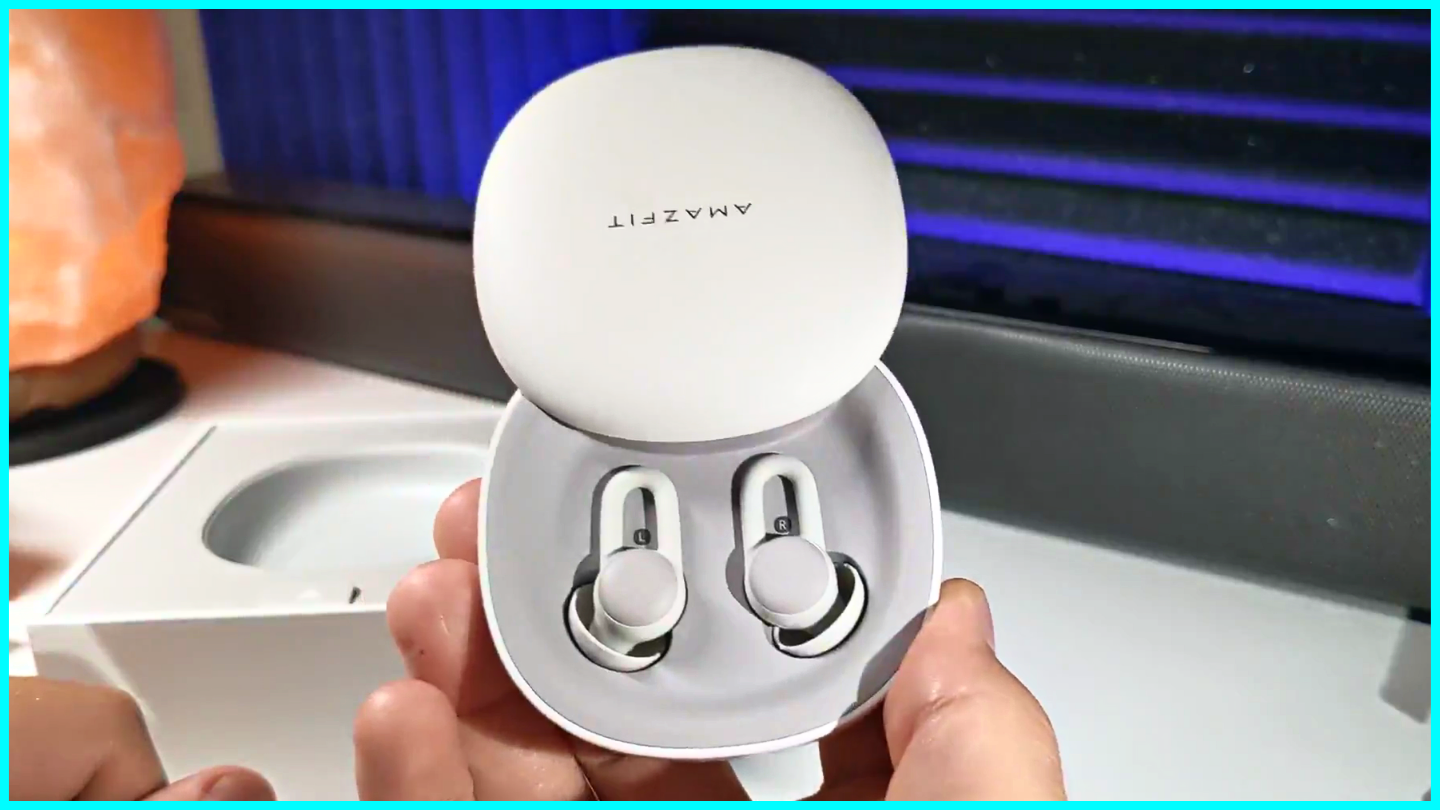
Zenbuds offer a surprising amount of sleep-specific tech for under $100: bio-sensing sleep tracking, multiple masking sounds, and a smart alarm that wakes you at the lightest sleep phase. They're not great for daytime audio, but as a dedicated sleep tool at this price, they're a genuine bargain.
Main limitation: The fit is less forgiving than the Soundcore A10, and the built-in sound library can get repetitive.
Skip if: If you need earbuds you can also wear on your commute for full music playback, this isn't the right pair.
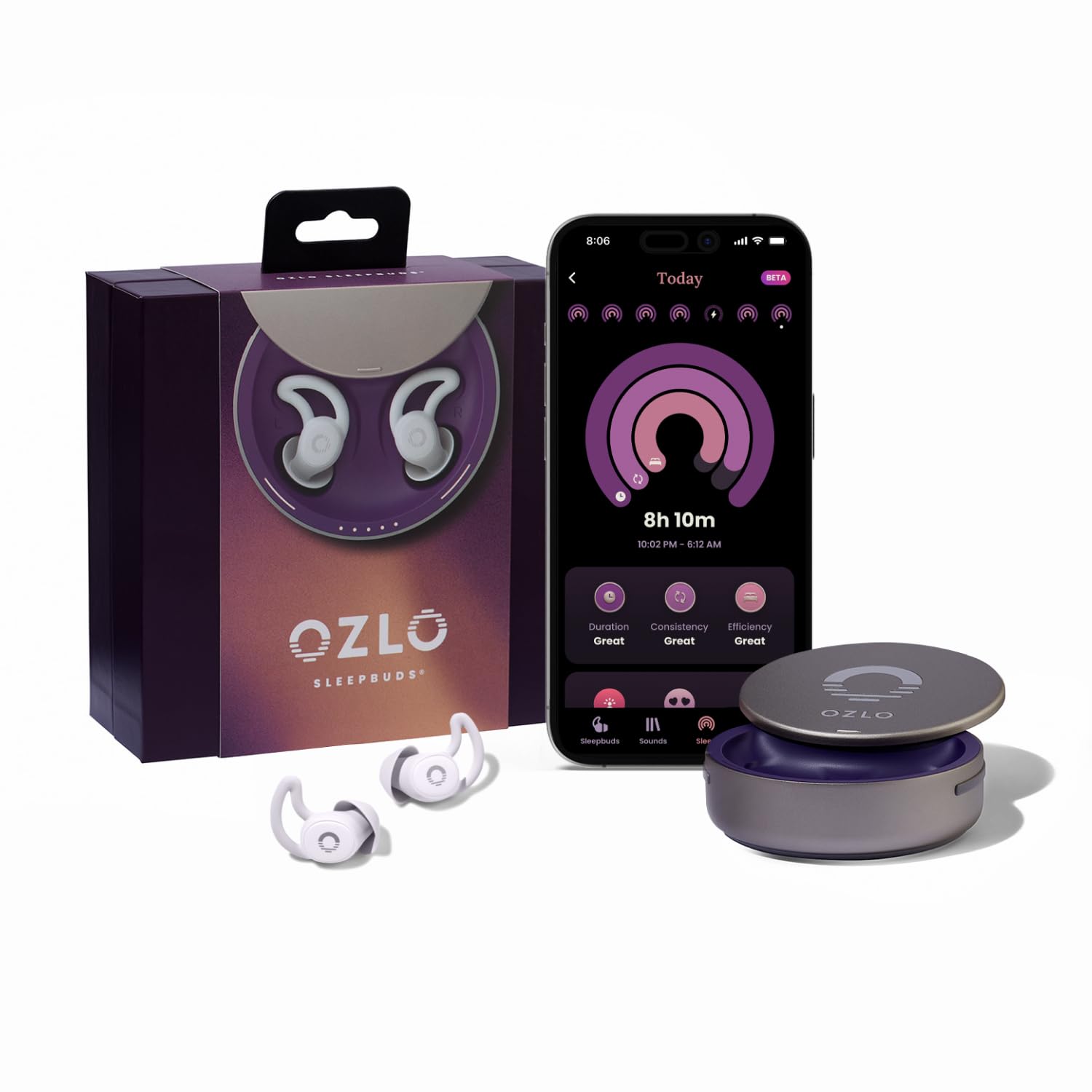
Built by the team behind the original Bose Sleepbuds, Ozlo's earbuds use a built-in microphone and AI to detect snores and automatically play a masking tone that adapts to your environment. They're also impressively comfortable for overnight wear. The catch is the $299 price and the fact that they are strictly sleep-focused—no call handling, no streaming from Spotify.
Main limitation: No Bluetooth audio streaming and a high price tag limit their usefulness outside of sleep.
Skip if: Anyone who wants one pair of earbuds for both sleep and daytime music listening.
If you want to block noise rather than cover it with audio, QuietOn 3 is the best option available. These active noise-cancelling earplugs can knock out roaring snoring and street traffic without playing any sound at all. The battery lasts roughly 20 hours, so you can even wear them across time zones. But don't expect to stream music or use them as normal earbuds.
Main limitation: No audio playback or Bluetooth, and the earbuds are more bulbous than dedicated sleep buds.
Skip if: Sleepers who need white noise or bedtime podcasts to fall asleep.
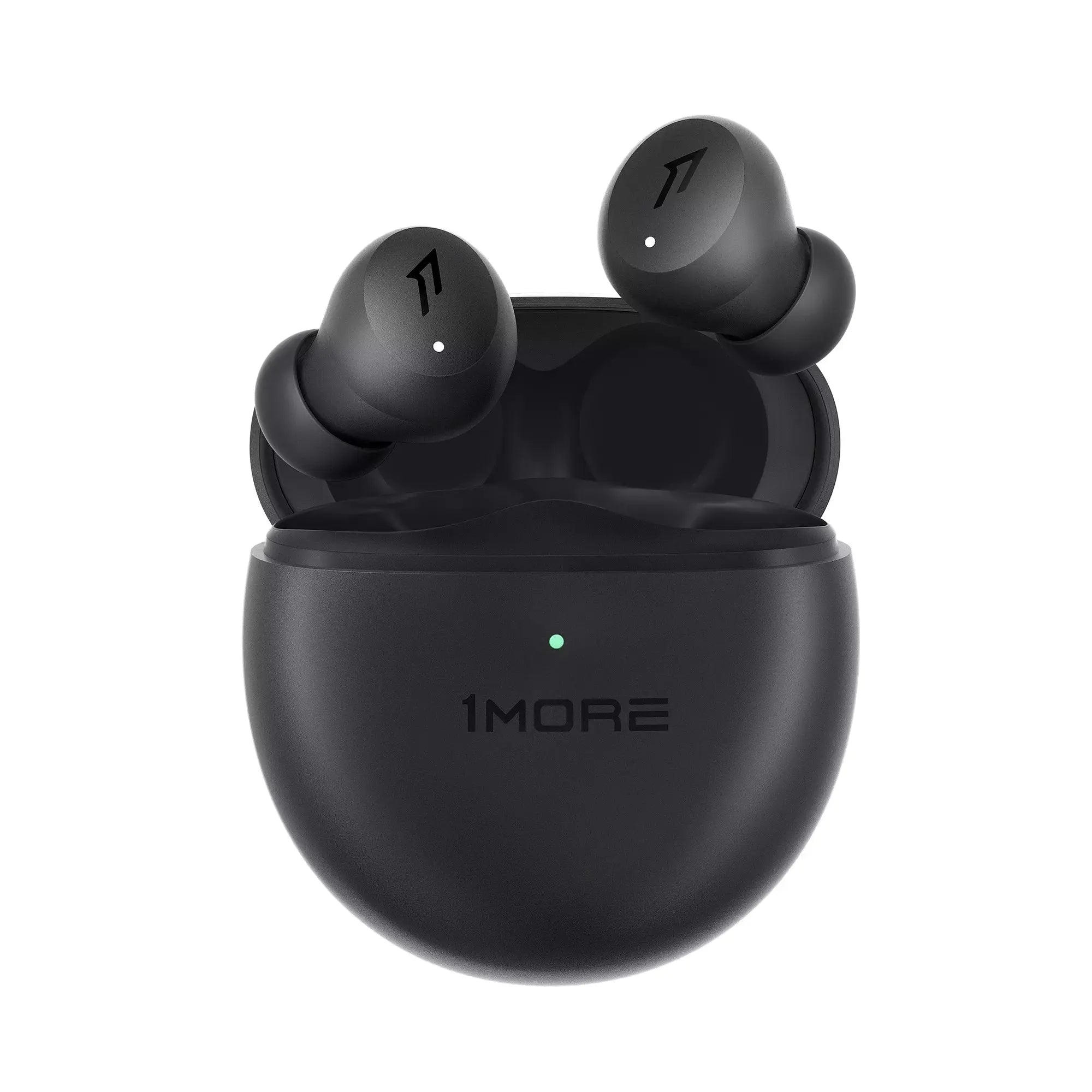
These compact true wireless earbuds are a solid pick for sleepers who want a general-purpose bud that can double as a sleep aid. Weighing just 4.7 grams, they stay in small ear canals comfortably and even offer active noise cancelling for a reasonable price. The downside is a shorter battery—about six hours—and no sleep tracking or smart alarm.
Main limitation: Battery life falls short of a full night for many people, and the touch controls can be accidentally activated while sleeping.
Skip if: If you usually sleep more than six hours and don't want to wake up to dead earbuds.
Technically a headband, not an earbud, SleepPhones Classic is the go-to for people who can't tolerate any in-ear device while sleeping. Flat speakers are sewn into a soft, washable fabric band that you can wear like a headband. It delivers decent audio for podcasts and sleep sounds, but the sound leaks more than in-ear models and there's no sleep tracking.
Main limitation: Audio quality is muffled compared to in-ear buds, and the fabric can feel warm during summer.
Skip if: Sleepers who need strong sound isolation or active noise cancellation.
Compare key specs and features of all our recommendations side-by-side
| Product | Recommendation | Rating | Price |
|---|---|---|---|
Anker Soundcore Sleep A10 Rank #1 | 🏆 Top Pick | 8.8/10 | Around $130 Check current price → |
Amazfit Zenbuds Rank #2 | 💰 Budget Pick | 7.8/10 | Around $99 Check current price → |
Ozlo Sleepbuds Rank #3 | ⭐ Editor's Choice | 8.5/10 | Around $299 Check current price → |
QuietOn 3 Sleep Earbuds Rank #4 | — | 8.1/10 | Around $229 Check current price → |
1MORE ComfoBuds Mini Rank #5 | — | 7.6/10 | Around $70 Check current price → |
AcousticSheep SleepPhones Classic Rank #6 | — | 7.5/10 | Around $70 Check current price → |
Common questions buyers have about this category.
Yes, with some caveats. Dedicated sleep earbuds are designed for 8+ hour wear, and they use low-profile, soft-tipped designs that minimize pressure. Keep the volume at or below 60% to protect your hearing, and clean the tips regularly to avoid ear infections.
You can, but regular earbuds tend to be too bulky, have shorter battery life, and put pressure on your ear cartilage. Dedicated sleep earbuds are specifically shaped to be flush with the ear and often use flat tips, making them much more comfortable for overnight wear.
Dedicated sleep models like the Soundcore Sleep A10 and Ozlo offer around 10 hours of battery life, which covers most nights. General true wireless earbuds often last only 5-7 hours with ANC on, which may not be enough. Look for at least 8 hours of rated playback if you plan to wear them all night.
It depends on the model. The Soundcore Sleep A10 and 1MORE ComfoBuds Mini support Bluetooth streaming, so they can play Spotify or podcasts. Ozlo Sleepbuds and QuietOn 3 do not; they rely on built-in sleep audio libraries or silence. Always check whether a product allows external audio if that matters to you.
They can, but the effectiveness varies. QuietOn 3 uses active noise cancellation to reduce low-frequency snoring by a significant amount. Ozlo detects snoring and plays an adaptive masking sound, while most passive earbuds like the Soundcore A10 block only higher-frequency noise and soften rather than eliminate snoring.
If you're a side sleeper, earbuds are usually the better choice because they don't shift when you turn your head. A headband-style device like SleepPhones is better for stomach sleepers or anyone who finds in-ear earbuds painful. Earbuds also offer better noise isolation and sleep tracking if you need those features.
Products we evaluated but did not recommend — and why.
