Get the App
Better experience on mobile
Get the best products related to our top picks
In today's fast-paced digital world, selecting the right desktop computer is crucial for productivity, entertainment, and even professional workflows. Unlike laptops, desktops offer superior expandability, better cooling for sustained performance, and often more bang for your buck in terms of raw power and storage. A well-chosen desktop can handle everything from basic web browsing and office tasks to demanding video editing, gaming, or AI-driven applications without the frustration of slowdowns or frequent upgrades. However, with options ranging from compact all-in-ones to powerful towers, the choice depends on your needs—whether you're a student on a tight budget, a home office professional seeking reliability, or a gamer craving high-frame-rate action.
Budget-friendly desktops, like the HP ProOne 600 G3 All-in-One at $239, prioritize affordability and essential features for everyday use, often sacrificing cutting-edge specs for cost savings. In contrast, premium models such as the HP OMEN 35L Gaming Desktop at $1,199 deliver top-tier performance with dedicated GPUs and ample storage, ideal for intensive tasks but at a higher price point. This guide bridges the gap by comparing these approaches, helping you weigh value against capability.
Readers will learn key factors to evaluate, from processor power and RAM to display quality and upgrade potential. We'll dive into a detailed buying guide, in-depth product reviews for five standout options—including the All-in-one Desktop Computer PC 23.8inch ($429), 23.8-Inch FHD All-in-One ($339.99), and HP OmniDesk M03 AI Desktop ($849.99)—and answers to common questions. By the end, you'll have the insights to pick a desktop that fits your lifestyle, budget, and performance demands without buyer's remorse. (Word count: 278)
Choosing a desktop computer involves balancing your specific needs with technical specs and long-term value. Desktops come in forms like all-in-ones (integrated screen and PC), towers (expandable chassis), and mini PCs, each suiting different spaces and uses. Start by assessing your primary tasks: light office work needs modest specs, while gaming or content creation demands robust hardware. Consider factors like form factor for desk space, connectivity for peripherals, and OS compatibility—most here run Windows 11 for seamless integration with Microsoft tools.
Processor (CPU): The brain of the desktop. Look for Intel Core i5/i7 or AMD Ryzen 5/7 series for balanced performance. The HP OMEN 35L's AMD Ryzen 7 8700G excels in multitasking and graphics, outperforming the entry-level Core i5-6500 in the HP ProOne 600 G3, which suits basic tasks but struggles with modern apps.
RAM and Storage: Aim for at least 8GB RAM (16GB+ for heavy use) and SSD over HDD for speed. The HP OmniDesk M03's 16GB DDR5 RAM and 2TB NVMe SSD provide lightning-fast boot times and ample space, far surpassing the 8GB/256GB setup in the 23.8-Inch FHD All-in-One, which may require upgrades for large files.
Graphics: Integrated graphics suffice for office work, but dedicated GPUs like the NVIDIA RTX 4060 Ti in the HP OMEN handle 4K gaming and video rendering. Budget all-in-ones like the All-in-one Desktop PC 23.8inch rely on Intel UHD, limiting them to casual use.
Display and Form Factor: All-in-ones feature built-in screens—21.5" FHD on the HP ProOne is compact but low-res compared to 23.8" on others. Towers like the OMEN offer flexibility but need separate monitors. Check adjustability, like the 360° webcam on the All-in-one Desktop PC.
Connectivity and Peripherals: Essentials include Wi-Fi 6, Bluetooth 5.0+, USB ports, and included keyboard/mouse. The HP OmniDesk's Wi-Fi 6 and Bluetooth 5.4 ensure future-proof wireless, while older models like the HP ProOne use Wi-Fi 5, potentially slowing downloads.
Operating System and Extras: Windows 11 Pro/Home is standard; Pro adds business features. Renewed options like the HP ProOne offer value but check warranty. AI features in the HP OmniDesk (via Intel Core Ultra) enhance productivity with built-in tools.
Build Quality and Upgradability: All-in-ones are sleek but harder to upgrade; towers like the OMEN allow easy RAM/GPU swaps. Look for durable chassis—HP's metal builds in premium models resist wear better than plastic budget units.
Desktops span tiers based on price and capability. Under $300 (e.g., HP ProOne 600 G3 at $239): Entry-level for web, email, and light productivity. You get basic all-in-one setups with older CPUs, 8GB RAM, and small SSDs—renewed units cut costs but may have cosmetic wear. $300-$500 (e.g., 23.8-Inch FHD at $339.99, All-in-one Desktop PC at $429): Mid-range sweet spot for home offices. Expect newer i5 processors, 8-16GB RAM, 256-512GB SSDs, and better displays—solid for multitasking without excess. $500-$900 (e.g., HP OmniDesk at $849.99): Upper-mid for professionals/creators. Delivers 16GB+ RAM, large storage, and AI-optimized CPUs—great value for demanding tasks. Over $1,000 (e.g., HP OMEN at $1,199): Premium/gaming tier. High-end CPUs/GPUs, 1TB+ SSDs, and expandability justify the cost for enthusiasts, but overkill for basics. Factor in longevity: Budget buys may need replacement in 3-5 years, while premiums last 5-7+.
The sweet spot lies in the $300-$500 range for most users, where you get 80-90% of premium performance at half the cost. For instance, the All-in-one Desktop PC's i5-7300HQ and 16GB RAM handle 4K video playback and office suites efficiently, rivaling pricier options for non-gaming needs. The HP OMEN shines in performance-per-dollar for gamers (RTX 4060 Ti enables ray-tracing at 1440p), but its $1,199 price is steep if you don't need gaming. Budget picks like the HP ProOne lag in multi-threaded tasks (e.g., slower Photoshop exports), while the HP OmniDesk's Intel Core Ultra 7 offers AI acceleration for under $900, making it a value leader for creative pros. Analyze your workload: If benchmarks show <20% performance gap, save money—tools like PassMark or Cinebench can verify.
Ignoring Future-Proofing: Opting for outdated ports (e.g., no USB-C) or Wi-Fi 5 locks you into obsolescence; prioritize Wi-Fi 6+ as in the 23.8-Inch FHD.
Overlooking Storage Type: HDDs are cheaper but slow—stick to SSDs like the 512GB in the All-in-one Desktop PC to avoid boot times over 30 seconds.
Neglecting Form Factor Fit: All-in-ones save space but can't upgrade easily; don't buy one like the HP ProOne if you anticipate adding a GPU later.
Skipping Warranty Checks: Renewed products (e.g., HP OmniDesk) may have limited support—verify 90-day+ coverage to avoid repair hassles.
Focusing Solely on Price: A $239 bargain like the HP ProOne may underperform for Zoom-heavy work, leading to frustration; test specs against your apps.
Our top three: 1) HP ProOne 600 G3 ($239)—Best for budget-conscious students or casual users needing a simple all-in-one for emails and browsing. 2) All-in-one Desktop PC 23.8inch ($429)—Ideal for home office professionals wanting adjustable features and solid multitasking without breaking the bank. 3) HP OMEN 35L ($1,199)—Perfect for gamers and creators requiring high-end graphics and storage for immersive experiences. (Word count: 742)
For home office setups, focus on processor speed, RAM (at least 8GB, preferably 16GB), and reliable connectivity like Wi-Fi 6. A model like the All-in-one Desktop PC 23.8inch with its i5-7300HQ and 16GB RAM handles Zoom calls, Microsoft Office, and multiple tabs without hiccups, unlike budget options such as the HP ProOne 600 G3, which may stutter under load. Storage should be SSD-based (256GB minimum) for quick file access—avoid HDDs to prevent delays in document saving. Consider all-in-one designs for space-saving, but ensure the display is at least 21.5 inches for comfortable viewing. Windows 11 Pro, as in the 23.8-Inch FHD, adds encryption for sensitive work data. Budget $300-$500 for a balance of performance and cost; test compatibility with your software via manufacturer specs.
All-in-ones like the HP ProOne or 23.8-Inch FHD are ideal for compact spaces, combining PC and monitor into one unit, reducing cable clutter and desk footprint—perfect for apartments. They often include touchscreens or adjustable stands, as in the All-in-one Desktop PC, enhancing usability for presentations. However, towers like the HP OMEN offer better upgradability; you can swap GPUs or add RAM easily, which sealed AIOs limit to basic ports. Performance-wise, AIOs suffice for 80% of users but may overheat during prolonged tasks due to integrated designs. If you need expandability or high graphics, spend on a


Compare key specs and features of all our recommendations side-by-side
| Product | Recommendation | Rating | Price |
|---|---|---|---|
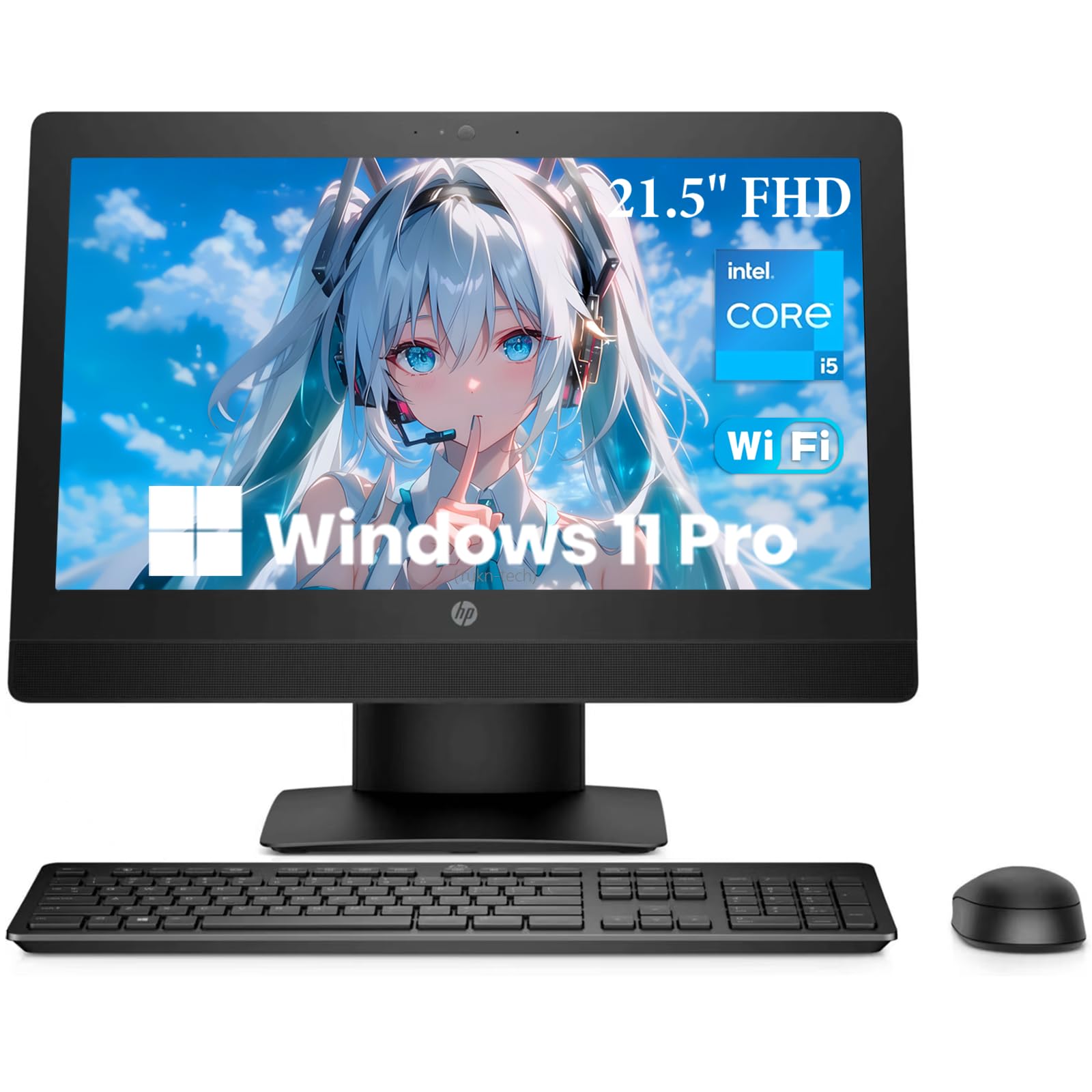 HP ProOne 600 G3 All-in-One Desktop PC, 21.5" FHD Display, Core i5-6500 3.2GHz, 8GB RAM, 256GB SSD, Keyboard & Mouse, WiFi, Windows 11 Pro (Renewed) Rank #1 | 🏆 Top Pick | — | |
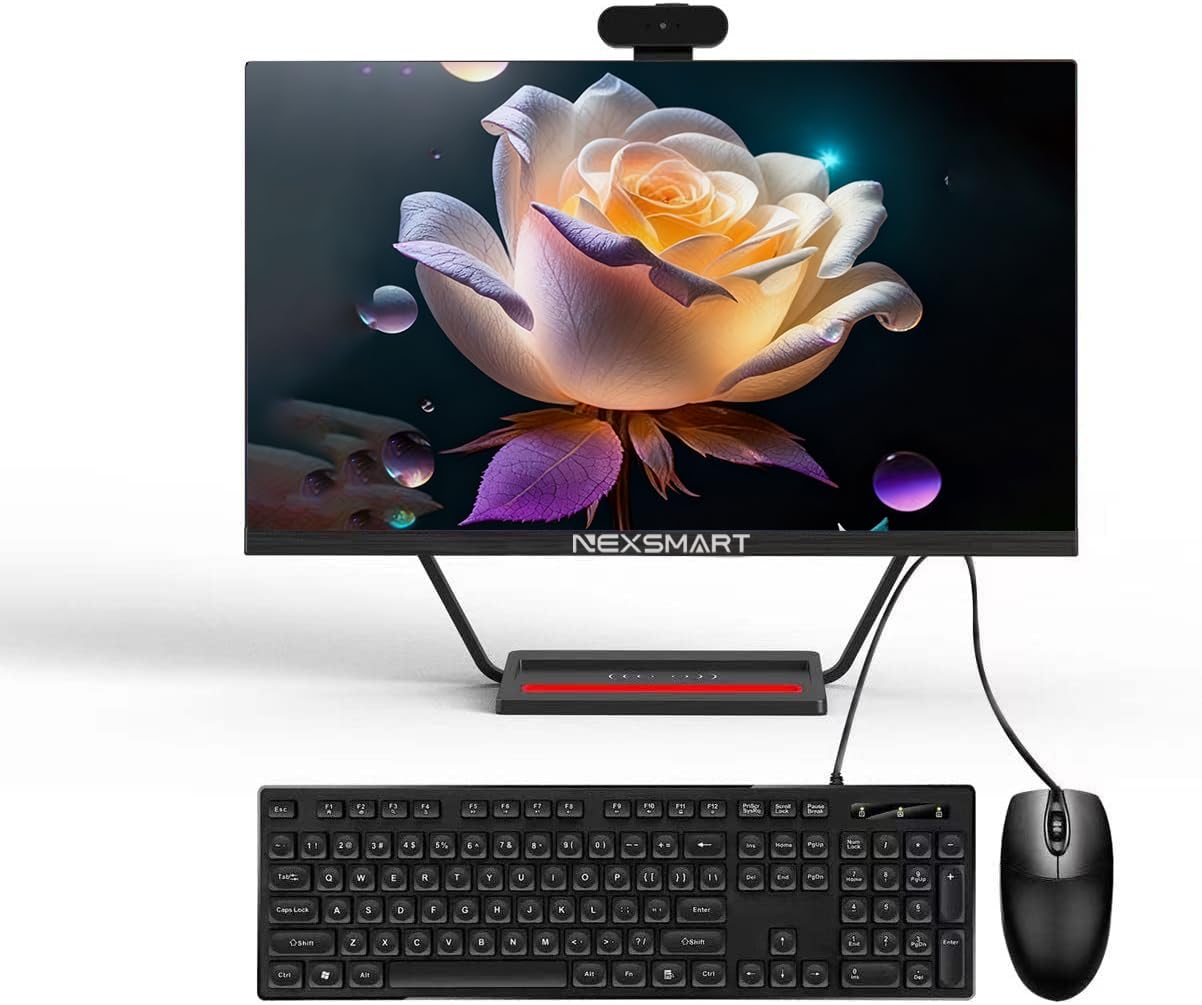 All-in-one Desktop Computer PC 23.8inch All-in-One with Core i5 7300HQ 16GB RAM 512GB SSD, 360°Adjustable Webcam, Charging Panel, All-in-one PC Supporting Dual-Band WiFi, Bluetooth 4.2,Black Rank #2 | — | ||
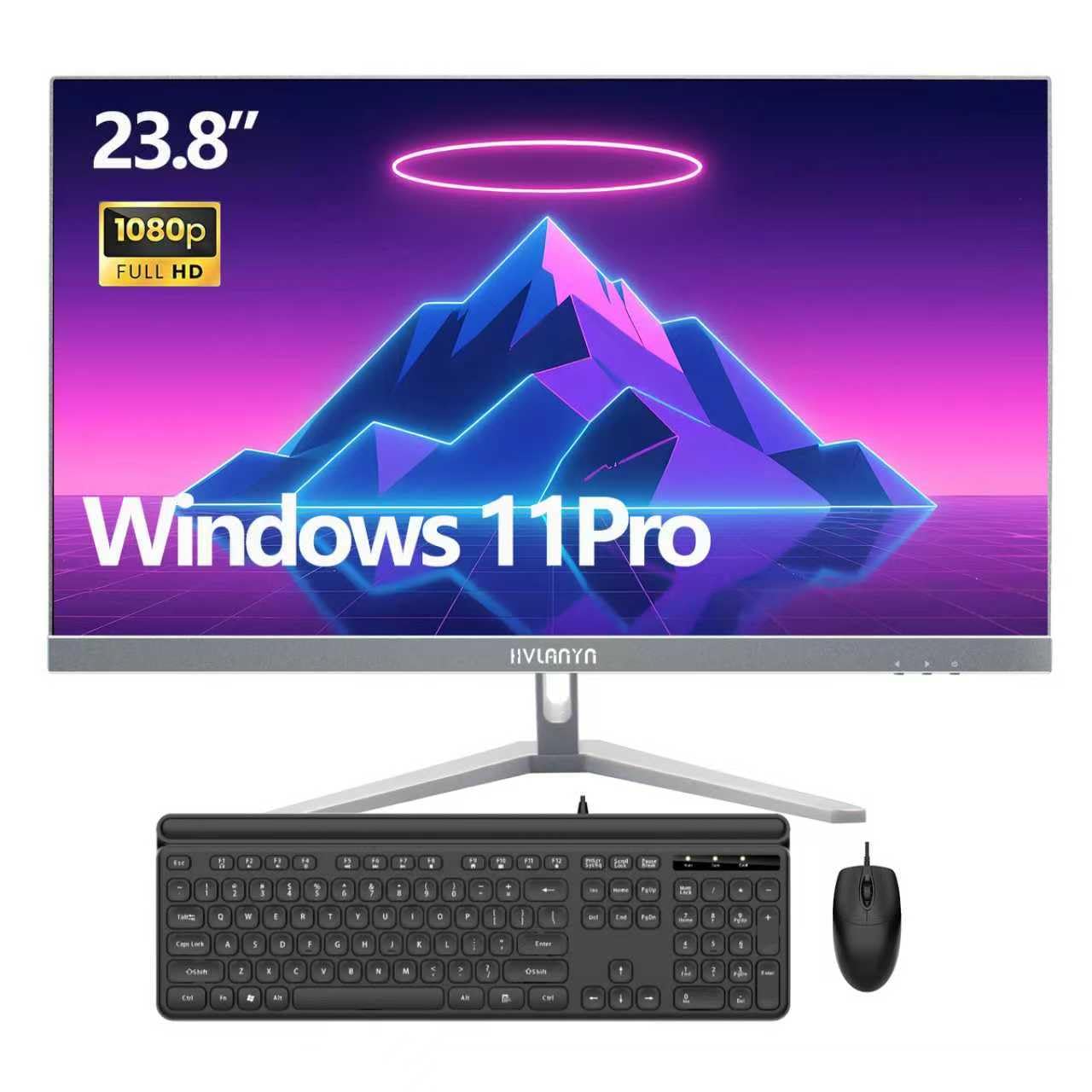 23.8-Inch Fhd All-in-One Desktop Computer for Home Office, 8GB DDR4 RAM,256 GB PCIE3.0 SSD,WiFi 6, Bluetooth, Business Aio, Windows 11 Pro Rank #3 | — | — | |
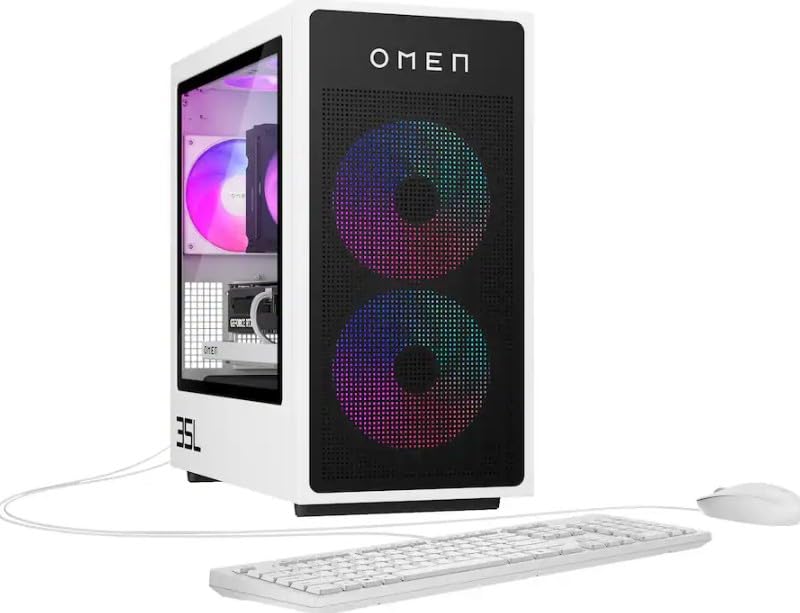 HP OMEN 35L Gaming Desktop PC, AMD Ryzen 7 8700G, 16 GB RAM, 1 TB SSD, NVIDIA GeForce RTX 5060 Ti(16GB), Windows 11 Home, Microsoft Copilot, Panda Metal, GT16-0344 (2025) Rank #4 | — | — | |
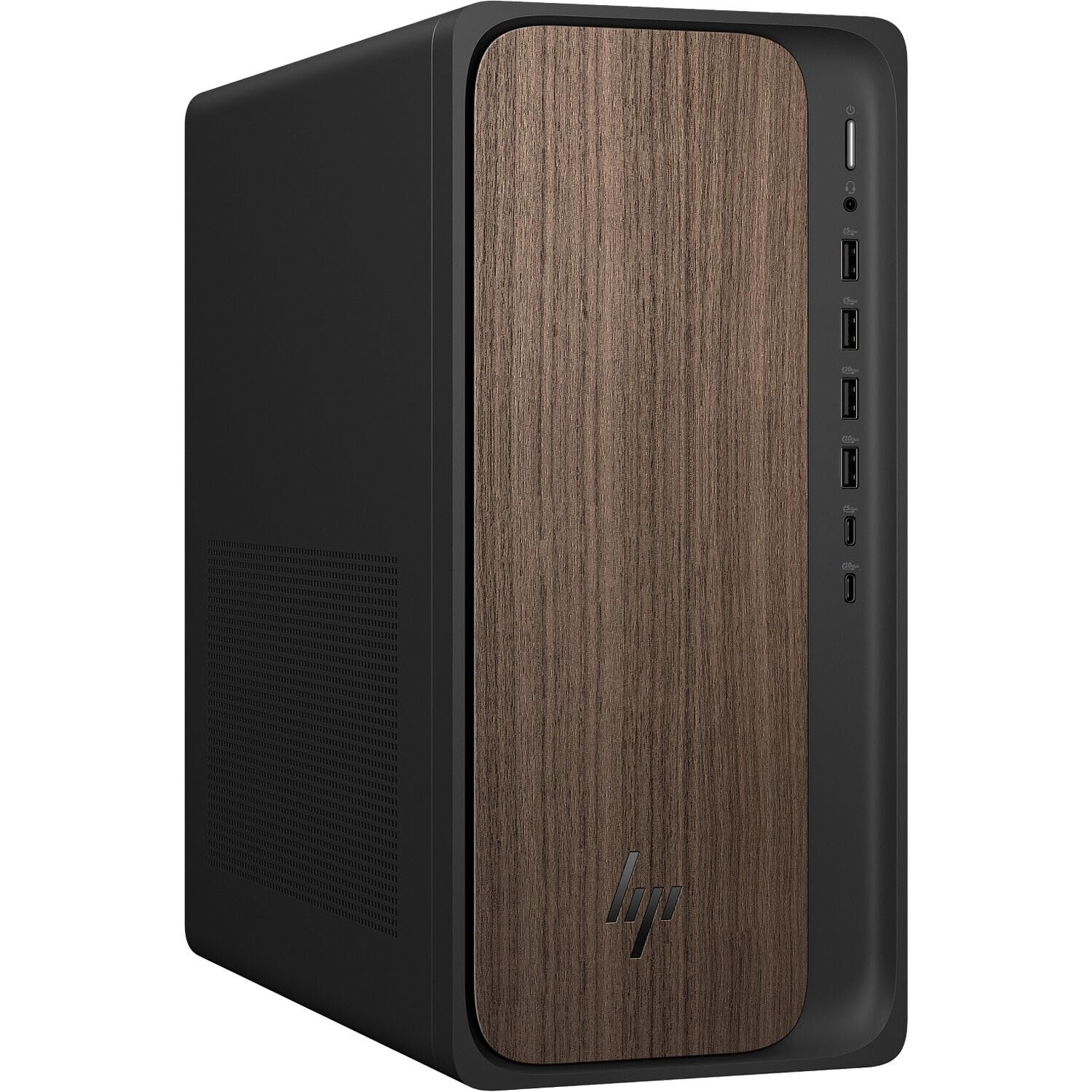 HP OmniDesk M03 AI Desktop PC – Intel Core Ultra 7 265, 16GB DDR5 RAM, 2TB NVMe SSD, Intel Graphics, Wi-Fi 6, Bluetooth 5.4, Windows 11 Home, Dark Wood (Renewed) 16GB RAM 2TB NVMe SSD Rank #5 | 💰 Budget Pick | — |
