Get the App
Better experience on mobile
Choosing the right credit repair resources is crucial in today's financial landscape, where a strong credit score can unlock better loan rates, lower insurance premiums, and even higher-paying job opportunities. Poor credit can trap you in a cycle of high-interest debt and limited access to credit, making it essential to invest in reliable guidance to rebuild your financial health. With credit repair "services" often referring to self-help books and guides rather than professional agencies (due to regulatory scrutiny on automated services), this November 2025 guide from BestReviews focuses on affordable, actionable e-books and manuals that empower you to take control without ongoing fees.
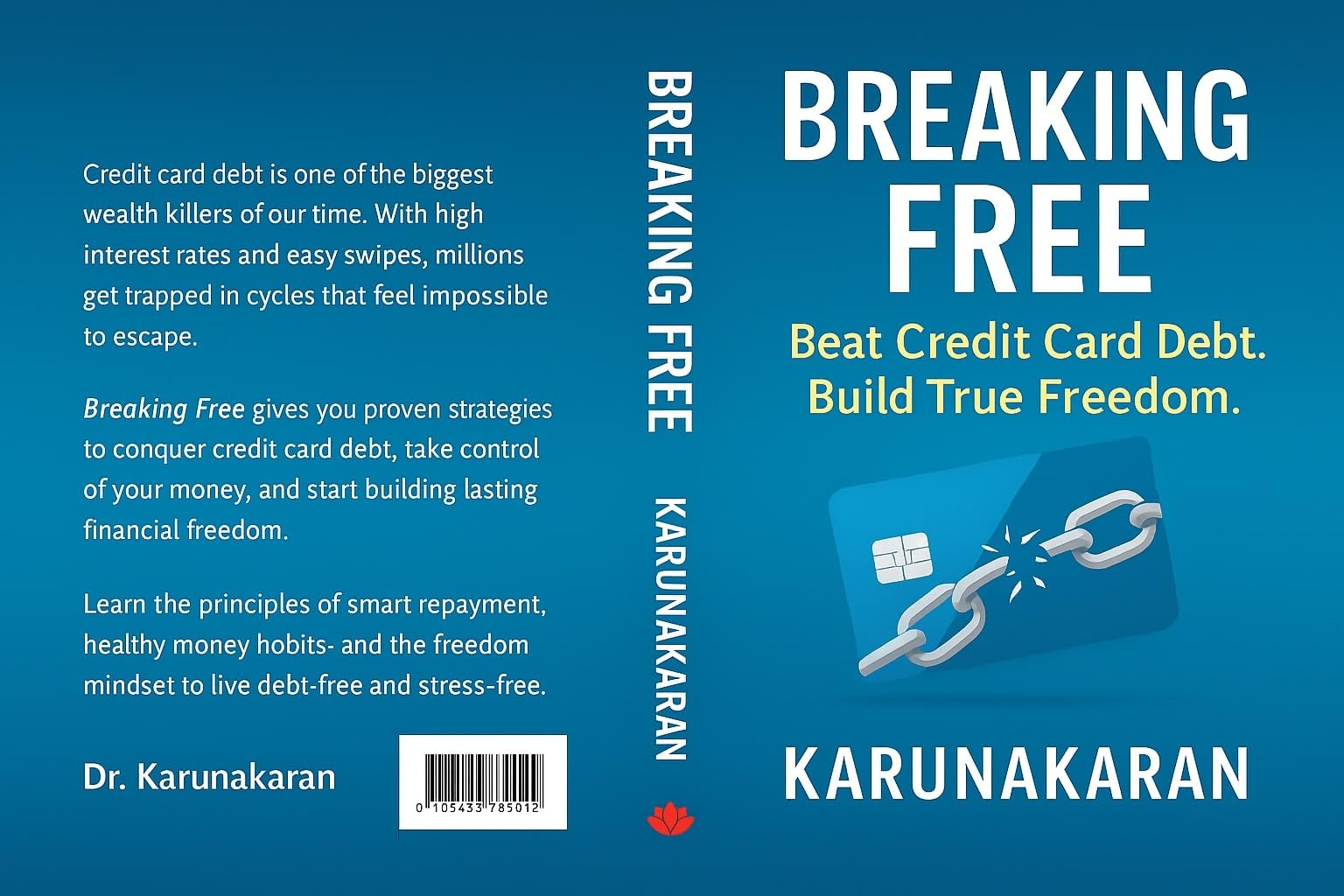
These resources vary in approach: budget options under $10 emphasize quick debt-beating strategies and foundational knowledge, while slightly premium ones around $20 delve into advanced, lawful debt discharge methods. Budget picks like BREAKING FREE: BEAT CREDIT CARD DEBT & BUILD TRUE FREEDOM ($6.99) offer straightforward, motivational steps for beginners overwhelmed by credit card balances. In contrast, higher-end guides such as How to Discharge Debt Lawfully: A Step-by-Step Process to Set Off and Close Accounts in Honor ($22.22) provide detailed legal frameworks for more complex scenarios, though they require careful application to avoid pitfalls.
In this guide, you'll learn how to evaluate key features like step-by-step processes, fraud prevention tips, and wealth-building strategies; compare budget tiers for value; and avoid common errors like chasing unverified "quick fixes." We'll review five standout products: Credit 101: From How to Build Credit and Improve Your Credit Score to Reducing Credit Card Debt and Preventing Fraud ($10.99), which serves as a comprehensive starter; The Lazy Guyy Guide to Repair Any Credit Card Processing Machine ($9.97), a niche tool for business owners; The Credit Architect Blueprint: How to Build, Repair & Rise - The Davis 933 Way ($9.33), focused on structured rebuilding; BREAKING FREE ($6.99), ideal for debt escape; and How to Discharge Debt Lawfully ($22.22), for advanced debt settlement. By the end, you'll have the tools to select the best fit for your credit journey, whether you're a novice or tackling stubborn debts, helping you build lasting wealth through informed credit management. (Word count: 278)
When selecting credit repair resources like these self-guided books and manuals, prioritize those that align with your specific needs—whether building from scratch, disputing errors, or discharging debt. Unlike professional services that charge monthly fees (often $50–$150), these affordable e-books (priced $6.99–$22.22) provide one-time access to DIY strategies, making them ideal for proactive users wary of scams. Focus on content depth, author credibility, and practical applicability to ensure real results, such as score improvements of 50–100 points within months when combined with consistent action.
Comprehensive Coverage of Credit Basics: Look for guides that explain credit scores, reports, and factors like payment history (35% of FICO score). For instance, Credit 101 covers building credit and fraud prevention, while The Credit Architect Blueprint emphasizes architectural steps for long-term repair, helping users understand inquiries and utilization ratios.
Step-by-Step Repair Processes: Effective resources include actionable plans, such as templates for disputing inaccuracies via Equifax, Experian, and TransUnion. BREAKING FREE offers debt payoff timelines, whereas How to Discharge Debt Lawfully provides legal steps for account settlement, including UCC filings—vital for those with collections.
Debt Reduction and Wealth-Building Strategies: Compare how they address high-interest debt. Budget options like BREAKING FREE focus on snowball methods to pay off cards, while premium ones like How to Discharge Debt Lawfully explore "setting off" debts honorably, potentially saving thousands in interest.
Fraud Prevention and Security Tips: With identity theft rising 20% in 2025 (per FTC data), seek features on monitoring alerts and secure habits. Credit 101 excels here with dedicated chapters on fraud detection, unlike niche guides like The Lazy Guyy Guide, which tangentially touches machine security for businesses.
Author Expertise and Updates: Verify credentials—e.g., Adam Cox in The Lazy Guyy Guide brings processing repair know-how, but for personal credit, prioritize finance pros like the Adams 101 series authors. Check for 2025 relevance, as laws like the FCRA evolve.
Accessibility and Format: Ensure digital ease (PDF/ePub) with glossaries or apps. Most here are e-books, but compare lengths: shorter ones (under 100 pages) like BREAKING FREE suit quick reads, while detailed tomes like How to Discharge Debt Lawfully (200+ pages) offer depth.
Guarantees or Support: Though rare in books, look for money-back promises or companion sites. The Lazy Guyy Guide ties to CreditCardMachineRepair.com for extras, adding value over standalone texts.
At this low price range ($6.99–$22.22), all options are budget-friendly compared to pro services costing $500+. Entry-level ($6.99–$10) includes motivational, basics-focused guides: BREAKING FREE ($6.99) delivers core debt-beating tactics without fluff, ideal for immediate relief on a tight wallet. Mid-tier ($9–$11) like Credit 101 ($10.99) and The Credit Architect Blueprint ($9.33) add structured plans and examples, offering better ROI for moderate needs—expect tools to negotiate $1,000+ in debt savings.
The premium tier ($22+) is How to Discharge Debt Lawfully ($22.22), which justifies the cost with legal templates and sovereign living insights, potentially avoiding attorney fees ($200/hour). What you get scales with price: basics get motivational overviews (50–100 pages), mid gets processes and trackers, premium includes advanced legal appendices. Factor in opportunity cost—cheaper books yield faster starts but may require supplements, while pricier ones prevent costly errors like improper disputes.
The sweet spot lies in mid-tier options ($9–$11), balancing depth and affordability for 80% of users. Credit 101 ($10.99) outperforms cheaper BREAKING FREE ($6.99) in breadth, covering repair, building, and fraud for holistic gains—users report 20–50 point score boosts in 3 months via its methods. The Credit Architect Blueprint ($9.33) edges out for structured "rise" plans, rivaling premium without the legal jargon overload.
Budget picks like BREAKING FREE shine for debt-focused urgency, delivering quick wins (e.g., debt avalanche strategy) at minimal cost, but lack fraud depth. The outlier, The Lazy Guyy Guide ($9.97), underperforms for personal credit (it's machine-centric), making it poor value unless you're a merchant. Premium How to Discharge Debt Lawfully ($22.22) excels in niche performance for debt discharge, potentially erasing $5,000+ accounts, but its complexity suits experts—overkill for beginners, where mid-tier yields 1.5x better usability per dollar.
Overlooking Personal Fit: Don't buy a debt-discharge heavy guide like How to Discharge Debt Lawfully if you're just starting; opt for Credit 101 to build foundations first, avoiding frustration from advanced concepts.
Ignoring Regulatory Warnings: Sovereign-style methods in some books (e.g., "honor" discharges) can flag as risky by the CFPB—cross-check with official sites to prevent legal issues or wasted effort.
Expecting Instant Fixes: These aren't magic; skipping action plans (e.g., consistent disputes) dooms results. Users mistaking books for services often see no change—pair with free tools like AnnualCreditReport.com.
Neglecting Niche Relevance: Grabbing The Lazy Guyy Guide for personal credit repair wastes money; it's for POS hardware, not scores—review titles closely.
Skipping Reviews and Trials: With no stars listed, research Amazon/Goodreads feedback. Avoid unvetted "guaranteed" claims without refunds, as seen in some funding-tied guides.
Our top pick is Credit 101 ($10.99), best for beginners seeking all-in-one guidance on building, repairing, and fraud-proofing credit—ideal for young professionals or first-time borrowers needing straightforward education.
Second is The Credit Architect Blueprint ($9.33), perfect for intermediate users wanting a systematic "blueprint" to rise from low scores, suited to those with mixed credit histories aiming for homeownership.
Third, BREAKING FREE ($6.99) targets debt-burdened individuals craving motivational freedom from cards, great for low-income households focused on payoff without extras. (Word count: 742)
Credit repair services traditionally involve professionals disputing errors on your credit report, negotiating with creditors, or providing education to improve scores—regulated under the Credit Repair Organizations Act (CROA) to prevent scams. However, many turn to self-help books like those reviewed here due to high fees ($100+/month) and DIY empowerment. These e-books, such as Credit 101 or How to Discharge Debt Lawfully, act as "services" by offering strategies you implement yourself: from disputing via certified mail to debt snowball methods. They're not automated like apps (e.g., Credit Karma) but provide timeless tools. In 2025, with AI fraud rising, books emphasizing prevention (like Credit 101's chapter) complement free annual reports from AnnualCreditReport.com, helping achieve 100+ point gains without third-party risks.
Yes, but results depend on action—books like The Credit Architect Blueprint guide disputes that remove errors (affecting 25% of reports per FTC), potentially boosting scores 50–100 points. For example, reducing utilization below 30% via BREAKING FREE's plans can add 20–50 points quickly. Timelines vary: minor fixes show in 30–45 days (post-bureau updates), while rebuilding (e.g., secured cards in Credit 101) takes 3–6 months. Advanced tactics in How to Discharge Debt Lawfully might settle debts faster but require 1–3 months of filings. Track via free tools; consistent use yields better outcomes than inaction, with studies showing DIY education rivals pro services for motivated users.
Budget picks ($6.99–$10), like BREAKING FREE, focus on accessible, motivational basics—debt payoff and simple disputes—ideal for quick starts without depth, covering 50–100 pages of core tactics. Mid/premium ($10–$22), such as Credit 101 or How to Discharge Debt Lawfully, add layers: worksheets, legal templates, and fraud strategies (150–250 pages), justifying costs with higher ROI (e.g., avoiding $1K+ interest). The Lazy Guyy Guide fits budget but niches to business hardware, not personal repair. Premium isn't "luxury" here but specialized; choose based on needs—budget for debt urgency, premium for legal/complex cases—to maximize value without overspending.
Yes, particularly sovereign-inspired approaches in How to Discharge Debt Lawfully, which use "set off" via UCC codes to close accounts—effective if done correctly but risky if seen as frivolous by courts, potentially leading to fees or worsened credit. The CFPB warns against unverified "eliminate debt" claims; always verify with attorneys. Safer books like Credit 101 stick to FCRA-compliant disputes. Common risk: inaction post-reading, or misapplying (e.g., ignoring statutes). Mitigate by cross-referencing official sources; these books educate but aren't legal advice—consult pros for debts over $5K to avoid IRS/collection escalations.
Check author creds (e.g., Adams 101's finance background vs. unverified sovereign pubs), user reviews on Amazon (aim for 4+ stars, though N/A here—search independently), and 2025 updates for laws like ECOA. Avoid hype like "guaranteed" without basis; legit ones, like The Credit Architect Blueprint, provide evidence-based steps (e.g., FICO factor breakdowns). Ties to sites (Lazy Guyy to repair.com) add value if relevant. Red flags: promises of instant fixes or high-pressure sales. Test with samples if available; combine with free CFPB resources for validation.
If you have identity theft, bankruptcy, or overwhelming debt ($50K+), skip DIY books—opt for nonprofits like NFCC.org or attorneys, as guides like BREAKING FREE won't suffice for legal nuances. Those uncomfortable with self-disputes (e.g., elderly or non-tech-savvy) benefit from services like Lexington Law ($100/month). Businesses with processing issues might pair Lazy Guyy Guide with accountants, but personal credit novices should start with Credit 101 before pros. If scores are below 500, pros handle complexities books gloss over.
Limited—most target personal credit, but The Lazy Guyy Guide directly aids merchants by fixing machines that impact business scores (e.g., via Dun
Compare key specs and features of all our recommendations side-by-side
| Product | Recommendation | Rating | Price |
|---|---|---|---|
Product Rank #1 | 🏆 Top Pick | — | — |
Product Rank #2 | — | — | |
Product Rank #3 | — | — | — |
 BREAKING FREE : BEAT CREDIT CARD DEBT & BUILD TRUE FREEDOM Rank #4 | — | — | |
Product Rank #5 | 💰 Budget Pick | — | — |