Get the App
Better experience on mobile
A quality mouse is necessary for an optimal gaming experience that will maximize a player’s competitive ability and enjoyment of the game.
In the high-stakes world of gaming, your computer mouse is more than just a pointing device—it's an extension of your hand that can make or break your performance. A subpar mouse can lead to input lag, discomfort during long sessions, and missed opportunities in fast-paced games like FPS titles or MOBAs. Precision, responsiveness, and ergonomics directly influence your aim, reaction time, and overall immersion. With advancements in wireless technology, optical sensors, and lightweight designs, modern gaming mice offer features that rival wired options without the cable drag.
This guide compares budget-friendly options against premium powerhouses, highlighting how investing in quality pays off for competitive players while affordable picks suffice for casual gamers. Budget mice (under $50) often provide solid basics like decent DPI and programmable buttons but may compromise on polling rates or battery life. Premium models (over $100) deliver esports-level specs, such as 8K polling for near-zero latency and ultra-lightweight builds for effortless flicks.
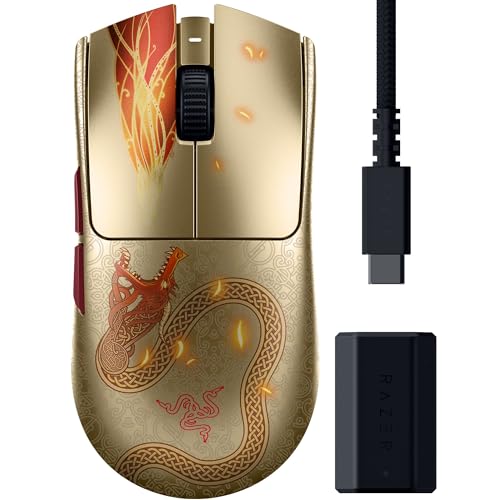
By reading this, you'll learn key features to prioritize, how to balance performance with price, and avoid common pitfalls. We'll dive into five standout products: the Razer Viper V3 Pro Wireless Esports Gaming Mouse (a $179.99 symmetrical beast optimized for pros), the budget Gaming Mouse with Display ($30.99 vertical ergonomic option), and three Rapoo models—the VT3 Gen-2 ($39.99), VT7 MAX ($59.99), and VT2 ($39.99)—all featuring true 8K polling and featherlight 53g designs for value-driven wireless gaming. Whether you're a Counter-Strike 2 enthusiast or a casual player, this guide equips you to pick the mouse that elevates your setup without overspending.
(Word count: 278)
Selecting the best gaming mouse involves evaluating specs that align with your playstyle, whether you're grinding ranked matches or exploring open-world titles. Focus on wireless freedom, sensor accuracy, and customization to avoid frustration from jittery tracking or button fatigue.
Sensor and DPI: The heart of any gaming mouse is its optical sensor. Look for models with at least 20,000 DPI for precise cursor control across monitors. The Razer's 35K DPI optical sensor excels in hyper-accurate tracking, while Rapoo's Nordic nRF54L15 MCU-based sensors in the VT series handle up to 26,000 DPI reliably, outperforming budget generics that cap at 4,000 DPI and struggle with low-sensitivity setups.
Polling Rate: This measures how often the mouse reports position to your PC—higher is better for responsiveness. True 8K Hz (8,000 reports per second) minimizes latency to 0.125ms, ideal for esports. The Razer Viper V3 Pro and all Rapoo VT models hit 8K wirelessly, a leap from the 1K Hz common in cheaper mice like the $30.99 Gaming Mouse with Display, which can feel sluggish in twitch shooters.
Weight and Shape: Lightweight mice (under 60g) reduce fatigue and enable faster movements. The 54g Razer Viper V3 Pro and 53g Rapoo VT series use symmetrical or ergonomic shapes for claw/fingertip grips, contrasting heavier vertical designs like the budget display mouse, which prioritizes wrist health but may slow lateral swipes.
Switches and Buttons: Durability matters—optical switches last 70-120 million clicks without double-clicking issues. Razer's Gen3 optical switches rate for 90 million, while Rapoo's mechanical (100 million) and optical (120 million) options in the VT7 MAX provide tactile feedback. Count programmable buttons: 8-10 allow macro setups, with the Rapoo models offering more for MMO fans versus the Razer's streamlined esports focus.
Battery Life and Connectivity: Wireless mice should last 50+ hours per charge. The Razer Viper V3 Pro delivers 95 hours at 1K polling, but drops at 8K; Rapoo VT2/VT3 hit 750 hours at lower rates, with tri-mode (2.4GHz/Bluetooth/wired) for versatility. Avoid single-mode budget options that drain quickly.
Software and Customization: Robust software like Razer's Synapse enables DPI profiles, RGB syncing, and macros. Rapoo's app supports similar tweaks, but lacks the polish of premium suites, making it harder for RGB enthusiasts.
Ergonomics and Build: Symmetrical shapes suit ambidextrous use, while vertical designs reduce RSI. Premium mice use PTFE feet for smooth gliding; check for grippy coatings to prevent slips during sweaty sessions.
Gaming mice span $30-$180, divided into tiers that reflect capability gaps.
Entry-Level ($30-$50): Basic wireless with 4,000 DPI, 1K polling, and 7-8 buttons. The Gaming Mouse with Display ($30.99) and Rapoo VT2/VT3 ($39.99) offer surprisingly good 8K polling and long battery life (up to 750 hours), but sensors may falter on uneven surfaces. Ideal for beginners or secondary setups—expect plastic builds and limited software.
Mid-Range ($50-$100): Balanced specs like 26,000 DPI, optical switches, and 500+ hour batteries. The Rapoo VT7 MAX ($59.99) shines here with 120-million-click durability and macros, bridging budget and pro without the premium price tag. You get esports viability minus flashy RGB.
Premium ($100+): Top-tier like the Razer Viper V3 Pro ($179.99) with 35K DPI, Gen3 switches, and Counter-Strike 2 tuning. These justify the cost via flawless wireless 8K and 95-hour battery, but overkill for casuals. Perks include lifetime warranties and pro endorsements.
At lower tiers, you sacrifice longevity; higher ones add refinement like low-click-force switches.
The sweet spot lies in mid-range for most gamers: $40-$60 delivers 80-90% of premium performance. Rapoo's VT series exemplifies this—53g weight and 8K polling rival the $180 Razer for a fraction of the cost, with batteries outlasting it by 5-8x at standard use. Budget options like the $30.99 vertical mouse suit ergonomic needs but lag in speed (1K polling), making them 20-30% less responsive in competitive play. Premium shines for pros needing every edge, like Razer's 35K DPI for pixel-perfect sniping, but diminishing returns kick in above $100—unless you're in esports, the Rapoo VT7 MAX at $59.99 offers near-identical polling and lighter weight without the hype tax.
Ignoring Grip Style: Buying a symmetrical mouse if you prefer palm grip can cause cramps; test shapes virtually via reviews. The Razer's claw-friendly design flops for large hands.
Overlooking Polling Rate Impact: Sticking to 1K Hz mice leads to perceptible lag in fast games. Budget generics often advertise "high" rates but deliver wired-only boosts.
Neglecting Surface Compatibility: High-DPI sensors need quality pads; uneven desks amplify tracking errors in cheaper models like the display mouse.
Forgetting Software Lock-In: Brand-specific apps (e.g., Razer's) mean poor cross-compatibility; Rapoo's simpler software avoids bloat but limits advanced RGB.
Chasing RGB Over Substance: Flashy lights drain batteries faster—prioritize specs, as the VT2's minimalism yields 750 hours versus Razer's 95.
Razer Viper V3 Pro ($179.99): Best for competitive esports pros in FPS like Counter-Strike 2. Its 35K DPI and Gen3 switches provide unmatched precision, ideal for those willing to pay for symmetrical perfection and 8K wireless.
Rapoo VT7 MAX ($59.99): Top mid-range pick for value hunters seeking pro-level features. With 120-million optical switches and 500-hour battery, it's perfect for serious gamers on a budget who want macros without compromises.
Gaming Mouse with Display ($30.99): Best for casual players prioritizing ergonomics and affordability. The vertical design reduces wrist strain for long sessions, though it's less suited for high-speed competitive play compared to the sleeker Rapoo or Razer options.
(Word count: 742)
Gaming mice prioritize low-latency sensors, high DPI (dots per inch) for precise aiming, and durable switches rated for millions of clicks, unlike office mice that focus on basic pointing with 1,000-4,000 DPI and simpler 10-million-click buttons. For instance, the Razer Viper V3 Pro's 35K DPI and 8K polling enable sub-millisecond response in fast games, while a standard mouse might introduce 10-20ms lag, causing missed shots. They also feature programmable buttons for macros—Rapoo VT models have 10 for binding complex actions— and lightweight designs (53-54g) to reduce hand fatigue during 5+ hour sessions. Office mice, often heavier (100g+), suit productivity but falter in gaming due to inconsistent tracking on varied surfaces. If you're dual-purposing, opt for versatile picks like the Rapoo VT7 MAX, which handles both without software bloat.
Not anymore with modern tech—true


Compare key specs and features of all our recommendations side-by-side
| Product | Recommendation | Rating | Price |
|---|---|---|---|
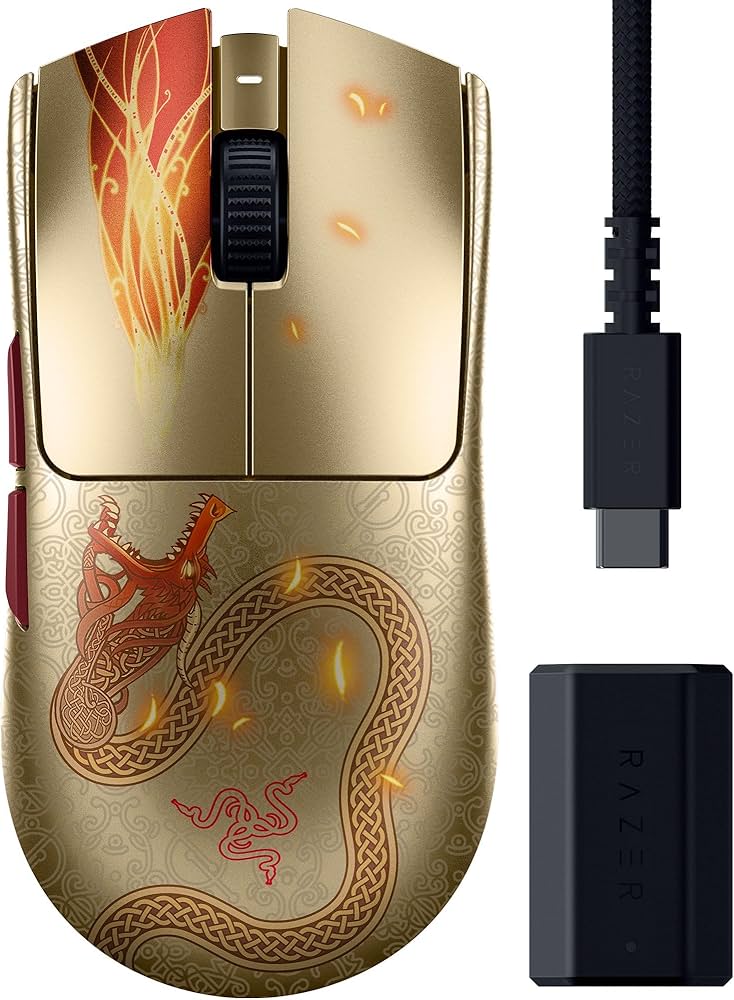 Razer Viper V3 Pro Wireless Esports Gaming Mouse: Symmetrical - 54g - 8K Polling - 35K DPI Optical Sensor - Gen3 Optical Switches - 8 Programmable Controls - 95 Hr Battery - Counter-Strike 2 Edition Rank #1 | 🏆 Top Pick | 4.6 4.6 | |
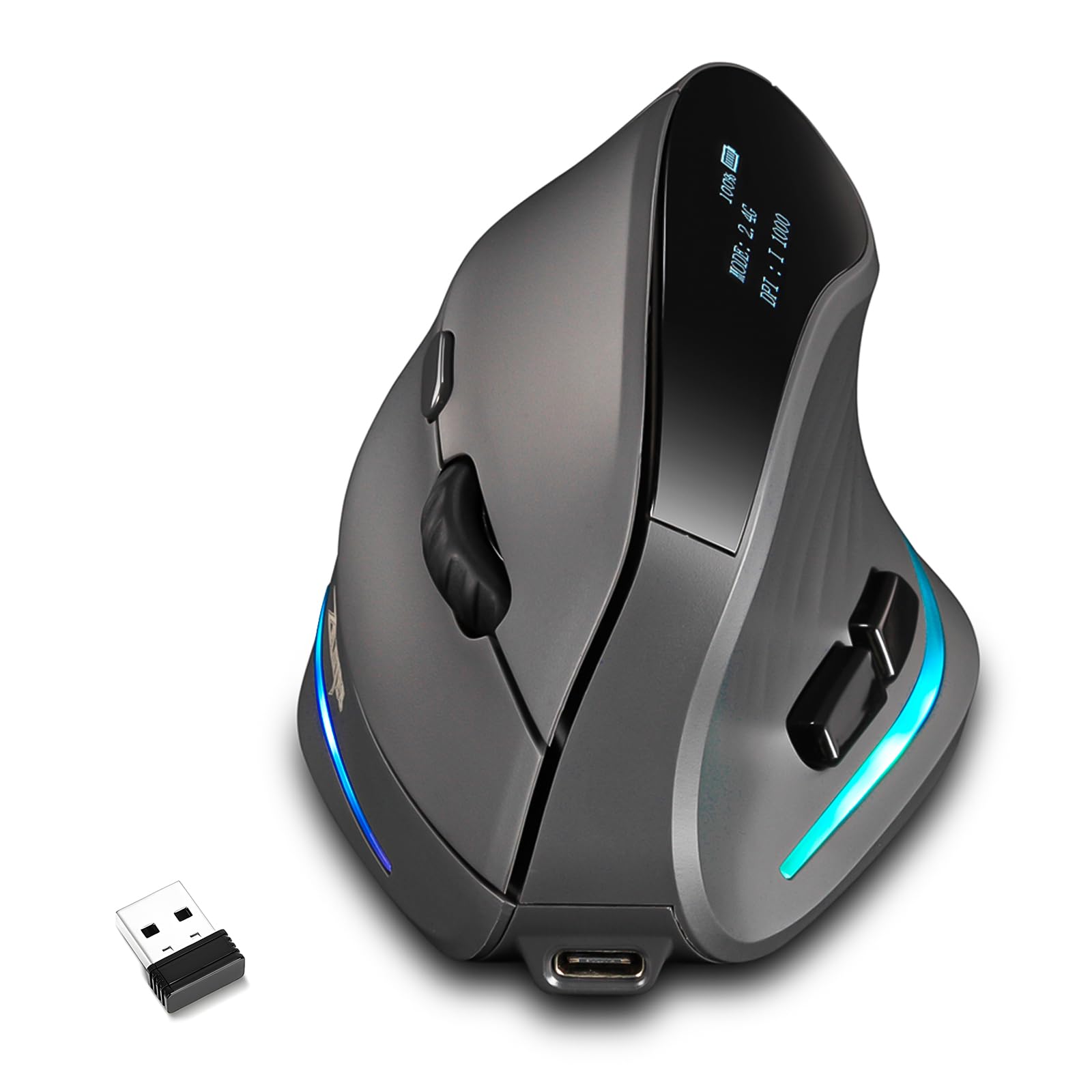 Gaming Mouse with Display, Wireless Vertical Ergonomic Mouse with Tri-Mode Connectivity, 7 Programmable RGB Buttons, 4000 DPI, Rechargeable for PC Laptop Mac Gray Rank #2 | 4.4 4.4 | ||
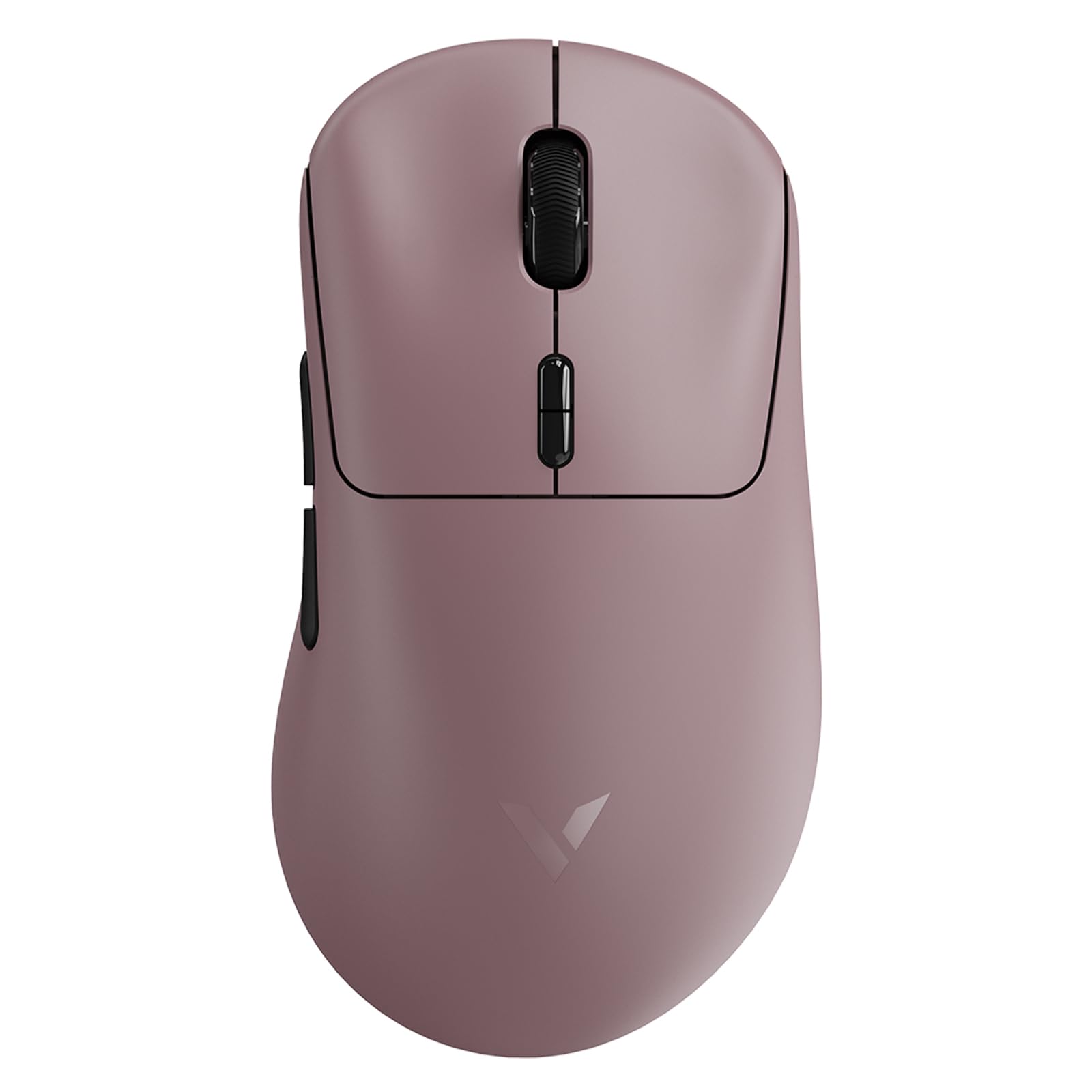 Rapoo VT3 Gen-2 Wireless Gaming Mouse, True 8K Wireless Polling Rate, 53g Lightweight, Up to 750 Hr Battery, Nordic nRF54L15 MCU, 100-Million Mechanical Switch, 10 Programmable Buttons, Macro Enabled Rank #3 | — | — | |
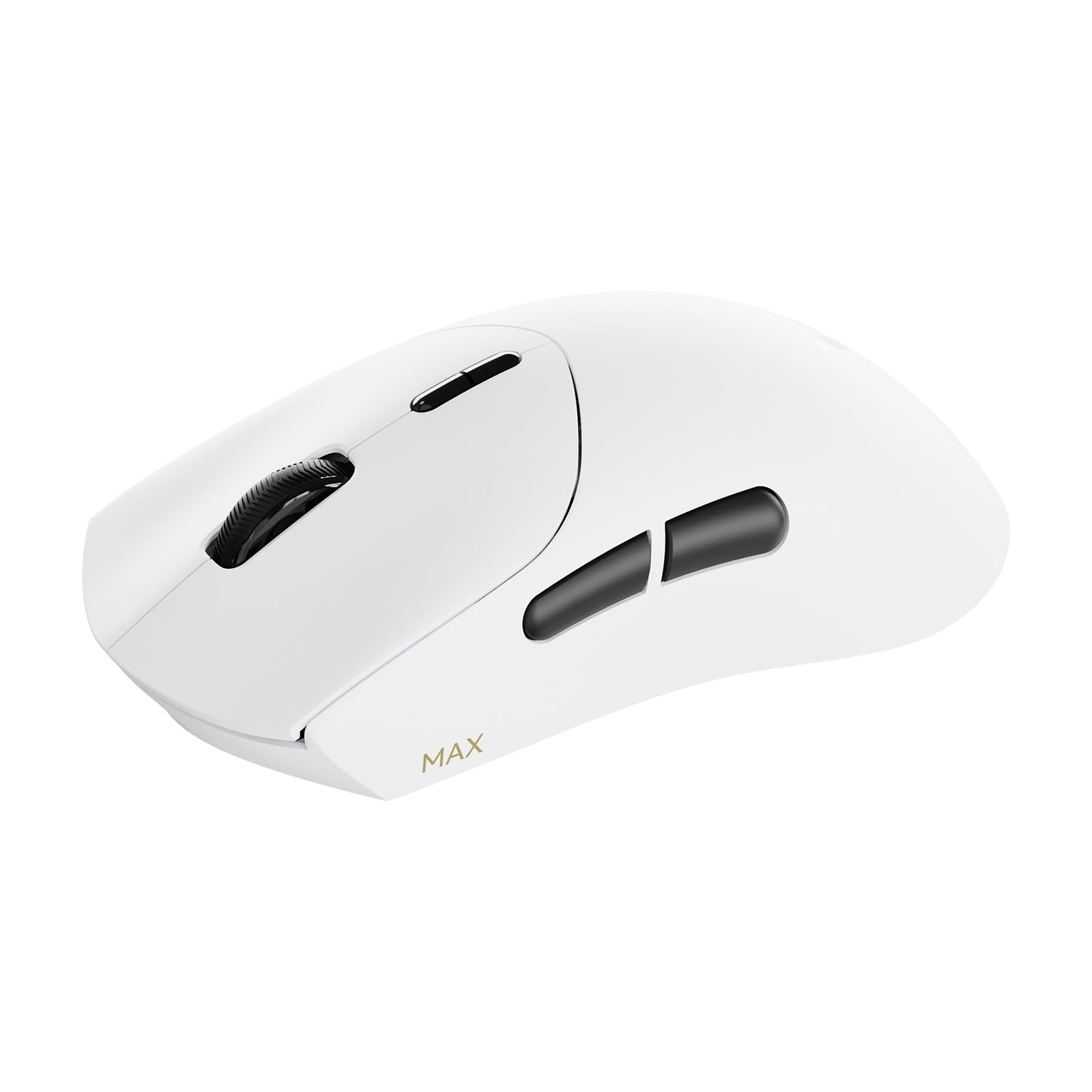 Rapoo VT7 MAX Wireless Gaming Mouse, True 8K Wireless Polling Rate, 53g Lightweight, Up to 500 Hr Battery, Nordic nRF54L15 MCU, 120-Million Optical Switch, 10 Programmable Buttons, Macro Enabled Rank #4 | — | — | |
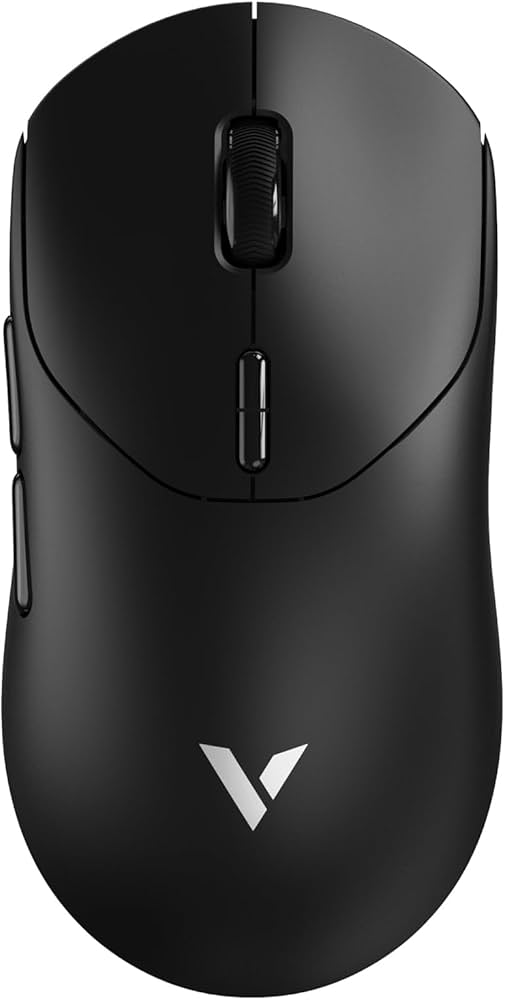 Rapoo VT2 Wireless Gaming Mouse, True 8K Wireless Polling Rate, 53g Lightweight, Up to 750 Hr Battery, Nordic nRF54L15 MCU, 100-Million Mechanical Switch, 10 Programmable Buttons, Macro Enabled Rank #5 | 💰 Budget Pick | — |
