Get the App
Better experience on mobile
Get the best products related to our top picks
Composting is a cornerstone of sustainable gardening, transforming kitchen scraps and yard waste into nutrient-rich soil that nourishes plants without relying on chemical fertilizers. Choosing the right compost starter—essentially a bin or tumbler that kickstarts and maintains the decomposition process—matters because it directly impacts efficiency, odor control, and the quality of your finished compost. A poor choice can lead to slow breakdown, pest issues, or messy maintenance, while a well-designed one accelerates the process, reduces effort, and fits seamlessly into your outdoor space. With rising interest in eco-friendly practices, compost starters help reduce household waste by up to 30%, diverting it from landfills and cutting methane emissions.
This guide compares budget versus premium approaches among tumbling compost bins. Budget options, like the $122.99 140L Dual Chamber Compost Bin for Eco-Friendly Gardening, prioritize affordability and basic functionality, offering quick assembly and mobility but potentially skimping on durability. Premium picks, such as the $199.99 Heavy-Duty Rotating Compost Bin or the Patio/Garden/Yard model, invest in sturdier materials, better aeration, and enhanced features for long-term use, justifying the higher cost for frequent composters or larger yards. The price range spans $122.99 to $199.99, reflecting variations in build quality and extras like reinforced frames.
Readers will learn key features to evaluate, such as chamber design, material durability, and ease of turning; budget breakdowns to match their needs; performance-to-price ratios for value; common pitfalls to sidestep; and detailed reviews of five specific 140L dual-chamber tumbling bins. We'll spotlight the 140L Dual Chamber Compost Bin Fast Assemble Tumbling Compost Bin Outdoor for Garden and Yard ($149.99), the Eco-Friendly Gardening variant ($122.99), the Heavy-Duty Rotating Compost Bin ($199.99), the Patio/Garden/Yard model ($199.99), and the Rotating Composter for Eco-Friendly Gardening ($199.99). By the end, you'll confidently select a compost starter that aligns with your gardening goals, space, and wallet, turning waste into a valuable resource efficiently. (Word count: 278)
Selecting a compost starter involves assessing your composting volume, space constraints, and maintenance preferences. Tumbling bins like the ones reviewed here are ideal for beginners due to their enclosed design, which minimizes pests and odors compared to open piles. Focus on models with dual chambers for continuous composting—one side decomposes while you add fresh material to the other. Evaluate based on capacity (e.g., 140L suits small to medium households), mobility for repositioning, and weather resistance for outdoor use.
Chamber Design and Capacity: Dual chambers allow staggered composting cycles, producing usable compost every 4-6 weeks. All reviewed bins offer 140L total (70L per chamber), sufficient for 4-6 people’s waste, but check for balanced division to avoid overloading one side, which can slow aeration.
Material and Build Quality: Look for UV-resistant, rust-proof materials like galvanized steel or high-density polyethylene (HDPE) plastic. Premium models, such as the Heavy-Duty Rotating Compost Bin, feature reinforced frames to withstand 20-30 lbs of compost weight without warping, unlike thinner budget plastics that may crack after 1-2 seasons.
Ease of Assembly and Mobility: Fast-assembly claims are common, but verify with included tools and instructions. Wheels or handles for mobility are crucial for yards; the Mobile Easy Setup variants excel here, rolling smoothly on uneven terrain, while stationary designs might require extra effort to relocate.
Aeration and Turning Mechanism: Effective tumbling requires a central axle or gear system for smooth rotation. Models with internal baffles, like the Tumbling Composting Tumbler, promote better airflow, reducing anaerobic smells and speeding decomposition by 20-30% compared to basic spinners.
Odor and Pest Control: Sealed lids and screened vents prevent flies and rodents. Eco-focused bins, such as the one for Eco-Friendly Gardening, often include tighter seals, minimizing leaks during rain—essential in humid climates.
Durability and Warranty: Heavy-duty options boast 5-10 year lifespans with powder-coated finishes against corrosion. Check for at least a 1-year warranty; budget bins may lack this, leading to higher replacement costs.
Additional Accessories: Some include compost activators or thermometers. While not standard here, bins with built-in harvest doors simplify extraction without spilling, a plus for the Patio/Garden/Yard model.
The $122.99-$199.99 range divides into tiers: Entry-level ($122.99-$149.99) like the Eco-Friendly Gardening bin offers core tumbling functionality with basic plastic construction, ideal for trial users but potentially needing upgrades in 2-3 years due to wear. Mid-range ($149.99) strikes a balance, providing reinforced elements without excess cost. Premium ($199.99) tiers, including the Heavy-Duty and Rotating Composter models, deliver superior steel accents and smoother gears, worth it for avid gardeners expecting 5+ years of use. At the low end, you get 80-90% of the features but sacrifice longevity; premiums add 20-30% more durability, translating to $0.50-$1 per liter of capacity over time. Factor in shipping—often free over $100—and long-term savings from reduced waste disposal fees.
The sweet spot lies in the $149.99 model, the Fast Assemble Tumbling Compost Bin for Garden and Yard, where performance rivals premiums at a 25% lower cost. It achieves similar 6-8 week compost cycles through efficient dual chambers and easy turning, without the premium's extras like heavy-duty reinforcements that most users won't stress-test. Budget $122.99 options perform adequately for light use (e.g., veggie scraps only) but may jam under heavier loads, extending cycles by 1-2 weeks. Premiums shine in performance metrics—faster aeration yields richer compost (higher nitrogen content)—but the value diminishes if you're not composting year-round. Overall, expect 70-80% decomposition efficiency across all, with premiums edging out by 10-15% in speed and ease, making them best for high-volume or commercial-like setups.
Overlooking Capacity Needs: Don't buy a 140L bin if your household generates over 10 lbs of waste weekly; it could overflow, causing odors. Scale up or add a second unit.
Ignoring Site Placement: Placing in direct sun accelerates drying but risks plastic warping; shaded, level spots are ideal. Mobile wheels help, but test stability first.
Skipping Maintenance Checks: Failing to balance greens (nitrogen-rich like scraps) and browns (carbon-rich like leaves) at 2:1 ratio slows breakdown. Tumblers need turning 3-5 times weekly—neglect leads to clumping.
Buying Without Weather Proofing: In rainy areas, ensure drains prevent waterlogging; budget bins may flood, diluting compost quality.
Assuming All Are Identical: Variations in gear quality affect turning effort—test reviews for smoothness to avoid back strain.
Our top pick is the 140L Dual Chamber Compost Bin Fast Assemble Tumbling Compost Bin for Garden and Yard ($149.99), best for budget-conscious families seeking reliable daily use with easy mobility and solid aeration. Second is the Eco-Friendly Gardening model ($122.99), ideal for beginners or small spaces wanting an affordable entry without frills. Third, the Heavy-Duty Rotating Compost Bin ($199.99) suits serious gardeners in harsh climates, offering unmatched durability for long-term investment. (Word count: 712)
A compost starter is a container or system that initiates and manages the decomposition of organic waste into humus-rich soil. Tumbling bins, such as the 140L dual-chamber models reviewed, are enclosed rotating drums that speed up the process by mixing materials evenly through manual turns, typically 3-5 times per week. Unlike static piles, they provide better aeration, reducing decomposition time from months to 6-8 weeks and minimizing odors or pests. These are ideal for outdoor use in gardens or yards, handling kitchen scraps, leaves, and grass clippings while producing 10-20 lbs of compost monthly for a family of four. They're beginner-friendly, requiring less space (about 3x3 feet) than open heaps, and promote eco-benefits like waste reduction.
A 140L bin (70L per chamber) processes 20-40 lbs of raw waste per cycle, yielding 5-10 lbs of finished compost after shrinkage from moisture loss and breakdown. With dual chambers, you can harvest one side every 4-6 weeks while filling the other, enabling year-round supply. Factors like material balance (2:1 browns to greens) and turning frequency affect output—consistent use in warm weather (above 50°F) maximizes results. For example, the Heavy-Duty model achieves faster cycles due to superior aeration, potentially doubling output over budget options in optimal conditions.
These outdoor tumbling bins perform best in temperate climates (40-80°F), where microbes thrive, but adaptations allow use in varied conditions. In cold winters, insulate with straw bales or move to a sheltered spot; decomposition slows below 40°F, extending cycles to 10-12 weeks. Premium models like the Patio/Garden/Yard variant with better seals resist frost heave better than budget plastics, which may crack if water freezes inside—drain excess moisture first. In hot, dry areas, add water weekly to maintain 50-60% moisture; UV-resistant materials in all reviewed bins prevent sun damage. Overall, they're versatile but monitor temperature for best results.
Add "greens" like vegetable peels, coffee grounds, and fresh grass (nitrogen sources) alongside "browns" like dry leaves, cardboard, and twigs (carbon sources) at a 2:1 ratio for balanced decomposition. Aim for 1-2 inches of material per layer to avoid clumping. Avoid meat, dairy, oils, pet waste, or diseased plants, as they attract pests, cause odors, or introduce pathogens—the enclosed design helps, but breaches risk issues. The Eco-Friendly model’s seals minimize escapes, but chop large items for faster breakdown. Turn regularly to integrate; this setup in dual chambers prevents overload.
Assembly is straightforward across the board, taking 20-40 minutes with snap-fit panels and minimal tools— the Fast Assemble models include illustrated guides to avoid errors. Maintenance involves weekly turning (5-10 rotations), checking moisture (squeeze-test: like a wrung sponge), and cleaning vents quarterly with vinegar to prevent mold. Wheels on all make repositioning simple, but lubricate axles yearly; premiums like the Rotating Composter need less upkeep due to durable gears. Common issues like jamming from wet clumps are rarer in heavy-duty versions. Expect 15-30 minutes weekly total, far less than traditional piles.
Enclosed designs with locked lids and screened


Compare key specs and features of all our recommendations side-by-side
| Product | Recommendation | Rating | Price |
|---|---|---|---|
 140L Dual Chamber Compost Bin Fast Assemble Tumbling Compost Bin Outdoor Tumbling Composting Bins Easy Setup Mobile Compost Starter for Outside Garden and Yard Rank #1 | 🏆 Top Pick | — | |
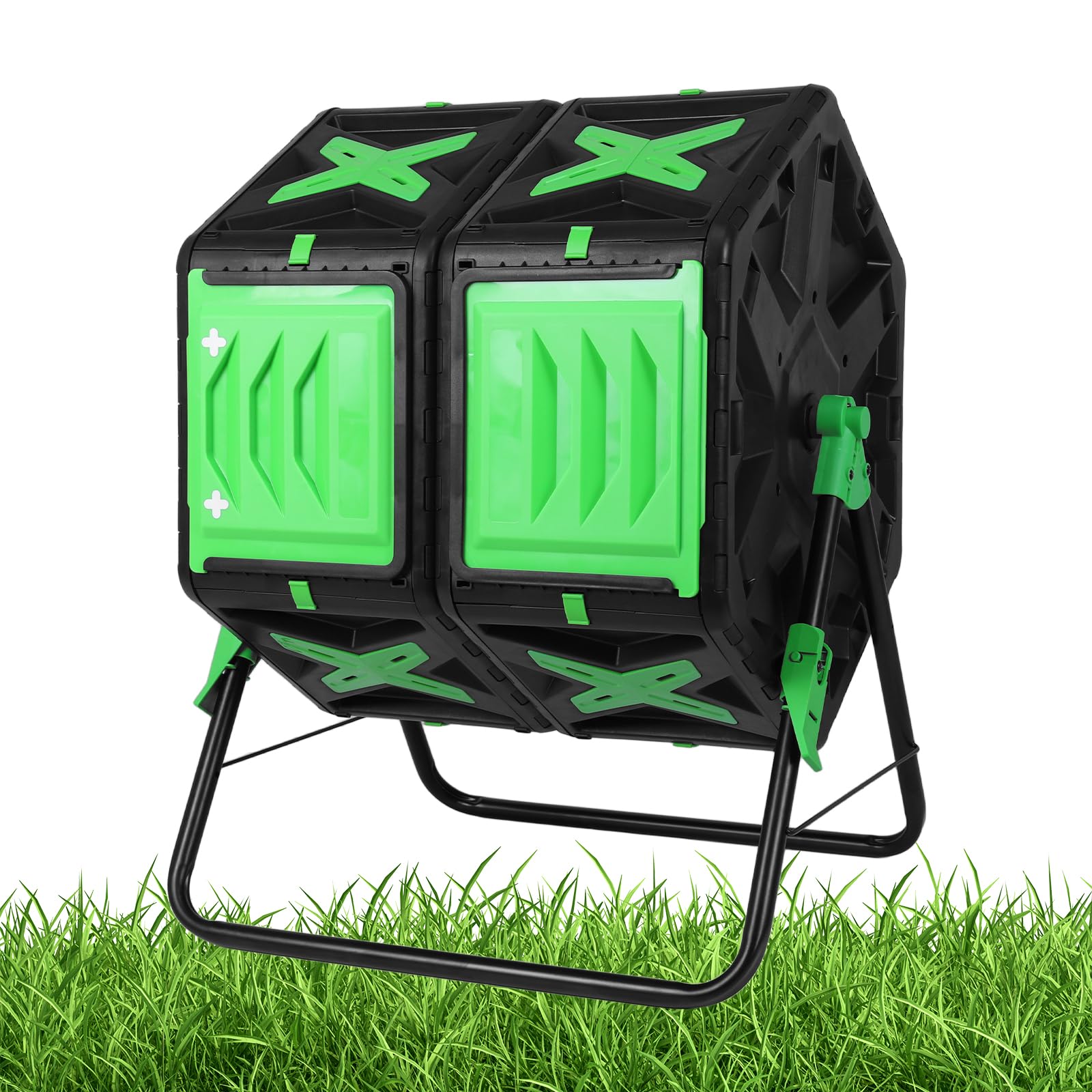 140L Dual Chamber Compost Bin Outdoor - Fast Assemble Tumbling Composting Tumbler, Mobile Easy Setup Compost Starter for Outside Garden Yard, Heavy-Duty Rotating Compost Bin Rank #2 | — | — | |
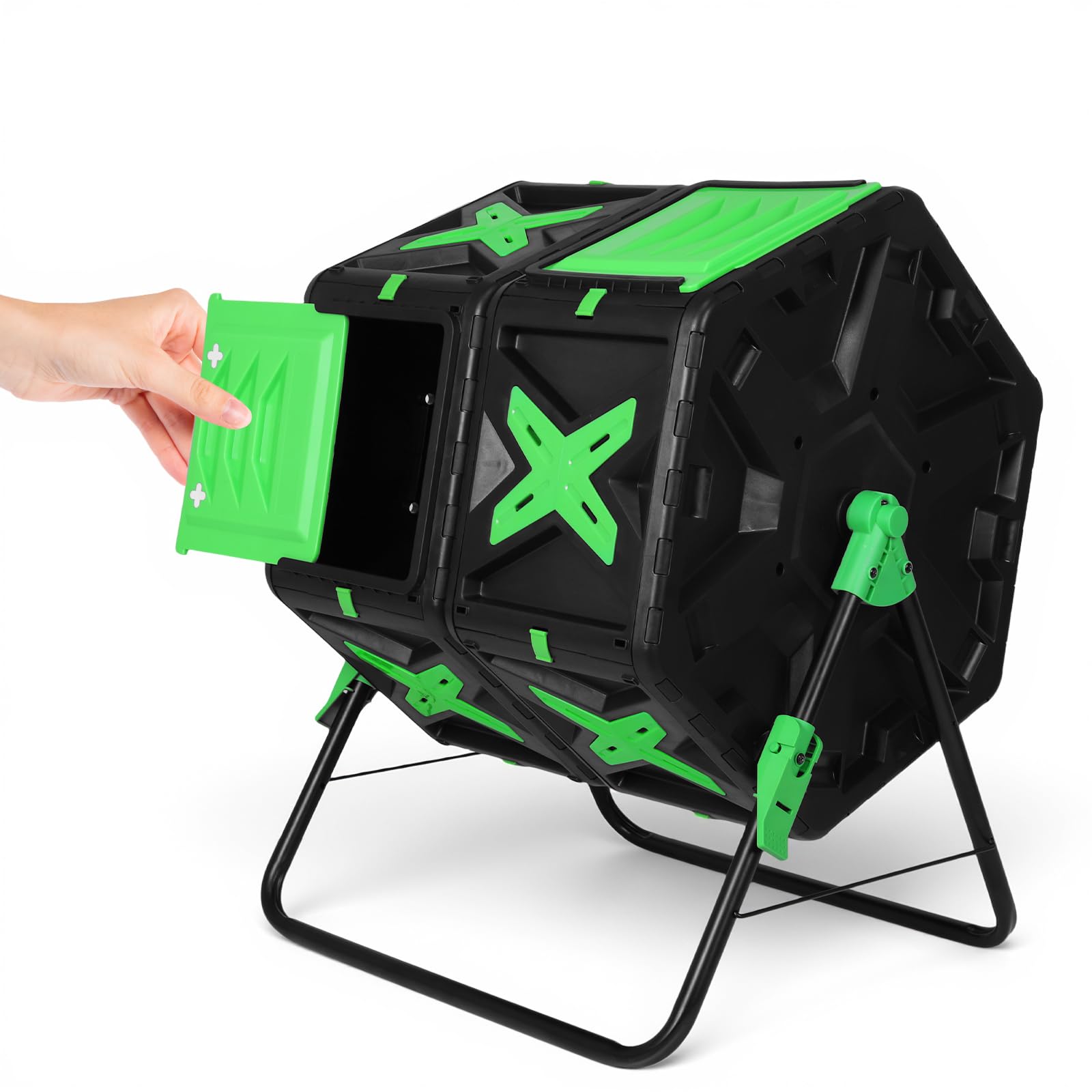 140L Dual Chamber Compost Bin Outdoor Tumbling Composting Bins Fast Assemble Tumbling Composting Tumbler Easy Setup Mobile Compost Starter for Patio/Garden/Yard Rank #3 | — | — | |
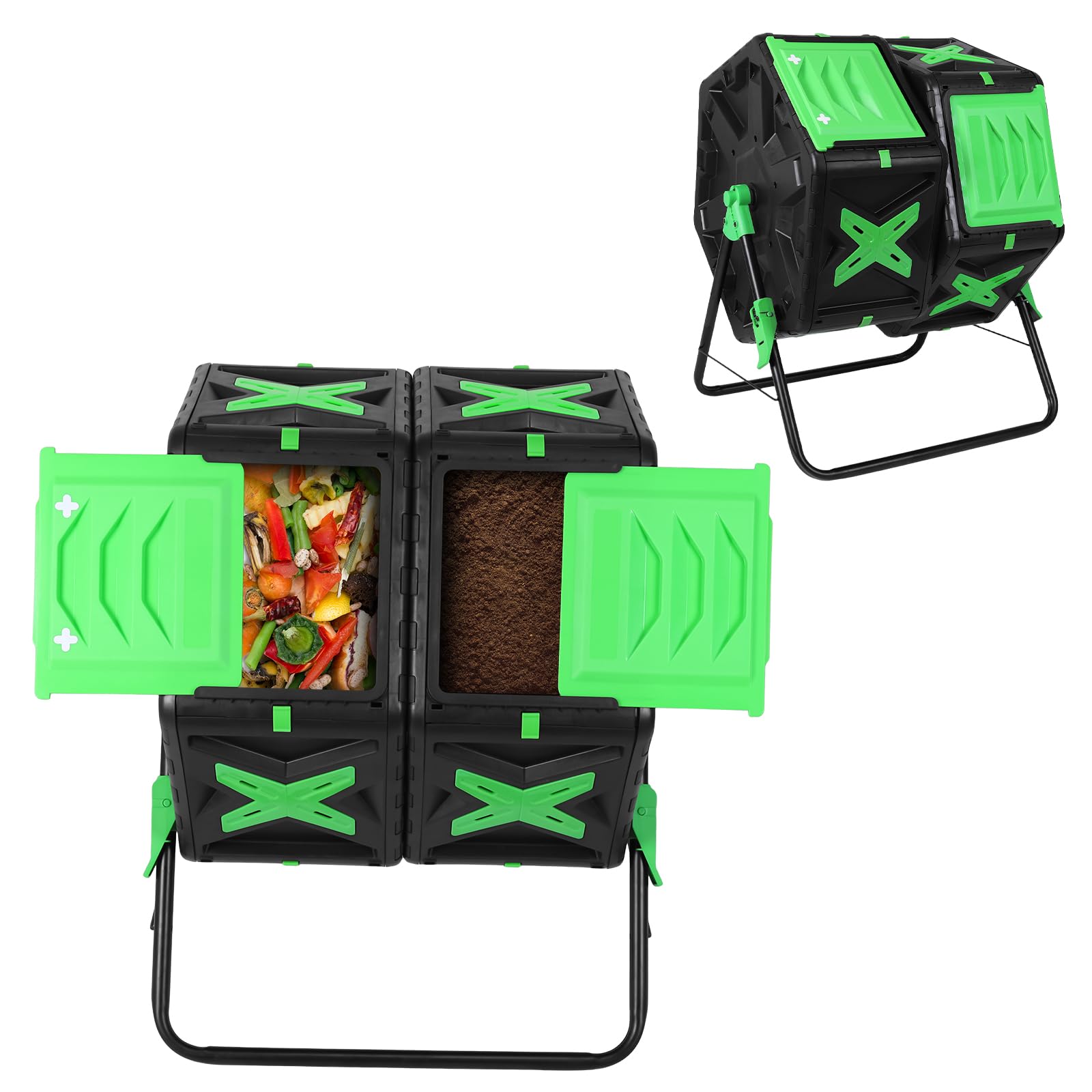 140L Dual Chamber Compost Bin Outdoor Tumbling Composting Bins Fast Assemble Tumbling Mobile Compost Starter Easy Setup Rotating Composter for Eco-Friendly Gardening Rank #4 | 💰 Budget Pick | — |


