Get the App
Better experience on mobile
From budget drip machines to premium espresso and manual brewers, these are the coffee makers worth your counter space in 2026.
A great coffee maker isn’t about bells and whistles—it’s about turning ground beans into a cup you actually want to finish. That means consistent temperature, even extraction, and clean taste, batch after batch. The best machine for you depends on how you brew: do you want set-it-and-forget-it drip, quick single-serve pods, or hands-on manual methods?
The good news is that you don’t need to spend $500 to get an excellent cup. We’ve sifted through dozens of popular models, looking at build quality, brew performance, and real-world usability, to bring you a shortlist of eight top performers across every category. From reliable budget brewers to a manual favorite, plus espresso and cold brew specialists, this guide covers the machines that consistently earn praise from coffee enthusiasts and casual drinkers alike.
In this guide, we’ll walk you through what to consider before buying—think carafe material, capacity, programmability, and maintenance—so you can make an informed choice. We’ve also factored in long-term durability and just how much hassle each machine is to clean, because the best coffee maker is one that fits your routine.
Whether you’re upgrading from a decade-old percolator or starting your home coffee journey fresh, these picks represent the best of what 2026 has to offer. No hype, no gimmicks—just great coffee.
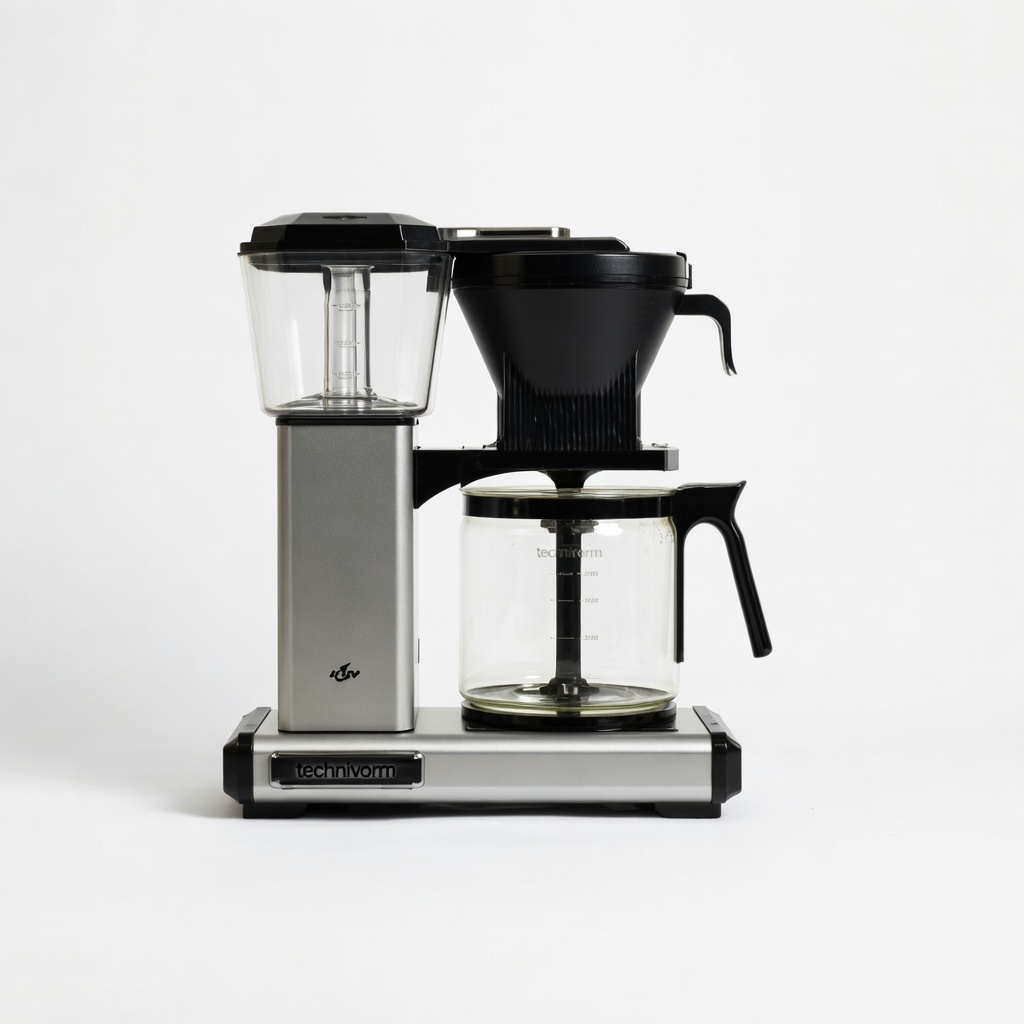
The Moccamaster consistently brews a perfect pot, thanks to its copper boiling element and precise 196–205°F brewing temperature. The 40-ounce thermal carafe keeps coffee hot for hours, and the simple, durable design is made to last. The trade-off is the high price and lack of programmability—you have to turn it on manually.
Main limitation: The Moccamaster’s $350 price and lack of a program timer make it a commitment for those who want a hands-off morning.
Skip if: If you need a machine that brews on a schedule or you’re working with a tight budget, this isn’t the one.
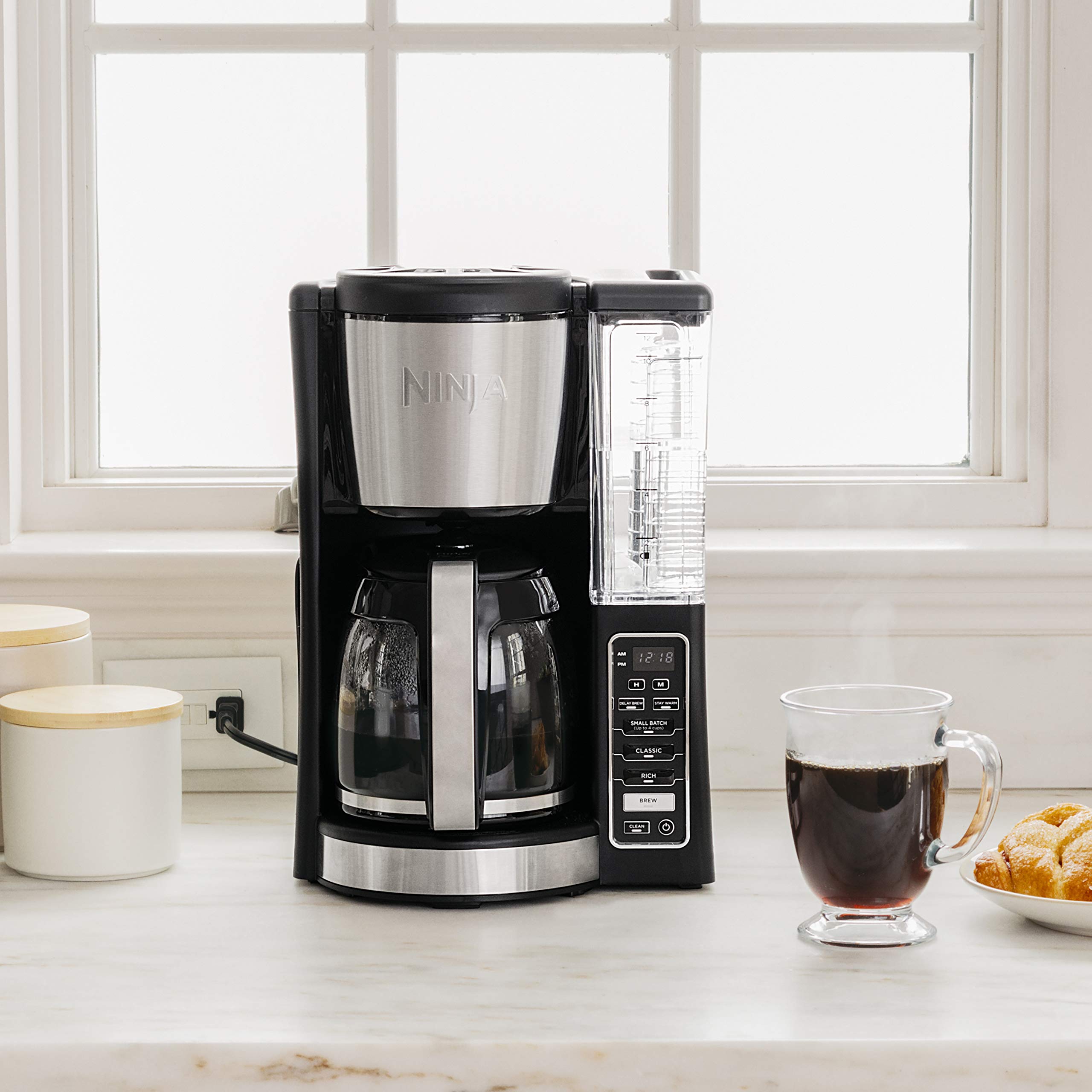
The Ninja CE201 proves you don’t need to spend a lot to get great coffee. It brews a full carafe in under 10 minutes, has a 'Rich' setting for a stronger cup, and the 24-hour programmable timer makes mornings easy. The main compromise is the glass carafe, which doesn’t keep coffee as hot as thermal options, so you’ll need to finish the pot sooner.
Main limitation: The glass carafe allows coffee to burn if left too long, and the build feels a bit plasticky compared to premium rivals.
Skip if: If you want a thermal carafe or you’re constantly brewing for a large crew, this budget-friendly machine may not suffice.
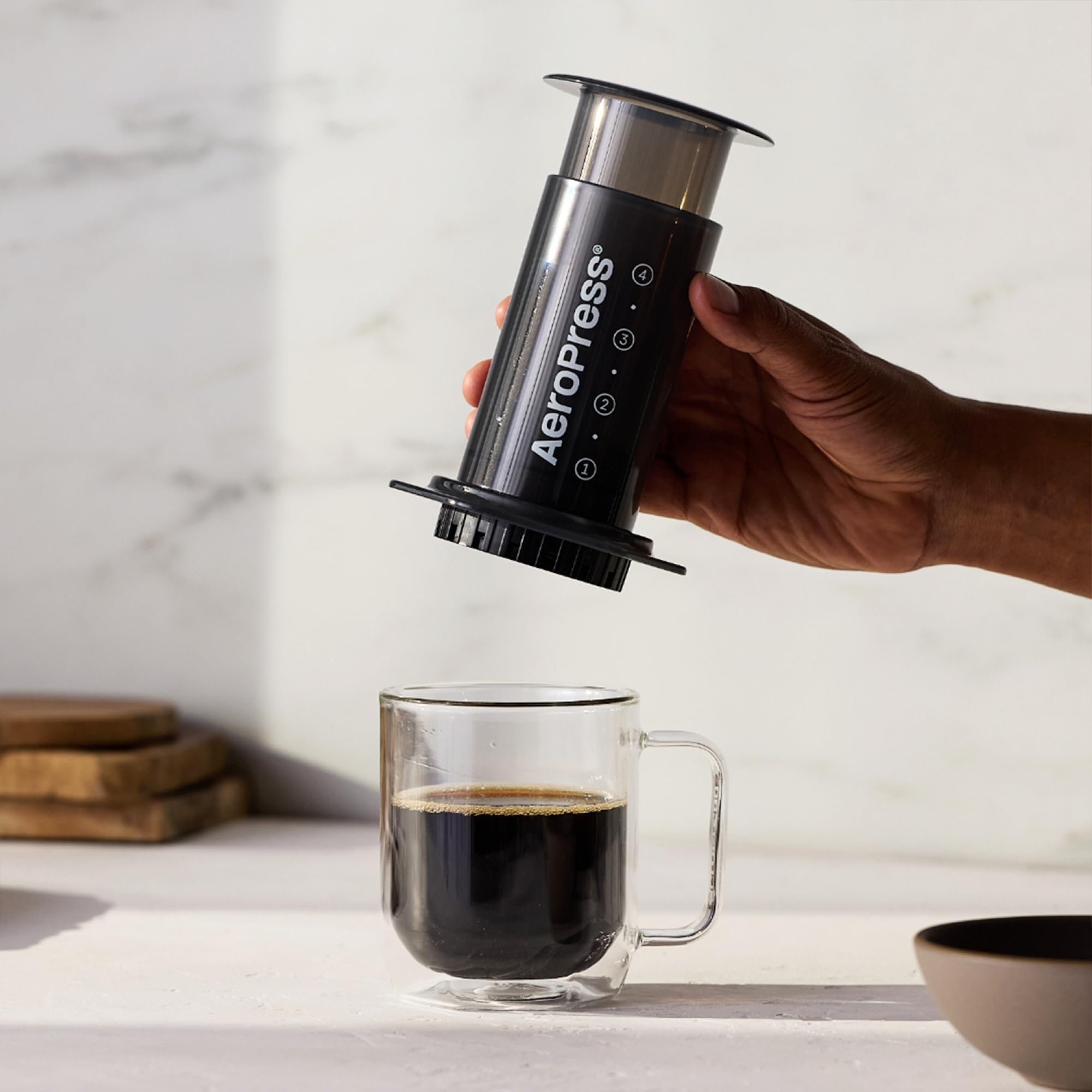
The AeroPress makes a smooth, rich cup of coffee in under two minutes, with minimal mess and plenty of room for experimentation. It’s lightweight, nearly indestructible, and perfect for travel or camping. The trade-off is single-serve capacity and the need to buy filter papers (or a reusable metal filter).
Main limitation: It brews only one cup at a time and requires manual effort, which might be a dealbreaker for busy mornings.
Skip if: If you’re looking for a pot maker to serve a family, the AeroPress is not that—go with a drip machine instead.
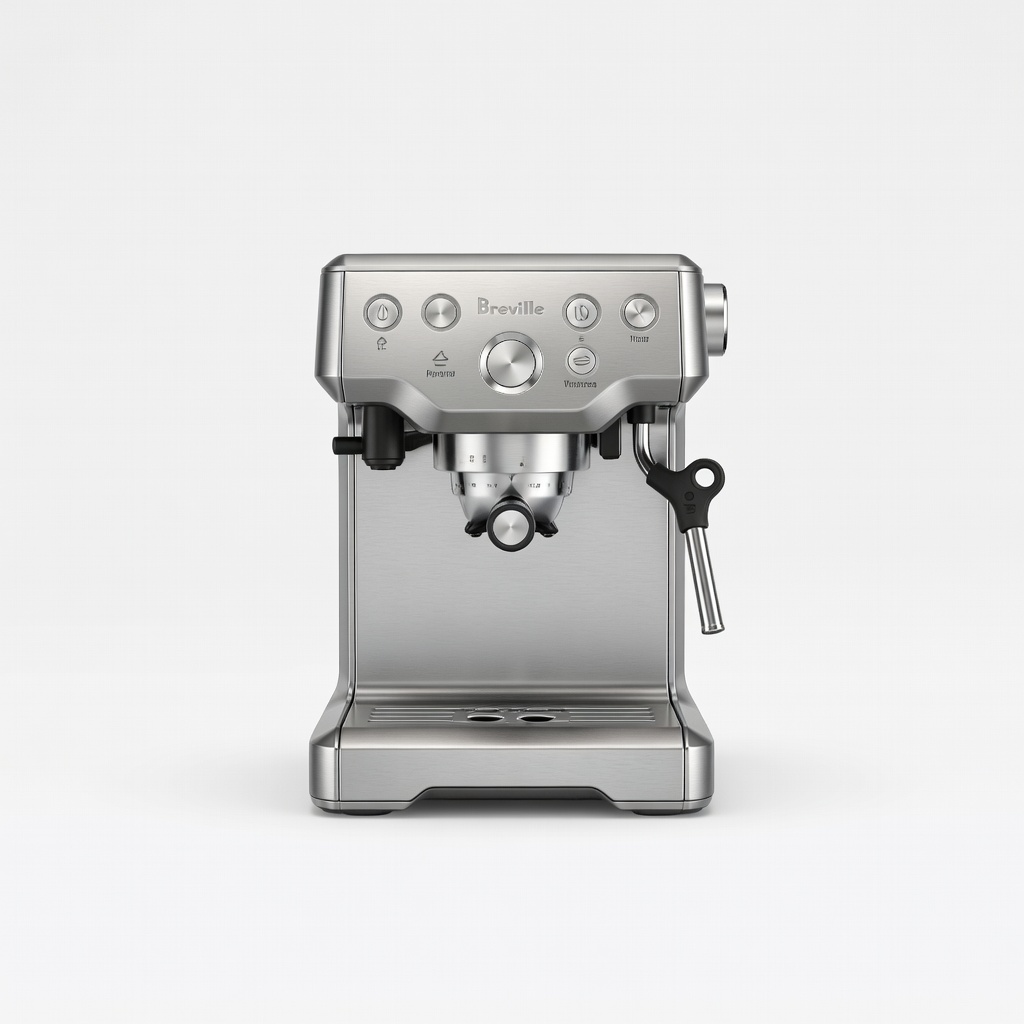
The Bambino Plus takes the intimidation out of home espresso with automatic micro-foam milk texturing and precise temperature control. It heats up in just five seconds, making it perfect for a quick latte before work. The main downside is the smaller portafilter basket and the learning curve for dialing in espresso grind, which may frustrate those who want pure convenience.
Main limitation: Not for those wanting a super-automatic machine that grinds and doses for you; you’ll still need a separate grinder for the best results.
Skip if: If you primarily drink black drip coffee, this espresso machine is overkill and costly.
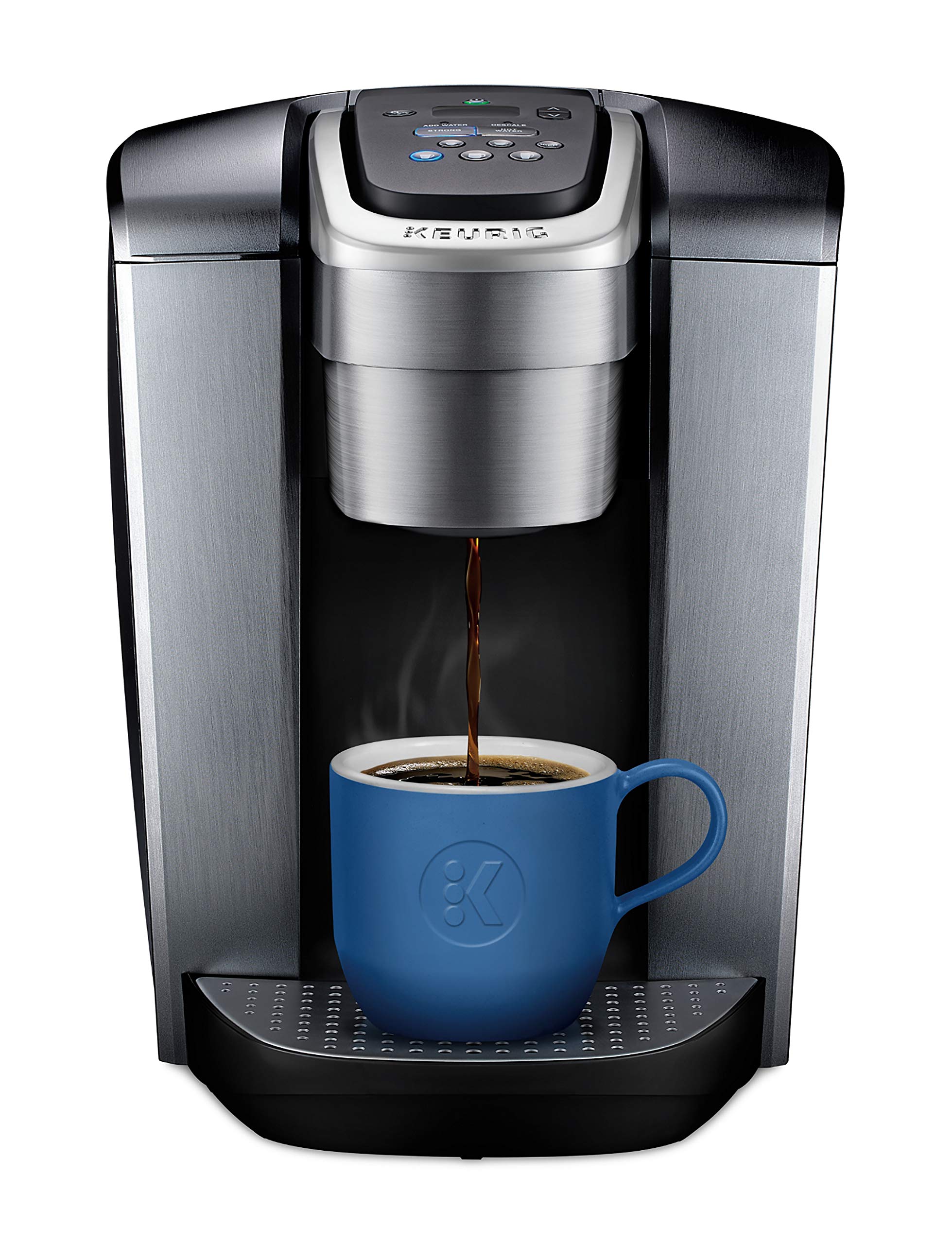
The K-Elite is a polished single-serve machine that offers five cup sizes, a strong iced coffee setting, and a hot water dispenser for tea or oatmeal. It’s fast, mess-free, and perfect for people who want one cup without waiting for a full pot. The trade-off is the ongoing cost of pods and a less fresh flavor compared to ground coffee.
Main limitation: Pods add up in cost and produce plastic waste, and the brew is rarely as fresh-tasting as a drip or espresso.
Skip if: If you care about environmental footprint or are looking for exceptional flavor, skip pod machines.
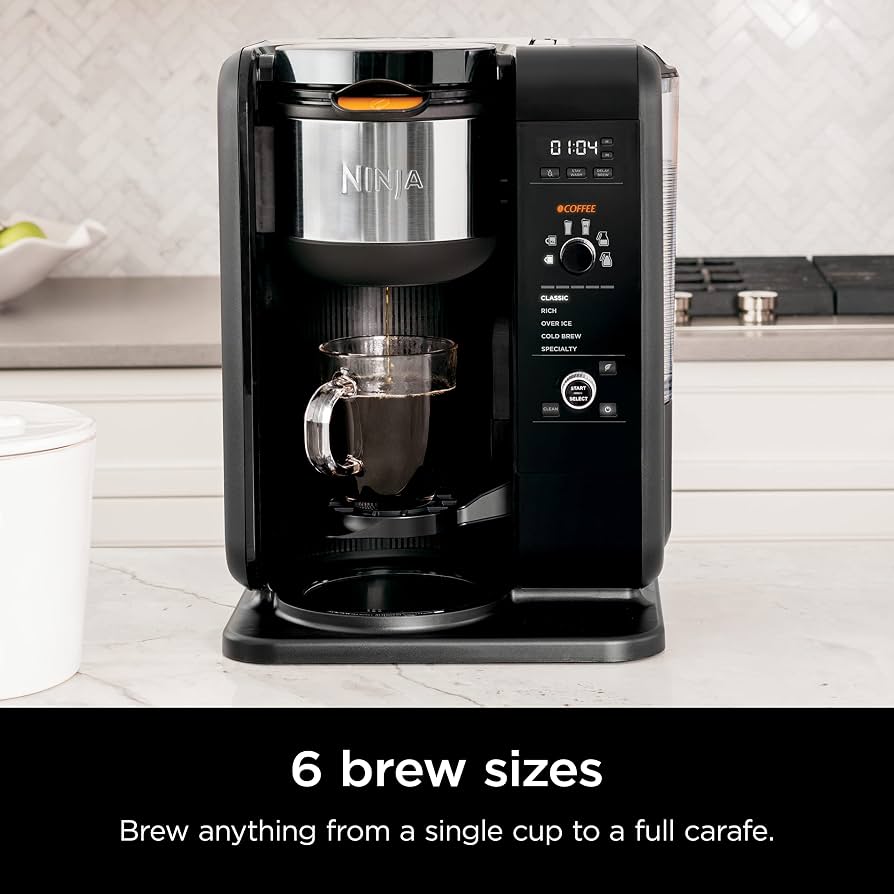
The Ninja Specialty is a versatile all-in-one that does more than drip: it also produces cold brew concentrate in just 45 minutes. It includes six brew styles and a fold-away frother, making it easy to switch from a bright morning pot to an afternoon iced latte. Its main drawback is a large countertop footprint and the need for extra cleaning after cold brew cycles.
Main limitation: Large footprint and a brew basket that needs frequent cleaning, plus the cold brew option uses extra grounds.
Skip if: If you’re a pure cold brew connoisseur, get a dedicated cold brew maker instead; this is better as a multi-tasker.
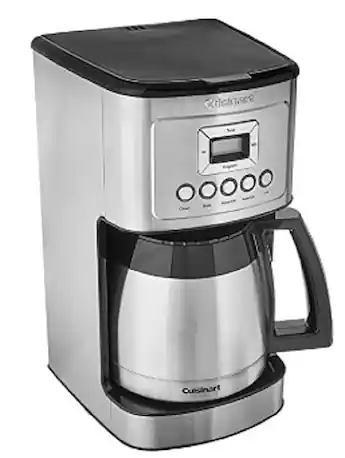
The DCC-3200 is a full-size 12-cup coffee maker with adjustable temperature settings, brew strength control, and a charcoal water filter. It’s designed to serve a crowd, with a pause-and-serve feature for grabbing a quick cup mid-brew. The main trade-off is a glass carafe that doesn’t retain heat as well as thermal models, and the machine’s bulky footprint.
Main limitation: Glass carafe doesn’t heat as evenly as thermal carafes, and the machine has a bulky design that eats up countertop space.
Skip if: If you’re brewing for one or two, this machine is overkill—try a more compact drip or single-serve.
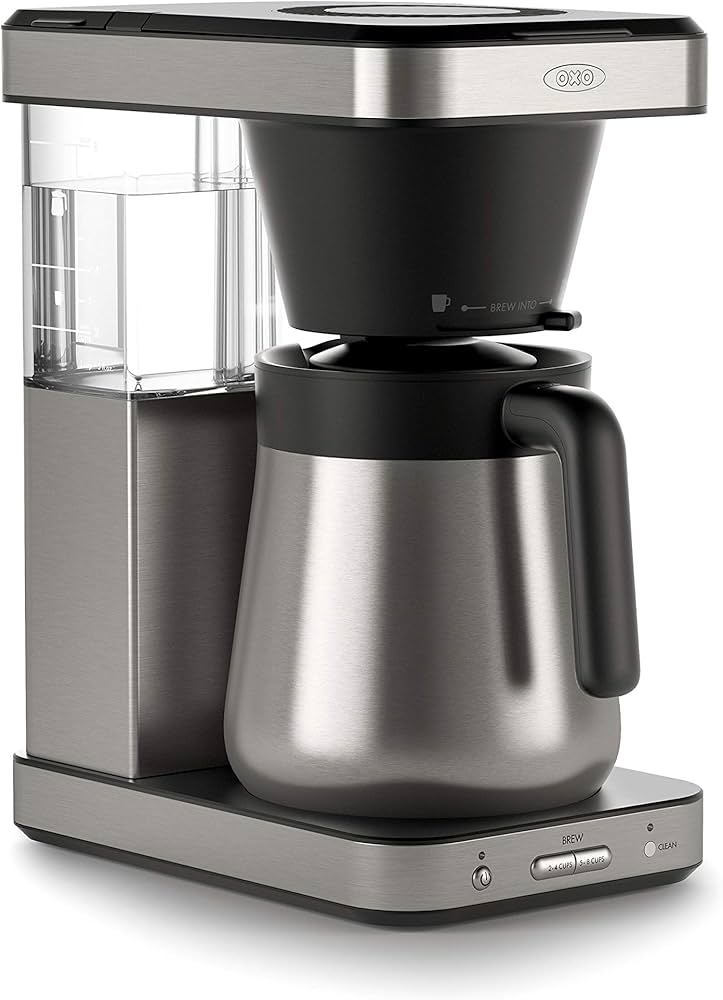
The OXO Brew 8-Cup is a well-built coffee maker with a compact footprint that fits neatly under upper cabinets. It brews smaller batches (up to 40 ounces) with a rainmaker shower head for even extraction, and the thermal carafe keeps coffee hot for two hours. The trade-off is a relatively high price for the size, and the carafe’s two-hour rating isn’t as long as some premium competitors.
Main limitation: Capacity is limited for large households, and the 8-cup thermal carafe may be too small for those who drink a lot.
Skip if: If you regularly brew more than 8 cups a day or have a huge family, this isn’t enough capacity.
Compare key specs and features of all our recommendations side-by-side
| Product | Recommendation | Rating | Price |
|---|---|---|---|
Technivorm Moccamaster KBGV Select Rank #1 | 🏆 Top Pick | 9.3/10 | $349–$399 Check current price → |
Ninja 12-Cup Programmable Coffee Maker (CE201) Rank #2 | 💰 Budget Pick | 8.2/10 | $70–$100 Check current price → |
AeroPress Original Coffee Maker Rank #3 | ⭐ Editor's Choice | 8.5/10 | $40–$50 Check current price → |
Breville Bambino Plus Espresso Machine Rank #4 | — | 8.8/10 | $400–$500 Check current price → |
Keurig K-Elite Single Serve Coffee Maker Rank #5 | — | 7.8/10 | $150–$180 Check current price → |
Ninja Hot & Cold Brewed System (CM407) Rank #6 | — | 8.0/10 | $150–$170 Check current price → |
Cuisinart Perfect Temp 12-Cup Coffee Maker (DCC-3200) Rank #7 | — | 7.9/10 | $100–$130 Check current price → |
OXO Brew 8-Cup Coffee Maker Rank #8 | — | 8.3/10 | $130–$160 Check current price → |
Common questions buyers have about this category.
A glass carafe sits on a warming plate and can quickly become scalding hot, which can cause the coffee to taste burnt if left on too long. A thermal carafe is double-walled and doesn’t use a heating element, keeping coffee hot for hours without further cooking it. Thermal carafes are better for flavor and longer brew times, but they’re heavier and more expensive to replace.
If you want your coffee ready when you wake up, a programmable timer is a game-changer. It lets you load the coffee and water the night before, and the machine starts brewing at your set time. For many, it’s the difference between a consistent morning ritual and a mad dash for the pot. If you’re fine with turning the machine on manually, you can skip this feature and often save money.
As a beginner, look for a machine that offers automated features like pre-infusion and temperature control—such as the Breville Bambino Plus. A machine with a quick heat-up time is also a plus. But remember, a good grinder is just as important as the espresso machine. Look for a machine with a pressurized portafilter basket, which is more forgiving with imperfect grinds, or be prepared to invest in a quality burr grinder.
Descaling frequency depends on your water hardness and usage. As a general rule, run a descaling solution through every three to six months. If you use a lot of water or hard tap water, you might need to descale monthly. The biggest clue is limescale buildup on the carafe or heating element. Follow the manufacturer’s instructions and always use a food-safe descaling product.
Yes, some machines like the Ninja Specialty CM407 have specific over-ice settings that brew a stronger concentrate so that ice doesn’t water down the flavor. Keurig’s K-Elite also has a strong iced coffee setting. For manual brewing, the AeroPress can produce a concentrate that works well over ice. Standard drip machines don’t have this option, but you can always brew a strong batch and chill it.
The Specialty Coffee Association (SCA) certification means the machine meets strict criteria for brew temperature, contact time, and water quality, which directly impacts flavor. If you’re a dedicated drip coffee drinker, it’s worth the upgrade—machines like the Moccamaster and OXO Brew are certified. For casual drinkers, the flavor difference between certified and non-certified machines isn’t obvious, so a budget model like the Ninja CE201 is perfectly fine.
Products we evaluated but did not recommend — and why.
