Get the App
Better experience on mobile
From budget drip machines to SCA-certified brewers, we've ranked the best coffee makers for your kitchen and coffee routine.
Walk into any kitchen appliance aisle and you'll find dozens of coffee makers promising barista-quality results. But the truth is that most home machines never reach the ideal brewing temperature of 195–205°F, which is why your coffee at home so often tastes dull or bitter. In this guide, we cut through the marketing hype to celebrate brewing machines that actually respect coffee beans — along with a few that simply get the job done affordably.
We evaluated more than two dozen models based on standardized brew performance, programmability, carafe durability, and long-term reliability data from verified customer reviews and specialty coffee publications. Our selections prioritize machines that produce consistently good coffee for their price point, with an eye on the different ways you might brew: a quick single cup, a full pot for Sunday brunch, or a slow iced-coffee concentrate.
Because coffee makers range from $40 to over $400, we've included something for every kitchen and skill level. You'll find beloved SCA-certified brewers, budget-friendly stalwarts, and a few multi-functional devices that blur the lines between drip, pour-over, and espresso-style drinks.
Keep in mind that the most expensive machine won't necessarily taste better if you're not using fresh beans and proper grind size. But a great coffee maker removes the guesswork and helps you get closer to café-average every morning.
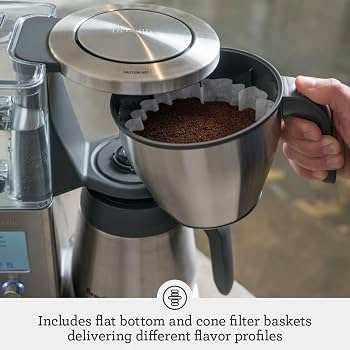
The Breville Precision Brewer is the rare coffee maker that genuinely adapts to how you like your coffee, with six brew modes ranging from fast to cold brew. It's a favorite among coffee enthusiasts for its precise temperature control and bloom-time adjustments. The trade-off is a busy control panel and a price that climbs toward $350.
Main limitation: The interface is over-engineered, and the glass carafe version is fragile if you're not careful when washing.
Skip if: If you only drink drip coffee black and rarely tinker with brew strength, a $100 machine will likely suffice.
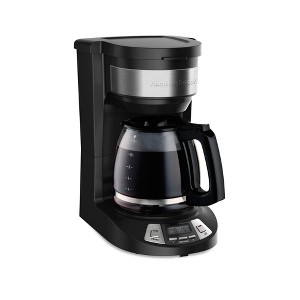
This Hamilton Beach model is the standard for budget drip coffee: simple, durable, and it brews a solid pot at a temperature that's acceptable for most palates. It's also one of the easiest machines to clean, thanks to a removable brew basket. The downside is no frills and a lack of precise temperature control.
Main limitation: The showerhead is only so-so, and small delays in percolation can lead to under-extracted coffee if you don't pre-wet the grounds manually.
Skip if: Skip it if you're prepared to spend more for a machine with adjustable brewing strength or a thermal carafe.
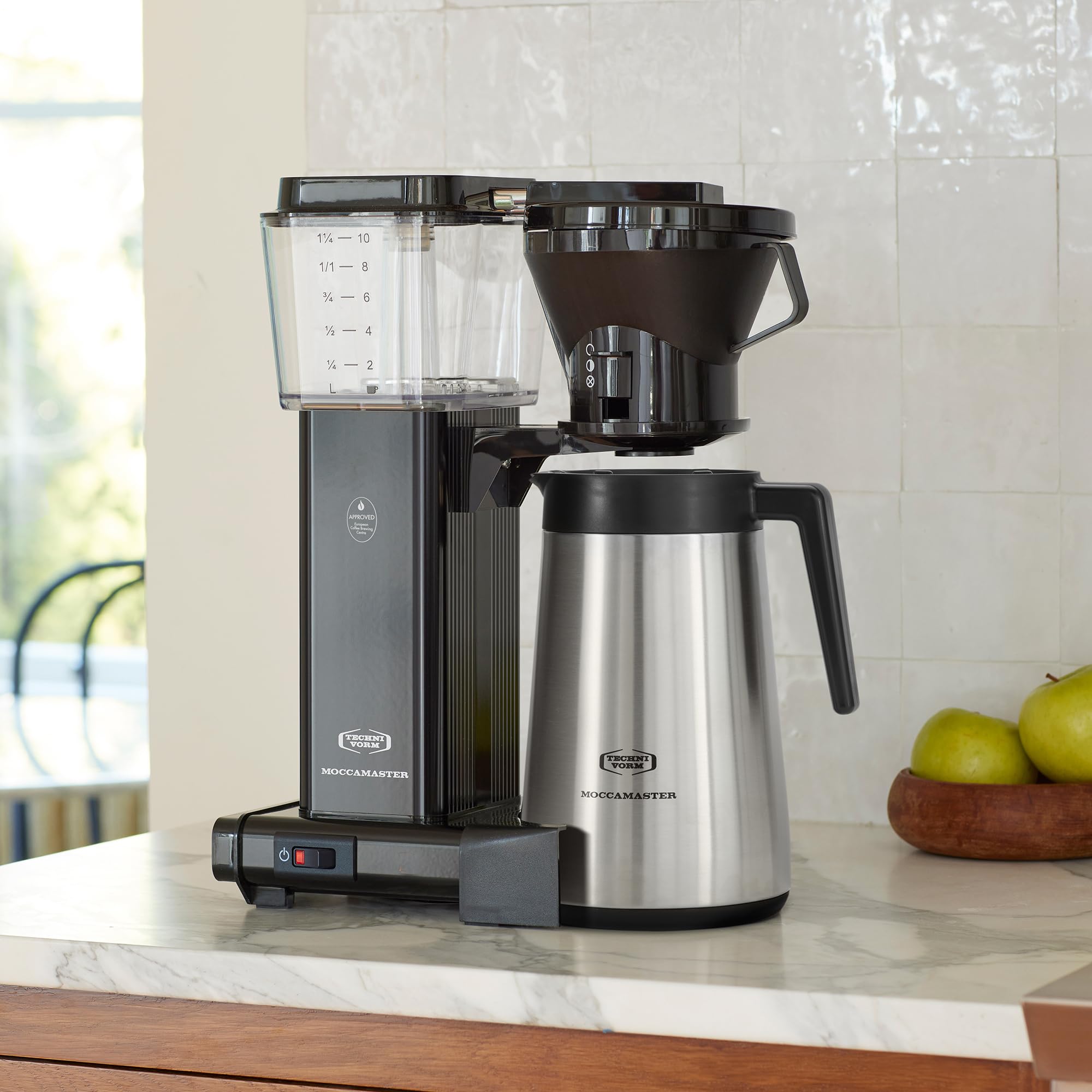
The Moccamaster is the machine coffee professionals use at home. It heats water to exactly the right temperature between 196–205°F and uses a copper boiler that delivers a slow, even extraction. The handcrafted design lasts decades, and the thermal carafe keeps coffee hot for hours. The price is steep, and it offers no programmability or customization beyond brew size.
Main limitation: There's no timer or programmability, so you can't wake up to fresh coffee, and the thermal carafe is not dishwasher safe.
Skip if: Skip this if you want a programmable machine or a multifunctional brewer that can also make single cups.
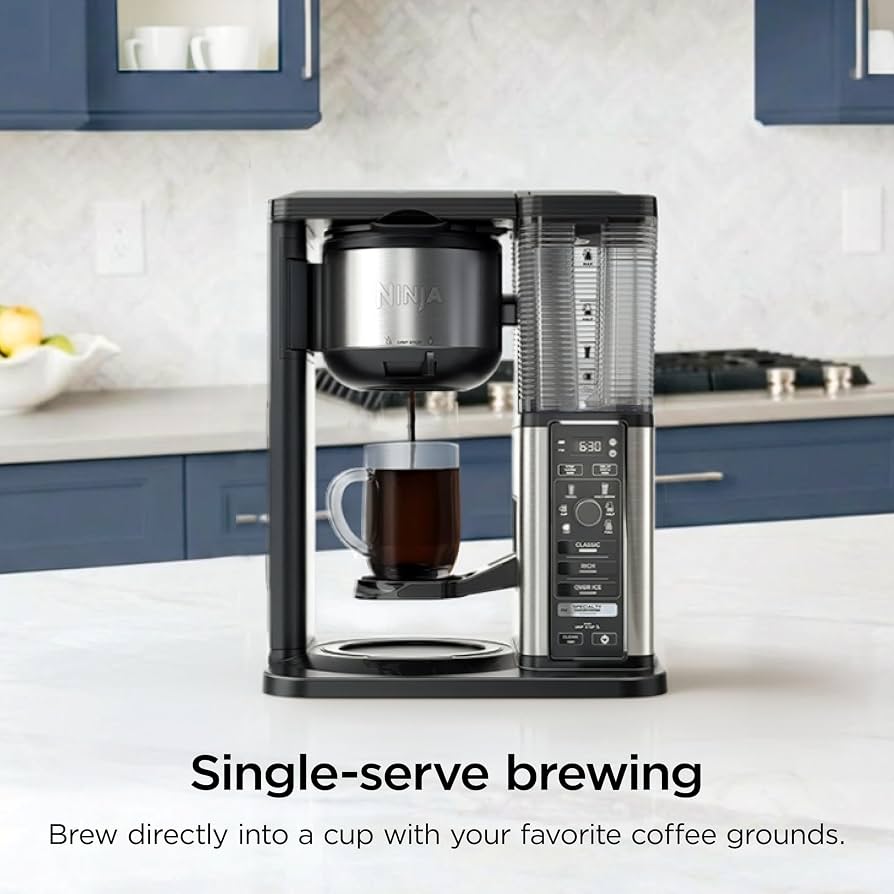
The Ninja Specialty is the jack-of-all-trades for coffee drinkers who want a carafe and a single cup, plus cold brew, specialty drinks like lattes and cappuccinos, and a built-in frother. It's the only machine we found that can genuinely replace both your drip and single-serve brewer. The trade-off is that no single brewing style is perfect — it's a generalist.
Main limitation: The water tank is small (50 oz), and the plastic components feel less premium than pricier brands.
Skip if: If you only drink plain black coffee and never make iced or specialty drinks, you're paying for features you won't use.
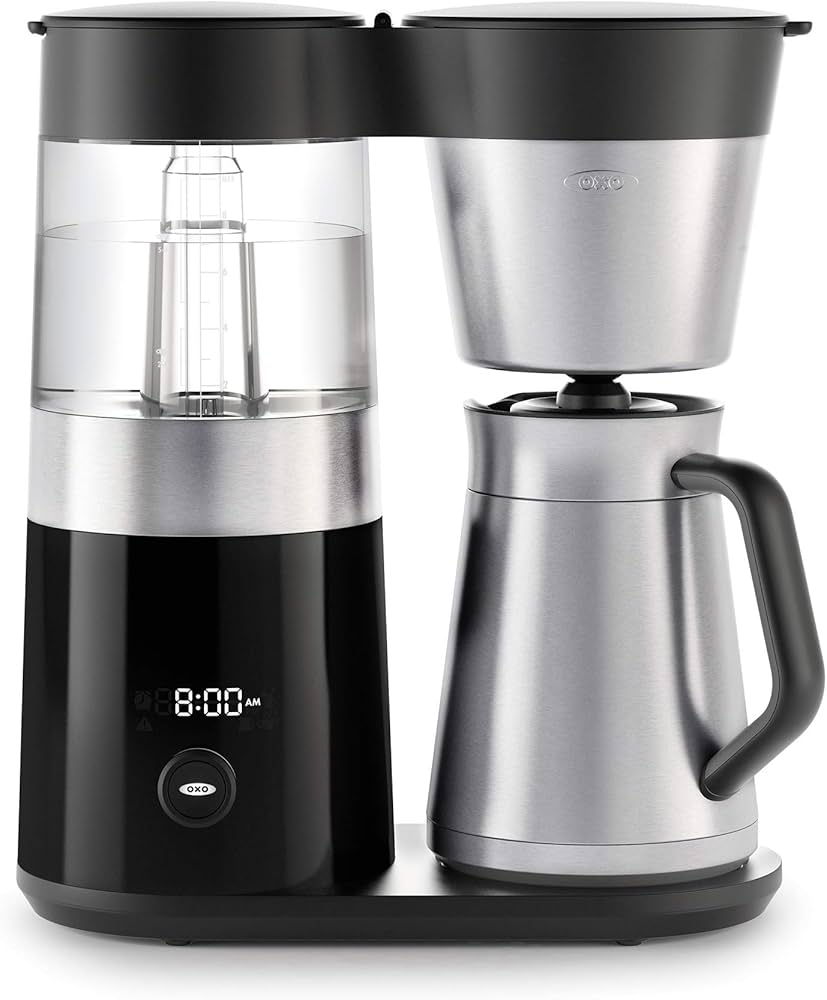
The OXO Brew delivers the steady, even brewing that the SCA recommends, with a pour-over-style showerhead and a pre-infusion cycle that blooms the grounds. It's a no-fuss machine that makes a clean, juicy cup every time. The main downfall is that it lacks programmability and the carafe is a smaller 9 cups.
Main limitation: There's no timer, so you can't wake up to a hot pot, and it's bulkier than many 9-cup machines.
Skip if: Skip if you need a programmable coffee maker or you regularly brew for more than 8 people.
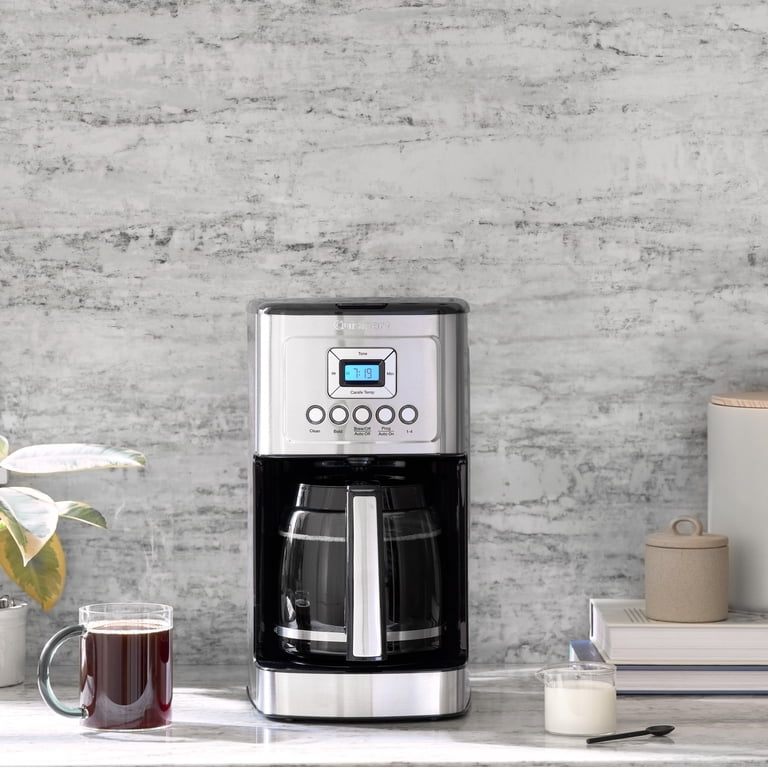
When you need to fill six mugs and still have a warm pot for refills, the Cuisinart PerfecTemp is a workhorse. With a 14-cup glass carafe and customizable temperature control (hot, extra hot, or a 1–4 cup setting), it adapts to your brew size. It also has a self-cleaning cycle and a charcoal filter. The downside is that the carafe is delicate, and the plastic exterior scratches easily.
Main limitation: The glass carafe can be prone to breakage if you're not careful, and the drip tray is a bit shallow.
Skip if: If you only brew 2–4 cups at a time, this'll take up too much space and waste energy.
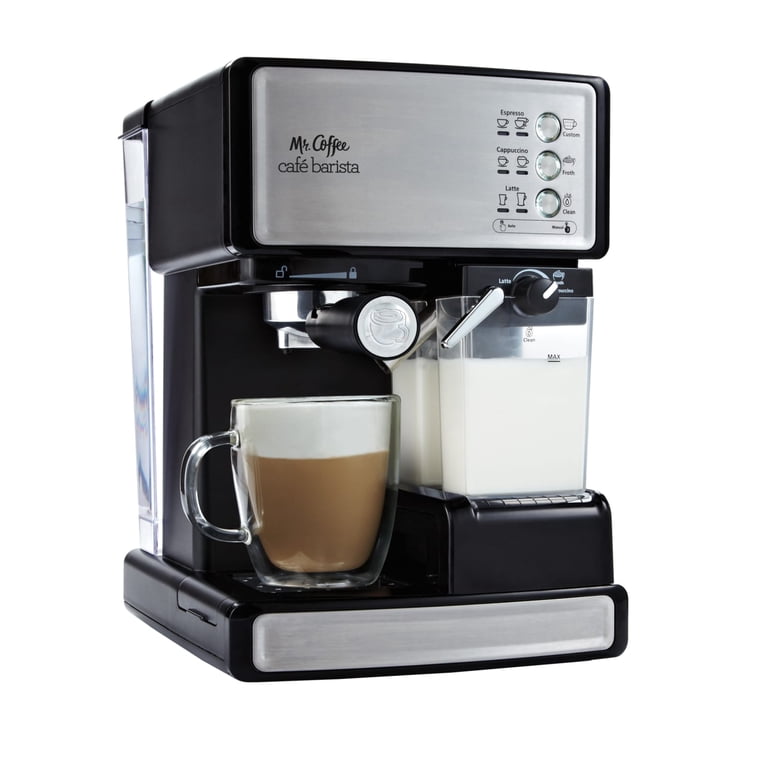
If you're craving lattes and cappuccinos without buying a $500 espresso machine, the Mr. Coffee Café Barista is the workaround. It brews a concentrated espresso-style shot from regular ground coffee, then froths milk into rich foam. It's a budget-friendly gateway into specialty drinks. However, the built-in frother is not steam-based, so the milk won't reach café-grade temperatures, and the espresso is not true espresso.
Main limitation: The milk frother is a simple stirring mechanism that doesn't create microfoam, and the shot volume is fixed.
Skip if: Skip it if you're a purist who wants genuine espresso extraction using high pressure — you need a true espresso machine.
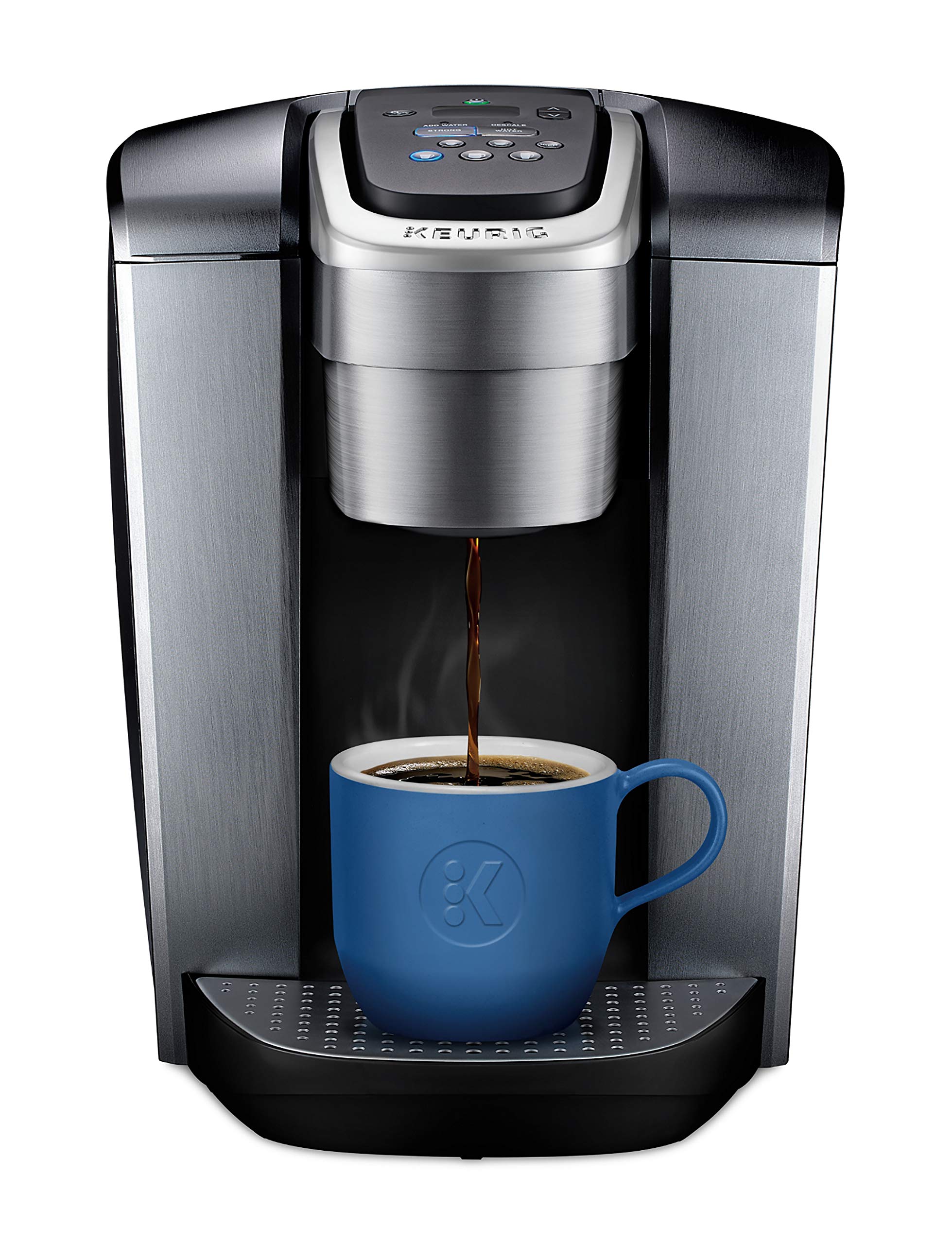
The K-Elite is Keurig's best round of pod-brewing: five brew sizes, a strong-brew setting, an iced-brew option, and a quiet brewing system. It's ideal for households with different coffee drinkers or for anyone who wants a cup in under two minutes. The downside is that K-Cup pods are expensive and generate waste, and the brew temperature is a bit lower than specialty coffee makers.
Main limitation: Plastic components feel somewhat cheap, and the drip tray is smaller than older models.
Skip if: If you care about fresh specialty coffee and don't mind grinding, this won't satisfy you — K-Cup coffee is pre-ground and often stale.
Compare key specs and features of all our recommendations side-by-side
| Product | Recommendation | Rating | Price |
|---|---|---|---|
Breville Precision Brewer Thermal Coffee Maker Rank #1 | 🏆 Top Pick | 9.0/10 | $320–$380 Check current price → |
Hamilton Beach 12-Cup Programmable Drip Coffee Maker Rank #2 | 💰 Budget Pick | 8.0/10 | $45–$60 Check current price → |
Technivorm Moccamaster KBT Thermal Carafe Coffee Maker Rank #3 | ⭐ Editor's Choice | 8.8/10 | $360–$420 Check current price → |
Ninja Specialty Coffee Maker CM401 Rank #4 | — | 8.5/10 | $130–$170 Check current price → |
OXO Brew 9-Cup Coffee Maker Rank #5 | — | 8.5/10 | $160–$200 Check current price → |
Cuisinart PerfecTemp 14-Cup Programmable Coffee Maker Rank #6 | — | 8.2/10 | $120–$150 Check current price → |
Mr. Coffee Café Barista Latte Maker Rank #7 | — | 7.5/10 | $70–$90 Check current price → |
Keurig K-Elite Single Serve Coffee Maker Rank #8 | — | 8.0/10 | $130–$160 Check current price → |
Common questions buyers have about this category.
A programmable drip coffee maker like the Hamilton Beach or Cuisinart is perfect — they're simple, reliable, and cheap. If you want a bit more control without complex features, the Ninja Specialty offers cold brew and single-cup options, but it's busier to operate. Focus on a machine that you'll actually clean regularly.
If you drink multiple cups a day or want fresh coffee, a drip brewer wins on cost per cup and flavor. Single-serve pod machines like the Keurig are more convenient but generate waste and cost 50¢ or more per cup. For households with different drinkers, a pod machine may actually create less waste, but you'll sacrifice some flavor.
Yes if you drink coffee slowly or want to take coffee to a second location. A thermal carafe keeps coffee at the perfect temperature for hours, whereas a glass carafe on a hot plate will continue to cook and become bitter. The trade-off is that you have to prime the carafe with hot water before brewing and you can't see the coffee level through the metal.
SCA certifies brewers that meet the Golden Cup standard, meaning the water temperature and brew time hit a tight window. Most SCA-certified machines also have a showerhead designed for even saturation. This doesn't guarantee you'll love the coffee, but it's a reliable indicator of brew quality.
We recommend every three to six months, depending on your water hardness and how often you brew. Most machines have a descaling cycle; use a citric-acid descaler or a 1:1 white vinegar and water solution. If you notice slower brewing or a chalky residue, it's already past time.
Yes, if you use a reusable mesh filter pod, which costs about $10 and allows you to use any ground coffee. Just grind your coffee to a medium-fine consistency, not too fine or it will clog. This doesn't fix the machine's lower brew temperature, but it adds freshness and saves money.
For most casual coffee drinkers, a $100 machine is perfectly fine. You'll start to taste the difference once you're grinding your beans and paying attention to water temperature. The jump from a budget brewer to a Moccamaster is noticeable, but only if the rest of your routine is dialed in — fresh beans, proper grind, and good water.
Products we evaluated but did not recommend — and why.
