Get the App
Better experience on mobile
From budget drips to premium pour-overs, these are the coffee makers that deliver the best cup for your routine.
The Specialty Coffee Association's recommended brew window is 195–205°F, and it's the single most important factor in a coffee maker's performance. Machines that stray outside this range produce bitter, under-extracted, or sour coffee — no matter how expensive the beans. That's why our top picks are built around temperature stability, flow rate, and even extraction.
Coffee makers are also about lifestyle. A dorm-dwelling student might need a K-Cup machine; a homestead with four coffee drinkers will want a 12-cup drip. We've analyzed manufacturer specs, cross-referenced hundreds of verified buyer reviews, and checked benchmark ratings from leading consumer publications. We then matched each machine to a specific use case, from budget to premium, and from single-serve to full carafe.
Our list includes 8 coffee makers, covering drip, pour-over, single-serve, and hybrid designs. Prices range from $35 to $349, so there's a fit for every counter and every budget. Below, you'll find the top pick, budget pick, and editor's choice, followed by specialized selections for every kind of coffee lover.
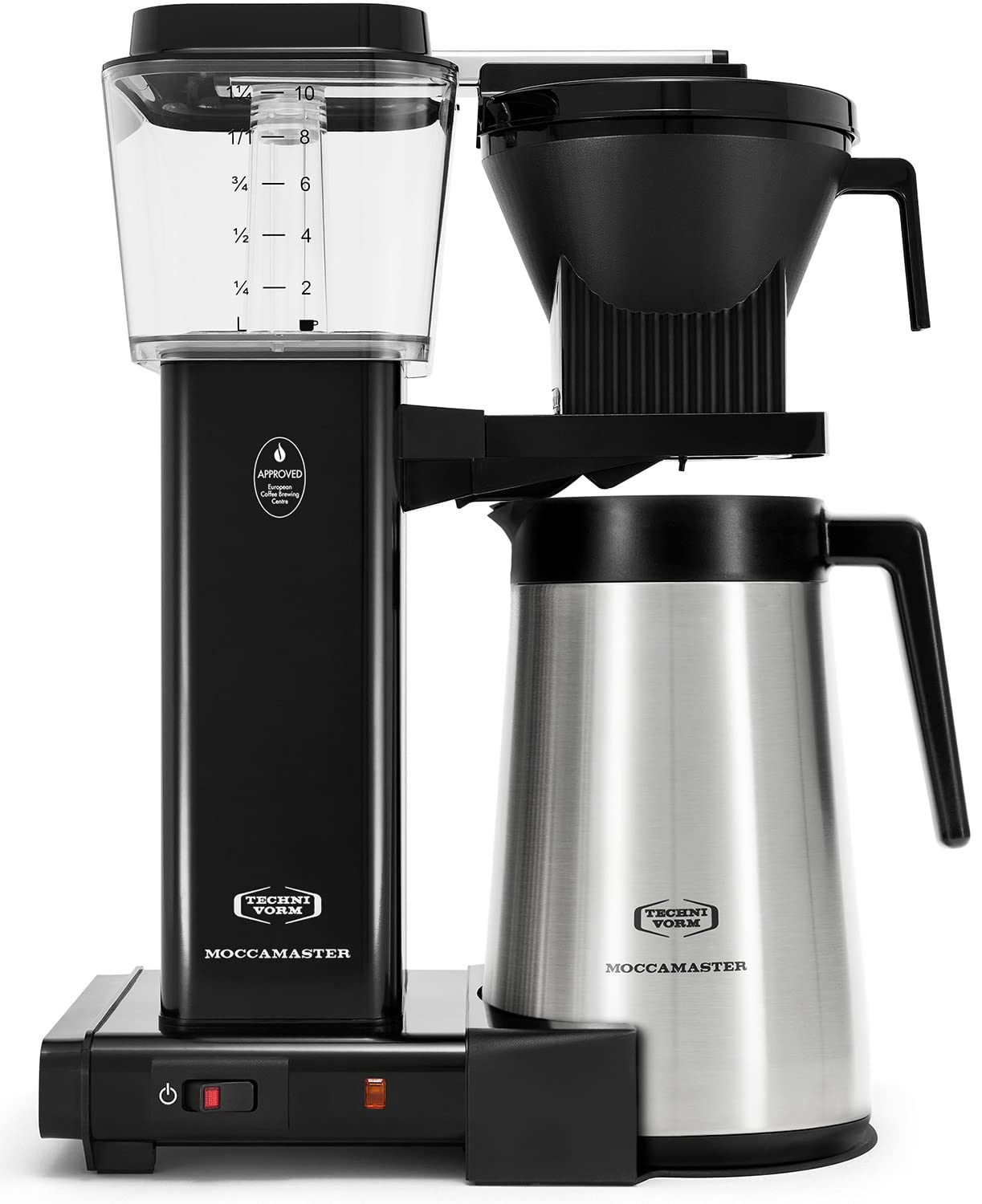
The gold standard for home drip coffee, the Moccamaster brews at the ideal 195–205°F window and completes a full carafe in under six minutes. Its standout feature is the copper boiling element, which ensures consistent hot water and exceptional extraction. The trade-off is a plastic build that feels less premium than its price suggests, and you'll pay a premium for that performance.
Main limitation: The thin stainless steel carafe isn't durable and can't be used on a stovetop, so you'll need to handle it carefully.
Skip if: If you prefer a compact machine with a built-in grinder or programmable features, the Moccamaster's minimalist, hands-on design won't suit you.
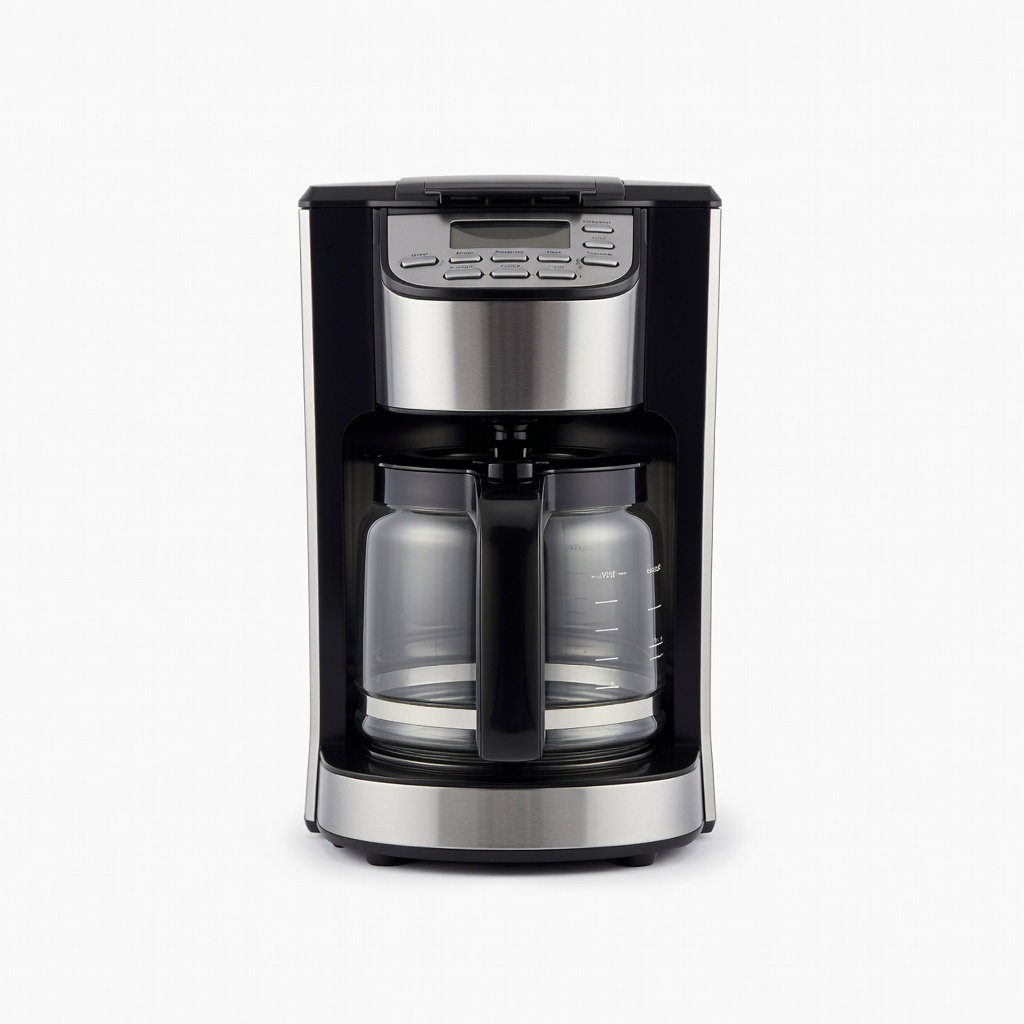
For under $40, this Mr. Coffee model delivers a decent pot with a programmable timer, brew-strength selector, and pause-and-serve. It's the no-regrets choice for casual drinkers who want a simple, reliable machine without frills. The trade-off: the brew temperature fluctuates, so the cup won't match high-end machines in clarity or sweetness.
Main limitation: The plastic brew basket and thin carafe feel fragile, and the heating plate can scorch coffee left on too long.
Skip if: Anyone who values precise flavor control or drinks a lot of strong, barista-style coffee will likely be disappointed by the Mr. Coffee's one-dimensional brew.
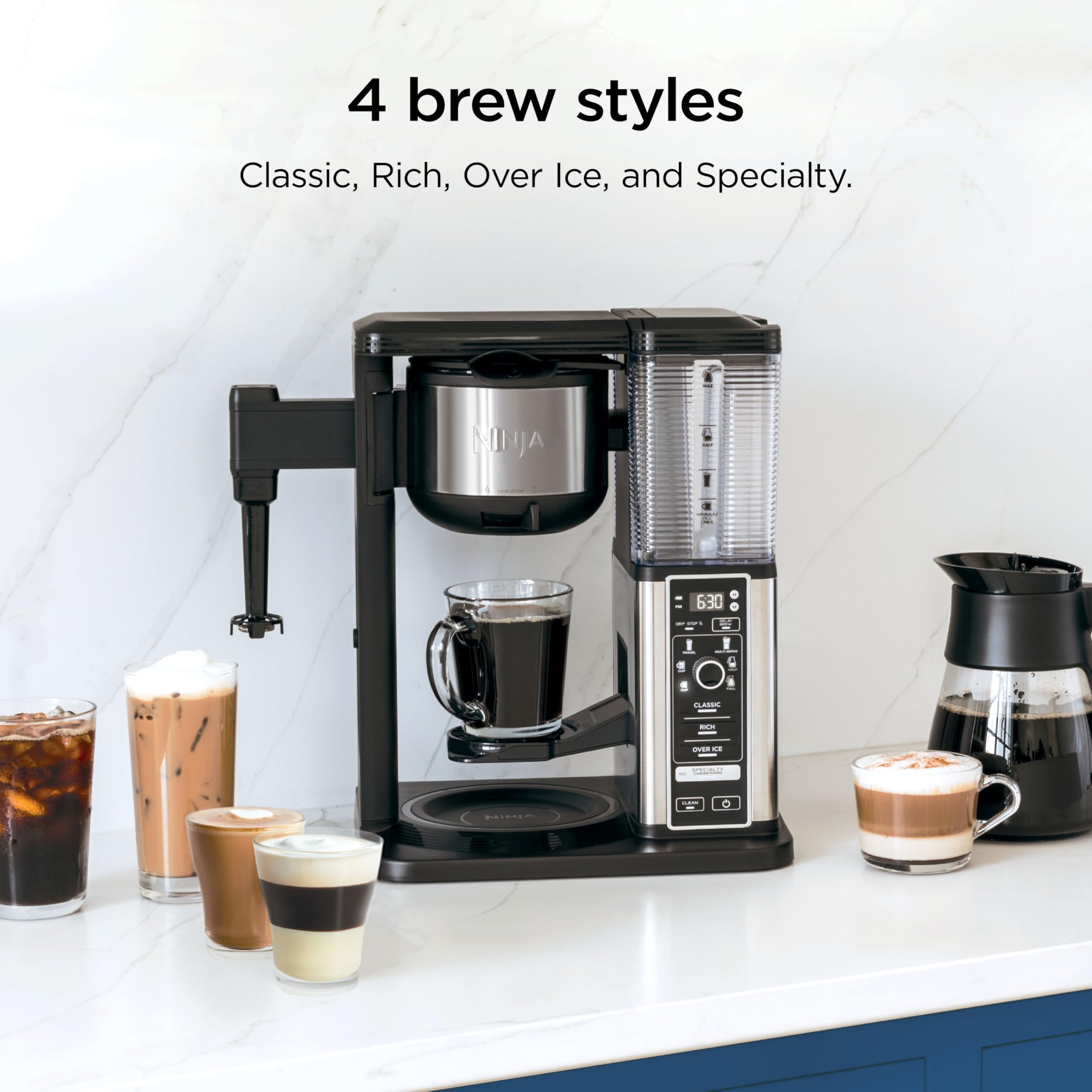
The Ninja Specialty packs an integrated frother and six brew sizes, letting you craft everything from a single cup to a full carafe — plus lattes and cappuccinos at the press of a button. Its Thermal Flavor Extraction system and a rich brew option produce bolder cups than typical drip machines. The catch is that the frother doesn't heat milk, so you'll still need to microwave it separately.
Main limitation: The built-in frother works only on cold or room-temperature milk, so you can't steam lattes directly.
Skip if: If you're primarily a black drip coffee drinker and rarely want milk drinks, you'll overpay for a feature you won't use.
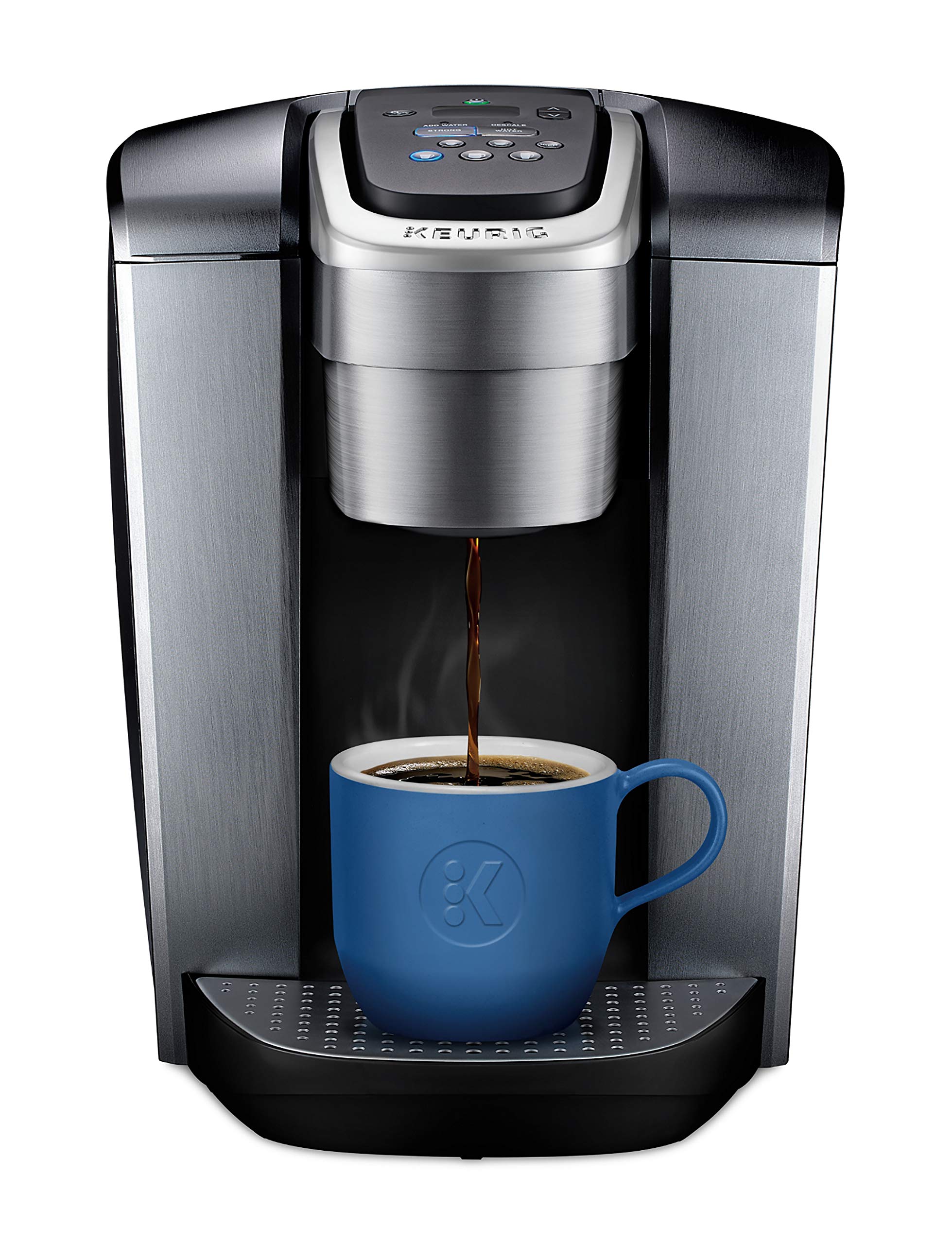
The K-Elite is a top-tier single-serve machine with a 75-oz water reservoir, strong-brew option, and iced-coffee setting that actually brews at a higher temperature over ice. It's ready in under a minute and pairs with hundreds of K-Cup pods, from Starbucks to Green Mountain. The downside: it can't brew a pot, and pod-based coffee tends to cost more per cup than ground or whole bean.
Main limitation: K-Cup pods produce a less nuanced cup than even average drip coffee, and the ongoing cost of pods adds up quickly.
Skip if: If you want to make traditional drip coffee in batches or grind your own beans, the K-Elite's per-cup approach will frustrate you.
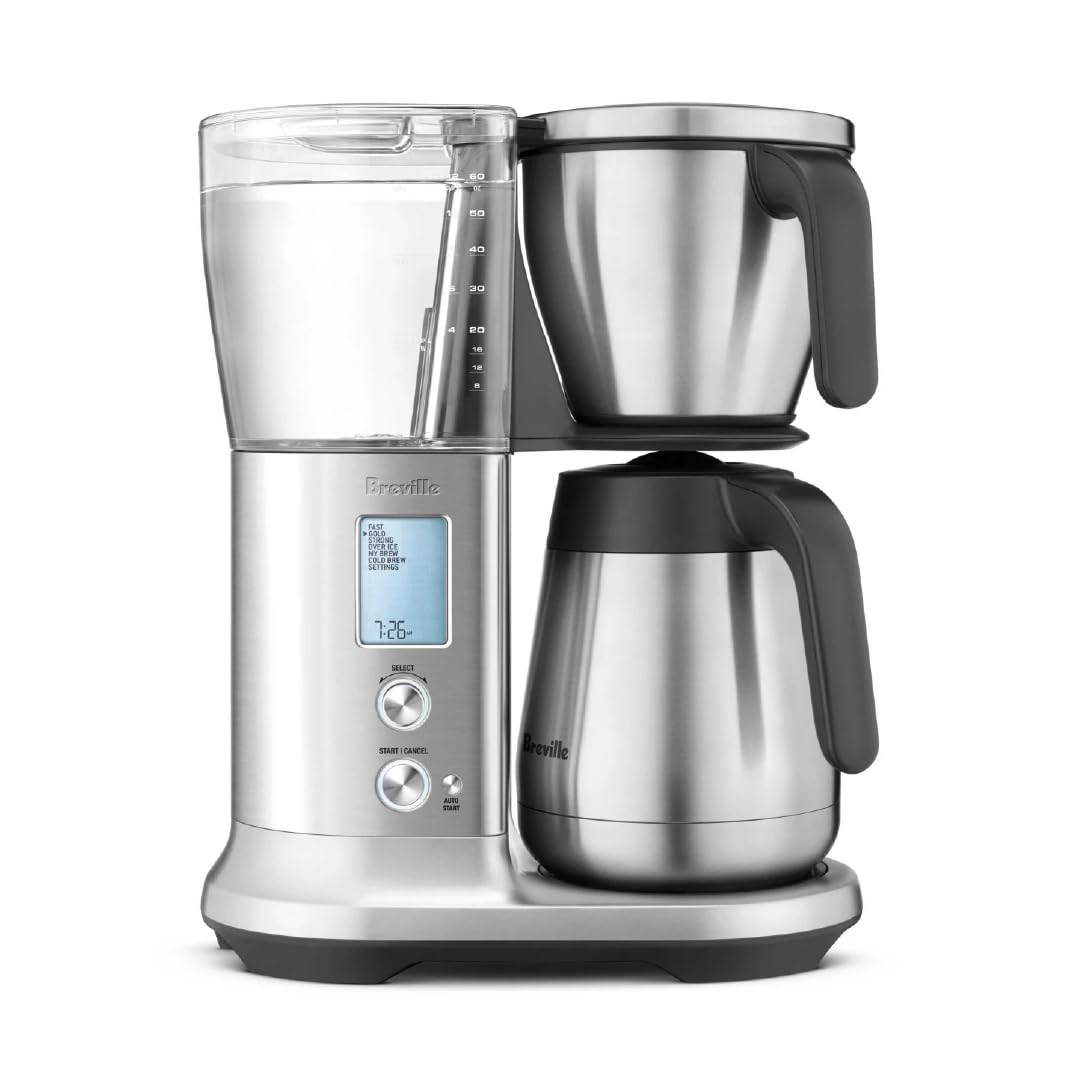
The Breville Precision Brewer gives coffee tinkerers total control — six brew modes (including cold brew and pour-over), adjustable bloom time, flow rate, and temperature. It's the only drip machine we found that lets you dial in the exact extraction curve for your beans. The downside is that it's bulky and can be intimidating for people who just want a quick cup.
Main limitation: The learning curve is steep, and brewing precisely requires time and patience; the thermal carafe is also slightly awkward to pour.
Skip if: If you don't plan to experiment with grind size, water temperature, and flow rate, this machine's flexibility will be wasted on you.
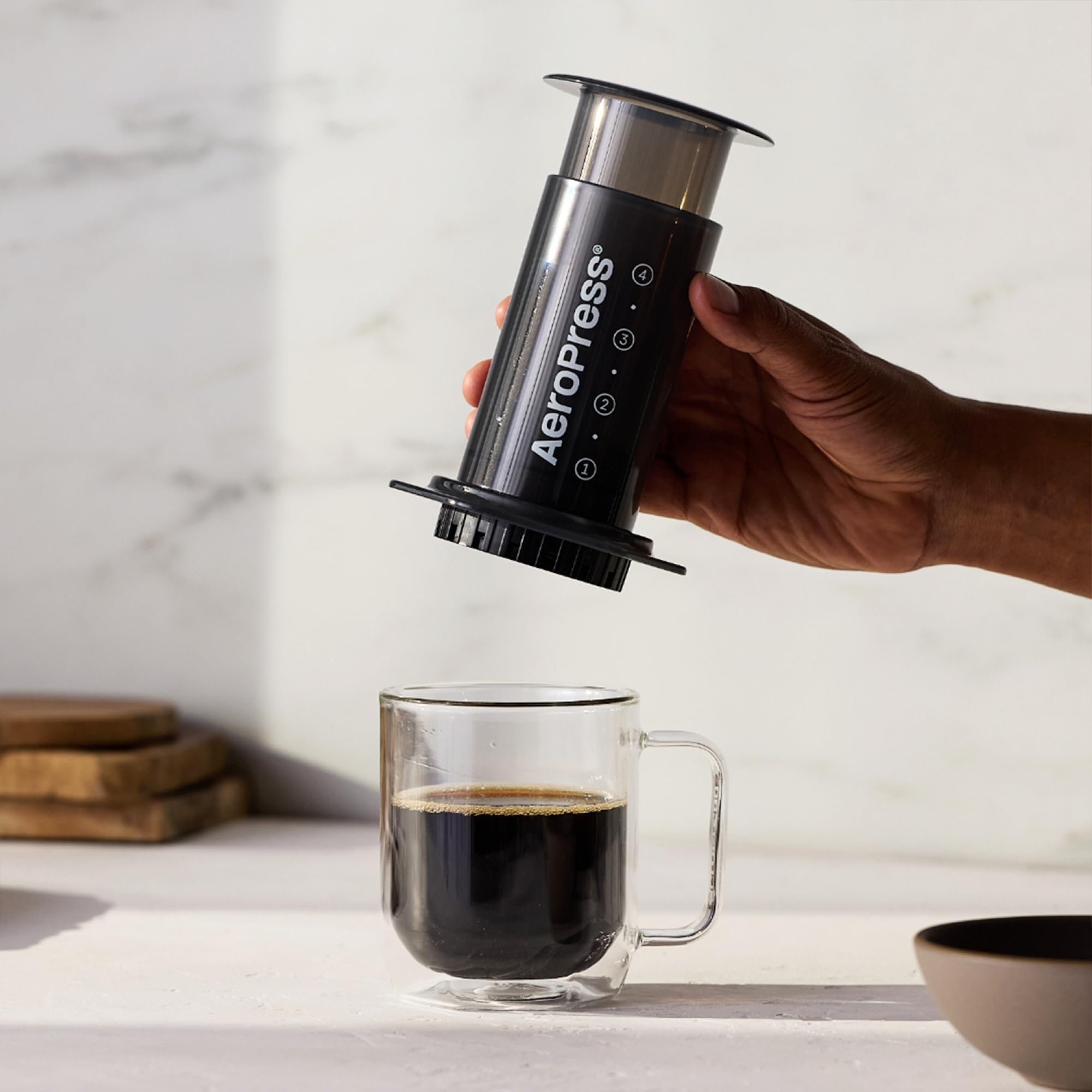
The AeroPress is a lightweight, unbreakable coffee maker that uses air pressure to extract a smooth, rich cup in under two minutes. It's a favorite among campers and backcountry hikers because it's nearly indestructible and works with any grind. The trade-off: it makes a single serving (about 8 oz) and requires paper filters, which you must replace frequently.
Main limitation: Capacity is limited to one cup at a time, and the filters are single-use, so it's not ideal for daily family use.
Skip if: If you usually brew for more than one person, the AeroPress's single-serve design means you'll be making multiple rounds.
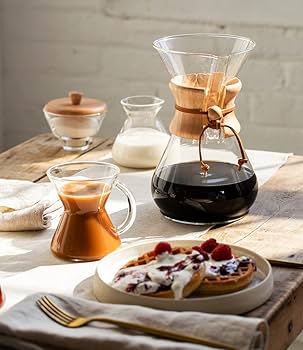
The Chemex is a beautiful, hourglass-shaped pour-over brewer that produces a clean, clear cup with exceptional clarity, thanks to its thick bonded filters. It's also a beautiful countertop piece that makes your coffee ritual feel special. The catch: it's manual, requires a gooseneck kettle for best results, and you'll need to master the pour to get consistent flavor.
Main limitation: Without a gooseneck kettle and a grinder, you'll struggle to achieve the even extraction that makes pour-over coffee shine.
Skip if: If you don't enjoy a hands-on brewing process or prefer set-and-forget automation, the Chemex will be more chore than pleasure.
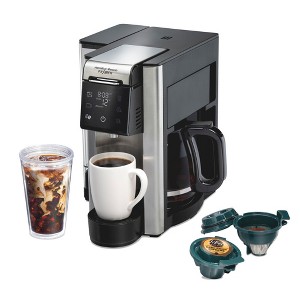
The FlexBrew bridges the gap between drip and single-serve — it can brew a full 12-cup carafe or a K-Cup for one person, all in one machine. It also gives you three brew sizes, a programmable timer, and a compact footprint that fits under most cabinets. The downsides are that it doesn't excel at either function: the single-serve uses actual K-Cups (not compatible with some pods) and the carafe lacks the temperature stability of pricier drips.
Main limitation: Neither the carafe nor the single-serve side delivers specialty-grade extraction, and the plastic construction feels a bit cheap.
Skip if: If you're serious about either drip or single-serve, dedicated machines from our list will outperform the FlexBrew in both modes.
Compare key specs and features of all our recommendations side-by-side
| Product | Recommendation | Rating | Price |
|---|---|---|---|
Technivorm Moccamaster KBT 10-Cup Rank #1 | 🏆 Top Pick | 9.2/10 | $329–$349 Check current price → |
Mr. Coffee 12-Cup Programmable Coffee Maker Rank #2 | 💰 Budget Pick | 7.5/10 | $30–$40 Check current price → |
Ninja Specialty Coffee Maker CM401 Rank #3 | ⭐ Editor's Choice | 8.5/10 | $159–$179 Check current price → |
Keurig K-Elite Single Serve Coffee Maker Rank #4 | — | 8.0/10 | $159–$189 Check current price → |
Breville Precision Brewer 12-Cup Rank #5 | — | 8.3/10 | $299–$329 Check current price → |
AeroPress Original Coffee Maker Rank #6 | — | 8.8/10 | $30–$40 Check current price → |
Chemex Classic Series 6-Cup Coffee Maker Rank #7 | — | 8.0/10 | $40–$50 Check current price → |
Hamilton Beach 12-Cup & Single-Serve FlexBrew Rank #8 | — | 7.2/10 | $79–$99 Check current price → |
Common questions buyers have about this category.
For a true beginner, an automatic drip coffee maker like the Mr. Coffee 12-Cup is the simplest and cheapest way to start. If you want more control without too much fuss, the AeroPress is forgiving and easy to clean, making it a great second step into better coffee.
Built-in grinders save counter space and ensure fresh grounds, but they often produce uneven grinds and are harder to clean than a separate grinder. A standalone burr grinder (even a modest one) will give you better and more consistent results with any coffee maker.
Drip coffee makers do the pouring for you, but many don't control water temperature or flow rate well, leading to uneven extraction. Pour-over (like the Chemex) lets you manually pour hot water in a controlled stream, which—if done correctly—extracts sweeter, more nuanced flavors. Pour-over takes more time and skill.
If you're the only coffee drinker in the house or need a quick cup occasionally, a single-serve like the Keurig K-Elite is unbeatable. If you brew a full pot for a household, a drip machine is more cost-effective and produces a better-tasting cup, since pods are pricier per ounce and limit bean choices.
Brew temperature is critical: water that's too cold (below 195°F) leaves coffee sour and weak, while too hot (above 205°F) over-extracts and creates bitterness. Machines like the Moccamaster and Breville Precision Brewer are engineered to stay within that window, which is why they cost more and outperform budget models.
You can get a decent drip machine for under $50, but for barista-quality results you'll want to spend at least $150. That price buys reliable temperature control, a thermal carafe (or better glass carafe), and more durable materials. If you're a casual drinker, a $35 budget pick is fine—just temper your expectations.
Pod machines like Keurig produce significant plastic waste, though many pods are now recyclable (check the packaging). The financial cost per cup is also higher than ground coffee. If you care about reducing waste, consider a reusable pod filter or a traditional drip or pour-over maker.
Products we evaluated but did not recommend — and why.
