Get the App
Better experience on mobile
From budget drip to premium espresso, these countertop-saving brewers fit your space without sacrificing your morning cup.
The real difficulty with shopping for a compact coffee maker isn't finding a tiny machine—it's finding one that doesn't compromise on your coffee ritual. Many sub-10-inch brewers cut corners: cheap carafes, inconsistent water temperature, or single-serve-only limitations. The best options, though, fit a comfortable spot on your counter and still produce a cup you look forward to drinking.
Compact brewing isn't just about short width; it's about how the machine fits into your spatial routines—underhead clearances, drip trays that accept your favorite mug, and reservoirs that are easy to fill without a faucet contortion. We've looked at three primary types: drip makers, pod machines, and manual brewers, each with its own footprint and cost profile.
Our selection process focused on real dimensions and honest trade-offs, weighing factors like daily or occasional use, waste from pods, and whether you prefer to control every variable or just press a button. We also examined build quality and warranty, since a small maker should still last for years.
Whether you're a college student cramming a dorm corner or a home barista in a tiny apartment, this list covers the best compact coffee makers of 2026—every one of them under $250 and most under $100.
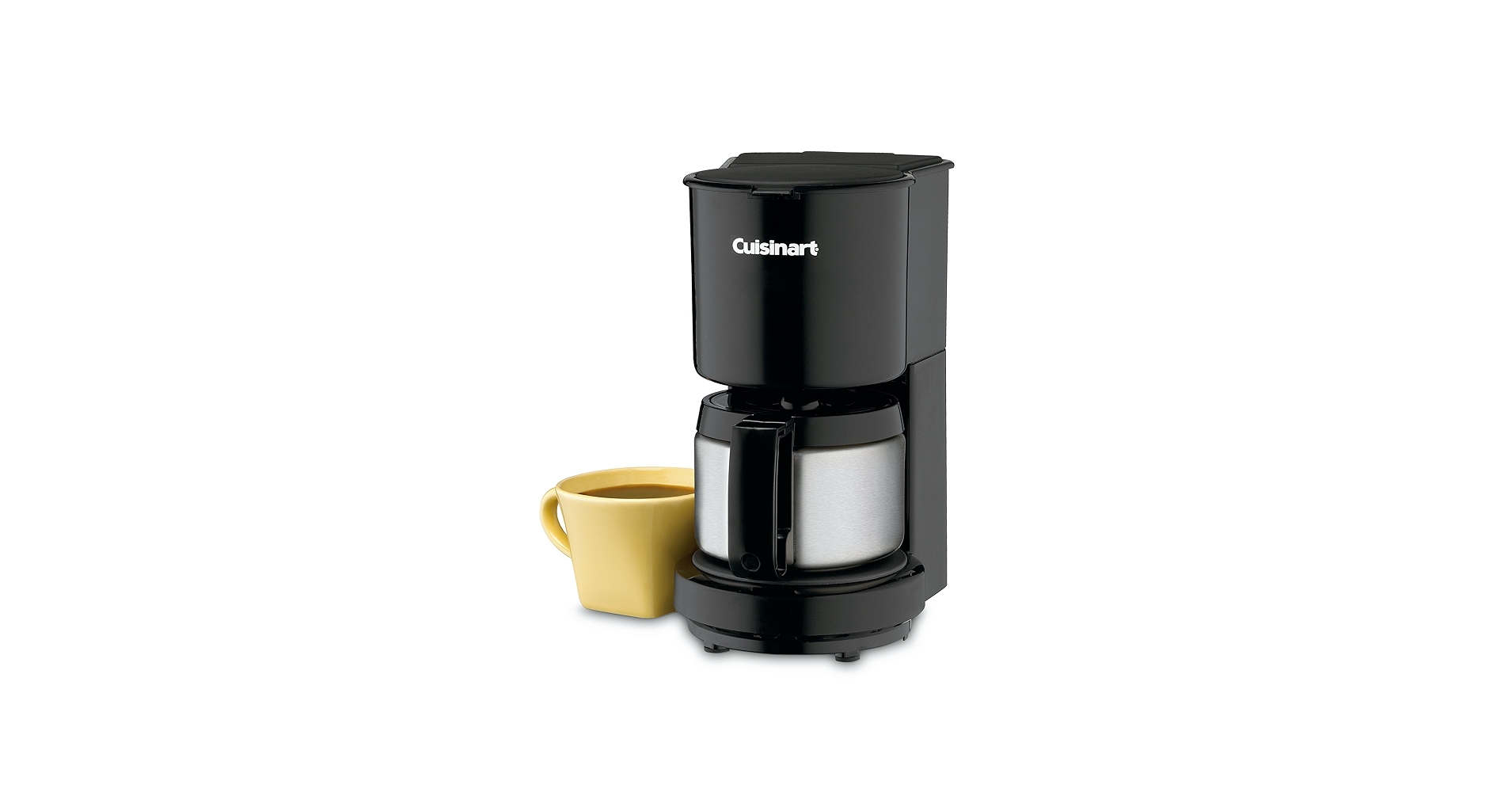
For a small countertop, this 4-cup brew delivers surprisingly rich coffee with a compact footprint. It features a permanent gold-tone filter, easy-grip handle, and a stylish exterior—though the lack of a timer means you'll want to set it up fresh each morning.
Main limitation: No auto-shutoff or programmability, and the carafe can be finicky to pour without dripping.
Skip if: If you need a programmed or larger-capacity machine, this won't fit the bill.
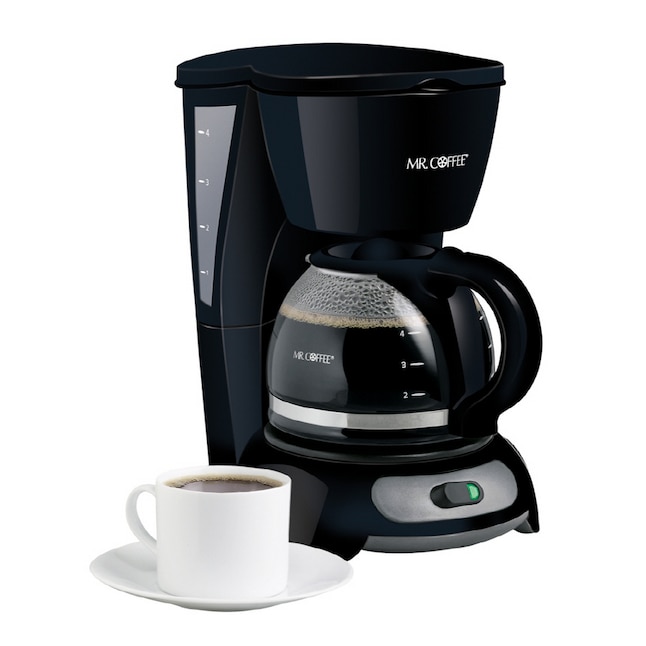
If you need a no-frills brewer that costs less than a couple of lattes, this is it. It's compact, lightweight, and gets the job done, though you'll sacrifice durability and features.
Main limitation: The thin carafe is prone to breakage, and there's no auto-shutoff, so you'll have to remember to turn it off.
Skip if: Anyone who expects a long-term investment or wants a programmable timer.
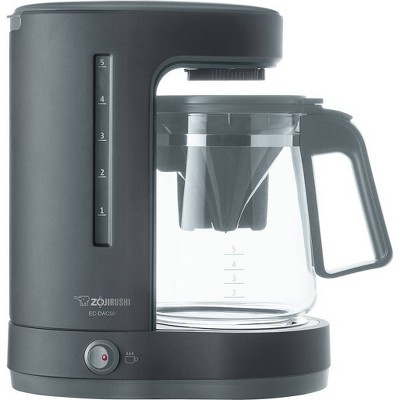
This Japanese precision brewer is a rare find: a small-footprint machine that mimics slow manual brewing. It heats to an ideal temperature and offers a sparkling water flush option, producing a remarkably clean cup. The trade-off is a premium price and a 5-cup max capacity.
Main limitation: At roughly $200, it's expensive for the capacity, and the straw-like spout can be finicky.
Skip if: If you're okay with a basic drip machine and want to save money, this over-delivers.
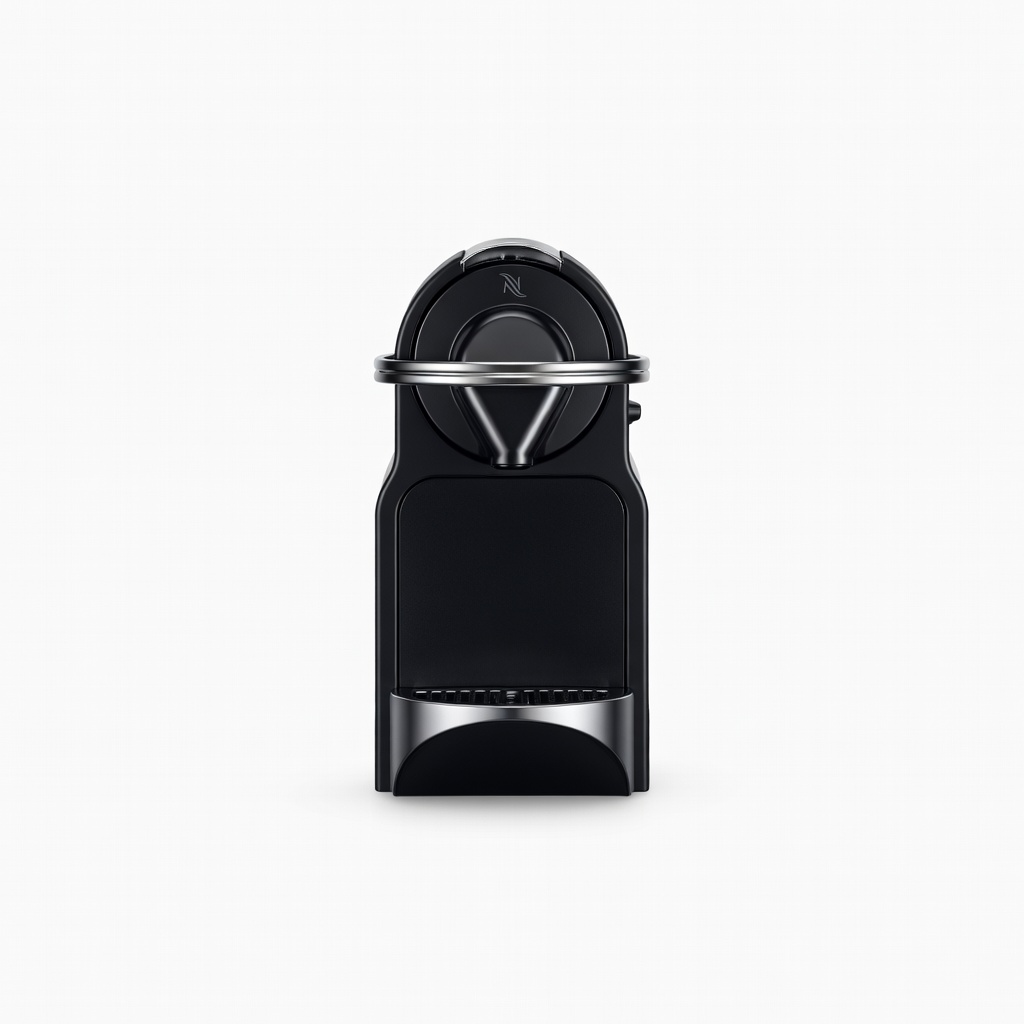
Punching above its size, this 5-inch wide machine delivers 19-bar pressure and a built-in frother—perfect for a café-style espresso in a studio apartment. It's incredibly compact, but you're locked into Nespresso pods and making just single shots.
Main limitation: Limited to pod-based coffee, which adds ongoing cost and waste, and the water tank is small.
Skip if: If you prefer traditional coffee or want to brew multiple cups at once, skip this.
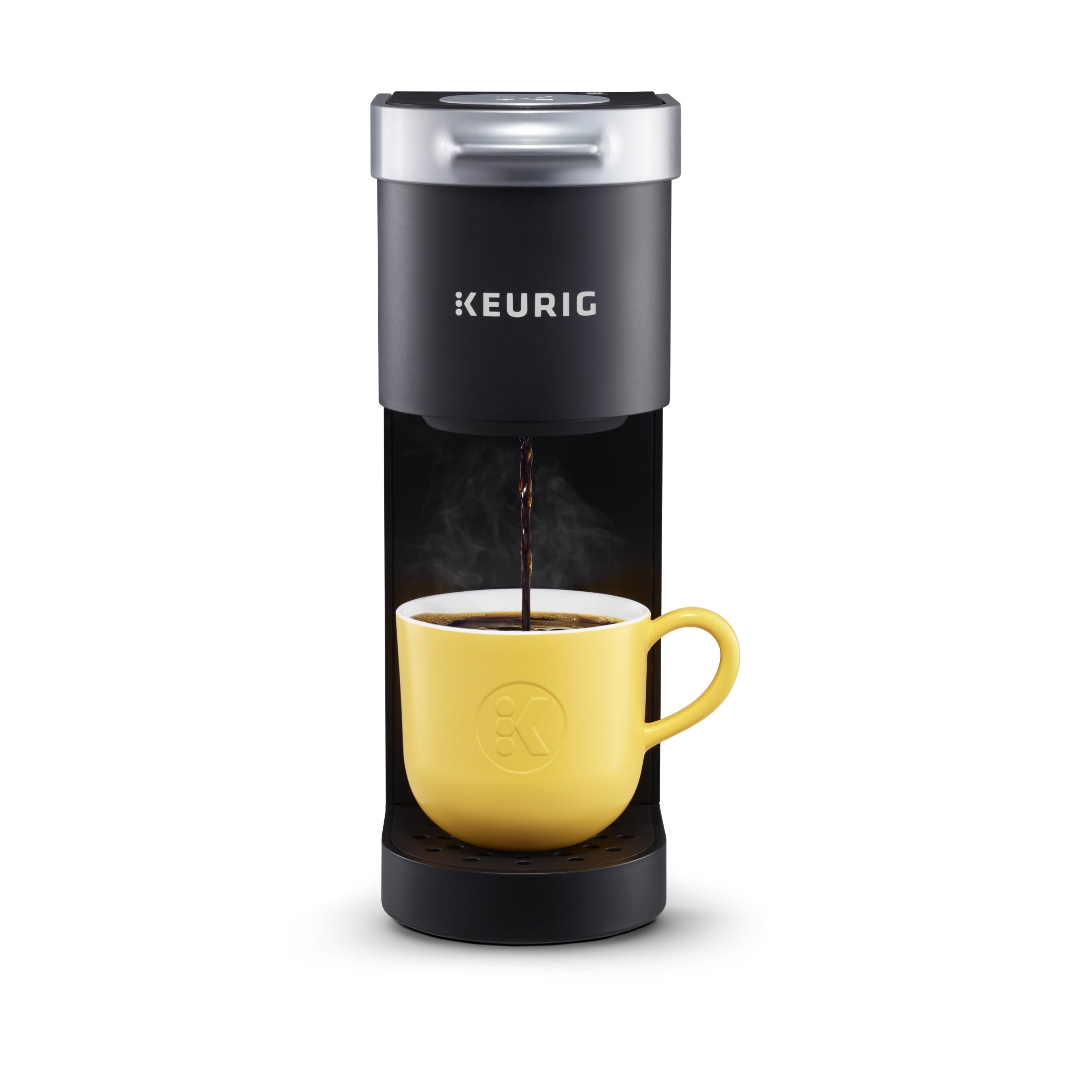
The K-Mini is nearly the size of a coffee mug, fitting into even the smallest nooks. It brews any single cup in minutes with no carafe to wash, but the reliance on plastic pods and the lack of a removable reservoir are drawbacks.
Main limitation: No water reservoir (each cup is filled separately), and K-Cups are pricier than ground coffee.
Skip if: If you want to avoid single-use plastic or need to brew more than one cup at a time.
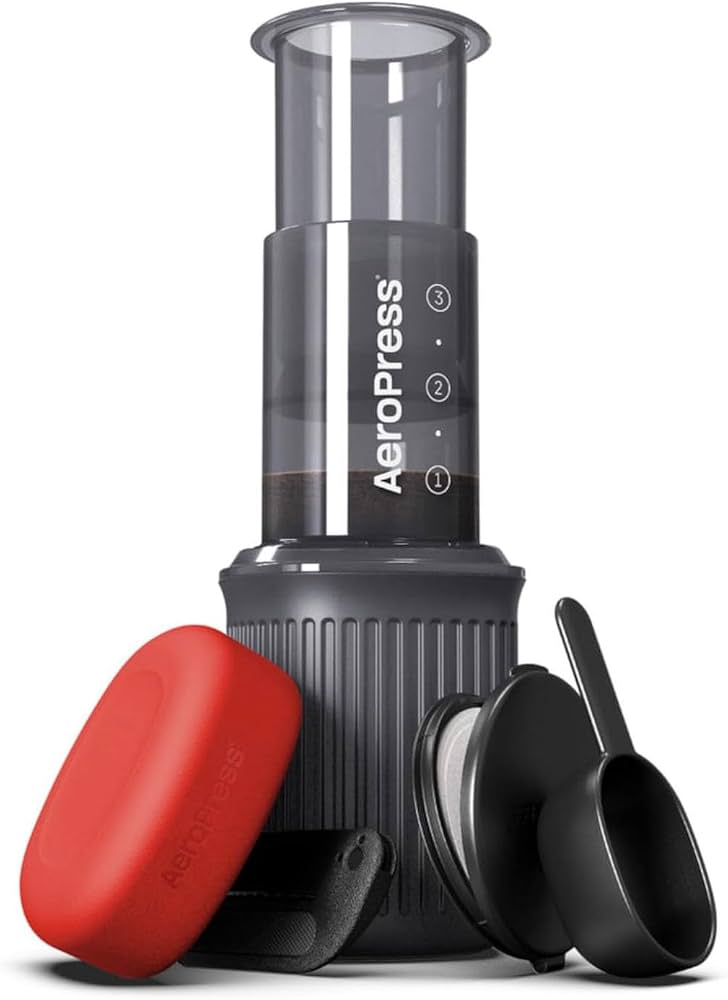
This portable press makes a smooth, low-acid cup in minutes and collapses into a travel mug for easy storage. It's endlessly versatile for different brewing styles, but it's manual—requiring a little elbow grease and a separate kettle if you want hot water.
Main limitation: Only makes about 10 oz. at a time, and you'll need a way to heat water.
Skip if: If you prefer a fully automatic or larger-volume brewer, this isn't for you.
Compare key specs and features of all our recommendations side-by-side
| Product | Recommendation | Rating | Price |
|---|---|---|---|
Cuisinart DCC-450BK 4-Cup Coffeemaker Rank #1 | 🏆 Top Pick | 8.5/10 | $35–$50 Check current price → |
Mr. Coffee 4-Cup Coffeemaker Rank #2 | 💰 Budget Pick | 7.5/10 | $15–$25 Check current price → |
Zojirushi EC-DAC50 5-Cup Ricaro Coffee Maker Rank #3 | ⭐ Editor's Choice | 9.0/10 | $190–$230 Check current price → |
Nespresso Essenza Mini Espresso Machine Rank #4 | — | 8.0/10 | $120–$170 Check current price → |
Keurig K-Mini Single Serve K-Cup Coffee Maker Rank #5 | — | 7.5/10 | $59–$79 Check current price → |
AeroPress Go Coffee and Espresso Maker Rank #6 | — | 8.5/10 | $35–$45 Check current price → |
Common questions buyers have about this category.
Look for options under 8 inches wide for a true small footprint. This allows them to fit under cabinetry or between other appliances. Many compact drip makers are 7-9 inches wide, while pod machines like the Essenza Mini are just 5.5 inches.
Yes, on a per-cup basis. K-Cups and Nespresso pods typically cost 50 cents to $1 each, while ground coffee can be 20-30 cents per cup. If you drink multiple cups daily, the cost adds up quickly.
No, most espresso machines only brew espresso. However, you can add hot water to make an Americano. For a traditional cup, you'd need a drip, pour-over, or French press.
A pour-over involves manually pouring hot water over coffee grounds, giving you more control over brew time and flavor. A drip maker automates the process but often lacks precise temperature control. Both can produce great coffee, but pour-over requires more attention.
It's about convenience. A removable reservoir makes filling easier, but it adds to the machine's footprint. If you value countertop space over convenience, you might choose a machine without one, like the Keurig K-Mini.
Generally, no, as built-in grinders require more space. If you need a grinder, consider a separate compact burr grinder or grinding your beans in advance.
Measure the width, depth, and height of your intended spot, including clearance for opening the lid and pouring water. Also check the height to ensure the cup or carafe fits under the brew basket.
Products we evaluated but did not recommend — and why.
