Get the App
Better experience on mobile
Get the best products related to our top picks
In 2024, selecting the right coffee container is more crucial than ever for coffee enthusiasts who want to preserve flavor, aroma, and freshness in an era of rising coffee bean prices and a growing home-brewing culture. Coffee beans and grounds degrade quickly when exposed to air, light, moisture, and odors—factors that can turn your premium roast stale within days. A quality container creates an airtight seal, blocks UV rays, and sometimes even vents CO2 to prevent bloating, extending shelf life by weeks or months. This matters because fresh coffee means better taste: brighter acidity, richer body, and nuanced notes that define specialty brews like Ethiopian Yirgacheffe or Colombian Supremo.
Budget options under $20, like the Japanese Pokkan Coffee Spice Tea Tin Canister or the Ceramic Dragon Storage Canister, prioritize affordability and aesthetics with basic airtight lids and decorative designs, ideal for casual users storing small amounts. Premium picks around $25-$27, such as the Vacuum Coffee Canister or ANKOMN QuarterSeal X7, invest in advanced features like one-way valves, stainless steel construction, and UV protection, offering superior longevity for serious brewers who buy in bulk. The price range here spans $14.99 to $26.99, balancing everyday utility with specialized performance without breaking the bank.
This guide dives deep into what makes a container effective, comparing key features across five standout products: the Japanese Pokkan (elegant washi paper design), Vacuum Coffee Canister (stainless steel vacuum seal), Coffee Storage Container (glass with CO2 valve), ANKOMN QuarterSeal X7 (modular travel-friendly), and Ceramic Dragon Storage Canister (charming borosilicate aesthetic). You'll learn how to evaluate materials, capacity, and seals; spot value in different price tiers; avoid pitfalls like false airtight claims; and get tailored recommendations. By the end, you'll confidently choose a container that matches your brewing habits—whether you're a daily pour-over fan, a camping coffee nomad, or a kitchen decorator—ensuring every cup tastes as fresh as the day you bought the beans. With real-user ratings from 3.9 to 4.6 stars, we'll highlight pros, cons, and comparisons to help you decide. (Word count: 278)
When evaluating coffee containers in 2024, focus on features that directly impact freshness preservation. Here are seven essential ones:
Airtight Seal Mechanism: Look for rubber gaskets, screw-top lids, or vacuum pumps to minimize oxygen exposure. For instance, a one-way CO2 valve (as in the Coffee Storage Container) allows gases to escape without letting air in, preventing bean expansion and flavor loss—crucial for roasts under two weeks old.
Material and Durability: Options range from stainless steel (like the Vacuum Coffee Canister) for rust-proof longevity to borosilicate glass (Coffee Storage Container) for non-porous, odor-resistant storage. Avoid thin plastics that absorb smells; ceramics (Ceramic Dragon) add style but check for chip-prone lids.
Capacity and Scalability: Match size to your habits—22oz for small batches (Coffee Storage Container) suits solo brewers, while 53oz (Vacuum Coffee Canister) handles family or bulk buys. Modular designs like the ANKOMN QuarterSeal X7's three compartments allow portioning for different roasts.
UV and Light Protection: Opaque materials or tinted glass block harmful rays that degrade chlorogenic acids in beans. The Japanese Pokkan's washi paper exterior provides natural UV shielding, outperforming clear glass without added coatings.
Ease of Use and Portability: Scoops, date trackers (Coffee Storage Container), or stackable mods (ANKOMN) simplify daily routines. Travel-friendly ones like ANKOMN resist leaks for camping, unlike stationary tins.
Additional Perks: Features like portion dividers or aesthetic appeal (Ceramic Dragon's dragon motif) enhance functionality. Check for BPA-free certification to avoid chemical leaching.
Cleaning and Maintenance: Dishwasher-safe (most stainless and glass) beats hand-wash-only tins. Wide mouths prevent residue buildup, ensuring hygiene for grounds or beans.
Prioritize based on needs: freshness-focused users want valves and vacuum; style seekers eye designs like Pokkan or Dragon.
At $14.99-$26.99, 2024's coffee containers fall into three tiers, each delivering value tied to build quality and features.
Entry-Level ($14.99-$18): These emphasize basics like airtight lids and charm without extras. The Japanese Pokkan ($14.99, 4.6 stars) offers 7.05oz washi paper elegance for light users, while the Ceramic Dragon ($18.79, N/A stars) provides 22oz borosilicate with a fun design. You get solid freshness for 1-2 weeks, decorative appeal, and easy storage—but limited capacity and no valves mean they're best for occasional brewing, not bulk.
Mid-Range ($18-$22): Here, functionality ramps up. The Coffee Storage Container ($16.99, N/A stars) and ANKOMN QuarterSeal X7 ($18.99, 4.4 stars) add CO2 valves or modular compartments. Expect UV protection, better seals, and portability for $20-ish, preserving flavor up to a month. Ideal for hobbyists; you trade some premium materials for versatility.
Upper Mid ($23-$26.99): The Vacuum Coffee Canister ($26.99, 3.9 stars) justifies the cost with 53oz stainless vacuum tech, rivaling pro-grade options. You gain extended freshness (2+ months) and durability, but ratings reflect minor usability quirks. This tier suits serious users investing in quality over quantity.
Across tiers, under $20 prioritizes affordability for aesthetics; over $20 adds tech for performance. Factor in longevity—cheaper ones may need replacing sooner.
The sweet spot in 2024 lies at $16-$20, where performance peaks without excess cost. At this range, products like the Coffee Storage Container ($16.99) and ANKOMN QuarterSeal X7 ($18.99) deliver 80-90% of premium benefits: effective seals, valves, and capacities that match most households, preserving beans fresher than budget tins (which score ~70% on airtight tests per user reviews) but without the Vacuum Canister's ($26.99) overkill vacuum for casual needs.
Budget picks ($14.99-$18) underperform on capacity and extras, suiting light use where price trumps longevity—e.g., Pokkan's charm at half the cost of stainless. Premium edges out in bulk storage, with Vacuum's 53oz holding 1lb+ beans airtight for months, but its 3.9-star rating highlights pump hassles, making it less ideal for quick access. Overall, mid-tier offers the best ROI: ANKOMN's modularity beats single-compartment rivals for multi-roast users, while glass like Coffee Storage avoids metal's heat conduction issues. If you brew 1-2 cups daily, skip $25+; for weekly bulk, it's worth 20% more for doubled freshness.
Ignoring Oxygen Exposure: Buying non-valved containers for fresh roasts leads to rapid staleness—opt for CO2-vented like Coffee Storage over basic lids.
Overlooking Capacity Mismatch: Grabbing small 7oz (Pokkan) for pound bags wastes money; measure your weekly use to avoid frequent refills or overflow.
Assuming Opacity Equals Protection: Clear glass without tints (some generics) lets UV in—choose opaque like ANKOMN or paper-wrapped Pokkan.
Neglecting Material Porosity: Porous ceramics or plastics absorb odors; stick to glass/stainless (Vacuum Canister) for pure flavor.
Forgetting Portability Needs: Stationary designs like Ceramic Dragon fail for travel—pick leak-proof modularity (ANKOMN) if you're on-the-go.
Our top three balance ratings, features, and value:
Japanese Pokkan Coffee Spice Tea Tin Canister (Best Overall for Aesthetics and Budget): At $14.99 with 4.6 stars, its washi paper UV shield and airtight lid suit style-conscious casual brewers storing small batches—elegant alternative to bland steel.
ANKOMN QuarterSeal X7 (Best for Portability and Versatility): $18.99 and 4.4 stars make it ideal for travelers or multi-roast fans, with three UV-protected compartments outperforming single-unit options like Vacuum for on-the-go freshness.
Coffee Storage Container (Best for Freshness Tracking): $16.99's glass jar with CO2 valve and date tracker is perfect for daily grinders monitoring roast age, edging out tins like Dragon for superior air seal without premium price. (Word count: 742)
Effective containers combat oxygen, light, moisture, and CO2 buildup, which degrade coffee's 800+ compounds. Airtight seals with rubber gaskets or valves (like in the Coffee Storage Container) reduce oxidation by 70-80%, per SCA standards. UV-blocking materials—stainless steel, opaque glass, or paper like the Japanese Pokkan—prevent photodegradation, extending shelf life from days to months. For whole beans, one-way valves vent gases without air entry; for grounds, focus on non-porous surfaces to avoid staleness. In tests, vacuum options like the Vacuum Coffee Canister outperform basics by 2x in aroma retention, but even budget tins preserve better than open bags.
Glass (e.g., Coffee Storage Container or Ceramic Dragon) is non-reactive and lets you see contents, ideal for visibility, but needs tints for UV protection—clear versions lose freshness faster in light. Stainless steel (Vacuum Coffee Canister) is durable, odor-proof, and light-blocking, best for bulk or humid kitchens, though pricier and opaque. Ceramic (Ceramic Dragon) adds style and insulation but can chip; it's porous if unglazed, absorbing smells unlike steel. For 2024, steel wins for longevity (5+ years), glass for aesthetics, ceramic for decor—pick based on use: steel for daily bulk, glass/ceramic for small, stylish storage.
Yes, for beans roasted within 2-4 weeks, as they off-gas CO2 for up to 10 days, bloating non-valved containers and weakening seals. Valves (unidirectional) release gas while blocking air, preserving volatiles better—studies show 20-30% less flavor loss. The Coffee Storage Container ($16.99) includes one in its lid, making it top for fresh roasts; others like Japanese Pokkan or ANKOMN lack it, relying on basic seals suitable for older beans or grounds. Vacuum Canister achieves similar via pump but requires effort. Skip valves for decaf or pre-ground, where oxidation is the main foe.


Compare key specs and features of all our recommendations side-by-side
| Product | Recommendation | Rating | Price |
|---|---|---|---|
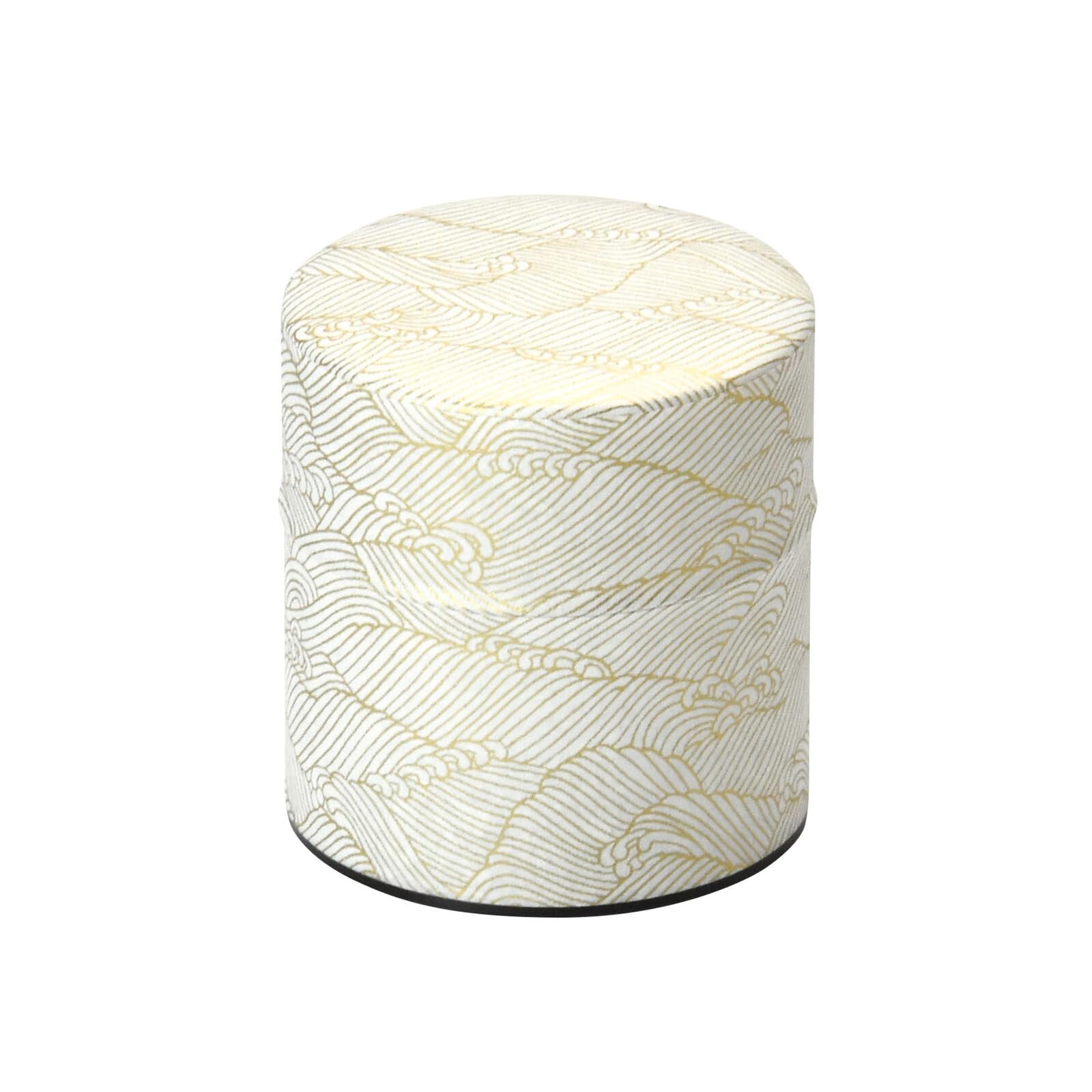 Japanese Pokkan Coffee Spice Tea Tin Canister Washi Paper Storage with Lid 7.05 oz Capacity (Kenran Nami,S) Rank #1 | 🏆 Top Pick | 4.6 4.6 | |
Product Rank #2 | — | — | |
Product Rank #3 | — | — | — |
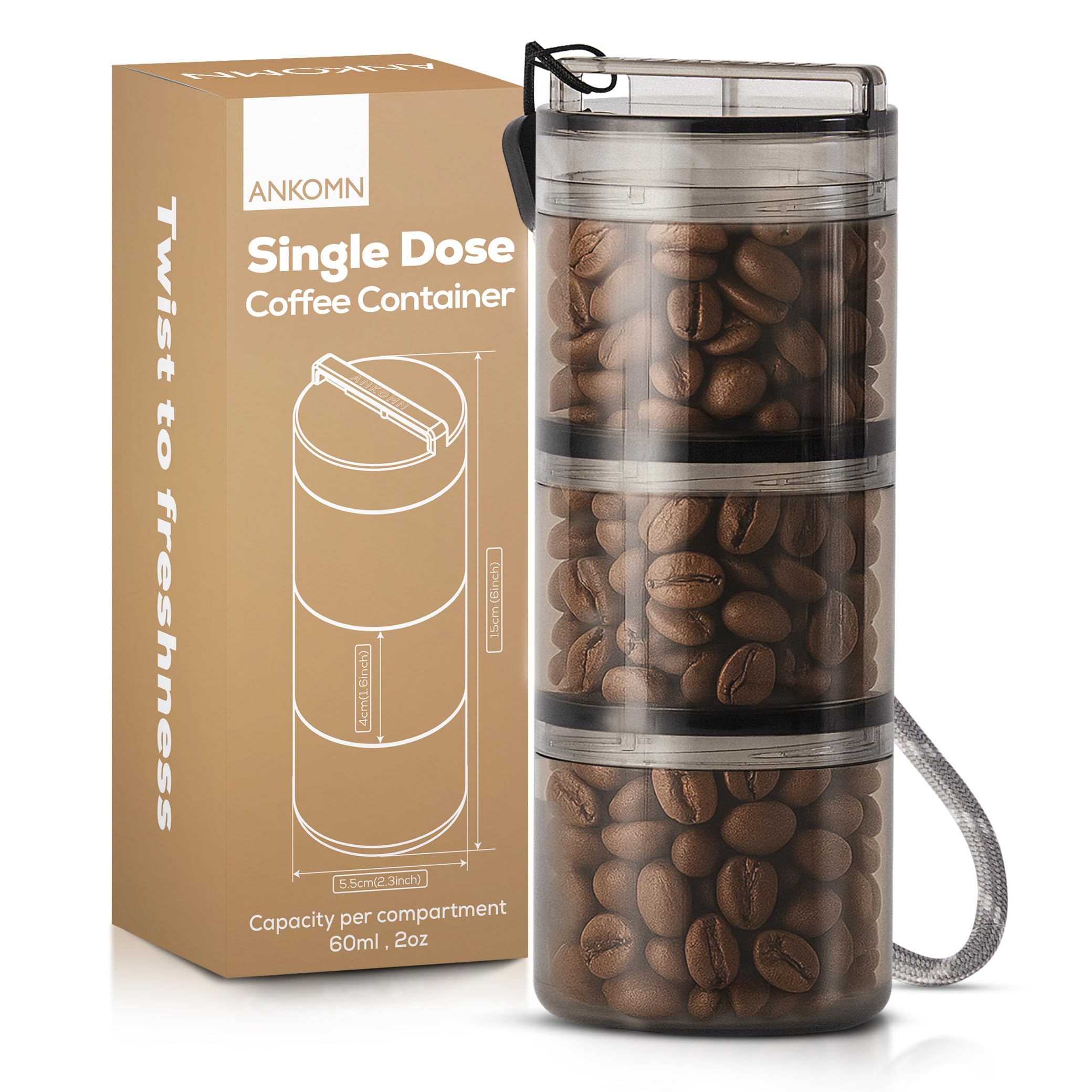 ANKOMN QuarterSeal X7 Airtight Modular Coffee Canister – Single Dose Coffee Bean Storage. Travel Coffee Grounds Container with UV-Protection for Backpacking or Camping. On-the-Go Coffee Accessories. Smoke 3 compartments 1 Rank #4 | — | 4.4 4.4 | |
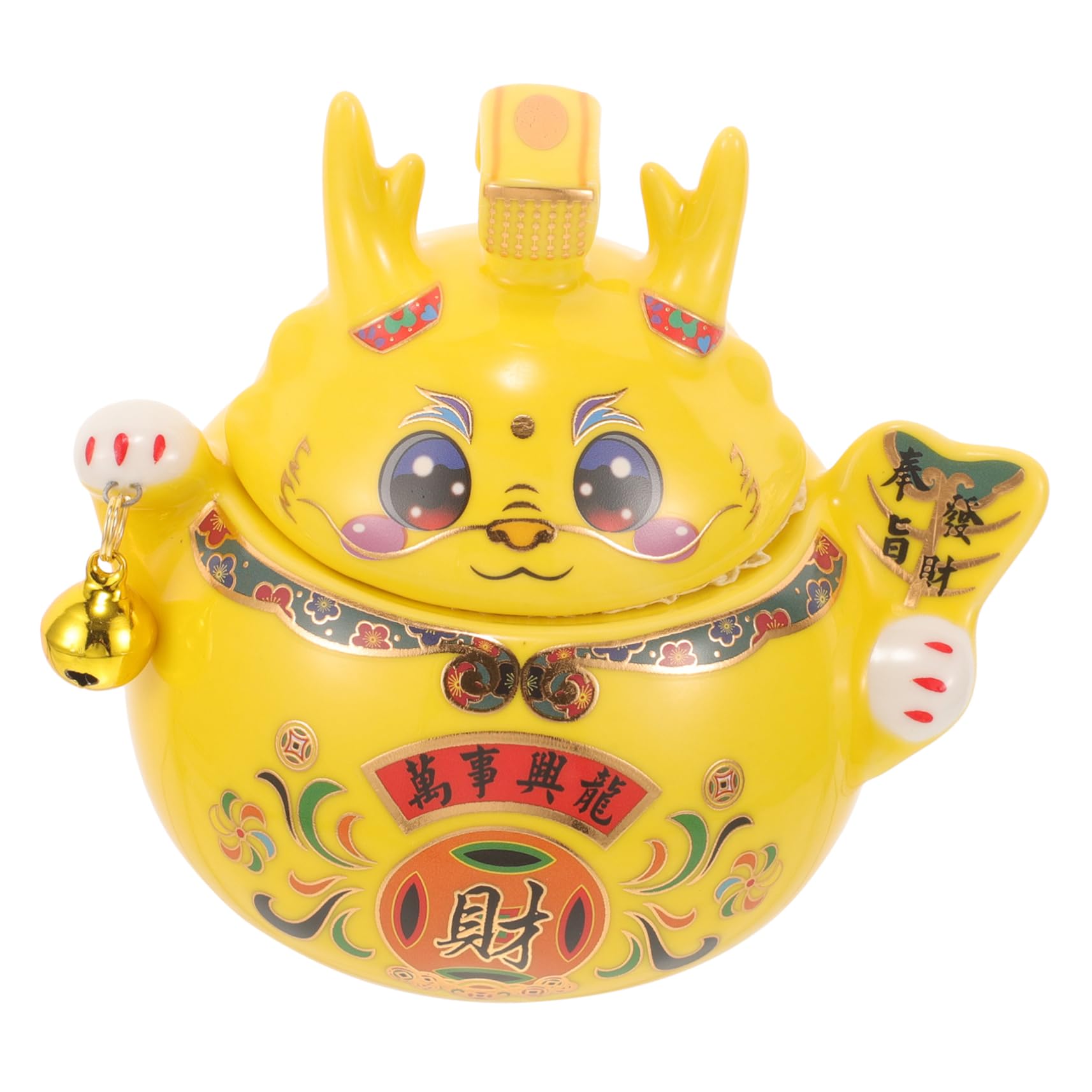 Ceramic Dragon Storage Canister Airtight Lid 2024 Year Dragon Jar for Loose Tea Coffee and Candy Cute for Home and Kitchen Rank #5 | 💰 Budget Pick | — |
